Construction & Housing
Lagos Building Safety and the Compliance Challenge
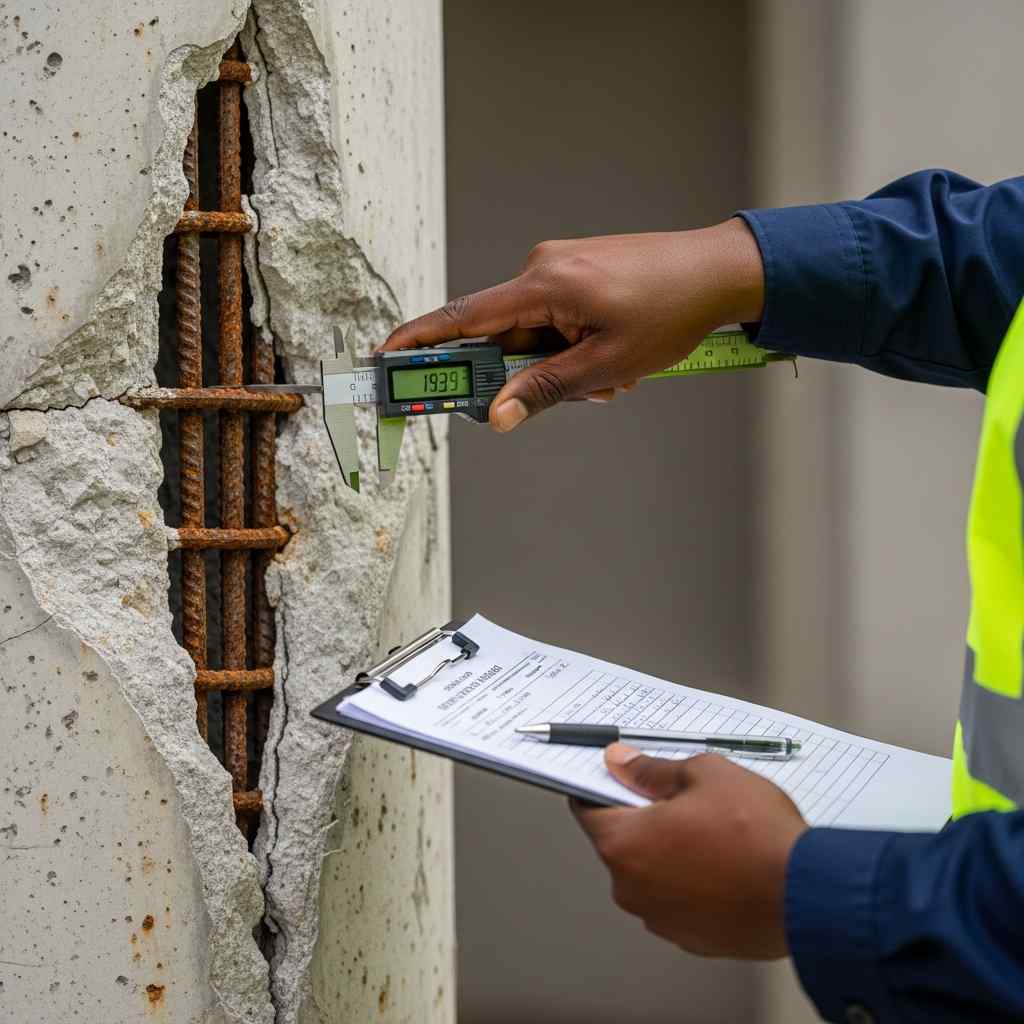
Lagos expands faster than oversight can follow, with thousands of new buildings and a backlog of safety checks. The gap between rules on paper and construction on the ground defines the city’s…

Lagos Building Safety and the Compliance Challenge
Published: 23 March, 2026
February 2024 saw the government of Lagos State mark thousands of homes for removal, targeting waterfront areas like Ilaje-Otumara before the single largest eviction event followed on March 7. By late last year, over 3,000 homes had been destroyed in Makoko alone, which the state government confirmed as part of a continuous enforcement effort in a city that expands faster than oversight can ever hope to keep up. It is a rhythm of demolition that has become familiar, a steady beat against the frantic tempo of new construction.
The Immense Scale
Consider the pace, which is almost impossible to grasp. Punch reported that Lagos adds an estimated 15,000 new buildings every single year, a number that the Lagos State Building Control Agency simply cannot match due to severe staffing shortages noted in a 2023 audit. The agency itself identified over 15,000 buildings in need of integrity tests, a backlog that grows with each rainy season, yet there is a curious catch to this story. As of August 2024, Lagos reported its lowest rate of building collapse in twenty years, which they attribute to the new Certified Structural Integrity Programme (CSIP) that mandates tests every five years. The pressure for space, however, consistently sidelines formal approval because for many people, a permit is seen as a final bureaucratic hurdle rather than the necessary foundation for safety.
Why Buildings Fail
The causes are rarely mysterious when you look closely at the evidence. Take the 2022 Ikoyi high-rise collapse, where the state tribunal cited substandard materials and a clear deviation from the approved design as failures of basic compliance. The persistent use of beach sand, inferior reinforcement bars, and watery concrete brings us directly to the supply chain, where a 2024 investigation by Premium Times found fake certification stamps for steel and cement in major markets. This means the problem starts far upstream of any inspection, so you can have the most diligent inspector in the world, but if the materials inside the walls are counterfeit from the beginning, the entire system fails before it even begins.
“The builder told me the rods were from a reputable company. We had no reason to doubt until the cracks appeared.”
– A homeowner in Lekpi, speaking to The Guardian in December 2025.
The economics quietly incentivize cutting every possible corner when land is so expensive and finance carries such high interest. With cement prices now exceeding N5,500 per bag, budgets face overruns of 25%, making the temptation to save on materials or skip a survey incredibly powerful for anyone trying to build. For many, the immediate and tangible cost of compliance will always outweigh the distant and theoretical risk of a collapse.
The Paper Framework
Lagos actually has comprehensive building codes on the books, with the Lagos State Urban and Regional Planning and Development Law of 2019 providing the legal backbone and agencies like the Lagos State Building Control Agency and the Physical Planning Permit Authority serving as the twin pillars of enforcement. The entire system is theoretically sound, but the trouble always lives in the gap between theory and daily practice. Governor Babajide Sanwo-Olu launched the upgraded Electronic Physical Planning Permit Processing System (EPPPS) on March 12, 2024, aiming to replace months of manual processing with fast-track online approvals, yet the historical slowness still pushes people toward informal construction. A developer with a loan accruing interest might just start digging without the final stamp, and once construction begins, stopping it becomes a monumental battle where enforcement is often sadly reactive.
Can Technology Help?
The state is fully committed to a digital mandate with the upgraded EPPPS representing a genuine shift toward transparency and speed as the single source of truth. Other technologies like drone surveys could map sites while a central database might tag every building with a unique ID to track its plan and inspection history through the Lagos State Geographic Information System unit, though integration with building control remains a work in progress. It gets more complex when you consider the human element, because an inspector needs a tablet that connects in real time and the authority to issue a stop-work order that the system actually enforces. Without this crucial connection, the technology is just another silo of information that never reaches the front line where it matters most.
“We are migrating to a fully digital workflow. The challenge is transitioning decades of paper records and changing a culture of manual processing.”
– A senior official at LASPPPA, in a February 2026 briefing.
The Human Factor
Building control is ultimately a people-driven operation where inspectors routinely face intimidation and quiet offers of bribes, with the phrase ‘see me, see my people’ often applying a subtle pressure. The political will to enforce rules uniformly is the most critical component, but training matters a great deal too, as a 2025 report by the Nigerian Institute of Building highlighted a severe shortage of certified inspectors in the public sector where the private sector simply pays more. You cannot possibly police complex engineering with underpaid and under-trained staff, while public awareness forms another part of the puzzle since many residents lack the basic knowledge to question their builder and simply trust the professional. Community associations in some high-end estates do hire independent engineers as a precaution, but this remains the rare exception rather than any kind of rule.
The Cost of Failure
Collapses have a direct and tragic human cost that everyone understands, but the economic cost is also staggering when a building becomes a total loss of capital that damages neighboring properties and disrupts local businesses. Insurance penetration remains so low that losses are usually absorbed entirely by the owner, while the state spends millions on emergency response and demolitions that divert funds from other infrastructure projects. The reputational damage to Lagos as a megacity has a long-term economic impact because investors look for stability above all else, which contrasts sharply with the relatively minor cost of compliance where the fee for a plan approval is just a fraction of the total project cost. The business case for building right is actually quite compelling, yet short-term cash flow pressures consistently obscure this simple logic for everyone involved.
Other Cities, Other Lessons
Lagos is not alone in this struggle, as cities like Mumbai and Dhaka have grappled with similar challenges for decades, though the transformation of Singapore is often held up as a model that relied on strict enforcement and a massive public housing program. The context of Lagos is fundamentally different with its relentless pace of migration and limited state capacity for public housing, where the informal economy drives so much construction that any solution must be uniquely homegrown. A system that works perfectly on the island might fail completely on the mainland, which is why the National Building Inspectorate of Kenya, established after the 2016 Huruma collapse, offers a closer example by centralizing enforcement and creating a public database. Its effectiveness over the past decade shows the level of commitment truly required to make a difference.
What Progress Looks Like
Real progress starts with making the compliant path the easiest one by streamlining the permit process to deliver approvals within a guaranteed timeframe, which would remove a major incentive for bypassing the system altogether. Enforcement must also become predictable and transparent through a public dashboard showing all approved plans and violation notices to empower residents and embarrass violators, since sunlight is still the best disinfectant. The supply chain requires serious policing with random audits of material sellers conducted by the Standards Organisation of Nigeria and the Council for the Regulation of Engineering in Nigeria to introduce real risk for counterfeiters, because the focus cannot only be on the builder at the end of the line.
A Simple Idea
Imagine every new building project starting with a publicly displayed QR code issued with the permit, linking directly to the approved plans, the names of the professionals, and the inspection schedule for any neighbor to scan. They could see what the building is supposed to be and report discrepancies anonymously, turning every citizen into a stakeholder for safety and moving regulation from a closed office into the street where it belongs. The technology for this already exists in a city where everyone has a phone, leveraging the most distributed tool for accountability so the builder knows his plans are no longer hidden away in a filing cabinet. The political will to mandate it is the only missing ingredient for a shift from guarding information to sharing it freely.
The Foundation
The future of Lagos is literally under construction right now, and the quality of that work will determine the city’s resilience for generations to come. The laws are already written and the agencies are named, while the technical knowledge exists in abundance, leaving only the mundane and relentless work of inspection and certification as the task ahead. It requires insulating officers from pressure and temptation while demanding that professionals uphold their ethics without compromise, making the safety of buildings not a mystery but a simple choice. Every beam placed is a quiet vote for the kind of city Lagos intends to become, with the foundation for a safer city built from compliance, poured carefully one building at a time.






Construction & Housing
House Built on Termite Mound Stands for Eighty Years in Ibadan
A house in Ibadan has stood for eighty years on an active termite mound, surviving floods that damaged hundreds of other buildings. The builder saw the mound as a pillar, not a pest, and his simple…
House Built on Termite Mound Stands for Eighty Years in Ibadan
Published: 10 April, 2026
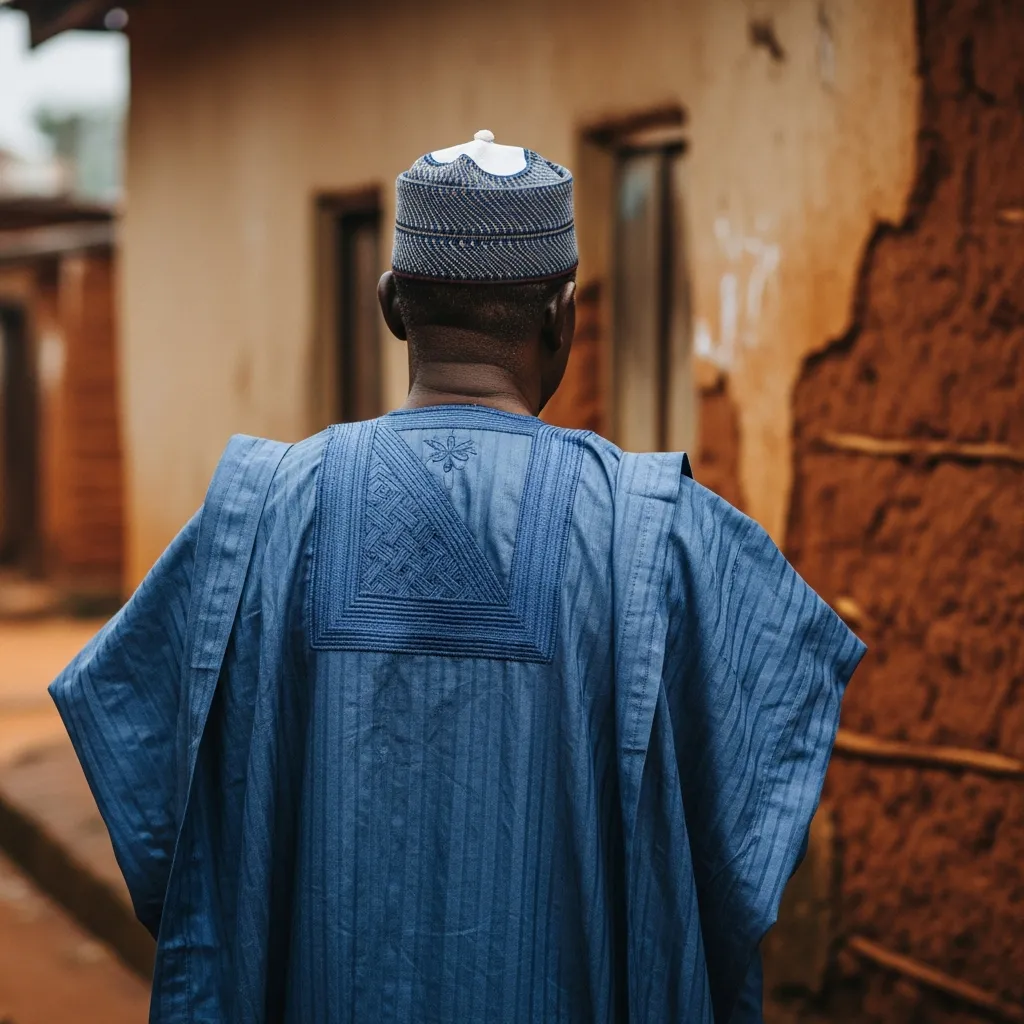
Mr. Adewale remembers his grandfather looking at a termite mound and seeing not a pest but a pillar, which is how you get a house that has stood for eighty years in Mokola while everything else around it has changed or fallen. The rains have come and gone, the city of Ibadan has grown to over 3.6 million people, and neighbors have rebuilt their homes twice, but this particular house simply stays where it was first placed. Its foundation is an active termite mound, a living structure with insects still moving beneath the floorboards, and the builder did not remove it before he began his work. He built his walls directly on top of their walls, and the house has not cracked or shifted in all the decades since, which makes you wonder what we are missing when we only trust what comes with an engineer’s stamp.
The patience of insects
Termites build with a patience that humans rarely muster, their mounds rising from the earth over years of slow and methodical work until the soil becomes as hard as old concrete. Water runs off it, rain does not soften it, and time only makes the structure stronger, which local builders noticed long before any researcher wrote a paper. They watched the mounds survive the heavy seasonal rains year after year and saw that grass grew taller around them while water drained away from their base, so some of them decided to trust what they saw with their own eyes. Researchers at the International Institute of Tropical Agriculture have studied the clay content and the microstructure, but in Mokola the proof was already standing quietly in front of everyone.
A test by heavy rain
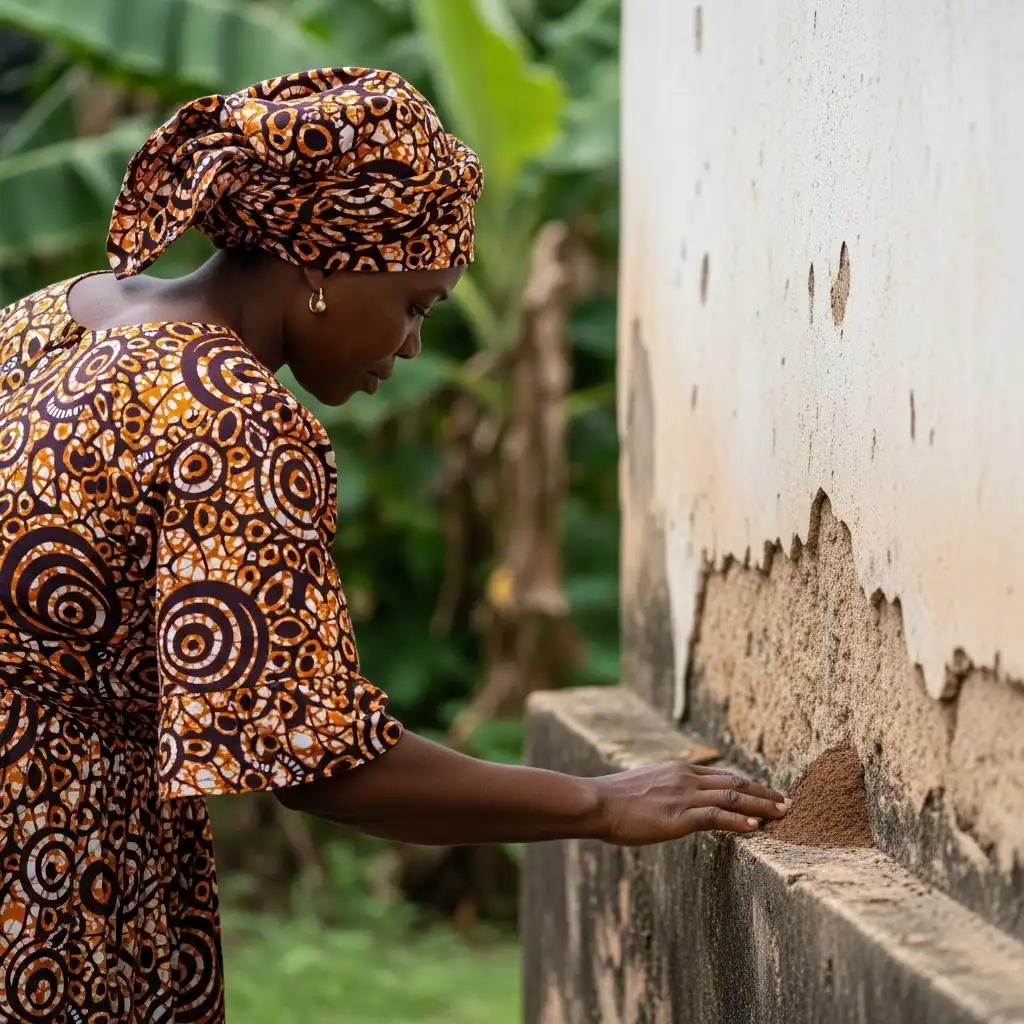
In 2025, heavy rains tested the city and the Oyo State Government reported over 200 buildings damaged by floods, with houses that had proper foundations cracking and collapsing under the pressure. But this house built on a mound of insects did not even flinch, which tells you something about durability when you stop to listen. The builder’s grandson still lives there and he explained the simple logic behind it all one afternoon in March.
“The builder was my grandfather. He used what he saw. The white ants had already made the ground strong. He built his walls on their walls.”
– Mr. Adewale, a resident and relative of the original builder, speaking in March 2026.
The cost of building properly
In Lagos and Abuja, construction means imported materials and steel reinforcements, with engineers drilling deep piles into the ground while the cost of cement climbs from N5,000 a bag to over N8,500 in just a few years. Building a proper house has become a rich man’s game, but here is a house built on a termite mound with no imported steel and no drilled piles, just a man who looked at the land and asked what it was already offering him for free. The Federal Ministry of Works and Housing writes codes and regulations, but the conversation about resilient building often ignores the knowledge sitting right under their feet, which is a shame when you think about it.
Reports on shelves
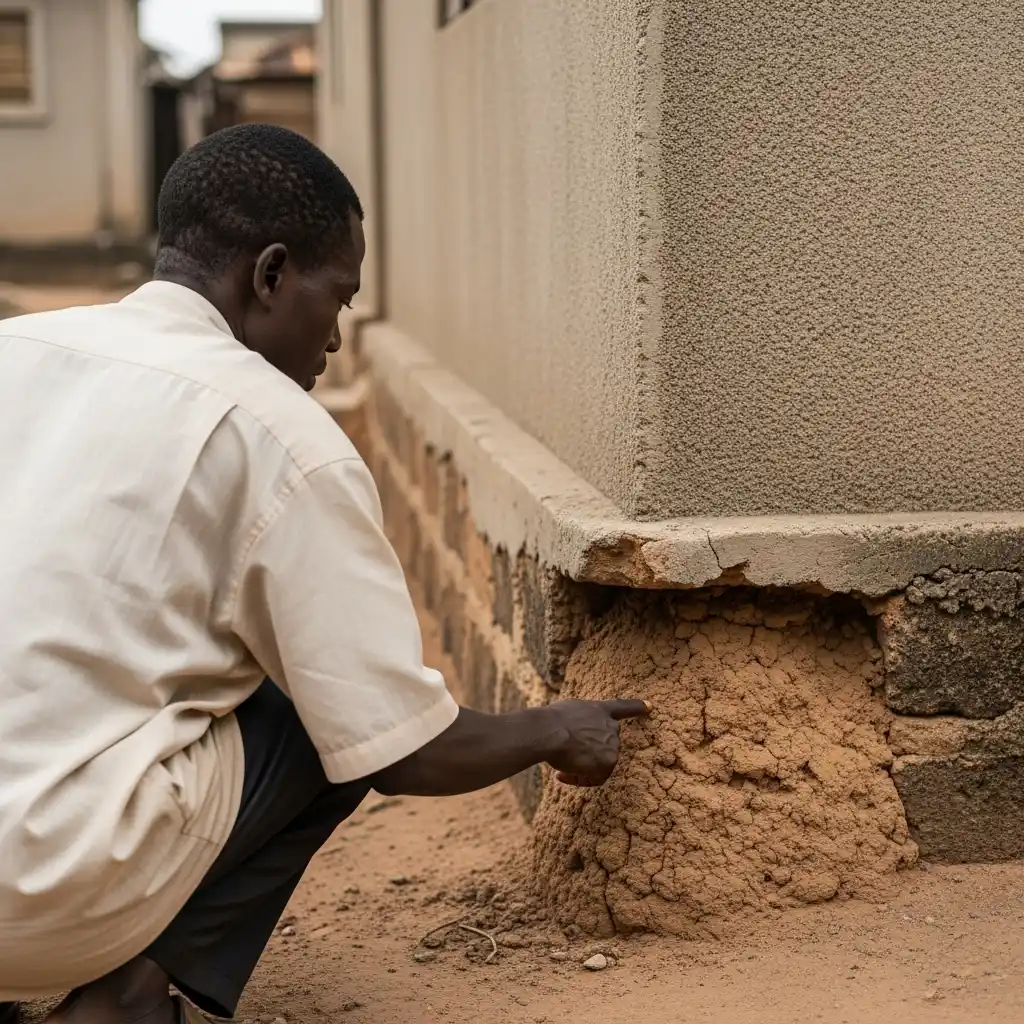
Geotechnical engineers have found that termite mounds have higher clay content and a unique microstructure that makes the ground beneath them more stable, and the Nigerian Building and Road Research Institute has investigated local materials and studied stabilised earth. Their work sits in reports on shelves while the knowledge goes unused, even as building collapse becomes a regular headline with the Building Collapse Prevention Guild reporting dozens of incidents each year. Families bury their dead, the government launches investigations, and then the next collapse comes, but this house offers a different story with a foundation that has held for eighty years and no investigation needed. A scientist at a federal university put it rather well recently.
“Our research into bio-inspired construction is still new. But structures built by insects can teach us about material efficiency and harmony with the environment.”
– Dr. Chinedu, a materials scientist, speaking in a 2026 interview.
Look at the old buildings
Walk through your own neighborhood and look at the old buildings that have stood for decades while newer ones around them have crumbled, then ask about their stories and who built them and how, because local history holds lessons no textbook can ever teach you. Notice the land and how water flows and where it pools, what grows well and what struggles, since the earth speaks to those who learn to listen. And consider maintenance, because the Ibadan house did not survive on its foundation alone, as someone painted the walls and patched the roof and cared for it through the years. A good start is never enough on its own, so you have to keep going with the work.
Wisdom looks like insects
Urban planners face a hard problem with cities growing fast and affordable, durable housing in constant short supply, and the solutions may not all come from abroad if we bother to look at what already works here. The World Bank supports urban development projects in Nigeria and spends hundreds of millions of dollars, but money alone does not build a lasting house when you really think about it. Wisdom does, and wisdom sometimes looks like a mound of insects holding up a home for eighty years, which is a quiet lesson in durability that costs nothing to learn.
Still standing
The house continues to stand and the termites continue their work beneath the floor, with no one knowing how long it will last after eighty years and maybe eighty more. The original builder made a choice based on what he saw, trusting the land and trusting the insects, and his children and grandchildren have slept safely ever since in a time of complex problems and expensive solutions. Sometimes the answer is simple when you look at what has already survived, ask why it worked, and then build accordingly without overcomplicating things that do not need to be fixed.
Construction & Housing
How to Register Vehicle at FRSC and Get Number Plate Nigeria
Getting a number plate in Nigeria is a journey that starts in an unexpected place. You need a 17-character code, three key documents for 2026, and patience for a process that is part digital, part…
How to Register Vehicle at FRSC and Get Number Plate Nigeria
Published: 04 April, 2026
There is a 17-character code stamped on the chassis of your car that will become your new best friend, or perhaps your new headache, depending on how the day is going. It is called the Vehicle Identification Number, and it is the key that unlocks the entire process of getting your vehicle registered in Nigeria. You would think the first step is with the Federal Road Safety Corps, but you would be wrong, and that is where the story usually begins with a sigh and a change of direction.
The journey begins elsewhere
Your journey to a number plate does not start at the FRSC office you have driven past a hundred times. It actually begins with the Nigeria Customs Service, which is a bit like showing up for a wedding only to be told the ceremony is happening at a different church across town. You need a Custom Duty Payment Certificate first, which proves you have paid the government what it is owed for your vehicle. Without this piece of paper, no other agency will even look at you, and you will be stuck in a bureaucratic cul-de-sac, wondering where you took the wrong turn.
The three keys for 2026
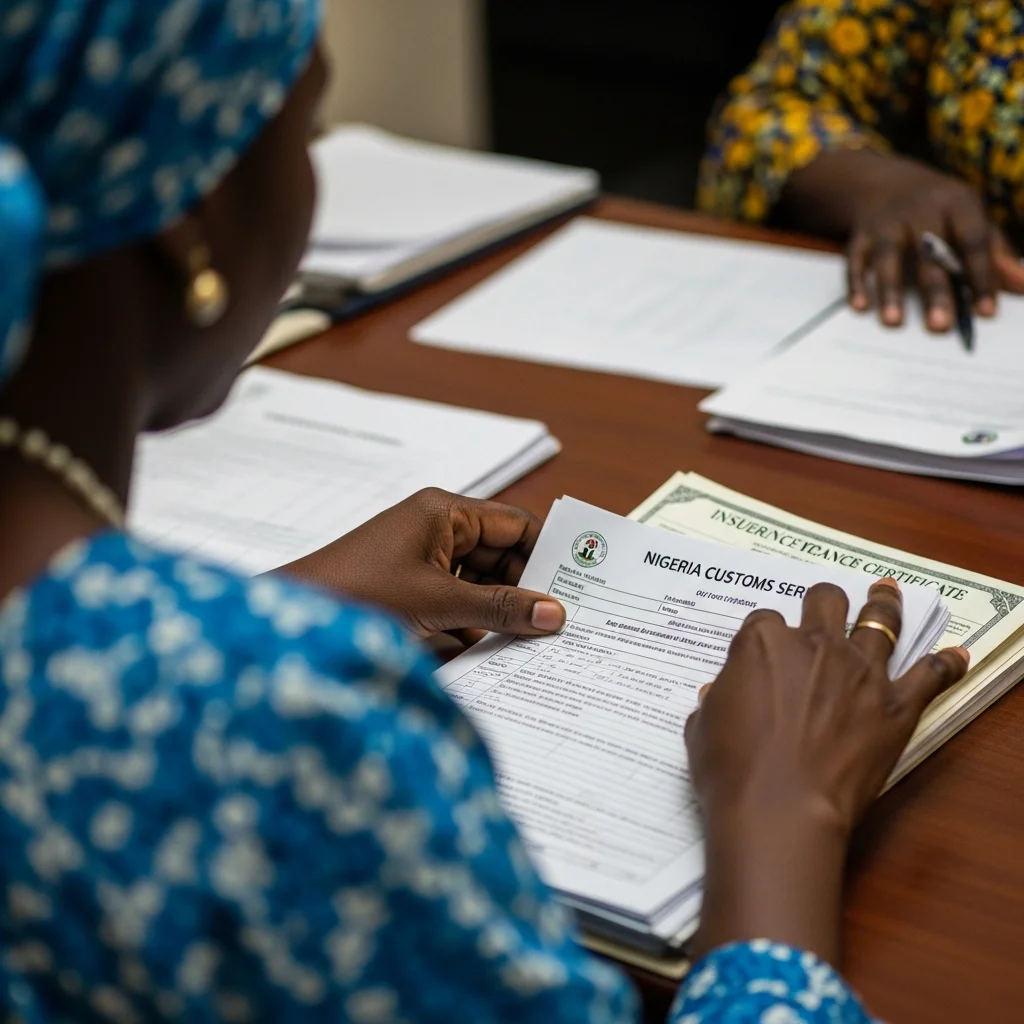
Before you visit any office this year, you need three things in your hand. The first is that customs certificate, which you can verify online. The second is your National Identification Number, validated and ready. As of late 2025, this became the master key for the whole system, and you cannot generate a plate without it. The third is a valid insurance certificate from an approved firm. Forget one of these, and you are not going anywhere fast.
Compiling your dossier
With the customs duty settled, you start gathering your other documents like you are preparing for a very important, very tedious audition. You need the original customs certificate, the insurance paper, the manufacturer’s certificate, and a copy of your ID. If you are in Lagos State, you also need a LASDRI Certificate to prove you are medically fit to drive, which feels like an extra test on a day that already has too many. These documents form your application pack, and if one is missing, the whole stack falls over.
The digital dance

Your next move is online, registering with the Central Motor Registry through the FRSC portal. You input your vehicle details and that all-important VIN. The system checks it against records, and if all is well, you get an invoice. You pay online, and the system generates your vehicle license and number plate particulars. This part has gotten faster, they say. A report by Premium Times in March 2026 noted an improvement, which is always nice to hear.
There is a new twist for this year, though. The Nigeria Police Force now requires a separate Digitalized Central Motor Registry certificate, which costs about N5,250. It is meant to help prevent vehicle theft, and getting it marks you as an owner who is paying attention to the latest chapter in this ever-evolving story.
Understanding the price tag
Let us talk about the cost, because nothing happens without it. The FRSC charges N15,000 to N20,000 for a private vehicle’s plate. Then you add the police e-CMR fee, the roadworthiness test fee which varies by state, the driver’s test fee, and an annual Proof of Ownership Certificate for N1,000. When you add it all up, the total often lands between N45,000 and N65,000, and that is before you even think about the initial customs duty. It is not a small amount, but it is the price of admission to the road.
“The integration of our systems aims to create a one-stop process for the motorist. The goal is that from the point of duty payment to plate collection, the citizen interacts with a unified system.”
– Bisi Kazeem, FRSC Public Education Officer, February 2026.
The temporary paper plate
After your online payment is approved, you get to print a Temporary Number Plate. It is a paper document with a QR code that you display on your car. This authorizes you to drive for about 60 days while your metal plate is being made. Law enforcement can scan the code to check your status. It is a clever interim solution, a permission slip that says you are almost there, just be patient.
The physical inspection
With your temporary plate, you book a physical inspection at a Vehicle Inspection Office. An officer checks your brakes, lights, tires, and emissions. If your car passes, you get a Road Worthiness Certificate that is valid for one year. If it fails, you fix the problems and come back. This step ensures only sound vehicles get permanent registration, which is a good idea when you think about the alternative.
Collecting the real thing
The final act is collecting your metal Number Plate. You get an SMS or email when it is ready, and you go to the collection point with your temporary plate and certificates. The officer affixes it to your vehicle with official seals, and just like that, your registration is complete. The whole timeline can take several weeks, but with your documents in order, it moves along. It is a procedural marathon, not a sprint, and understanding each leg makes it less daunting.
Where you might get stuck
The most common bottleneck is at the customs duty stage, where incomplete documents or valuation disputes can cause long delays. The physical inspection booking can also be a point of friction because slots are limited. Network failures on government portals do not help either. This is why many people hire a licensed agent to navigate the process for them. It adds to the cost, but it saves a tremendous amount of time and stress, which is a trade-off many are willing to make.
Once you have your plate, you must keep all your documents together and renew your insurance and roadworthiness certificate every year. Do not forget the annual N1,000 Proof of Ownership renewal, a small detail that has tripped up many a new owner during a routine police check. The system is designed for accountability, they say, and it certainly keeps you on your toes. You look at that metal plate finally fixed to your car, and you understand it represents more than just a number. It is a story of persistence, paperwork, and finally, permission.
Construction & Housing
Cheapest Building Materials in Nigeria for 2026 House Projects
Building in 2026 starts with the price of cement. Real savings come from local materials like sand, bamboo, and earth blocks. A smart blend and a local market survey can turn your building dream into…
Cheapest Building Materials in Nigeria for 2026 House Projects
Published: 31 March, 2026
N7,500 is where the conversation begins. That was the price for a bag of cement at the start of the year, a number that sits at the heart of every construction calculation in the country. It is a daily puzzle for millions of people, this search for the cheapest way to put a roof over their heads, and the numbers tell a story all their own.
Start with what is underfoot
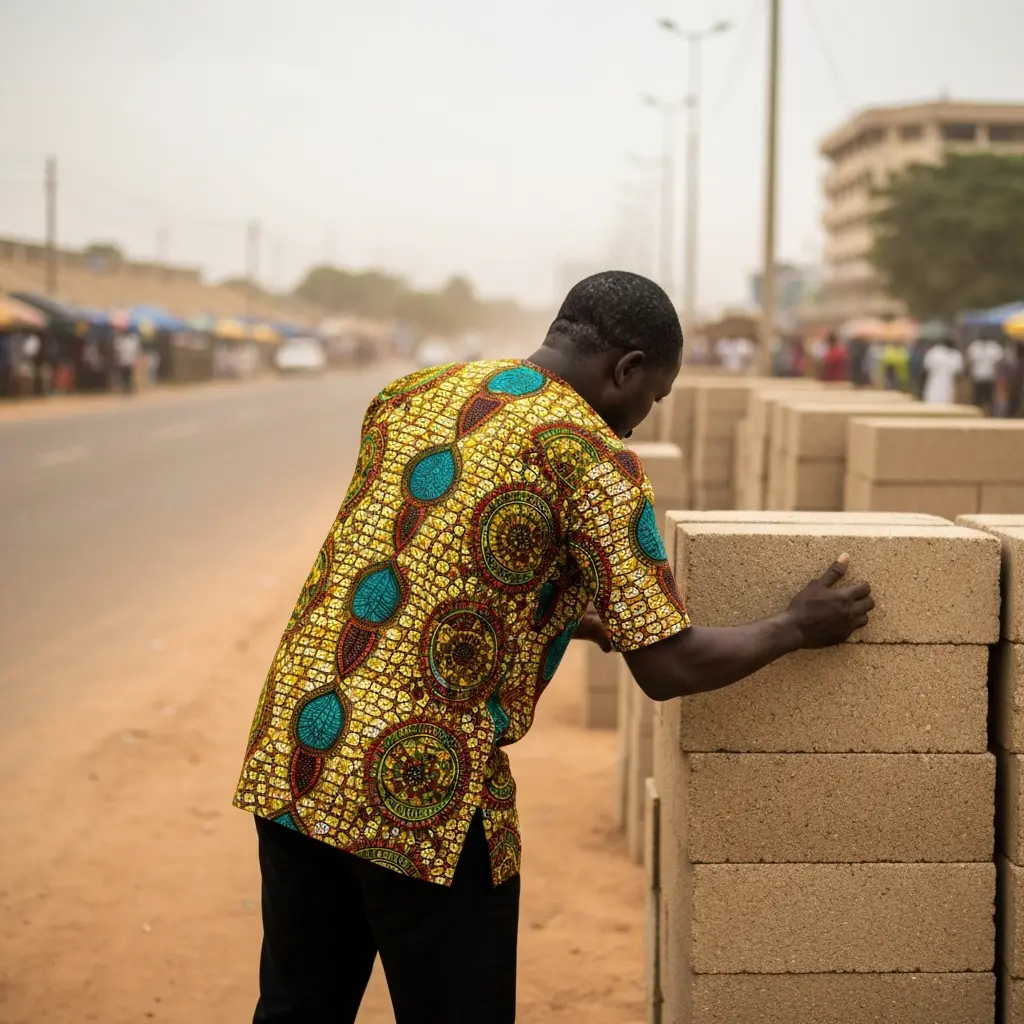
The most affordable materials are usually the ones you find right next to you because transport has a way of turning a good price into a painful one. A lorry load of sharp sand that costs N80,000 in Ogun State can easily double by the time it reaches a site in Lagos, all because of logistics and the various levies along the way. The National Bureau of Statistics had the average price for a tonne of sharp sand across all 36 states at N31,500 last December, with river sand a bit higher at N35,000. A builder in Rivers State will use more river sand, while someone in Kano might rely on laterite, because the material already under your feet often presents the first real savings.
The reign of the sandcrete block
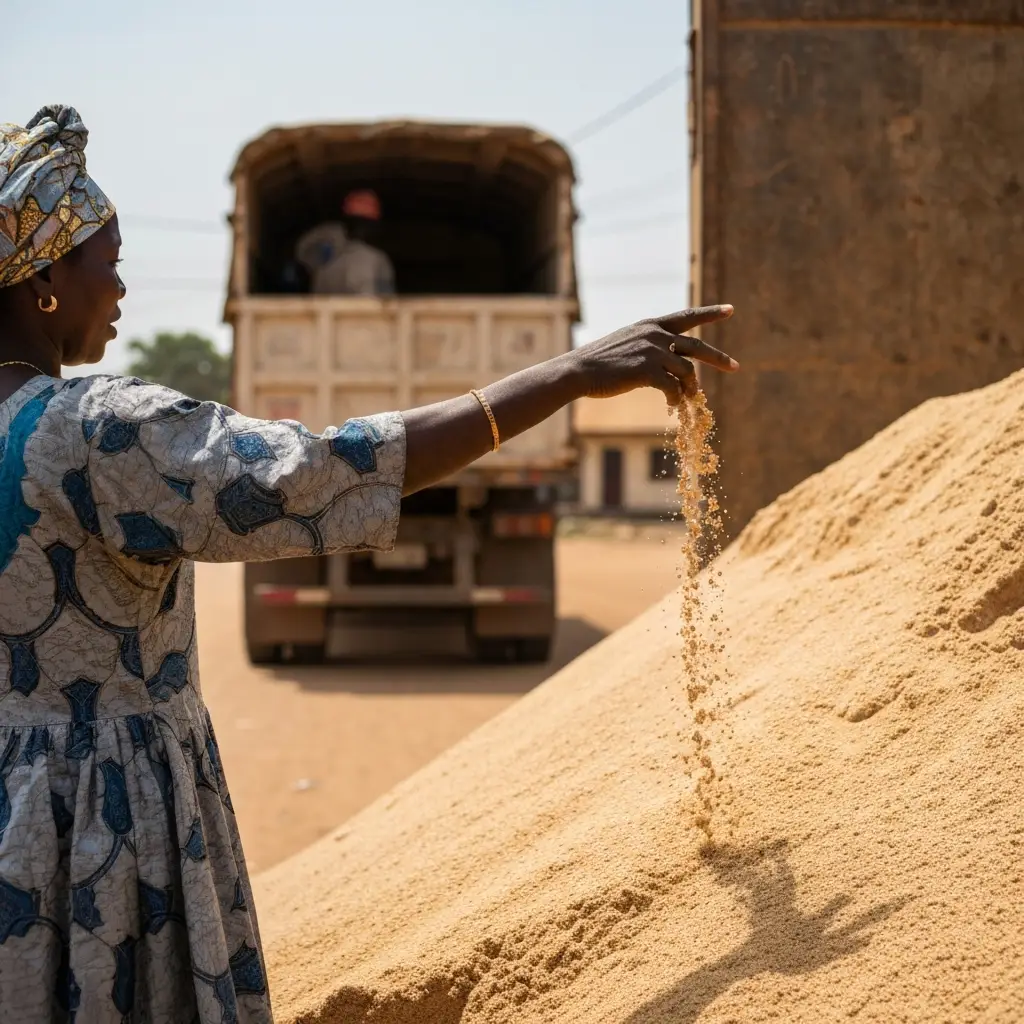
Walk through any building site from Port Harcourt to Sokoto and you will see them stacked high. Sandcrete blocks still rule the market because the recipe is straightforward, just cement, sand, and water. The price for a standard 9-inch block dances around quite a bit, though. In Abuja, prices ranged from N450 to N550 early this year, while in Lagos you would find them between N480 and N600. Block makers in Ota told BusinessDay that the price changes directly with the weekly cost of cement, which means if you want to predict block costs, you just have to keep an eye on that one bag.
Bamboo enters the chat
Let me tell you about bamboo. It is a grass that grows quickly in southern and central Nigeria, and it is a renewable resource that research institutes have been promoting. The cost advantage is hard to ignore. A long bamboo pole good for scaffolding can cost between N500 and N1,500, which is far less than a steel tube. It is lighter too, so it cuts down on labour during handling. Professor Abdullahi Onilude from the Forestry Research Institute mentioned in a seminar that treated bamboo can last over 25 years for construction.
“The perception that bamboo is a poor man’s material is outdated. With current treatment and engineering, it is a viable, low-cost structural option for residential buildings.”
– Professor Abdullahi Onilude, Forestry Research Institute of Nigeria, 2025.
An old friend called earth
So here we are, going back to the beginning. Before cement blocks, people built with earth, and the method is making a comeback with names like ‘rammed earth’ or ‘compressed stabilized earth blocks’. These use local soil mixed with a tiny amount of cement or lime. The soil is often free right on the site, and the stabilizer is only about 5-10% of the mix. A study found that walls made this way could be 30% cheaper than sandcrete block walls for a single-story building, and they keep the house cooler too.
The rooftop sea of zinc
Look at the rooftops in any Nigerian suburb and you will see a sea of corrugated iron sheets, what everyone calls ‘zinc’. They are popular because they are light, easy to install, and relatively cheap. The price depends on how thick and coated they are. In January, a standard stone-coated sheet sold for about N4,800 per square meter, while a simpler galvanized one was around N3,200. The thing to remember is the lifespan. A good stone-coated sheet can last 40 years, but a basic one might start rusting in 10 to 15. The cheaper price today asks for a bit of thought about tomorrow.
Timber and its geography
Timber for roofs and doors is a major part of any budget, and the price depends entirely on the type of wood and where you are. Local hardwoods like iroko are durable but expensive now because they are scarce. Softwoods like imported pine are common for roof rafters, with a 2″ x 4″ piece selling for between N2,500 and N3,500 early this year. A builder in Benue State has much easier access to timber than a builder in Borno State, and those transport costs write the final price tag at the site.
That unavoidable cement
You simply cannot talk about building without cement. It binds everything together. As we started with, the average price was N7,500 per bag in the first quarter, but that is just an average with wide disparities. In some northern states, prices reached N8,200 because of the cost of transport from the southern factories. The country produces over 60 million metric tonnes a year, so it is not about scarcity. For now, the price at the depot closest to you is the only one that truly matters.
Your own local survey
The most useful thing you can do is a simple market survey in your own area. Prices in the Mushin market in Lagos are different from prices in the Ogige market in Nsukka. Make a few calls to block moulders and timber sellers and you will get a reliable picture. Create a straightforward table with each material and the price from three different suppliers. It takes an afternoon, but it shows you the actual cost where you are and introduces you to people you might buy from. This knowledge protects you from inflated quotes before a single block is ever laid.
The total cost, not the tag
A cheap material that needs expensive skilled labour to install loses its advantage quickly. Bamboo is inexpensive, but a carpenter familiar with bamboo joinery might charge more. Factor in durability as well. A roofing sheet that lasts 15 years instead of 40 means a replacement cost down the line, and that future expense is part of the total cost of the building. The cheapest option today might ask for more from you tomorrow.
Blend and build wisely
Smart construction often uses a hybrid approach now. Load-bearing walls might use sandcrete blocks, while internal walls could use lighter, cheaper materials like bamboo board. The roof structure could combine timber trusses with bamboo purlins. This method uses stronger, more expensive materials only where they are absolutely necessary and lighter, cheaper ones for everything else. It requires more planning at the start, but the payoff is a practical house built within a realistic budget.
Your next move
Gather current prices from your local suppliers this week. Start with the basic list: cement, sand, blocks, roofing sheets, and timber. Speak with the sellers and ask about price trends for the last six months, because their insight is as valuable as the number they quote. With that information, you can draft a preliminary plan. You will understand which materials offer real value where you are, moving from general advice to something specific for your project. The dream of building a house persists despite everything, and knowing the cost of materials is what turns that dream into a plan you can actually hold in your hands.

Ancient Rock Art Traditions Endure in Igbara Oke Caves

Palm Wine Tapper Climbs Same Tree That Killed His Father in Ozoro

Hunter Hears Dead Brother Whistle in Ganye Forest Mystery

Farmer Plants Yam That Grows Downward to Water Table in Drought

She Kept Asking and They Kept Moving Her in Nigeria

Global Food Prices Rose 2.4% in March 2026

Chigozie Obioma International Booker Prize 2026

Jidenna Pan African Sounds Latest Musical Project 2026

Hakeem Oluseyi Brings Astrophysics to Classrooms Worldwide

NANS Diaspora Nigerian Students Eastern Europe

Nnamdi Asomugha From NFL Cornerback to Hollywood Producer

Folake Olowofoyeku Stars in American Sitcom on Nigerian Family Life

Internet Sovereignty: Why Some Countries Want Their Own Separate Internet

The Story Of The Nigerian Who Helped Build Global Internet Systems

Nigerian Hackers: The Global Fraud Story and Its Fallout

Forgotten Satellites Defy Silence, Beaming Signals for Decades

The Phone Stay So Quiet: An Investigation into Nigeria’s Silent Customer Lines

Your Digital Store in Nigeria and the Reality of Domain Expiration

The Business That Died: A Nigerian Case Study in Refusal to Adapt

Hiding Your Business From People With Money

How Nollywood Grew Without Government Support

Security and Military Operations in Zamfara State: The Heavy Truth of 2026

Moniepoint Business Account Requirements Nigeria for SMEs 2026

Comedy Industry in Nigeria and Its Economic Contribution


 Digital Sovereignty8 months ago
Internet Sovereignty: Why Some Countries Want Their Own Separate Internet
- Technology & Innovation8 months ago
The Story Of The Nigerian Who Helped Build Global Internet Systems
- Crime8 months ago
Nigerian Hackers: The Global Fraud Story and Its Fallout
- Space Technology8 months ago
Forgotten Satellites Defy Silence, Beaming Signals for Decades
- Maritime8 months ago
The Phone Stay So Quiet: An Investigation into Nigeria’s Silent Customer Lines
- Business8 months ago
Your Digital Store in Nigeria and the Reality of Domain Expiration
- Business8 months ago
The Business That Died: A Nigerian Case Study in Refusal to Adapt
- Business8 months ago
Hiding Your Business From People With Money