Transport Safety
Ibadan Tanker Explosion in Nigeria Leaves Two Dead After Horror Crash
A Mack truck crashed on a busy Ibadan highway, killing two. It’s a recurring national nightmare born from poor maintenance, dangerous roads, and promises that fade until the next tragedy.

Ibadan Tanker Explosion in Nigeria Leaves Two Dead After Horror Crash
Published: 24 March, 2026
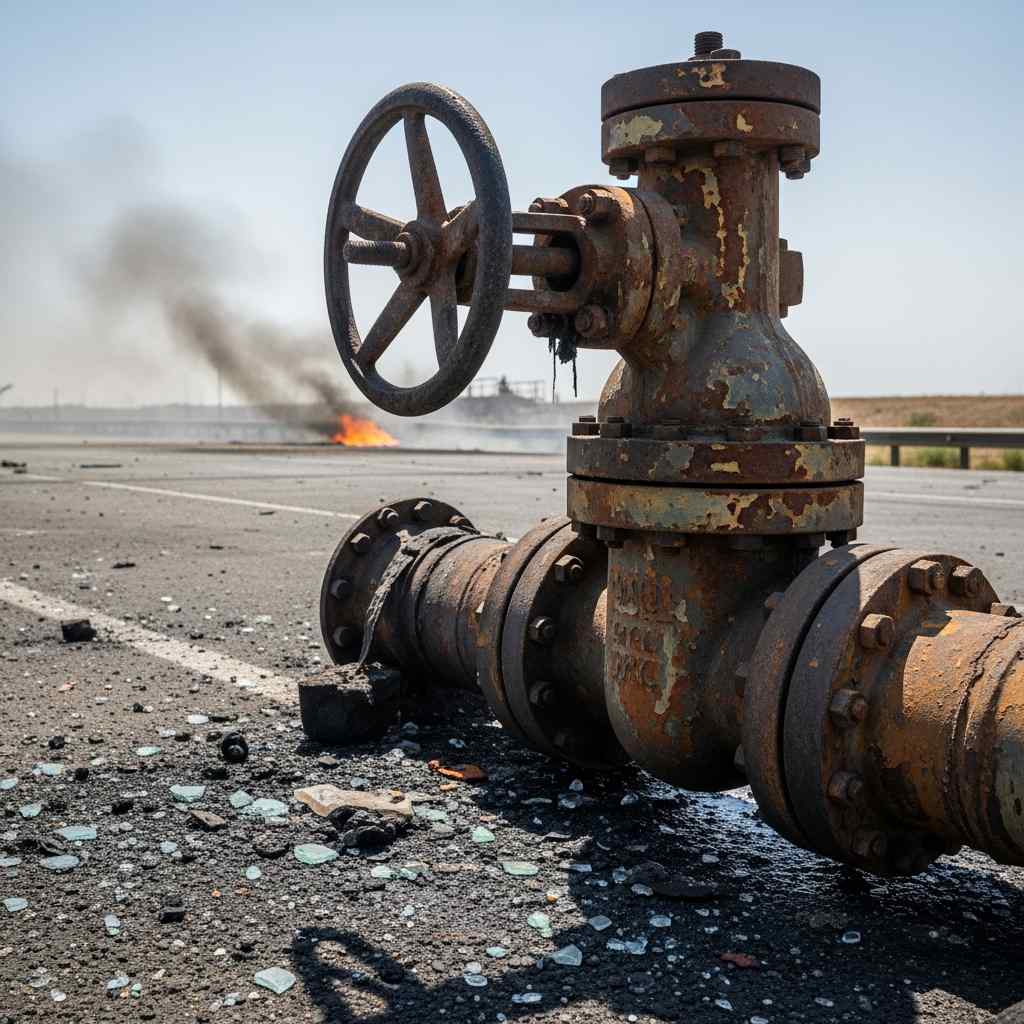
March 24, 2026 was a Tuesday like any other along the Beere-Ooje Highway in Ibadan, at least until the screeching began. A Mack truck suffered brake failure and crashed near the Oje fruit market, a busy commercial area where people were just going about their day. The accident killed two people, and this is not a new story but a recurring national nightmare that plays out with a dreadful, predictable rhythm.
The Scramble to Respond
Emergency services from the National Emergency Management Agency (NEMA), the Oyo State Police Command, and the Federal Road Safety Corps (FRSC) all converged on the scene where firefighters worked to contain a blaze that had engulfed multiple vehicles and nearby properties. Traffic in the area was completely disrupted as recovery operations began, and the Oyo State Police Command spokesperson, Ayanlade Olayinka, confirmed the grim toll. An official statement from NEMA that same day tried to offer some solace.
“We have lost two precious lives to this avoidable tragedy. Our hearts are with the families.”
– National Emergency Management Agency, 24 March, 2026.
Preliminary reports from the FRSC cited a loss of control due to brake failure as the primary cause, and authorities had to work quickly to debunk viral videos circulating online that falsely claimed a massive tanker explosion at a different location.
A Grim and Familiar Ledger
This tragedy is just one entry in a very long list. According to the FRSC, road crashes caused 5,081 fatalities in 2023 alone, with a significant portion involving heavy goods vehicles. The pattern repeats with a consistency that is both shocking and utterly mundane, as reports from 2025 indicate that poor vehicle maintenance, driver fatigue, and speeding persist as the primary causes. The human cost defies any real calculation, of course, but the economic cost runs into billions of Naira annually according to transport sector data. You see the charred metal and the crowds, you hear the promises, and then you simply wait for the next one.
Reasons Everyone Already Knows
The reasons these accidents keep happening are an open secret whispered along every major highway. Many tankers and heavy trucks are old and poorly maintained, while the relentless pressure to deliver fuel encourages dangerously aggressive driving. Regulatory enforcement by agencies like the FRSC and the Standards Organisation of Nigeria (SON) faces severe practical limitations, and drivers are often pushed to operate for excessive, unsafe hours. Infrastructure plays its part too, as the condition of many federal highways, including hazardous sections of the Lagos-Ibadan Expressway, significantly increases the risk. The removal of the petrol subsidy in 2023 altered the economics of fuel transportation in profound ways, but the trouble is that the safety protocols have not seen any kind of transformative upgrade to match. The entire system, it seems, has multiple points of failure.
Policy and the Gaping Chasm
After past catastrophes, the federal government has always proposed stricter regulations, and the Department of Petroleum Resources has issued its share of guidelines. The reality on the road, however, suggests a wide and persistent gap between policy on paper and actual implementation, where compliance monitoring remains a massive, almost insurmountable challenge. Budget allocations tell part of this story, as the 2026 appropriation act allocates funds to the Ministry of Works and the FRSC, but these resources are perpetually stretched too thin. Investment in dedicated rail lines for petroleum products, which would dramatically reduce tanker traffic, has progressed at a glacial pace despite the strong economic argument, simply because the required capital outlay is so substantial. The Corps Marshal of the FRSC, Shehu Mohammed, made the urgency clear earlier this year.
“The technical audit of all petroleum trucks is mandatory. We cannot continue to allow vehicles that are mobile bombs on our highways.”
– Shehu Mohammed, Corps Marshal, FRSC, February 2026.
People in a Broken Machine
Behind all the statistics and policy debates are actual people: the driver, the commuters, the traders by the roadside. For residents who live near major highways, the sound of a screeching tire is enough to trigger instant panic, and the desperate, dangerous culture of rushing to scoop fuel from a crashed tanker speaks to deeper socio-economic pressures that turn a disaster into a deadly gamble. The families of the two deceased now face a future without their loved ones, the injured face staggering hospital bills, and the psychological trauma for witnesses is very real and often overlooked. Each event like this sends ripples of fear and vulnerability through entire communities, where public anger becomes palpable but often dissipates until the next headline arrives.
A Different Path Is Possible
Real change requires moving decisively beyond the exhausting cycle of tragedy and temporary action, which would involve a coherent strategy across multiple tiers of government. The federal government holds responsibility for interstate highways and major regulations, while state governments control traffic laws and urban planning, and local governments manage the markets and settlements that often encroach dangerously on these highways. Technology offers practical tools that are already available, like mandatory tracking devices and speed limiters on tankers that could reduce risks if properly enforced. Improved road signage and dedicated truck lanes on critical routes are straightforward engineering solutions, and a national driver training standard for hazardous goods carriers would directly address the human factor. These ideas are not new or revolutionary, but their consistent and serious application certainly would be.
Action That Outlasts the News
The Ibadan tanker crash ultimately demands a response that manages to outlast the usual news cycle, which is perhaps the hardest thing to achieve. Citizens can hold officials accountable for implementing the road safety policies that already exist, community groups can advocate more forcefully for better road designs, and media outlets can choose to sustain reporting on infrastructure projects long after the immediate disaster has faded from the front page. Real progress will be measured by quiet, boring metrics: a reduction in the fatality rate for heavy goods vehicle accidents, an increase in the number of trucks that pass rigorous safety inspections, and the eventual completion of alternative transport modes for fuel. The goal is a future where moving essential goods does not routinely threaten public safety, a future that requires building systems that work quietly every single day, not just delivering promises made in the hot aftermath of grief.






Transport Safety
Rescue Boats Arrive in Yobe After River Tragedy Kills 30
Twelve boats arrived in Damaturu after a river took thirty. It’s a story of what happens when safety is an afterthought, bought with lives and delivered after the mourning has begun.
Rescue Boats Arrive in Yobe After River Tragedy Kills 30
Published: 12 March, 2026
Twelve new boats arrived in Damaturu in March 2026, a direct and costly answer to a question no one should have to ask. What do you throw into the water when a community has nothing left to give? The capsizing on the Nguru-Gashua waterway had already claimed 30 lives just weeks before, and the handover ceremony that followed felt less like progress and more like an admission of a chronic, painful deficit. The north has many rivers, but it has never had enough ways to pull people from them.
The Arithmetic of Absence
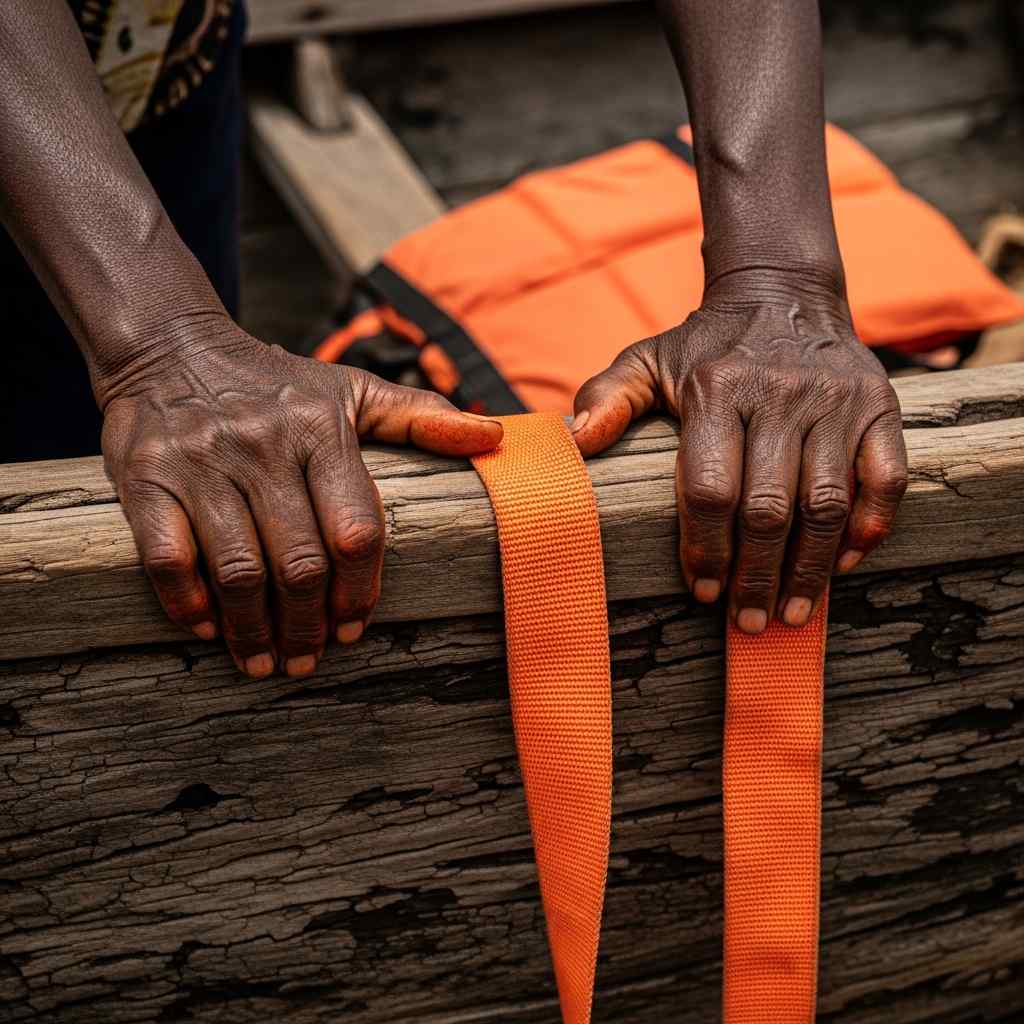
The numbers from NIWA told the story with a cold, bureaucratic precision. A wooden vessel designed for far fewer was carrying 52 people when it went down. Search operations recovered 30 bodies, a toll confirmed by Yobe SEMA, while local divers and fishermen in their canoes managed to rescue the rest. It is the kind of math that leaves you quiet, where the most important figure is the one that represents what was not there. Governor Mai Mala Buni ordered a review of water transport rules immediately, and the government moved with a speed that surprised everyone, procuring those 12 rescue boats and 200 life jackets.
“The provision of these boats is a commitment to prevent a repeat of this painful loss. Our waterways must be safe for commerce and travel.”
– Hon. Abdullahi Bego, State Commissioner for Information
The Nigerian Inland Waterways Authority pledged technical support, of course, but the trouble, as one of their engineers pointed out, has always been deeper than a lack of boats.
“accidents stem from overloading and ignored weather warnings.”
– Engineer John Dauda, NIWA’s Area Manager in Yobe
The authority simply lacks the patrol vessels to enforce its own rules on those long, remote routes, which means the rules exist mostly on paper, floating somewhere above the actual river.
A Pattern of Pennies
This was not some strange, isolated event. It fits a brutal and familiar pattern. River transport is the important, cheaper alternative to terrible roads, but the safety infrastructure for it gets pennies compared to what is spent on asphalt and railways. A recent report found less than 15% of passenger boats on inland waterways carry adequate life-saving equipment, highlighting a severe shortage of proper rescue assets where the first response usually relies on local fishermen and their canoes. That ad-hoc system tends to fail precisely when you need it most, in poor visibility or when the currents decide to show their strength.
The new boats are rigid-hulled inflatables, more stable than wooden canoes, and the Yobe State Government plans to station them along the Komadugu Yobe river system. Nguru, Gashua, and Geidam will host them, with each boat requiring a crew of three. The state, with NIWA, has already started training 36 personnel from the fire service and local vigilante groups, which is the smart part of the plan.
“A boat in a warehouse saves no one. We are training locals who know these waters to man them, so response time is minutes, not hours.”
– Dr. Mohammed Goje, Executive Secretary of Yobe SEMA
But there is always a catch, isn’t there? Investment like this so often only follows tragedy, a reactive gesture in a country where the national focus remains fixed on roads and air. The budget for the safety of inland waterways is a tiny fraction of what is allocated for federal roads, a disparity that persists even though those waterways serve millions. You can find reports that talk about the great economic potential of these rivers for moving bulk goods, and those same reports will always, without fail, flag safety as the primary thing holding everything back.
After the Fanfare
Procuring the boats is just the start of the story. Maintaining the engines, buying the fuel, repairing the hulls, all of it needs a dedicated annual budget that many states struggle to find after the initial fanfare has faded. The boats need secure docking and a reliable way to be called, but many riverine areas have poor mobile networks, which means a complementary investment in radio communication is not just nice but necessary. The current plan is rather quiet on those details. Some argue, quite sensibly, that preventing the accidents requires an equal focus on enforcement, like stationing officials at major jetties to monitor passenger counts, but that requires a political will to potentially disrupt livelihoods when the weather turns bad.
So what happens next? Residents in Gashua are cautiously optimistic, though they recall other promises that faded with time. Community leaders stress the boats must be operational, not locked away as trophies of a tragedy. The event has spurred local action, with a coalition in Nguru now planning weekly safety campaigns at the main jetty and volunteering to count passengers themselves. That kind of community ownership might be the most positive development to come from all this. The Federal Ministry of Transportation has even referenced the Yobe model for a national safety framework, with a draft policy proposing a levy on waterway users to fund rescue services, though that faces the usual debates.
The Simplest Fix
All this brings us to a single, immediate thing that could be done. State governments and NIWA could mandate one simple rule: no passenger boat departs a major jetty without a life jacket for every single person on board. The distribution of 200 jackets by Yobe is a start. This rule is straightforward, uncomplicated to monitor, and it directly impacts survival rates in the most common kind of tragedy. Enforcement could begin at the busiest jetties, boat operators would adapt, and it would create a culture of safety from the ground up, not from a policy document floating down from Abuja. The arrival of twelve boats in Yobe is a reactive step, a necessary one, but its true achievement depends on sustained funding, real community integration, and a parallel commitment to stopping the next accident before the boat ever leaves the shore. The memory of those 30 lives demands this becomes a permanent fixture on the river, not just a temporary salve applied after the water has already given up its dead.
Transport Safety
Water Safety in Nigeria: The Night Sailing Ban and a Region’s Risky Lifeline
A ban on night sailing tries to stop tragedies on the water. But for communities with no roads, the canoe is their only bus. The rule meets a necessity that won’t wait for daylight.

Water Safety in Nigeria: The Night Sailing Ban and a Region’s Risky Lifeline
Published: 12 March, 2026
December 2025 was a cold month on the Yobe River, and the water took 29 lives in one evening. You can see why the people at the North East Development Commission felt they had to act, so by February they had issued a directive banning all night travel on rivers and Lake Chad. It makes perfect sense when you are sitting behind a desk in Abuja with the lights on and a cup of tea, but the problem is that for thousands in Borno, Adamawa, and Yobe, a wooden canoe is not a pleasure boat but the only bus they have, and its schedule is written by the sun and the market, not by any government bulletin.
The Only Road is Wet
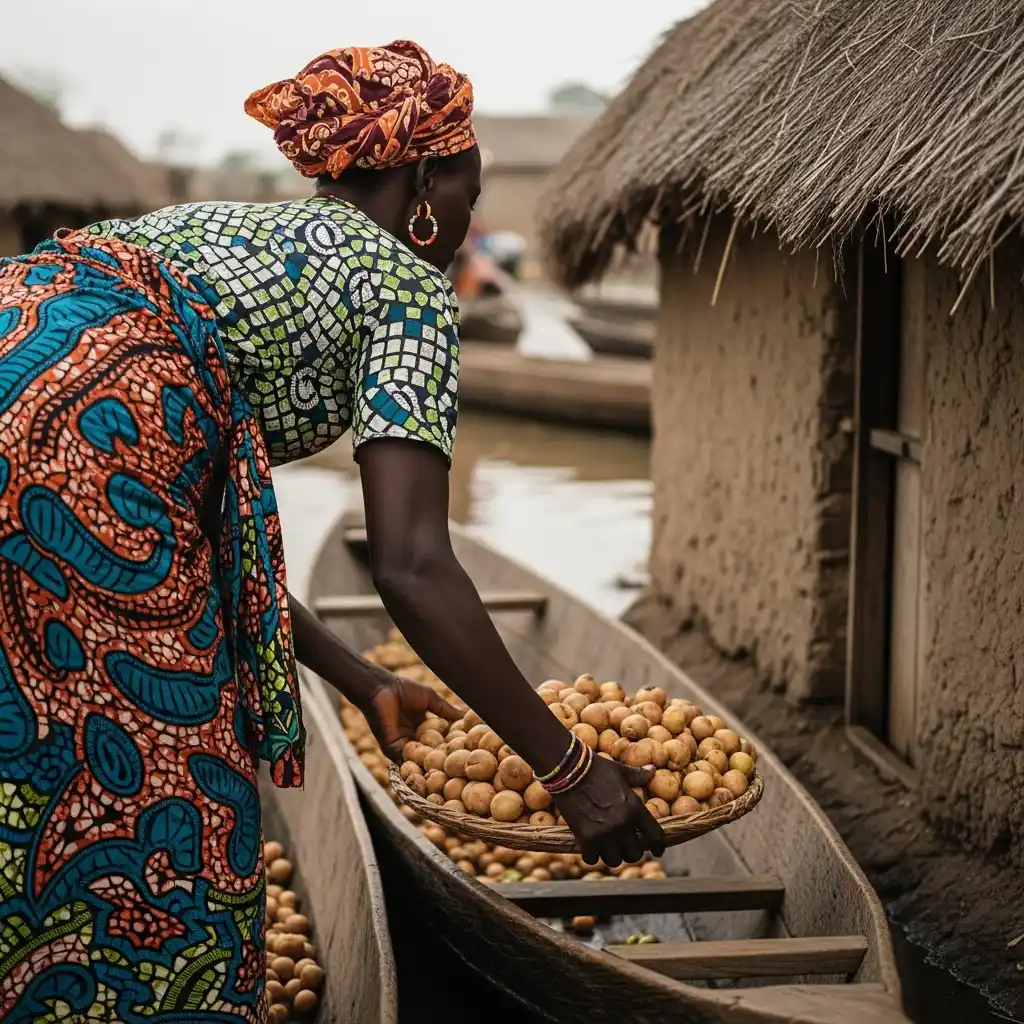
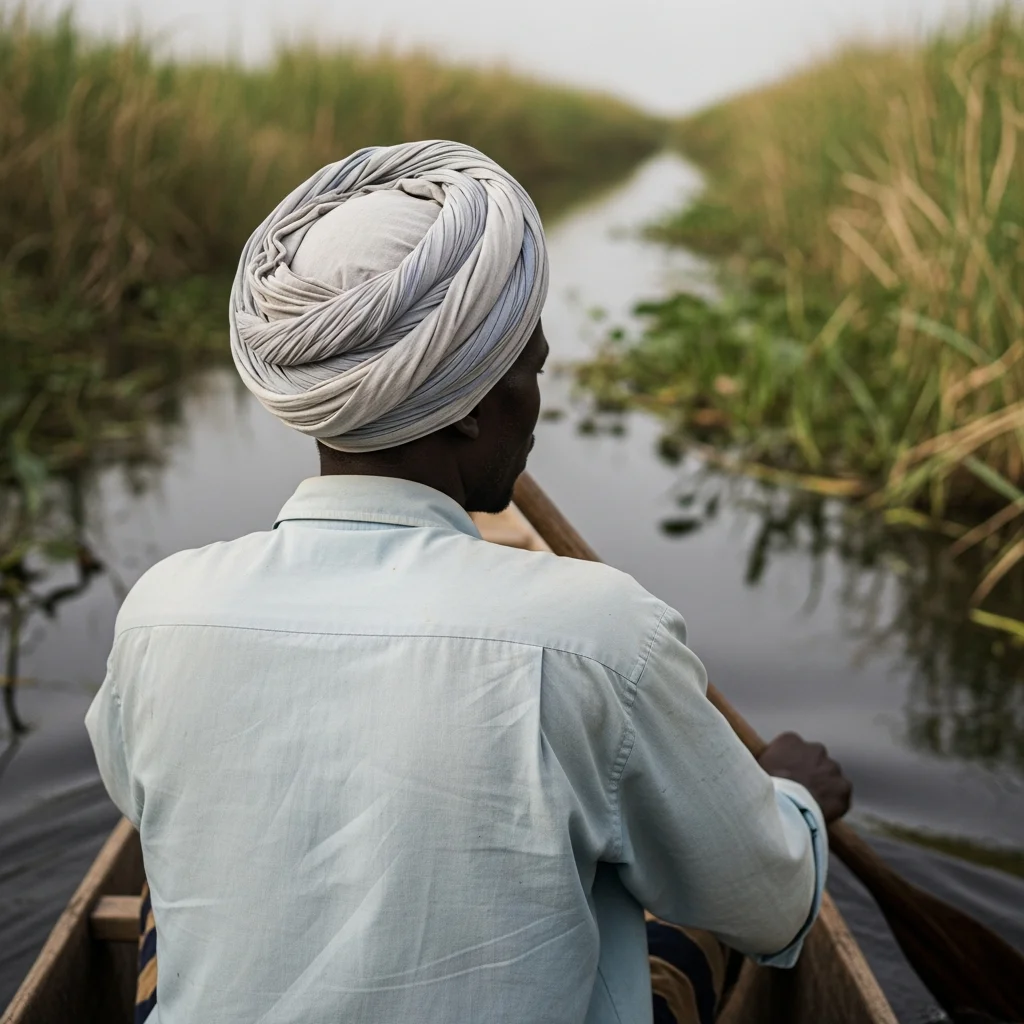
You have to go to a place like Baga to understand how this works. More than a decade of conflict turned the earth roads to dust, and then the Lake Chad Basin shrank by about 90% since the 1960s, which created new and unpredictable waterways that now serve as the main streets. A journey that used to take 30 minutes by road now takes 3 hours by boat, so people travel at night to reach the dawn market or simply to avoid the punishing heat. The ban asks them to choose between economic survival and physical survival, which is not much of a choice at all.
“The waterways continue to be the only means of movement and livelihood for our people. But traveling at night, without life jackets, in overloaded boats, is a huge risk we must address.”
– Mohammed Alkali, Managing Director of the NEDC, February 2026
The commission pointed to overloading and poor boat conditions as the main dangers, and someone from the National Inland Waterways Authority mentioned that a good number of passenger boats have no registration or safety checks. Specific figures are hard to pin down, which is often the way with these things.
Counting the Losses
Official data on boat accidents is a bit scattered because the National Bureau of Statistics does not separate them from general transport mishaps. The real picture comes from local reports and agencies like the United Nations Office for the Coordination of Humanitarian Affairs, which counted at least 14 major fatal boat incidents in the northeast between January 2024 and December 2025. Those accidents claimed more than 250 lives, and the actual number is probably higher. The December 2025 tragedy was the immediate spark, where a boat carrying 52 passengers hit submerged tree trunks around 7:35 p.m. and capsized in the dark. Survivors said the vessel had no lights and no life jackets, which is pretty much the standard equipment for these journeys.
Logic Meets the Water
The directive makes perfect sense on paper, but policy meets reality on the water where visibility drops and rescue is a distant hope. For a fisherman in Dikwa, the best catch happens at dawn so he must set out in darkness, and a trader from Maiduguri needs to get to markets near the border early so she travels overnight. The ban assumes an alternative exists, but there is none because some roads are deemed unsafe and the state of rural roads is poor, with Borno reportedly having a road network deficit exceeding 70%. So the ban becomes another rule people navigate around, and compliance depends on the urgency of the trip and the low perceived risk of anyone enforcing it.
“We know it is dangerous. But if I do not go at night, my fish will spoil. I have no refrigerator. What choice do I have?”
– Mallam Ibrahim, a fisherman on Lake Chad, March 2026
A National Condition
The northeast crisis is just a severe symptom of a national condition where water safety operates on a spectrum of neglect. The National Inland Waterways Authority has a mandate covering over 10,000 kilometers of waterways but limited capacity for regulation, and you see the same story in the commercial south where passengers crowd into Lagos ferries without life jackets. In February 2026, the Institute for Legislative and Democratic Studies pushed for stronger penalties and amendments to the law, but the proposal is still before the National Assembly. A 2024 World Bank report on inland waterway transport in Africa placed Nigeria low on safety regulatory frameworks, citing a significant gap between policy and implementation, which is a polite way of describing the situation.
Life Jackets and Logbooks
The ban is a necessary first step that creates official awareness, but the next steps require moving beyond bulletins. One idea involves straightforward, low-cost technology where local boat unions maintain a basic, phone-based trip logging system so a captain messages a number with passenger count and destination before departure. The NEDC or state governments could subsidize the distribution of life jackets and handheld waterproof lights, making them available for rent with each ticket to integrate safety into the cost of travel. Community-led safety committees trained by the National Emergency Management Agency could conduct basic boat checks, because they understand the local rhythms and pressures better than any official from Abuja ever could.
Bridging the Gap
The situation presents a difficult equation where people need to move, the environment is hazardous, and the regulatory state is weak. Authorities could designate official daytime travel windows for specific high-risk routes and couple that with a small subsidy for boat operators who adhere to the schedule. Investment in short, important road segments to connect the most isolated riverine communities would reduce water dependence over time, and insurance companies could develop micro-insurance products for passengers where a small premium added to the fare provides some compensation for families if something happens.
“Safety on water is not about grand policies alone. It is about providing a life jacket, a whistle, and a reason for the boat driver to care. We start from there.”
– Dr. Fatima Akilu, humanitarian policy analyst, March 2026
In the end, the people of the northeast will continue to use the waterways because they have to, and the ban adds a layer of official concern to a daily risk calculation they were already making. The real test is whether this translates into tangible support that makes daytime travel more viable and safe travel more possible, bridging the gap between the government doing its job by issuing a ban and the people doing their job by surviving. It needs life jackets on bodies and lights on boats, not just words on a page.

Ancient Rock Art Traditions Endure in Igbara Oke Caves

Palm Wine Tapper Climbs Same Tree That Killed His Father in Ozoro

Hunter Hears Dead Brother Whistle in Ganye Forest Mystery

Farmer Plants Yam That Grows Downward to Water Table in Drought

She Kept Asking and They Kept Moving Her in Nigeria

Global Food Prices Rose 2.4% in March 2026

Chigozie Obioma International Booker Prize 2026

Jidenna Pan African Sounds Latest Musical Project 2026

Hakeem Oluseyi Brings Astrophysics to Classrooms Worldwide

NANS Diaspora Nigerian Students Eastern Europe

Nnamdi Asomugha From NFL Cornerback to Hollywood Producer

Folake Olowofoyeku Stars in American Sitcom on Nigerian Family Life

Internet Sovereignty: Why Some Countries Want Their Own Separate Internet

The Story Of The Nigerian Who Helped Build Global Internet Systems

Nigerian Hackers: The Global Fraud Story and Its Fallout

Forgotten Satellites Defy Silence, Beaming Signals for Decades

The Phone Stay So Quiet: An Investigation into Nigeria’s Silent Customer Lines

Your Digital Store in Nigeria and the Reality of Domain Expiration

The Business That Died: A Nigerian Case Study in Refusal to Adapt

Hiding Your Business From People With Money

How Nollywood Grew Without Government Support

Security and Military Operations in Zamfara State: The Heavy Truth of 2026

Moniepoint Business Account Requirements Nigeria for SMEs 2026

Comedy Industry in Nigeria and Its Economic Contribution

 Digital Sovereignty8 months ago
Internet Sovereignty: Why Some Countries Want Their Own Separate Internet
- Technology & Innovation8 months ago
The Story Of The Nigerian Who Helped Build Global Internet Systems
- Crime8 months ago
Nigerian Hackers: The Global Fraud Story and Its Fallout
- Space Technology8 months ago
Forgotten Satellites Defy Silence, Beaming Signals for Decades
- Maritime8 months ago
The Phone Stay So Quiet: An Investigation into Nigeria’s Silent Customer Lines
- Business8 months ago
Your Digital Store in Nigeria and the Reality of Domain Expiration
- Business8 months ago
The Business That Died: A Nigerian Case Study in Refusal to Adapt
- Business8 months ago
Hiding Your Business From People With Money