Real Estate
Lagos Luxury Real Estate: The N180 Million Rental Benchmark
The annual rent for a top-tier house in Ikoyi or Banana Island has reached N180 million. This story looks beyond the headline figure to the island logic, the tenant profiles, and the hidden costs…

Lagos Luxury Real Estate: The N180 Million Rental Benchmark
Published: 01 March, 2026
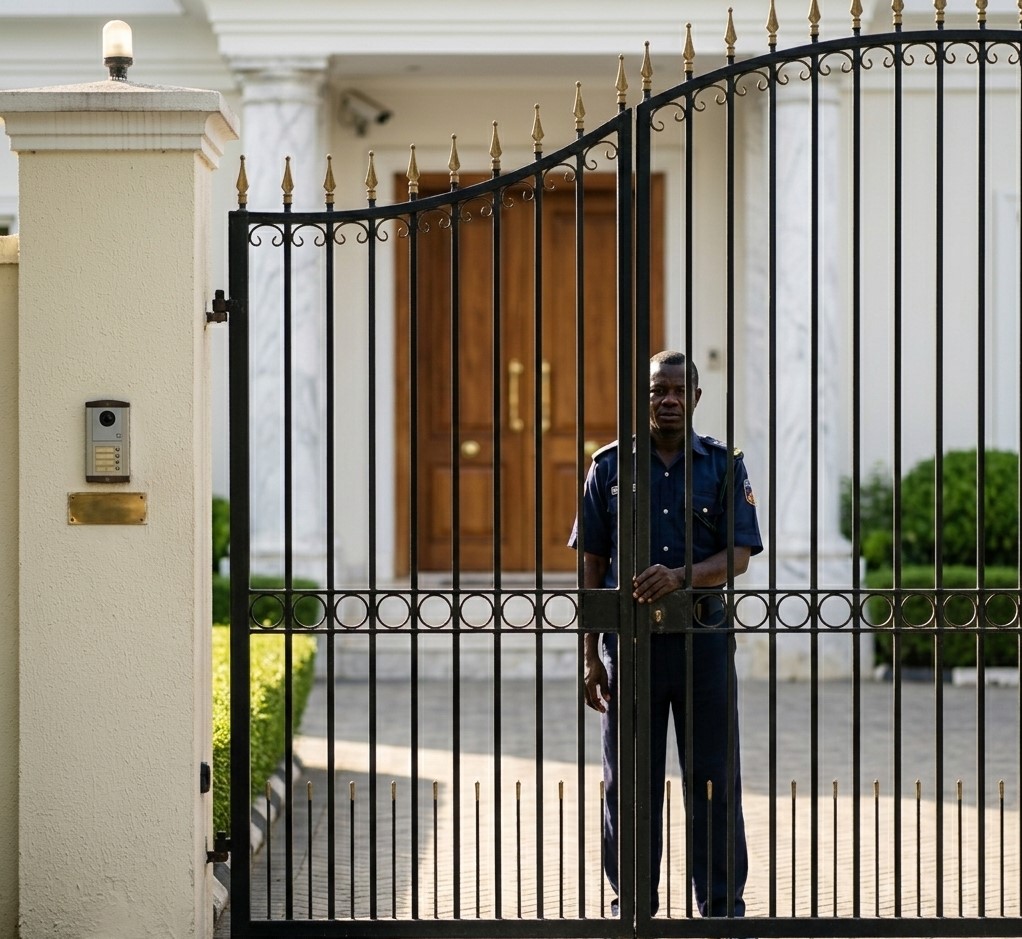
One hundred and eighty million naira is not just a number you read in a headline. It is the annual rent for a particular kind of house in Ikoyi or on Banana Island, a sum that buys you six bedrooms, a view of the lagoon, and a power system more expensive than a flat in Ogba. The figure has a certain weight to it, a quiet insistence that makes you wonder about the lives lived behind those high walls and the economics that make such a price not just possible but normal.
The Hard Numbers
Between 2024 and early 2026, rents in the prime areas of Lagos jumped by about 30 percent, with that N180 million mark becoming the new high-water standard. Vanguard News broke down the rates on Banana Island, where semi-detached houses now go for N65 to N95 million and flats in luxury towers start at N25 million. Hundreds of tenancy agreements along the Lagos Atlantic corridor exceeded N50 million in 2025, with a specialized segment hitting N150 million or higher. It is a steep climb from 2020, when the top tier in Banana Island was near N65 million, and it reflects the inflationary pressure on construction materials and the simple scarcity of premium land.
Island Logic
1.5 million square meters of reclaimed land with controlled access, creating a high-security perimeter that residents value above almost everything else. BusinessDay reported the island hosts a high concentration of diplomatic and executive housing, where foreign missions and multinationals operate on budgets from international allocations. A real estate professional summarized the appeal with dry precision.“In Banana Island, you pay for the absence of typical urban friction. The power is consistent, the roads do not flood. These are categorized as luxuries.”
– Real estate professional
Ikoyi’s Map of Money
In Ikoyi, the value is tied to specific streets and the land ownership patterns that banks favor. Old Ikoyi remains top-tier, with properties along Oyinkan Abayomi Drive and Glover Road commanding the highest premiums. Bourdillon Road focuses on luxury high-rises where rents run higher due to prestige and corporate tenants, while four-bedroom duplexes on Queens Drive and Alexander Avenue rent for N35 to N55 million annually. There is a catch, of course. The Nation reported that the Ikoyi market often tracks dollar equivalents, with landlords calculating returns on global benchmarks and converting to naira, so when the exchange rate fluctuated in 2025, new listings adjusted upward within weeks.
Who Writes the Check
BusinessDay profiled the typical tenant for an N180 million home, and the profile falls into three clear categories. First are the multinational corporations leasing for expatriate executives, with energy and tech firms allocating huge housing allowances. Second are the diplomatic missions, which budget significant sums for ambassadorial residences. Third are the high-net-worth individuals, though Premium Times noted that companies often pay these rents as business expenses for executive accommodation, which is a different kind of wealth altogether.
The Price After the Price
The advertised rent is merely the opening bid. A tenant in that bracket must budget for service charges in Banana Island that run N3 to N6 million yearly, for power and utilities from industrial generators costing over a million naira monthly, and for private security and staffing salaries that represent a substantial monthly outflow. Then come the transaction costs, which The Nation detailed with almost clinical detachment. For an N180 million annual rent, the agency fee is 10% or N18 million, legal fees are another 5-10%, and a refundable caution deposit is N5 to N10 million. Nairametrics calculated a tenant might need over N210 million upfront for the first year, and Vanguard News reported some landlords now ask for two years rent in advance to hedge against currency volatility.
Waiting for the Right Tenant
Most luxury leases now have clauses for exchange rate shifts, protecting the capital value of the landlord when the official rate moves beyond a certain threshold. This financial hedging explains why some of these magnificent properties can sit empty for months, a quiet paradox in a city screaming for housing. The Nation found that landlords here prefer to wait for a high-paying corporate tenant, as these properties are often fully paid for and the holding cost is low compared to the perceived income loss from a cheaper, long-term lease. It is a market that operates on its own logic, where real estate is as much a financial instrument as a home, and the numbers in Ikoyi and Banana Island simply reflect the immense economic pressures of Lagos, forces that show no sign of reversing anytime soon.

Real Estate
How to apply for land certificate at state land registry in Nigeria 2026
You have the receipt and the agreement, but the law wants a Certificate of Occupancy. The process is specific, shifting between states, and filled with steps that demand patience. Here’s how to…

How to apply for land certificate at state land registry in Nigeria 2026
Published: 02 April, 2026
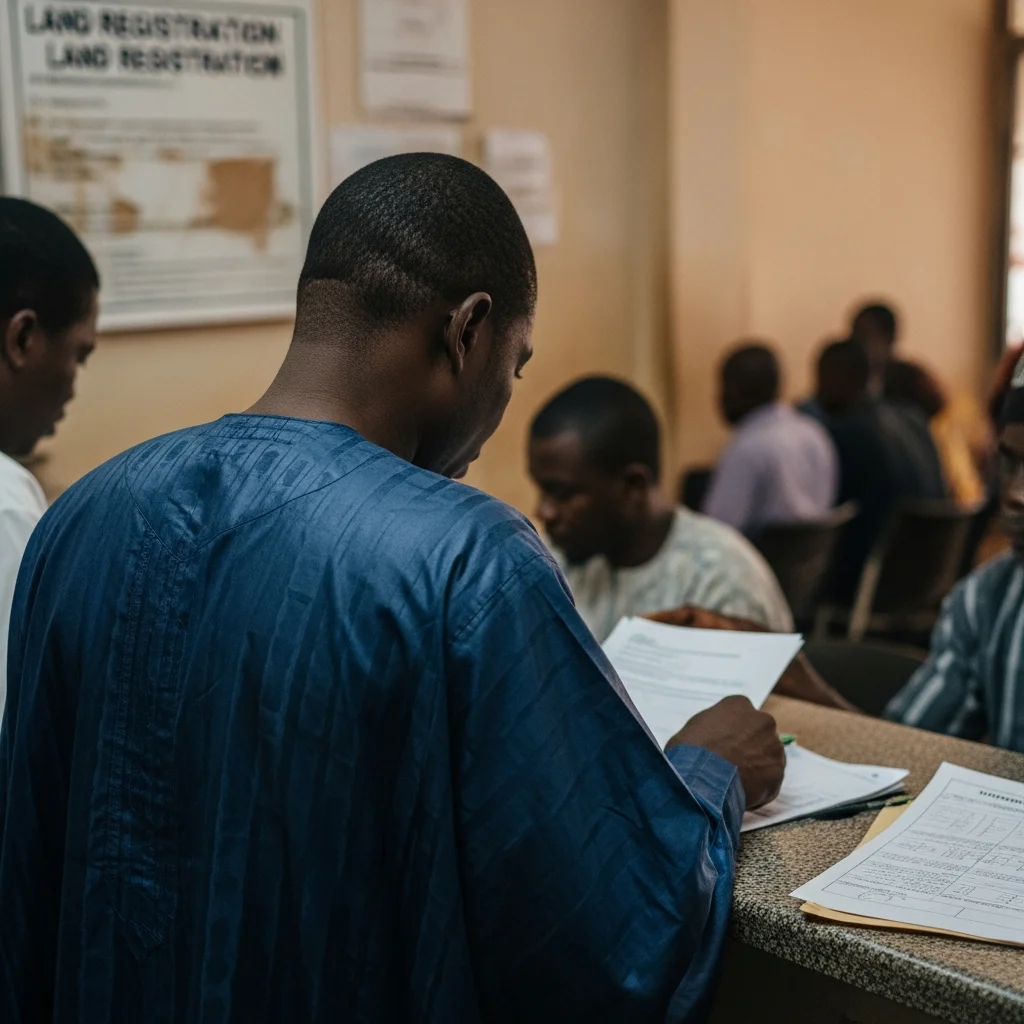
You have a receipt and an agreement, and the seller gave you a deed of assignment which makes you feel like a landowner, but the law has a different opinion entirely. That final proof comes from a piece of paper called a Certificate of Occupancy or a Registered Governor’s Consent, which turns your interest into a legal title recognized by the state. The steps for getting one are specific and they shift slightly between places like Lagos and Kano, though the core demands persist across the federation with a stubborn consistency. You should know that land disputes fill about 65% of all cases in the courts of the country according to a report from the Nigerian Institute of Advanced Legal Studies, which is a sobering number to consider. A proper certificate from the registry stops these fights before they start and shields your investment from the chaos of multiple sales and fake claims that can appear out of nowhere.
Gather your papers first
Gather your documents first because a failed application often begins with missing papers that should have been in your hands from the beginning. You need the original deed of assignment or sale agreement from the seller alongside a survey plan drawn by a registered surveyor and stamped by the office of the Surveyor-General in your state. You also need a tax clearance certificate, a passport photograph, and a means of identification like a driver’s license or international passport to prove who you are. Then you need a completed application form which you can get from the lands ministry or bureau in your state, and some states now offer digital downloads from their portals if you prefer that route. According to the Lagos State Lands Bureau in 2026, the government of the state provides forms on its land administration portal while other states like Rivers and Kaduna have similar online systems you can check.
You should hire a lawyer for this process because it is vital for navigating the quiet complexities that wait for you. A lawyer conducts a land search at the registry to reveal the true owner and show any existing debts or government acquisitions on the land you think you own. The lawyer prepares the statutory forms and guides the entire application while the fee for these services varies based on complexity and location, which the Nigerian Bar Association confirmed in 2025. The cost is a small price for securing an asset worth millions of naira when you consider what is at stake.
The quiet walk begins
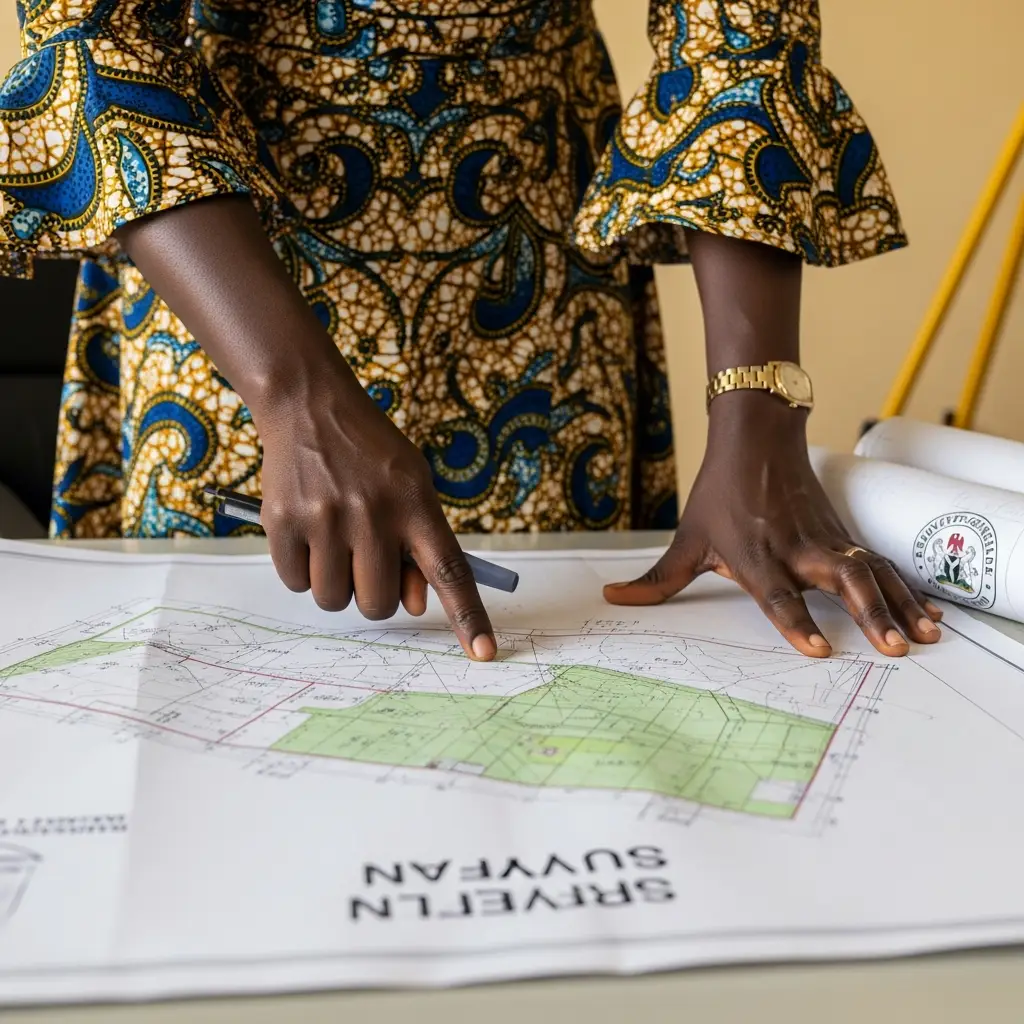
Your lawyer submits an application for an official search at the land registry to confirm the status of the property, and the registry issues a search report that takes about two weeks in fast-moving states or over a month in others. Professional legal due diligence searches and official registry reports in Lagos and Abuja typically cost between N100,000 and N250,000 depending on the complexity and the number of agencies involved. Your lawyer then assembles all documents including the search report, deed of assignment, survey plan, tax receipts, and application form into a packet you submit to the lands ministry. You pay the filing fees and the ministry stamps your documents before giving you an acknowledgment slip with a file number you use to track your application through the system.
The ministry assesses the value of your land and in 2026 the standard total cost for perfection in Lagos, which includes Governor’s Consent, Stamp Duty, and Registration, typically totals between 4% and 8% of the assessed value. The breakdown includes about 1.5% for Governor’s Consent, 0.5% for Capital Gains Tax, and 0.5% for Stamp Duty as base components with additional registration and administrative fees added on top. Other states have varying rates and in the FCT (Abuja) the rate is roughly 1% for Stamp Duty, so you receive an assessment notice and pay the amount at a designated bank. Officials verify all documents and may conduct a physical inspection of the land before preparing the certificate for the signature of the state governor or the delegated authority, which is why the process is called Governor’s Consent. After signing, the registry registers the certificate and releases the original document to you, and the entire timeline from application to collection ranges from three months to eighteen months of waiting.
Where things get stuck
Delays breed in the documentation phase when an incomplete survey plan causes a setback or a missing tax clearance halts the entire thing without warning. Fraud appears in the initial transaction when someone sells land that belongs to the government or a plot with multiple existing interests already attached to it. The official search at the registry exposes these issues if you do it, but skipping this search invites a disaster you do not want to imagine. Another delay point is the assessment and payment stage where disputes over the valuation of the land by the government cause long pauses that test your patience. Applicants sometimes contest the assessed value which leads to a review that adds weeks or months to a process that already feels endless, so the best practice is to understand the valuation method beforehand.
Human intervention in the registry causes delays because manual file movements between departments slow everything down to a crawl that frustrates everyone involved. According to a 2025 report from the Federal Ministry of Works and Housing on land reform, the Ministry itself acknowledged this challenge that states are trying to solve by digitizing their records. Lagos via the Lagos State Geographic Information System (e-GIS portal) and Kaduna state have made significant progress, though many other states still operate with paper files that get lost or misplaced.
“The greatest risk is buying land without a prior official search. You are buying litigation.”
– Boma Ozobia, OON, a leading authority in Nigerian property law, March 2026.
The slow digital shift

Technology is changing the game in some states that now offer online applications through portals that promise to make things easier. According to the Lagos State Lands Bureau in 2026, applicants can begin the process online through the e-GIS portal while in the Federal Capital Territory (Abuja) the AGIS (Abuja Geographic Information Systems) serves as the relevant digital body. You upload scanned documents and make payments electronically before tracking your application status on a dashboard that reduces physical visits to the ministry. These systems create a digital audit trail that the federal government promotes through a national system called the Nigeria Integrated Land Administration and Information System (NILAIS) which aims to connect all state registries. Progress is slow according to the NILAIS Status Report from 2026, which noted only a handful of states had fully integrated with the platform by early that year.
You should budget for expenses that exceed the official government fees because the total cost includes the land search, the survey plan, and the combined government fees for Consent, Stamp Duty, Capital Gains Tax, and registration. You also pay legal fees and documentation costs that add up quickly, so for a property valued at N50 million in Lagos the official land search costs N100,000 to N250,000. Government fees in Lagos are 4% to 8% of assessed value (N2 million to N4 million) while legal fees run 2% to 5% of property value (N1 million to N2.5 million). Your total budget should be approximately N3.5 million to N5 million to cover all professional and state levies, which reflects the standard fee structure in Lagos State as of 2026.
The final reality
The certificate from the state land registry provides a peace that turns paper into property recognized by every institution in the country. The process demands patience and precision as it involves multiple government departments and requires professional legal help through a timeline that tests your resolve. The outcome justifies the effort because you secure your asset for generations with a title that banks accept for loans and courts uphold in disputes without question. Land is the most valuable asset in the economy of Nigeria and getting the title right is the most important step in owning it properly. Start with the search, follow the steps, keep your documents, pay the fees, and wait for the machinery to turn before collecting your certificate with a quiet satisfaction. That is how you apply for a land certificate at the state land registry, and it is a story that ends with something real in your hands.
Real Estate
How to Check a Land Title at Alausa Land Registry Before You Pay
An official said 300 land searches happen daily at Alausa, with 15% revealing serious problems. This is your guide to that crucial step, the papers you need, and the patience required, so you don’t…
How to Check a Land Title at Alausa Land Registry Before You Pay
Published: 04 April, 2026
An official at the Lands Bureau in Alausa told me something interesting back in March 2026. He said his office handles about 300 search requests every single day. You would think that is just routine paperwork, but then he added the part that makes you pause. He estimated that 15% of those searches uncover serious problems, the kind that makes a buyer stop the whole transaction right there. That is forty-five people a day who almost made a terrible mistake. It is a quiet statistic that tells a loud story about the property market in Lagos.
The One Place That Holds the Truth
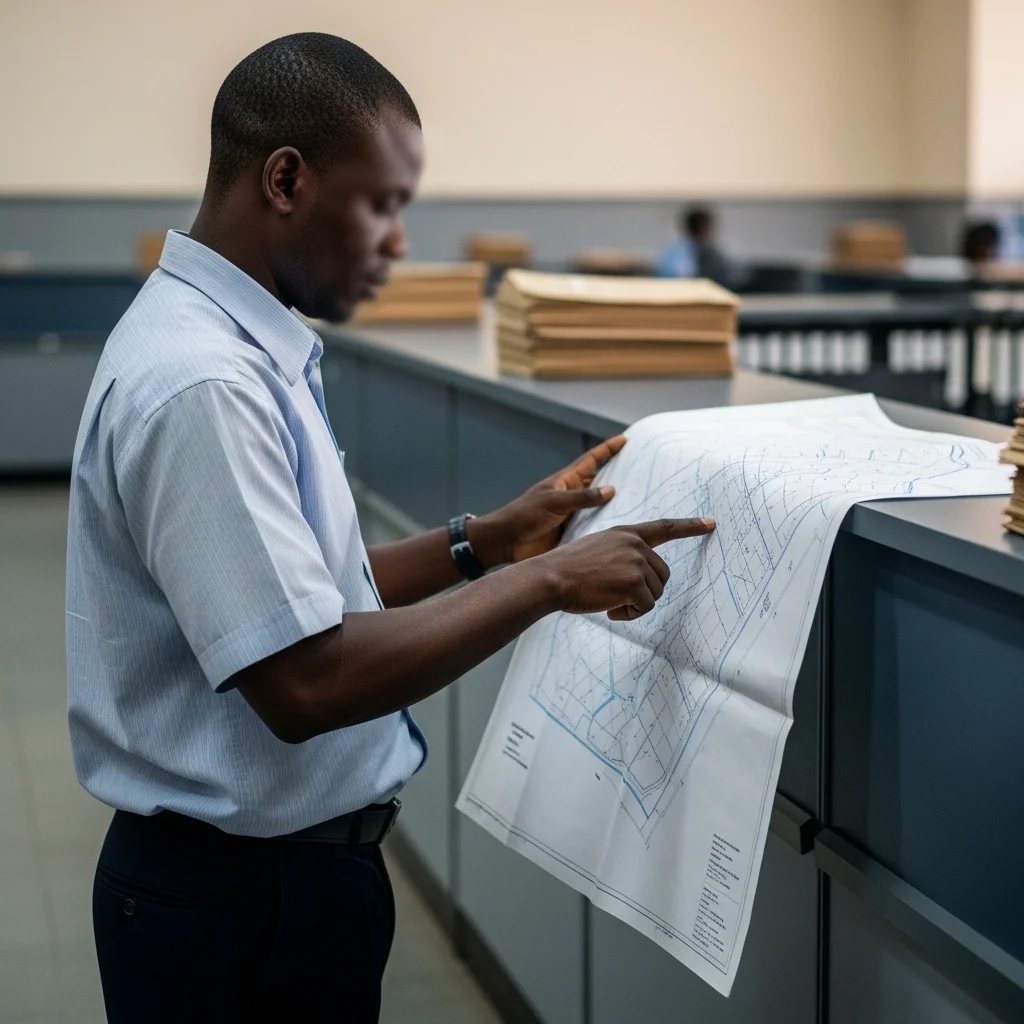
All those searches happen at one place, the Land Registry in Alausa. It is run by the Lagos State Land Bureau, and it is where the official story of every piece of land is kept. They have the central register for titles, the Certificates of Occupancy, and the records for Governor’s Consent. A policy document from the state government in 2025 was very clear about it, stating that physical verification at Alausa is the primary way to establish if a title is real. So when you hear a convincing story from an agent, remember there is another story filed away in a cabinet in Ikeja, and that is the one that matters.
What You Need to Start

You cannot just walk in and ask nicely. You need specific information, and the most important piece is the survey plan number. It is like a fingerprint for the land, drawn by a licensed surveyor to show its exact boundaries. You also need the name of the registered owner and, if they have one, the C of O number. Without these, the staff will just look at you with a tired expression. There is a new requirement for 2026 too, a Tax Clearance Certificate from you or your lawyer. Many people forget that one.
Dr. Olajide Babatunde, the governor’s adviser on these matters, put it simply in a briefing earlier this year. He said the accuracy of the whole search depends on the information you provide. A genuine seller will give you these details willingly, while a hesitant one gives you your first clue that something might be wrong.
“The accuracy of a title search depends entirely on the information provided by the applicant. A correct survey plan number is the key that opens the record.”
– Dr. Olajide Babatunde, Special Adviser on e-GIS, Public Briefing, February 2026
The Trip to Alausa
Going to the registry has its own rhythm. You arrive early, you join a queue, and you practice patience like it is a spiritual discipline. The atmosphere is a unique kind of busy. You submit a formal application, fill a form, and pay a fee. For a standard search in 2026, that fee is N5,000. If you are in a real hurry, you can pay N25,000 for an expedited search that comes back in a day or two. Then you wait. A standard search takes three to five working days, they say, though you learn not to watch the clock too closely.
Reading the Result
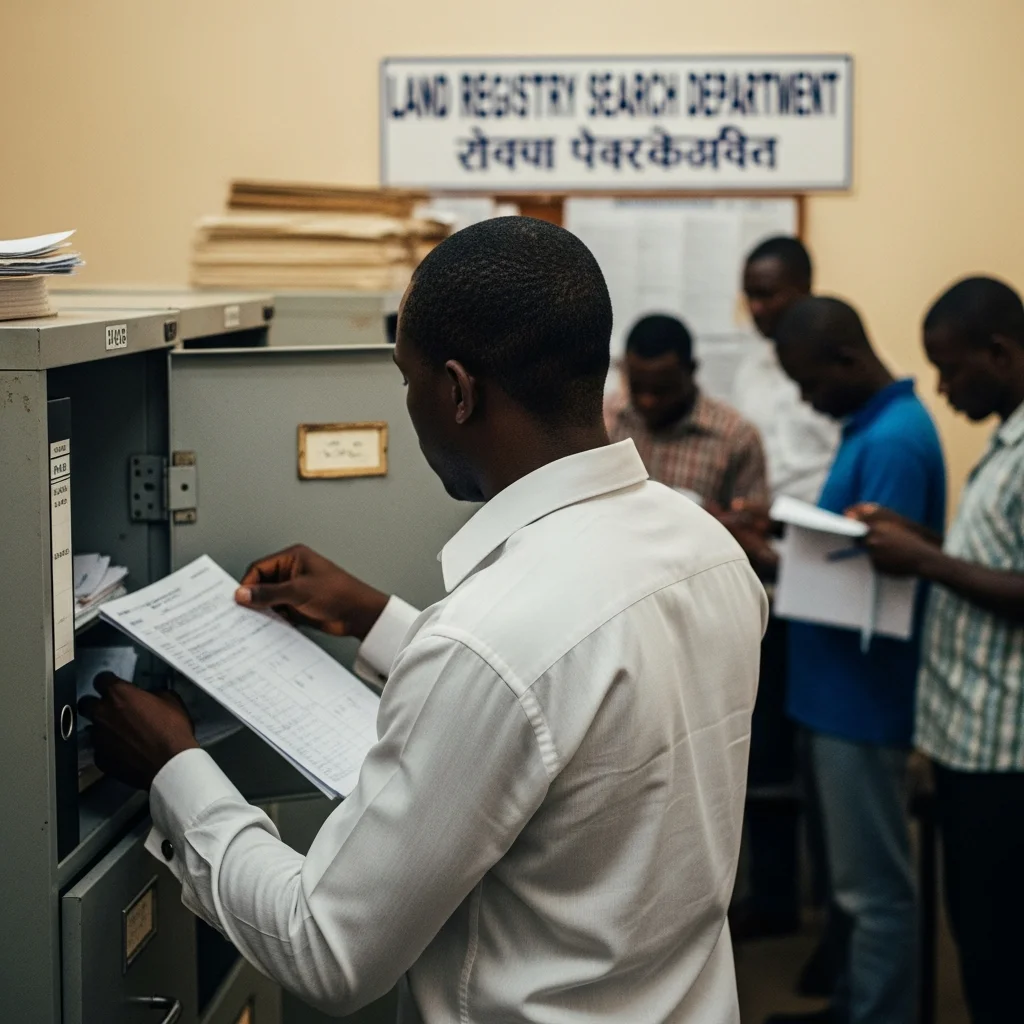
What you get back is called a Land Information Certificate. It is just a document, but it holds immense power. It lists the current owner and the history of the land. Most importantly, it reveals any encumbrances, which is just a formal word for legal claims like mortgages or lawsuits. It also tells you the government status. If it says “Global Acquisition” or “Committed,” you can never get a proper title, so you just walk away. A report by PropertyPro.ng found that a significant number of disputes come from hidden family claims or problems with the Governor’s Consent, and this search is designed to expose them all.
The Digital Dream
They have been trying to move things online, with a system called the Electronic Document Management System. You can start an application on the e-GIS portal, which is progress. But the experienced people will tell you that for the final word, you still need to see the physical file. The digital system is a pre-screening, not the final verdict. A property lawyer named Bola Akingbade, who has seen it all, summed it up well.
“The digital system is improving, but the definitive title confirmation still requires the physical file at Alausa. Treat the online step as a pre-screening, not the final verdict.”
– Bola Akingbade, Property Lawyer, Interview, March 2026
When to Get Help
For a simple plot, the basic search might be enough. But if the land is large or the price is high, you need more. This is when you hire a lawyer. A good one will do a deeper investigation, check for court judgments, and even visit the local community. It costs a bit, usually a small percentage of the property value, but you should think of it as insurance. You are not alone in this, either. Surveyors can verify your plans, and estate valuers can give independent advice. The chairman of the valuers institution in Lagos said there has been a 30% increase in people seeking this kind of verification, which tells you something about the times we are in.
The Golden Rule
Here is the only rule you must never break. Do not pay the real money for the land before you have the search result. You pay for the search, you pay for advice, but you do not hand over the purchase price. A serious seller understands this. A seller in a hurry is a red flag you can see from a mile away. The cost of the search is a few thousand naira, but the potential saving is in the millions. The peace of mind is the part you cannot put a price on. In the end, the process has steps and it requires patience, but the alternative is becoming a character in one of those sad stories about lost money. Choose the search. Then, with a clean paper in your hand, you can decide what to do next with your eyes wide open.
Real Estate
Difference Between a C of O and a Governor’s Consent in Nigeria
Two pieces of paper decide who owns land in Nigeria. The C of O is the original grant from the state. The Governor’s Consent is the permission needed to sell it. Confusing them costs money and peace.
Difference Between a C of O and a Governor’s Consent in Nigeria
Published: 31 March, 2026
Chuka Nwosu called it a stamp of authority, which is true enough but also like calling a lion a large cat. The real story is about two pieces of paper that decide who owns what in this country, and the difference between them is the difference between sleeping soundly and having your peace of mind sold from under you while you are not looking.
The Original Parent
Think of the Certificate of Occupancy as the original parent in a very complicated family tree, the one whose name is on the old faded photograph that everyone points to. It comes from the state governor who holds all the land in trust, and it grants someone the right to occupy a specific plot for 99 years, which is a long time, but you have to check the unexpired residue because nothing lasts forever, not even a government promise. A senior official at the Lagos State Lands Bureau called it the alpha document, and he was right because everything else flows from it like water from a spring.
“The Certificate of Occupancy is the root of title emanating from the Governor. It is the alpha document.”
– A Senior Official at the Lagos State Lands Bureau, March 2026.
Only the governor can issue it, and it contains all the details about the plot and the person who gets to use it, which sounds straightforward until you remember where you live and how things work.
Permission to Pass It On
Now, the Governor’s Consent is something else entirely, a different creature altogether. You already have the land with your C of O, and you want to sell it or give it away or use it as collateral for a loan. The law, specifically Section 22 of the Land Use Act, says you cannot do that without asking the governor for permission first, which is this consent. This consent is the official nod that updates the government’s books and says, yes, this transaction is valid and we have seen it. Without it, the sale is just a handshake and a hope and a prayer for the best.
“The consent process is a stamp of authority on the transaction. It updates the government land registry and validates the new owner.”
– Chuka Nwosu, property lawyer, February 2026.
It is required for any transaction on land that already has a C of O, which means it is the document that lets the family name carry on properly into the next generation.
Building Without a Foundation
The hierarchy here is simple but often ignored, like a signpost everyone drives past. You must have a valid C of O before you can even think about applying for a Governor’s Consent for a sale, because the C of O is the land and the foundation while the consent is the approval to add a new floor or sell the whole house. Trying to get consent for a property without that root title is like trying to build in the air, and you know how that story ends with a crash. This system is supposed to protect the chain of ownership, creating a clear record of who had what and when, though the reality on the ground has its own ideas about clarity and order.
The Bureaucracy and The Bill
Both documents come from the same place, the state lands bureau, but getting them is a different kind of journey with its own particular flavour of waiting. For a C of O, you start by applying for land from the government, and then you wait patiently or impatiently. For the consent, you start with a completed sale and then you wait some more, sometimes for over 24 months, which is a very long time to hold your breath. Then there is the cost, which is the part that makes people sit up. The C of O has fixed fees, but the consent fee is a percentage of your property’s value, and in Lagos the total perfection cost adds up to 4.5% when you include everything. For a house worth N150 million, that is an extra N6.75 million you need to find, which is why so many people decide to skip that step and hope for the best.
The Cost of Skipping Steps
And that decision to skip the consent is where the real trouble starts, the kind that keeps lawyers in business. A sale without it is invalid in the eyes of the law, which means you paid for a property you do not legally own, a strange situation to find yourself in. The original seller remains the legal owner on the government’s books, and you are left with an equitable interest, which is a fancy way of saying you have a problem that needs fixing. Banks will not give you a loan with it, and you cannot sell it properly later, which traps you. According to Adeola Akinwumi, a partner at a Lagos law firm, about 70% of property disputes come from this exact issue of imperfect title.
“About 70% of property disputes we handle involve issues with imperfect title, often the lack of Governor’s Consent. It is the most common legal defect in Nigerian real estate.”
– Adeola Akinwumi, Partner at a Lagos-based law firm, December 2025.
It is the most common flaw in the system, a self-inflicted wound because the process is so slow and expensive that people choose the risk instead.
A Cycle That Feeds Itself
The theory of clean land records meets the practice of our bureaucracy, where delays push people into the informal market because waiting is a luxury. In Abuja, they promised 90-day processing for consents, but a review found it still takes over 120 days, which is a promise that did not quite land. This cycle weakens everything, from city planning to tax collection, because an informal market cannot be properly tracked or managed or understood. It is a story you have heard before, where the solution to a problem becomes the cause of the next one, and the wheel keeps turning.
So What Do You Do?
You check your documents, you really do. If you bought land and only have the old C of O, you need to start the consent process to put your name on it properly, because your name matters. Before you buy anything, hire a lawyer to do a search and confirm what you are really getting, because what you see is not always what you get. Most importantly, you budget for that perfection cost as part of the price, because it is not an extra, it is the price of owning something legally and sleeping well at night. It is the difference between having a house and having a home you can actually call your own without looking over your shoulder. In the end, knowing which paper you have, and which one you need, is the only way to secure your small piece of this earth before someone else decides it is theirs.

Ancient Rock Art Traditions Endure in Igbara Oke Caves

Palm Wine Tapper Climbs Same Tree That Killed His Father in Ozoro

Hunter Hears Dead Brother Whistle in Ganye Forest Mystery

Farmer Plants Yam That Grows Downward to Water Table in Drought

She Kept Asking and They Kept Moving Her in Nigeria

Global Food Prices Rose 2.4% in March 2026

Chigozie Obioma International Booker Prize 2026

Jidenna Pan African Sounds Latest Musical Project 2026

Hakeem Oluseyi Brings Astrophysics to Classrooms Worldwide

NANS Diaspora Nigerian Students Eastern Europe

Nnamdi Asomugha From NFL Cornerback to Hollywood Producer

Folake Olowofoyeku Stars in American Sitcom on Nigerian Family Life

Internet Sovereignty: Why Some Countries Want Their Own Separate Internet

The Story Of The Nigerian Who Helped Build Global Internet Systems

Nigerian Hackers: The Global Fraud Story and Its Fallout

Forgotten Satellites Defy Silence, Beaming Signals for Decades

The Phone Stay So Quiet: An Investigation into Nigeria’s Silent Customer Lines

Your Digital Store in Nigeria and the Reality of Domain Expiration

The Business That Died: A Nigerian Case Study in Refusal to Adapt

Hiding Your Business From People With Money

How Nollywood Grew Without Government Support

Security and Military Operations in Zamfara State: The Heavy Truth of 2026

Moniepoint Business Account Requirements Nigeria for SMEs 2026

Comedy Industry in Nigeria and Its Economic Contribution


 Digital Sovereignty8 months ago
Internet Sovereignty: Why Some Countries Want Their Own Separate Internet
- Technology & Innovation8 months ago
The Story Of The Nigerian Who Helped Build Global Internet Systems
- Crime8 months ago
Nigerian Hackers: The Global Fraud Story and Its Fallout
- Space Technology8 months ago
Forgotten Satellites Defy Silence, Beaming Signals for Decades
- Maritime8 months ago
The Phone Stay So Quiet: An Investigation into Nigeria’s Silent Customer Lines
- Business8 months ago
Your Digital Store in Nigeria and the Reality of Domain Expiration
- Business8 months ago
The Business That Died: A Nigerian Case Study in Refusal to Adapt
- Business8 months ago
Hiding Your Business From People With Money