Agric-Innovation
Farmer Plants Yam That Grows Downward to Water Table in Drought
When drought parched the land, one farmer planted a yam deeper than anyone thought wise. His harvest, drawn from the water table, fed his village and offered a lesson in looking downward for…

Farmer Plants Yam That Grows Downward to Water Table in Drought
Published: 22 April, 2026
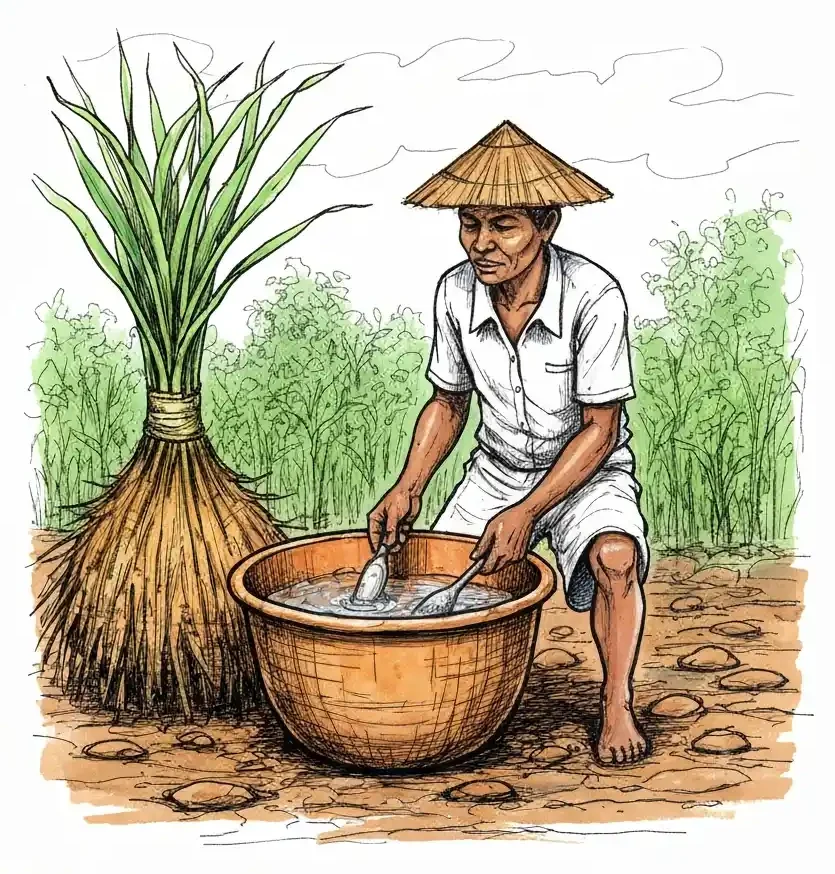
Chukwuma Okeke planted a single yam tuber in soil so dry it had cracked open like old pottery. He dug the hole much deeper than anyone thought sensible, down where the earth was cool and dark, while his neighbors shook their heads and called it a waste of good seed. Their cassava was withering and their maize stood like brittle skeletons in the field, but Chukwuma worked with the quiet faith of someone following an old memory. The rainy season had failed completely, delivering forty percent less water than usual, and the government had declared an agricultural emergency across twenty-seven local government areas. In that stillness, with dust hanging in the air, one man decided to ask the earth for a drink.
The Joke in the Village
People joked about the farmer planting a yam that grew downward. They watched him prepare his mound with ash from his kitchen fire and shredded dried leaves, just as his father had taught him, but the depth was the thing that made no sense. The soil was bone-dry down to two feet, everyone knew that, so what would a deeper hole possibly achieve? It was a gesture of stubborn hope, or perhaps foolishness, in a season when hope itself was rationed. The price of a single tuber of yam in the Onitsha main market had tripled, and hunger was becoming a familiar guest in many homes.
What the Earth Remembers
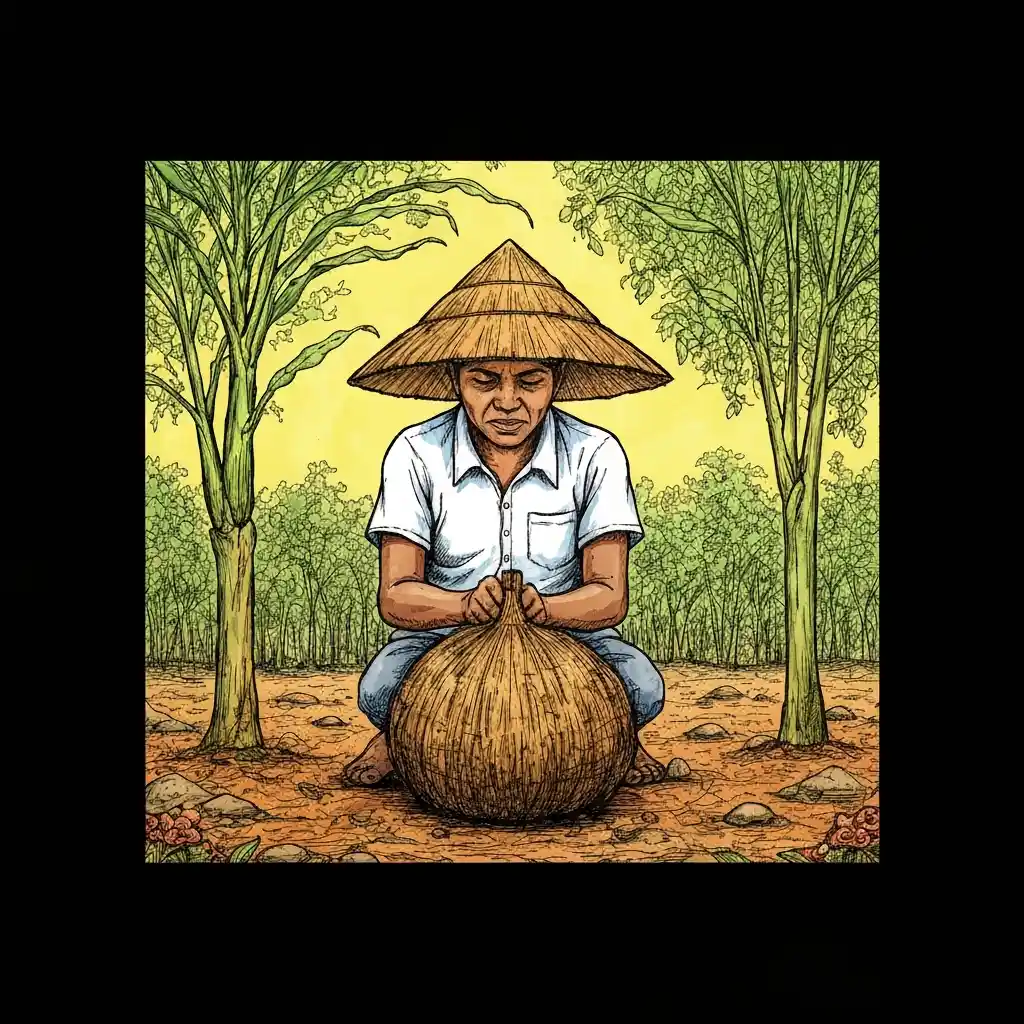
A yam is a clever thing. The vine grows upward toward the sun, but the tuber grows downward, swelling to store food and, crucially, seeking moisture. Some varieties can push roots over five meters deep if the soil lets them. The water table in parts of Anambra State, data showed, could be between three and eight meters down even in the dry season. Chukwuma’s deep planting was simply giving his yam a head start on that journey. While other farms showed little progress, his yam vines grew lush and green, a signal that the plant had found a source of water its leaves could transpire. The source was not the sky. It was the earth itself, holding a reserve few remembered to ask for.
The Unearthing
By the eighth month, the community gathered at Chukwuma’s plot with a mix of curiosity and a desperate kind of hope. He dug carefully around the first mound, and the soil became damp as he went deeper. What he unearthed was a yam tuber longer than a man’s arm, heavy with moisture, its skin firm and healthy. He harvested eighteen tubers from that first plot, each one substantial, a yield more than double what farmers working the shallow, dry soil managed. His barn filled, a quiet defiance against the drought.
“My father said the earth always keeps a drink for those who dig deep enough. I just remembered.”
– Chukwuma Okeke, farmer, April 2026.
From One Barn to Many Pots
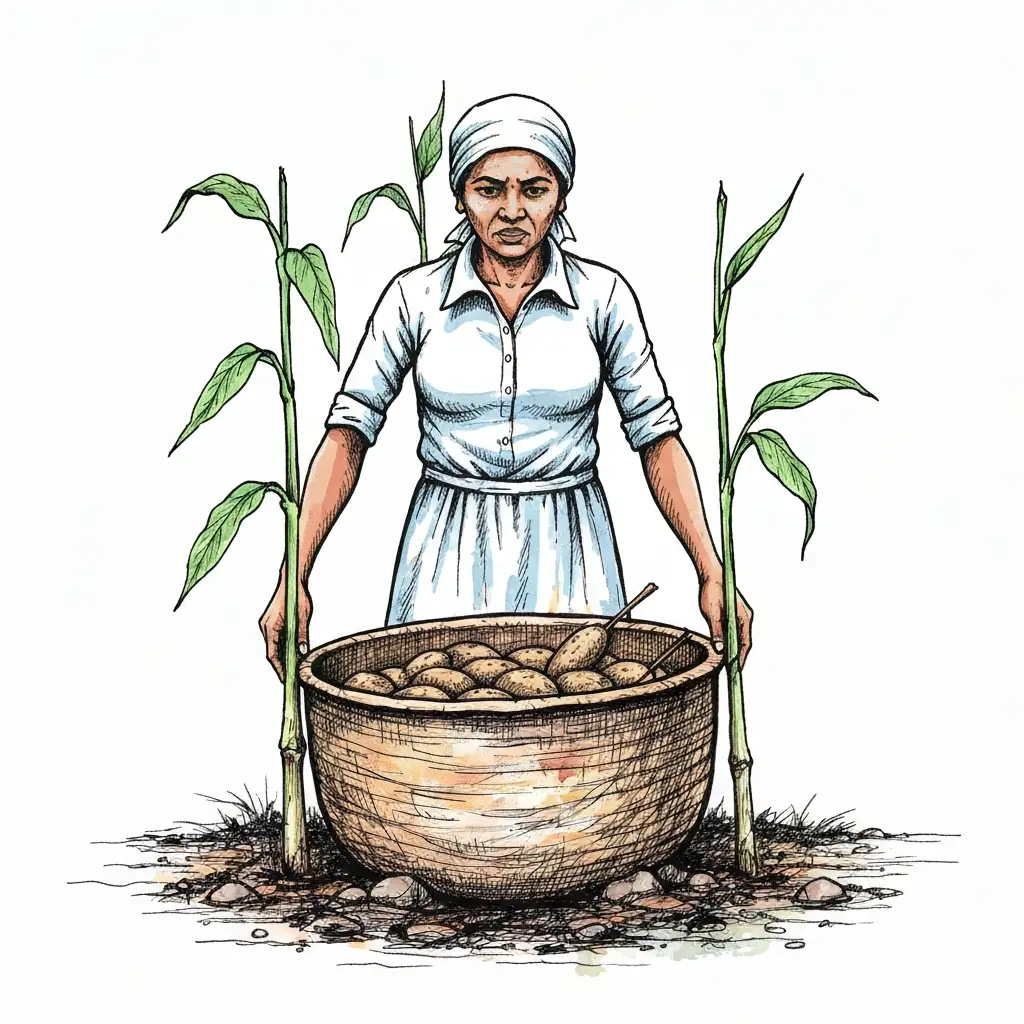
He did not keep it. Chukwuma distributed portions of his harvest to families with the youngest children and the oldest grandparents first. Then he shared seed yams from his harvest with five neighboring farmers, showing them the planting depth and the preparation of the mound. The community avoided the worst of the lean season because of it, having a staple food when the market price was beyond reach. It was a local solution, born of observation and memory, in a country where an estimated twenty-five million people face acute food insecurity and climate shocks have turned harvests into a gamble. This was resilience that did not require a diesel pump or a government contract, just effort and a long memory.
Not a Magic Trick
This method will not work everywhere. It only works where the water table is within reach of a yam’s root system and where the soil allows for deep penetration. In areas with a very deep water table or hard bedrock, the yam will hit a barrier. The technique also demands more labor. It is a specific solution for a specific place. But the principle, the idea of seeking subsurface resources, has a broader application. Agricultural agencies began to take note, calling it ‘climate-smart agriculture’, which is just a formal term for an old kind of sense.
“This is indigenous knowledge meeting modern climate challenge. We should document it, study it, and see how it scales.”
– Dr. Adeola Ogunbameru, IITA, March 2026.
A Vertical Strategy
Sometimes the solution is not above. Sometimes it is below. In a season of no rain, the answer was not a taller crop but a deeper root, a strategy that was vertical rather than horizontal. This thinking applies to more than yams. It applies to how communities find water, how they build foundations, how they secure a future in uncertain times. Chukwuma Okeke saved the best of his yams for seed, and more farmers in Neni are now digging their holes deeper. The forecast for the next rainy season remains uncertain, but the community feels a little more prepared. They know the earth holds a reserve. They just had to remember how to ask.
If You Listen
Talk to the oldest farmers in your area. Ask them about planting practices during past droughts. Observe the deep-rooted trees that stay green in the dry season, for they are signposts to accessible water. If you farm, the experiment costs only effort—dig a deep pit before the dry season and see if you find damp soil. The knowledge is often already there, waiting in the memory of the land and the people who work it, a quiet story beneath the dust.






Agric-Innovation
Nigeria Agro-Processing Turns Farm Waste into Paychecks
N5 trillion worth of food rots on Nigerian roads each year. Now, a quiet shift is turning that waste into paychecks, as agro-processing creates year-round jobs from tomatoes, cassava, and yams. It’s…
Nigeria Agro-Processing Turns Farm Waste into Paychecks
Published: 25 March, 2026
N5 trillion disappears every year, not stolen or misplaced, but left to rot on the side of bad roads under a hot sun. The Federal Ministry of Agriculture and Food Security puts a number to the tomatoes, maize, and yams that never reach a market, a direct subtraction from the pockets of farmers and the plates of over 200 million people. It is a visible, daily economic hemorrhage that has become a normal part of the landscape, like the dust or the traffic.
The Simple Math of a Tomato
A farmer in Kadawa, Kano State, sells a basket of fresh tomatoes for one price, but the same quantity, processed into paste and packaged, fetches significantly more in a Kano market. That difference is the value added by agro-processing, a simple arithmetic that drives the current push to build factories where farms end. The National Bureau of Statistics reports the agricultural sector contributed 25.18% to nominal GDP in late 2025, while manufacturing, where this processing lives, contributes less. That gap is the potential space for job creation and export revenue, a quiet hint at what could be if the sums were done properly.
New Factories, New Maps
You see the evidence on the ground if you know where to look. The Dangote Group completed a major tomato processing plant in Kano, providing contracts for thousands of out-grower farmers, while in Ibadan, the Flour Mills of Nigeria invested in a wheat milling and pasta facility. These large investments anchor entire supply chains, but the smaller movements are just as telling. A startup in Lagos produces packaged garri for the urban diaspora, and another in Abia State packages dried bitter leaf for sale in Port Harcourt and Abuja, addressing a specific demand for convenience from city dwellers who have forgotten how to peel a tuber.
The Year-Round Paycheck
The International Institute of Tropical Agriculture notes a direct link between processing and employment density. A cassava farm employs a set number per hectare, but a unit turning that cassava into garri or starch employs more people for longer. The jobs change from seasonal farm labor, where you work hard and then wait, to year-round factory work with a predictable rhythm. The Nigeria Economic Summit Group estimates the agro-processing sub-sector created hundreds of thousands of new formal and informal jobs between 2023 and 2025, roles for machine operators, quality assurance staff, and truck drivers. The effect multiplies quietly in local communities, turning weekly allowances into monthly salaries.
Platforms and Potholes
The administration has launched initiatives with impressive names and numbers. There is the $1.2 billion Nigeria Postharvest Systems Transformation Programme (NiPHaST) and the Special Agro-Industrial Processing Zones across the six geopolitical zones, with the Ministry of Agriculture proposing capital expenditure exceeding N200 billion. The Central Bank of Nigeria continues the Anchor Borrowers’ Programme, and the Bank of Industry manages a fund for lending to SMEs in food manufacturing. But access to these funds continues to be a common complaint, a gap between the announcement and the actual money arriving.
“The gap is not in policy formulation. The gap is in the consistent implementation of these policies and the provision of critical infrastructure like power and water that make factories run profitably.”
– Muda Yusuf, Chief Executive Officer of the Centre for the Promotion of Private Enterprise, February 2026.
When the Lights Go Out
The infrastructure reality has a way of biting just when things seem promising. Take a tomato paste factory in Katsina that requires significant electricity but receives only limited hours of public supply daily. The cost of diesel for generators adds substantially to the production cost, making the final product less competitive before it even leaves the gate. Then there is the trouble of the road. Transporting tomatoes from farms in Benue to a plant in Lagos can spoil a portion of the cargo, a loss that erodes the processor’s margin and discourages longer supply chains. The big ideas often stumble on these small, practical details.
A Continental Window
Wait, it gets more complex and more interesting. The African Continental Free Trade Area presents a major opportunity for Nigeria to export processed garri, fruit juices, and vegetable oils to neighboring West African countries duty-free. The demand for semi-processed ingredients is high in countries like Ghana and Côte d’Ivoire, and the Nigerian Export Promotion Council is training agro-exporters on the standards required. A company in Ibadan now exports packaged yam flour to supermarkets in Accra and Lomé weekly, a small but steady flow of trade that did not exist a few years ago.
One Bag of Cassava
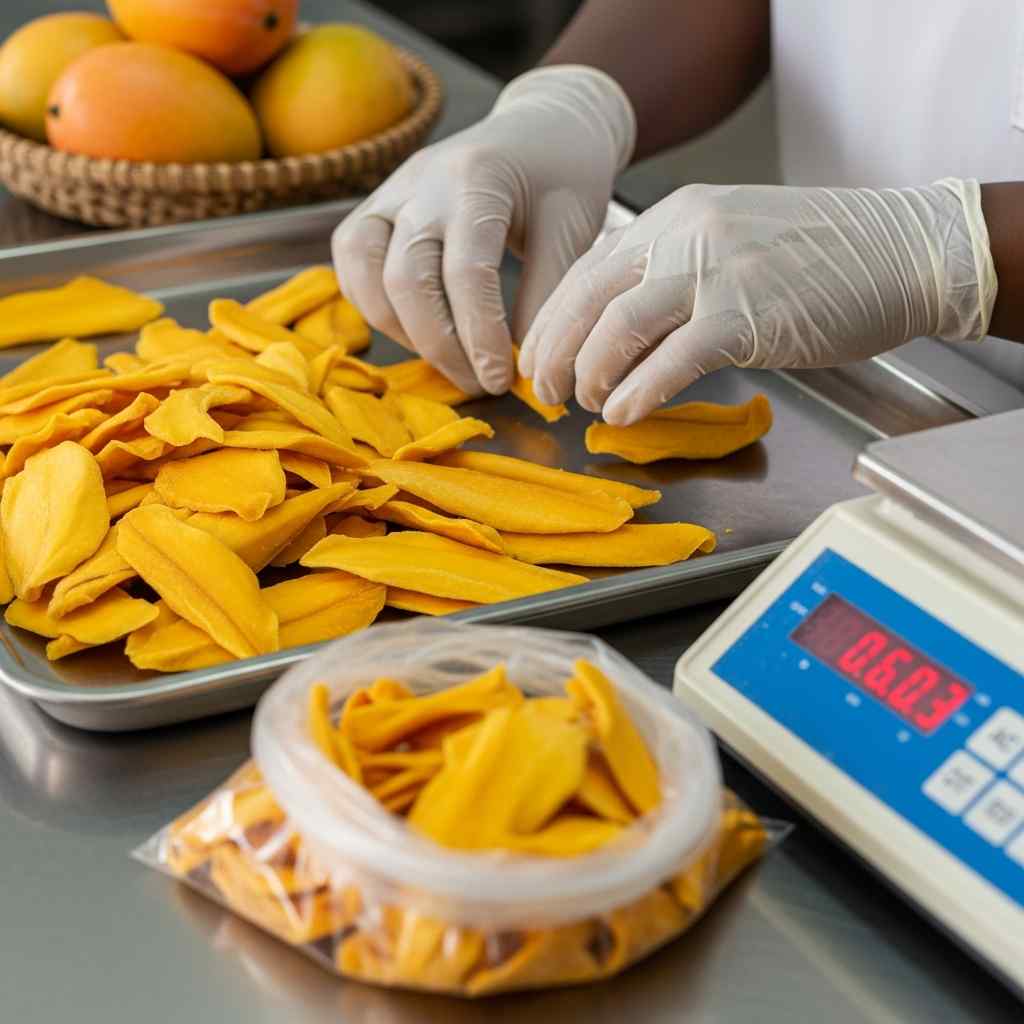
Look closer at the model that often works best. A community youth group in Delta State secured a state government grant and bought a motorized cassava grater, a press, and a frying machine. Now they buy cassava from local farmers, process it into garri, package it, and supply local markets and schools. The capital requirement is lower than for a large-scale refinery, and the market is local and understood. The impact on reducing post-harvest loss in that community is immediate, turning what would have been waste into something you can sell on a Tuesday afternoon. It is replicable for plantain chips, for soymilk, for a hundred other things.
The Road Ahead
Agro-processing converts waste into economic weight, turning seasonal farming into year-round manufacturing jobs and replacing imported paste with products made in Kano or Ibadan. The move from farm to factory is the logical next step, but the path has deep potholes named electricity, logistics, and financing. The factories that succeed often solve these problems for themselves, building a small world that works. The policy direction is correct on paper. The execution, the daily grind of keeping the lights on and the trucks moving, will separate the headlines from the real harvest. So here we are. The tomatoes rot on the road. The factories need tomatoes to make paste. Connecting these two points is the actual work, and every bag of cassava turned into packaged garri in a rural community is a quiet step on that long, winding road.

Ancient Rock Art Traditions Endure in Igbara Oke Caves

Palm Wine Tapper Climbs Same Tree That Killed His Father in Ozoro

Hunter Hears Dead Brother Whistle in Ganye Forest Mystery

Farmer Plants Yam That Grows Downward to Water Table in Drought

She Kept Asking and They Kept Moving Her in Nigeria

Global Food Prices Rose 2.4% in March 2026

Chigozie Obioma International Booker Prize 2026

Jidenna Pan African Sounds Latest Musical Project 2026

Hakeem Oluseyi Brings Astrophysics to Classrooms Worldwide

NANS Diaspora Nigerian Students Eastern Europe

Nnamdi Asomugha From NFL Cornerback to Hollywood Producer

Folake Olowofoyeku Stars in American Sitcom on Nigerian Family Life

Internet Sovereignty: Why Some Countries Want Their Own Separate Internet

The Story Of The Nigerian Who Helped Build Global Internet Systems

Nigerian Hackers: The Global Fraud Story and Its Fallout

Forgotten Satellites Defy Silence, Beaming Signals for Decades

The Phone Stay So Quiet: An Investigation into Nigeria’s Silent Customer Lines

Your Digital Store in Nigeria and the Reality of Domain Expiration

The Business That Died: A Nigerian Case Study in Refusal to Adapt

Hiding Your Business From People With Money

How Nollywood Grew Without Government Support

Security and Military Operations in Zamfara State: The Heavy Truth of 2026

Moniepoint Business Account Requirements Nigeria for SMEs 2026

Comedy Industry in Nigeria and Its Economic Contribution


 Digital Sovereignty8 months ago
Internet Sovereignty: Why Some Countries Want Their Own Separate Internet
- Technology & Innovation8 months ago
The Story Of The Nigerian Who Helped Build Global Internet Systems
- Crime8 months ago
Nigerian Hackers: The Global Fraud Story and Its Fallout
- Space Technology8 months ago
Forgotten Satellites Defy Silence, Beaming Signals for Decades
- Maritime8 months ago
The Phone Stay So Quiet: An Investigation into Nigeria’s Silent Customer Lines
- Business8 months ago
Your Digital Store in Nigeria and the Reality of Domain Expiration
- Business8 months ago
The Business That Died: A Nigerian Case Study in Refusal to Adapt
- Business8 months ago
Hiding Your Business From People With Money