Unexplained Phenomena
Forest healer cures blindness using leaves from a plant found nowhere else
People cross borders to reach a forest healer in Akure who uses leaves from a plant found nowhere else. They believe it helps when hospitals have failed them, creating an economy of hope around a…

Forest healer cures blindness using leaves from a plant found nowhere else
Published: 09 April, 2026
You can find Micheal Okafor on WhatsApp groups now, telling people he sees again after spending N500,000 in hospitals that gave him nothing but bills. His story travels through West Africa, copied and pasted into conversations between people who have run out of options and have nothing left but a bus ticket to Akure. They arrive on Monday nights from Ghana and Tuesday mornings from Benin, selling what they own to pay for the journey before walking the footpath into the Ala Forest Reserve where a man waits with leaves in a stone mortar.
The Tuesday morning queue
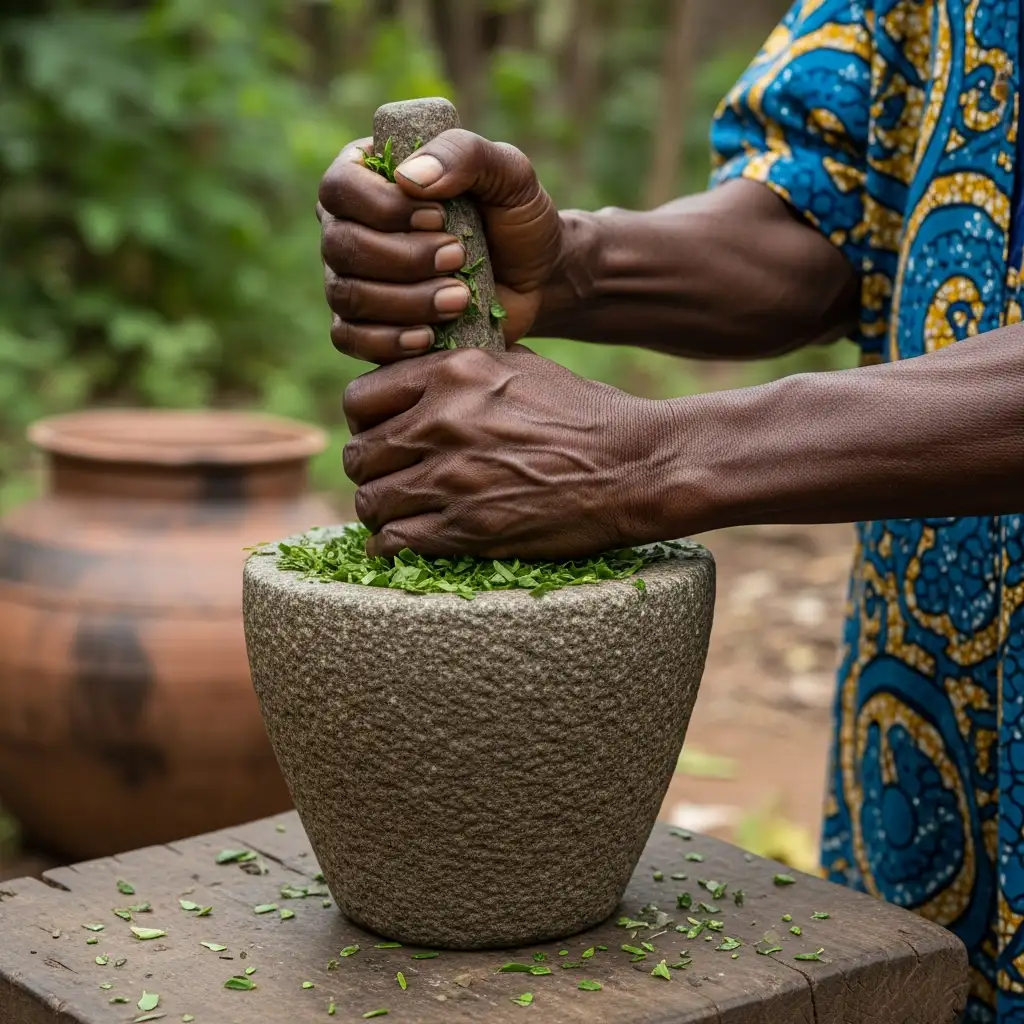
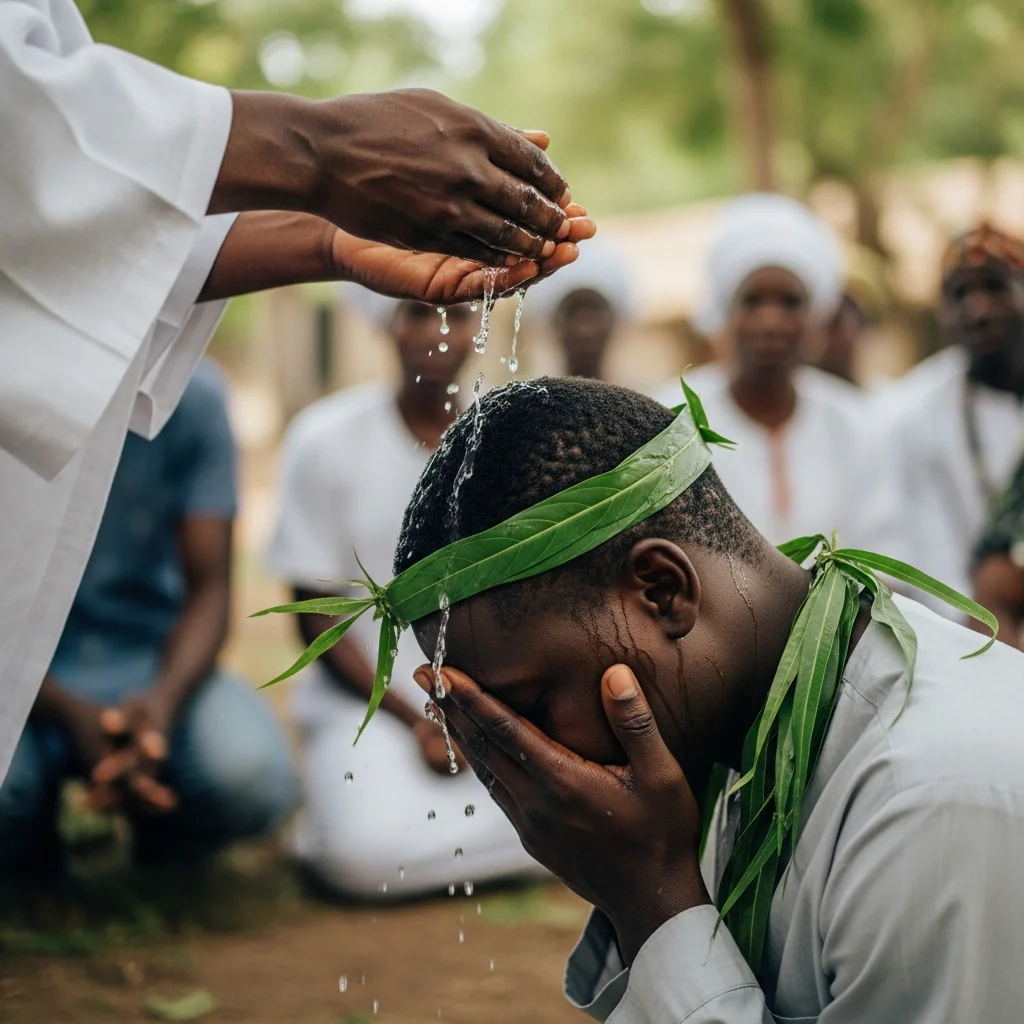
His name is Baba Ifayemi and he learned this from his father, sitting in the same grove on Tuesdays and Fridays without advertising or charging a fixed fee. Some wear dark glasses while others are led by relatives who describe the rocks and roots ahead, all waiting in the early heat for hands that crush leaves between steady palms. He mixes the pulp with water from a clay pot that has sat in that spot since his father’s time, spreading it over closed eyes while the person sits for an hour listening to the forest around them. Some return week after week and some come once before disappearing forever, with the healer keeping no records of who sees better or who walks away unchanged.
A plant with no twin
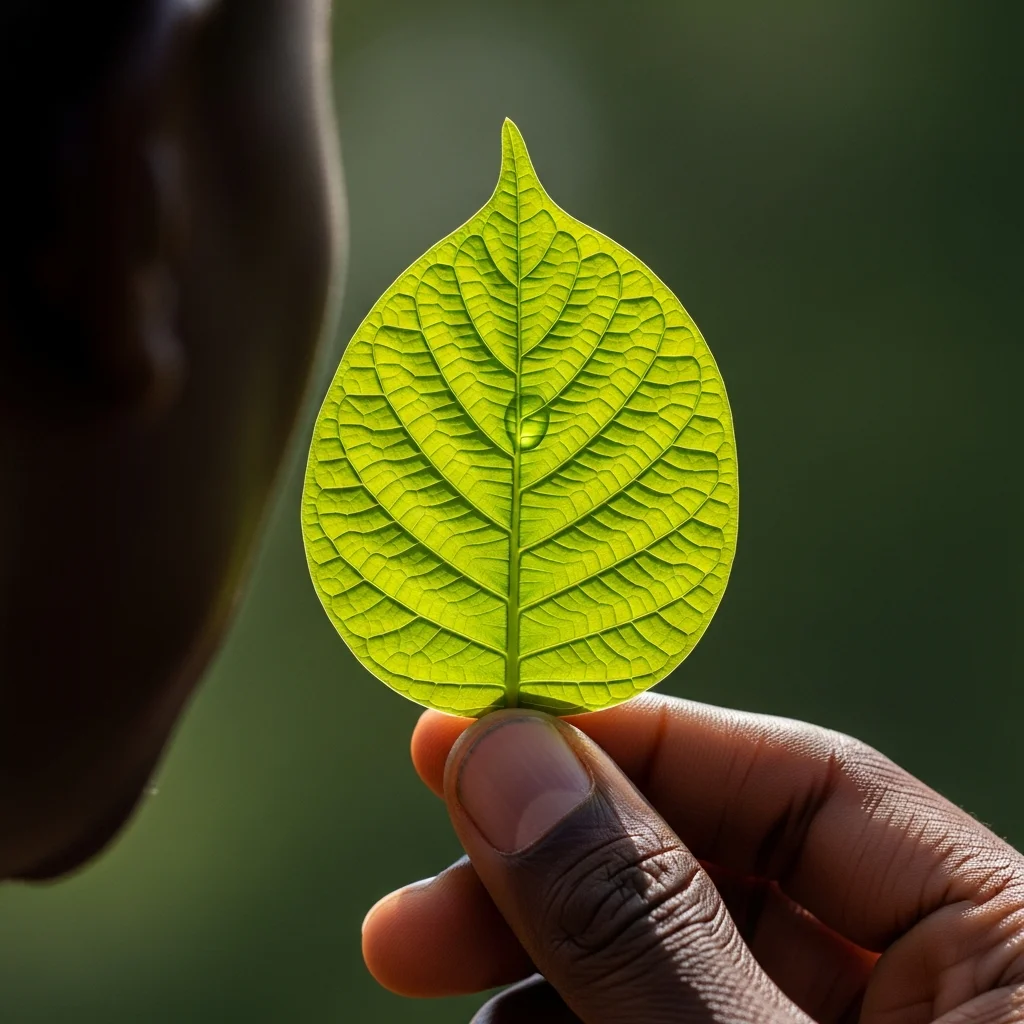
Botanists from the University of Akure examined the shrub with broad dark green leaves and found it nowhere else on earth, publishing a survey in 2025 that noted its unique chemical signature before giving it a name in a database. The elders call it Ewe Aron or Vision Leaf, which is all the formal world has done with a plant that grows in a thicket where a healer works from a small clearing. That database cannot tell you what his fingers know about which leaves to pick or how long to crush them, knowledge passed down through watching and doing while listening to corrections in low tones that never rose to anger.
“My father showed me this plant and said it was for the eyes. We have always used it. The people who come, they say hospitals are too expensive or doctors say nothing can be done.”
– Baba Ifayemi, speaking to a reporter in March 2026.
The arithmetic of sight
The World Bank estimated in 2024 that more than 80% of healthcare spending in Nigeria comes directly from the pockets of ordinary people, making a single cataract surgery at N300,000 impossible for families earning N1.2 million in an entire year. The National Blindness and Visual Impairment Survey from 2020 counted over 1.13 million blind adults with cataract leading the causes, noting that 86% of this blindness could have been avoided or treated while the numbers sit in reports on shelves in Abuja. People sit on the footpath outside Akure instead, waiting for leaves because the math between seeing and eating has become brutal.
What grows around a grove
Local youths now guide new arrivals down the footpath for a small fee while women sell roasted yam and sachets of cold water to those waiting their turn, with motorcycle taxi drivers learning the schedule to wait at the junction where the tarred road ends. Baba Ifayemi accepts whatever the patient can give without asking for anything fixed, so some leave N5,000 and some leave a chicken or a tuber of yam with a quiet word of thanks before walking back down the path. Officials from the Ondo State Government have visited through its Ministry of Natural Resources to ensure the plant is not stripped from the earth, considering protected status in 2026 discussions that have made no decision while the leaves continue to grow and the people continue to come.
“We have a biodiversity treasure trove. Isolating active compounds and running phased trials requires sustained investment that often goes to more conventional drug research. Community practices are documented ethnobotanically, but clinical validation is a different, costly step.”
– Dr. Adeola Williams, University of Ibadan, speaking at a 2025 seminar on ethnomedicine.
Knowledge on a spider’s thread
Baba Ifayemi has trained one of his sons in the specific sub-species of the plant and the exact preparation method with signs that a patient should stop treatment, all living only in the memory of two men because nothing is written down. The Nigerian Natural Medicine Development Agency has a mandate to document such practices with a reach that exceeds its grasp, being small and underfunded and overstretched while traditions scatter across forests and compounds and groves like this one. One day he will not be in the clearing on a Tuesday morning when his son takes his place, leaving the future of genuine power hanging on a single thread of oral transmission that is fragile as spider silk.
A different kind of bridge
The story of this grove does not demand a verdict from you but asks for attention toward people crossing borders to place crushed leaves on their eyes because they believe it helps when science has not confirmed or disproved it. Researchers could design simple studies tracking outcomes with patient consent while the state ministry of health connects the grove to a primary health center, making the healer a partner instead of a curiosity studied from a distance. Knowledge could be written down with respect before it vanishes like morning mist, building the future of healthcare from old ways and new ones if anyone has the patience to sit and watch and learn.
If you find the footpath
Go with respect and speak to the elders first because this is not a performance for visitors but a place of healing for those who have nowhere else to turn. Support the work of Nigerian universities and agencies trying to document what the forest holds, knowing the answers are not all in textbooks. Some of them are growing in a thicket outside Akure, waiting for someone to look closely at leaves that know more than databases.


Unexplained Phenomena
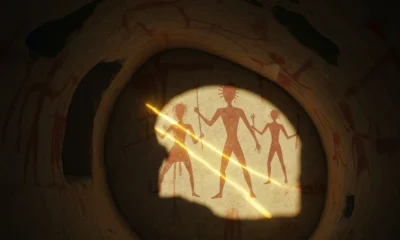
Ancient Rock Art Traditions Endure in Igbara Oke Caves
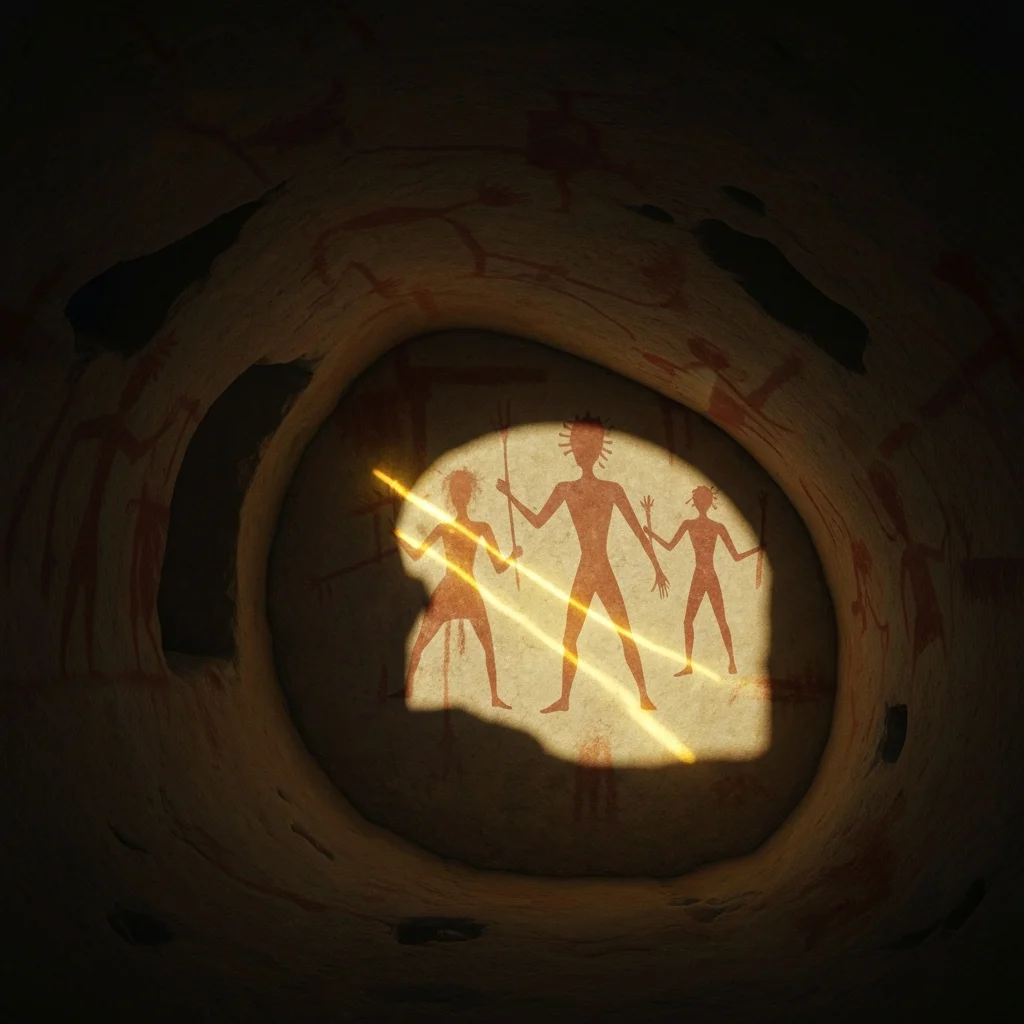
Ancient rock art in Ondo State survives through community stewardship and oral tradition. While time and weather cause gradual fading, these markings provide a vital link to the region’s cultural history.
Ancient Cave Art Endures in Ondo State Communities
Published: 22 April, 2026
Igbara Oke is a quiet place in Ondo State where rock art has survived for generations. Local guides tell visitors about paintings on cave walls that depict animals, human figures, and symbols whose meanings have faded with time. These images do not move. They do not shift. They sit exactly where they were placed, fading slowly under the weight of weather and years.
What makes them remarkable is not movement but endurance. The paintings have outlasted the people who made them, and they continue to draw the curious and the scholarly to this corner of Ondo State.
Rock art across Nigeria
Cave paintings and rock art exist in several locations across the country, though they receive less attention than more famous heritage sites. The Cross River monoliths with their inscribed patterns, the rock gongs of the Benue Valley, and various painted shelters in the north all testify to ancient artistic traditions that predate written history.
The National Commission for Museums and Monuments maintains an inventory of these sites, though funding for comprehensive documentation and preservation remains limited. A report from the Nigerian Geological Survey Agency confirms that the sandstone formations common in parts of Ondo State provide suitable surfaces for mineral-based pigments, which explains why some paintings have survived for extended periods despite exposure to the elements.
What remains visible
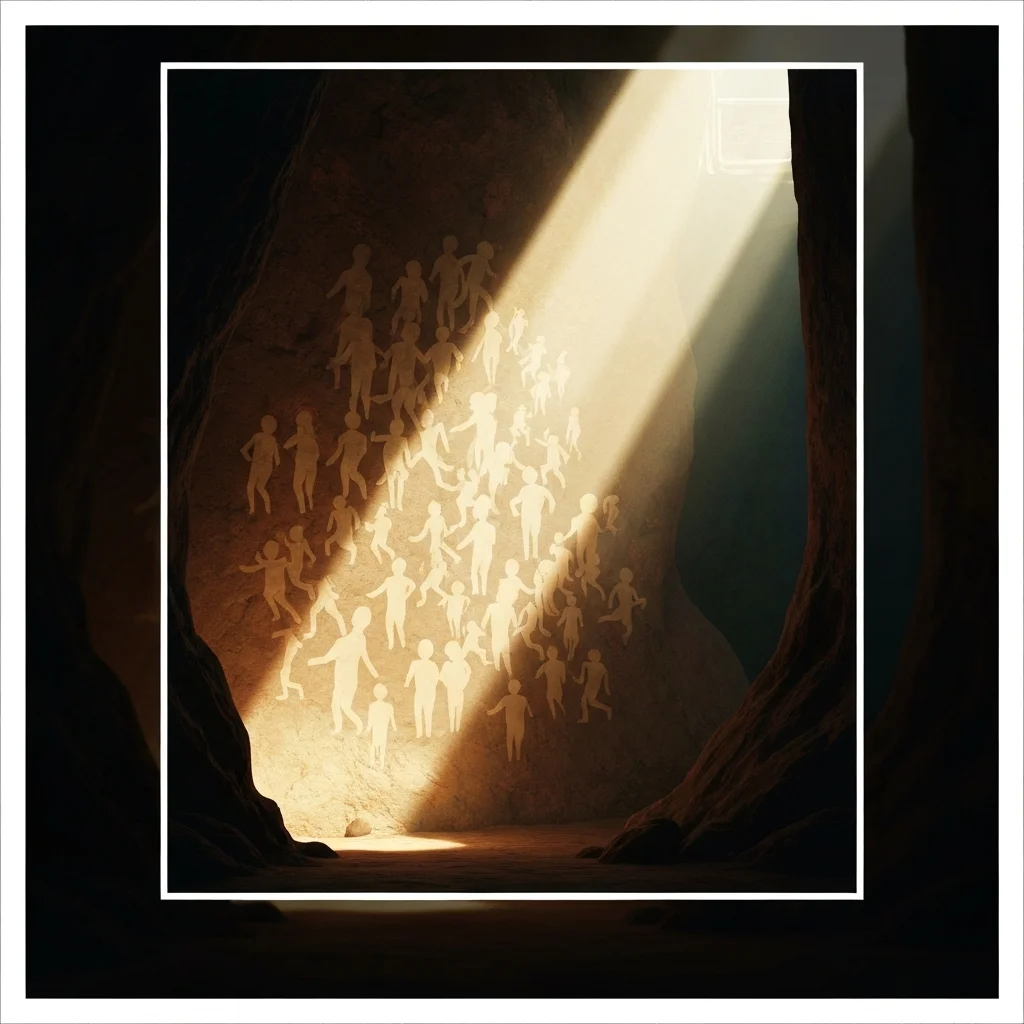
Visitors to rock art sites in the region can see faint outlines of animals and geometric patterns, though many have deteriorated significantly. Unlike protected heritage sites in other parts of the world, these paintings lack climate control or restricted access. Rain, humidity, and human contact all contribute to their gradual disappearance.
Local historians and community elders maintain oral traditions about the meaning of these images. Some associate the paintings with hunting rituals or territorial markers. Others suggest ceremonial purposes tied to seasonal events. The absence of written records means these interpretations rely on generational memory, which becomes thinner with each passing decade.
Community stewardship
The sites lack formal protection as national monuments, so nearby communities manage access and preservation through informal arrangements. Visitors may encounter local guides who share what they know about the paintings, though the information varies from person to person and place to place.
The economy of Ondo State includes cultural tourism at established destinations like the Idanre Hills, a UNESCO World Heritage tentative site with documented history and maintained trails. Smaller rock art locations remain less visited and less studied, their significance known mainly to residents and a handful of researchers.
According to a 2026 inventory from the state government, several caves and rock shelters have been identified as having potential for cultural tourism development. Funding for proper archaeological study and preservation planning has not yet been allocated.
Preservation challenges
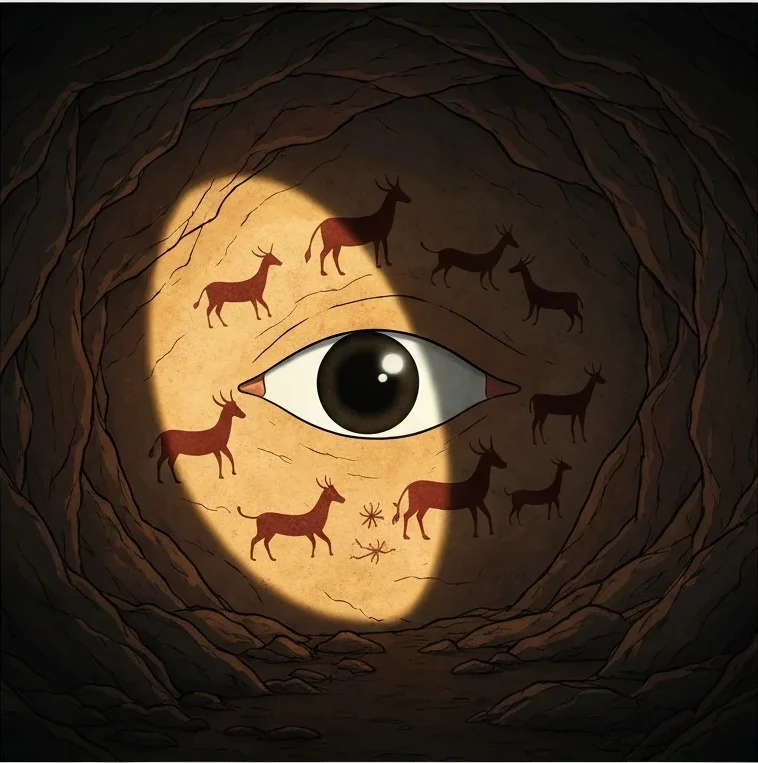
Geologists from the University of Ibadan Department of Geology have studied sandstone formations in southwestern Nigeria, noting that the porous rock absorbs moisture during rainy seasons and dries during harmattan. This cycle of expansion and contraction causes microscopic stress on painted surfaces over long periods.
The mineral pigments used by ancient artists bond with the rock surface, but they cannot resist erosion indefinitely. Without protective measures, many of these paintings will continue to fade until they become indistinguishable from the surrounding stone. This is not a sudden loss but a slow one, measured in decades rather than days.
Documentation efforts
Researchers from Nigerian universities have conducted periodic surveys of rock art sites, photographing and measuring the paintings to create records for future study. These efforts rely on limited grants and institutional support, which means comprehensive documentation of all known sites has not been completed.
Oral tradition collected by the National Archives includes references to painted caves and rock shelters across the country, though many accounts are general rather than specific. Community elders in various locations recall stories about the origins of these images, with some attributing them to ancestral spirits or historical events.
These oral histories provide context that scientific measurement alone cannot offer, linking physical artifacts to living cultural memory.
Global context for rock art
Other sites worldwide demonstrate both the vulnerability and resilience of ancient rock art. The Chauvet Cave in France receives strict environmental controls and limited access to preserve paintings that date back tens of thousands of years. The rock art of the Sahara documents a greener past when the desert supported human and animal populations now long gone.
In Nigeria, the Sukur Cultural Landscape in Adamawa State holds UNESCO World Heritage status and receives structured support for preservation and tourism management. Smaller sites without this designation must rely on local stewardship and occasional academic interest.
The 2026 budget for the Federal Ministry of Information and Culture allocates funding for heritage sites that must be distributed across hundreds of locations nationwide. Individual sites often receive small amounts or nothing at all, which makes community management not just traditional but necessary.
How visitors can help
You can support preservation by visiting rock art sites respectfully and following local guidance about photography and physical proximity to the paintings. Touching the rock surface transfers oils and moisture that accelerate deterioration, so keeping a reasonable distance helps extend the life of the art.
Consider documenting your visit with photographs taken without flash, which can be shared with researchers compiling records of these fragile sites. Report any visible damage or vandalism to community leaders who serve as informal custodians.
Small contributions to local guides and heritage committees provide direct support for preservation efforts that receive little outside funding. These modest actions accumulate over time, much like the slow processes that created and now threaten the paintings themselves.
What endures
The cave paintings of Ondo State and other regions of Nigeria represent an ancient artistic tradition whose full extent remains unknown. They survive in quiet corners, away from major tourist routes and academic attention, watched over by communities who have lived near them for generations.
They do not move. They do not shift with the seasons. They simply remain, fading slowly, carrying forward a message from people whose names and languages have been forgotten. The images speak across time in a vocabulary of shapes and symbols that still holds meaning for those who stop to look.
Unexplained Phenomena
Hunter Hears Dead Brother Whistle in Ganye Forest Mystery
A hunter follows his dead brother’s whistle to avoid a poacher’s trap, only to find the sound came from a bird that doesn’t belong in that forest. The 2026 mystery sits between memory, mimicry, and…
Hunter Hears Dead Brother Whistle in Ganye Forest Mystery
Published: 22 April, 2026
March 3, 2026 was just another morning for Mallam Ibrahim Bello when he walked into the Mayo Kam forest reserve. He carried his local rifle, hoping to find something for the pot, and the humid air hung thick around him. Then a specific two-toned whistle cut through the quiet, a sound he had not heard in three years, not since his brother Sule passed away. It was the exact signal they used to find each other in the dense greenery, and without thinking, Ibrahim turned and followed it.
The sound that saved him
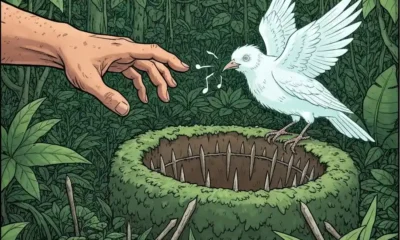
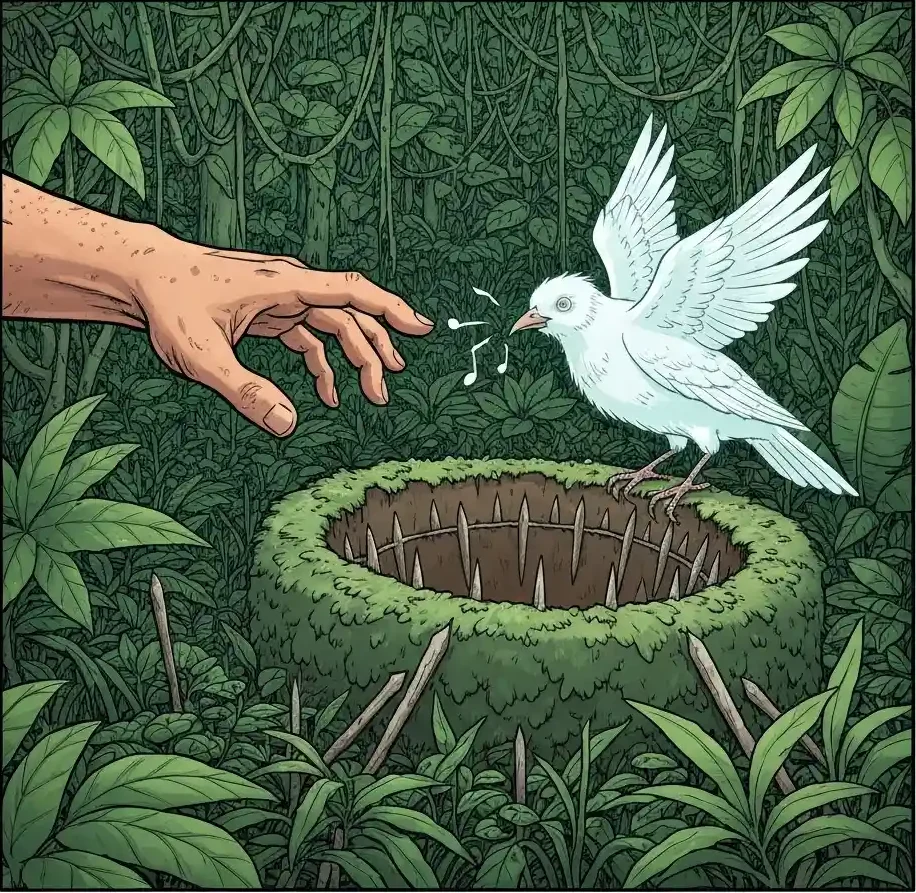
He followed the familiar call for about fifty meters before it stopped abruptly. When he looked down, Ibrahim saw the danger: freshly broken branches cleverly arranged to hide a deep pit. Probing with a stick revealed sharpened stakes at the bottom, a trap designed to impale any large animal that fell through. The Adamawa State Ministry of Environment would later note 14 such illegal trapping incidents in that reserve for the first three months of the year. The whistle from his past had led him away from a very present danger.
A messenger in feathers
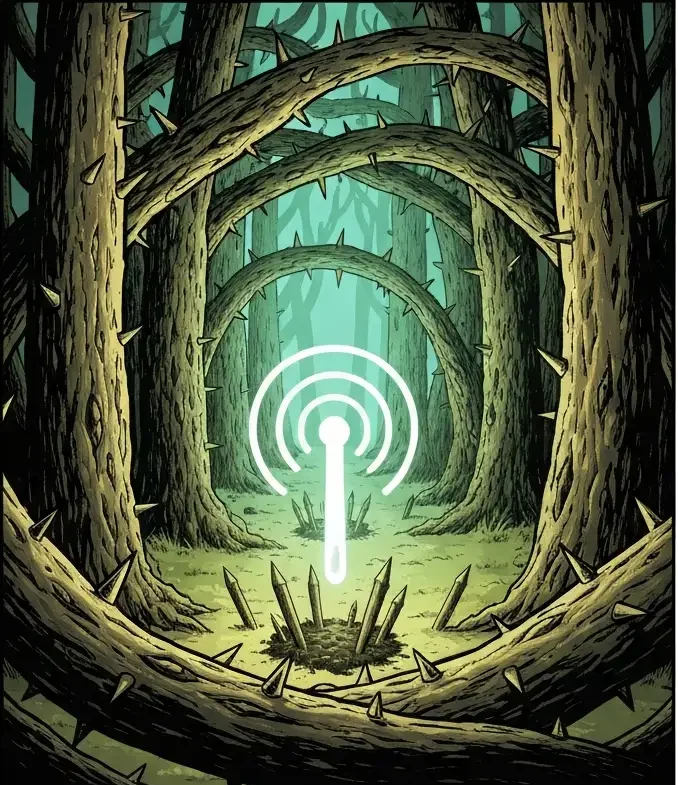
Can you hear it? A faint whistle leads the hunter deeper into the Ganye Forest’s secrets. Be careful now (Illustration: GoBeyondLocal)
After staring into that pit, the whistle came again. This time it led him to a thicket of neem trees where a small, olive-green bird with a bright yellow throat sat watching. It opened its beak, and out came the two-toned call of his dead brother. The bird repeated it twice before flying off, leaving Ibrahim with a story that baffled his village. Elders consulted their knowledge and found no match for the bird. They called in experts from Modibbo Adama University.
“The vocal mimicry is plausible. The geographic displacement is the mystery. That bird has no documented population within 500 kilometers of Ganye.”
– Dr. Fatima Aliyu, Ornithologist
Forests under pressure
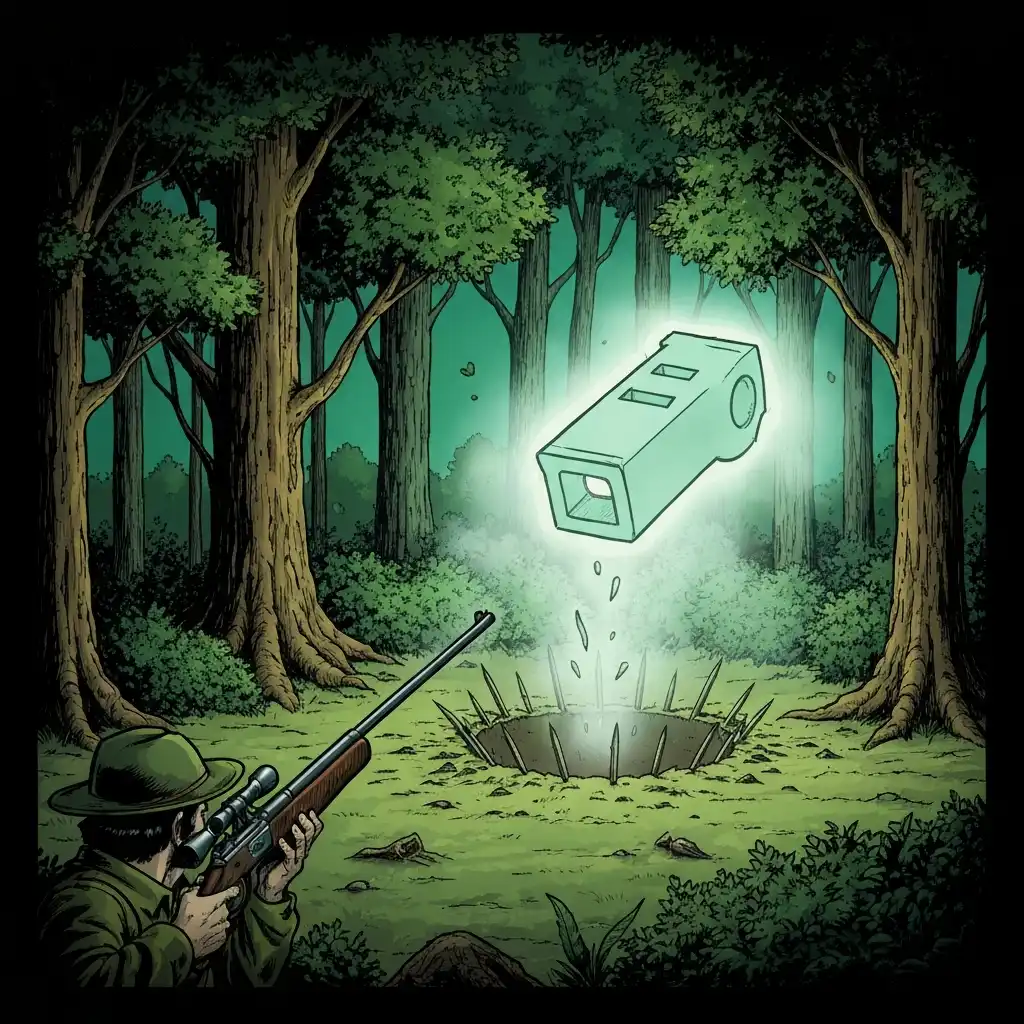
The story unfolds against a backdrop of quiet conflict in places like the Mayo Kam reserve. Pressure from logging, farming, and hunting keeps growing. The state’s budget for wildlife protection in 2026 was set at N285 million, a small fraction of overall spending. Rangers often lack the tools for proper patrols, and commercial poaching is a persistent shadow. The trap Ibrahim found used nylon rope and fresh-cut wood, signs of activity by those with more than subsistence in mind.
Two ways of knowing
In many traditions here, birds are seen as messengers, and stories of ancestors sending warnings are woven into the culture. For the community, the explanation is clear.
“Our tradition says the forest protects those who respect it. Ibrahim respected the forest, and the forest sent a guide. The scientists will look for the vehicle. We already received the message.”
– Elder Jonathan Barde, Ganye Community Leader
The scientists, for their part, talk of storm-driven displacement or escaped pets. They plan a field visit with audio recorders, hoping to capture evidence. The last proper bird survey in that forest was back in 2012, so who knows what might have moved in since.
What lingers
Ibrahim still hunts, but he goes with a partner now and avoids that particular part of the woods. The community holds the story close, a knowledge that both the dangers of the forests and its whispered protections. For everyone else, it’s an intersection: a bit of ecology, a touch of psychology, a layer of cultural belief. The immediate truth is simple. A man listened to a sound from his past and avoided stepping into a hole lined with stakes. Now, other hunters in Ganye pay closer attention to the bird calls around them, and maybe that is the most practical magic of all.
Unexplained Phenomena
Refinery Lights Flicker at Port Harcourt on a Deadly Anniversary
Every October 12, the lights at the Port Harcourt refinery flicker for seventy minutes, a haunting echo of a 1998 explosion that killed twelve people. Engineers find no cause, leaving a town to…
Refinery Lights Flicker at Port Harcourt on a Deadly Anniversary
Published: 10 April, 2026
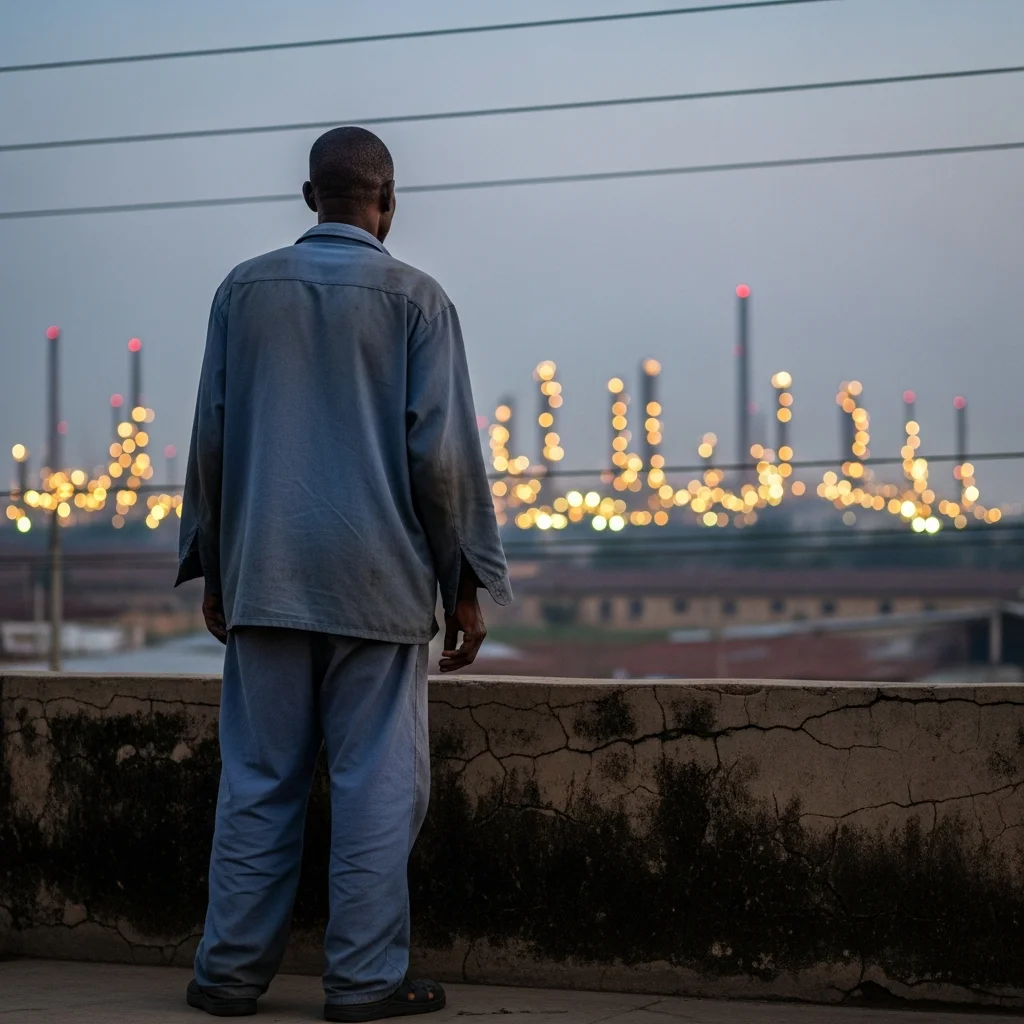
You can find Chika Obi in Eleme when the sun goes down on a certain day, and he will tell you what he sees. The lights at the Port Harcourt refinery begin to dim and then flare bright again around 7 PM, performing this strange dance for about an hour while the town watches. This happens every October 12 without fail, a date that has been carved into the memory of that place since 1998. Your body remembers things like that, holding onto dates in your bones long after your mind has tried to move on.
The engineers found nothing
Engineers from the Nigerian National Petroleum Company Limited have checked the power lines more than once, searching for a loose connection or a faulty switch that could explain the annual flicker. They found nothing wrong, which is precisely what makes the people living near those towers feel a particular kind of cold. When something happens with such perfect regularity and the experts shrug, your mind starts looking for other answers. The people who monitor the national grid have recorded a small power drop lasting seventy minutes on that date for three years running, and they list the cause with a single, elegant word.
“The lights go dim. Then they get bright again. This goes on for about an hour after the sun goes down. It starts around 7 PM. Everyone here knows what day it is.”
– Chika Obi, Eleme resident, speaking in April 2026.
They call it unknown, which is just a fancy way of admitting they do not know. Sometimes that is the truest answer you can get.
A memory in old newspapers
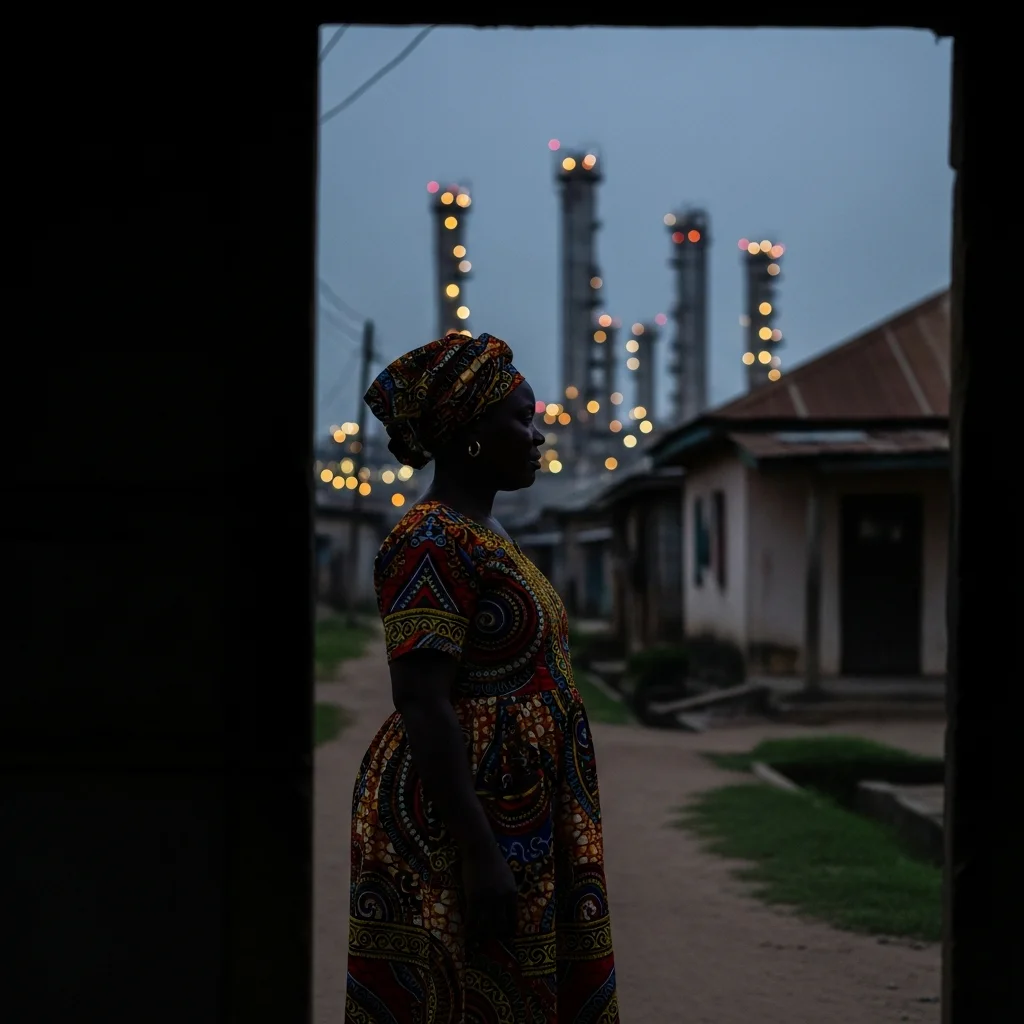
The thing everyone remembers happened on October 12, 1998, when an explosion tore through one of the old refinery units. Old newspapers from that time say twelve people died for sure, though the real number might be higher, and those papers are probably sitting in a government cupboard somewhere, slowly turning yellow. Survivors and families spoke about that day for years, and their words eventually became part of an official report in 2005 that blamed the disaster on machines that nobody took care of properly. Those same problems still happen today with different faces and the same tired excuses, because the refinery has always struggled. It has two parts: an old section built in 1965 that can make 60,000 barrels a day and a newer one finished in 1989 that can make 150,000. For years, both parts barely worked at all, and people have poured billions of naira into a machine that refuses to wake up.
Promises and pocket money
In 2026, everyone is still watching this refinery very closely. The NNPC said they finished fixing the old plant in December 2023 and promised the bigger one would start in 2024, but that year came and went without any change. The news about progress remains confusing, especially when the head of NNPC, Mele Kyari, told a Senate committee in January 2026 that the bigger plant was almost ready while standing in front of the people who control the country’s money. The project has swallowed a fortune, with the company hired to do the fixing, Technimont SPA, getting paid about $1.5 billion. That is more than N1.8 trillion in today’s money, enough to build many hospitals or schools or roads, but instead it sits inside pipes and valves and the broken hopes of a nation still waiting for fuel.
Your money in the machine
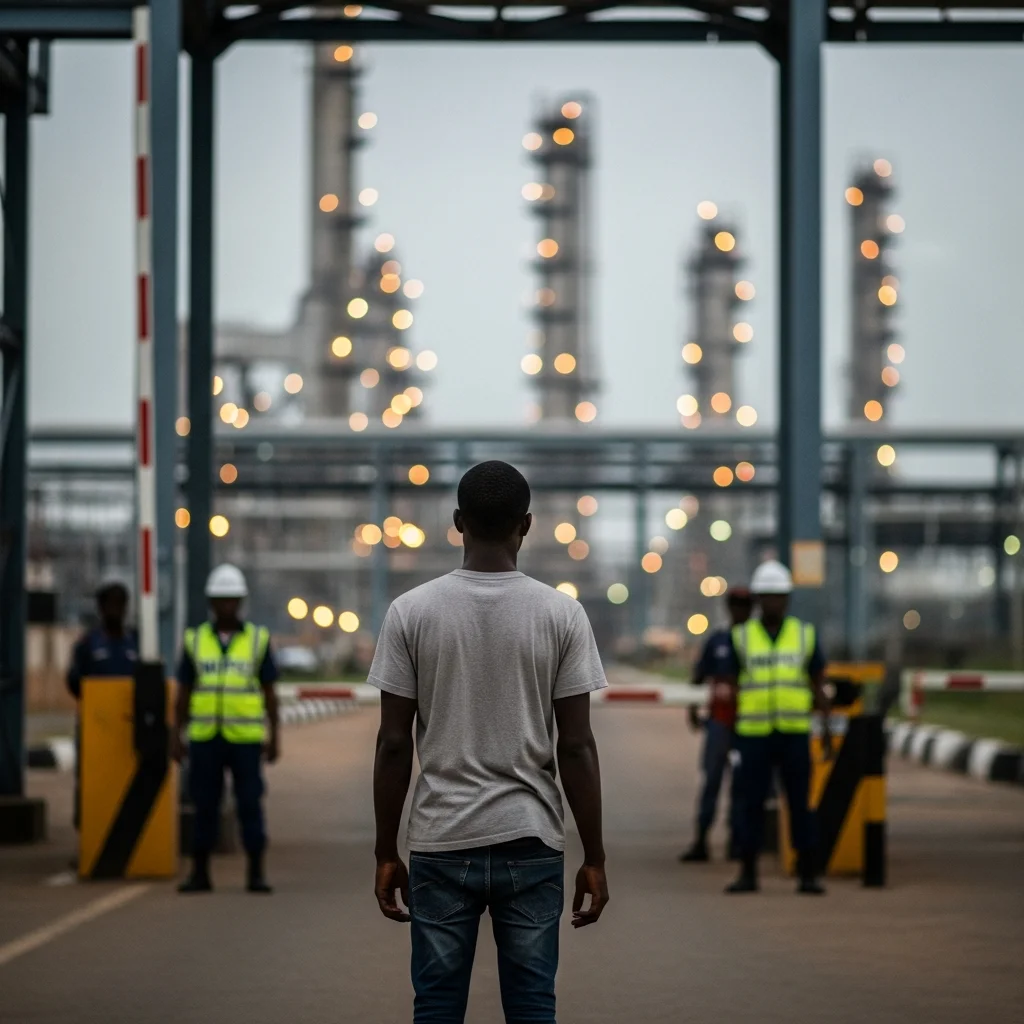
Fixing the refinery costs the country a tremendous amount, with the government setting aside N1.33 trillion for the Petroleum Ministry in 2024 alone, much of it for repair work. The 2025 budget looked the same, and the proposed 2026 budget follows that familiar path, because the government wants to spend big on power and fuel. Whether these refineries work or not affects your pocket directly, since a running refinery means the naira breathes easier and you pay less at the pump. The National Bureau of Statistics numbers for the last part of 2025 show Nigeria still brings in most of its fuel from other countries, making fuel at home a big goal we keep missing year after year like a train that never shows up.
The people who remember
The workers at the Port Harcourt refinery have lived through many ups and downs, watching leaders promise to fix things for decades while the towns around the plant carry the weight of dirty air and poisoned water. A former worker who asked to remain unnamed shared a quiet thought about the season.
“When October comes, people start talking again. The old workers remember the faces of those who died in ’98. The flickering lights? Maybe there is a bad wire no one found. Maybe it is something else. The mind tries to make sense of things.”
– Anonymous former PHRC operator, March 2026.
Doctors who study the mind have written about how people react to bad memories on the same date every year, with a 2022 study in a Nigerian health journal talking about how groups remember painful events. The study said that when you know a bad date is coming, you start seeing things differently, and your mind plays tricks. Or maybe your mind sees what the machines cannot measure.
An already shaky grid
The national power supply is not stable, and you know this because you live here and have sat in the dark cursing the power company, whatever they call themselves this year. The whole Niger Delta region loses power often, and the refinery gets electricity from the national grid and its own small plants, with the Nigerian Electricity Regulatory Commission saying Port Harcourt gets about eight hours of grid power daily. Big customers use their own generators most of the time, so a small power drop on the grid feels bigger when the power is already bad, and when things are broken, any little flicker feels like a message.
“Old switches, sensitive machines, and an unstable grid can create patterns that look strange. The human brain loves to connect dots, especially on days that carry heavy feelings. To find one real cause, you need very detailed information. We rarely have that.”
– Adesua Bamigboye, Energy Consultant, speaking on the phone in April 2026.
The same old problems
The government made refinery repairs a major part of its energy plan, which sounds good on paper because working refineries mean less imported fuel and more jobs. Putting this plan into action faces the same thick wall of doing nothing and running things badly, with finding the money being particularly hard. The NNPC used a method where contractors pay for the work first, so the government does not spend money right away but debt builds up, and the company must pay them back from future profits that depend on the plant working well. That is a big gamble given the history of this place, and the second problem is keeping things working, because the past shows that without a culture of taking care of machines, the benefits of repairs disappear quickly. The Senate report from 2005 pointed out this exact problem twenty-one years ago, and the people running NNPC now say they have new maintenance ways, but we have heard this before while the lights still flicker.
Towns that measure in years
The people of Eleme and Okrika have a lot riding on this refinery, and they have learned to measure promises in years instead of months because a working plant means more business and jobs for young people who have nothing to do but wait. It also means more questions about pollution and who really benefits, with local leaders signing many agreements over the years about jobs and cleaning the environment, but putting these agreements into action is always a topic of heated talk. The strange story of the flickering lights adds another layer to how the town remembers this place, becoming part of what people tell their children and reminding everyone that real people died inside that machine. The dead do not vote, but the living do not forget them, especially not on October 12.
What you can do
Watch the official numbers that the NNPC puts out on its digital platform, looking for the parts that talk about how the refinery is doing and comparing how much fuel they say they are making to how much the plant is supposed to make. Follow the money in the yearly budget papers to see how much cash goes to the Ministry of Petroleum Resources and the NNPC, noting how much is marked for repairs versus new projects and comparing these numbers year to year. Watch what happens at the pump, because the price of fuel and whether you can find it in Port Harcourt tells you right away if the refinery is working, and when fuel is scarce or prices jump, it usually means something broke again. Local people know first, so listen to them, since they are the ones living with the results.
The lights will dance again
October 12, 2026 will come just like it always does, and the lights at the Port Harcourt refinery will likely flicker again while engineers check the wires and people remember. You will remember too, because some dates dig into the skin of a place and never let go, and the bigger story is about the bones of Nigeria and the billions spent and the towns left behind. This country depends on a few complicated machines that seem to break faster than we can fix them, and the flicker lasts only a moment, but the job of keeping the lights on all the time is the work that never ends. The work we have failed at for decades goes on, the memory stays, and the country watches, hoping this painful cycle ends with the refinery finally and fully awake. We hope the next October 12 brings only a normal day and the quiet hum of a machine doing what it was built to do, with no flicker and no memory, just light.

Ancient Rock Art Traditions Endure in Igbara Oke Caves

Palm Wine Tapper Climbs Same Tree That Killed His Father in Ozoro

Hunter Hears Dead Brother Whistle in Ganye Forest Mystery

Farmer Plants Yam That Grows Downward to Water Table in Drought

She Kept Asking and They Kept Moving Her in Nigeria

Global Food Prices Rose 2.4% in March 2026

Chigozie Obioma International Booker Prize 2026

Jidenna Pan African Sounds Latest Musical Project 2026

Hakeem Oluseyi Brings Astrophysics to Classrooms Worldwide

NANS Diaspora Nigerian Students Eastern Europe

Nnamdi Asomugha From NFL Cornerback to Hollywood Producer

Folake Olowofoyeku Stars in American Sitcom on Nigerian Family Life

Internet Sovereignty: Why Some Countries Want Their Own Separate Internet

The Story Of The Nigerian Who Helped Build Global Internet Systems

Nigerian Hackers: The Global Fraud Story and Its Fallout

Forgotten Satellites Defy Silence, Beaming Signals for Decades

The Phone Stay So Quiet: An Investigation into Nigeria’s Silent Customer Lines

Your Digital Store in Nigeria and the Reality of Domain Expiration

The Business That Died: A Nigerian Case Study in Refusal to Adapt

Hiding Your Business From People With Money

How Nollywood Grew Without Government Support

Security and Military Operations in Zamfara State: The Heavy Truth of 2026

Moniepoint Business Account Requirements Nigeria for SMEs 2026

Comedy Industry in Nigeria and Its Economic Contribution


 Digital Sovereignty8 months ago
Internet Sovereignty: Why Some Countries Want Their Own Separate Internet
- Technology & Innovation8 months ago
The Story Of The Nigerian Who Helped Build Global Internet Systems
- Crime8 months ago
Nigerian Hackers: The Global Fraud Story and Its Fallout
- Space Technology8 months ago
Forgotten Satellites Defy Silence, Beaming Signals for Decades
- Maritime8 months ago
The Phone Stay So Quiet: An Investigation into Nigeria’s Silent Customer Lines
- Business8 months ago
Your Digital Store in Nigeria and the Reality of Domain Expiration
- Business8 months ago
The Business That Died: A Nigerian Case Study in Refusal to Adapt
- Business8 months ago
Hiding Your Business From People With Money