Diaspora
How to apply for Canada visa from Nigeria step by step in 2026
You want that Canada visa. The process changes often. So here we are with the 2026 steps. From Lagos to Abuja. What documents matter now? How long does it take? Let us walk through it.


According to Immigration, Refugees and Citizenship Canada data for 2025, the Government of Canada received over 23,000 study permit applications from Nigeria in 2024. This figure continues a multi-year upward trend. For many Nigerians, a Canadian visa represents a tangible opportunity for education, work, or family reunification. The process demands precision, patience, and a strict adherence to official rules.
Start with the official digital platform, ignore shortcuts
Published: 30 March, 2026
Every legitimate Canada visa application Nigeria step by step process begins at the Immigration, Refugees and Citizenship Canada digital platform. The IRCC portal is the single source of truth for forms, fees, and requirements. Relying on third-party blogs or agents for core information introduces risk. The portal content updates frequently, and rules from 2024 may no longer apply in 2026.
You create an account on the IRCC secure portal. This account becomes your application hub. You answer eligibility questions, upload documents, pay fees, and receive correspondence here. The system guides you to the correct application package based on your purpose for travel. Common purposes from Nigeria include visitor visas, study permits, and work permits.
Gather your documents, this is the foundation
Document preparation separates successful applications from refused ones. The requirements are specific and non-negotiable. For a visitor visa, you need a valid Nigerian passport, proof of funds, a detailed travel itinerary, and a letter of invitation if visiting family. The passport must have at least six months of validity beyond your planned stay.
Proof of funds is critical. You must show you have enough money for your stay. Bank statements for the past four months are standard. Officers look for consistent balances and legitimate sources of income. A sudden, large deposit without explanation raises questions. For students, proof of payment for the first year of tuition is required, and you must demonstrate living expenses of at least CAD $22,895 (the updated 2026 cost-of-living requirement for a single applicant). The Student Direct Stream (SDS) was discontinued in late 2024; all study permit applicants now apply through the regular stream and must meet the standard financial criteria.
“Applicants must demonstrate they have sufficient funds to cover all expenses without working in Canada. Unexplained financial history is a common reason for refusal.” IRCC Program Delivery Instructions, updated January 2026.
You need digital copies of every document. Scans must be clear and complete. Photograph specifications are exact. A biometrics instruction letter arrives after you submit your online application and pay the fees. This letter authorizes your visit to a Visa Application Centre.
Visit the Visa Application Centre for biometrics
In Nigeria, VFS Global operates the Canada Visa Application Centres. Locations are in Lagos (Lekki Phase I, Plot 110 Admiral Ayinla Way) and Abuja. You book an appointment online through the VFS digital platform after receiving your instruction letter. Walk-in appointments are rarely available. You pay a biometrics fee of CAD $85 per person at this stage.
At the centre, officials collect your fingerprints and a photograph. This biometric information links to your file for ten years. The process is straightforward but requires the original passport and the instruction letter. The centre then transmits your biometrics to the IRCC for processing. You track your application status through your online IRCC account, not the VFS digital platform.
Understand the waiting game and processing times
Processing times vary by visa type. As of March 2026, visitor visa processing from Nigeria averages 52 days. Study permit processing averages 8 weeks. Work permit processing averages 13 weeks. These are estimates published on the IRCC digital platform. Actual times depend on application volume and completeness. An incomplete application causes significant delays.
During processing, an officer reviews your entire package. They assess your ties to Nigeria, the purpose of your visit, and your financial standing. They want assurance you will leave Canada at the end of your authorized stay. Strong ties include employment, property ownership, or family dependants in Nigeria. A detailed letter explaining your travel purpose helps the officer understand your case.
“Processing times are updated weekly. They are based on data from the past 8 to 16 weeks. They are a guide, not a guarantee.” Immigration, Refugees and Citizenship Canada service standard notice, March 2026.
You may receive a request for additional documents. Respond promptly through your IRCC account. Failure to respond within the given deadline leads to a refusal. The final decision arrives as a message in your online account. If approved, you receive a passport request letter.
Submit your passport for the visa stamp
A passport request letter means your application has succeeded. You now submit your physical passport to the Visa Application Centre. You include the letter, your passport, and any requested photographs. The centre couriers the passport to the Canadian visa office for stamping. This final step usually takes 10 to 15 business days.
The passport returns with a counterfoil, or visa sticker, inside. It shows your details, visa type, and expiry date. For study or work permits, you receive a port of entry letter of introduction. You present this letter to the border services officer when you first arrive in Canada. The officer then issues the actual permit at the border.
Avoid these common pitfalls from Nigeria
Many refusals stem from the same issues. Submitting outdated forms is a basic error. Using a form from a previous year invalidates an application. The IRCC updates forms regularly. You download fresh forms directly from the digital platform for each application.
Providing generic or templated documents is another problem. A bank statement is a standard document, but the story it tells is unique. A letter of explanation should address the specifics of your situation, not repeat generic points. Visa officers review thousands of applications. They recognize boilerplate language quickly.
Misrepresenting information has serious consequences. Providing false documents or lying about your history leads to a five-year ban from Canada. The integrity of the application is paramount. If you have a complex situation, such as a previous refusal, declare it and explain the circumstances honestly.
Check the specific rules for students and workers
The Canada visa application Nigeria step by step process differs for students. After acceptance by a Designated Learning Institution, you apply for a study permit. You need the letter of acceptance, proof of funds (tuition plus the 2026 living expense requirement of CAD $22,895), and sometimes a medical exam. Students from Nigeria must also provide biometrics. The Student Direct Stream (SDS) was discontinued in late 2024, so all applicants now use the regular application stream.
For work permits, you typically need a job offer supported by a Labour Market Impact Assessment or an offer under an LMIA-exempt category. Your employer in Canada often initiates this process. The International Mobility Program covers certain work situations, like intra-company transfers. The requirements are highly specific to the work permit stream.
Prepare for the total cost of the application
Budget for all fees. The visitor visa application fee is CAD $100. The study permit fee is CAD $150. The work permit fee is CAD $155. These are paid online in Canadian dollars. The biometrics fee is an additional CAD $85. You may need a medical exam with a panel physician approved by IRCC, which costs extra.
VFS Global charges a service fee for passport transmission. You pay these ancillary fees at the Visa Application Centre. The total cost for a single applicant often exceeds CAD $200. These fees are non-refundable, even if the application is refused. Factor this into your financial planning from the beginning.
Use your online account for everything
Your IRCC secure account is your lifeline. All communication flows through it. You check for updates, read messages, and submit documents here. The status may show as “Submitted,” “In Progress,” or “Updated.” A final decision appears as “Approved” or “Refused.” The system is more reliable than email for official notices.
Keep your login credentials safe. Do not share your account details with unauthorized representatives. If you hire a licensed immigration consultant, they must use their own representative portal. You grant them permission to access your file. This maintains a record of who is acting on your behalf.
What to do after you receive a decision
An approval is cause for careful planning. Review the visa details for accuracy. Check the expiry date and the number of entries allowed. A single-entry visa is common for first-time visitors. Plan your travel within the visa validity period. Carry copies of your application documents when you travel. The border officer may ask to see them.
A refusal is disappointing but not always final. The refusal letter outlines the reasons. Common reasons include insufficient funds, lack of established ties to Nigeria, or unclear travel purpose. You address these issues in a new application. A reapplication requires stronger evidence to overcome the previous officer’s concerns. Consulting a licensed professional at this stage has value.
The Canada visa application Nigeria step by step process is a test of diligence. It rewards those who follow instructions exactly and present a genuine, well-documented case. The door is open, but you must walk through it correctly.
Canada Visa Application Form ka Complete Guide 2025 | Step by Step Online Apply from Home









Diaspora
NIDCOM Sets Stage for NIDEC 2026 Economic Conference in Toronto
Here is the thing. NIDCOM is taking its economic conference to Toronto in 2026. So what does that mean for Nigeria? It means the world is coming to talk business. And the diaspora is right in the middle of it.

NIDCOM Sets Stage for NIDEC 2026 Economic Conference in Toronto
Published: 06 April, 2026
The Nigerians in Diaspora Commission made its move on April 1, 2026. The announcement was precise. The Nigerians in Diaspora Economic Conference (NIDEC) 2026 will run from August 13 to 15, 2026. The location is the Apollo Convention Centre in Mississauga, part of the sprawling Greater Toronto Area. This is the latest in a series of attempts to reach across oceans and tap into a population that sends billions of dollars home every year while building lives in foreign cities.
What This Conference Aims to Achieve
The official theme reads “Invest Nigeria, Thrive Abroad”. Organizers call it an “outcome-driven marketplace.” The language is deliberate. This is meant to be a place for B2B matchmaking, for signing Memoranda of Understanding, for turning conversations into contracts. The target sectors are Fintech, Agribusiness, and Renewable Energy. These are the areas that appear repeatedly in government documents about economic diversification.
NIDCOM Chairperson Abike Dabiri-Erewa addressed the media in Abuja. Her words were reported by Premium Times in April 2026. She spoke of bridging the gap between professionals scattered across the globe and opportunities waiting in the homeland.
“The diaspora is a critical partner for national development. This conference in Toronto offers a structured avenue to translate their expertise and capital into tangible projects.” – Abike Dabiri-Erewa, Chairperson/CEO, Nigerians in Diaspora Commission, April 2026
The Financial Weight of the Diaspora
The numbers tell a story that needs little embellishment. Diaspora remittances are a major source of foreign exchange. The actual inflow for 2025 reached $23 billion. That is a five-year high. It exceeds what the country earns from several traditional export commodities. It is more than the national budget of many African nations.
This figure highlights something essential. Citizens living abroad wield enormous economic influence. They send money home for school fees, hospital bills, rent, and daily bread. The conference aims to shift some of that flow. Away from consumption alone. Toward equity investments and business partnerships. The hope is to turn a remittance into a factory. A transfer into a tech startup.
A Look at the Commission’s Track Record
NIDCOM became an official government agency in 2017. Its birth followed years of advocacy by Nigerians abroad who wanted a dedicated office, a point of contact, a seat at the table. The commission has organized previous editions of NIDEC in Abuja and London. According to a 2023 report from BusinessDay, the London event drew roughly 800 participants.
One of the commission’s flagship programs is the National Diaspora Investment Summit. That platform profiles investment-ready projects and presents them to potential diaspora investors. The approach is methodical. It vets opportunities before they are pitched. It attempts to reduce the friction that often discourages those who have been burned before.

Why Toronto Makes Sense as a Host City
Canada holds a large and professionally accomplished Nigerian community. Cities like Toronto, Calgary, and Ottawa have visible populations. Immigration data from Statistics Canada confirms a steady rise in Nigerian-born permanent residents. The country admitted over 15,000 Nigerian immigrants in 2023 alone. Many of these newcomers work in STEM fields, finance, and healthcare. Their professional profiles align with the conference’s target sectors for knowledge transfer.
A practical detail matters for those considering attendance. A specialized Canadian Event Code (RRRC) has been introduced. This code is designed to streamline visa facilitation. It helps attendees navigate the travel process with less friction. For a Nigerian professional in Lagos or Abuja who needs to be in Mississauga by August 13, this is information worth knowing.
The Other Side of the Coin
Initiatives of this nature face challenges that are both obvious and stubborn. The perception of the business environment back home is a persistent hurdle. The World Bank previously maintained Ease of Doing Business rankings. That index has been discontinued. But the underlying concerns remain. According to the Overseas Development Institute’s 2025 report, current indicators highlight ongoing difficulties with infrastructure and regulation.
Diaspora investors speak often about policy consistency. They ask about contract enforcement. These concerns surface repeatedly in feedback from previous engagement forums. Foreign exchange management adds another layer of complication. Investors want to know how they will repatriate dividends or capital. They want answers before they write checks.
“Our members feel a strong patriotic desire to invest. The recurring question concerns the security of that investment and the predictability of the regulatory framework.” – Obinna Chukwuezie, President, Nigerian Canadian Association, January 2026
What Success Looks Like on the Ground
Success extends beyond signing memoranda of understanding at a conference hall in Toronto. Real impact requires follow-through. Tangible outcomes include new business registrations with the Corporate Affairs Commission traceable to diaspora partners. Job creation numbers from these ventures offer another metric. Increased project financing through platforms like the Diaspora Bond would indicate deepened engagement. The Debt Management Office issued this instrument specifically to tap into diaspora savings.
NIDEC 2026 will coincide with a week-long celebration of Nigerian excellence. The Flavours of Nigeria Festival runs alongside the conference. The Headies Honors will be hosted in Canada for the first time. This adds a cultural dimension to the economic programming. Food, music, and art wrapped around spreadsheets and term sheets.

A View from the Potential Participant
For a Nigerian software engineer in Mississauga or a nurse in Brampton, the conference presents a specific calculation. They weigh the cost of attendance against potential benefits. Registration fees, perhaps a flight, time off work—these constitute the investment. They expect a return in the form of viable connections or actionable information.
Many of these professionals possess firsthand experience with the realities of operating in Nigeria. They remember the frustrations. They seek evidence of improved conditions since their departure. General assurances carry little weight with an audience familiar with the terrain. They want data. They want policy updates. They want to hear from people who have navigated the system and succeeded.
The Infrastructure Question
Business discussions in Toronto confront the state of infrastructure in Lagos or Port Harcourt. Reliable power supply affects operational costs. Logistics determine whether goods reach markets on time. Digital connectivity shapes the viability of tech ventures. The National Bureau of Statistics and the Association of Telecommunication Companies of Nigeria have documented both progress and persistent gaps in these areas.
Conference organizers will need to address these practical matters with data and policy updates. The audience in Mississauga will arrive with questions. They will want to know about the ease of moving money across borders. They will ask about the timeline for registering a business. They will inquire about tax incentives and export processing zones. The answers they receive will shape their willingness to proceed.
One Concrete Step Forward
Review the Project Bank: Before booking a flight to Toronto, a potential participant should visit the online portal for the National Diaspora Investment Summit. That platform lists vetted projects seeking funding. Sectors are specified. Financial requirements are outlined. Proposed locations are identified.
This preliminary research helps frame specific discussions with project promoters at the conference. It moves the conversation from general interest to focused inquiry. It maximizes the value of the time spent at the event. A participant who arrives having studied the project bank is a participant ready to make decisions.
The Bottom Line for the Economy
Diaspora engagement holds measurable economic potential. The $23 billion in annual remittances for 2025 provides a baseline. That money already flows. The question is whether a fraction of it can be channeled into productive equity investments. If even a small portion shifts from consumption to capital formation, the effects would ripple through the economy. Job creation. Technology transfer. New businesses registered. Existing businesses expanded.
The NIDEC 2026 conference in Toronto is another attempt to activate this potential. Its legacy will depend on the deals that materialize after the closing ceremony. The true test occurs in the months following August 15, 2026. That is when signed agreements face the reality of implementation within the economy of Nigeria. The speeches will fade. The handshakes will be forgotten. What remains will be the projects that actually broke ground, the companies that actually launched, the jobs that actually materialized.
Publication Date: April 6, 2026.
Reporting Note: NiDCOM officially announced on April 1, 2026, that NIDEC 2026 will be held from August 13 to 15, 2026 at the Apollo Convention Centre in Mississauga, Canada. The official theme is “Invest Nigeria, Thrive Abroad”. Remittance inflows reached $23 billion in 2025. A specialized Canadian Event Code (RRRC) is available for streamlined visa facilitation. The conference will coincide with the Flavours of Nigeria Festival and the first-ever Headies Honors in Canada.
Sources for this article include official statements from NIDCOM, data from the World Bank and Statistics Canada, and reporting from Premium Times and BusinessDay.
Diaspora Engagement and Investment Opportunities – Relevant coverage on this topic.
Diaspora
Kenneth Etim on Cross River Development and Diaspora Investment
Kenneth Etim just spoke to the diaspora. So here we are. What is happening in Cross River? Roads are being built. Farms are expanding. Money is coming in. The state is moving. Here is the thing.
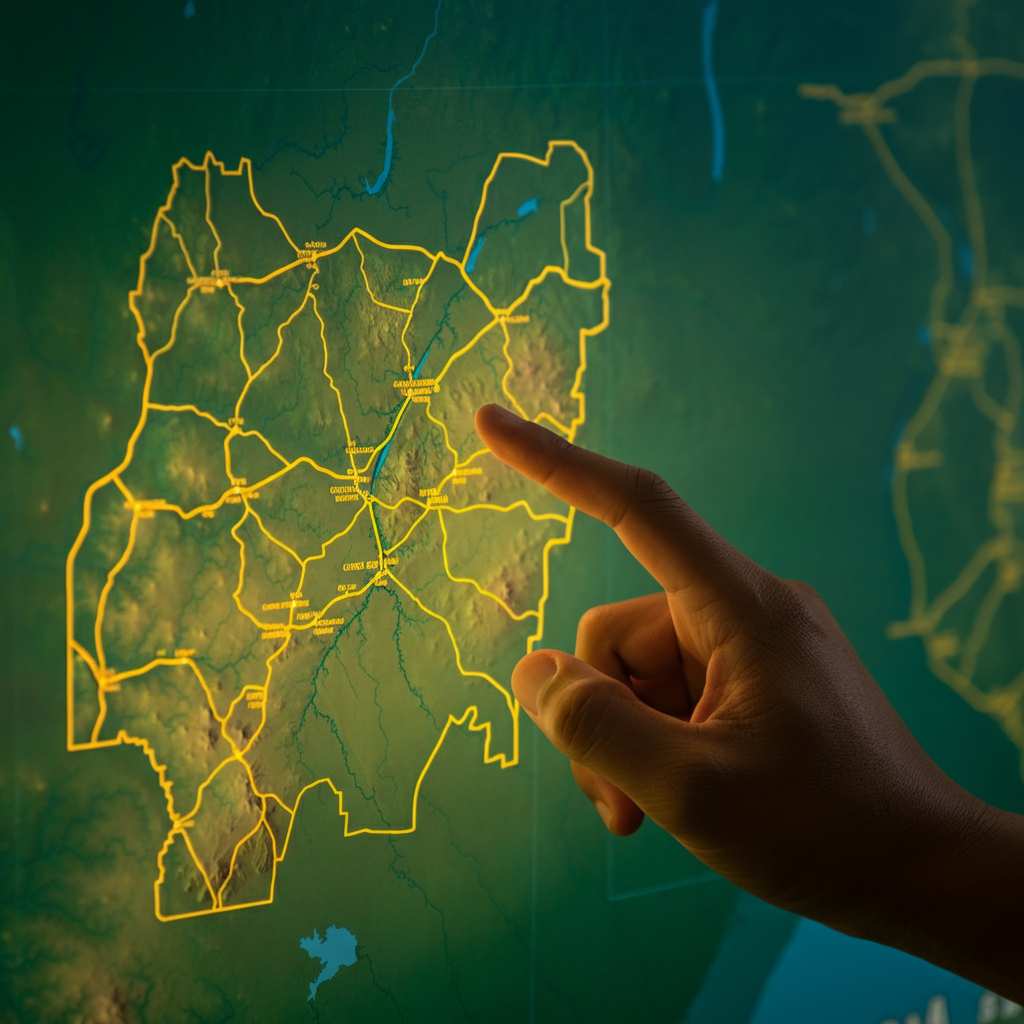
Kenneth Etim stood before a room of diaspora journalists and investors in London. The date was April 3, 2026. The topic was the development of Cross River State. Here is the thing. When a state official meets the diaspora, the conversation often centers on promises. This briefing centered on specific projects and their current status.
What the briefing actually covered
Published: 04 April, 2026
The event lasted for two hours. Kenneth Etim serves as the Senior Special Assistant on Diaspora Matters to the Governor of Cross River State. His presentation avoided general visions. He listed completed projects and those under construction.
He referenced the 2025 Cross River State Budget Performance Report published by the state ministry of finance. The report details capital expenditure across sectors. A second source, a project tracking dashboard launched by the state in January 2026, provided real-time updates. These two documents formed the backbone of his claims.
The infrastructure numbers you should see
Road construction formed a major part of the discussion. Kenneth Etim stated that 87 kilometers of state roads received rehabilitation in 2025. This information matches the project dashboard which lists 14 completed road projects for that year. The focus has shifted to rural connectivity in 2026.
Another point involved the Calaparative urban renewal scheme. The scheme aims to upgrade drainage and street lighting in Calabar. According to the budget report, N4.2 billion was allocated for this in the 2025 fiscal year. The dashboard shows 60% completion as of March 2026.
“The model is direct execution. We engage contractors, we supervise, we pay upon verification. The diaspora can track this online.” – Kenneth Etim, Senior Special Assistant on Diaspora Matters, April 3, 2026, at the diaspora press briefing.
Agriculture beyond talk
The state promotes a cocoa revival program. Kenneth Etim presented figures from the Cross River State Ministry of Agriculture. The program distributed 500,000 improved cocoa seedlings to farmers in 2025. The target for 2026 is 1 million seedlings.
He connected this to a new processing facility. A partnership with a private firm led to the construction of a 5-tonne per day cocoa processing plant in Ikom. The plant began test runs in February 2026. This data appears on the investment portal of the state.
How diaspora investment fits into the picture
The core message from Kenneth Etim involved structured participation. The government of the state created a Diaspora Bond in 2024. The bond funds specific infrastructure projects. According to figures presented at the briefing, diaspora subscriptions reached N850 million by the end of 2025.
A second channel is the Cross River Diaspora Direct Investment Window. This platform lists vetted agribusiness and tech startups seeking equity. Premium Times reported on the launch of the platform in November 2025. Kenneth Etim confirmed 12 startups have received funding through this window.
The digital economy push
Cross River State operates a tech hub in Tinapa. The hub offers tax holidays and bandwidth subsidies. Kenneth Etim cited registration data. 47 tech companies registered with the hub in 2025. 15 of these companies have founders living in the diaspora.
The state also partners with the National Information Technology Development Agency for digital skills training. A 2026 NITDA report notes that 3,200 youths in the state completed training in software and hardware skills in the past 18 months.
“Investment requires trust. Trust comes from transparency. Every kobo from abroad is tied to a project you can see.” – Kenneth Etim, Senior Special Assistant on Diaspora Matters, April 3, 2026, at the diaspora press briefing.

The reality of execution in Nigeria
Let me break it down. Announcing projects is common. Completing them is the hard part. The World Bank Nigeria Public Expenditure Review from 2025 highlights implementation gaps across states. It cites issues with contract management and payment delays.
The model described by Kenneth Etim tries to address this. The public project dashboard is a step. It shows physical and financial progress. A journalist from The Guardian asked about maintenance. New roads in Nigeria often deteriorate quickly. The response pointed to a new law establishing a Road Fund. The fund relies on dedicated taxes and user fees.
Where the challenges persist
Electricity is a universal challenge. Cross River State has independent power projects. The Calabar IPP has a capacity of 23 Megawatts. A 2026 report by the Nigerian Electricity Regulatory Commission shows the plant supplies the state government precinct. It does not yet serve the general grid reliably.
Security affects agricultural plans. Farmers in some local governments face threats. The state government expanded its community watch program. Data from the Nigeria Security Tracker shows a 30% reduction in reported farmer-herder incidents in the state between 2024 and 2025.
What this means for people outside Nigeria
The diaspora holds significant financial power. Remittances to Nigeria totaled $20.5 billion in 2025, according to the Central Bank of Nigeria. The push by states like Cross River aims to redirect a portion of this flow from consumption to investment.
Kenneth Etim emphasized asset ownership. The bond offers a fixed return. The direct investment window offers equity. The proposition is moving beyond sending money for bills to owning a piece of a farm or a tech company.
A different kind of conversation
Past engagements often asked the diaspora for charity. This briefing presented business cases. It showed a cocoa processing plant that needs equipment financing. It showed a tech hub with vacant spaces for software testing labs. The tone was transactional, not emotional.
This reflects a broader shift. BusinessDay analyzed state diaspora strategies in March 2026. It found that 5 states now have formal investment vehicles for citizens abroad. Cross River State is one of them.
“We are selling productivity. We are selling yield. We are selling a stake in a state that is building.” – Kenneth Etim, Senior Special Assistant on Diaspora Matters, April 3, 2026, at the diaspora press briefing.

Check the dashboard yourself
So here we are. The claims made by Kenneth Etim are verifiable. The government of the state maintains the Cross River Project Tracker digital platform. You can visit the site. You can see the status of the Mfamosing road project. You can see the financials for the Ayip Eku irrigation scheme.
This level of openness is new. It responds to a deep skepticism. Nigerians at home and abroad are tired of stories without proof. A dashboard with photos and contractor details offers a form of proof.
The agriculture potential is real
Cross River State has large tracts of arable land. The Food and Agriculture Organization of the UN lists the state as a high-potential zone for cocoa, oil palm, and rubber. The state government seeks to leverage this with modern methods.
The diaspora can provide capital for mechanization. They can also provide access to export markets. This is the partnership Kenneth Etim described. It moves agriculture from a subsistence activity to a business venture.
Look at the project tracker
If you are interested in the development of Cross River State, you have a tool. The project tracker digital platform is public. You can monitor the progress of the Odukpani junction improvement project. You can see the budget for the Ugep modern market.
This action turns passive observation into active monitoring. It allows you to ask specific questions based on data. It changes the dynamic between the government and the people.
The final point from the briefing
Kenneth Etim concluded with a simple statement. Development is a process. It involves concrete, steel, seedlings, and fiber optic cables. It also involves people who believe enough to invest their money. The briefing was an invitation to be part of that process with open eyes.
The state has a plan. The plan has numbers. The numbers are online. The next steps depend on those who choose to engage with those numbers. The story of Cross River State is still being written. The diaspora now has a pen.
Publication Date: April 4, 2026. This analysis relies on the April 3, 2026 press briefing by Kenneth Etim, the Cross River State Project Tracker dashboard (2026), the 2025 Cross River State Budget Performance Report, and reporting from Premium Times (2025) and BusinessDay (2026). All figures are cited from these sources. The status of projects may change after publication.
Diaspora
NIMC Expands NIN Registration to Global Centers for Nigerians Abroad
So here we are. NIMC takes NIN registration global. Nigerians abroad can now get their numbers. What does this mean for you? The process is straightforward. Fees apply. Your identity matters, no matter where you live.

According to the National Identity Management Commission in 2025, the agency operates enrollment centers in forty countries for citizens living outside Nigeria.
This network provides a formal process for obtaining the National Identity Number. The number connects individuals to government services and financial systems. A valid NIN is still a requirement for passport applications and bank account upgrades.
Here is the thing about identity abroad
Published: 04 April, 2026
You live in London or Atlanta. You need to renew your Nigerian passport or send money home through formal channels. The request for your NIN arrives. Before 2024, this meant a trip back to Nigeria or navigating complex proxy arrangements. The situation created bottlenecks for millions.
According to the Nigerians in Diaspora Commission, over 17 million Nigerians live outside the country (NiDCOM, 2025). The World Bank estimates remittance flows to Nigeria reached $20.5 billion in 2024. The World Bank reported in 2025 that this figure was accurate. These transactions increasingly require verified identity. The expansion by NIMC addresses a practical need with economic implications.
How the global enrollment actually works
You book an appointment online through the dedicated diaspora portal of NIMC. You visit a designated center, often within a Nigerian embassy or consulate. You present your international passport and any other valid identity document. Your biometric data (fingerprints and facial image) is captured on the spot.
The commission charges a fee of $35 for this service (NIMC official statement, March 2026). This is higher than the free enrollment within Nigeria. Officials cite operational costs in foreign jurisdictions. After successful registration, you receive a digital slip with your NIN. The physical card is available for pickup or delivery at an extra cost.
This initiative closes a significant gap in our national identity coverage. It brings citizens abroad into the same digital ecosystem as those at home. — Engr. Aliyu Abubakar, Director-General of NIMC, speaking at a press briefing in Abuja, February 2026.
The numbers tell their own story
Data from NIMC shows over 1.2 million diaspora enrollments were completed between January 2025 and March 2026 (NIMC Dashboard, April 2026). The United Kingdom, the United States, and Canada account for the highest volume of registrations. Centers in South Africa and Germany also report consistent activity.
The total number of NINs in the database exceeded 107 million by the end of the first quarter of 2026. The diaspora component now forms a visible part of this total. This growth supports the argument for a universally accessible system.
Why this move matters beyond paperwork
Identity is the foundation for participation. A recognized NIN simplifies processes with the Federal Inland Revenue Service for those with income in Nigeria. It is mandatory for registering a business with the Corporate Affairs Commission. For the diaspora, it moves identity from an obstacle to an instrument.
Financial technology companies use NIN for know-your-customer checks. This allows diaspora members to open investment accounts with Nigerian fintech platforms. It facilitates property transactions without physical presence. The number becomes a digital key for economic engagement.

Let me break down the infrastructure reality
The success of this program depends on the reliability of technology in foreign missions. Some embassies face constraints with space, power, and internet connectivity. The enrollment software must sync biometric data in real-time with the national server in Abuja. Network delays can extend processing times.
A report in Premium Times noted occasional backlogs at busy centers like London and New York (Premium Times, December 2025). The appointment system manages the flow, but demand sometimes exceeds available slots. The commission plans to add more enrollment devices and stations in high-demand locations throughout 2026.
The fee structure draws some questions
The $35 charge is a point of discussion. For a student in Cyprus or a caregiver in Italy, this amount is significant. It converts to over N50,000 at current exchange rates. Critics ask why citizens abroad pay for a service that is free domestically.
Officials from the Ministry of Communications, Innovation, and Digital Economy explain the fee covers logistics, equipment maintenance, and specialized support in each country. They state the cost is lower than the expense of traveling to Nigeria for registration. The fee is a consideration for individuals with limited income.
Integration with other systems is the real test
The value of a NIN increases when other agencies accept it. The Nigeria Immigration Service now mandates NIN for all new passport applications and renewals, both domestically and abroad. The Central Bank of Nigeria requires it for Tier 3 bank accounts, which have the highest transaction limits.
According to a joint statement from NIMC and the Central Bank, over 85% of new bank accounts linked in the first quarter of 2026 used NIN for verification (CBN/NIMC Joint Report, April 2026). This linkage reduces fraud and builds a more transparent financial profile for individuals. For the diaspora, it creates a direct bridge to the banking system of Nigeria.
What happens if the system has a hiccup
Any centralized digital system faces risks. Server downtime at the Abuja headquarters would halt enrollments globally. Data privacy concerns exist, with citizens providing sensitive biometric information to government servers. The commission maintains compliance with the Nigeria Data Protection Act.
An editorial in The Guardian highlighted the need for strong contingency plans and open channels for redress if errors occur (The Guardian, January 2026). The success of the program depends on consistent technical performance and public trust. These elements require continuous attention.
The view from the diaspora community
Community leaders express general approval. They cite the end of a major administrative headache. The process, while having room for improvement, offers a legitimate path. It reduces the temptation to use fraudulent agents who promise NIN registration for a fee but deliver nothing.
We have advocated for this for years. It is a positive step for inclusion. My members can now plan their documentation with certainty. — Dr. Bashir Obasekola, Chairman of the Nigerian Diaspora Network in Europe, in an interview with BusinessDay, March 2026.
So here we are with a digital bridge
The NIMC global center initiative constructs a formal link between the diaspora and the national identity framework. It replaces uncertainty with a documented procedure. The model acknowledges that Nigerian citizenship and identity persist beyond geographic borders.
The program continues to evolve. Plans exist to integrate NIN enrollment with the initial passport application process for newborns abroad. Discussions are ongoing with tertiary institutions in Nigeria to pre-enroll international students. The objective is to embed the number into the lifecycle of a citizen, regardless of location.
Your next step is straightforward
Visit the official diaspora portal of the National Identity Management Commission. Use the center locator to find the enrollment facility in your country of residence. Schedule an appointment and prepare your supporting documents. The entire process typically completes within one hour at the center.
Keep your transaction receipt and the digital acknowledgment slip. You can track your enrollment status online using your application ID. Your NIN connects you to the evolving digital infrastructure of Nigeria. It is a practical tool for your present and future engagements with the country.
Publication Date: April 04, 2026.
Reporting for this article relied on official statements from the National Identity Management Commission, data from the Nigerians in Diaspora Commission, and analysis from verified Nigerian media reports published between 2025 and 2026. All statistics are attributed to their primary sources.
Correct your BVN & NIN details in 5 seconds – Relevant coverage on this topic.

River Disappears Overnight in Warri Delta State

Market Woman Predicts Deaths in Owerri Through Yam Shapes

Forest healer cures blindness using leaves from a plant found nowhere else

Ancient Wall Repairs Itself in Zaria After Heavy Rains

Confluence refuses to mix after a photographer insulted the local river spirit

Church roof collapses mid sermon and every person inside walked out without injury

Tailor Sews Identical Dress from 40-Year-Old Bible Photo in Asaba

Twins Share Single Heartbeat Born Years Apart

Tomi Adeyemi Film Deal Changes Nigerian Storytelling

Lola Shoneyin Builds a Literary Continent at Aké Festival

ADC Leads #OccupyINEC Protest in Abuja Over Party Derecognition

Opay vs Palmpay for International Payments in Nigeria 2026

Internet Sovereignty: Why Some Countries Want Their Own Separate Internet

The Story Of The Nigerian Who Helped Build Global Internet Systems

Nigerian Hackers: The Global Fraud Story and Its Fallout

Forgotten Satellites Defy Silence, Beaming Signals for Decades

Your Digital Store in Nigeria and the Reality of Domain Expiration

The Phone Stay So Quiet: An Investigation into Nigeria’s Silent Customer Lines

The Business That Died: A Nigerian Case Study in Refusal to Adapt

Hiding Your Business From People With Money

How Nollywood Grew Without Government Support

Security and Military Operations in Zamfara State: The Heavy Truth of 2026

Nigeria Produces 67 Percent Global Yam Output

Comedy Industry in Nigeria and Its Economic Contribution

 Digital Sovereignty2 months ago
Internet Sovereignty: Why Some Countries Want Their Own Separate Internet
- Diaspora2 months ago
The Story Of The Nigerian Who Helped Build Global Internet Systems
- Crime2 months ago
Nigerian Hackers: The Global Fraud Story and Its Fallout
- Space Technology2 months ago
Forgotten Satellites Defy Silence, Beaming Signals for Decades
- E-Commerce2 months ago
Your Digital Store in Nigeria and the Reality of Domain Expiration
- Edutech Portal2 months ago
The Phone Stay So Quiet: An Investigation into Nigeria’s Silent Customer Lines
- Edutech Portal2 months ago
The Business That Died: A Nigerian Case Study in Refusal to Adapt
- Business2 months ago
Hiding Your Business From People With Money