Banking
How to Get a Domiciliary Account in Nigeria 2026 Process
The rules for holding foreign currency in Nigeria changed in 2024. Getting a domiciliary account now means navigating new paperwork, funding rules, and the practical realities of dollar availability.


How to Get a Domiciliary Account in Nigeria 2026 Process
Published: 31 March, 2026
July 2024 was when the Central Bank of Nigeria issued a new circular, and it changed everything about how you can hold foreign currency in a local bank. The document, with the rather dry title TED/FEM/FPC/GEN/01/011, replaced a confusing patchwork of old rules and drew a bright line between what you can and cannot do with a domiciliary account. It is a secure box for your dollars, pounds, or euros, sitting right inside the banking system of Nigeria, and it has become an essential tool for anyone whose life touches the wider world. You might be a business owner getting paid for exports, a freelancer with clients overseas, or a parent receiving funds for a child studying abroad. The account acts as a bridge, letting you manage foreign currency without the immediate, often costly, step of converting everything to naira.
The Paperwork Parade
Getting one starts with a familiar ritual: gathering documents. You need your original identification, something like a national passport or driver’s license, and a utility bill from the last three months to prove where you live. The most important piece, however, is your Bank Verification Number slip. That little number links all your accounts in Nigeria and no bank will even talk to you about opening a new one without it. For a business, the list grows longer with certificates of incorporation and tax identification numbers. You visit your chosen bank branch, ideally during off-peak hours to avoid the queues, and fill out the forms with your personal details and currency preference. If all goes smoothly, you have an account number in about 48 hours.
Funding the Fortress

Here is where you must pay close attention to the rules. The Central Bank is very specific about where the money in your new account can come from. Legitimate sources include payments from abroad for work or exports, diaspora remittances sent home by family, or transfers from another domiciliary account within Nigeria. What you absolutely cannot do, and this is the rule designed to stop a practice called round-tripping, is fund it with naira you bought from the official foreign exchange market. The policy aims to protect the external reserves of the country, so the banks will ask questions about large inflows. They are required to check the source of funds, which adds a step but is just part of the compliance dance these days.
Withdrawals and Realities
Taking money out has its own rhythm. You can withdraw foreign cash over the counter, but availability depends on the bank’s supply, which can be tight when dollars are scarce. For larger amounts, you might need to give 48 hours notice. You can also transfer funds to other accounts or use the bank’s digital platforms to manage everything from your phone. Those internet banking tools are a blessing, letting you check balances and make transfers without ever visiting a branch, though they come with the usual need for strong passwords and a watchful eye for phishing attempts. It is all about convenience, but tempered by the practical realities of the market.
“The domiciliary account system provides a organized channel for holding foreign exchange within the domestic banking system. It supports our balance of payments monitoring efforts.”
– Central Bank of Nigeria spokesperson, in a December 2025 briefing.
A Tool in a Larger System
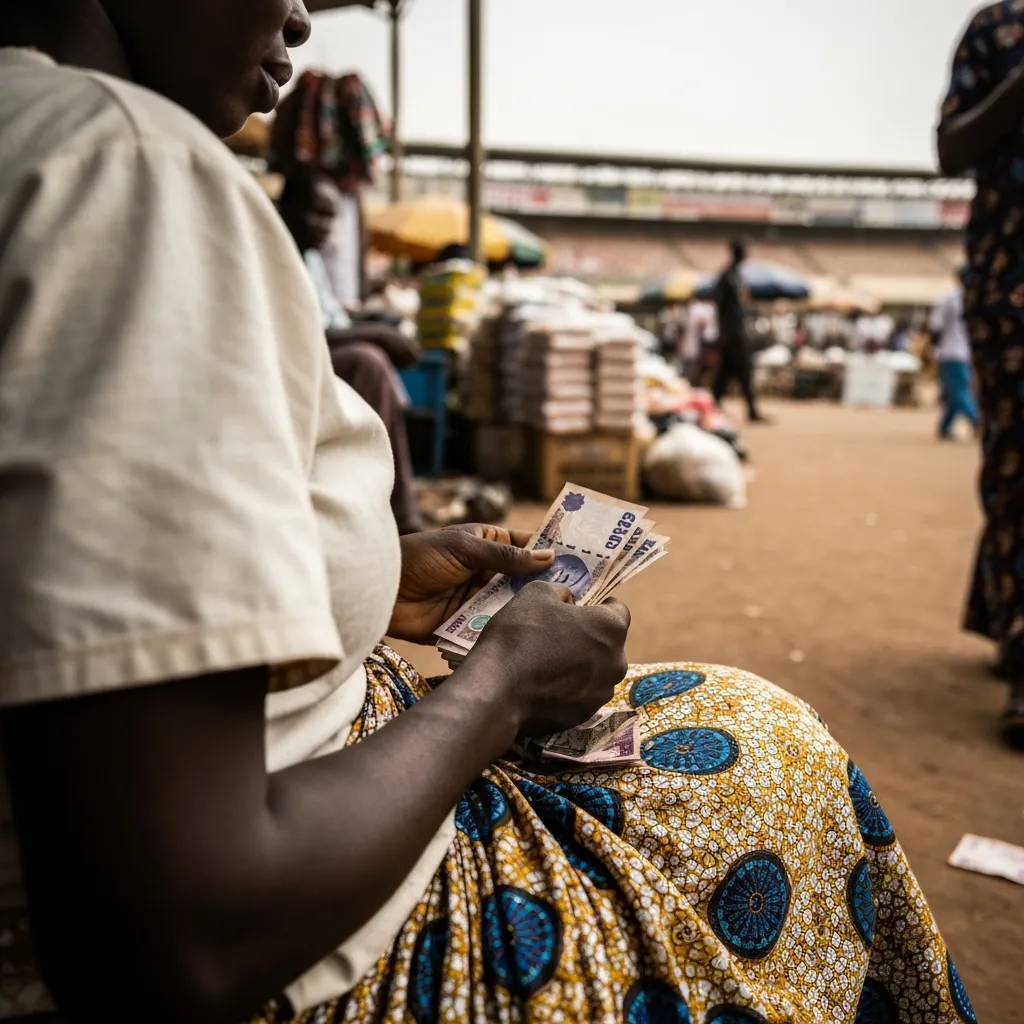
In the end, your little foreign currency account is not just a personal convenience. It is a single data point in the vast foreign exchange management system of the country. The Central Bank uses these accounts to monitor flows of currency, watching remittances and export earnings to inform bigger policy decisions. When the external reserves face pressure, the rules around these accounts tend to tighten. When conditions are better, some restrictions might ease. It is a dynamic relationship between your individual need for a financial bridge and the broader stability the authorities are trying to maintain. So you fill out the forms, you follow the rules, and you get your account, a small, secure box for your foreign currency in a constantly shifting landscape.







Banking
Moniepoint Business Account Requirements Nigeria for SMEs 2026
Opening a Moniepoint business account in 2026 means gathering specific papers and avoiding mismatches. The process is fast, costs are clear, and for over 1.5 million Nigerian SMEs, it just fits.

Moniepoint Business Account Requirements Nigeria for SMEs 2026
Published: 31 March, 2026
N20 trillion moved through Moniepoint last year, a number so large it makes you pause your tea and stare at the wall. That is the weight of commerce for millions of small businesses in Nigeria, all flowing through one platform that decided banking did not need to be a headache. If you are thinking of joining that current in 2026, you will need to gather a few specific things first, and getting it right from the start saves you the kind of frustration that makes you question your life choices.
The Paper Chase
Everything begins with that piece of paper from the Corporate Affairs Commission, the Certificate of Incorporation. It is the official nod that says your business exists in the eyes of the law, and Moniepoint needs to see it. You will also need the CAC Form 2.3 or 2.5, which is essentially the guest list for your company, naming all the directors and shareholders. Then comes the identification parade for every person on that list, and your National Identity Number slip, International Passport, Driver’s License, or Voter’s Card will do, but the names must match exactly across every document with no shortcuts. A recent utility bill from the last three months proves your business address is not a fiction, and with all that in hand, you are ready to begin.
From Form to Funds

You start the whole dance on your phone, filling out a digital form that asks for details you just gathered. Any mismatch between what you type and what is on your CAC papers will cause a delay, so precision is your friend here. The verification happens quietly in the background, with Moniepoint checking your submission against government databases, and if all is well, you could have your account details in a few hours. Sometimes they send an agent to your door, which is not a punishment but usually happens if you are expecting big transactions or if something in your documents raised a quiet eyebrow. The agent just confirms you are actually operating where you say you are, maybe takes a photo of the premises, and then moves on. For most people, the entire journey from application to having a working account takes less than 48 hours, which feels like a minor miracle compared to the old ways.
What It Costs You
Here is the beautiful part for a small business watching every naira: it costs you nothing to simply have the account open. There is no monthly maintenance fee eating into your margins, and you can deposit money through any method without a charge, which is a powerful incentive to keep your money in the system. When you need to withdraw cash at an agent location, there is a small fee, and transfers to other banks carry the standard charge set by the Central Bank of Nigeria. Your new account will have limits, of course, starting with a daily transfer cap of around N500,000 for security, and that number grows as your business does as the platform sees your consistent, legitimate activity and learns to trust you.
Why It Just Fits
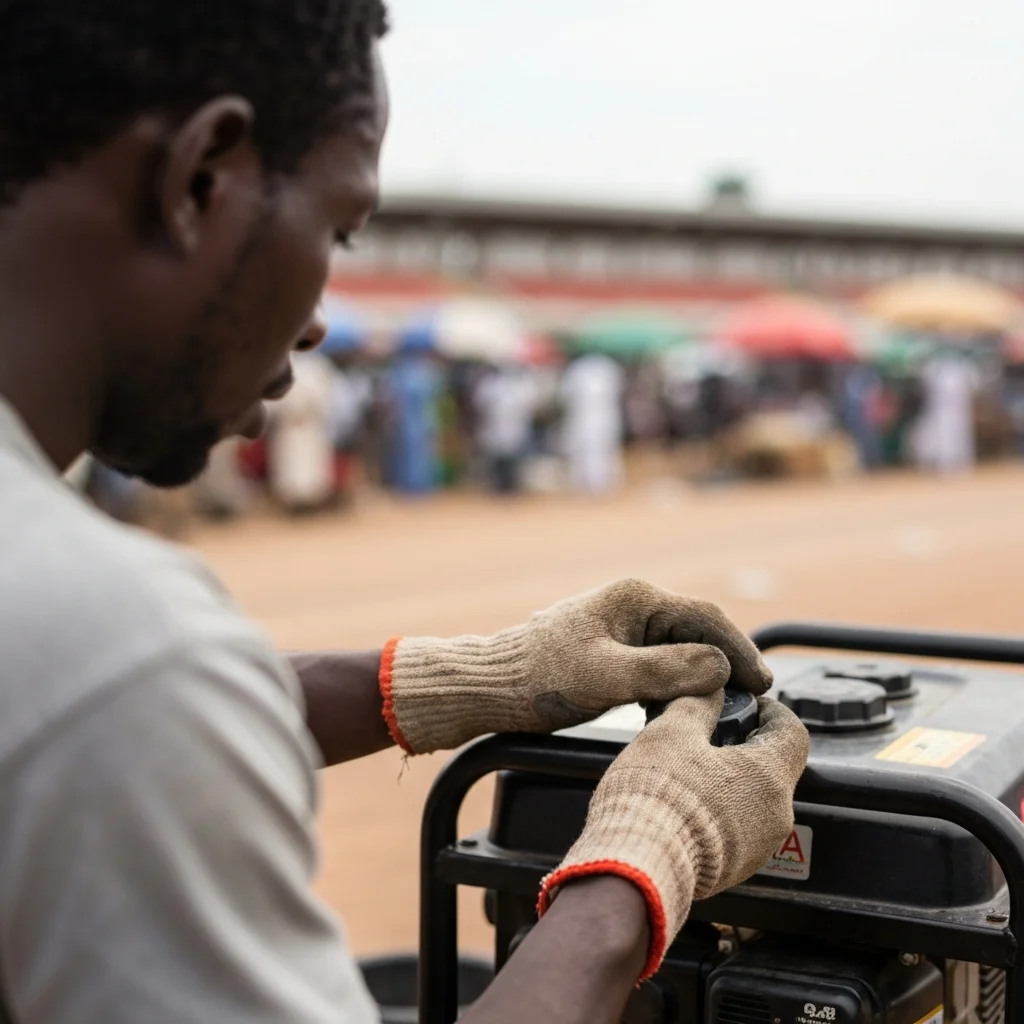
Over 1.5 million businesses use this as their main bank, and the reason is simple: it goes where they are. The agent network turns any corner shop into a banking hall, meaning a business in rural Bayelsa has the same access as one in bustling Lagos. The account is not just a place to store money; it is a tool that plugs into your daily life, connecting to your online store, generating payment links for invoices you can send on WhatsApp, and tying directly to a POS terminal for your physical shop. Everything feeds into one dashboard on your phone, showing you a real-time picture of your money from all channels.
“The agent network bridges the financial inclusion gap. A business owner in Sokoto has the same account capabilities as one in Lagos.”
– Tosin Eniolorunda, CEO of Moniepoint
The Stumbling Blocks
The biggest delay is not malice; it is mismatch. If the name on a director’s ID has a middle name spelled out, but the CAC form uses an initial, the system will politely but firmly ask you to fix it. Blurry photos of your documents are another common culprit, as the verification software cannot read what it cannot see. Then there is the occasional reality of the CAC portal itself having a bad day and going offline, which halts the whole verification process. The trick is to have everything ready and perfectly aligned before you even click ‘apply’, with digital copies for uploading and physical copies for an agent’s visit, which turns a potential marathon into a short stroll.
Not Your Father’s Bank Account
Comparing this to walking into a traditional bank branch is like comparing a motorcycle to a bus in Lagos traffic. One is built for speed and agility, the other for a different kind of journey. Legacy banks might offer more complex loans or carry a certain prestige, but they also come with monthly fees that can range from N1,000 to N5,000 and a process measured in days or weeks, not hours. For the small business owner whose prestige is measured in daily sales and whose time is their most valuable asset, the choice becomes remarkably clear.
“SMEs want productivity at low cost. The legacy banking model, with its heavy physical infrastructure, struggles to provide this. Digital-first platforms are eating their lunch.”
– A financial analyst in ThisDay
Your First Moves
Once that welcome message pings on your phone, put some money in the account, even if it is just a few thousand naira, because it gets the engine turning. Then do not just stare at the balance; explore the dashboard. Set up a payment link for your services, connect it to your online store if you have one, and consider ordering a POS terminal. These are not just features; they are the gears of a modern business, and integrating them from the start builds a financial rhythm the platform understands and rewards. It is how you stop just having a bank account and start having a business partner.
You look at the phone in your hand and realize the bank is already there.

Ancient Rock Art Traditions Endure in Igbara Oke Caves

Palm Wine Tapper Climbs Same Tree That Killed His Father in Ozoro

Hunter Hears Dead Brother Whistle in Ganye Forest Mystery

Farmer Plants Yam That Grows Downward to Water Table in Drought

She Kept Asking and They Kept Moving Her in Nigeria

Global Food Prices Rose 2.4% in March 2026

Chigozie Obioma International Booker Prize 2026

Jidenna Pan African Sounds Latest Musical Project 2026

Hakeem Oluseyi Brings Astrophysics to Classrooms Worldwide

NANS Diaspora Nigerian Students Eastern Europe

Nnamdi Asomugha From NFL Cornerback to Hollywood Producer

Folake Olowofoyeku Stars in American Sitcom on Nigerian Family Life

Internet Sovereignty: Why Some Countries Want Their Own Separate Internet

The Story Of The Nigerian Who Helped Build Global Internet Systems

Nigerian Hackers: The Global Fraud Story and Its Fallout

Forgotten Satellites Defy Silence, Beaming Signals for Decades

The Phone Stay So Quiet: An Investigation into Nigeria’s Silent Customer Lines

Your Digital Store in Nigeria and the Reality of Domain Expiration

The Business That Died: A Nigerian Case Study in Refusal to Adapt

Hiding Your Business From People With Money

How Nollywood Grew Without Government Support

Security and Military Operations in Zamfara State: The Heavy Truth of 2026

Moniepoint Business Account Requirements Nigeria for SMEs 2026

Comedy Industry in Nigeria and Its Economic Contribution

 Digital Sovereignty8 months ago
Internet Sovereignty: Why Some Countries Want Their Own Separate Internet
- Technology & Innovation8 months ago
The Story Of The Nigerian Who Helped Build Global Internet Systems
- Crime8 months ago
Nigerian Hackers: The Global Fraud Story and Its Fallout
- Space Technology8 months ago
Forgotten Satellites Defy Silence, Beaming Signals for Decades
- Maritime8 months ago
The Phone Stay So Quiet: An Investigation into Nigeria’s Silent Customer Lines
- Business8 months ago
Your Digital Store in Nigeria and the Reality of Domain Expiration
- Business8 months ago
The Business That Died: A Nigerian Case Study in Refusal to Adapt
- Business8 months ago
Hiding Your Business From People With Money