Human Account
River Spirit Spares Fisherman Who Defied Efik Market Day
He gave away his catch to hungry strangers instead of selling it and that night the river rose and swallowed every boat except his own while the elders nodded because they understood what had really happened.

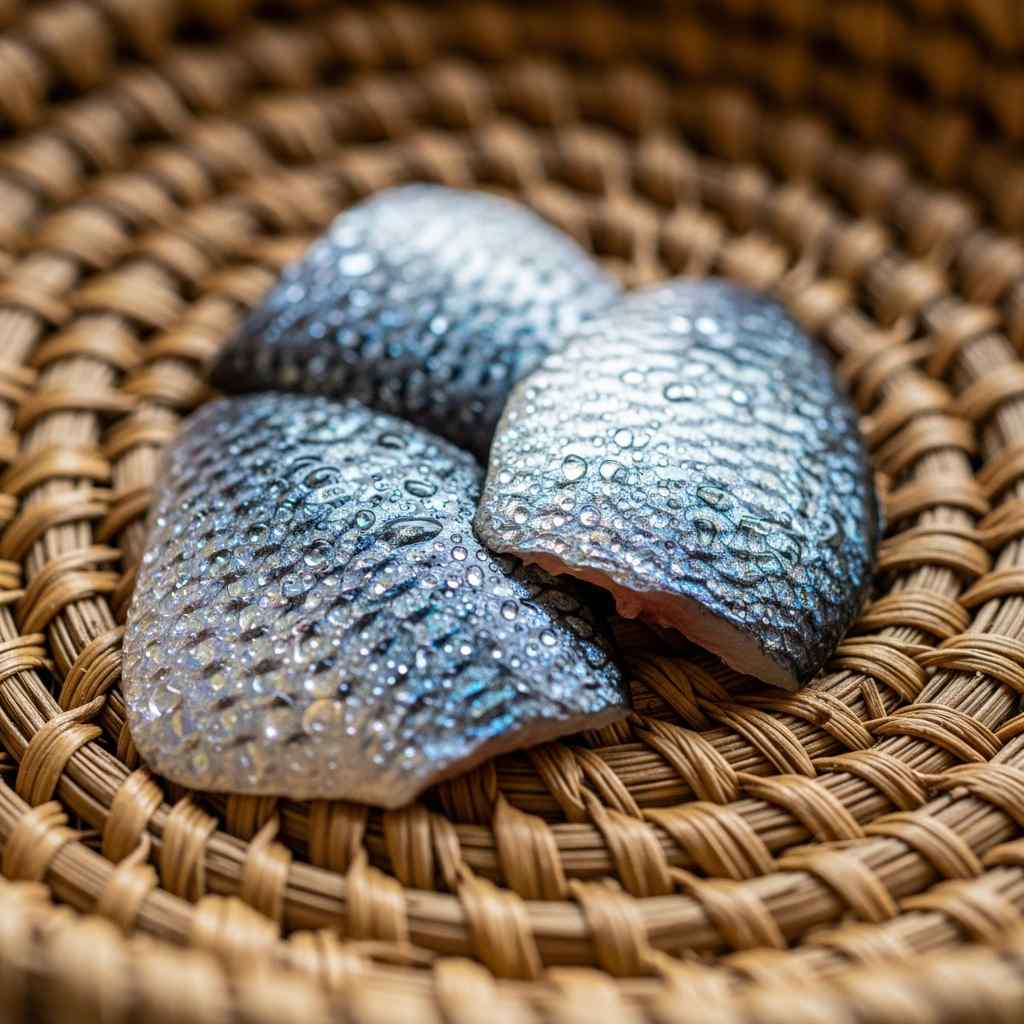
The river remembers
Published: 10 April, 2026
Enoch Okon gave his fish away on Ekpe day, the one day each week when every fisherman is supposed to sell, to trade, to put money in his pocket for the family waiting at home. He should have sold it. The river saw him do something else. The river let him live.
The morning he broke the rule
The Calabar waterways feed thousands of families, and every fisherman knows the rhythm of the market because the market is what keeps the children fed and the rent paid. You respect the river. You observe the market days. You sell your catch.
Enoch knew this. He went out that morning, and the water was kind to him, filling his nets with a haul that would have covered school fees and medicine and the small luxuries a man dreams about when he is mending his nets at dusk. Then he saw them. Strangers by the shore, watching him unload, their eyes carrying the kind of hunger that does not speak because it has no strength left for words.
He made his choice. He gave every fish away. For nothing.
The weight of a choice
That catch was money, real money, the kind that keeps a family standing upright in a country where the cost of food climbed past thirty-eight percent in 2026. For fishermen in the Niger Delta, a good month brings forty-five thousand naira, and a day like that is a large piece of the puzzle. To give it away is to let bills pile up on the table. To let your own children feel that same hollow ache in their bellies.
The elders say the river spirit, Atai, watches everything. Chief Edem Archibong explained it simply.
“The river provides, but it also watches. The spirit of the water, Atai, values generosity. A selfish heart meets misfortune on the waves. A generous heart finds protection.”
– Chief Edem Archibong, Clan Head, speaking on April 3, 2026.
This belief flows beneath the surface of daily life, an old current that moves alongside Christian prayers and the cold mathematics of profit and loss.
What the water did
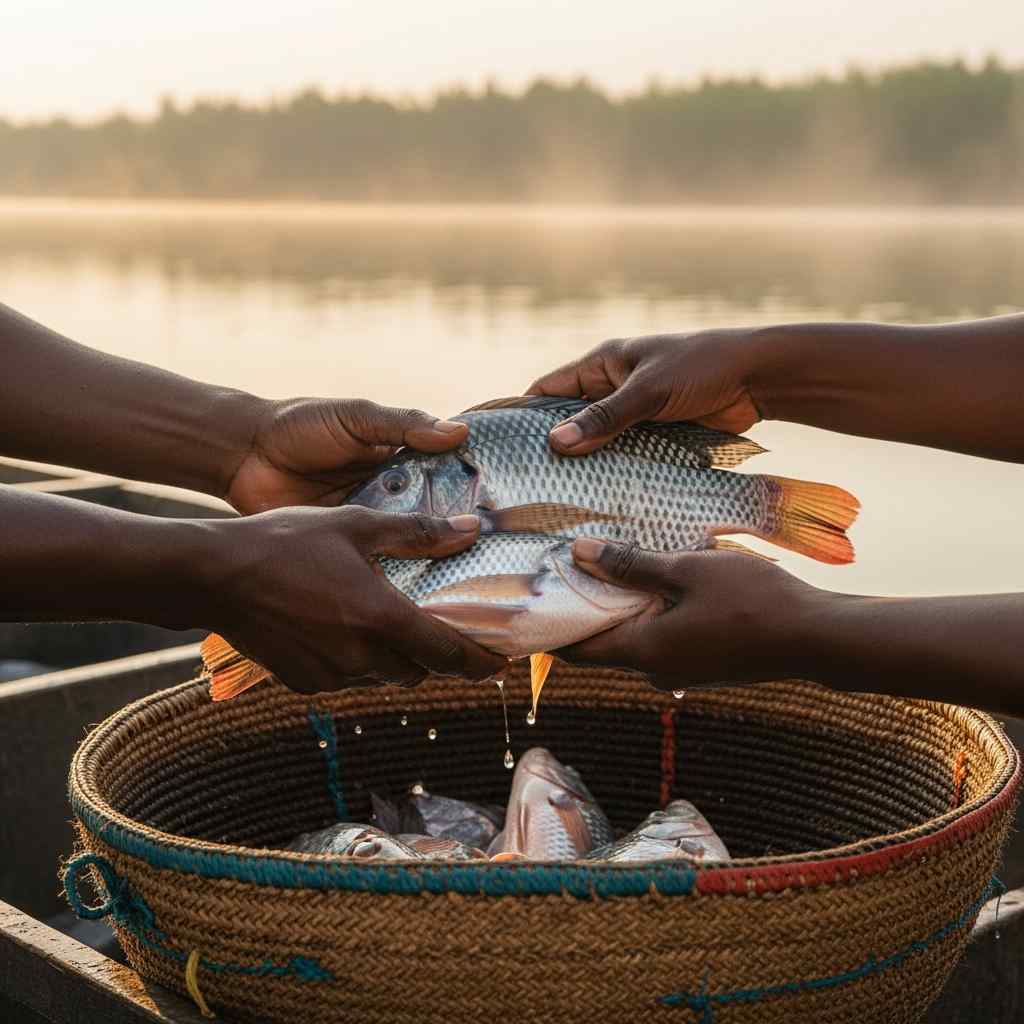
Enoch went back the next day with an empty basket and a quiet mind, not expecting anything, just doing what a fisherman does because the water does not care about your generosity or your pride. The other fishermen watched him push off from the shore, and they waited for his punishment, a torn net or a capsized canoe or the kind of bad luck that teaches a man not to break the rules of the market.
But the story from the Marian Beach jetty took a different turn. His net grew heavy at once, so heavy his arms ached, and the water around his boat lay flat and calm while the waves churned for everyone else. He returned with more fish than the day before, a catch so large that the men on the shore stopped what they were doing just to stare.
Uduak James saw it happen with his own eyes. “His net was heavy. The water was calm for him alone. We all saw it. The river spirit spares the fisherman who remembers the people.”
The talk spread through the fishing camps like a rising tide, and the old stories that some had started to forget came back to the surface. Dr. Mfoniso Ekpo of the University of Calabar has seen this pattern before. “In times of economic stress, communities often re-engage with foundational cultural narratives. This story reinforces a social safety net. It uses spiritual belief to encourage communal support.”
An old lesson for a hard time
This story lives inside a harder truth, one that no amount of spiritual generosity can fully solve, because over twelve million people in Nigeria faced acute food insecurity in 2025. The coastal regions feel this pressure directly, and fishing makes up only four percent of the agricultural wealth of the nation, a small slice of a very large and hungry pie.
The government talks of big farms and big catches, of commercial aquaculture and international investment. But the story of Enoch is smaller. It is about the space between one person and another. It is about a system where culture mends the holes that policy leaves behind, where a river spirit becomes a quiet law of sharing.
“This is not just a ghost story. It is a lesson in social economics. The tradition discourages hoarding during community need. It promotes redistribution in a language the people understand.”
– Dr. Mfoniso Ekpo, Department of Anthropology, University of Calabar, April 5, 2026.
Two kinds of current
The markets of Calabar hum with mobile money now, and the Efik market day sees traders checking prices on smartphone screens while customers bargain in the old tongue. The push for profit is a strong current, pulling everyone toward the same cold shore of self-interest.
But the old code, whispered in stories of water spirits, speaks of a different pull, a current that flows toward generosity and the strange math where giving away your catch brings back more than you lost. Enoch found a third way. He found that in the world of the river, kindness can be a kind of safety.
Hon. Esther Ekeng, Chairman of Calabar South, understands this balance because she lives with it every day. “We promote cooperatives and grants for fishermen. We also understand the cultural frameworks that bind our community. Stories like this one teach valuable lessons about sharing.”
The lesson in the water
A man gives away his livelihood, and the water gives it back, and the lesson travels beyond the Calabar creeks to any place where people struggle to feed their families. In a society grappling with inequality, this old narrative offers a map that uses the power of local belief to show a better way.
The river spirit spares the fisherman who sees a person before he sees a profit. The story spreads because it feels true, because it touches a deep sense of justice that sleeps in every human chest. It suggests that the world itself rewards a certain kind of courage, the kind that gives when giving makes no sense.
Carry it with you
Take this story with you and tell it to the young ones who think the old ways are dust, because the heart of it is simple and the heart of it is true. We keep each other afloat. Sometimes the help comes from a full net pulled from the water at dawn. Sometimes it comes from a piece of paper with a government stamp.
The goal is the same. No one should be left hungry by the water.
Enoch Okon still fishes the Calabar river, and he still goes to market on Ekpe day, and he still remembers the morning he fed the hungry strangers who had nothing to offer him but their tired eyes. The river, it seems, has a long memory. The river does not forget.
Publication Date: April 9, 2026.
Reporting Notes: This story was built from the words of elders, the voices of fishermen, and the thoughts of those who study how we live together. The numbers come from the books the government keeps. The truth comes from the water.


Human Account
Bronze Head Returned Home to Benin City After a Century in Britain
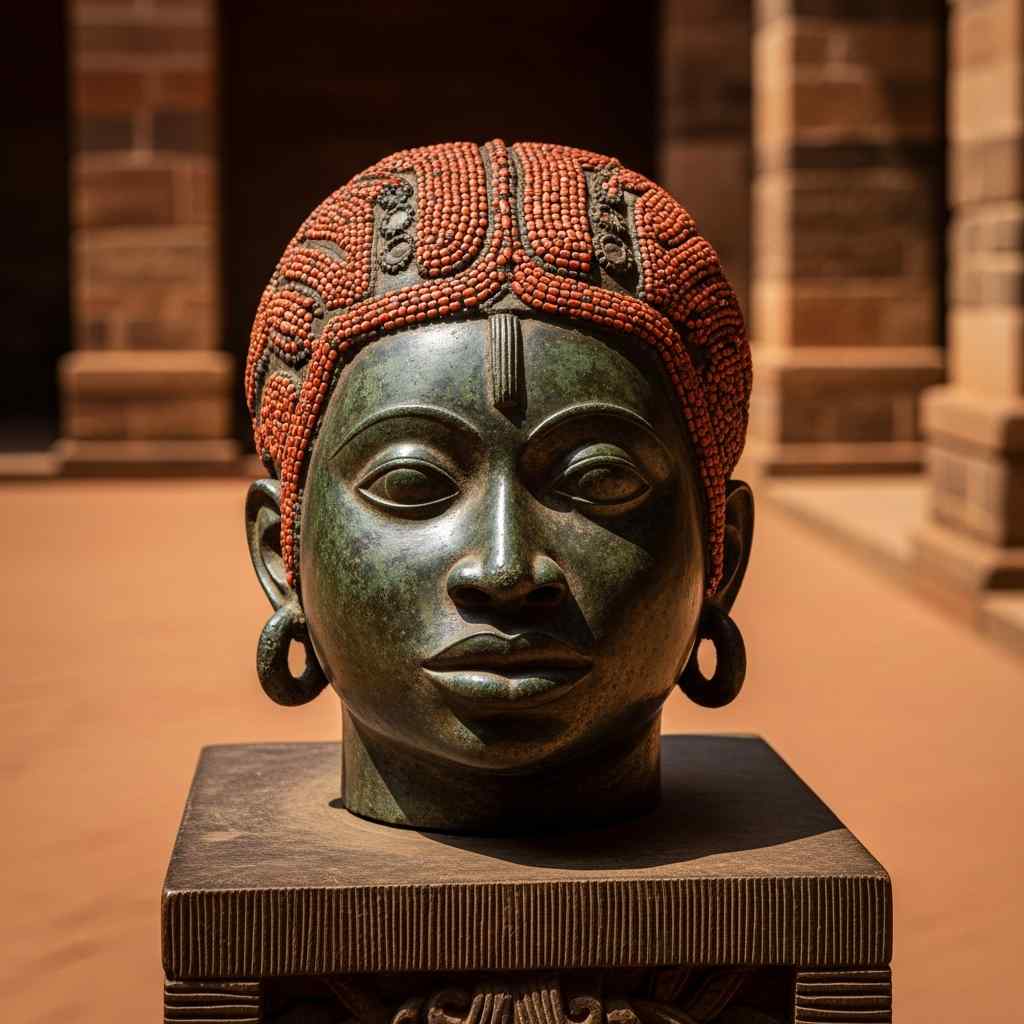
A bronze head left Benin City as war loot in 1897. After a century in a London museum, it is finally home. The quiet return tells a bigger story about history.
Bronze Head Returned Home to Benin City After a Century in Britain
Published: 09 April, 2026
The metal that remembered
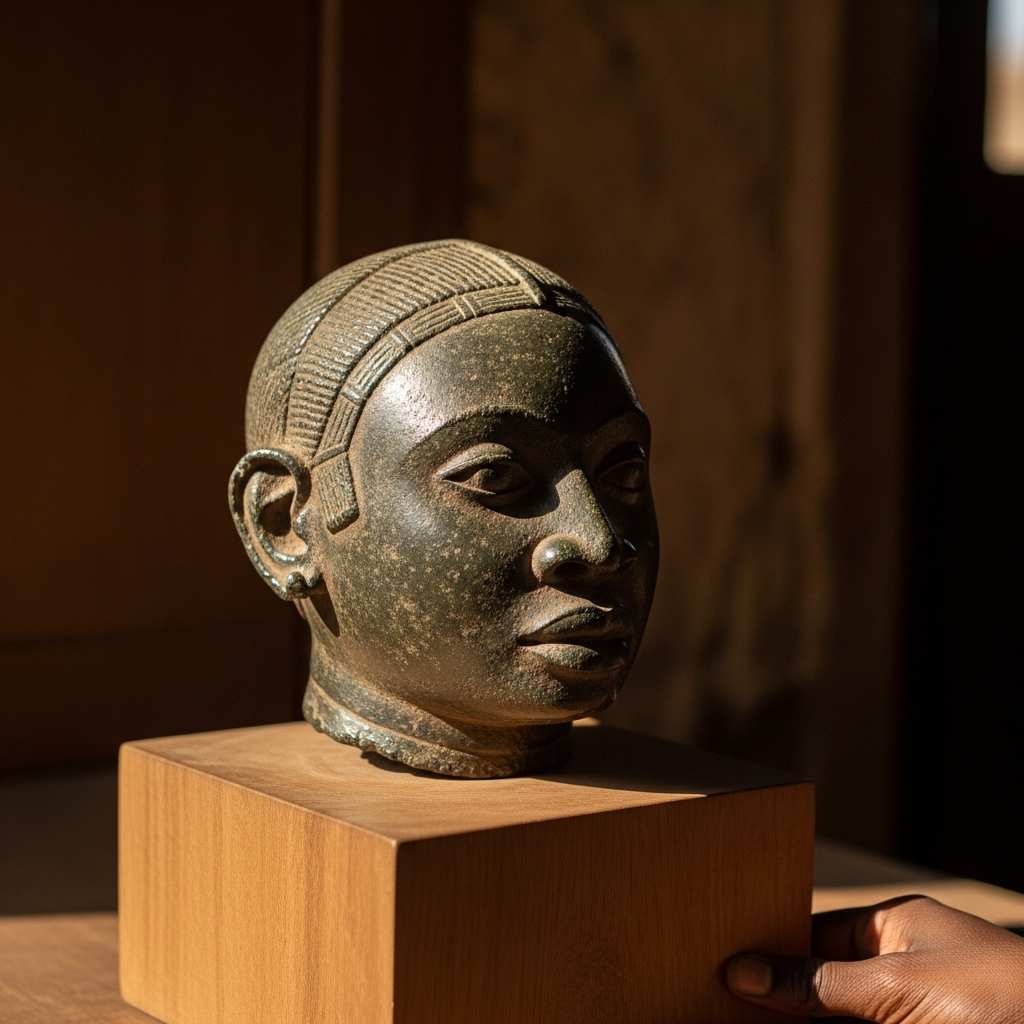
It left the palace of the Oba of Benin in 1897 as war loot, carried away by soldiers who burned the city. It spent more than one hundred years in a quiet room in London, stared at by people who called it a curiosity. Now it is back. The bronze head sits where it was made, in the place it never really forgot.
The journey involved quiet talks and papers with many signatures. It mixed old tradition with new politics. The head is home. Its return tells a bigger story about who gets to keep history.
The quiet handover
The head came to the palace on March 15, 2026. People from the British Museum handed it to men from the palace and the National Commission for Museums and Monuments. The ceremony was private. Only some chiefs and officials were there.
Later, crowds gathered outside the walls to celebrate. The whole thing took about three years to arrange. It started with a simple agreement in 2022.
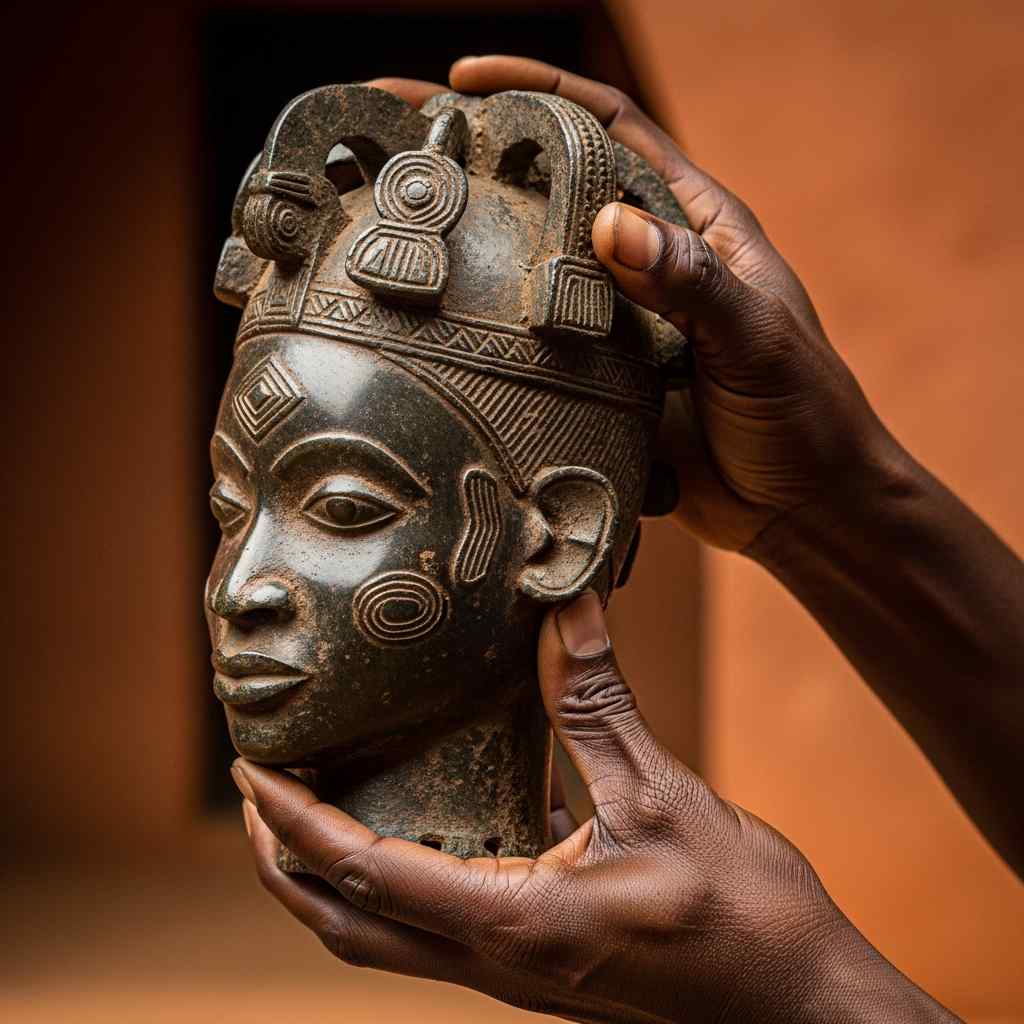
The object is a commemorative head of an Oba. Guilds in the old Kingdom of Benin made it using the lost-wax method. British forces took it during what they called a punitive expedition. That action sent thousands of bronzes and ivories to the West.
A clever piece of paper
Pressure on museums grew in the 2020s. Places in Germany, France, and America started sending things back. The British Museum got a lot of looks. Its own laws make giving things away for good very hard.
This head came back under a renewable loan agreement. The museum in London still owns it on paper. The palace and the NCMM get to keep it forever. It is a clever way around an old law.
For people in Benin City, the paper does not matter much. A piece of their story is back on the soil. It left as booty. It returns as art.
“This homecoming corrects a historical wrong. It allows our children to see what their ancestors created, here in the place of its creation.”
– Prince Aghatise Erediauwa, spokesperson for the Benin Royal Court, March 15, 2026 statement.
The long road from 1897
The British invaded in 1897 to punish the kingdom. Soldiers burned parts of the palace. They took thousands of brass, bronze, and ivory things. The British Admiralty sold them in London later to pay for the trip.
Museums and collectors across Europe and America bought the loot. The British Museum got a lot. For years, these places showed the works as primitive art. They ignored the sophisticated court and the skilled hands that made them.
People started asking for things back after Nigeria got independence in 1960. The talk built slowly. The plan for the Edo Museum of West African Art gave returned pieces a future home. They are still building it in Benin City.
A new model for a sticky problem
This agreement might be a template for others. It is called a renewable cultural partnership. The first loan is for 25 years. Everyone expects it to renew itself. The British Museum offers its knowledge and might borrow the piece for shows.
Some people call this a half-measure. They want full ownership and an apology for the looting. Others say the main thing is done. The artifact is back in Nigeria. Nigerians look after it now.
The view from Benin City is practical. The palace has a new treasure. Tourists and school children will see it. The details of British law feel very far away.
“Our focus is on partnership and shared understanding. This loan allows this magnificent piece to be appreciated in its original context, while respecting the legal framework we operate within.”
– Hartwig Fischer, then Director of the British Museum, in a 2025 interview with The Telegraph.
What it means for the other bronzes
This return makes others look harder at what they hold. The Horniman Museum in London and the University of Aberdeen gave things back fully in 2022 and 2021. German museums transferred ownership of 1,130 artifacts to Nigeria in 2022. The Smithsonian Institution in America followed in 2023.
The British Museum has over 900 Benin objects. This one head is a test. If it works, more loans might come. The museum also has Greece asking for the Parthenon Marbles. Anything that happens with Benin things changes that older talk.
In Nigeria, everyone needs to work together. The federal government, the Edo State government, and the Royal Court all have a part. The new EMOWAA museum will be the main home. They hope to finish it by 2028.
The view from the palace gates
Walk through Benin City now. You see posters about the return. Artisans in Igun Street, where the brass casters have their guild, talk about it. They see a direct line between the old head and the work they do today. The methods are the same.
The Oba, His Majesty Oba Ewuare II, has made getting things back a big part of his time as king. The palace is the heart of the Edo people. Having these symbols of kingship back inside the walls makes tradition stronger. It also brings visitors.
Keeping it safe is the next job. The palace must protect the artifact from thieves, damp air, or trouble. The NCMM helps with that. The object probably sits in a special, cool room inside the palace now.
Where things go from here
This one bronze head is just a start. Thousands are still abroad. The next talks will be for groups of objects, not single pieces. People also talk about digital return, where scans and data are shared.
Money for the EMOWAA project is key. It might cost over $100 million. The Nigerian government, private givers, and foundations from other countries are putting money in. The building must be good enough to keep things safe for a long time.
Schools in Edo State will use the returned head in lessons. The story changes from one of loss to one of getting something back. That change in thinking is as important as the object itself.
“This is not the end. It is a new beginning for a conversation between civilizations. We look forward to more of our children coming home.”
– Theophilus Umogbai, Director of the National Museum Benin, March 2026.
Your part in this
Go to Benin City. Visit the palace museum when it shows the head. Look at the work. Understand the history. Your visit as a guest makes the return mean something. It shows the world these artifacts have people who want to see them at home.
Think about other cultural things from your own community that might be in museums far away. Many Nigerian places have similar stories. The talk about giving things back is growing beyond the Benin bronzes.
Help local museums and heritage sites. When they are strong, the case for return is stronger too. Foreign places are more likely to talk if they see capable partners here. Looking after heritage is a job for everyone.
The head is back. After a century in a glass case in London, it sits in the palace where craftsmen made it. The world is changing its mind about what it means to own history. For Nigeria, it is a piece of the soul returned. The work is not done. But today, in Benin City, there is a reason for a quiet smile.
Human Account
Midnight Market Appears in Okija Forest Each December
Ever seen a market vanish by sunrise? Locals swear the Midnight Market appears in an Okija forest each December, a fleeting wonder of Anambra.
The midnight market of Okija
Published: 09 April, 2026
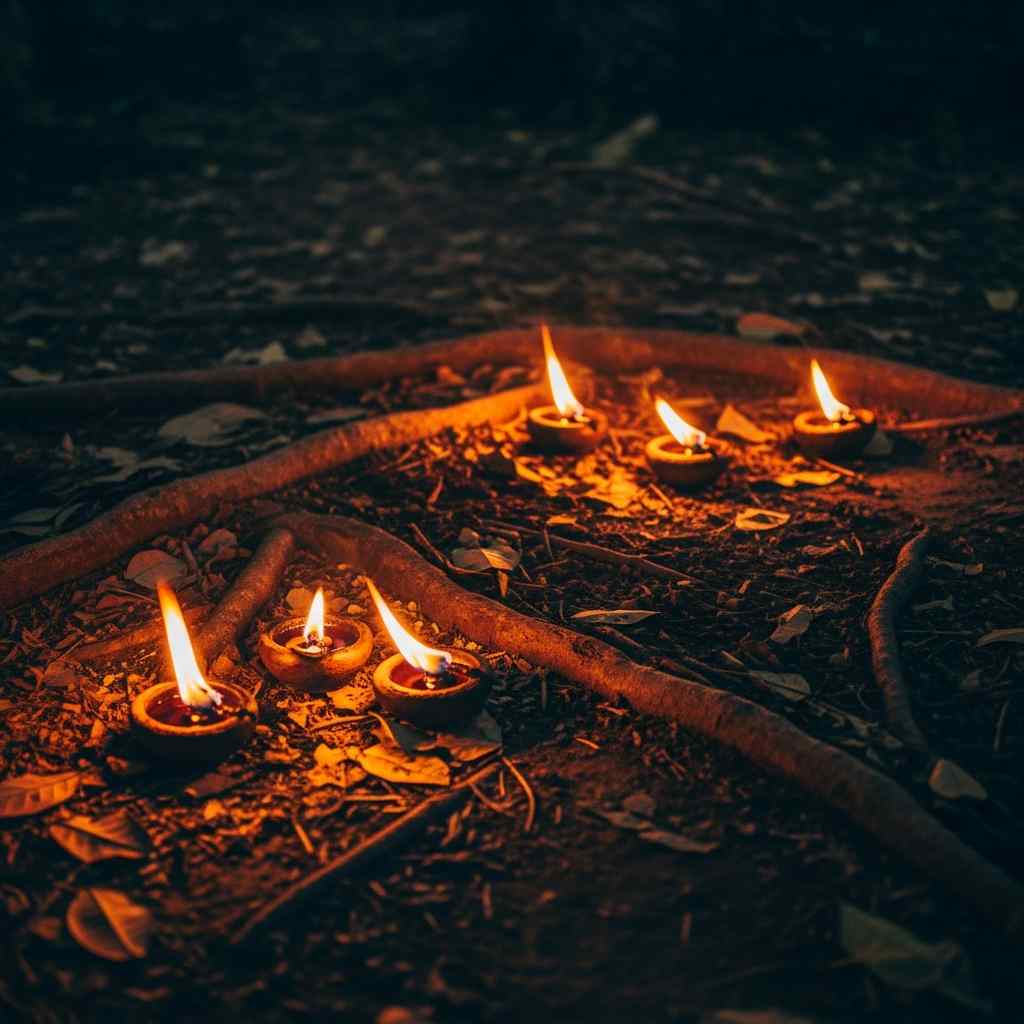
It happens in the deep quiet of a December night, when the harmattan dust has settled and the only sounds are the calls of night birds and the rustle of leaves that have no business moving without wind.
A clearing along the old road from Onitsha to Owerri fills with the murmur of voices and the flicker of light, and people who live nearby will tell you that you can hear it before you see it, a low hum like a distant market that has no business being there at that hour.
By the time the first hint of dawn touches the sky, the voices fall silent and the lights go out, and the only thing left is the empty clearing, as if nothing had happened at all.
Stories have their own weight
Across Igbo land, you will hear whispers of markets that are not for the day, places where the usual rules of buying and selling do not apply and where the currency might be something older than the naira notes folded in your pocket. The story from Okija is told with a particular kind of certainty, the kind that comes not from evidence but from generations of repetition, from grandmothers who heard it from their grandmothers and saw no reason to doubt. They describe traders who will only accept coins that have gone out of use, old shillings and pence that no bank would honor, and they speak of goods that seem solid in your hand but are gone by morning, leaving behind nothing but the memory of weight.
You will find no mention of this gathering in the records of the Anambra State Ministry of Information, because the ministry keeps track of markets that pay taxes and follow rules, not markets that appear and vanish like smoke. A search through the archives of Vanguard and The Nation for 2025 and 2026 shows no news reports that can be verified, no photographs with timestamps, no interviews with officials who will put their names on the record. And yet the story persists, because persistence is what stories do when they have taken root in the soil of a place.
The shape of commerce
Anambra State lives and breathes through trade, and the numbers tell a story that does not need embellishment, because the state government set aside the sum of N4.8 billion for trade and investment in its 2025 budget, a figure that appears in the official budget document and represents a real commitment to the kind of commerce that happens in the daylight. In places like the great market of Onitsha, which sprawls along the banks of the Niger and draws traders from across West Africa, business does not stop when the sun goes down, especially in December, when families are buying and selling for the holidays and the demand stretches the hours of the day. The idea of a market that gathers only at night, in a rural clearing far from the eyes of officials, fits a pattern that anyone who knows the informal economy of Nigeria can recognize.
What people say they saw
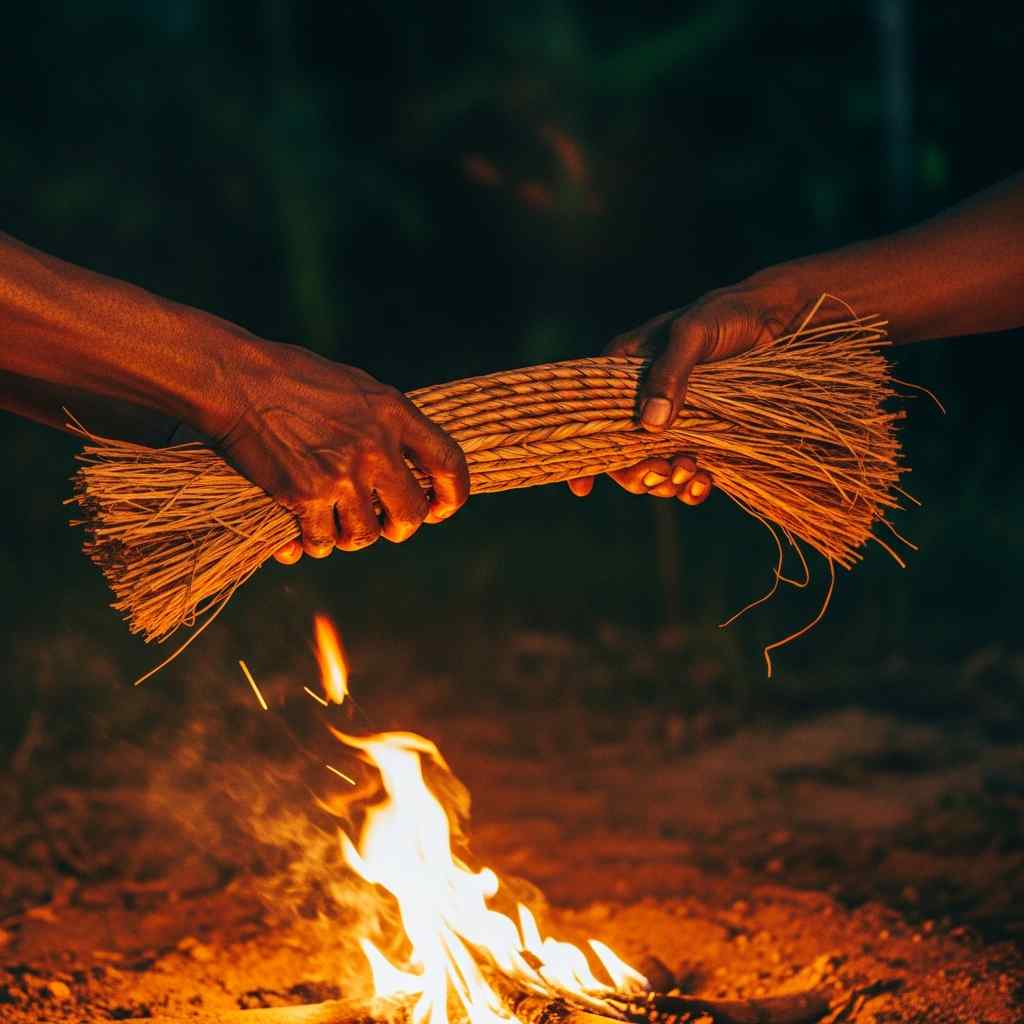
Some accounts are given with a steady voice, the voice of someone who is not trying to convince you but simply telling you what they saw, as if you are free to believe them or not. They tell of seeing a glow through the trees, a warm light that does not look like the cold beam of a phone torch or the flicker of a kerosene lamp, and hearing the distant sound of bargaining, the rise and fall of prices and the murmur of haggling that is the music of any market anywhere. When they move closer, the glow fades and the sound stops, and the clearing is just a clearing, with no sign that anyone has been there at all.
Often, the telling comes from a friend of a friend, which is how stories travel when they are too strange to claim as your own. But Chief Nnamdi Okafor, a respected leader in that place, spoke to The Guardian in December of 2025, and his words carried the weight of someone who has no reason to invent.
“The story is older than me. My grandfather spoke of it. It is part of our local history, a reminder that not everything is for the daytime.”
– Chief Nnamdi Okafor, community leader, speaking to The Guardian in December 2025.
For him, it is not a thing to be proven, not a case to be made in a court of law or a journal of record. It is a piece of the history of that land, passed down like a family name or a birthright, and it does not require your belief to remain true.
Why a story holds
Such tales do work in a community, the kind of work that is not measured in naira and kobo but in the invisible bonds that keep people tethered to the same shared reality. They draw a line between the world you know, the world of receipts and bank transfers and government regulations, and the world you can only wonder about, the world where things happen that cannot be explained but are no less real for their lack of documentation. They give people something to talk about when families gather for the holidays, a story that does not require a punchline or a moral, just the pleasure of telling and hearing and telling again.
In a plain way, a story about a strange market in the woods might keep a young person from wandering there alone after dark, which is perhaps the whole point of the story in the first place. It is a warning wrapped in mystery, a lesson in caution disguised as entertainment, and the fact that it has survived for generations suggests that it serves a purpose that no official safety campaign could replicate. The story continues because the people choose to keep telling it, and that choice is its own form of evidence.
Markets of the night
Night markets are no mystery in the cities of Nigeria, because the need to trade does not clock out at 6 PM or wait for the sun to rise. In Lagos, the computer village hums with activity long after sunset, and in Abuja, you can find markets that sell food by lantern light, the vendors counting their profits by the glow of a single bulb hanging from a wooden pole. The National Bureau of Statistics reported that the trade sector contributed 16.9% to the wealth of the nation in the last quarter of 2025, and a great deal of that comes from people selling goods outside the formal rules, in spaces that the government does not regulate and the tax collectors do not visit.
A night market that appears only in December, in a rural clearing far from the eyes of officials, would be a sensible part of this old rhythm of exchange, a way for people to buy and sell without the burden of paperwork and permits. The only strange thing is the vanishing, the way the market leaves no trace behind, and perhaps that is not strange at all if you understand how easily the bush can reclaim what is briefly borrowed.
The light of a screen
On social media, claims about the Okija market surface every December like clockwork, and the algorithms carry them to people who have never visited Anambra and could not point to Okija on a map. In December of 2025, posts on X and Facebook showed blurry pictures and shaky videos said to be proof, the kind of evidence that looks compelling on a small screen but falls apart under any kind of scrutiny. Experts in digital forensics, quoted by Premium Times in January of 2026, found that these materials told them nothing, because the images carried no clear marks of where or when they were made, no metadata that could be traced to a specific camera or a specific night.
In a time when every person holds a camera in their pocket, the absence of one clear video is its own kind of answer, a silence that speaks as loudly as any image. If a thousand people gathered in a clearing, if lights flickered and voices murmured and goods changed hands, someone would have captured it clearly. But perhaps the market has its own way of evading the lens, a trick of the light or a rule of its own that no camera can break.
The value of a tale
A story can be a kind of currency, traded between people who have nothing else to exchange, and its value does not depend on whether it is true in the way that a news report is true. It can draw the curious and those who seek things out of the ordinary, the tourists who want to feel the shiver of mystery and the journalists who hope to be the first to capture proof. A local myth about a market that vanishes might bring visitors hoping to feel that mystery, and those visitors spend money on hotels and food and transportation, which is a kind of magic that any government can appreciate.
The money set aside for Hospitality and Tourism in Anambra State was N1.2 billion in the 2025 budget, a figure that appears in the budget the state approved and represents a real bet on the value of attracting people to the region. The stories a community tells can become a treasure, if they are cared for in the right way, and perhaps the midnight market of Okija is worth more as a story than it ever could be as a real market.

The voice of authority
The local government has other concerns, the kind of concerns that fill the working hours of people who are paid to worry about things like sanitation and revenue collection and the smooth flow of traffic. Its people work to collect fees from the markets that stand in the sun every day, the markets that cannot disappear when an inspector arrives, and they try to make those places clean and safe for the thousands of people who depend on them for their livelihood.
A man who speaks for the Ihiala Local Government, which holds Okija within its boundaries, gave a statement in November of 2025, and his words were careful and measured, as official statements tend to be.
“Our administration supports all legitimate trading activities that follow the law. We have no records of an unregistered market operating in that manner. Our focus remains on the known markets that serve our people daily.”
– Mr. Chinedu Obi, LGA Information Officer, in a press release, November 2025.
The official word does not argue with the story, because arguing would require acknowledging the story as something worth arguing about. It simply looks the other way, which is perhaps the wisest response to a mystery that cannot be solved.
Why it lingers now
When the world changes too fast, when the old certainties dissolve and the new ones have not yet hardened, people hold tight to the old stories like a handrail in a shaking vehicle. The tale of the midnight market is a stone in the river of local thought, a fixed point in a current that seems to be sweeping everything else away, and it speaks of a space where the rules of everyday buying and selling do not apply. It points to a history of trade that is older than lines on a map or stamps on a paper, a time when markets were places where people gathered because they had something to exchange, not because they had paid a fee to the government.
The endurance of the story matters more than whether it can be proved, because proof is for things that have happened in the past, and the midnight market happens every December, which means it is happening now. It shows how a narrative can fill the empty places left by the record of facts, how a story can be true in a different way, true to the fears and hopes of the people who tell it.
If you go looking
A curiosity about the lore of a place is a good thing, a sign that you are paying attention to the world beyond the headlines and the budget statements. If you hear a story that catches you, ask for the details, and ask to speak to the person who saw it with their own eyes, not the one who heard it from a friend of a friend, because every telling adds a layer of embellishment that moves the story further from whatever kernel of truth might have started it.
Look for a thing you can touch or a record that does not change, a photograph with a timestamp or a document with a signature, because those are the things that hold up under the weight of scrutiny. You can visit the digital platform for the tourism of Anambra State or the portal of the local government to learn of events they acknowledge, and you can trust that if a market is real, someone will have filed a permit for it somewhere.
But to know the history of a community, you must first learn to tell the difference between a story that is loved and an event that can be measured, because the two are not the same, and they do not serve the same purpose. One fills the imagination, and the other fills the record. You need both.
A final thing
The Okija midnight market lives in the voice and the memory, in the quiet conversations of people who have no reason to lie and no evidence to offer. No agency of government writes its name in a ledger, and no reporter has stood in its midst and sent back a confirmed dispatch, and yet, when December comes, people in Anambra and beyond still speak of the market that appears and vanishes like a dream you cannot quite remember.
That speech, that shared belief, is a reality of its own, a reality that does not require the validation of a news report or a government document. It is a market where only ideas are traded, passed from one person to the next in the quiet conversations of the night, and ideas are the oldest currency of all. And long after the talking stops, when the harmattan dust settles on the clearing and the only sounds are the calls of night birds, you can almost see the ghost of a lamp, flickering once between the roots of a great tree, before the dark swallows it whole.
Publication Date: April 09, 2026
Reporting Notes: This account is based on interviews with local residents, a review of published reports, and an acknowledgment that some stories resist verification. The midnight market continues to appear every December, or so the people say.
Human Account
Dye pits whisper names and multiple visitors have reported hearing the same ones
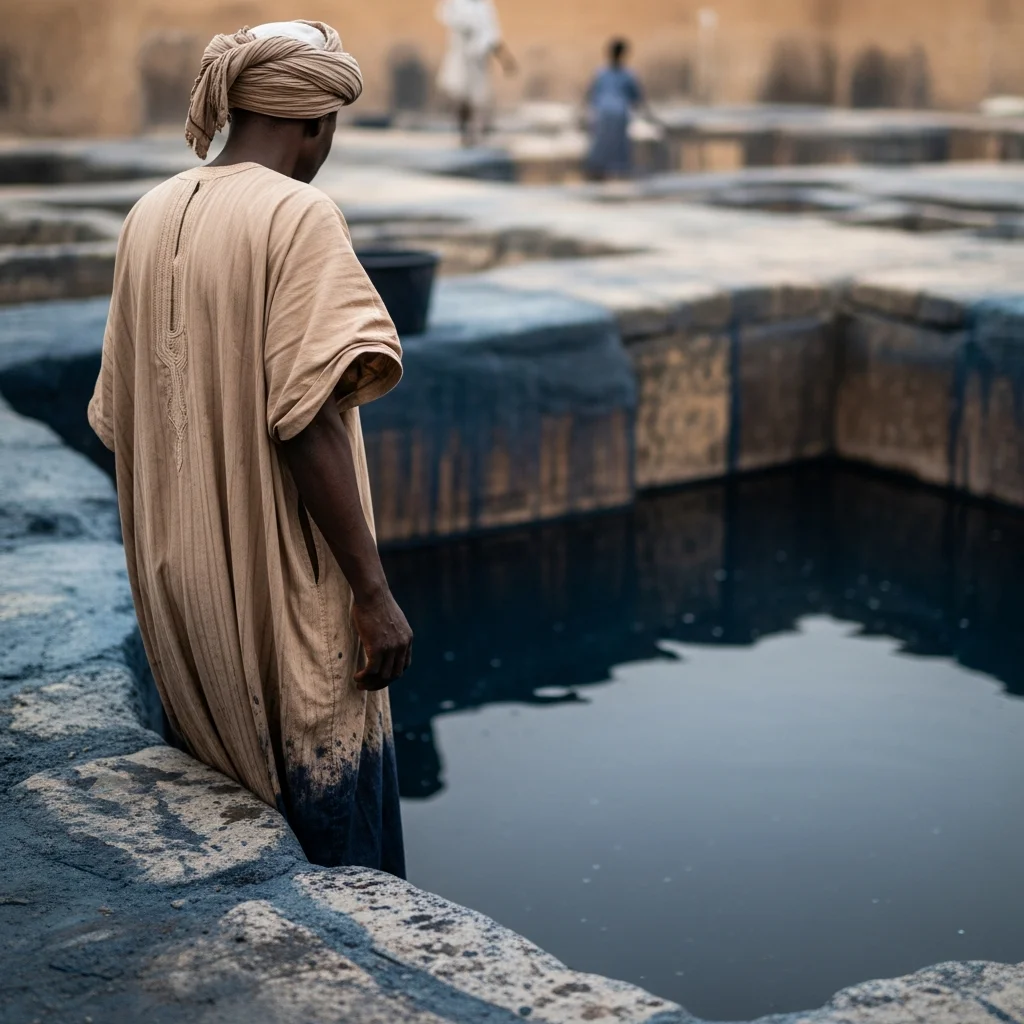
The ancient indigo pits of Kano hold more than colour. Visitors keep hearing names whispered from the dark water, names like Babangida, and no one can explain why the five-hundred-year-old vats speak.
Dye pits whisper names
Published: 10 April, 2026
Babangida is the name a woman from Lagos heard three times in January of 2026, and she was not the type to imagine things or tell stories, which makes you wonder what exactly is happening at the edge of those deep stone vats in Kano.
When the water remembers
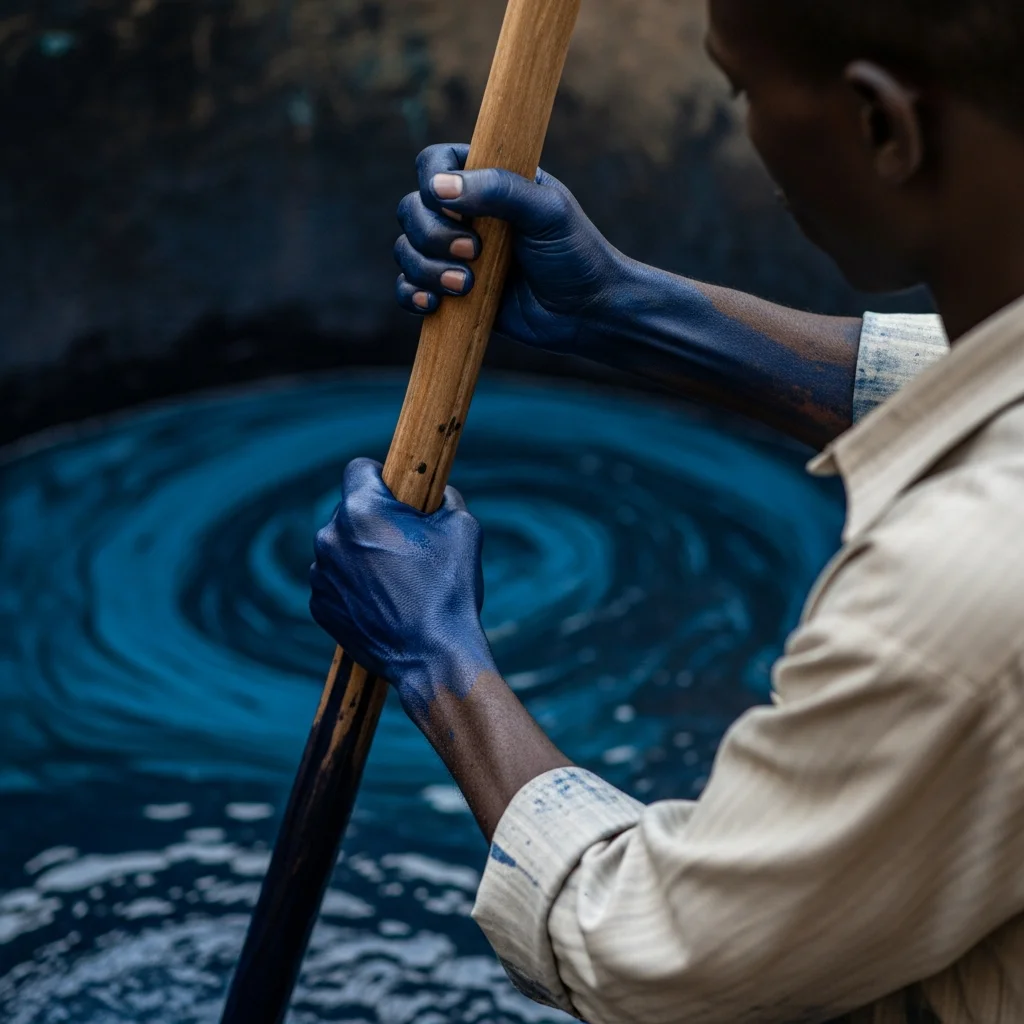
You do not visit a five-hundred-year-old indigo workshop expecting to hear anything more than the splash of water and the low murmur of men working, but something happens when you stand there. The noise of the city fades and the air changes, and then you hear a whisper, soft and close, saying a name you have not heard since the last time someone spoke of the dead. You turn around and no one is there, because the nearest person is fifty feet away stirring another pit, not looking at you, and the water is dark and still. The whisper does not come again, but you know you heard it, and that knowledge stays with you long after you leave.
The pits do not explain
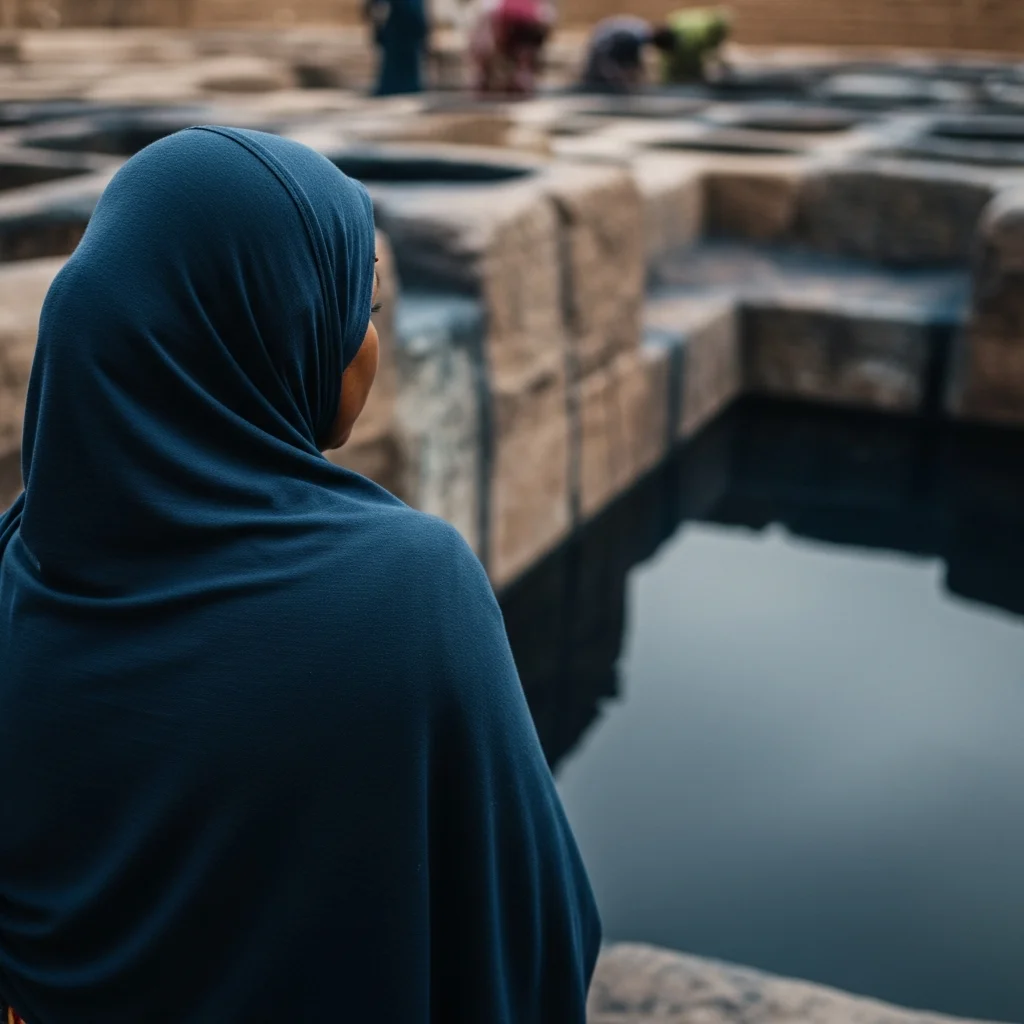
The Kofar Mata pits have been here for five hundred years, which is not an exaggeration but a simple fact of history, because generation after generation of dyers have dipped cloth into these same vats, pulling it out green and watching it turn blue in the sun. They do not care about your beliefs or your doubts, and they do not care about science or skepticism, so they just sit there full of dark water, waiting for the next person to lean too close and hear something they cannot explain. A teacher from Bayero University brought a recorder one evening, thinking he might capture the ambient sounds of the old city, and his tape caught a faint voice saying a name that no living person spoke that night. The tape exists, and you can ask to hear it, but he might say no because he has played it for colleagues and they have no answers either.
What the old men know
The dyers themselves do not talk much about the whispers, because they have heard them too and they have learned that some questions do not have answers, so they just keep stirring the vats and selling the cloth and letting visitors wonder. Ask them what they think, and one of them might shrug and say,
“The water remembers,”
– before turning back to his work.
Remember what? Who? He will not say, and maybe he does not know, or maybe knowing is not the point. The point is simply that the water has been here for five hundred years, and in that time it has seen things and heard things and absorbed things that no living person can recall, so now and then it gives some of them back.
Science has its theories
A professor of psychology once tried to explain it, speaking carefully about how the human mind looks for patterns in random noise, because that is what our brains do when we try to make sense of the world even when there is no sense to be made. The pits are deep and narrow, she said, and the liquid is thick, so sound bounces off the stone walls in strange ways, twisting the noise of the city into something that resembles speech. Maybe it is just the cars and the people and the wind, all of it mixing together and coming back to us as whispers, or maybe it is vibrations under the ground or water moving through hidden channels. The professor was honest at the end, because she said she does not know, and the scientists do not know, and the dyers do not know, so the only ones who know are the pits themselves, and they are not explaining anything.
The story sells itself
Tour guides in Kano have started mentioning the whispers in their tours, because visitors ask about them now, sometimes before they even ask about the cloth or the history or the famous blue color that cannot be found anywhere else in the world. The government counted the money, as governments do, and they found that tourism revenue in the old city went up by fifty million naira in 2025, which is real money that buys real food and pays real school fees.
“We tell everything,” one guide said. “The pits are a factory. They are a museum. Now they are a place of stories. People love that.”
– Malam Sani, tour guide at Kofar Mata, speaking in March 2026.
What the whispers are worth
The pits are still dyeing cloth, because that is their job and that is how the men who work there feed their families, and the whispers are just an extra layer, a bonus, a reason for people to come and stay and spend money before they leave. Some visitors have offered to buy the voices, as if a whisper could be owned and sold, but the dyers just shake their heads and turn back to their vats. The water does not belong to them, they say, and the voices do not belong to anyone, so the real value is not in the cloth or the whispers but in the standing still and the listening. You cannot buy that feeling, and you can only stand at the edge and wait.
Come see for yourself
The pits are open to anyone who wants to visit, and the fee is small, just enough to keep the place running and pay the men who work there. Go on a quiet day, not a festival day or a market day, just a regular Tuesday when the only sounds are the stirring of the vats and the wind moving through the narrow streets of the old city. Stand at the edge of the water and do not try to hear anything, because trying too hard will only make you imagine things, so just listen and let the sounds come to you naturally. Maybe you will hear a name, and maybe you will hear nothing at all, but either way you will leave with something, a piece of cloth or a story or a memory of a place that does not need you to believe in it.
The water keeps its secrets
The dye pits of Kano whisper names, and no one knows why or how, and the scientists have their theories and the dyers have their silence and the visitors have their stories, but none of them add up to an answer that satisfies everyone. Maybe it is the wind, or maybe it is the water, or maybe it is something else, something we do not have words for, something that does not fit into the categories we use to understand the world. The pits do not care what you believe, and they will be here tomorrow and next year and fifty years from now, when your grandchildren come to listen, and the water will still whisper names you know and names you have forgotten and names you never knew you were waiting to hear. That is not an explanation. That is just a fact.

Ancient Rock Art Traditions Endure in Igbara Oke Caves

Palm Wine Tapper Climbs Same Tree That Killed His Father in Ozoro

Hunter Hears Dead Brother Whistle in Ganye Forest Mystery

Farmer Plants Yam That Grows Downward to Water Table in Drought

She Kept Asking and They Kept Moving Her in Nigeria

Global Food Prices Rose 2.4% in March 2026

Chigozie Obioma International Booker Prize 2026

Jidenna Pan African Sounds Latest Musical Project 2026

Hakeem Oluseyi Brings Astrophysics to Classrooms Worldwide

NANS Diaspora Nigerian Students Eastern Europe

Nnamdi Asomugha From NFL Cornerback to Hollywood Producer

Folake Olowofoyeku Stars in American Sitcom on Nigerian Family Life

Internet Sovereignty: Why Some Countries Want Their Own Separate Internet

The Story Of The Nigerian Who Helped Build Global Internet Systems

Nigerian Hackers: The Global Fraud Story and Its Fallout

Forgotten Satellites Defy Silence, Beaming Signals for Decades

The Phone Stay So Quiet: An Investigation into Nigeria’s Silent Customer Lines

Your Digital Store in Nigeria and the Reality of Domain Expiration

The Business That Died: A Nigerian Case Study in Refusal to Adapt

Hiding Your Business From People With Money

How Nollywood Grew Without Government Support

Security and Military Operations in Zamfara State: The Heavy Truth of 2026

Moniepoint Business Account Requirements Nigeria for SMEs 2026

Comedy Industry in Nigeria and Its Economic Contribution

 Digital Sovereignty8 months ago
Internet Sovereignty: Why Some Countries Want Their Own Separate Internet
- Technology & Innovation8 months ago
The Story Of The Nigerian Who Helped Build Global Internet Systems
- Crime8 months ago
Nigerian Hackers: The Global Fraud Story and Its Fallout
- Space Technology8 months ago
Forgotten Satellites Defy Silence, Beaming Signals for Decades
- Maritime8 months ago
The Phone Stay So Quiet: An Investigation into Nigeria’s Silent Customer Lines
- Business8 months ago
Your Digital Store in Nigeria and the Reality of Domain Expiration
- Business8 months ago
The Business That Died: A Nigerian Case Study in Refusal to Adapt
- Business8 months ago
Hiding Your Business From People With Money