Health Crisis
Lassa Fever Spreads in Nigeria to 18 States as Response Gaps Emerge
Lassa fever has reached 18 states in 2026, following a grimly familiar annual pattern. The response is hampered by funding gaps, infrastructure limits, and a cycle of reaction instead of readiness.


Lassa Fever Spreads in Nigeria to 18 States as Response Gaps Emerge
Published: 26 March, 2026
Week 11 of the year had just ended when the report landed. The Nigeria Centre for Disease Control counted 1,247 suspected cases across 18 states already, with over 450 confirmed and a death rate of 24.5% among those. It was the kind of document that makes you put down your tea and read it again, because the numbers were not new but the spread was, creeping into places that thought they were safe. This is the annual dance with Lassa fever, a predictable visitor that always seems to find the door unlocked.
The Annual Guest
The pattern is so familiar it could be plotted on a calendar. The previous year, 2025, saw 8,978 suspected cases and 1,070 confirmed from 28 states and Abuja, with 227 deaths. Now the early figures for 2026 are tracing the same steep line, maybe even a steeper one. Old hotspots like Ondo, Edo, and Bauchi keep burning, but the fire has jumped to new ground, which means the system meant to contain it is already playing catch-up.
The Budgetary Whisper
You can learn a lot from what a budget says quietly. The 2026 allocation to the NCDC is about N4.57 billion, a small slice of the total health pie that often needs verification before it can be touched. A big part of fighting outbreaks still depends on money from outside, from partners and donors, which creates a rhythm of reaction instead of steady readiness. The Director-General, Dr. Jide Idris, put it plainly earlier this year.
“Our capacity for early detection and molecular diagnosis has improved, but sustaining these gains requires predictable domestic funding. The stop-start cycle affects everything from commodity stocks to retaining trained personnel in subnational laboratories.”
– Dr. Jide Idris, Director-General, NCDC, February 2026
The reality for teams on the ground involves waiting for fuel money, allowances, and permission to move samples, all while the virus does not wait at all.
Where the Tests Are
Diagnosis is a journey. There is a national lab in Abuja and a few others, like the one at Irrua Specialist Teaching Hospital, but many states still pack samples and send them on long trips. The time it takes for results to come back decides how fast treatment starts and who gets traced. Only about 12 states had proper Lassa fever treatment centers meeting basic standards in a 2025 check, so many health workers in regular hospitals face suspected cases without the right protective gear, which is how the sickness sometimes jumps to them.
The Real Carrier
2025 found that peaks in cases often line up with the dry season harvest, when contact between people and rats naturally goes up.The Missing Numbers
surveillance means the true weight of the disease is a mystery, and planning how to fight it lacks the sharpness it needs.The Paper Plan
National Lassa Fever Epidemiology, Prevention, and Control Plan that covers everything from surveillance to talking to communities. The plan exists in neat binders. The trouble starts when you try to make it work across 774 local government areas without consistent money or political push. Health is a state matter, and a state dealing with a security crisis or empty coffers will understandably put a quiet, yearly fever lower on its list until it erupts.“We have the plans, we have the protocols. What we lack is the sustained investment to make them routine. Every year we scramble when the cases rise, and when the curve flattens, attention moves elsewhere until the next cycle.”
– A senior official in the Federal Ministry of Health, speaking anonymously in March 2026
A Small, Solid Idea
The Familiar Scramble
2026. The data shows a predictable emergency, and the response often feels like a predictable rush. The holes in funding, in labs, in keeping communities engaged are all well known, and the talk after each season sounds the same. The disease finds the weak spots in the health system, in the environment, in how people live. Fixing that means moving from reacting when it flares to building a steady, funded, locally owned program to keep it down. The other option is to open another report in 2027 and see the virus in 20 states. The pattern holds until something underneath it finally shifts.



Health Crisis
Deadly Diseases in Nigeria Meningitis Diphtheria Cholera Outbreaks
Four major outbreaks confirmed in a single quarter stretch a health system built on chronic neglect. The numbers for meningitis, diphtheria, cholera, and Lassa fever tell a story of a permanent state…
Deadly Diseases in Nigeria Meningitis Diphtheria Cholera Outbreaks
Published: 26 March, 2026
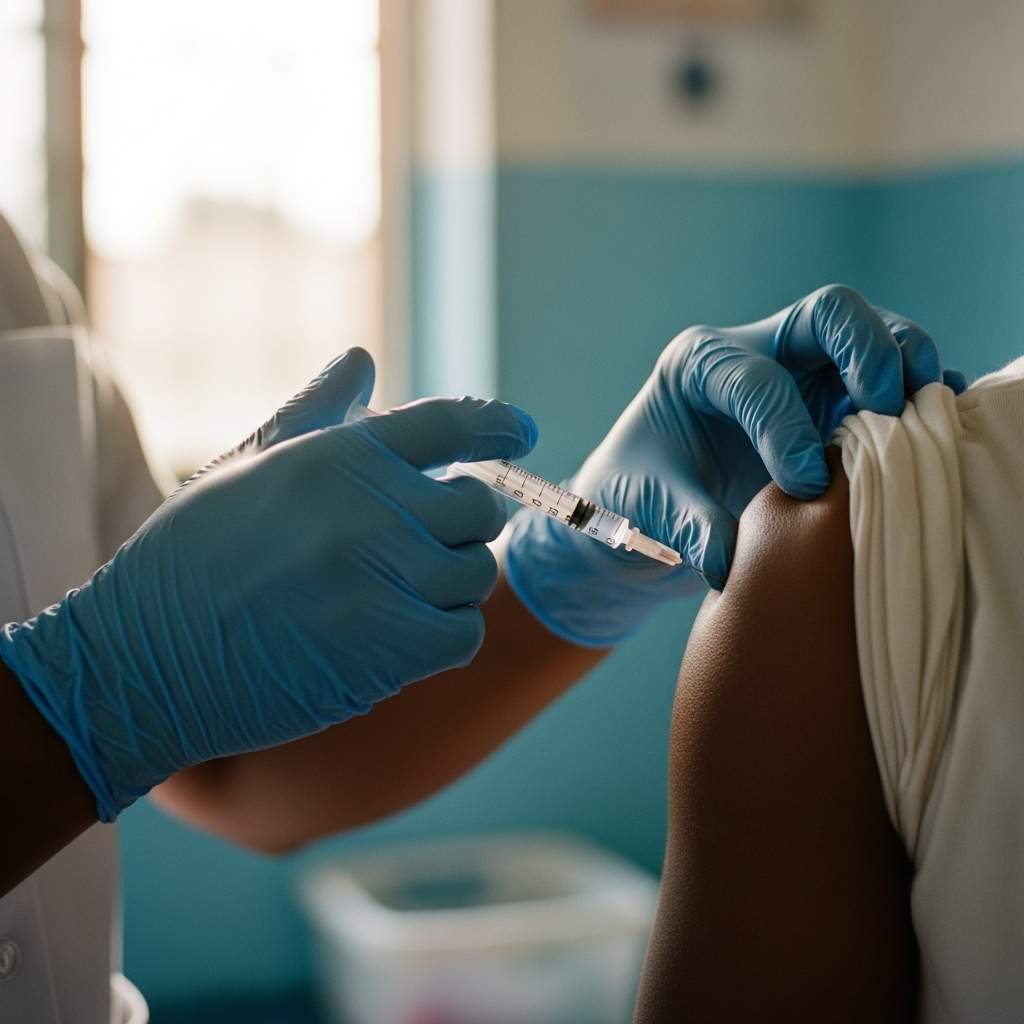
Four major outbreaks were confirmed across the federation in the first quarter of the year, a number that doesn’t even begin to tell the whole story. The Nigeria Centre for Disease Control and Prevention had to put out a situation report for March 2026 detailing the concurrent spread of meningitis, diphtheria, cholera, and Lassa fever, which together stretch a public health infrastructure that functions on a budget representing just 4.2% of the national total. It’s the kind of report that makes you put down your tea and read it again, slowly, because the numbers have a quiet, persistent weight.
A Season of Sickness
These diseases attack different populations with the same relentless result. Cerebrospinal meningitis, that old seasonal threat in the 26 states of the so-called meningitis belt, recorded 2,847 suspected cases and 153 deaths between last December and March. The case fatality rate sits at 5.4%, and the outbreak conveniently coincides with a national shortage of the MenAfriVac conjugate vaccine, which the government last procured at any real scale back in 2021. Diphtheria paints an even more alarming picture, with the NCDC dashboard showing 24,507 confirmed cases and 573 deaths across 19 states since it all began in 2022. The disease has found a comfortable home in Kano, Katsina, and Bauchi states, exploiting gaps in childhood immunization where only 57% of children get that crucial third dose of the pentavalent vaccine.
“The resurgence of diphtheria is a direct consequence of accumulated immunity gaps. We have children and young adults with zero protection.”
– Dr. Jide Idris, Director-General, Nigeria Centre for Disease Control and Prevention, February 2026
Cholera adds its waterborne dimension to the mix, reporting 42,466 suspected cases in 2025 with a fatality rate of 3.1%, and it continues right into 2026, fueled by the rains and the simple, tragic fact that millions lack access to clean water. Then there’s Lassa fever, maintaining its endemic presence with over 450 confirmed cases already for the year and a fatality rate of 24.5% among those cases, testing the specialized treatment centers in Irrua, Owo, and Abakaliki that often manage stockouts of the very drugs they need.
The Foundation of Neglect
The structure for health in this country operates on a foundation of chronic underinvestment, something you can see clearly in the N2.48 trillion allocated to the sector out of a total budget of N49.74 trillion. That 4.2% of national spending is a figure whispered about in health circles, far below the 15% commitment made in the Abuja Declaration of 2001, and state governments display a similar kind of budgetary neglect for the primary healthcare they are constitutionally responsible for. Those primary healthcare centers, the first point of contact for most people, exist in a state of profound dysfunction, with a 2022 assessment finding only 43% of them across the country had the minimum staff complement, and many lack electricity, running water, or basic tools.
“You cannot expect a PHC with no nurse, no midwife, and no ambulance to detect or contain an outbreak. It becomes a notification center for deaths.”
– Dr. Amina Dorayi, Country Director for Pathfinder International Nigeria, January 2026
The logistics for vaccines and medicines break down with a regularity that’s almost predictable, where the national cold chain system suffers from poor maintenance and erratic power, resulting in expired vaccines and the stockouts we saw during the meningitis and diphtheria crises. Disease surveillance remains weak and fragmented, relying on paper-based reporting from thousands of facilities where data moves slowly and alerts generate delayed responses, even though the NCDC has made progress with a digital system whose reach is still limited.
The Ripple Effect
Beyond the mortality statistics, these outbreaks impose a crushing economic burden on households that can be measured in the average direct medical cost of N28,500 per cholera case in Bauchi State, a sum that exceeds the monthly minimum wage and forces families to sell assets or withdraw children from school. The outbreaks disrupt education, with schools in hotspot areas facing temporary closures like the 13 LGAs in Kano State shut down for two weeks in February, and they degrade public trust as communities develop skepticism toward government health interventions, a sentiment worsened by rumors about vaccine safety that circulated widely during the diphtheria outbreak. Health workers operate on the frontlines with inadequate protection, and the Nigeria Medical Association continues to report infections and deaths of doctors and nurses from Lassa fever, citing a lack of basic protective equipment in many state-run hospitals, which naturally fuels the medical brain drain as professionals seek safer environments.
Plans on a Shelf
Specific actions could alter this trajectory, of course, starting with ring-fencing funding for primary healthcare through the Basic Health Care Provision Fund that receives inadequate and irregular releases. A functional primary health center in every ward would change the entire outbreak dynamic, providing routine immunization and serving as an alert node, a model that requires trained staff, reliable supplies, and connectivity, a blueprint the NPHCDA has had for years. The partnership between the Federal Government and Bio-vaccines Nigeria Limited for domestic vaccine production represents a step toward self-sufficiency, a move that must go from packaging to full manufacturing to insulate the country from global supply shocks, and investment in water, sanitation, and hygiene infrastructure would provide a permanent solution for cholera, addressing the root cause instead of just the symptoms.
“We have the plans, we have the policies. What we lack is the consistent execution and the accountability for results. Health should be a key performance indicator for every governor.”
– Professor Muhammad Ali Pate, Coordinating Minister of Health and Social Welfare, March 2026
What Remains
Citizens hold power beyond waiting, the kind found in verifying the vaccination status of every child in a household and ensuring they complete the routine schedule, or in practicing and promoting good hygiene by boiling water and washing hands, simple acts that reduce risk. You can demand accountability from elected officials by attending town hall meetings and asking specific questions about the health budget allocation for your local government area, inquiring about the functionality of the primary health center in your ward, because public pressure has a way of forcing health to the top of a political agenda. The cycle of these outbreaks will continue without systemic change, mirroring those of previous years with only higher numbers, and the solution lies in moving from a permanent state of emergency to a sustained state of readiness, a shift that feels both obvious and impossibly distant when you read a report listing four concurrent major disease outbreaks as a simple matter of fact.
Health Crisis
Nigeria Meningitis Outbreak: The Race to Protect the North
The dry season returns to northern Nigeria, bringing dust, cold nights, and the familiar whispers of meningitis. It is a race against a clock everyone can hear ticking, a pattern as old as the wind.

Nigeria Meningitis Outbreak: The Race to Protect the North
Published: 25 March, 2026
Dr. Jide Idris had to say something on the twenty-fourth of March because the numbers were climbing again. The dry season had settled over the north, bringing with it the dust and the cold nights that make you shiver, and with them came the familiar whispers about stiff necks and fevers. As the head of the Nigeria Centre for Disease Control and Prevention, he knew the pattern all too well. The season from December to April is when this thing likes to travel, and the NCDC had already put out a fresh advisory at the start of the month telling everyone in the high-risk states to keep their eyes open.
The Neck That Cannot Bend
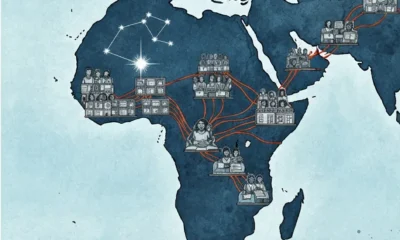
By about this time last year, they were already counting 2,911 suspected cases and 225 deaths across 24 states, and this season felt like it wanted to be worse. The states of Kebbi, Katsina, and Sokoto were carrying the heaviest load right now. It is the old story of the African Meningitis Belt, that stubborn strip of land from Senegal to Ethiopia where the climate and the bacteria have a long-standing arrangement. They know each other well, and the geography never seems to forget.
Ground Zero
The Harmattan winds blow dry and dusty, creating perfect conditions for Neisseria meningitidis to hop from one person to the next. People huddle together in crowded rooms when the cold bites at night, which is exactly what the bacteria wants them to do. The World Health Organization lists Nigeria among 26 countries in Africa where this happens too often, and even the Federal Capital Territory sits inside this unlucky zone. Places like Kano and Kaduna, with all their people pressed close, make the work of containment feel like trying to hold back the wind with your hands.
The list of active states this season reads like a map of the old belt. In the North West, you have Kebbi, Katsina, Sokoto, Jigawa, Zamfara, Kano, and Kaduna. Over in the North East, it is Yobe, Bauchi, Gombe, Borno, Adamawa, and Taraba. Then you have Plateau, Niger, Benue, Oyo, and the FCT joining the party. Vaccination coverage has its gaps across these places, even though the MenAfriVac campaign did a good job pushing back the serogroup A strain a while back. Now they use the MenFive vaccine which is supposed to guard against five different strains all at once. The National Primary Health Care Development Agency is the one rolling this five-strain protection out across the belt states, hoping to build a wall before the wind picks up.
The Clock is Ticking
Spotting it early is everything, and the signs are a brutal trio: a sudden high fever, a headache that feels like a hammer, and a neck so stiff it will not bend. For a baby, you look for a bulging soft spot and a refusal to feed, and if you see a rash that does not fade when you press it, you are already in an emergency. That is the moment. They train the primary healthcare workers to recognize these things, and the NCDC ships out lumbar puncture kits so they can be sure. Rapid tests help cut down the waiting time between the first symptom and the first dose of medicine. The message gets driven through local radio stations and from the mouths of imams and pastors, and in Hausa they call it “Kwonon ciki ba ya juye“. The neck that cannot bend. A good name for it.
“The first 24 hours are critical. Every hour of delay increases the risk of death or permanent disability.”
– Dr. Jide Idris, Director-General of the NCDC, speaking to reporters on March 10, 2026.
Breaking Links
Stopping it means stopping the respiratory droplets, so they tell people to open windows in schools and homes and to avoid crowding together too much at night. It sounds simple, but it makes a real difference in places where whole families share a room. The protocol has its own rhythm: isolate the case, refer them immediately, and then give preventive antibiotics to every close contact in the household or classroom. The NCDC runs something called the Integrated Disease Surveillance and Response platform which requires health facilities to report any suspected case within 24 hours. That bit of data is what mobilizes the response teams and gets resources moving to where they are needed, so the whole machine depends on that first whisper from a clinic somewhere.
Building the Wall
The old way was to start vaccinating people after others had already died, which always felt like closing the gate after the horse has bolted. The new idea is to build the wall before the dry season arrives. The National Primary Health Care Development Agency has plans for campaigns targeting children aged 1-5 and adolescents in all the belt states, a strategy they wrote down in their 2025 plan. A good plan on paper. Then you have the matter of cost and supply. The old MenAfriVac for serogroup A cost less than $0.50 a dose, but the new MenFive vaccine is more expensive, so they rely on Gavi and the Vaccine Alliance for support. States are supposed to add their own money, local governments keep the vaccination registers, and traditional rulers talk to people in the community when hesitancy pops up. A whole ecosystem of persuasion.
“We have moved from firefighting to fire prevention. Our goal is herd immunity through scheduled campaigns, not emergency responses.”
– Dr. Muyi Aina, Executive Director of the NPHCDA, speaking at a health summit in February 2026.
The Clinic Down the Road
A primary health centre that works can stabilize a case, give the right antibiotics, and arrange a referral to a bigger hospital, but the contrast with reality can be a little stark. An assessment last year found 70% of centres in five northern states had no working ambulance, and essential medicines have a habit of running out of stock at the worst possible time. Not ideal. There is a Basic Health Care Provision Fund that gets money from government allocations and donor grants and even the private sector, with a rule that a minimum of 1% of the federal budget should go to primary care every year. The money moves slowly when it moves at all, and states that are supposed to match the funds often find other things to do with their money. The NCDC trains staff on how to respond to an epidemic, but then those trained workers leave for city hospitals or jobs abroad, and the gap opens up again. A revolving door.
Following the Money
The scale of any response is decided by the money, and the 2026 Appropriation Act set aside N2.41 trillion for health. That is about 4.1% of the total N58.47 trillion they plan to spend, which is a long way from the 15% they promised back in the 2001 Abuja Declaration. Promises and reality, sitting in a room together. Epidemic preparedness has its own slice of the pie, with the NCDC operating on N40.5 billion for the year to buy antibiotics and vaccines and protective gear. States add what they can, and donors fill the remaining holes through World Bank projects and Africa CDC initiatives. It works, but it makes you wonder what happens when the donors look the other way. A question for another day.
What You Can Do
Learn the three symptoms and have a plan for how to get to help, because every family in a high-risk area should know the nearest treatment centre. Pre-arranged transport saves lives when the clock is your enemy and every minute is borrowed time. It is that simple. Community watch groups can listen for rumors of a strange sickness going around, and reporting it early to a health facility or the NCDC toll-free line (6232) is what pulls the trigger on the whole system. That simple act by an ordinary person is the first alert that gets the professionals moving, so the chain starts with you.
The Old Foe
This outbreak is not a surprise because it follows a pattern we have seen for decades, and we understand the bacteria and the climate and the people it targets. The formula is no secret: vaccines, surveillance, and primary care that actually works. The real challenge is in the execution, which needs consistent money and political will and trust from the communities. Easier said than done. Progress gets measured in annual cases and death rates, with the goal of moving the north from the epidemic zone to a place of control. You build a wall of immunity with vaccines and weave a net of vigilance with community health workers, knowing the dry season will come back around without fail. The preparation cannot pause, not even for a moment. The wind remembers.
Health Crisis
Nigeria Japa Crisis and the Collapsing Health System
Over 1,500 doctors left in nine months. The arithmetic of Nigeria’s healthcare exodus is a brutal subtraction of skilled hands the system cannot survive. This is the story of the quiet collapse.
Nigeria Japa Crisis and the Collapsing Health System
Published: 23 March, 2026
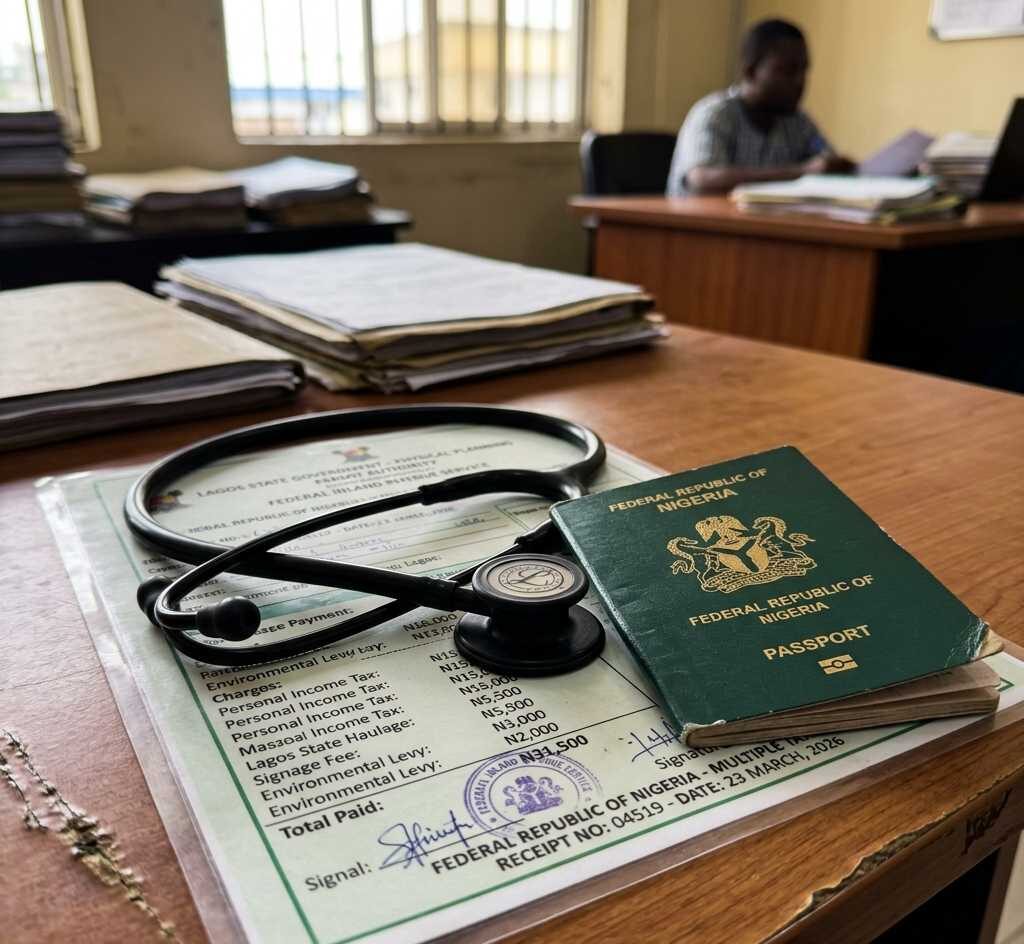
One thousand five hundred doctors left in the first nine months of 2024, a number that doesn’t even include the nurses or the pharmacists or the lab scientists who followed them out the door. The arithmetic of this departure is simple and brutal, a subtraction problem where the country of 230 million people keeps losing more trained professionals than it can possibly produce each year. The World Health Organization recommends one doctor for every 1,000 people, a benchmark that feels like a distant fantasy when you consider the actual figures on the ground.
The arithmetic of departure
The official count from the Medical and Dental Council of Nigeria was 9,103 doctors verified to have left between 2014 and 2018, but that was just the quiet beginning of a much louder exodus. By 2024, the trend had accelerated into something else entirely, a steady flow documented by reports from Premium Times and BudgIT that tracked the growing numbers. The trouble with these figures is they only tell part of the story, because they don’t account for all the other skilled hands packing their bags. The Nigerian Association of Resident Doctors estimates there are only about 24,000 actively licensed doctors left to serve everyone, which makes the destinations of the United Kingdom, the United States, Canada, and Saudi Arabia seem all the more consequential. In 2023 alone, 2,258 Nigerian doctors registered to work in the UK, a number that, as The Guardian Nigeria pointed out, exceeds what many of our own medical schools graduate in a year.
A familiar catalog of reasons
The reasons for leaving compile into a list everyone has heard before, starting with the plain matter of pay. A newly qualified medical officer in a state hospital might earn between N200,000 and N300,000 a month, while the same professional abroad can easily make the equivalent of N5 million. Beyond the salary, the working conditions present a daily deterrent of poor infrastructure and equipment shortages, factors cited by 88% of healthcare professionals in a NOIPolls survey. Doctors often buy their own basic supplies, and power outages force surgeries to proceed by the shaky light of backup generators. Security concerns add another layer of risk with kidnappings and attacks on hospital staff, and the absence of a proper health insurance system means doctors sometimes face pressure and violence from patients who simply cannot afford care.
“The government must see healthcare as a critical national security infrastructure. You cannot have a healthy nation without a motivated health workforce.”
– Dr. Emeka Ugwu, President of the Nigerian Medical Association, February 2026.
Career stagnation frustrates many who see no clear pathway forward, especially when contrasted with the well-structured opportunities abroad that make the decision for a young doctor feel less like a choice and more like a simple calculation of survival.
What the budget quietly says
The 2026 appropriation bill allocated N1.33 trillion to the health sector, which represents about 2.7% of the total N49.74 trillion budget and falls spectacularly short of the 15% commitment made in the 2001 Abuja Declaration. A significant portion of that already small amount goes to recurrent expenditure like salaries, leaving little for the capital expenditure needed for new hospitals or working equipment. State governments, which manage secondary healthcare, often perform even worse with their budgets, and many owe health workers months of salary arrears. This creates a vicious cycle where poor facilities demoralize the staff, demoralized staff leave, and their departure increases the unbearable workload on those who remain, which only accelerates the burnout further until patients are left with longer wait times and poorer outcomes.
Money cannot fill this void
Some people downplay the impact by pointing to the billions in remittances, with the World Bank estimating $20.1 billion sent to Nigeria in 2025, a portion of which undoubtedly comes from health professionals abroad. That money supports families and boosts consumption, but it cannot rebuild institutional knowledge or staff a neonatal ward at two in the morning. A wire transfer cannot perform a cesarean section. The physical absence of skilled hands creates a void that cash can never hope to fill, and the loss becomes intergenerational when senior consultants who would mentor young doctors are no longer there. Medical schools struggle to retain faculty, so the system is being drained of its teachers and its practitioners at the very same time.
Slow and fragmented responses
Policy responses have been, in a word, sluggish. The Ministry of Health launched a Health Sector Renewal Investment Initiative in late 2025 with a pledge to recruit 120,000 frontline health workers, though the details on funding remained vague when Vanguard reported it. Some states have tried localized incentives, like Lagos State implementing a Fellowship for Resident Doctors program with improved stipends, but it only covers a limited number and addresses a symptom in one location while the national disease continues to spread. The expansion of the National Health Insurance Authority scheme holds some potential to improve hospital revenues, but enrollment has been painfully slow with only an estimated 10% of the population currently covered.
“Retention packages without systemic reform are like using a bucket to bail water from a boat with a gaping hole. You must fix the structure first.”
– Prof. Ibrahim Abubakar, public health expert, January 2026.
Proposals for bonding schemes face ethical and practical hurdles where enforcement is difficult, and such schemes might only breed resentment if the working conditions during the bond period remain deplorable.
A double-edged digital bridge
Technology offers tools for mitigation, not a solution, with telemedicine platforms allowing doctors abroad to consult with patients here. This provides access to expertise but doesn’t replace the hands-on clinical care needed for emergencies or surgeries. The federal government’s 3MTT program to train 3 million technical talents includes a health tech component that may produce specialists to manage digital health records, which are critical support roles that complement rather than replace migrating clinicians. You have to contrast this with another reality, though, where digital tools also facilitate the entire japa process through online licensing exams, virtual job interviews, and digital credential verification that make emigration easier than ever before.
Three shifts for a realistic path
The first shift requires financial honesty, with a substantial increase to the health budget and a specific portion ring-fenced for hospital infrastructure to signal real seriousness. The Basic Health Care Provision Fund, funded by 1% of the Consolidated Revenue Fund, needs full and transparent implementation. The second shift involves devolution and accountability in a system currently fragmented across local, state, and federal tiers, a model that dilutes responsibility and results. Empowering state governments with more resources while holding them accountable for specific health outcomes might actually yield better results. The third shift is fundamentally about dignity and security, requiring a revised salary structure for health workers, a special allowance for those in rural areas, and guaranteed security for healthcare facilities through dedicated police posts to create a safer work environment.
A tomorrow that could be different
A serious government would announce a five-year emergency pact for the health sector tomorrow, involving federal and state governments, professional associations, and the private sector with the first deliverable being a public audit of all tertiary hospitals to determine equipment deficits and staffing gaps. They would launch a targeted diaspora engagement program to create a formal registry of Nigerian health professionals abroad, offering incentives for short-term teaching visits and remote mentorship to treat the diaspora as partners instead of traitors. Fast-tracking the digitization of the NHIA and mandating enrollment for all formal sector employees would use technology to ensure claims are paid to hospitals promptly, creating an immediate inflow of funds to improve liquidity and pay salaries on time.
The final, quiet calculation
The japa crisis in healthcare is a direct reflection of national priorities, where a country that spends so little on the health of its citizens should not be surprised when its healers decide to leave. The departure of each doctor represents a massive public subsidy lost, the entire cost of training borne by Nigeria now benefiting another country entirely. Reversing the trend demands more than appeals to patriotism, requiring instead a system that health professionals can be proud to work in with facilities that function, equipment that works, and pay that actually reflects the value of the work. The solution exists within the same system that created the problem, needing only political will, strategic investment, and a relentless focus on execution, because every day of inaction pushes more skilled hands to the airport and leaves more patients waiting in vain.

Ancient Rock Art Traditions Endure in Igbara Oke Caves

Palm Wine Tapper Climbs Same Tree That Killed His Father in Ozoro

Hunter Hears Dead Brother Whistle in Ganye Forest Mystery

Farmer Plants Yam That Grows Downward to Water Table in Drought

She Kept Asking and They Kept Moving Her in Nigeria

Global Food Prices Rose 2.4% in March 2026

Chigozie Obioma International Booker Prize 2026

Jidenna Pan African Sounds Latest Musical Project 2026

Hakeem Oluseyi Brings Astrophysics to Classrooms Worldwide

NANS Diaspora Nigerian Students Eastern Europe

Nnamdi Asomugha From NFL Cornerback to Hollywood Producer

Folake Olowofoyeku Stars in American Sitcom on Nigerian Family Life

Internet Sovereignty: Why Some Countries Want Their Own Separate Internet

The Story Of The Nigerian Who Helped Build Global Internet Systems

Nigerian Hackers: The Global Fraud Story and Its Fallout

Forgotten Satellites Defy Silence, Beaming Signals for Decades

The Phone Stay So Quiet: An Investigation into Nigeria’s Silent Customer Lines

Your Digital Store in Nigeria and the Reality of Domain Expiration

The Business That Died: A Nigerian Case Study in Refusal to Adapt

Hiding Your Business From People With Money

How Nollywood Grew Without Government Support

Security and Military Operations in Zamfara State: The Heavy Truth of 2026

Moniepoint Business Account Requirements Nigeria for SMEs 2026

Comedy Industry in Nigeria and Its Economic Contribution

 Digital Sovereignty8 months ago
Internet Sovereignty: Why Some Countries Want Their Own Separate Internet
- Technology & Innovation8 months ago
The Story Of The Nigerian Who Helped Build Global Internet Systems
- Crime8 months ago
Nigerian Hackers: The Global Fraud Story and Its Fallout
- Space Technology8 months ago
Forgotten Satellites Defy Silence, Beaming Signals for Decades
- Maritime8 months ago
The Phone Stay So Quiet: An Investigation into Nigeria’s Silent Customer Lines
- Business8 months ago
Your Digital Store in Nigeria and the Reality of Domain Expiration
- Business8 months ago
The Business That Died: A Nigerian Case Study in Refusal to Adapt
- Business8 months ago
Hiding Your Business From People With Money