Government
Nkeiruka Onyejeocha Resignation as Labour Minister Marks Political Shift
Nkeiruka Onyejeocha is out. The Labour Minister resigned in April 2026. So here we are. What does this departure mean for the country? It is more than a cabinet change. This marks a political shift. The road ahead looks different now.


A Village Burns Again
Published 04 April, 2026
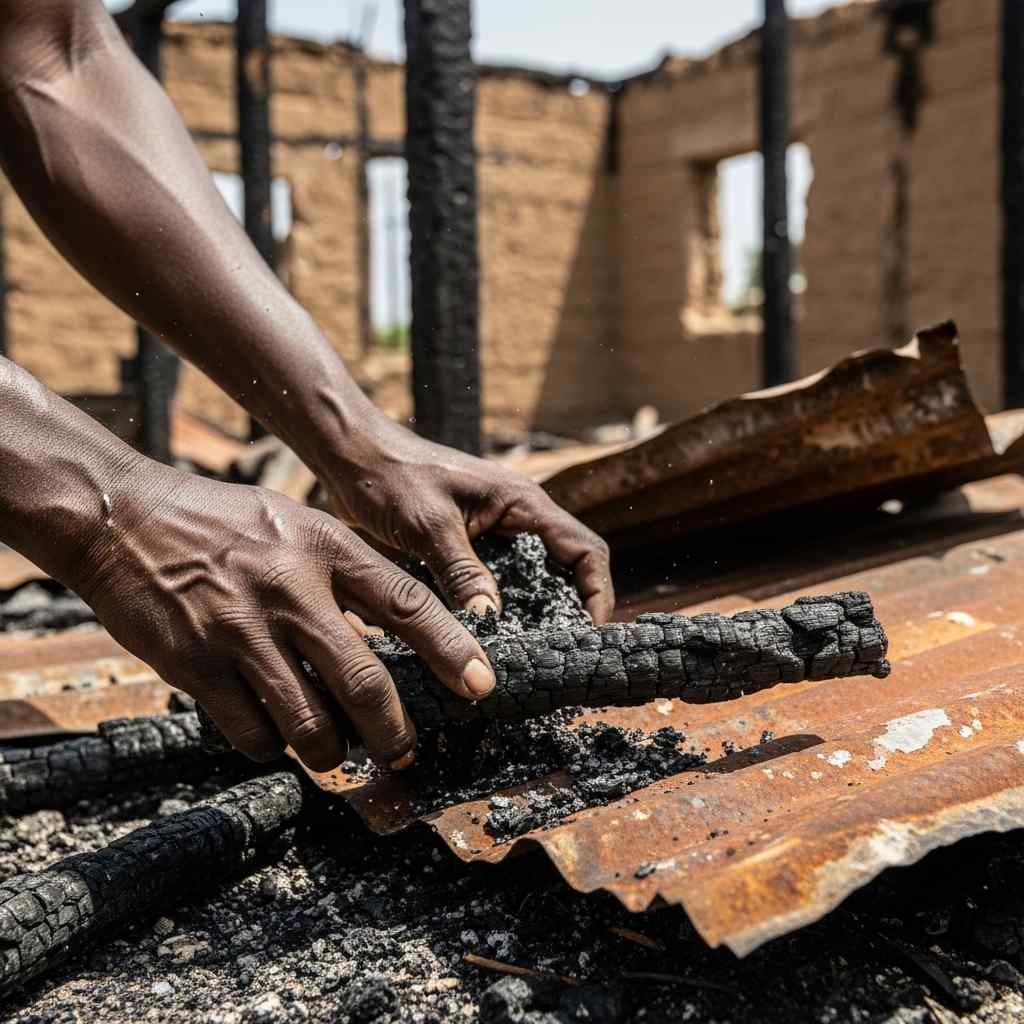
Gunmen attacked the community of Udege Mbeki in the Nasarawa Local Government Area of Nasarawa State, leaving eleven people dead and a trail of burnt homes. The violence erupted in the early hours of Tuesday, April 1, 2026, marking another bloody chapter in the state’s long history of communal strife.
The Thing About Tuesday Morning
Residents reported hearing sporadic gunshots around 4:00 a.m. The attackers, arriving in large numbers, targeted specific houses. A community leader, who requested anonymity for safety, described a scene of panic and fire.
“They came with guns and petrol. They shot people and set houses on fire. We lost everything.”
– Anonymous community leader in Udege Mbeki, speaking to Premium Times on April 2, 2026.
The Nasarawa State Police Command confirmed the incident. The Police Public Relations Officer, DSP Ramhan Nansel, stated that officers deployed to the area recovered eleven bodies. The police also noted the destruction of residential buildings and food barns.
So Here We Are With The Land Question
Preliminary reports from security sources and local media point to a land dispute as the trigger. Udege Mbeki sits in a region where tensions between farmers and herders over land and water resources have simmered for years.
This specific attack appears linked to a lingering conflict between the Bassa and Egbira ethnic groups. The issue of ancestral land ownership and access to fertile areas for farming continues to be unresolved. A 2025 report by the International Crisis Group cited land competition as a primary driver of violence in Nigeria’s Middle Belt.
The state government has initiated peace dialogues in the past. The effectiveness of these talks faces constant pressure from population expansion and climate variability, which shrink available resources.
What The Numbers Say About Nasarawa
This attack fits a grim pattern. Data from the Armed Conflict Location and Event Data Project (ACLED) shows Nasarawa State recorded over 80 incidents of political violence in 2024. Many of these incidents involved communal clashes.
The National Emergency Management Agency (NEMA) has repeatedly responded to displacement crises in the state. In its 2025 first-quarter report, NEMA listed Nasarawa among states with a high number of internally displaced persons due to farmer-herder conflicts.
Security force deployments exist, but the vast, rural terrain makes complete coverage a challenge. Communities often feel isolated and vulnerable to reprisal attacks.
The Human Cost Beyond The Headline
Beyond the eleven confirmed deaths, the attack creates immediate humanitarian needs. Survivors lost their homes, food supplies, and personal belongings. The visual evidence from the scene shows complete structures reduced to ashes.
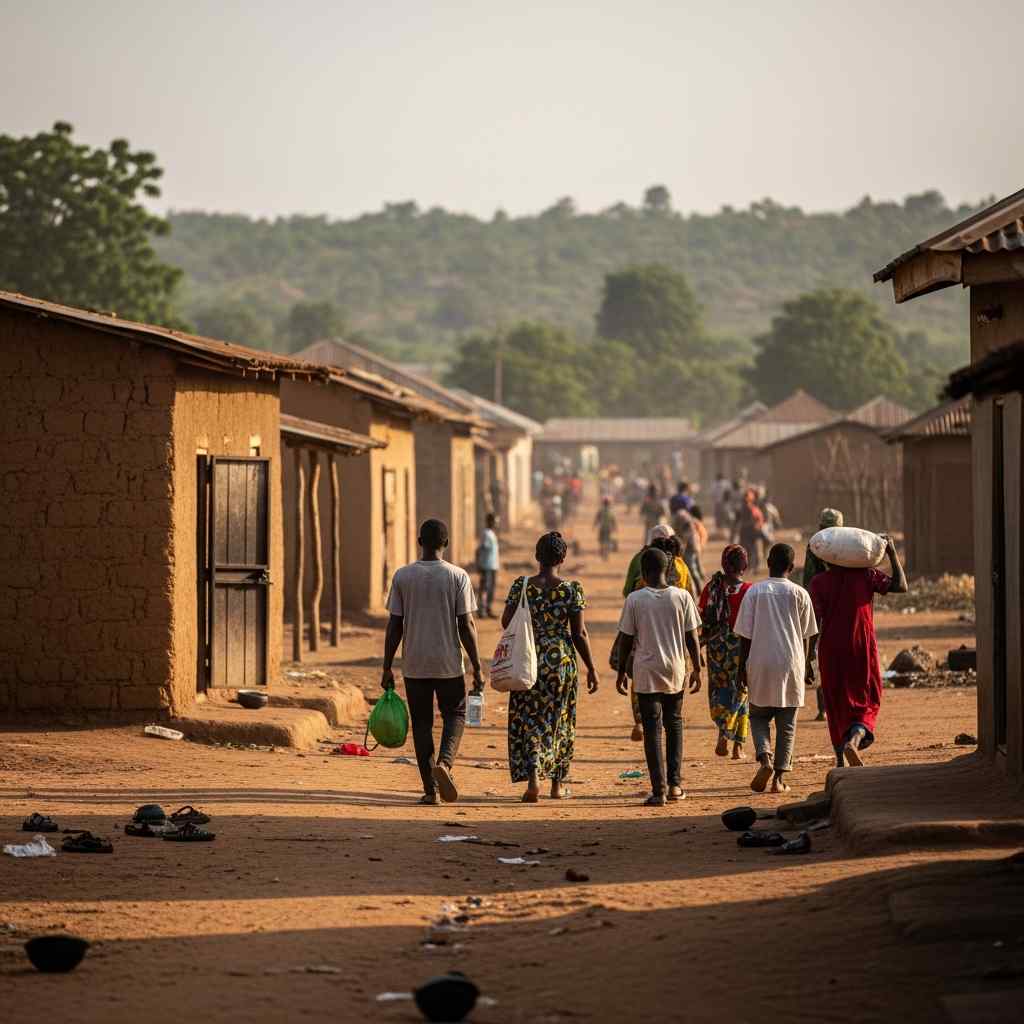
Local officials estimate that hundreds of people now require shelter, food, and medical care. The psychological trauma for survivors, especially children, represents a longer-term burden the community must carry.
Displacement from such attacks often pushes people into informal camps or to live with relatives in urban centers, straining local economies and social structures.
A Governor’s Promise And The Ground Reality
Governor Abdullahi Sule condemned the attack. He promised that security agencies would apprehend the perpetrators. The governor also appealed for calm and warned against retaliatory violence.
“This act of barbarism will receive the full weight of the law. We are committed to finding the people behind this and ensuring they face justice.”
– Governor Abdullahi Sule of Nasarawa State, official statement, April 2, 2026.
Residents express a mix of hope and skepticism. Past attacks have seen arrests, but prosecutions that lead to convictions continue to be less visible. The cycle of impunity fuels perceptions that violence carries little consequence.
Why Peace Committees Sometimes Fail
Nasarawa State, like many in the Middle Belt, operates local peace committees. These committees bring together traditional rulers, community elders, and youth leaders from conflicting groups.
The committees achieve temporary calm. Underlying grievances about land ownership and compensation for destroyed crops often resurface. A member of a state-level peace body, speaking off the record, said agreements collapse without a definitive, legal resolution to land tenure.
Young people, facing economic hardship, become uncomplicated recruits for militia groups promising protection or a means of retaliation. This dynamic actively undermines the authority of elders who sign peace accords.
The Federal Dimension People Miss
Communal conflicts in states like Nasarawa have national implications. They strain the national security architecture, diverting military and police resources. They also contribute to food insecurity, as farmers abandon fertile lands for fear of attacks.
The Federal Ministry of Agriculture and Rural Development has cited insecurity as a major constraint to achieving food sufficiency. Attacks in the food-producing Middle Belt have a direct impact on commodity prices in markets in Lagos and Abuja.
Persistent displacement creates a pool of disaffected citizens, which political actors can exploit during elections, framing conflicts along ethnic or religious lines for electoral gain.
One Thing You Can Do Today
Pressure for openness in the judicial process matters. Citizens can demand that the police and the office of the Attorney-General of Nasarawa State provide public updates on the prosecution of suspects from this attack.
Visible and timely legal action establishes a precedent. It signals that the state possesses the will to enforce its monopoly on violence. This action requires writing to the state assembly member representing the constituency or engaging with the Ministry of Justice through formal channels.
Sustained public interest moves a case from a newspaper headline to a court docket. It reminds everyone that eleven lives demand more than a press release.
The Road From Udege Mbeki
The ashes in Udege Mbeki will cool. The funerals will take place. The immediate news cycle will move on. The structural issues of land, justice, and economic opportunity will continue to exist.
Addressing these issues requires moving beyond ad-hoc peace talks. It demands a courageous, state-driven initiative to survey and document land ownership, supported by a special tribunal to handle historical disputes. The cost of such a project would be significant, but the cost of recurring violence is far greater.
Until then, communities across Nasarawa will go to sleep with one ear open, wondering if the next attack will come at 4:00 a.m.
Sources for this report include official statements from the Nasarawa State Police Command (April 2026), reporting by Premium Times (April 2026), Daily Trust (April 2026), data from the Armed Conflict Location and Event Data Project (ACLED 2024), and reports from the National Emergency Management Agency (NEMA 2025).









Government
How to Register Vehicle at FRSC and Get Number Plate Nigeria
You bought a vehicle. Now you need a plate. The FRSC office awaits. The lines are long. The process is set. So here we are. This is how you get it done. Step by step. With the current fees. Let’s talk.
How to Register Vehicle at FRSC and Get Number Plate Nigeria
Published 04 April, 2026
Every vehicle on a road in Nigeria requires a number plate issued by the Federal Road Safety Corps.
This statement is the absolute starting point. The process to achieve it involves multiple government agencies, specific fees, and a sequence of steps that many find confusing. The system has moved online, but physical visits to offices are a reality for most people. Here is a breakdown of the current process, the required documents, and the official fees as they stand in 2026.
The First Step is Not with FRSC
Many people think the Federal Road Safety Corps is the first stop. The journey actually begins with the Nigeria Customs Service. For a new vehicle, whether imported or purchased locally, you must obtain a Custom Duty Payment Certificate.
This certificate proves the appropriate duties and levies have been paid to the government of Nigeria. Without it, no other agency will process your vehicle registration. The duty amount varies based on the vehicle’s age, engine capacity, and value. You present your proof of ownership and purchase documents to customs for assessment.
How to register vehicle at FRSC and get number plate Nigeria depends entirely on clearing this first hurdle. The Nigeria Customs Service has an electronic system for this, but physical verification at designated commands is standard.
The 2026 Big Three Requirements
Before you visit any office in 2026, ensure you have these three items:
- Customs Duty Certificate – Verified via the “Trade Portal.”
- Validated NIN – Your personal National Identification Number must match your vehicle ownership name. As of late 2025, the FRSC and NIMC fully integrated their databases. You cannot generate a temporary or permanent number plate in 2026 without a validated NIN. This is now the “Master Key” for the Central Motor Registry.
- Insurance – Minimum third party coverage from an NAICOM approved firm.
Gathering Your Core Documents
With the customs duty settled, you compile your dossier. The mandatory documents are consistent across states. You need the original Custom Duty Payment Certificate. You need a valid Insurance Certificate from a registered insurer.
Third party motor insurance is the minimum legal requirement. You need the manufacturer’s Certificate of Construction or the dealer’s invoice. You need a copy of your means of identification, like a National ID, International Passport, or Driver’s License.
You also require a LASDRI Certificate for Lagos State or its equivalent from the Vehicle Inspection Office in other states. This certificate confirms the driver is medically fit. According to the Federal Road Safety Corps official portal, these documents form the base application pack (FRSC, 2026).
The Central Motor Registry and VIN
Your next move is to register the vehicle with the Central Motor Registry. This is done online through the FRSC service portal. You input the vehicle details, including the Vehicle Identification Number.
The VIN is a 17-character code stamped on the chassis. The system validates this number against records to check for duplication or theft. Upon successful registration, you receive an invoice for the applicable fees.
Payment is made online via the integrated platform. The system then generates your Vehicle License and Number Plate particulars. This digital step has reduced the time for this phase significantly. A report by Premium Times in March 2026 noted an improvement in the digital processing timeline for compliant applications.
2026 Update: The New Enhanced e-CMR
The Nigeria Police Force recently centralized the Digitalized Central Motor Registry (e-CMR). While FRSC handles the plate, the NPF now requires a separate e-CMR certificate (costing approximately N5,250) to prevent vehicle theft and tracking issues. This is a 2026 addition that distinguishes you as an informed owner.
Understanding the Fee Structure for 2026
The total cost has several components. The FRSC charges a statutory fee for number plate production and vehicle licensing. As of 2026, this fee is N15,000 to N20,000 for private vehicles.
Commercial vehicles attract a higher fee. You pay a fee for the Central Motor Registry registration. You pay for the Road Worthiness Certificate inspection at the Vehicle Inspection Office.
You pay for the LASDRI or state driver’s test. You also pay administrative charges to the motor licensing authority in your state. The Federal Inland Revenue Service collects Value Added Tax on some of these transactions.
2026 Cost Breakdown for a Private Car
- FRSC Number Plate Fee – N15,000 to N20,000
- e-CMR Certificate (NPF) – Approximately N5,250
- VIO Road Worthiness – Varies by state
- LASDRI or State Driver Test – Varies by state
- Proof of Ownership Certificate (POC) – N1,000 annual renewal
According to data from Multiple State Licensing Authority Ports in 2026, the aggregate cost for a private car often falls between N45,000 and N65,000, excluding the initial customs duty.
“The integration of our systems aims to create a one-stop process for the motorist. The goal is that from the point of duty payment to plate collection, the citizen interacts with a unified system.”
– Bisi Kazeem, FRSC Public Education Officer, in an interview with The Guardian, February 2026.
Getting Your Temporary Number Plate
After online payment and application approval, you print your Temporary Number Plate. This is a paper document you display on the vehicle. It contains your vehicle details and a QR code for verification.
This temporary plate authorizes you to use the vehicle on the road while the physical plate is manufactured. The validity period is typically 60 days. Law enforcement agencies can scan the QR code to confirm the vehicle’s registration status.
This interim measure prevents delays in vehicle usage. It is a key part of the process. The temporary plate is only issued after all previous steps are verified and paid for.
The Physical Inspection and Road Worthiness Test
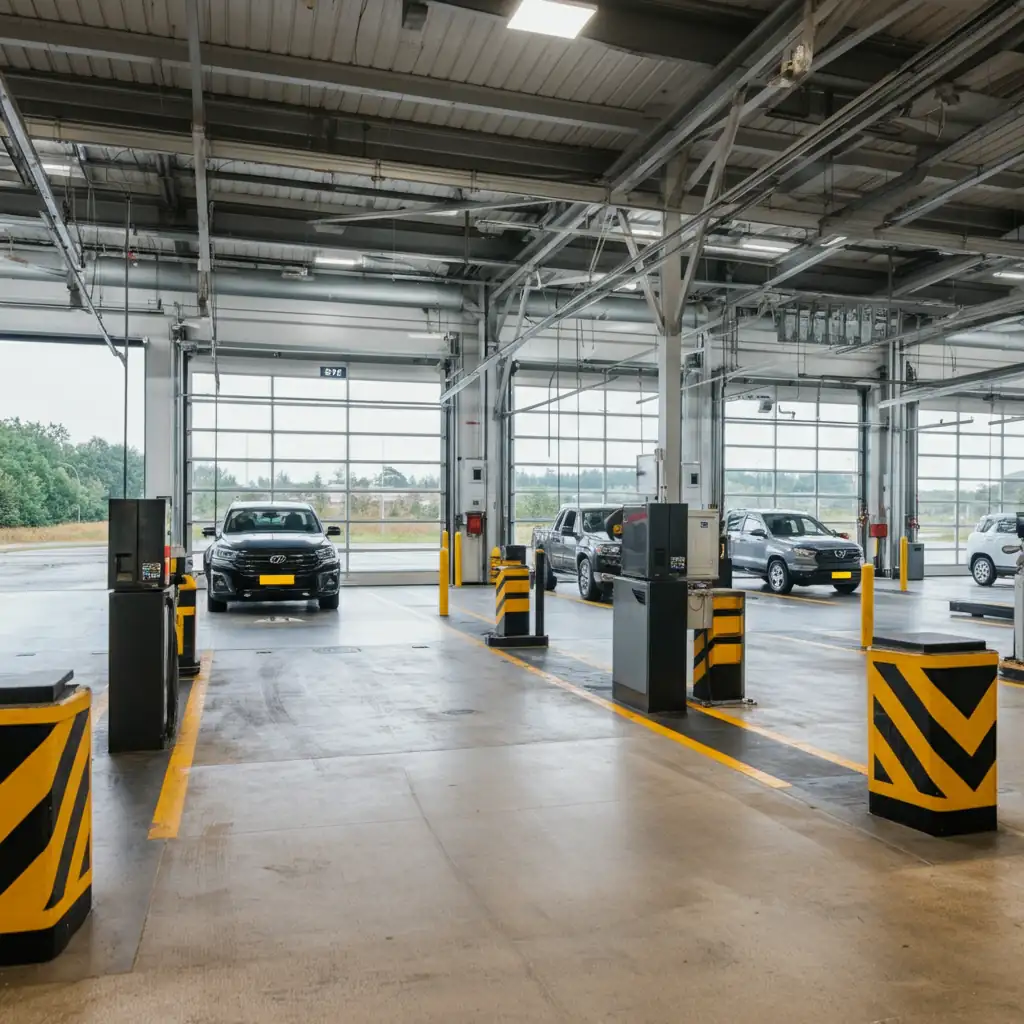
With your temporary plate, you book a physical inspection at a Vehicle Inspection Office. In 2026, computerized centers in Lagos, Abuja, and Port Harcourt are the standard. An officer checks the vehicle’s roadworthiness. They examine brakes, lights, tires, steering, and emissions.
Upon passing, you receive a Road Worthiness Certificate. This certificate has a validity of one year and requires renewal. Failure at this stage means you must fix the identified faults and present the vehicle again.
This step ensures only mechanically sound vehicles receive permanent registration. The FRSC and state authorities collaborate on this standard. According to the FRSC’s 2025 Operational Report, a percentage of vehicles fail the initial test.
Collection of Your Permanent Number Plate
The final stage is the collection of the metal Number Plate. Production happens at designated plants after your inspection is cleared. You receive a notification via SMS or email when your plate is ready.
Collection points are usually the motor licensing office in your state or designated FRSC offices. You present your temporary plate, inspection certificate, and identification to collect the permanent plate. The officer affixes the plate to your vehicle with official seals.
Your vehicle registration is now complete. The entire timeline, from customs to plate collection, can take several weeks. Proper document preparation and adherence to the sequence improve the speed.
Where People Usually Get Stuck
The common bottleneck is the Custom Duty Payment stage. Incomplete documentation or valuation disputes with customs officials cause long delays. Another point of friction is the physical roadworthiness inspection, where booking slots are limited.
Network failures on the government portals can also halt the online payment and application steps. The reality for many is that they engage the services of a licensed agent. These agents understand the intricacies of each office and can navigate the process faster.
Using an agent adds to the total cost but saves time and stress. The official position of the FRSC is that individuals can process everything independently through the portal. The practical experience often differs, as noted in consumer reports by Nairametrics in 2025.
A Note on Used Vehicles and State-to-State Transfer
Registering a used vehicle bought within Nigeria involves a different process. You need a change of ownership document from the previous owner. You need the old vehicle license and proof of tax clearance.
You apply for a new number plate in your name. The vehicle still undergoes a roadworthiness test. Transferring a vehicle from one state to another requires re-registration in the new state of residence.
You obtain a letter of release from the original state’s motor licensing authority. You then begin the registration process afresh in the new state. The core requirements are similar, but state-specific charges apply.
Keep Your Documents Accessible
Once registered, maintain a file with all original documents. Keep the Vehicle License, Insurance Certificate, Road Worthiness Certificate, and proof of ownership together. You must renew the insurance and roadworthiness certificates annually.
In 2026, the annual N1,000 Proof of Ownership (POC) renewal is strictly enforced. This is a small but vital detail that often trips up new owners during their first police check.
The FRSC and other law enforcement agencies conduct routine checks. Presenting expired documents leads to penalties. The system is designed for accountability and safety on the roads.
How to register vehicle at FRSC and get number plate Nigeria is a procedural marathon, not a sprint. Understanding each leg of the race makes participation less daunting. The digital integration provides a framework, but patience and accurate paperwork are the true fuels for the journey.
This article is based on official guidelines from the Federal Road Safety Corps, the Nigeria Customs Service, and state motor licensing authorities as of March 2026. Fee structures are subject to change by relevant government bodies. Readers should confirm exact amounts on official portals before commencing the process.
Government
Lagos Building Safety and the Compliance Challenge
Here is the thing. Buildings collapse. People die. So here we are. Lagos building safety faces a hard truth. Rules exist. Enforcement does not. What will it take?
Lagos Building Safety and the Compliance Challenge
Published: 23 March, 2026
The government of Lagos State marked thousands of homes for removal in February 2024. They targeted waterfront areas like Ilaje-Otumara. The single largest eviction event followed on March 7, 2024. By late last year, over 3,000 homes had been destroyed in Makoko alone. The state government confirmed these numbers. This is continuous enforcement in a city that expands faster than oversight.
The Scale of the Problem is Immense
Consider the pace. Punch reported in 2025 that Lagos adds an estimated 15,000 new buildings every year. The regulatory agency tasked with monitoring this, the Lagos State Building Control Agency, struggles to match it. A 2023 audit report from the state house of assembly noted severe staffing shortages. The agency itself identified over 15,000 buildings in need of integrity tests, a backlog that grows with each rainy season. But there is a catch. As of August 2024, Lagos reported its lowest rate of building collapse in 20 years. They attribute this to the new Certified Structural Integrity Programme (CSIP), which mandates tests every five years. The pressure for space sidelines formal approval. For many, a permit is a final hurdle, not a foundation.
Why Do Buildings Keep Failing?
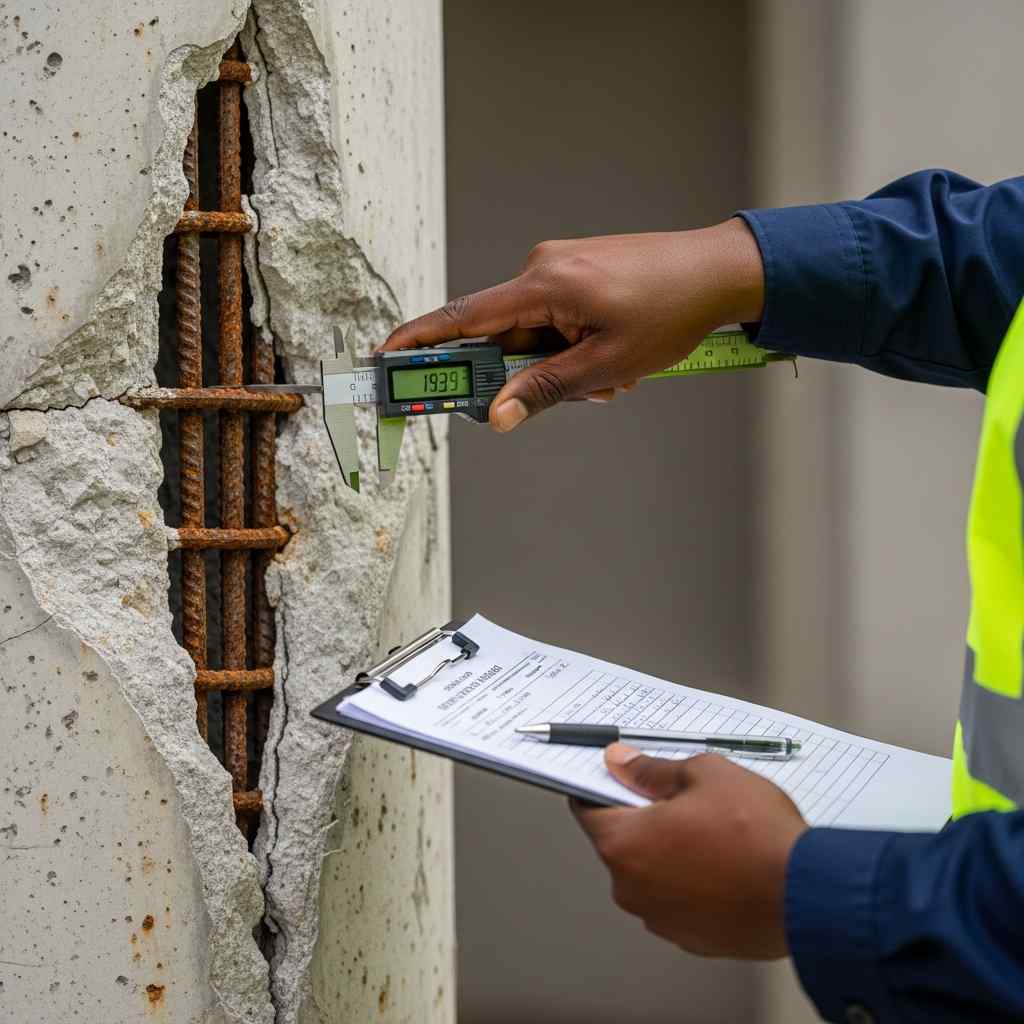
The causes are rarely mysterious. Take the 2022 Ikoyi high-rise collapse. The state tribunal cited substandard materials and a deviation from the approved design. These are failures of basic compliance. The use of beach sand, inferior reinforcement bars, and watery concrete persists. This brings us to the supply chain. A 2024 investigation by Premium Times found fake certification stamps for steel and cement in major markets. The problem starts upstream of any inspection. You can have a diligent inspector, but if the materials inside the walls are counterfeit, the system fails.
“The builder told me the rods were from a reputable company. We had no reason to doubt until the cracks appeared.” , A homeowner in Lekpi, speaking to The Guardian in December 2025.
The economics incentivize cutting corners. Land is expensive. Finance carries high interest. With cement prices now exceeding N5,500 per bag, budgets face overruns of 25%. The temptation to save on materials or skip a survey is powerful. For many, the immediate cost of compliance outweighs the distant risk of collapse.
The Regulatory Framework Exists on Paper
Lagos has comprehensive building codes. The Lagos State Urban and Regional Planning and Development Law of 2019 provides the legal backbone. The Lagos State Building Control Agency and the Physical Planning Permit Authority are the twin pillars of enforcement. The system, in theory, is . The trouble is the gap between theory and practice. On March 12, 2024, Governor Babajide Sanwo-Olu launched the upgraded Electronic Physical Planning Permit Processing System (EPPPS). It aims to replace months of manual processing with fast-track online approvals. But the historical slowness pushes people toward informal construction. A developer with a loan accruing interest might start digging without the final stamp. Once construction begins, stopping it is a battle. Enforcement is often reactive. The LASPPPA officially commenced its Y2025 Enforcement Exercises in January 2025, targeting Apapa, Ijede, and Ikorodu after the 2024 amnesty expired. Demolitions often follow tragedy. Proactive, city-wide monitoring is a monumental task. The agency relies on complaints or reports from rivals. This creates a patchwork of enforcement, some areas get scrutiny, other areas operate in a vacuum.
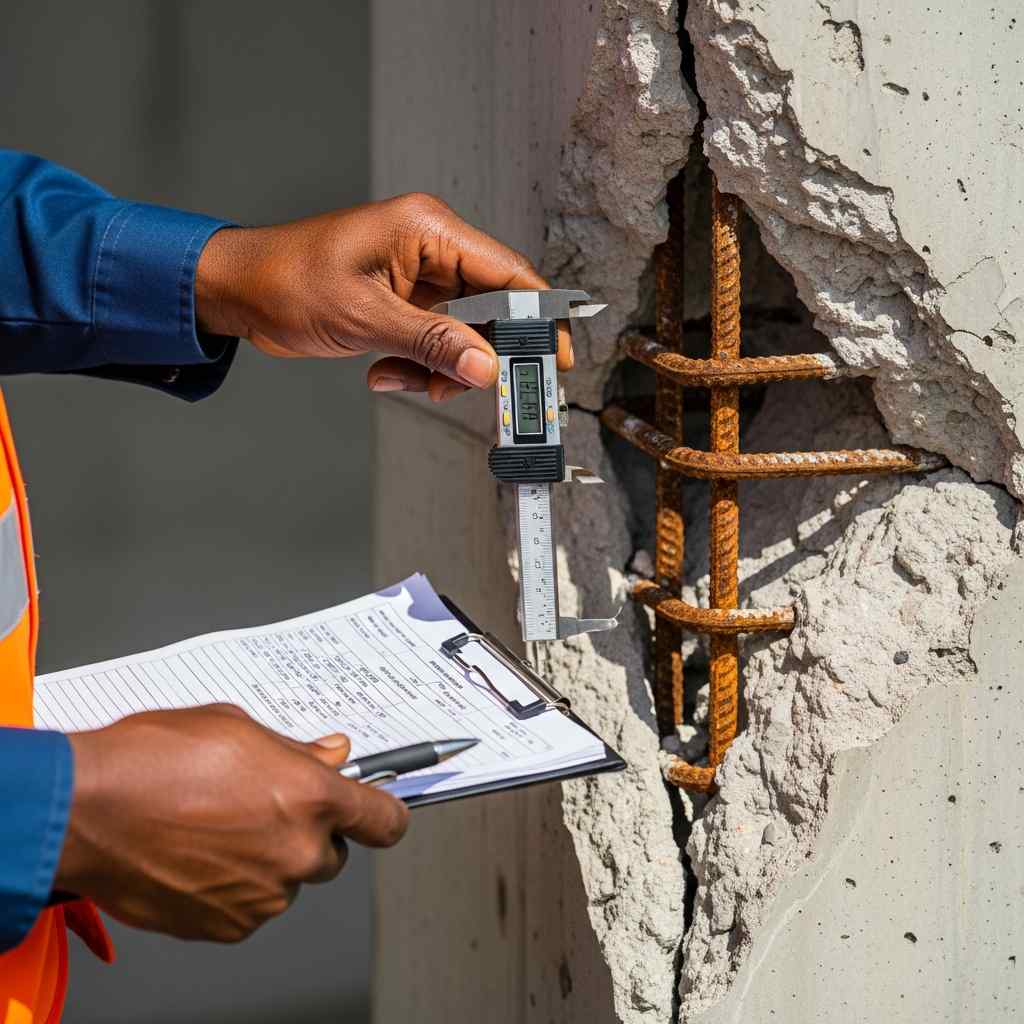
Can Technology Close the Gap?
The state is fully committed to a digital mandate. The upgraded EPPPS launched in March 2024 represents a shift. The goal is transparency and speed. It aims to be the single source of truth. Other technologies offer promise. Drone surveys could map sites. A central database could tag every building with a ID, tracking its plan and inspection history. The Lagos State Geographic Information System unit has the capability. The integration with building control remains a work in progress. Wait, it gets more complex. The real test is the human element. An inspector needs a tablet that connects in real time. He needs the authority to issue a stop-work order that the system enforces. The backend must talk to the front line. Without this, technology is just another silo.
“We are migrating to a fully digital workflow. The challenge is transitioning decades of paper records and changing a culture of manual processing.” , A senior official at LASPPPA, in a February 2026 briefing.
The Human Factor in Enforcement
Building control is ultimately a people-driven operation. Inspectors face intimidation and offers of bribes. The phrase ‘see me, see my people’ often applies. The political will to enforce uniformly is the most critical component. Training matters. A 2025 report by the Nigerian Institute of Building highlighted a shortage of certified inspectors in the public sector. The private sector pays more. Retaining expertise requires competitive pay. You cannot police complex engineering with underpaid staff. Public awareness forms another part. Many residents lack the knowledge to question their builder. They trust the professional. Community associations in some high-end estates hire independent engineers. This remains the exception.
The Financial Cost of Getting It Wrong
Collapses have a direct, tragic human cost. The economic cost is also staggering. A collapsed building is a total loss of capital. It damages neighboring properties. It disrupts businesses. Insurance penetration is low, so losses are absorbed by the owner. The state spends millions on emergency response and demolitions. These funds are diverted from infrastructure. The reputational damage to Lagos as a megacity has a long-term economic impact. Investors look for stability. Contrast this with compliance. The fee for a plan approval is a fraction of the project cost. Quality materials are a finite, calculable expense. The business case for building right is compelling. Yet short-term cash flow pressures obscure this logic.
A Look at Other Megacities
Lagos is not alone. Cities like Mumbai and Dhaka have grappled with similar challenges. The transformation of Singapore is a model. Its success relied on strict enforcement and a massive public housing program. The context of Lagos differs. The pace of migration is relentless. State capacity for public housing is limited. The informal economy drives construction. The solution must be homegrown. A system that works on the island might fail in the mainland. The National Building Inspectorate of Kenya, established after the 2016 Huruma collapse, offers a closer example. It centralized enforcement and created a public database. Its effectiveness over the past decade shows the commitment required.
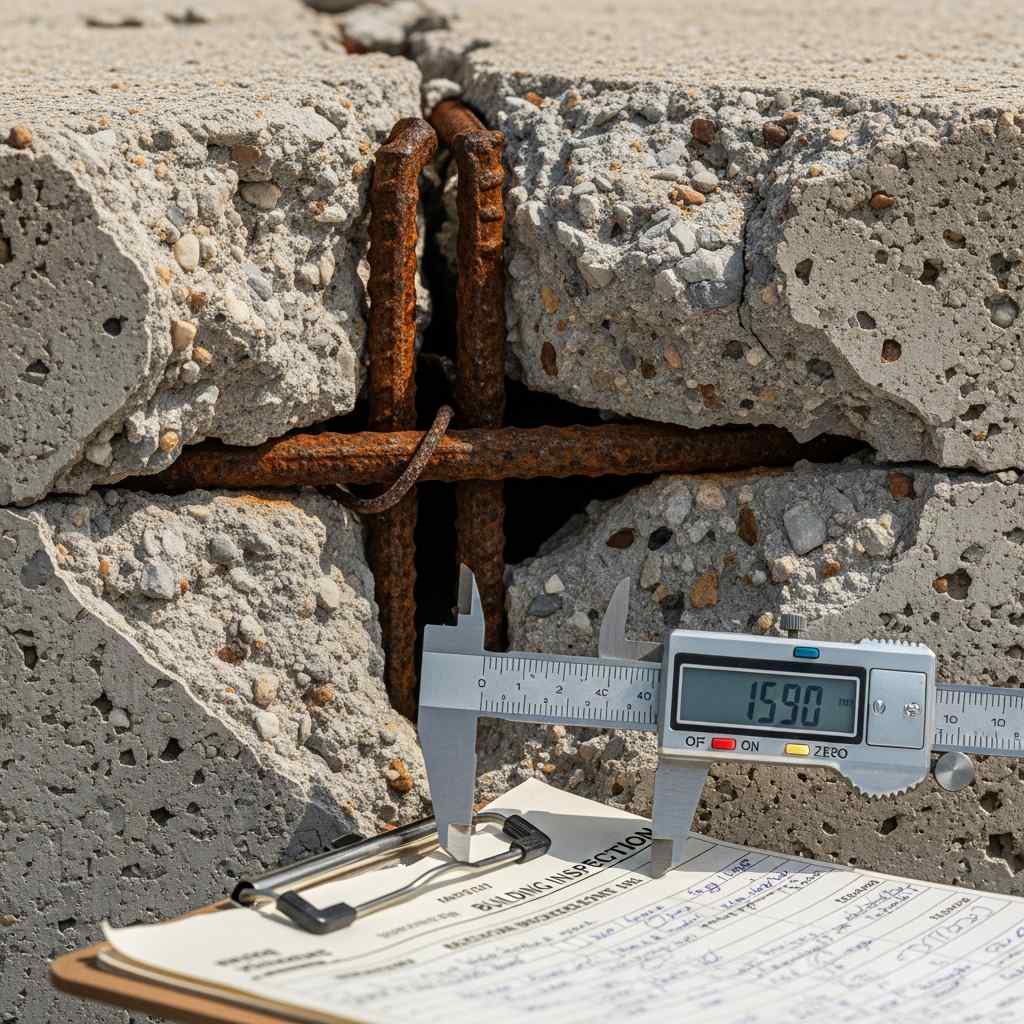
What Would Real Progress Look Like?
Progress starts with making the compliant path the easiest. Streamlining the permit process to deliver approvals within a guaranteed timeframe removes a major incentive for bypassing the system. Second, enforcement must become predictable. A public dashboard showing all approved plans and violation notices would empower residents and embarrass violators. Sunlight is a disinfectant. It also allows community monitoring. Third, the supply chain requires policing. The Standards Organisation of Nigeria and the Council for the Regulation of Engineering in Nigeria have roles. Random audits of material sellers would introduce risk for counterfeiters. The focus cannot only be on the builder.
Looking forward
Imagine this. Every new building project starts with a publicly displayed QR code. This code, issued with the permit, links to the approved plans, the names of the professionals, and the inspection schedule. Any neighbor could scan it. They could see what the building is supposed to be. They could report discrepancies anonymously. This turns every citizen into a stakeholder for the safety of buildings in Lagos. It moves regulation from a closed office into the street. The technology exists. The political will to mandate it is the missing ingredient. It would shift from guarding information to sharing it. In a city where everyone has a phone, this leverages the most distributed tool for accountability. The builder knows his plans are no longer hidden.
Where we go from here
The future of Lagos is under construction. The quality will determine the city’s resilience. The laws are written. The agencies are named. The technical knowledge exists. The task now is execution. It is the mundane, relentless work of inspection and certification. It requires insulating officers from pressure and temptation. It demands professionals uphold their ethics. The safety of buildings in Lagos is not a mystery. It is a choice. The choice between short-term convenience and long-term integrity. Every beam placed is a vote for the kind of city Lagos intends to become. The foundation for a safer city is compliance, poured one building at a time.
NGO creates awareness on child safety measures in Lagos , TVC News Nigeria. (Digital Illustration: GoBeyondLocal)
Government
The Delta State Government Commits N34 Billion to Police Infrastructure
Here is the thing. The Delta State Government is spending N34 billion. On police stations. Across 25 local areas. So here we are. A huge pile of money for concrete and tiles. What does it actually fix? The answer is not just in the bricks.
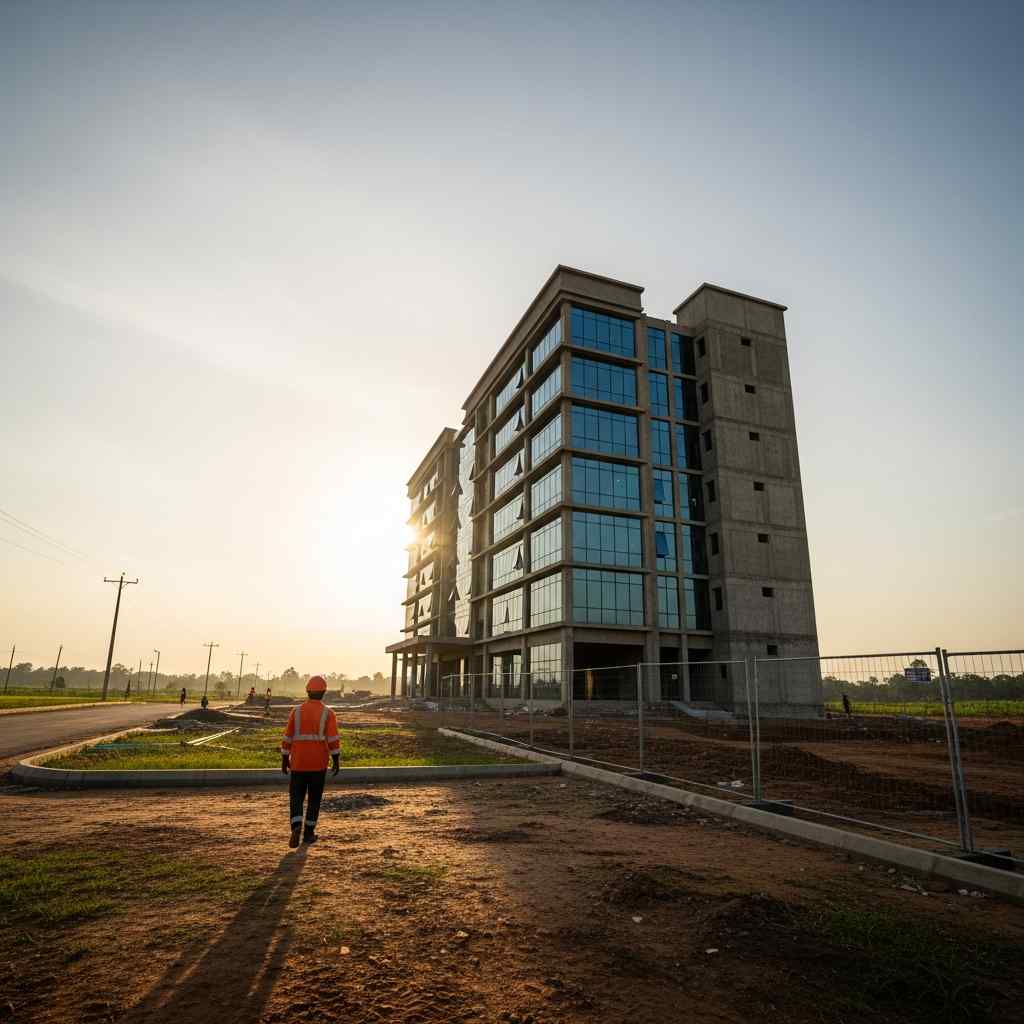
The Delta State Government Commits N34 Billion to Police Infrastructure
Published: 20 March, 2026
N34 billion. That is the sum Governor Sheriff Oborevwori has approved to build new police stations. The plan, announced during the presentation of the 2026 Appropriation Bill, is for a standard divisional headquarters in each of the state’s 25 local government areas. As Vanguard reported in March 2026, the governor framed it as a non-negotiable foundation for everything else.
So what is this money for?
The police allocation is a slice of a much larger pie. The total budget proposal for 2026 stands at N724.9 billion, christened the “Budget of Sustainable Development and Prosperity for All Deltans.” Within that, N397.5 billion is for capital projects. The N34 billion for police infrastructure sits firmly in that capital spending column, as noted by Premium Times.
Oborevwori’s argument is straightforward. You cannot attract investment or enable development without security. His solution is a fully equipped, modern police station in every LGA headquarters.
Why this matters now
The trouble is, the need is glaring. Kidnapping, communal clashes, and oil theft create a complex environment for law enforcement in the Niger Delta. Many existing police facilities are dilapidated and lack basic amenities.
A 2025 report by the Nigeria Police Force itself identified infrastructure deficits as a major impediment, citing poor offices, inadequate cells, and a lack of vehicles. ThisDay covered that report. The move by the Delta State Government is a direct intervention. Building 25 new headquarters at once is one of the largest single-state investments in police infrastructure in recent memory.
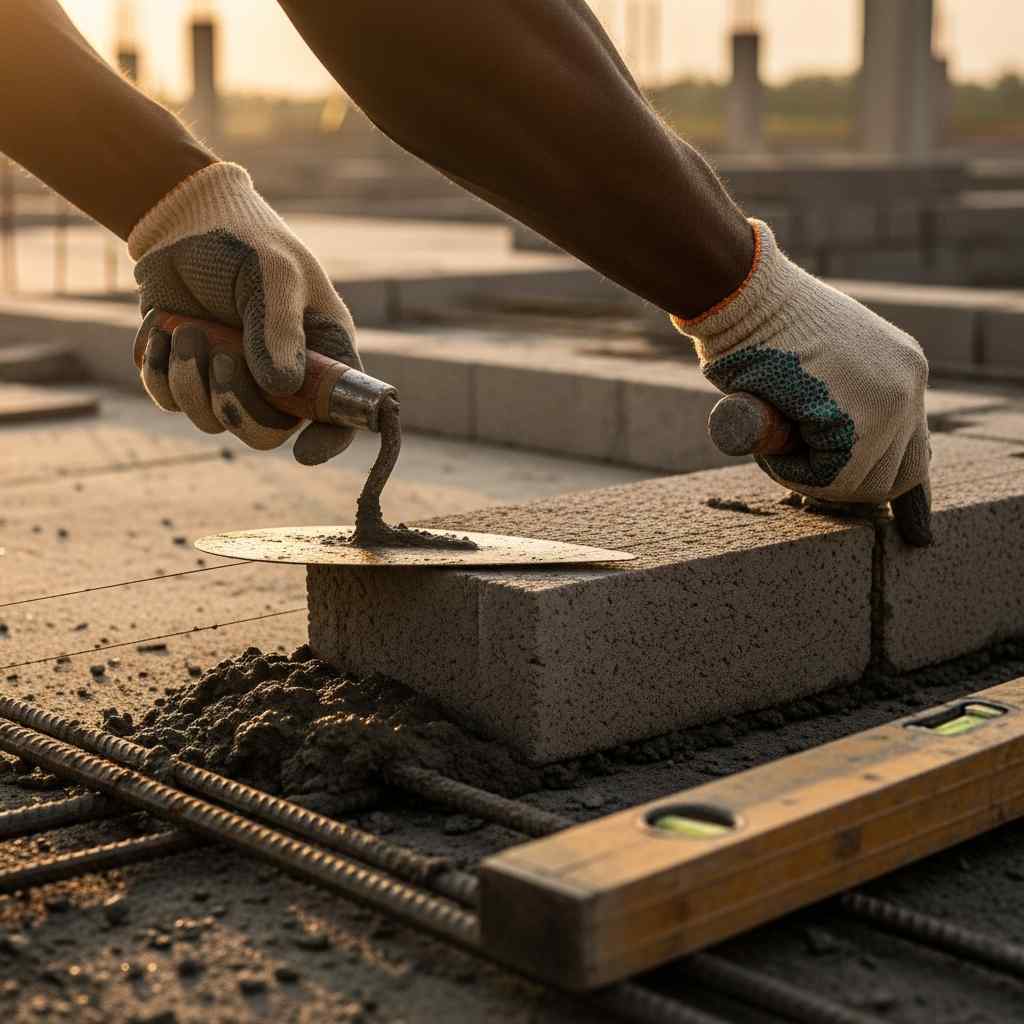
About the numbers
Do the maths. N34 billion for 25 projects gives an average cost of N1.36 billion per station. That figure alone raises questions. What exactly is a “standard” divisional headquarters here?
Contrast this with a project in Lagos State. In 2024, the state government completed a new divisional headquarters in Ikoyi. BusinessDay estimated that cost at roughly N850 million. The Delta budget is about 60% higher per facility.
But there is a catch. The state has provided limited public details. Commissioner for Works Charles Aniagwu told Leadership in 2026 that designs include modern offices, holding cells, barracks, and digital command centers. Staff housing and tech infrastructure likely explain the higher unit cost.
“This project goes beyond bricks and mortar. We are building institutions that will enhance the welfare of police officers and their operational efficiency. A motivated officer in a proper facility serves the public better.”
– Charles Aniagwu, Delta State Commissioner for Works, March 2026 (The Guardian)
The state of things right now
The total 2026 budget of N724.9 billion is up from N714.4 billion in 2025. The police project is about 4.7% of the total budget and 8.6% of the capital expenditure. This is not the only major project. The same budget funds the Ughelli-Asaba Road dualization, new buildings at the Delta State University of Science and Technology, and rural electrification.
The scale of the police investment shows its priority. It is an attempt to turn political rhetoric on security into concrete, measurable action.
The official response
This brings us to a constitutional quirk. The Nigeria Police Force is a federal institution. State governments have no direct operational control. This often creates friction.
Wait, it gets more complex. State investments in infrastructure offer a workaround. They can provide buildings and equipment, even if they don’t control the officers. The Lagos State Security Trust Fund, started in 2007, pioneered this model. Inspector-General of Police Kayode Egbetokun has welcomed Delta’s plan, calling it a “model of collaborative federalism” in a Daily Trust statement. But the success hinges on sustained funding for maintenance and utilities—a federal responsibility.
The procurement and timeline question
Governor Oborevwori said work would start in the second quarter of 2026, after the budget is passed. The timeline for all 25 headquarters is unspecified. Building simultaneously across multiple LGAs is a huge logistical challenge.
The state plans to use multiple contractors through an open bidding process run by the Delta State Bureau of Public Procurement. Commissioner for Finance Fidelis Tilije assured Premium Times the process would follow the law. Observers will watch the contract awards closely. Transparency here is a key test.
“We have a duty to ensure every kobo is accounted for. The Bureau of Public Procurement will publish details of the successful contractors and the contract sums. Deltans deserve to see how their money is spent.”
– Fidelis Tilije, Delta State Commissioner for Finance, March 2026 (ThisDay)
Where things stand today
Nigerians know grand announcements can stall. The gap between budget appropriation and cash release can be wide. Delta State’s own 2025 budget performance report showed a capital expenditure performance rate of 68% by December.
Funding for this N34 billion project depends on state revenue. Delta relies heavily on volatile monthly allocations from the Federation Account. Its internally generated revenue averaged N15.2 billion monthly in 2025. Then there are the common risks: cost overruns, contractor failure, community disputes over land. A project this spread out demands management—a known weakness in many state projects.
What this means for policing in Delta
Improved infrastructure can boost police morale and capacity. A station with reliable power, communications, and proper cells changes an officer’s daily reality. It can affect public confidence too.
But there is a catch. This addresses only one dimension. Effective policing needs trained personnel, intelligence, community trust, and swift justice. A new building alone solves none of that.
The ultimate impact hinges on the Nigeria Police Force in Abuja. Will it deploy more personnel? Establish new protocols to use these facilities? Those decisions are not Asaba’s to make.
Residents can track this. The Delta State Bureau of Public Procurement digital platform should publish tender notices and awards. Checking it quarterly creates public awareness.
People in each LGA can note the proposed site location. Visiting after contract awards to see if work has started is grassroots monitoring. Sharing these observations on community platforms keeps the conversation alive.
The N34 billion allocation is a bold statement. It recognises security as the bedrock. The path from budget line to 25 functional police stations will be long and fraught with Nigeria’s typical execution challenges. The promise of safer communities makes the effort necessary. The reality demands vigilant public scrutiny every step of the way.
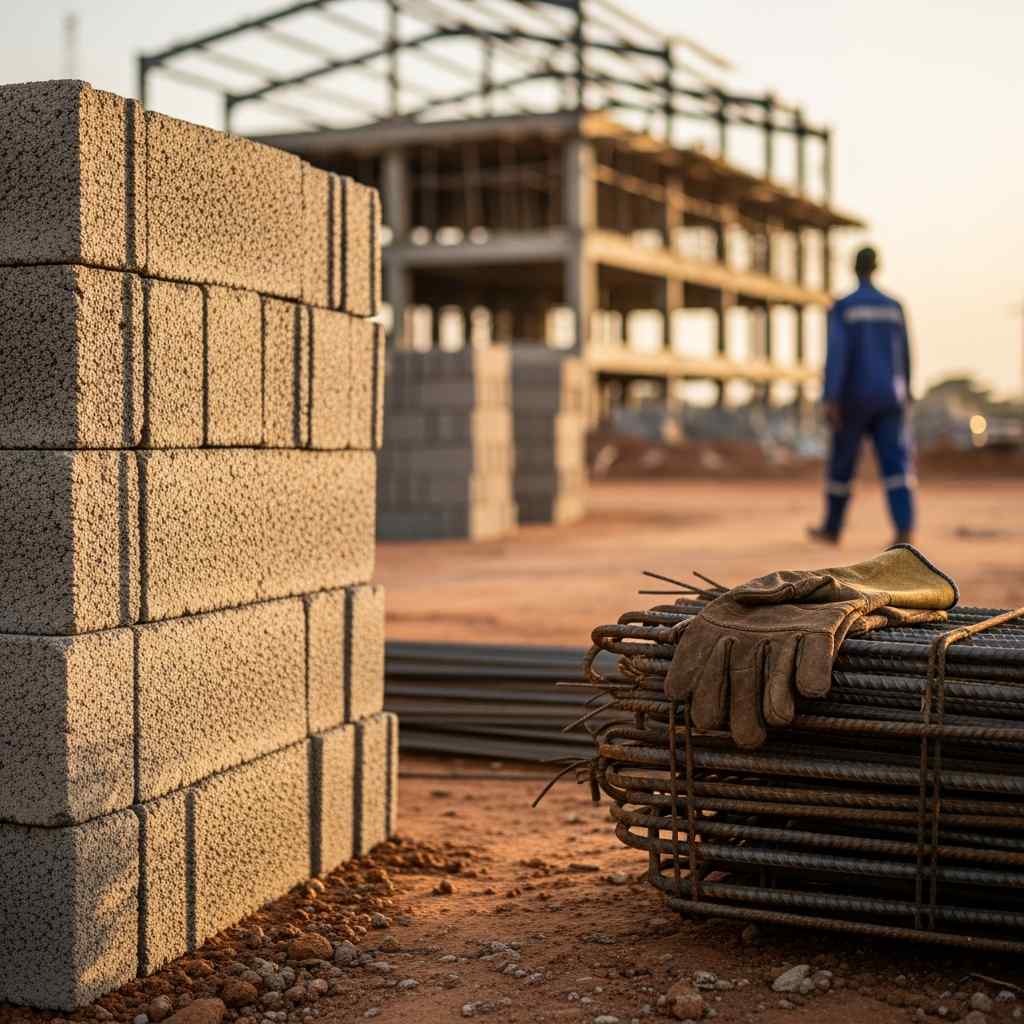
Top 10 Incredible Projects Transforming Delta State, Nigeria in 2025 – Tessy Cheers. (Digital Illustration: GoBeyondLocal)

Tailor Sews Identical Dress from 40-Year-Old Bible Photo in Asaba

Twins Share Single Heartbeat Born Years Apart

Tomi Adeyemi Film Deal Changes Nigerian Storytelling

Lola Shoneyin Builds a Literary Continent at Aké Festival

ADC Leads #OccupyINEC Protest in Abuja Over Party Derecognition

Opay vs Palmpay for International Payments in Nigeria 2026

Tope Awotona Among Wealthiest Tech Founders in the United States

NFF Reforms Segun Odegbami Demands After World Cup Failures

NIDCOM Sets Stage for NIDEC 2026 Economic Conference in Toronto

How to apply for land certificate at state land registry in Nigeria 2026

Kehinde Salami Africa Global Logistics Deputy Director Seaport Operations

Kenneth Etim on Cross River Development and Diaspora Investment

Internet Sovereignty: Why Some Countries Want Their Own Separate Internet

The Story Of The Nigerian Who Helped Build Global Internet Systems

Nigerian Hackers: The Global Fraud Story and Its Fallout

Forgotten Satellites Defy Silence, Beaming Signals for Decades

Your Digital Store in Nigeria and the Reality of Domain Expiration

The Phone Stay So Quiet: An Investigation into Nigeria’s Silent Customer Lines

The Business That Died: A Nigerian Case Study in Refusal to Adapt

Hiding Your Business From People With Money

How Nollywood Grew Without Government Support

Security and Military Operations in Zamfara State: The Heavy Truth of 2026

Nigeria Produces 67 Percent Global Yam Output

Comedy Industry in Nigeria and Its Economic Contribution

 Digital Sovereignty2 months ago
Internet Sovereignty: Why Some Countries Want Their Own Separate Internet
- Diaspora2 months ago
The Story Of The Nigerian Who Helped Build Global Internet Systems
- Crime2 months ago
Nigerian Hackers: The Global Fraud Story and Its Fallout
- Space Technology2 months ago
Forgotten Satellites Defy Silence, Beaming Signals for Decades
- E-Commerce2 months ago
Your Digital Store in Nigeria and the Reality of Domain Expiration
- Edutech Portal2 months ago
The Phone Stay So Quiet: An Investigation into Nigeria’s Silent Customer Lines
- Edutech Portal2 months ago
The Business That Died: A Nigerian Case Study in Refusal to Adapt
- Business2 months ago
Hiding Your Business From People With Money