Global Trade
Mini Importation Tips for Nigeria Duty-Free China Goods in 2026
Importing from China to Nigeria in 2026 means navigating Form M, a $300 duty-free threshold, and daily exchange rates. Success comes from understanding the real costs, finding reliable suppliers, and…

Mini Importation Tips for Nigeria Duty-Free China Goods in 2026
Published: 02 April, 2026
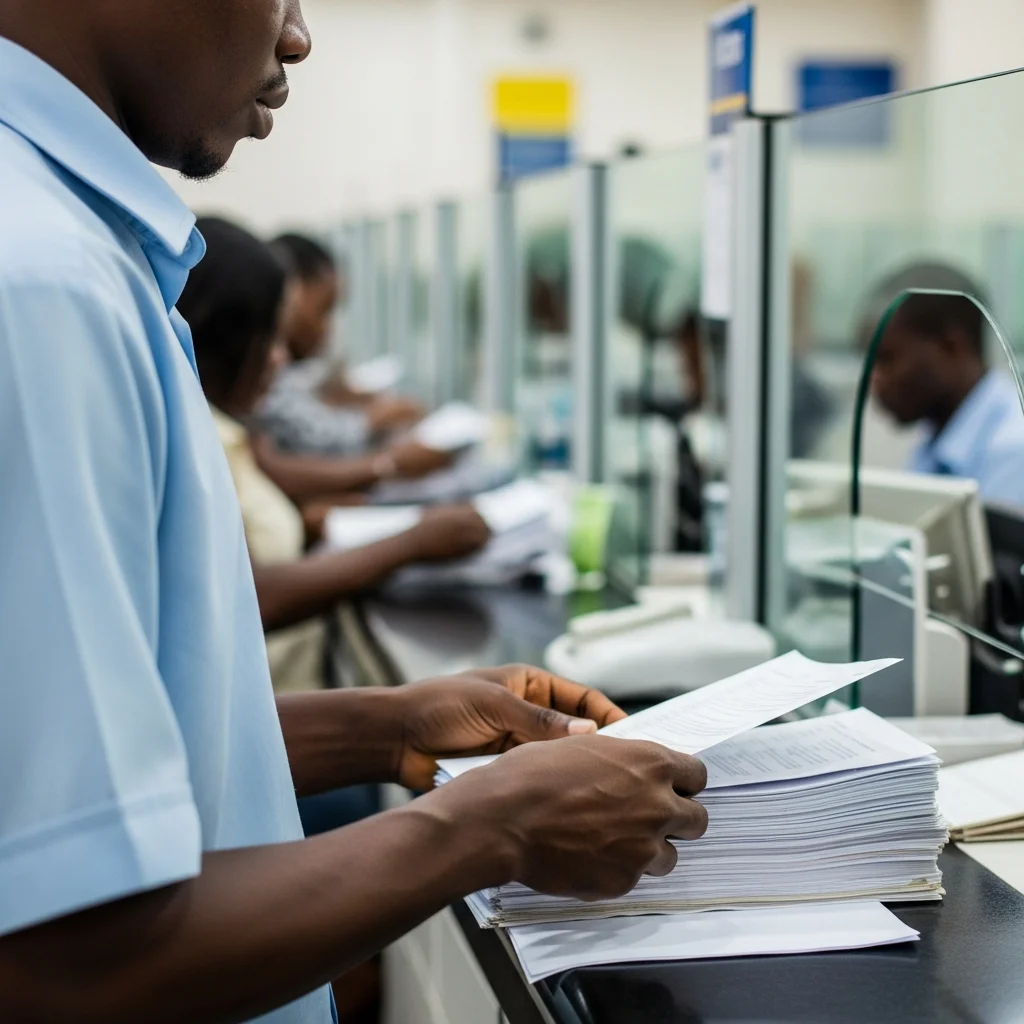
You have to start with a Form M, which is not a suggestion but a requirement from the Central Bank of Nigeria for every single import transaction you want to make. It is the first piece of paper in a long line of papers that will follow your goods from a factory in Guangzhou all the way to a shop in Lagos or a stall in Onitsha, passing through layers of regulation and logistical hurdles that have a way of multiplying when you are not looking. The promise of duty-free goods from China sounds simple enough when you are scrolling through Alibaba, but the reality involves navigating the official requirements of the trade system in Nigeria as it exists today, not as someone described it two years ago.
The law and the loophole
The Nigeria Customs Service works under the Customs and Excise Management Act, which does allow for duty exemptions on certain items if you know where to look. There was a major update in September 2025 when the service officially increased the duty-free threshold for imports to $300, a number designed to reduce paperwork for small-scale personal imports. For commercial imports, which cover most business activities, duties still apply in full, and the Finance Act of 2023 made it clear that finished consumer goods for resale rarely qualify for a full waiver. According to a notice from the Nigeria Customs Service in January 2026, all commercial imports require a formal assessment, so if you are a business owner bringing in goods valued at $500, you must process that Form M through your bank and prepare for the customs service to apply the correct duty rate for your product category.
Let us talk about money
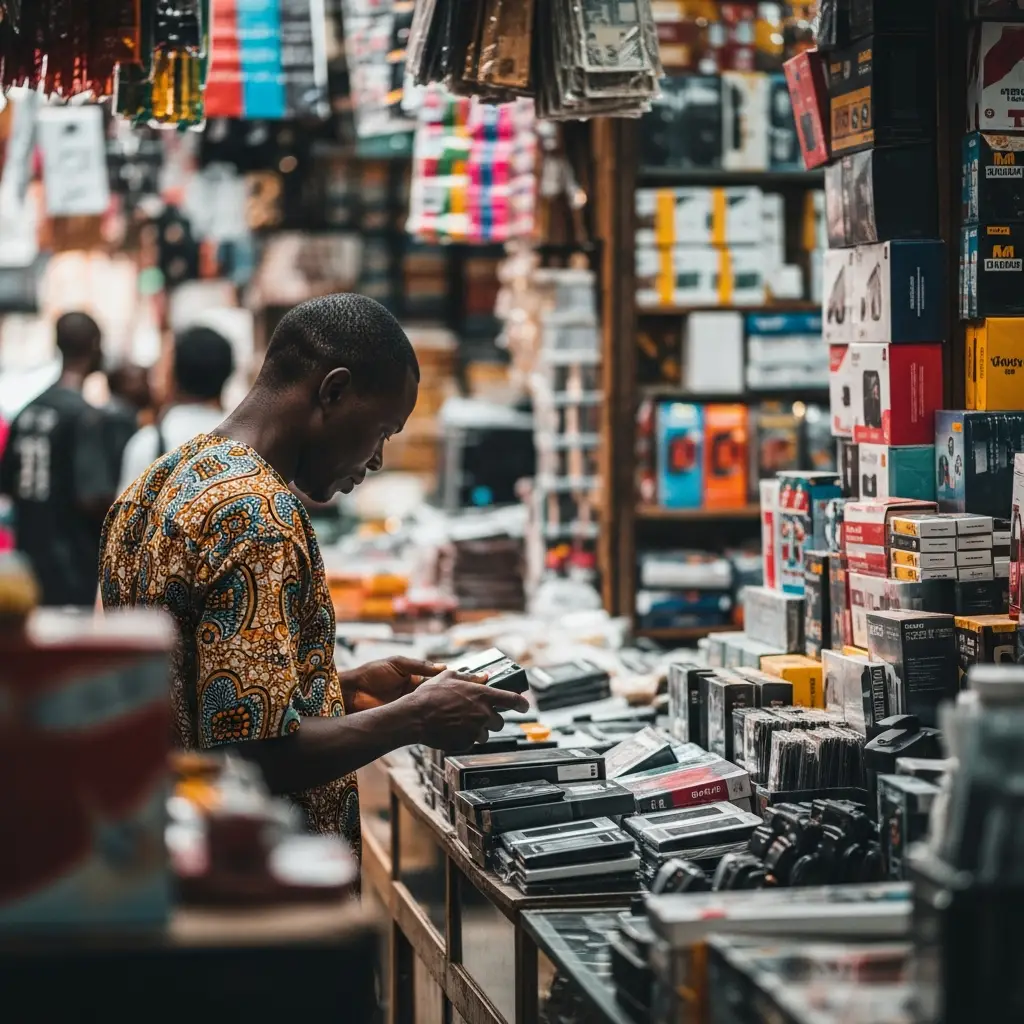
Imagine you find a supplier for 100 units of something that costs $200, and then international shipping to Lagos adds another $80, making your total Cost Insurance and Freight value $280. Since that is below the $300 threshold, it might qualify for a full duty exemption if customs classifies it as a personal consignment, but for commercial shipments above that mark, the math changes completely. The CIF value becomes the basis for the duty calculation, so if your product has a duty rate of 20%, you pay $56 right there, and then the Nigeria Customs Service charges a 7.5% Value Added Tax on the sum of the CIF value and the duty, which adds another $25.20. You still have not accounted for the 1% Comprehensive Import Supervision Scheme fee or the port handling charges and agent fees, which means the final landing cost for your $200 goods could easily exceed $400, making the idea of duty-free business imports a complex proposition indeed.
“The average effective tariff for non-oil imports into Nigeria stood at 18.7%.”
– BusinessDay, March 2026
Your first line of defense
Proper product classification offers the best chance to minimize your customs liability because the Harmonized System code for your goods determines the duty rate, and a generic code like ‘plastic articles’ carries a higher duty than a specific code for ‘educational toys’. You should work with a licensed customs agent who understands the tariff schedule and can advise on the most accurate code, which requires you to provide detailed descriptions and photographs. Ensure your proforma invoice from the Chinese supplier is detailed and accurate, listing each item with its quantity and unit price, because vague descriptions invite higher assessments from customs officers who have seen it all before.
There is also a specific Form Q from the Central Bank of Nigeria, sometimes called the “Small-scale Business Enterprise” Form M, which allows small importers to access up to $20,000 per quarter at the official exchange rate, and that is a game-changer for mini-importers who previously struggled to get forex. Documentation presents your shield, so you need the Form M, a valid supplier invoice, a packing list, and a bill of lading, because incomplete paperwork causes delays at the port that incur demurrage charges which increase your costs daily.
Speed or savings

Air freight delivers speed, getting a package from China to Nigeria in 5 to 10 days, but the cost per kilogram remains high, making it suitable for high-value, low-weight items like phone accessories. Sea freight takes 30 to 45 days from Shenzhen to Apapa Port, trading time for a significantly lower cost per unit that works for bulkier goods like cartons of shoes or boxes of kitchenware. A third option exists with courier companies like DHL operating under Delivered Duty Paid procedures, where they handle clearance and bill you a flat rate, simplifying the process for beginners who do not want the headache. The choice depends entirely on your business model, whether you need fast inventory turnover for flash sales or have more time to plan for a physical store.
The currency puzzle
Chinese suppliers want payment in United States dollars while you have Naira in your Nigerian bank account, and the official exchange rate for trade transactions comes from the Central Bank of Nigeria window. As of April 2026, the Nigeria Customs Service exchange rate for duty is no longer static but adjusted almost daily via the B’Odogwu digital system to reflect market rates, fluctuating between N1,360 and N1,450 per dollar for customs valuation. Your bank becomes a partner when you apply for a Form M, and for small-scale importers, that Form Q allows access to up to $20,000 per quarter at the official rate through the Central Bank’s online Trade Monitoring System. You should plan for the exchange rate in your costing with a conservative estimate for when your goods clear customs, building a buffer into your selling price to protect your profit margin from currency fluctuations that have a mind of their own.
Finding someone you can trust
Online platforms like Alibaba host millions of suppliers, and you should look for one with a ‘Gold Supplier’ badge and trade assurance, which indicates they passed verification checks by the platform. Request samples before placing a large order and pay for them yourself because that cost is an investment in quality control that lets you inspect the product and verify its packaging. Communicate your requirements clearly using simple English and confirm every detail in writing before making any payment, especially since some suppliers have English-speaking staff while others require translation tools. Payment methods carry different levels of risk, with Trade Assurance on Alibaba holding your payment in escrow until you confirm receipt, while direct wire transfers offer less protection, so it is wise to start with small orders to build trust with a new supplier.
When your goods arrive
The shipping line notifies you or your agent, who then retrieves the documents and submits them with the Form M to the Nigeria Customs Service for assessment. Customs examines the shipment either physically or via scanning, checking the contents against your declared documents, and any discrepancy leads to queries and potential penalties that you do not want. After assessment, your agent receives a duty bill that you pay along with other charges before presenting proof of payment to customs for the release of your goods. The entire clearance process takes a minimum of 7 days for a straightforward shipment, but complex ones or those with documentation issues take longer, and each extra day at the port adds demurrage charges that quietly eat away at your profit.
Common traps to avoid
Under-declaring the value of goods presents a major risk because customs officers have reference prices for common items, and a declaration of $1 per unit for smartphones invites a detailed inspection and a hefty penalty that makes honesty look cheap. Mis-describing products to attract a lower duty rate constitutes fraud with penalties that include seizure of the goods, payment of the correct duty plus a fine, and potential prosecution, so the short-term gain from cheating never outweighs the long-term risk. Choosing the cheapest shipping option without insurance is a gamble when cargo gets lost or damaged, making marine insurance a necessary business expense that costs a small percentage of the cargo value for financial protection. Failing to factor in all costs leads to underpricing when many importers calculate only the product cost and shipping, forgetting duties, taxes, agent fees, port charges, and local transportation, so your selling price must cover every expense and still leave a profit.
The one thing to do today
Open a dedicated business bank account because mixing personal and business finances creates confusion that complicates record-keeping for taxes and makes it difficult to track the true profitability of your import business. A separate account simplifies everything by letting you channel all import-related income and expenses through one place, providing a clear financial trail that is useful for applying for loans or dealing with tax authorities. This account also builds a banking relationship where a consistent transaction history makes you look like a serious business operator, which helps when you need to access trade finance facilities in the future. It is a simple step that takes an afternoon but saves you countless headaches down the road, and sometimes the most practical advice is the least exciting to hear.
You look at the numbers again, the thresholds and the tariffs, and you realize the system is not designed to be simple but to be navigated by those who take the time to understand its contours. The goods will come, one way or another, and your story will be written in customs forms and bank statements, in the quiet calculation of margins that must hold against the tide of regulation.









Ancient Rock Art Traditions Endure in Igbara Oke Caves

Palm Wine Tapper Climbs Same Tree That Killed His Father in Ozoro

Hunter Hears Dead Brother Whistle in Ganye Forest Mystery

Farmer Plants Yam That Grows Downward to Water Table in Drought

She Kept Asking and They Kept Moving Her in Nigeria

Global Food Prices Rose 2.4% in March 2026

Chigozie Obioma International Booker Prize 2026

Jidenna Pan African Sounds Latest Musical Project 2026

Hakeem Oluseyi Brings Astrophysics to Classrooms Worldwide

NANS Diaspora Nigerian Students Eastern Europe

Nnamdi Asomugha From NFL Cornerback to Hollywood Producer

Folake Olowofoyeku Stars in American Sitcom on Nigerian Family Life

Internet Sovereignty: Why Some Countries Want Their Own Separate Internet

The Story Of The Nigerian Who Helped Build Global Internet Systems

Nigerian Hackers: The Global Fraud Story and Its Fallout

Forgotten Satellites Defy Silence, Beaming Signals for Decades

The Phone Stay So Quiet: An Investigation into Nigeria’s Silent Customer Lines

Your Digital Store in Nigeria and the Reality of Domain Expiration

The Business That Died: A Nigerian Case Study in Refusal to Adapt

Hiding Your Business From People With Money

How Nollywood Grew Without Government Support

Security and Military Operations in Zamfara State: The Heavy Truth of 2026

Moniepoint Business Account Requirements Nigeria for SMEs 2026

Comedy Industry in Nigeria and Its Economic Contribution


 Digital Sovereignty8 months ago
Internet Sovereignty: Why Some Countries Want Their Own Separate Internet
- Technology & Innovation8 months ago
The Story Of The Nigerian Who Helped Build Global Internet Systems
- Crime8 months ago
Nigerian Hackers: The Global Fraud Story and Its Fallout
- Space Technology8 months ago
Forgotten Satellites Defy Silence, Beaming Signals for Decades
- Maritime8 months ago
The Phone Stay So Quiet: An Investigation into Nigeria’s Silent Customer Lines
- Business8 months ago
Your Digital Store in Nigeria and the Reality of Domain Expiration
- Business8 months ago
The Business That Died: A Nigerian Case Study in Refusal to Adapt
- Business8 months ago
Hiding Your Business From People With Money