Sports Governance
NFF Reforms Segun Odegbami Demands After World Cup Failures
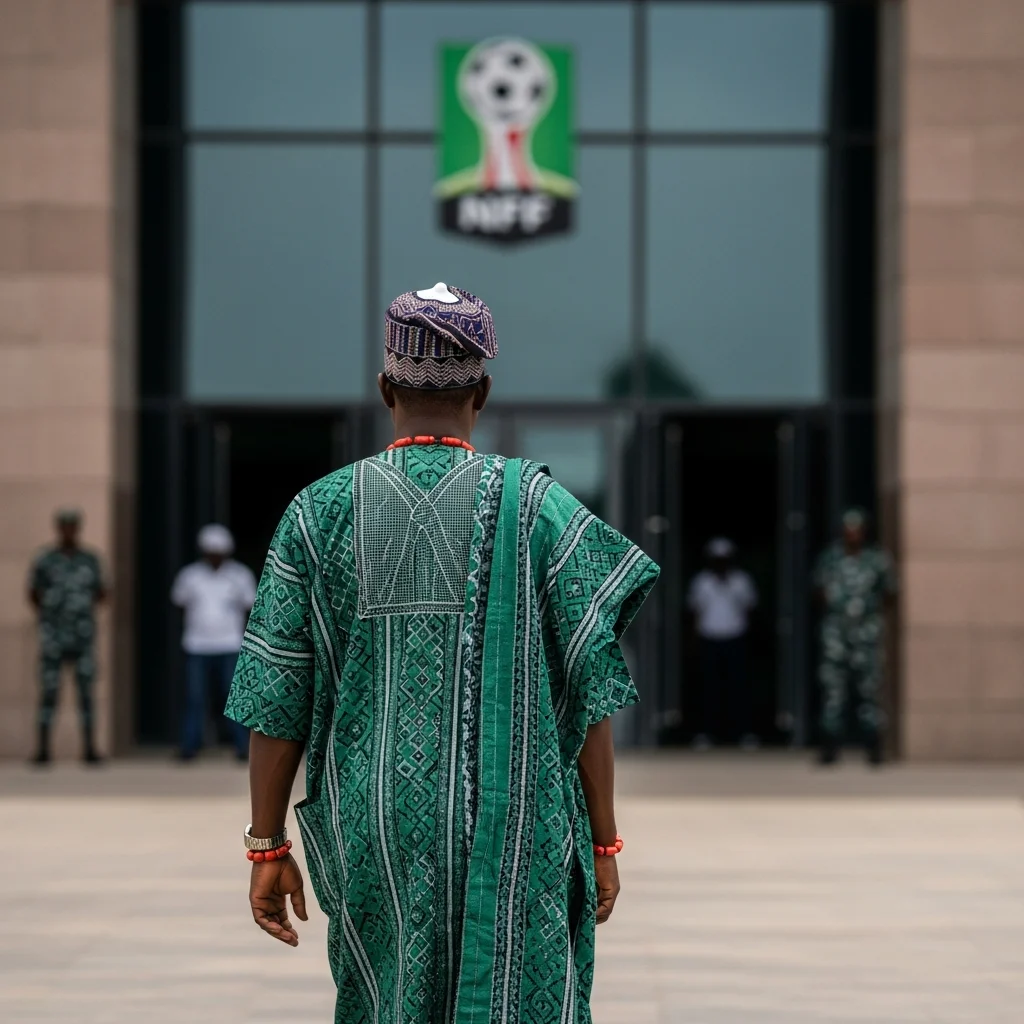
Segun Odegbami has seen enough failure. The football legend is taking the NFF to court, demanding a constitutional overhaul before another election. It is a big idea for a broken system.

NFF Reforms Segun Odegbami Demands After World Cup Failures
Published: 06 April, 2026
Timothy Fayulu was brought on in the sixth round of penalties for one specific reason. The DR Congo goalkeeper had a job to do in Rabat on November 16, 2025, and he did it perfectly when Semi Ajayi stepped up to take his kick. You know what happened next. The save was made, the winning penalty was buried by Chancel Mbemba, and the Super Eagles lost 4-3 in a shootout after a 1-1 draw. That is how you miss your second consecutive World Cup by a single point in the group, finishing with 17 points while South Africa had 18. It is a slow, painful way to fail, and it leaves a generation of brilliant players like Victor Osimhen and Ademola Lookman watching the tournament on television with the rest of us.
The Man Who Stopped Asking
Segun Odegbami has seen enough of this. The former national team captain is not blaming the players or the coach this time, because he is looking past them at the house itself and saying the foundation is rotten. He spoke to The Guardian Nigeria in the aftermath and wrote a column in Vanguard on April 4, 2026 with the clarity of a man who has finished being polite. He is nursing a plan to go to the civil courts to halt the elections for the executive committee of the Nigeria Football Federation, which are scheduled for September 26, 2026. He wants everything stopped until someone examines the constitution of the federation and decides if it actually works for the football of this country.
“The problem is the system. The Nigeria Football Federation operates without a clear philosophy for development. Administration becomes an end in itself, disconnected from technical results.”
– Segun Odegbami, former Super Eagles captain, in The Guardian Nigeria, March 2026.
His criticism is not about a recent coach or a bad player selection. It is about a governance model that seems to care more about political survival than about winning football matches. He suggests the federation functions like a government parastatal where electoral cycles influence technical decisions and nobody plans for next year because they might not be there. In his column, he wrote that the constitution is not cast in stone and should capture the best interests and laws of Nigeria, not some faulty system that has been ignorantly normalized since the mid-1990s. It is a big idea, and it requires a wrecking ball, not a fresh coat of paint.
Money and Its Mysterious Path
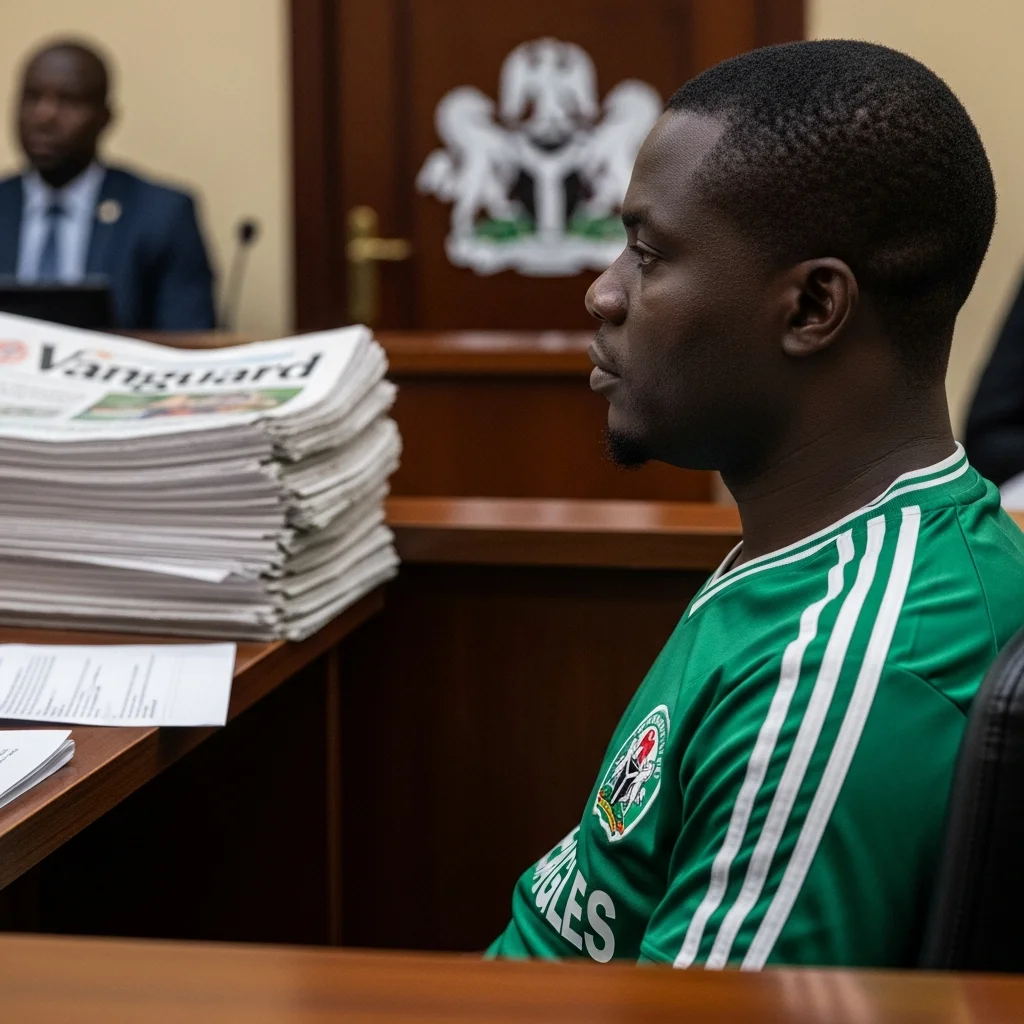
You have to talk about the money, because financial transparency is the ghost that has haunted this federation for years. The NFF Congress approved a budget of N17.6 billion for 2025 during their General Assembly in Asaba, which is roughly $10.6 million and was meant to fund the World Cup qualification and the AFCON. Funny thing, that total is more than the entire national sports budget of N12.7 billion for the same year, boosted by grants from FIFA and CAF. Yet you rarely see audited financial statements published for people to look at, and reports highlight outstanding debts to former coaches and players from different administrations. This creates a lovely climate where coaches work not knowing when they will be paid and players sometimes stop training to demand their allowances, which they did just before that DR Congo match in Rabat.
A League at War With Itself
Any real reform has to look at the Nigeria Premier Football League, because that is where the talent should come from. The league signed a broadcast and data deal valued at ₦2.14 billion over five years in November 2025, which was meant to modernize everything. Then in January 2026, the NPFL banned the Lekan Salami Stadium from hosting matches because the pitch was unsuitable for television broadcast. Niger Tornadoes threatened to withdraw when their home stadium was declared unfit too. So you have a league that signs a deal to air matches on television, but the stadiums are not fit for television. The gap between ambition and the actual ground is a canyon you could lose a team in, and it means the local league weakens while players leave younger and the national team suffers for it.
The Tallest Hurdle
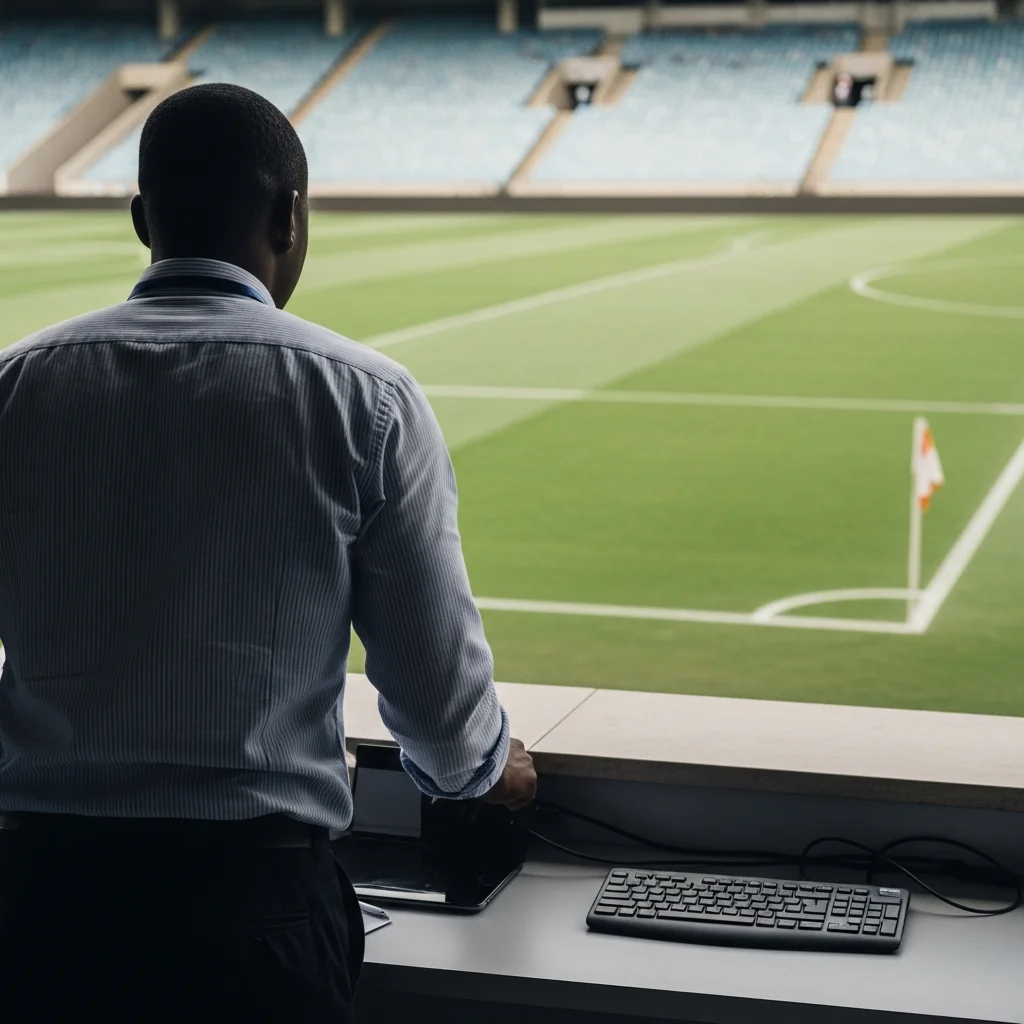
The political problem is the biggest one, because the current leadership was elected in 2022 and any constitutional change needs a vote from the congress. The delegates to that congress represent state FAs and leagues and other stakeholders who often have a vested interest in the way things are right now. Change threatens their networks, and the National Sports Commission cannot impose reform due to FIFA rules against government interference. It creates a perfect little paradox where the entity that needs to be reformed controls the process for reforming itself. External pressure from fans and legends like Odegbami becomes the only real catalyst, which is why he is preparing his legal challenge after the NFF approved amendments in Yenagoa that some stakeholders called insufficient. The courts might decide the future of Nigerian football before the voters do, and wouldn’t that be something.
So you sit with your drink and think about it. A generation watches from the sidelines, a legend goes to court, and a system designed for something else keeps producing the same result. The math is simple, but the solution is not, and the empty seats in the stadium have a lot to say about how much patience is left.


Ancient Rock Art Traditions Endure in Igbara Oke Caves

Palm Wine Tapper Climbs Same Tree That Killed His Father in Ozoro

Hunter Hears Dead Brother Whistle in Ganye Forest Mystery

Farmer Plants Yam That Grows Downward to Water Table in Drought

She Kept Asking and They Kept Moving Her in Nigeria

Global Food Prices Rose 2.4% in March 2026

Chigozie Obioma International Booker Prize 2026

Jidenna Pan African Sounds Latest Musical Project 2026

Hakeem Oluseyi Brings Astrophysics to Classrooms Worldwide

NANS Diaspora Nigerian Students Eastern Europe

Nnamdi Asomugha From NFL Cornerback to Hollywood Producer

Folake Olowofoyeku Stars in American Sitcom on Nigerian Family Life

Internet Sovereignty: Why Some Countries Want Their Own Separate Internet

The Story Of The Nigerian Who Helped Build Global Internet Systems

Nigerian Hackers: The Global Fraud Story and Its Fallout

Forgotten Satellites Defy Silence, Beaming Signals for Decades

The Phone Stay So Quiet: An Investigation into Nigeria’s Silent Customer Lines

Your Digital Store in Nigeria and the Reality of Domain Expiration

The Business That Died: A Nigerian Case Study in Refusal to Adapt

Hiding Your Business From People With Money

How Nollywood Grew Without Government Support

Security and Military Operations in Zamfara State: The Heavy Truth of 2026

Moniepoint Business Account Requirements Nigeria for SMEs 2026

Comedy Industry in Nigeria and Its Economic Contribution


 Digital Sovereignty8 months ago
Internet Sovereignty: Why Some Countries Want Their Own Separate Internet
- Technology & Innovation8 months ago
The Story Of The Nigerian Who Helped Build Global Internet Systems
- Crime8 months ago
Nigerian Hackers: The Global Fraud Story and Its Fallout
- Space Technology8 months ago
Forgotten Satellites Defy Silence, Beaming Signals for Decades
- Maritime8 months ago
The Phone Stay So Quiet: An Investigation into Nigeria’s Silent Customer Lines
- Business8 months ago
Your Digital Store in Nigeria and the Reality of Domain Expiration
- Business8 months ago
The Business That Died: A Nigerian Case Study in Refusal to Adapt
- Business8 months ago
Hiding Your Business From People With Money