Digital Finance
Cheapest Way to Send Money from Nigeria to Ghana 2026
Sending money to Ghana used to mean high fees and long waits. Now, new fintech apps can move your naira into a Ghanaian mobile wallet in seconds for a fraction of the old cost. Here is how the…

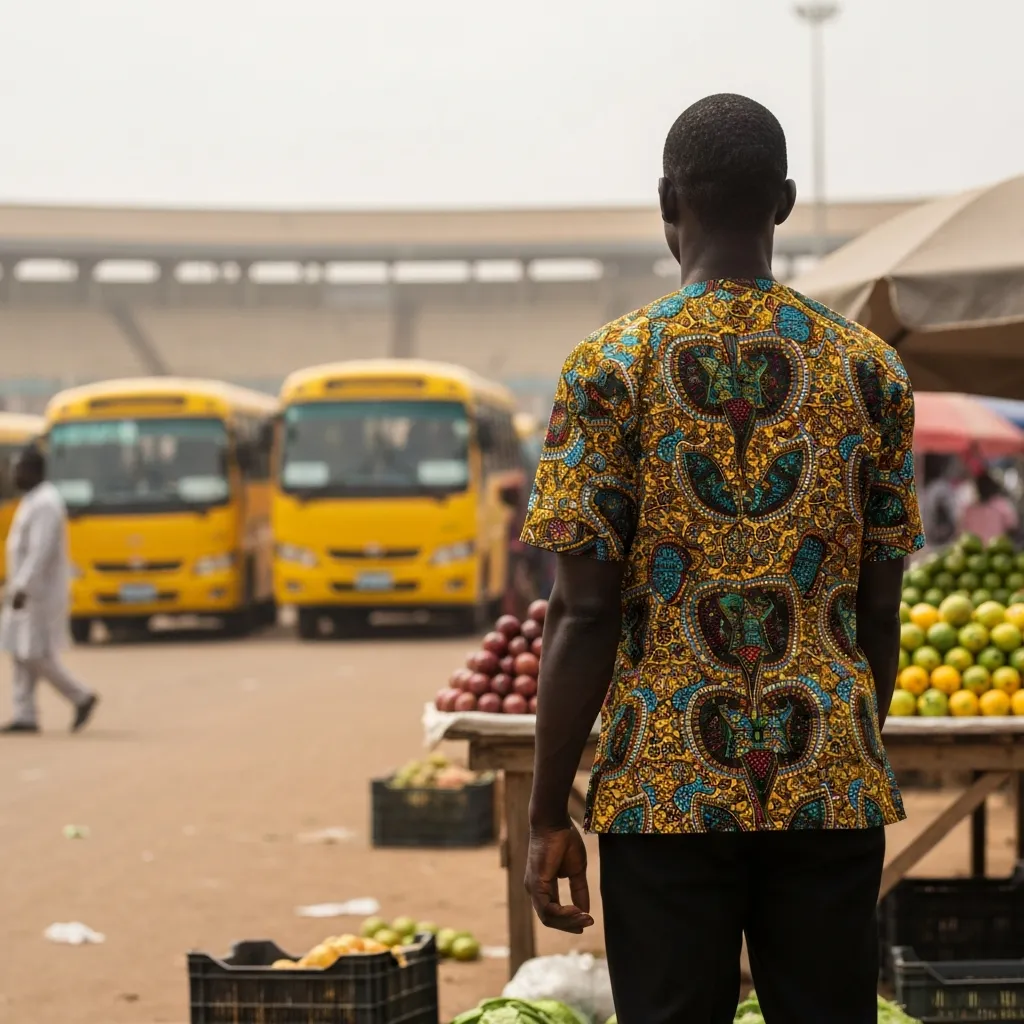
Cheapest Way to Send Money from Nigeria to Ghana 2026
Published: 31 March, 2026
N100,000 is a familiar figure, the kind of sum you might need to send across the border for family or business, and you would prefer it arrived mostly intact. The old way involved queues and paperwork that felt like a special tax on your own money, but a quiet shift happened while everyone was looking elsewhere. A report from the World Bank noted the average cost to send money within Africa dropped to 7.4%, down from over 8.9% in 2020, which is not a dramatic headline but the kind of change you feel in your pocket. New companies looked at the old price and decided it was simply too high.
The Banks and Their Quiet Tax
You need to know what you are avoiding, so let us start with the way things were. Walking into a typical Nigerian bank to send that N100,000 to Ghana might incur a fee of N5,000 or more before they even begin, and then they use their own exchange rate which adds another hidden layer of cost. The person on the other end receives fewer cedis than they should, and data from Nairametrics showed sending $200 this way could consume about 12% of the total when everything is included. For a student’s upkeep or a small business payment, that is not a fee but a significant loss, and the process itself demands your time and documents at a branch. It remains the reliable but expensive choice for when the amount is so large that security is your only concern.
The Bridge on Your Phone

The change arrived with the mobile phone, as these things often do. In Ghana, wallets like MTN MoMo and Vodafone Cash are as common as roadside shops, and fintech companies here saw that landscape and built a digital bridge straight to it. You fund an app with naira from your account, type in a Ghanaian mobile number, and the money becomes cedis in a wallet within minutes. A study by TechCabal in 2025 found these fintech transfers between our two countries grew by over 300% in just two years, which means people are using it not just because it is clever but because it finally makes sense.
Let Us Talk Real Numbers
So what does it actually cost? I looked at a transfer of N50,000 because it is a useful, everyday amount. The old-school money transfer operators like Western Union or MoneyGram might charge between N3,500 and N4,500 for that, which is not trivial, while a service like Wise is better for bank accounts with a fee around N1,850. Then you have the Africa-focused apps where Chipper Cash often promotes zero fees, making its money on the exchange rate so the total cost to send N50,000 instantly could be under N1,000. Send by Flutterwave quotes fees below 1.5%, which came to about N750 in a test, and the money arrives in a Ghanaian mobile wallet in seconds. It feels less like a transfer and more like a conversation.
“The future of intra-Africa remittance is digital, direct, and domiciled on mobile phones. The cost of moving money should be a rounding error, not a barrier.”
– Bosun Tijani, Minister of Communications, Innovation and Digital Economy of Nigeria, at the Africa Fintech Summit, October 2025.
The Magic Trick of Exchange Rates
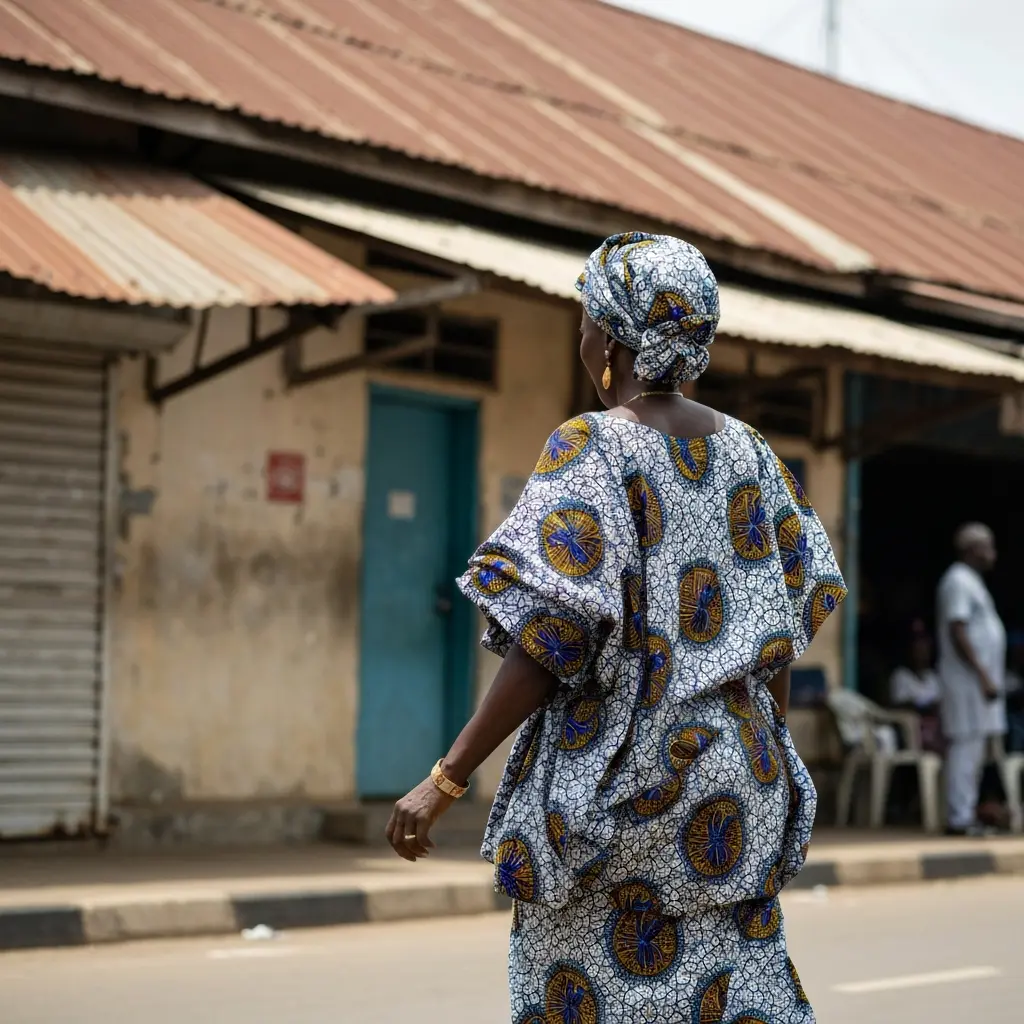
Here is the thing you must watch, though. The fee is only half the story because the real magic trick happens in the exchange rate, where every service buys your naira and sells cedis at a spread that becomes their profit. A platform shouting about zero fee might have a less generous rate, while one with a small fee might use a rate much closer to the real market value. Your only job is to look at the final number, the exact amount of cedis your recipient will get, which any decent app shows you before you tap confirm. Compare that to the mid-market rate on Google, do the quick math in your head, and you will know exactly what the bridge toll really is.
A Simple Test for You
The easiest way to know for sure is to run your own experiment. Download two apps, like Chipper Cash and Send by Flutterwave, and complete the verification with your BVN and ID. Then pretend you are sending N20,000 to a number in Ghana, and each app will show you the fee and the exact cedis to be delivered. Pick the one that gives more cedis because the whole process, from download to sending, might take fifteen minutes. It gives you real-time answers that no article can ever provide since the rates change by the minute.
Where the Money Flows Now
The bottom line is that the cheapest path for your money in 2026 is through a licensed fintech app straight to a mobile money wallet. Sending N50,000 can now cost below 2% of the value, which is a fraction of the old bank charges, and this is not just a technical detail. It is what lets a trader in Alaba pay a supplier in Ghana without losing sleep, or a family support a student at the University of Ghana without losing too much money along the way. The digital bridge is built, and for now, the toll is pleasingly low. The money moves with the speed of a thought, and it seems the only thing that got left behind in the old system was the high cost itself.





Digital Finance
Opay vs Palmpay for International Payments in Nigeria 2026
You have the money in your phone, ready to send abroad. The hard part is choosing between Opay and Palmpay. The buttons hide, the rates shift, and the quiet panic begins. Here is how to navigate it.
Opay vs Palmpay for International Payments in Nigeria 2026
Published: 07 April, 2026
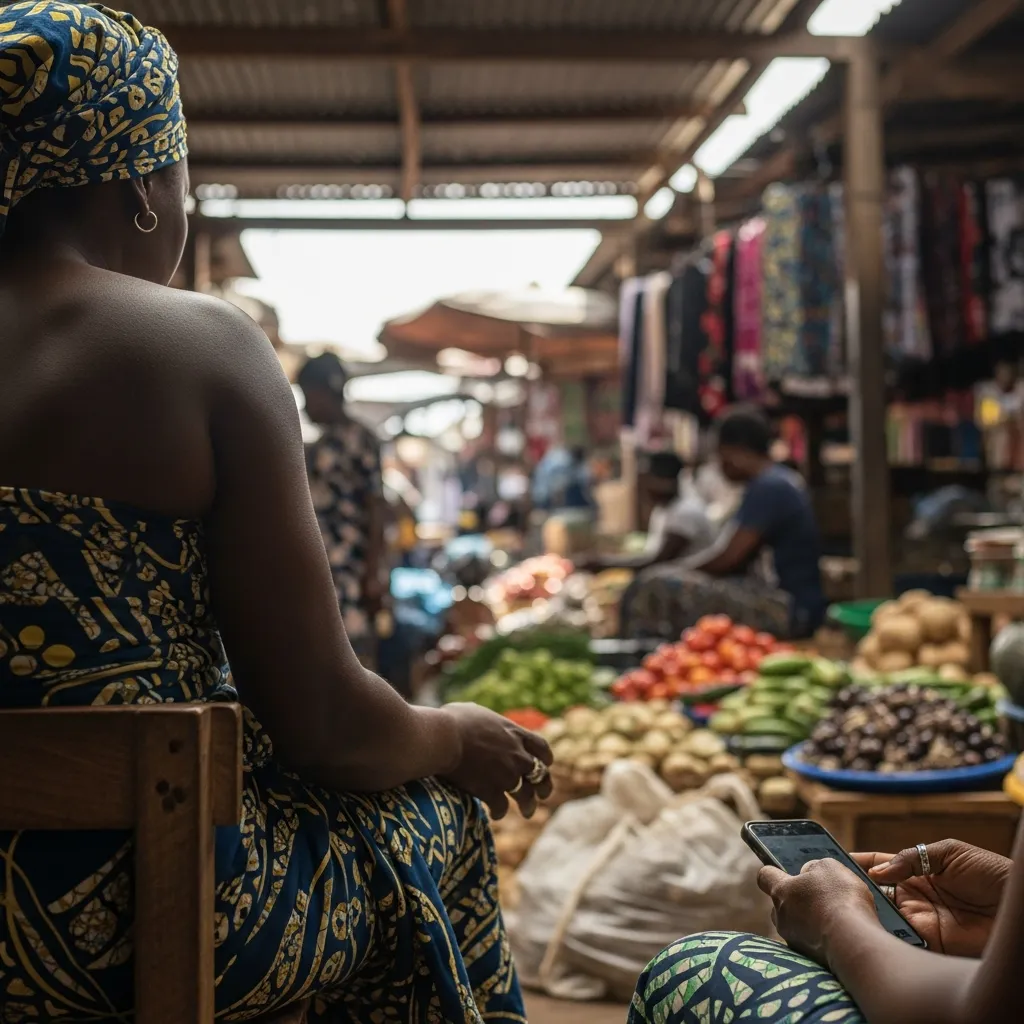
₦500,000 is a lot of money to send anywhere, let alone across an ocean to a student in Canada, and you would think the hardest part would be finding it in the first place. The real trouble begins when you have it sitting in your phone, ready to go, and you need to choose which of the two little icons on your screen will actually deliver it. You open Opay and Palmpay, those familiar friends who helped you buy airtime last week, and you start looking for the button that promises to make your naira turn into dollars or pounds. Sometimes it is right there, bold as brass, and other days it has vanished completely, leaving behind only a polite message about service updates that tells you absolutely nothing. This is the quiet panic of sending money abroad in 2026, a dance of disappearing features and hopeful taps on a glass screen.
The Button That Hides
Both apps became popular for moving money between people in the same market, so sending it to another continent was always going to be a different kind of magic trick. They added the feature because people kept asking, but maintaining it seems to be another matter entirely. You might find the international transfer option one Tuesday and then spend the next Wednesday scrolling in vain, wondering if you imagined the whole thing. A customer service person from one of the companies once told someone, quite plainly, that the service would be down for maintenance for three whole weeks. So you just wait, because the door is closed and no amount of tapping will open it. This is just how things work here, where digital services have a habit of appearing and disappearing like the afternoon rain.
The Real Cost of Crossing Water
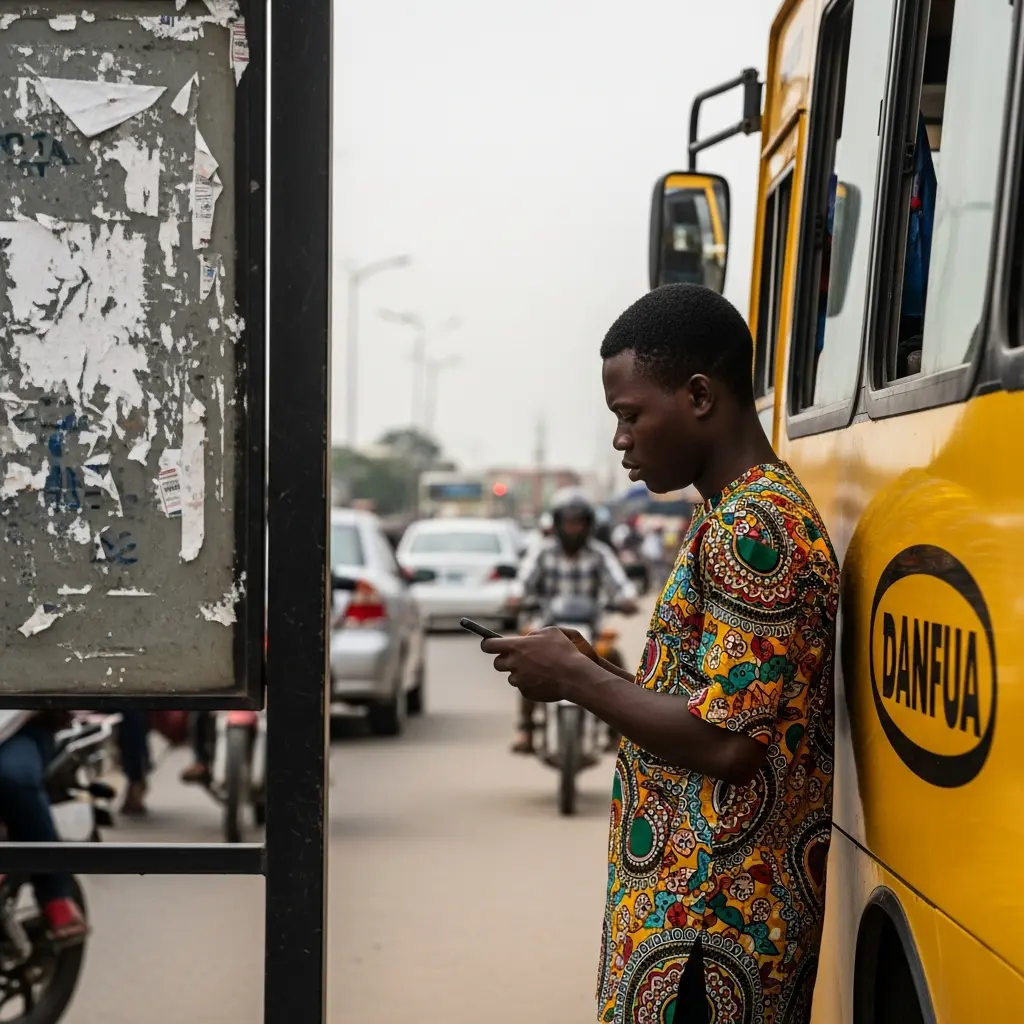
Let us say you are one of the lucky ones and the button is there, glowing on your screen. You type in your ₦500,000 and the app shows you a number. You need to understand that this first number is a kind of opening offer, not the final price. Opay will show you two costs: the exchange rate from their partners, which was about 5% higher than the official window back in March, and then a flat fee on top, usually between ₦1,500 and ₦4,500. Palmpay prefers to mix the bad news together, showing you one final amount the recipient will get, which usually works out to an extra 4% to 6% plus their own fee of ₦1,000 to ₦5,000. The difference seems small on paper, but it is not.
“The difference of 1% or 2% in rate makes a large impact on ₦500,000. You choose the app with the better rate on the day you send.”
– Chinedu, a freelance developer, February 2026.
That tiny percentage could mean the person on the other side gets enough extra to buy food for a few more days, which is why the person sending does not care about brand loyalty. They will open both apps, type in the same number, and choose the one that hurts the wallet less on that particular morning. It is a simple, merciless arithmetic of survival.
When the Money Gets Stuck
They promise the money will arrive in minutes, and for small amounts it often does. The computers see a little transaction and let it pass. Try sending ₦2 million, however, and the computers stop to call for a human. That human will need to see proof: a school fee bill, a hospital paper. This can take 24 to 48 hours of you just sitting and waiting. Then there is the worst scenario, the one that makes your heart drop. The screen says “Debit Successful.” Your naira is gone. But the person abroad says nothing has arrived. The money is stuck somewhere in the digital pipes, and now you have to talk to customer service about an international problem, which usually means talking to a chat robot or waiting days for an email reply.
“My payment to India failed. The naira left my Opay account, but the rupees never arrived. It took four days of calling and messaging to get a refund. The refund came at a worse exchange rate than I started with.”
– Ada, a small business owner, January 2026.
Ada’s story is the lesson you learn the hard way. A refund is not a victory. It is just a different kind of loss, because the naira you get back might now buy less of the foreign currency you need. The system giveth, and the system taketh away, sometimes in the same transaction.
Who Should Use Which App?
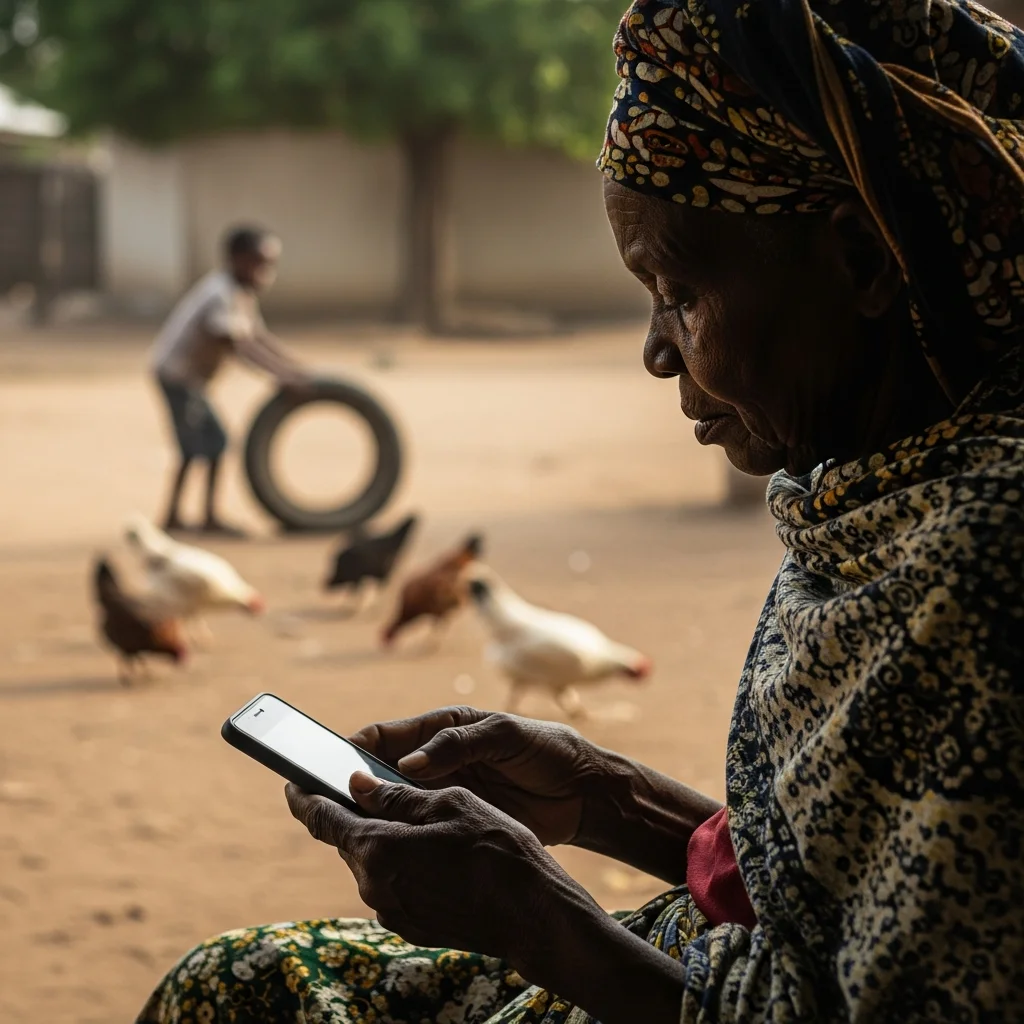
There is no single winner. The best app is the one that works for what you need today. The parent sending ₦300,000 every month for a child’s upkeep cannot afford loyalty. They will check both and pick the one that puts more money in the child’s hand. The freelancer paying for online tools has a stranger problem: they might have to convert dollars to naira and then back to dollars again, paying a fee twice, just to navigate a system not built for them. The person sending a yearly gift does not sweat the small rate changes. They use the app already on their phone, valuing simplicity over a few extra naira. They are all solving the same puzzle, just with different pieces missing.
The View from the Bridge
These apps are filling a gap the banks left wide open. The Central Bank of Nigeria says people sent out $1.2 billion in just nine months of 2025, and a good chunk of that left through phones, not bank counters. The banks still handle the truly large sums, but they are slow and expensive for the small, urgent transfers that define daily life. Opay and Palmpay win because they make the screen look friendly and the process feel fast, even when it is not. But underneath that colourful interface, everyone is wrestling with the same old problem: there is not enough foreign currency to go around easily. No app, no matter how clever, can fix that fundamental fact.
What You Do Now
The smart move is not to choose. Keep both apps on your phone, make sure your BVN is verified on each to unlock the higher limits, and do not believe anything you read. Do a test. Send ₦20,000 to someone you trust outside the country and watch what happens. Time it. See exactly how much arrives. That small, cheap experiment will tell you the real truth about rates and speed on your phone, with your bank, on that specific day. And when one app inevitably says it is *under maintenance*, you will be quietly thankful you have the other one sitting right next to it, a backup plan in your pocket.
In the end, this competition between the two companies is good for you. It means the fees might slowly get smaller and the rules might slowly get clearer. For today, the best app is simply the one that puts more money in the other person’s hand when you finally press send. You check the rate, you tap the button, and you put the phone down. The money is gone. The job is done. You go back to your day and wait for the confirmation message, hoping it comes before the sun sets.
Digital Finance
Olugbenga Agboola Flutterwave Asia Expansion 2026
Olugbenga Agboola built Flutterwave to move money across Africa. Now, after a quiet pilot, it is building a bridge to Asia. This is the story of a Nigerian fintech firm navigating partnerships and…

Olugbenga Agboola Flutterwave Asia Expansion 2026
Published: 04 April, 2026
Olugbenga Agboola built a company that moves money across Africa, and now that same company has quietly started moving money from Africa to Asia. It happened after a twelve-month pilot phase that nobody really noticed, which is how these things often work when you are dealing with banks and regulations. The goal is simple enough: connect African businesses with consumers in places like India and Indonesia and the Philippines, where millions of people use their phones to pay for everything. For a company that processed over $30 billion in 2024, those Asian markets look like the next logical place to be.
The quiet bridge
This is not about opening shiny new offices in Mumbai or Jakarta, you understand. It is a partnership, a bridge built with IndusInd Bank in India and other local players. Flutterwave wants to be the settlement layer, the quiet engine in the background that lets a merchant in Lagos get paid by a customer in Manila. The numbers make you think: the digital commerce market across India, Indonesia, and the Philippines was worth over $300 billion in 2024, and the trade volume between India and Africa alone is about $100 billion every year. That is a lot of money looking for a reliable way to move.
“International expansion for an African firm is a marathon of compliance. Our 2026 focus is not just on moving money, but on navigating the unique regulatory DNA of each Asian market.”
– Olugbenga Agboola, CEO, Flutterwave (March 2026 Strategic Review)
Fuel for the journey
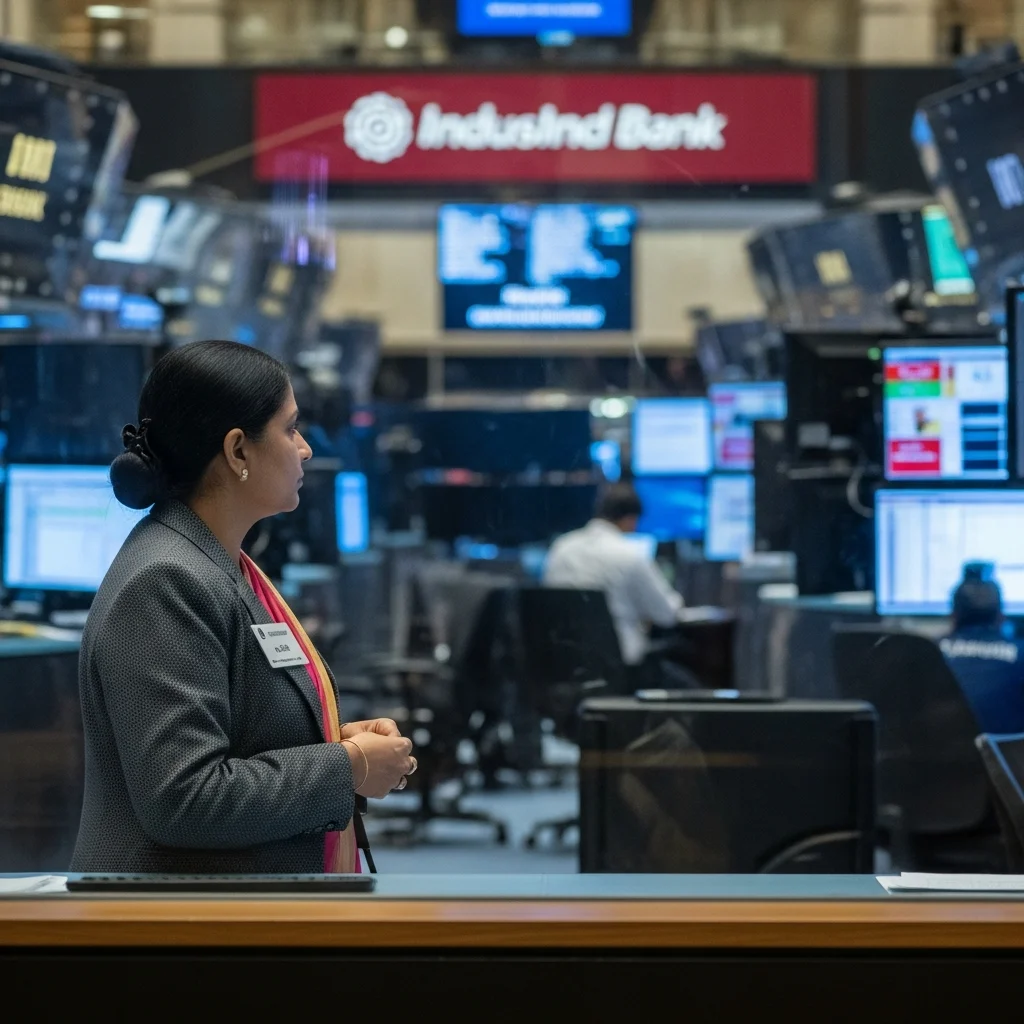
They raised $250 million back in 2022, which provided the fuel for this kind of cross-continental operation. That money went into compliance teams and technology integration, because you cannot just show up in a new country and start moving money around. You need licenses and relationships, and a profile in BusinessDay in January 2026 detailed a two-year preparation period for exactly that. It is worth noting that by 2026, the entire fintech sector has faced what people politely call a ‘correction’ in valuations, so this expansion is happening in a more sober climate. The technology itself connects to systems like India’s Unified Payments Interface (UPI) or Indonesia’s OVO wallet, but the real work is getting the green light from regulators in Lagos and Mumbai, which is still a work in progress.
A marathon, not a sprint
Building bridges across continents means dealing with different rules for every single thing. Currency controls, consumer protection laws, even the way people do business—it all changes when you cross an ocean. An analysis pointed out that regulatory approval in these markets can take eighteen months, which is a long time to wait when you are trying to grow. And of course, you still have to keep the lights on back home, where electricity and internet can be their own daily adventure.
“International expansion is a marathon, not a sprint. You must respect local regulations and build trust. It requires patience and significant investment.”
– Bosun Tijani, Minister of Communications, Innovation and Digital Economy, at the Nigeria Fintech Week, October 2025
What it means
This move signals something about the maturity of the technology sector here. Companies are not just solving local problems anymore; they are building things that can work elsewhere. If a Nigerian musician selling beats online or a Kenyan developer selling app templates can get paid directly from Asia, that changes the game. The export of digital services from Nigeria grew by 300% between 2020 and 2025, and a reliable payment bridge could make that number climb even higher. It is a template for other companies, a case study in starting at home and then methodically looking outward, partnership by partnership, regulation by regulation. They are betting that their deep expertise in cross-border payments, honed right here in Africa, is exactly what is needed to connect these two dynamic digital economies. And you have to admit, it is an interesting thing to watch unfold.
Digital Finance
POS Business Setup with N100k in Nigeria 2026
You have N100,000 and see those terminals on every corner. This is what that money actually buys in 2026: the real costs, the new registration rules, and the daily hustle of turning cash into a…
POS Business Setup with N100k in Nigeria 2026
Published: 02 April, 2026
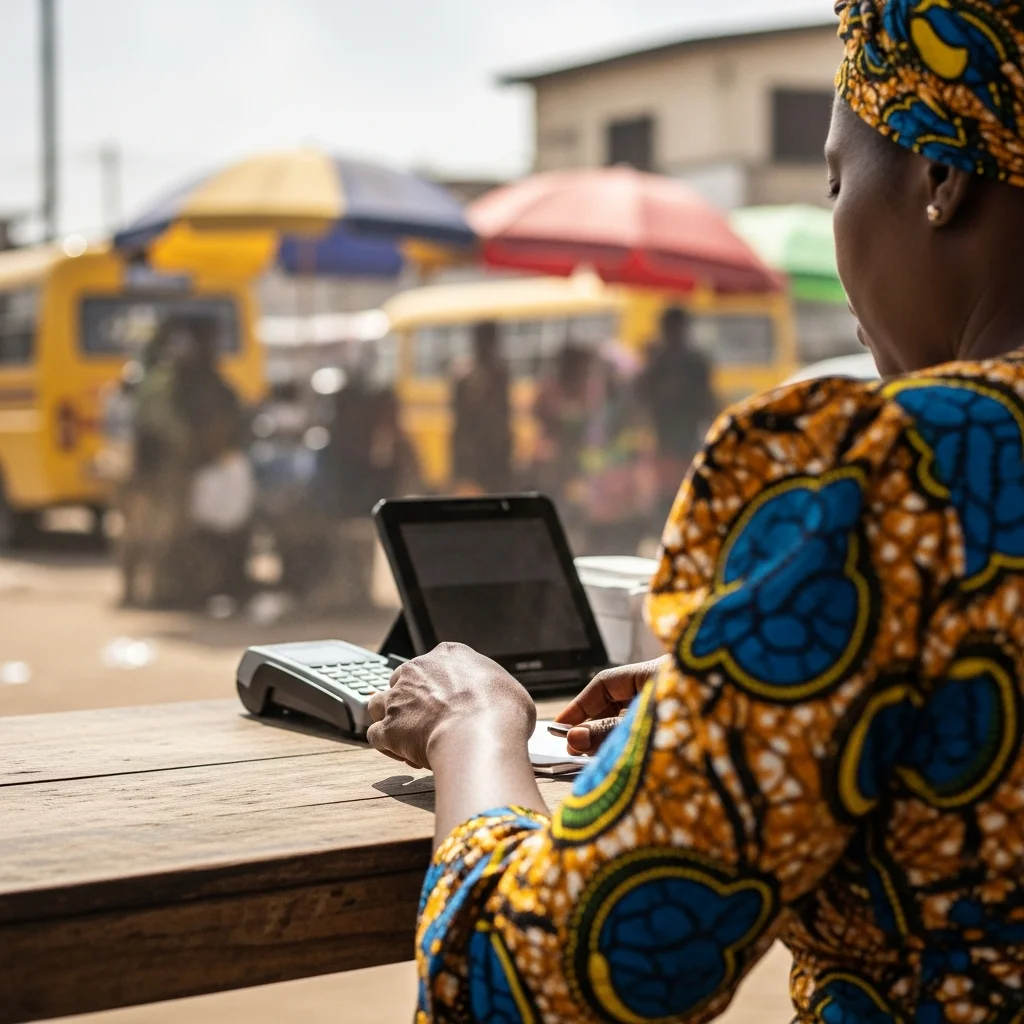
You see them everywhere now, those little machines that have become part of the street furniture. The number crossed three million last year, which is a lot of plastic and wires and receipts fluttering in the wind. It means someone, somewhere, is always looking for cash or trying to pay a bill, and that need has created a whole new kind of shopkeeper. With the government renaming that electronic transfer levy to something more official sounding at the start of this year, the whole system feels more settled, more part of the plan. The Central Bank keeps talking about financial inclusion, and what that really means is a person with a table, a terminal, and some change.
Starting with a hundred thousand
So you have a hundred thousand naira sitting there, and the idea makes sense. You see the demand every day, a constant stream of people needing what the bank is too far to give them. That money should cover the box that does the magic and some cash to actually give to people. You need a plan, of course, for where to put it and how to make it official, but the math seems straightforward at first glance. A new terminal from the big companies will cost you somewhere between twenty-five and sixty-five thousand now, depending on who you ask and what model you get. For that, you receive the device itself, a little printer that chatters away, and a cord to plug it in somewhere.
The rest of your capital becomes your float, the lifeblood of the whole operation. If you spend sixty thousand on getting set up, you are left with forty thousand in actual money to hand over the counter. That amount dictates your early days, limiting you to smaller withdrawals and payments while your profits slowly build the pot back up. The rules from the Central Bank say you have to register, operating under a licensed super-agent who provides the platform while you provide the spot and manage the cash. Your cut is a small percentage of every transaction that flows through your hands.
Becoming official
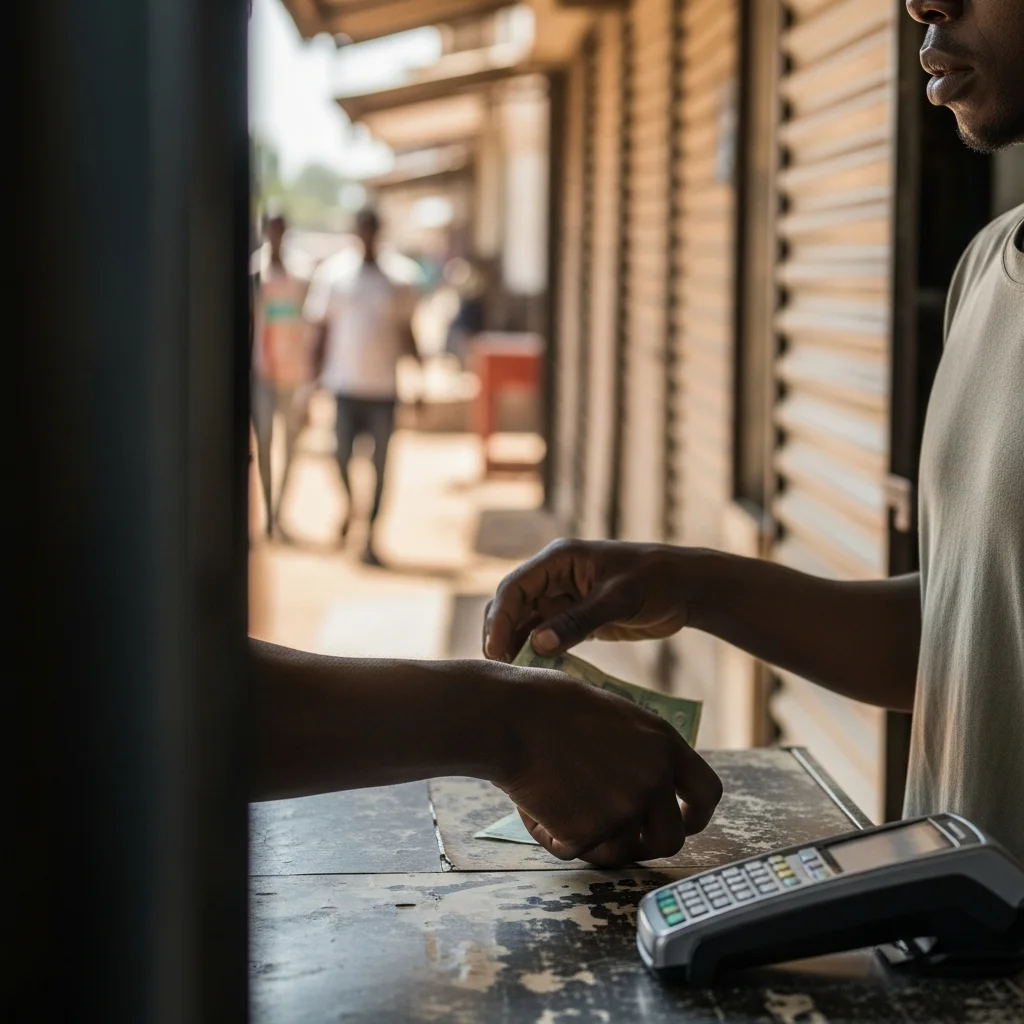
You skip the roadside vendors and go straight to an office for a company like Moniepoint or OPay. You bring your Bank Verification Number, a passport photo, and something that proves where you live. They run your details through the national system, and if everything is clear, you get a code that is yours alone.
“Every agent must be registered on the CBN’s Agent Management System. This system tracks all transactions and helps reduce fraud. The process takes about forty-eight hours for approval.”
– A compliance officer at a major super-agent, speaking in March 2026.
That code, usually 6010 for this kind of business, gets programmed into your terminal to tell the network who you are. You sign an agreement about your commissions, and then there is a new rule you should know about. Since the first of April, you can only be registered with one financial institution at a time. No more mixing terminals from different companies on the same table, which is supposed to make things simpler and safer for everyone involved.
Then you need a place. The Central Bank says it should be a fixed location, “not lower than a kiosk”, which leaves some room for interpretation. A shop front is good, but a sturdy table under a reliable shade with a clear sign works just as well. You think about security, investing in a metal box and maybe paying a small daily fee to a local guard, because the cash is the attraction and the risk. The busier the spot, with the foot traffic of a market or a transport park, the more transactions you will see.
The daily grind
Your day starts early and ends late. You offer withdrawals, deposits, bill payments, and airtime. The withdrawal is the most common thing, a person needing five thousand naira and paying you a hundred naira for the service. That two percent rate is pretty standard now. On a slow day you might do fifty transactions, and on a busy one you could see a hundred and fifty. Your earnings, before costs, could swing from four thousand to twelve thousand naira in a single day.
“Agents in high-density areas report monthly net earnings between N150,000 and N300,000. The business depends on consistent cash availability and network reliability. A network outage means zero income for that period.”
– Market survey of POS agents in Ibadan and Kano, BusinessDay, February 2026.
Your float of forty thousand does not last long, so you develop a rhythm with the bank, visiting to withdraw your profits and replenish your stock of notes. You also take deposits, which helps balance the books, because when someone gives you physical cash to put in their account, you get to keep that cash for the next person who wants to take some out. There are limits, of course. A customer can only move one hundred thousand per day through your machine, and you as the agent have a daily cash-out limit of 1.2 million naira.
The hidden costs
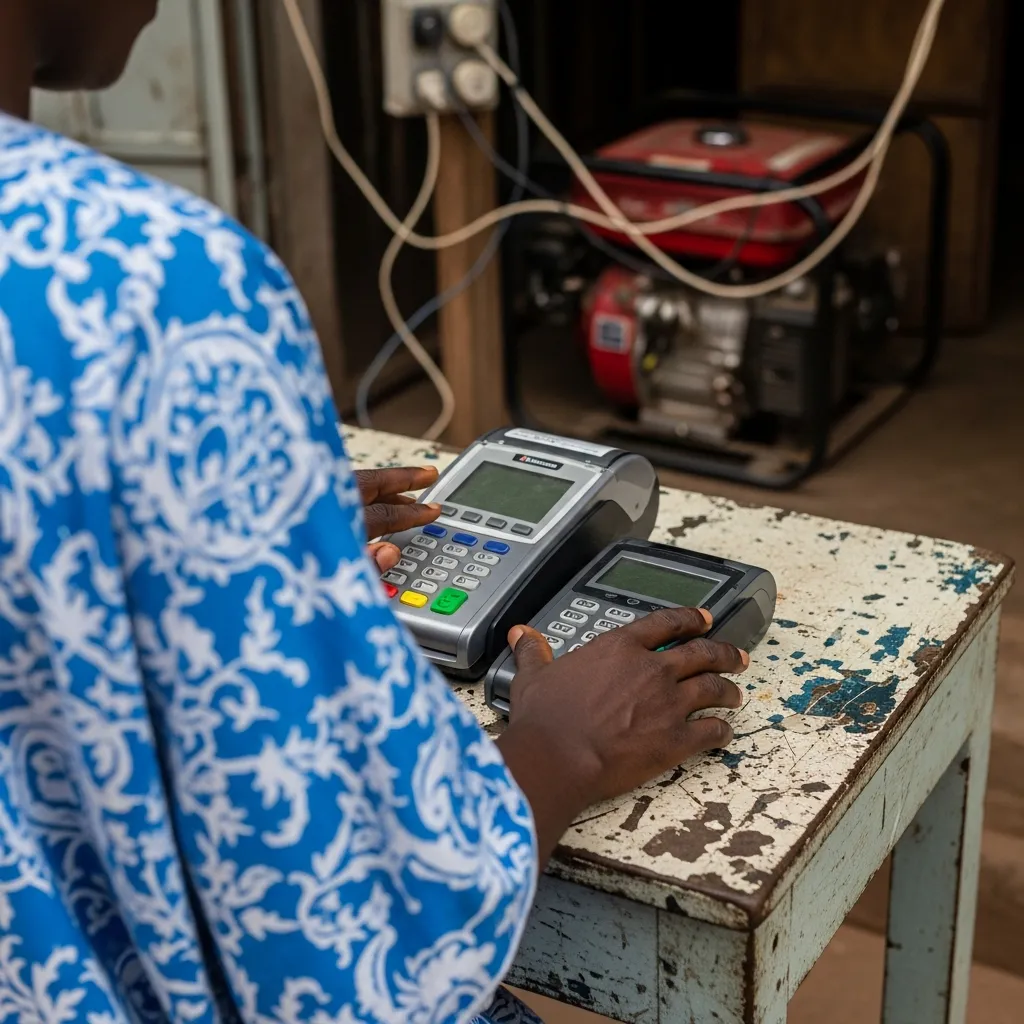
Then there are all the little things that nibble away at your profit. Data for the terminal’s SIM card, maybe three thousand naira a month. Power for the machine, from an inverter or a generator, another five thousand. A good signboard to tell people what you do will set you back about eight thousand. You think about security again, not just the box but your own safety, avoiding flashy displays of money and making regular trips to the bank to keep your on-hand cash low. Some people pay a neighborhood security association a small monthly fee, which is just another line in the ledger.
And then there is the taxman. Lagos started registering agents for tax last year, and other states might follow. The law says you have to file electronically now. You keep a simple notebook, tracking what comes in and what goes out, and you use a separate bank account just for the business to keep things clear. Your super-agent sends you a statement every month, and you hold onto those records. Good record keeping is not just for the government. It shows you how your own small economy is growing.
What comes next
The push is for less cash, not more, so the business has to adapt. You start offering more services, paying people’s electricity bills or TV subscriptions, handling transfers that earn you a commission too. Some agents begin selling micro-insurance or become pickup points for online shopping. The terminal becomes a hub, a one-stop spot for a dozen small financial needs, which keeps money coming in even when cash is scarce.
“The agent network is the bedrock of financial inclusion. We see agents evolving into mini-banks, offering loans, savings, and insurance. The POS terminal is just the starting point.”
– Director of Payments, Central Bank of Nigeria, speaking at a fintech conference in January 2026.
If you do well with one terminal, you might save up and get a second one, hiring someone to mind the first spot while you open another in a different area. Scaling up means you need more float, perhaps two hundred thousand to keep two locations running smoothly, which you build from your own earnings. Your little table under the shade slowly becomes a proper micro-enterprise, one transaction at a time.
Your first move
So tomorrow, you visit the office of a licensed super-agent with a good reputation. Take your BVN, a photo, and a utility bill. Ask about prices and commissions. Then divide your hundred thousand: sixty thousand for the terminal and registration, thirty-five thousand for your opening float, and five thousand for a signboard and some data. Find a secure spot with good foot traffic, somewhere that feels like more than just the roadside. Set up your table, plug in the machine, and wait. Your first customer will arrive within minutes, looking for the one thing you now have to sell: convenient cash.

Ancient Rock Art Traditions Endure in Igbara Oke Caves

Palm Wine Tapper Climbs Same Tree That Killed His Father in Ozoro

Hunter Hears Dead Brother Whistle in Ganye Forest Mystery

Farmer Plants Yam That Grows Downward to Water Table in Drought

She Kept Asking and They Kept Moving Her in Nigeria

Global Food Prices Rose 2.4% in March 2026

Chigozie Obioma International Booker Prize 2026

Jidenna Pan African Sounds Latest Musical Project 2026

Hakeem Oluseyi Brings Astrophysics to Classrooms Worldwide

NANS Diaspora Nigerian Students Eastern Europe

Nnamdi Asomugha From NFL Cornerback to Hollywood Producer

Folake Olowofoyeku Stars in American Sitcom on Nigerian Family Life

Internet Sovereignty: Why Some Countries Want Their Own Separate Internet

The Story Of The Nigerian Who Helped Build Global Internet Systems

Nigerian Hackers: The Global Fraud Story and Its Fallout

Forgotten Satellites Defy Silence, Beaming Signals for Decades

The Phone Stay So Quiet: An Investigation into Nigeria’s Silent Customer Lines

Your Digital Store in Nigeria and the Reality of Domain Expiration

The Business That Died: A Nigerian Case Study in Refusal to Adapt

Hiding Your Business From People With Money

How Nollywood Grew Without Government Support

Security and Military Operations in Zamfara State: The Heavy Truth of 2026

Moniepoint Business Account Requirements Nigeria for SMEs 2026

Comedy Industry in Nigeria and Its Economic Contribution

 Digital Sovereignty8 months ago
Internet Sovereignty: Why Some Countries Want Their Own Separate Internet
- Technology & Innovation8 months ago
The Story Of The Nigerian Who Helped Build Global Internet Systems
- Crime8 months ago
Nigerian Hackers: The Global Fraud Story and Its Fallout
- Space Technology8 months ago
Forgotten Satellites Defy Silence, Beaming Signals for Decades
- Maritime8 months ago
The Phone Stay So Quiet: An Investigation into Nigeria’s Silent Customer Lines
- Business8 months ago
Your Digital Store in Nigeria and the Reality of Domain Expiration
- Business8 months ago
The Business That Died: A Nigerian Case Study in Refusal to Adapt
- Business8 months ago
Hiding Your Business From People With Money