Diaspora
NANS Diaspora Nigerian Students Eastern Europe
A quiet network called NANS Diaspora helps Nigerian students facing visa issues, scams, and academic problems in Eastern Europe. They know who to call when you’re far from home.


Samuel Ajayi spoke to Premium Times in February 2026, and he explained something you might not have considered. You hear about the student in Ukraine facing deportation over a visa nobody can quite explain, or the group in Poland whose landlord decided their deposit had simply vanished into the winter air. These are the small, daily fires that a quiet group of people try to put out, and they call themselves the NANS Diaspora commission. You probably have not heard of them, which is exactly how they like it.
Published: 13 April, 2026
A different kind of noise
Back home, the National Association of Nigerian Students is a loud voice that protests and meets with ministers. Its work outside the country is a different kind of noise, the quiet hum of a support system for students trying to study in places where the rules are a puzzle and help is a whispered rumour. Think of them less as an office and more as a switchboard, because someone calls in with a spark and they try to connect the right wires before the whole thing catches fire.
“Our primary function is to be a first point of contact. A student feels stranded, cheated, or academically maligned. They reach out. We then engage the relevant student bodies in that country, the Nigerian embassy, or the school administration directly.”
– Samuel Ajayi, NANS Diaspora Coordinator for Europe, speaking on February 2026.
The affordable frontier
Countries like Ukraine, Poland, Romania, and Russia became popular for a simple, brutal math. A medical degree there might cost between $4,000 and $6,000 a year, while the same thing in London or Toronto costs a small fortune. For many families, it’s the only equation that balances, and nobody knows the exact number of students out there. Estimates from alumni groups in 2025 put the figure above 15,000 across Eastern Europe, so the appeal is the price tag but the reality is a different story altogether.
Landing and stumbling
The problems start the moment you land, when the language outside the classroom becomes a wall and the paperwork for a residency permit feels personally designed to confuse you. Then there are the people who see a new arrival not as a student but as an opportunity, with some agents back in Nigeria promising perfect accommodation and easy admission only for the student to arrive and find neither. The NANS Diaspora team collects these stories and passes them to the Ministry of Education and the Ministry of Foreign Affairs, where they get filed away while life stumbles on. A student in Belarus called in January 2026 about a professor who kept marking work down for no good reason, so the commission got the local student union to talk to the department head. Sometimes that’s all it takes, and other times the problem is much bigger.
Knowing who to call
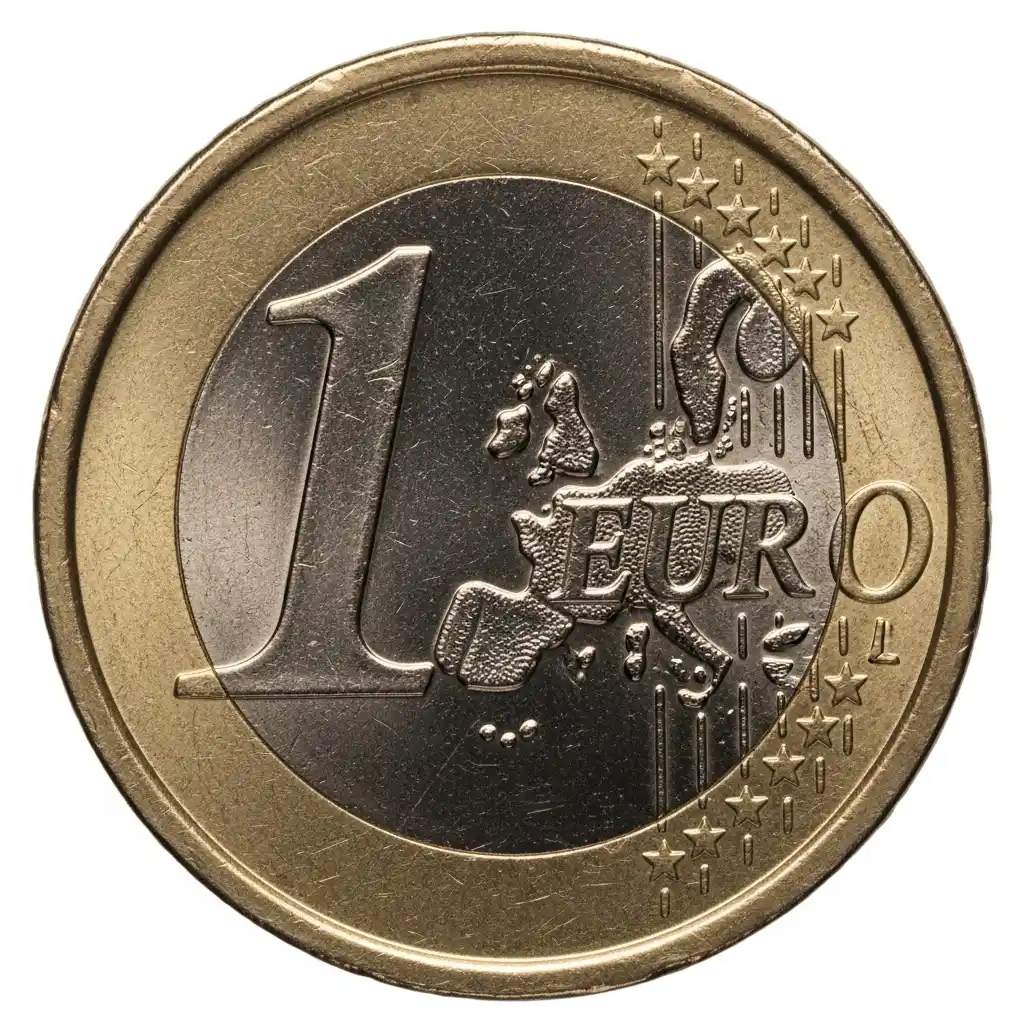
It’s not an office with a sign on the door but a network of volunteers in different time zones, connected by WhatsApp groups and a stubborn sense of duty. When a message comes in, the first job is to figure out what’s true, and the coordinator for that zone will call the president of the Nigerian student union in that specific city to gather facts before trying to find the right lever to pull. For a visa about to expire, they might write a letter to the embassy, and for a landlord holding money, they might find a local lawyer who knows tenant rights. Their real power is in knowing who to call, like in Poland in late 2025 when a student in Lodz couldn’t get a residency permit because the paperwork kept coming back wrong.
“We are not miracle workers. We are facilitators. We know who to call, which email to write, and how to frame an issue so it gets attention. Sometimes, that is all a stranded student needs.”
– A NANS Diaspora volunteer, speaking to The Nation in March 2026.
It sounds simple when you say it like that, but it never really is.
Running on phone credit
The whole thing runs on volunteer time and personal phone credit, with coordinators who have no real authority in a foreign country. Everything depends on the kindness of strangers in embassies and the strength of the local student union, so if the embassy is too busy or the union is asleep, there’s not much to do. Many students don’t even know the commission exists, and since the leadership of NANS changes every year back home, the diaspora project can feel forgotten. Outreach happens through social media and word of mouth, but some students are suspicious because they’ve seen too many groups that talk big and do little.
A very busy desk
The Federal Ministry of Education has a desk for students abroad, but it’s a very busy desk that often hears about problems from groups like NANS Diaspora because it doesn’t have enough people to find out for itself. In the 2026 budget, the entire department for tertiary education got about N1.3 trillion, and the tiny slice for student welfare outside the country isn’t even broken out in the public reports. A formal partnership would help, maybe a small grant for airtime and data or a way to make the reports official, but it remains an informal dance that works when the right people are in the room.
Scams in Romania
Romania has thousands of Nigerian students, mostly studying medicine, and the student union there is strong. In 2025, they saw a wave of accommodation scams where fake agents took money for apartments that didn’t exist, so the union president, Chika Obi, told the NANS Diaspora coordinator. They made a file of all the cases and gave it to the Nigerian embassy in Bucharest and the local police, and the embassy put out a warning while the police arrested one person. That’s the model working well.
Shared trouble, shared solutions
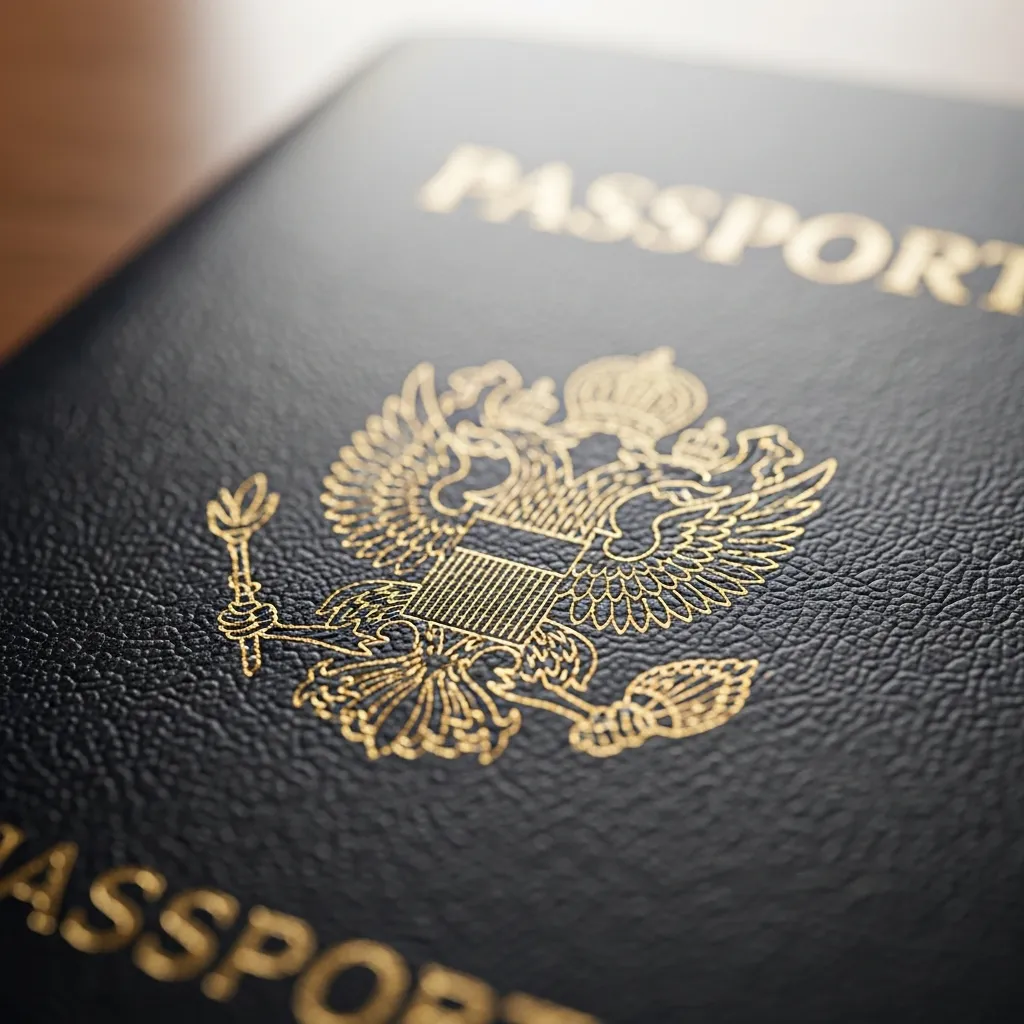
Nigerian students will keep going abroad because the universities at home are full and the economy is tight, with Eastern Europe remaining an affordable option for the foreseeable future. The value of a group like NANS Diaspora is in the quiet connections, where a student in Serbia has a problem with a transcript and the coordinator remembers a student in Cyprus who faced the same thing last year. It’s a web of shared trouble and shared solutions, with work measured in stamped passports and returned deposits while the network keeps humming one message at a time. You listen to the stories and you understand why someone has to answer the phone.







Diaspora
Skepta Opens Creative Hub for Young People in North London
Skepta opened a creative hub in London. It’s a story about building ladders. Could that model ever work for the raw talent waiting in Nigeria?
Skepta Opens a Room for the Next Ones
Published: 11 April, 2026
You know how these things usually go. A famous person cuts a ribbon, says something about giving back, poses for the cameras. Then they disappear into a black car. The community stands there holding the bunting. Everyone wonders what just happened.
Joseph Junior Adenuga, the man the world calls Skepta, did something that looked similar on the surface in March 2026. But it felt different underneath. The way things feel different when the person doing them actually grew up on the same streets they are now trying to improve.
He took an old carpet warehouse in Tottenham. The kind of building you walk past every day without noticing. He turned it into Mains Studios and filled it with recording booths and a radio station and corners where a young person can sit and think without being told to move along. He said young people could use it for free. The speeches mentioned legacy and community and all the words people use when they are trying to sound serious. But the music was loud. The party was good. For one evening, everyone forgot to be skeptical.
The morning after the music
Then the lights went off. The last guest found their way home. The building sat there in the quiet of a Tottenham morning with nothing but its own walls and the weight of what it was supposed to become. A building does not run itself. A dream does not pay the electricity bill. Someone has to wake up every day and make sure the doors open and the equipment works and the young people who walk through those doors feel like they belong there.
Arts Council England and some private sponsors helped with the funding. That is how things get built in places where there are systems for this sort of thing. The whole project took eighteen months to move from a conversation in someone head to a place with an actual address. A local councilor from the London Borough of Haringey said the things local councilors are trained to say. The exact grant amount remains a polite secret. The hub now plans weekly workshops on music production and the business side of making art. They will work with nearby colleges. The goal is not to turn a profit. It is to turn a space into something that breathes. A place that holds people. A room where you can fail without the failure costing you your future.
Why a Nigerian nods slowly
You hear a story like this and your mind does not stay in North London for very long. The shape of it is familiar. The same shape you see in Surulere or Ajegunle or any of the countless places where talent piles up like firewood waiting for a match.
A person succeeds against the odds. They look back at the ladder they climbed. Several rungs are missing. The ones that should have been there but never were. And they face a quiet choice that nobody announces but everyone understands. You can stay at the top and enjoy the view. Or you can climb back down. You can hold the ladder steady with both hands so the next person does not have to jump as far.
Skepta chose the latter. He made it visible in a way that cannot be ignored or dismissed as mere talk. A building is a stubborn fact. It stands there even when the cameras have gone home.
In Nigeria, the conversation often circles around what is missing rather than what is present. The numbers tell part of the story. The National Bureau of Statistics reported that the arts added N239 billion to the economy in 2025. That sounds like a lot. Until you place it beside the size of the whole pie. It is a thin slice on a very large plate where everyone is still hungry. The sector lacks simple things. A room with a working plug point. A chair that does not wobble. A place to try something new without paying a heavy price for the privilege of discovering you are not yet good enough.
The contrast between Tottenham and Lagos sits there quietly. Not shouting. But impossible to ignore. A hub in North London provides resources that were deliberately gathered and arranged. Meanwhile, talent in Nigeria grows in spite of the environment rather than because of it. Pushing through cracked concrete like a stubborn weed. The global success of Afrobeats is a beautiful, thunderous noise. It fills stadiums and streaming charts. But it can drown out the smaller sound of a producer in Mushin trying to find a microphone that does not crackle every time the generator kicks in. The hustle is undeniable. The facilities are often not. Both things remain true at the same time.
What sits inside the walls
Mains Studios is built around three simple things. The best ideas usually are. Simplicity has a way of lasting longer than complexity ever does.
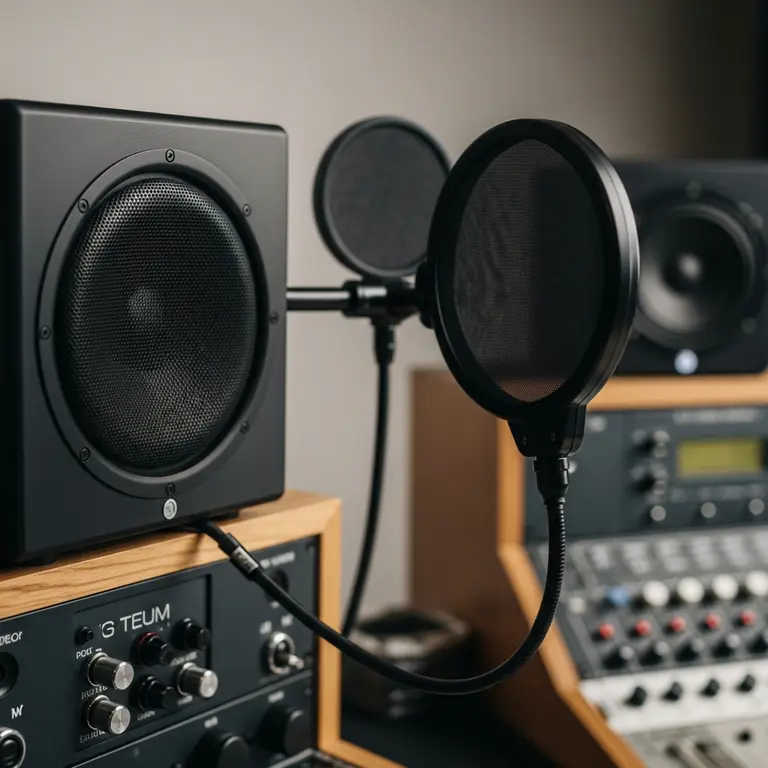
There is a recording studio. Young people can book it without filling out forms that ask for their grandmother maiden name. There is a community radio station called Mains Radio. It teaches them what it means to speak into a microphone and have someone actually listen on the other end. And there is a flexible space where workshops happen and conversations start and people sit around tables figuring out what they want to become.
The idea is a pipeline. Nobody at the launch used that word. It sounds too much like a corporate presentation. This place is meant to feel like somewhere you actually want to be. From a kid with a melody stuck in their head to a professional with a credit on a real record, the path is meant to be shorter and less lonely than it would be otherwise. A small team of paid staff and volunteers keeps the whole thing moving. Industry people donate their time. They might rent the space for commercial projects now and then. Just to keep the lights on. That is the quiet dance that every community space learns eventually if it wants to survive.
“This is about giving the youth a physical space to be great. We had to create our own thing in ends, and now we want to build it proper for the next lot.”
– Skepta, speaking at the launch event, March 2026 (via Instagram Live)
That statement would not sound out of place in a bar in Lagos. Or under a tree in Onitsha. Communities resorting to self-help is the oldest story anyone knows. The one that never stops being told in different accents. This hub simply takes the informal gathering, the kind that happens on street corners and in borrowed rooms, and gives it walls and a roof. An address that appears on maps. That transition matters. It is how you scale a dream. How you make it solid enough to outlast the person who first imagined it.
The money that makes it go
In the United Kingdom, there are institutions like Arts Council England. They exist specifically to fund things that do not make obvious financial sense but make every other kind of sense. Their National Lottery Project Grants distributed over £100 million in 2024/2025 to projects that someone in an office decided were worth the risk. It is a system. Applications. Deadlines. People whose job is to say yes or no. A well-trodden path.
In Nigeria, the budget for the entire ministry of information and culture in 2026 hovers around N85 billion. That sum must stretch across salaries and overheads and projects scattered across a country of over two hundred million people. Direct grants for a community creative hub are rare birds. Glimpsed occasionally. Not often enough to be considered reliable. Most people learn to stop looking skyward.
So the gaze turns to private sponsors. Nigerian companies. Wealthy individuals. They sometimes fund arts initiatives because they believe in them. Or because they want to be seen believing in them. The line between those two motivations is blurry. Rarely worth examining too closely. These funds usually go toward a show or a concert or a festival. Something with a date and a crowd. Photographs that prove it happened. Not a building that must be maintained for years. The model Skepta used is a hybrid. Public grant blended with private support. It works because both sides bring something the other cannot provide alone. Someone should be taking notes. Quietly. In a corner somewhere.
Could the same thing breathe here
The first lesson from Tottenham is about intention. A word that sounds soft. But it requires a spine made of something harder than good wishes. Skepta saw a need that matched his own memory of what it felt like to be young and full of ideas with nowhere to put them. He used his influence not to build a monument to himself. He built a room for people who remind him of who he used to be. Nigerian artists with similar stature could do the same. The focus would have to shift. From a one-off donation that makes you feel generous for an afternoon. To a permanent thing that requires your attention for years.
The second lesson is about partnership. The unglamorous work of convincing people who do not share your vision to support it anyway. Because you have learned to speak their language. The hub in Tottenham did not rely on one man with a famous name. Even famous names cannot keep the lights on by themselves. It drew in local government and schools and corporate sponsors. Each brought something different to the table. In Nigeria, local government areas have budgets for community development. They often go toward roads that wash away in the next rain. Or boreholes that stop working after six months. A creative hub fits the definition of community development. If you present it with the right words. The right posture. Approach a state ministry of youth with a plan that sounds like an offer rather than a request. You might get a building. Or at least a surprised look.
Third. And this is the one that matters most. You do not need N5 billion to begin. Waiting for that kind of money is just another way of never starting. A pilot could be one studio in a repurposed room. Basic gear that works most of the time. The Lagos State Employment Trust Fund has given over N10 billion in loans to small businesses. Yours could be one of them. If your plan is solid. If your paperwork is in order.
“Projects like this are vital for social cohesion and economic growth in our borough. They provide positive pathways for our young residents.”
– A local councilor for Tottenham, March 2026 (Haringey Council press release)
That is the language governments understand. It speaks to what keeps them awake at night. It frames the hub not as a luxury for artists. But as a solution to several problems that have official names and budget codes. Keeping young people busy with something that builds skills. Rather than something that builds a criminal record. That argument works in Abuja just as well as it works in London. Provided you know how to frame it. And when to stop talking.

The things that make it hard
Every good idea that travels from somewhere else eventually lands in Nigeria. It faces the same set of gatekeepers. They do not wear uniforms. But they decide everything anyway.
The first is light. Or the absence of it. The national grid does what it does best. It disappears. Running a generator for twelve hours a day eats into every other cost. Until there is nothing left for the actual work you came to do. Security is another quiet drain. Expensive equipment in a room with a door is a temptation. The money you spend on guards and locks and insurance does not go toward microphones or tutors.
Then you need people to run the place. Finding them is harder than building the walls that will hold them. They must love the culture enough to show up every day. But they must also understand a spreadsheet. Handle bookings. Fix equipment when it breaks. Find tutors when the scheduled ones do not arrive. This blend of passion and discipline is rare. Keeping such people is even harder. The work is demanding. The pay is modest. The temptation to leave is always present.
Longevity is the final test. Most projects fail it without anyone noticing. The doors lock. The equipment gathers dust. The young people find somewhere else to be. Many initiatives launch with a loud bang. They fade within two years. The founder gets tired. The money runs out. Sometimes both. The hub in Tottenham has the Skepta name behind it. That buys attention. Goodwill. A project in Nigeria would need a founder with the same stubborn commitment. The same long memory for what it felt like to need a room and not have one.
If you were thinking about it
Start by talking to people. Not in the abstract way. Not emails to addresses you found online. Go to a place like Agege or Oshodi. Sit with young people. Ask them what they actually need. Not what you imagine they need from the comfort of your own assumptions.
Is it music production? Because the beats in their heads have nowhere to go. Is it film? Because they see stories everywhere and lack only the tools to capture them. Is it fashion? Because they can draw designs but cannot find a sewing machine that works. The answer shapes everything that comes after.
Then build a coalition. People who have different reasons for saying yes. Talk to the local government chairman. Not because he understands what a DAW is. But because he understands what a room full of busy young people means for his reelection. Talk to the corporate social responsibility officers at banks. They have budgets they must spend. It needs to look good in the annual report. Talk to technical colleges. They have equipment sitting idle on weekends. Students who need real projects. A coalition spreads the risk. It makes the load lighter. It makes the project harder to kill. Too many people have invested too much face.
Finally, start small. Start now. Do not wait for the perfect building. It never arrives. Do not wait for the perfect moment. Same thing. A pilot in a rented room with basic gear can show enough impact. Track who comes. What they learn. What they create. That evidence turns a nice idea into something you can place on a desk during a meeting. It works better than passion alone. Passion is common. Proof is rare.
Building a table of your own
Skepta opening a hub in North London is one event. One day. One city far from here. Its real value is not as a model to be copied exactly. It is a story. It shows what becomes possible when someone decides that their success should multiply rather than merely accumulate.
The young person who walks into Mains Studios this week might start a label next year. Or produce a track that travels around the world. Or simply find a reason to keep going. The hub is an engine for possibilities that do not yet have names.
In Nigeria, the raw material is everywhere. It piles up in corners. Spills into streets. Announces itself in the way young people move and talk and make something from nothing every single day. Talent sits in every neighborhood. Waiting. Hustle is the default setting. Creativity fills the gaps when resources are scarce.
What is missing, too often, are the platforms. The places that refine that raw energy. Shape it into something that can stand on its own. Walk out into the world.
The story from Tottenham is a quiet reminder. Those platforms can be built. By people who remember what it felt like to need one and not have one. It takes vision. Partnership. A stubborn kind of persistence that does not depend on applause. The blueprint is out there. Sketched in the shape of an old carpet warehouse that became something else. The next chapter could be written much closer to home. If someone decides to pick up the pen. And keep writing. Even when the ink runs low.
Diaspora
NUSA Nigerian Culture Parade Takes Over New York City Streets
You fill out forms for months, and then one Saturday you take over Fifth Avenue with aso-oke and Afrobeats and the smell of suya. New York stopped and stared.

NUSA Nigerian Culture Parade Takes Over
Published: 13 April 2016
You know how it feels when you plan a thing for months and fill out forms and talk to people in offices, and then one Saturday morning you just take over the middle of Manhattan without asking.
That is exactly what the people from the Nigerian Union in the Americas did in early April 2026.
They walked from the big glass building of the United Nations all the way to a public square, thousands of them, and for a few hours the sound of the city was not traffic or sirens but Afrobeats.
A statement, of course.
All parades are.
The colors on Fifth Avenue
Picture the deep blues and crimsons of aso-oke cloth moving between the gray stone buildings of Fifth Avenue like a river of color that refused to be ignored.
Dancers moved to music that seemed to come from the pavement itself while people stopped on the sidewalks to watch and smile.
They tried dancing along even when they did not know the steps.
A person holding a microphone for a local news channel tried to explain it.
“The energy here is electric. You have a celebration of Nigerian culture that has literally stopped traffic in the heart of the city. It is a powerful display of community and joy.”
– A television news correspondent, live broadcast, April 2026.
They carried flags from different states of Nigeria and parents held the hands of small children dressed in miniature versions of their own outfits.
For many of them, it was not just a walk down a famous street but a visit home without the plane ticket.
The people who made it happen
The NUSA is one of those groups that exists because people far from home need to remember where home is, and their leaders are accountants and engineers and doctors who know how to fill out a permit application.
Organizing something like this costs a lot of money for security and cleanup and speakers that can be heard for blocks in a city that never stops making noise.
Some of the money came from Nigerian businesses that operate on both sides of the ocean.
The president of the union stood in the middle of it all and explained why they bothered.
“Our goal is to showcase the richness and diversity of Nigerian culture. We want to share our heritage with the world and strengthen the bonds within our diaspora community. Events like this build bridges.”
– President of the Nigerian Union in the Americas, statement, April 2026.
Between the dancing and the music, other things happened quietly like people registering to vote in elections happening back in Nigeria or picking up pamphlets about investing in property in Lagos or Abuja.
The party had a purpose beneath the noise.
The music everyone knew
The sound was the thing that pulled you in from big speakers on trucks playing songs by Burna Boy and Wizkid and Davido.
The music of Nigeria has become the background noise of the world in the last few years, which is a simple fact.
Between 2017 and 2023, streams of Afrobeats music grew by 550% outside of Africa.
People who did not speak a word of Yoruba or Igbo knew the rhythm anyway and moved their shoulders and tapped their feet.
At the end of the route, DJs kept playing as the parade turned into a street party.
The beat is a global language now.
It just has a Nigerian accent.
The clothes told a story
This was not just a walk but a moving fashion show where designers from Nigeria and from the diaspora used the bodies of the marchers as their runway.
They combined old patterns with new cuts in ways that made people stop and stare.
The industry back home is worth about $4.7 billion now, so a parade in New York is good advertising.
You saw the stiff, elegant weave of Yoruba aso-oke and the detailed beadwork you find on Igbo ceremonial wear and the grand, flowing robes from the north.
Every outfit was a map that showed where someone was from without them saying a single word.
The smell of home cooking
On certain corners, the clean smell of a spring day in New York gave way to the smoky, spicy scent of suya grilling and then the rich, tomato-heavy aroma of jollof rice that made people close their eyes and smile.
People set up small stalls along the route, selling little tastes of memory like moi-moi steamed in leaves and sweet, fried balls of puff-puff and crunchy chin-chin to snack on while walking.
To drink, there was the deep red of zobo or the fizzy sweetness of Chapman.
For many, that first bite was the real journey home.
It is how a lot of Nigerian restaurants in cities like this one start, with a pop-up stall and the hope that the smell will pull people in and never let them go.
Why it matters beyond the party
The Nigerians who live outside Nigeria are a powerful force, and the money they send back home is a lifeline that keeps many families standing upright in hard times.
In 2023, that amount was $20.5 billion.
Events like this parade are about more than just a good time because they tie people to a place and remind them to care.
They also happen at a certain time.
Elections are always coming or going in Nigeria, and the parade itself did not talk politics but the people in it were thinking about them.
How you stop New York traffic
To make a parade happen here, you need a lot of permission, so the organizers from NUSA started asking the city government months before.
They had to say how many people would come and where they would walk and how they would keep everyone safe in a city of eight million strangers.
The New York City Police Department showed up to direct cars and crowds while city workers followed behind with brooms and trucks.
Nothing went wrong.
The city got a show and the Nigerians got their day, which was a good deal for everyone.
What people saw and said
Newspapers and TV stations in Nigeria ran the story with headlines that said, “Our Culture Takes Over New York,” and it makes people at home sit up a little straighter in their chairs when they see their flag flying over a city that never sleeps.
It is a good story.
A proud story.
International news showed the colors and the dancing, and that kind of attention is soft, quiet power that makes people want to visit and listen to the music and watch the films and buy the clothes.
The parade was a free, very loud advertisement for a country that does not always get the best press.
Walking through the crowd
If you were there, you saw the whole story unfold in front of you with elderly men and women in clothes they might wear to a chief’s ceremony and their grandchildren in sneakers and jeans with Nigerian flag patches sewn onto the back pockets.
People who were not Nigerian at all were asking questions about the fabric and the food.
For a few hours, the complicated life of living between two places felt simple because it was just a celebration that needed no explanation.
And yes, people were doing business by selling flags and swapping phone numbers.
A cultural event is also a market, just a very loud and very colorful one.
The children of two worlds
Many in the crowd were born in America or Canada or Britain to parents who came from Nigeria carrying stories and recipes and the weight of leaving everything behind.
For them, a day like this is a connection and a way to touch a heritage that is sometimes just stories and old photographs in a box under the bed.
Groups like NUSA need these younger people who will keep it going when the older generation tires.
They know how to use social media to spread the word and they have friends from everywhere, and they make the old traditions new again without even realizing they are doing it.
What stays after the music stops
The immediate impact was the crowd and the noise and the smiles, but the long-term impact is harder to see because one parade does not change the world.
Maybe it changes a few minds and a few hearts and a few people who saw something beautiful and wanted to know more.
Local news coverage reached a few hundred thousand people while posts online got millions of looks, so the event lived longer than the day it happened.
People who went said they loved it and wanted it to happen every year.
That is the real test.
Can you do it again and again and keep the spirit without losing the joy that made it special in the first place?
Maybe other cities will try
New York did it, so why not Houston or Toronto or London?
Every city with a big Nigerian community has the people and the music and the food, and they just need the permission slips and a few brave souls willing to make phone calls until someone finally answers.
Each place has its own rules and its own permits and its own way of saying no to things that are too loud or too colorful.
But the recipe is the same.
Take some fabric and add some rhythm and mix in the smell of good food and walk down a main street.
It works.
It has always worked.
Where it all goes
A parade is a party and also a way of saying, “We are here,” which in a city like New York means something because the city has seen everything and still, sometimes, it stops to look when something new and beautiful passes by.
It says you are part of the fabric of the place and not just passing through.
The union does other things like helping people and talking about business, but the parade is just the most visible part and the colorful, noisy tip of a very big iceberg that most people never see.
The question is not if they can do it once.
The question is if they can do it every year and keep it feeling true.
That story is still being written one loud, colorful step at a time.
If you liked the rhythm
Find a Nigerian festival in your own city because they are smaller but just as full of life.
Go and listen and taste something, and your presence matters more than you know.
Put on an Afrobeats playlist and listen to the words to hear how the local sound became a global one without asking anyone for permission.
Walk into a Nigerian restaurant and order something you cannot pronounce.
You will figure it out.
The first bite usually explains everything.
So that was the day the Nigerians took over a slice of Manhattan by bringing their colors and their sounds and their flavors.
They walked slowly and without hurry as if they had all the time in the world.
And for that one Saturday afternoon, it seemed like they did.
Diaspora
NIDCOM Sets Stage for NIDEC 2026 Economic Conference in Toronto
Here is the thing. NIDCOM is taking its economic conference to Toronto in 2026. So what does that mean for Nigeria? It means the world is coming to talk business. And the diaspora is right in the middle of it.

NIDCOM Sets Stage for NIDEC 2026 Economic Conference in Toronto
Published: 06 April, 2026
You know how these things go, a quiet announcement on the first of April that the Nigerians in Diaspora Commission is taking its economic conference to Toronto for three days in August 2026.
It is the latest attempt to reach across the ocean and tap into a population that sends billions of dollars home every year while building lives in foreign cities, and the venue is the Apollo Convention Centre in Mississauga.
The Official Pitch
The theme is “Invest Nigeria, Thrive Abroad” and organizers call it an outcome-driven marketplace for matchmaking and signing memoranda of understanding in Fintech, Agribusiness, and Renewable Energy.
NIDCOM Chairperson Abike Dabiri-Erewa spoke to the media in Abuja about bridging the gap between professionals scattered across the globe and opportunities waiting in the homeland, and her words were reported by Premium Times.
“The diaspora is a critical partner for national development. This conference in Toronto offers a structured avenue to translate their expertise and capital into tangible projects.” – Abike Dabiri-Erewa, Chairperson/CEO, Nigerians in Diaspora Commission, April 2026
The Money Talking
The numbers tell a story that needs little embellishment because diaspora remittances reached a five-year high of $23 billion in 2025, which exceeds what the country earns from several traditional exports.
This figure highlights the enormous economic influence of citizens living abroad who send money home for school fees and daily bread, so the conference aims to shift some of that flow away from consumption alone and toward equity investments.
The hope is to turn a remittance into a factory.
What Came Before
NIDCOM became an official government agency in 2017 after years of advocacy by Nigerians abroad who wanted a dedicated office and a seat at the table, and it has organized previous editions of NIDEC in Abuja and London.
One flagship program is the National Diaspora Investment Summit which profiles investment-ready projects for potential diaspora investors in a methodical attempt to reduce the friction that often discourages those who have been burned before.

Why Toronto
Canada holds a large and professionally accomplished Nigerian community in cities like Toronto and Calgary, and immigration data from Statistics Canada confirms a steady rise with over 15,000 Nigerian immigrants admitted in 2023 alone.
Many newcomers work in STEM fields and finance, which aligns with the conference’s target sectors for knowledge transfer, and a practical detail is the specialized Canadian Event Code (RRRC) introduced to streamline visa facilitation.
For a professional in Lagos who needs to be in Mississauga by August 13, this is information worth knowing.
The Other Side
Initiatives of this nature face obvious and stubborn challenges like the perception of the business environment back home, and while the World Bank has discontinued its Ease of Doing Business rankings, the underlying concerns about infrastructure and regulation remain according to a 2025 report.
Diaspora investors speak often about policy consistency and contract enforcement, which surface repeatedly in feedback from previous engagement forums, and foreign exchange management adds another layer of complication for those who want to know how they will repatriate dividends.
“Our members feel a strong patriotic desire to invest. The recurring question concerns the security of that investment and the predictability of the regulatory framework.” – Obinna Chukwuezie, President, Nigerian Canadian Association, January 2026
Measuring Success
Success extends beyond signing memoranda of understanding at a conference hall in Toronto and requires follow-through with tangible outcomes like new business registrations traceable to diaspora partners or job creation numbers from these ventures.
Increased project financing through platforms like the Diaspora Bond issued by the Debt Management Office would indicate deepened engagement, and NIDEC 2026 will coincide with a week-long celebration of Nigerian excellence including the Flavours of Nigeria Festival and the first Headies Honors in Canada.
Food and music wrapped around spreadsheets.

The Participant’s Calculation
For a Nigerian software engineer in Mississauga or a nurse in Brampton, the conference presents a specific calculation where they weigh the cost of attendance against potential benefits like viable connections or actionable information.
Many possess firsthand experience with the realities of operating in Nigeria and remember the frustrations, so they seek evidence of improved conditions since their departure because general assurances carry little weight with an audience familiar with the terrain.
They want data.
Infrastructure Questions
Business discussions in Toronto confront the state of infrastructure in Lagos where reliable power supply affects operational costs and logistics determine whether goods reach markets on time.
Conference organizers will need to address these practical matters with policy updates for an audience in Mississauga that arrives with questions about moving money across borders or the timeline for registering a business, and the answers they receive will shape their willingness to proceed.
A Concrete Step
Before booking a flight to Toronto, a potential participant should visit the online portal for the National Diaspora Investment Summit which lists vetted projects seeking funding with outlined financial requirements and proposed locations.
This preliminary research helps frame specific discussions at the conference and moves the conversation from general interest to focused inquiry, so a participant who arrives having studied the project bank is a participant ready to make decisions.
The Bottom Line
Diaspora engagement holds measurable economic potential with $23 billion in annual remittances for 2025 providing a baseline, and the question is whether a fraction can be channeled into productive equity investments for job creation and technology transfer.
The NIDEC 2026 conference in Toronto is another attempt to activate this potential, but its legacy will depend on the deals that materialize after the closing ceremony when signed agreements face the reality of implementation within the economy of Nigeria.
The speeches will fade.
Publication Date: April 6, 2026.
Reporting Note: NiDCOM officially announced on April 1, 2026, that NIDEC 2026 will be held from August 13 to 15, 2026 at the Apollo Convention Centre in Mississauga, Canada. The official theme is “Invest Nigeria, Thrive Abroad”. Remittance inflows reached $23 billion in 2025. A specialized Canadian Event Code (RRRC) is available for streamlined visa facilitation. The conference will coincide with the Flavours of Nigeria Festival and the first-ever Headies Honors in Canada.
Sources for this article include official statements from NIDCOM, data from the World Bank and Statistics Canada, and reporting from Premium Times and BusinessDay.
Diaspora Engagement and Investment Opportunities – Relevant coverage on this topic.

Hakeem Oluseyi Brings Astrophysics to Classrooms Worldwide

NANS Diaspora Nigerian Students Eastern Europe

Nnamdi Asomugha From NFL Cornerback to Hollywood Producer

Folake Olowofoyeku Stars in American Sitcom on Nigerian Family Life

Pearlena Igbokwe Leads NBC Universal Content Strategy

Bayo Ogunlesi and the Global Airport Deal

Skepta Opens Creative Hub for Young People in North London

Bronze Head Returned Home to Benin City After a Century in Britain

Abike Dabiri Erewa Calls for Diaspora Women in Nigerian Politics

NUSA Nigerian Culture Parade Takes Over New York City Streets

Midnight Market Appears in Okija Forest Each December

Dye pits whisper names and multiple visitors have reported hearing the same ones

Internet Sovereignty: Why Some Countries Want Their Own Separate Internet

The Story Of The Nigerian Who Helped Build Global Internet Systems

Nigerian Hackers: The Global Fraud Story and Its Fallout

Forgotten Satellites Defy Silence, Beaming Signals for Decades

Your Digital Store in Nigeria and the Reality of Domain Expiration

The Phone Stay So Quiet: An Investigation into Nigeria’s Silent Customer Lines

The Business That Died: A Nigerian Case Study in Refusal to Adapt

Hiding Your Business From People With Money

How Nollywood Grew Without Government Support

Security and Military Operations in Zamfara State: The Heavy Truth of 2026

Comedy Industry in Nigeria and Its Economic Contribution

Nigeria Produces 67 Percent Global Yam Output
 Digital Sovereignty2 months ago
Internet Sovereignty: Why Some Countries Want Their Own Separate Internet
- Diaspora2 months ago
The Story Of The Nigerian Who Helped Build Global Internet Systems
- Crime2 months ago
Nigerian Hackers: The Global Fraud Story and Its Fallout
- Space Technology2 months ago
Forgotten Satellites Defy Silence, Beaming Signals for Decades
- E-Commerce2 months ago
Your Digital Store in Nigeria and the Reality of Domain Expiration
- Edutech Portal2 months ago
The Phone Stay So Quiet: An Investigation into Nigeria’s Silent Customer Lines
- Edutech Portal2 months ago
The Business That Died: A Nigerian Case Study in Refusal to Adapt
- Business2 months ago
Hiding Your Business From People With Money