Crime
Ghost Workers in Nigeria: The Civil Servant with Multiple Names
720,000 names are on the federal payroll, but how many belong to the same person? This is the story of the civil servant with multiple identities, one Bank Verification Number, and several government…

Ghost Workers in Nigeria: The Civil Servant with Multiple Names
Published: 08 March, 2026
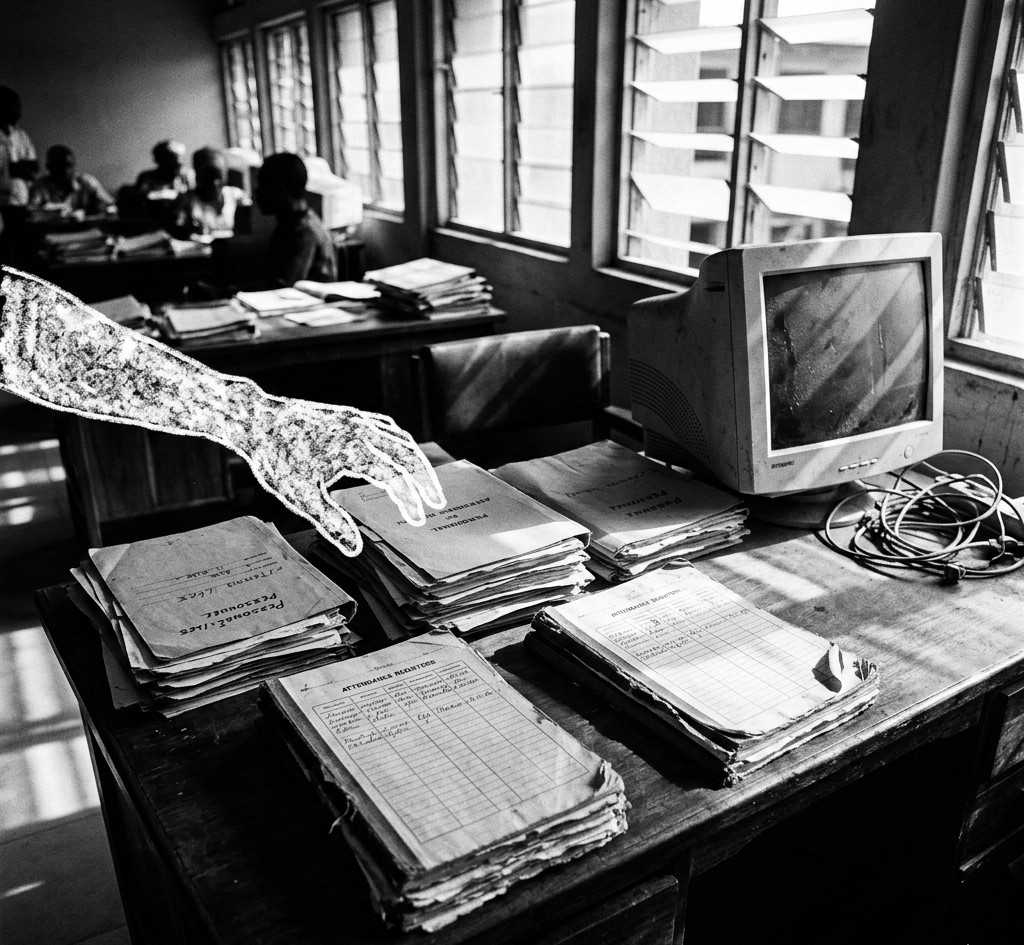
720,000 names sit on the federal payroll, according to the official count from the Integrated Personnel and Payroll Information System at the end of last year. That number has a certain official weight to it, a neat figure you can present in a report. The real question, the one that makes you lean forward a little, is how many of those names belong to the same person. Audits keep finding them, thousands of records where a single Bank Verification Number is attached to several different identities, a quiet multiplication of one salary stream into many.
One Person, Several Paychecks
A government salary is a monthly promise from the public treasury, and duplicate BVNs mean one individual collects on several promises under different aliases. The mechanics have a simple, almost bureaucratic elegance. You get a job at a ministry, then with a slightly altered name you secure another in a different agency. For years, both records sailed into the IPPIS because the system’s early checks weren’t tight enough. Each month, salaries for both ‘employees’ land in accounts controlled by one person. This isn’t speculation. A 2025 report from the Office of the Accountant-General looked at just five ministries and flagged 1,020 records with this exact pattern. That’s a sample from five ministries, and you can let your mind wander across the entire federal service.
The System That Couldn’t
This payroll system was launched to eliminate ghost workers, and for years the government celebrated the savings. The Ministry of Finance reported blocking N400 billion in fraudulent salaries between 2019 and 2023. But the duplicate BVN reveals a more sophisticated game. Ghost workers are fictitious entries, while the civil servant with multiple names involves real individuals creating several legitimate ones. They are physically verifiable, just under different aliases. A senior official explained the old challenge.
“The system initially validated employees in silos. A John Musa in the Ministry of Agriculture and a J. A. Musa in the National Assembly Service Commission could register separately. The BVN linkage now exposes these overlaps.”
– A Director of Finance and Accounts, Office of the Accountant-General of the Federation, February 2025.
The Arithmetic of Leakage
Take a mid-level civil servant on a certain grade. Their annual pay comes to roughly N1.8 million. One duplicate identity doubles that income to N3.6 million from public funds. Now look at the total wage bill, which reached N5.97 trillion in the 2024 budget. That was about 31% of the entire national budget that year. Every fraudulent duplicate draws directly from that pot, so funds for roads or clinics shrink with each fake entry. The audit of five ministries gives a concrete example: the 1,020 flagged duplicates represented a potential annual drain of over N1.8 billion. And that’s just a sample.
The Gatekeepers
You might wonder how one person gets hired in two places. The trouble often starts with the human resources gatekeepers. For a fee, they can overlook discrepancies in names or previous records. The decentralised nature of recruitment created this vulnerability, because before full integration, ministries managed their own hiring. Dr. Folasade Yemi-Esan, the Head of the Civil Service, acknowledged this legacy issue.
“We inherited a fragmented system. Harmonisation under IPPIS is a continuous process. The audit exercise is part of that cleansing.”
– Dr. Folasade Yemi-Esan, Head of the Civil Service of the Federation, November 2025.
Internal collusion makes it possible, where an applicant submits a file with minor variations and a compliant officer processes it without rigorous checks.
A New Firewall
But there is a new firewall: the mandatory linkage of the National Identity Number to all government services. The National Identity Management Commission database stores biometrics, and unlike the BVN, the NIN links to a single individual. The federal government issued a directive in 2024 for all payroll records to integrate with the NIN, a process still ongoing. Data harmonisation presents technical hurdles, officials cite issues with formatting and protocols. The potential, however, is definitive. One NIN equals one federal employee record, and any attempt to register a second would trigger an immediate alert. The NIMC database held 107.3 million records at the start of this year, so coverage of the adult population is within reach.
The Wider Picture
This phenomenon isn’t confined to Abuja. Many state governments run their own payrolls, and the lack of a unified national database allows duplicates across different tiers of government. A person could hold a federal job and a state job under different names. A 2024 report by the Nigeria Governors’ Forum highlighted audits in 12 states that uncovered thousands of ghost and duplicate entries, saving an estimated N25 billion. It gets more complex because the specific issue of BVN duplicates across state lines is harder to track, since states lack automatic access to the federal payroll for cross-referencing. This creates a convenient blind spot.
Paper Laws, Real Challenges
The law books have provisions to address this, with the Criminal Code and the ICPC Act criminalising obtaining property by false pretence. Collecting a salary under a false identity certainly qualifies. But successful prosecutions for this specific crime are rare, given the complexity of proving intent across multiple agencies. The Economic and Financial Crimes Commission often focuses on larger cases, so a civil servant with multiple names might face administrative dismissal more often than criminal charges. Recovering the fraudulently collected salaries remains its own logistical puzzle.
The Cost of a Clean Slate
Imagine the entire federal payroll verified and cleansed of duplicates. The exact amount saved is speculative without a full audit, but using the conservative sample from the five-ministry check, the scale is substantial. Those potential savings translate into tangible things. The 2026 budget allocates N1.33 trillion to defence and N1.58 trillion to health. Recovered payroll funds could augment these critical allocations without increasing the deficit. Contrast this with revenue efforts, where the finance ministry estimates a 30% efficiency gain from full digitalisation of tax collection. A similar drive on the expenditure side, starting with the payroll, would have its own multiplier effect.
Where Things Stand
The technology to fix this is available and partially deployed. The platform exists, the database grows, and the directive for integration is official policy. Yet the gap between policy and full execution defines the reality. Technical interoperability requires sustained focus and funding, and resistance from vested interests who benefit from the opacity is predictable. The Office of the Accountant-General continues its phased audit, each phase identifying more duplicates for deletion. The public rarely sees these internal corrections, which happen quietly, out of view.
A Simple Step Forward
What can be done? The federal government could publish a periodic report on the payroll audit, detailing the number of duplicate records removed and the annual savings achieved. Transparency would build public confidence and signal the closing of loopholes. The template exists in the updates released by the finance ministry on tax revenues. Applying that model to payroll integrity is a logical step. The National Assembly, which appropriates the funds for salaries, has a vested interest in requesting this data, and oversight committees could mandate quarterly briefings. Public scrutiny often accelerates bureaucratic action, giving a gentle nudge to a slow-moving process.
The story of the civil servant with multiple names is one of systemic leakage. Technology was introduced to block one form of waste, only to be circumvented by another. The solution lies in layering digital controls until the gaps close, but the political will to see it through matters more than any software upgrade. Every salary paid to a fictitious identity is a classroom block unbuilt or a kilometer of road unpaved. The arithmetic is simple. The execution, as always, is everything.



Crime
Jos Massacre Update Governor Mutfwang Reveals NDLEA Impersonation
The governor said the attackers wore NDLEA uniforms, a deception that allowed them to move without suspicion. It’s a story that makes you pause, a dangerous erosion of trust in the symbols meant to…

Jos Massacre Update Governor Mutfwang Reveals NDLEA Impersonation
Published: 04 April, 2026
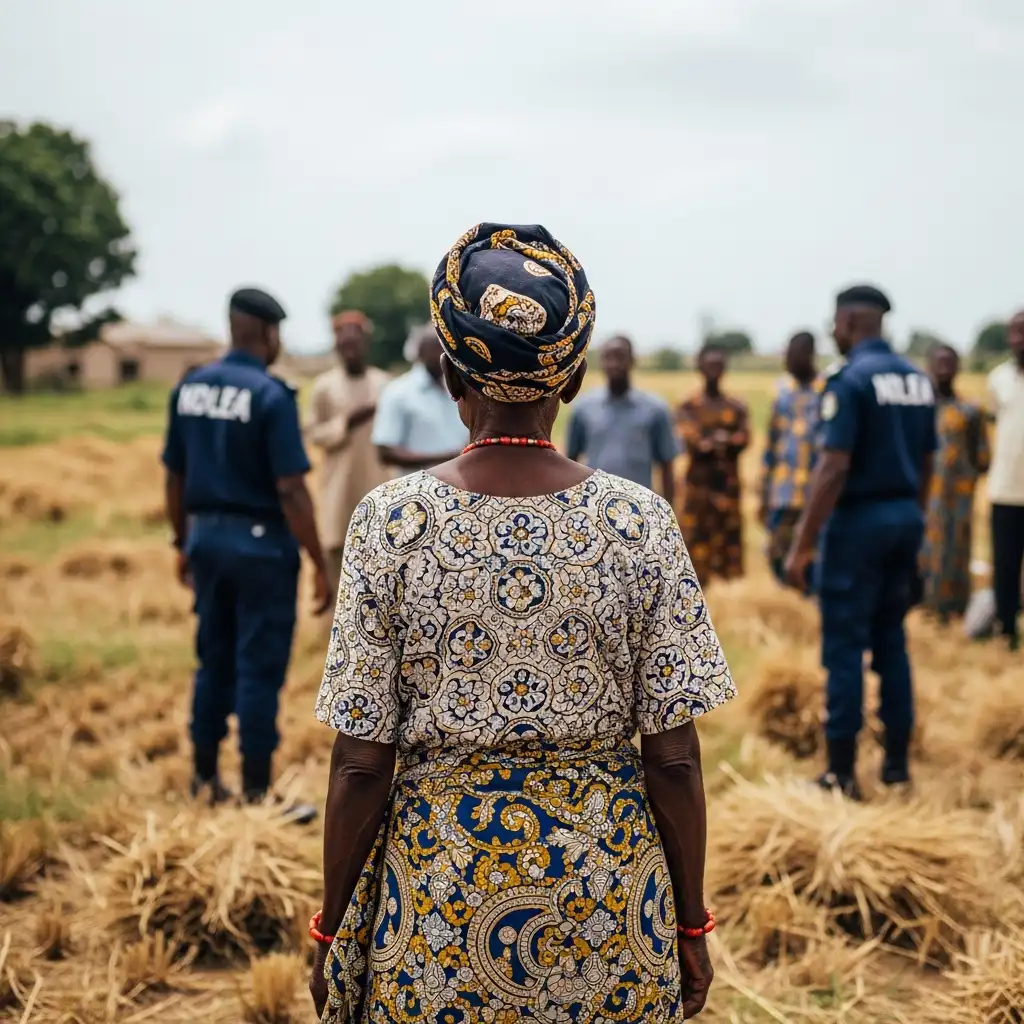
Caleb Mutfwang stood in front of the cameras in Jos on April 2, 2026, and told a story that makes you pause your tea halfway to your lips. The governor of Plateau State said the men who came to those villages in Mangu Local Government Area were wearing a particular kind of uniform. It was the uniform of the National Drug Law Enforcement Agency, the NDLEA, which is not something you see every day in those parts. They came dressed as the people who are supposed to stop the bad things, you see, and that is how they got close enough to do the worst things imaginable.
The Uniform Trick
It is an old trick, pretending to be authority, but it works because you want to believe the person in the uniform is there to help. Governor Mutfwang described a pattern where the attackers gained access by posing as security personnel, and the impersonation created a crucial window of confusion that delayed any real response from the communities. The initial suspicion was disarmed by a familiar sight, which is a deeply unsettling thought when you sit with it for a moment.
“The attackers came dressed in uniforms that looked exactly like those of NDLEA officials. This deception allowed them to move without immediate suspicion in the early stages of the assault.”
– Caleb Mutfwang, Governor of Plateau State, April 2, 2026.
The state government got this from preliminary reports and eyewitness accounts collected by the military and the police, and now they are calling for a full audit of security protocols. It is the kind of administrative response you expect, a call for an audit, while the real question hangs in the air: where does a person even get a batch of fake NDLEA uniforms?
Official Reactions
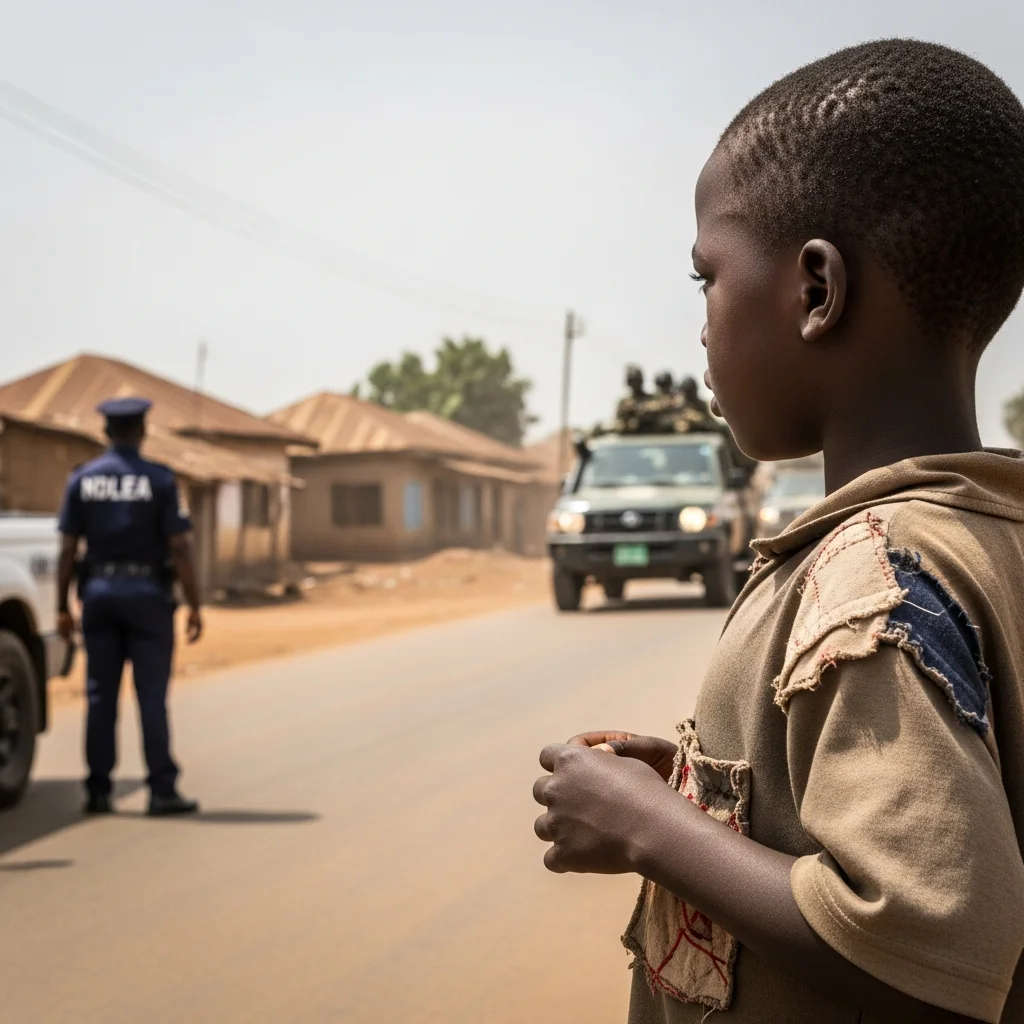
The Nigeria Police Force and Operation Safe Haven confirmed they are investigating this angle, with the police spokesperson in Plateau, Alabo Alfred, urging the public to stay vigilant. The military task force commander, Major General AE Abubakar, reported deploying more troops and setting up checkpoints, which is the standard playbook when things go wrong in a place that has seen too much of it. Over in the offices of the actual NDLEA, the spokesperson Femi Babafemi was not amused at all.
“This is a despicable act by criminals seeking to undermine state authority. The NDLEA uniform symbolizes the fight against drug trafficking and abuse. We are working with the police and military to apprehend those responsible for this impersonation.”
– Femi Babafemi, NDLEA Director of Media & Advocacy, April 3, 2026.
The agency condemned the act and said it would review how it controls its uniforms, advising communities to always ask for identification. It is sensible advice, of course, but you try calmly asking for ID from an armed group that has just rolled into your village announcing a raid.
The Human Arithmetic
The attacks happened between March 25 and March 28, and the numbers that follow such events are always provisional at first. Sunday Abdu from the Plateau State Emergency Management Agency later provided a clearer picture: over 15,000 individuals displaced from 12 communities. They are in primary schools and local government buildings now, which is where people go when there is nowhere else, and humanitarian groups are mobilizing with food and supplies. The data from groups like Nextier SPD shows over 200 conflict-related deaths in Plateau in just the first three months of this year, a sharp rise from last year, which security analysts link to political tensions and too many small arms floating around.
A Trust Eroded
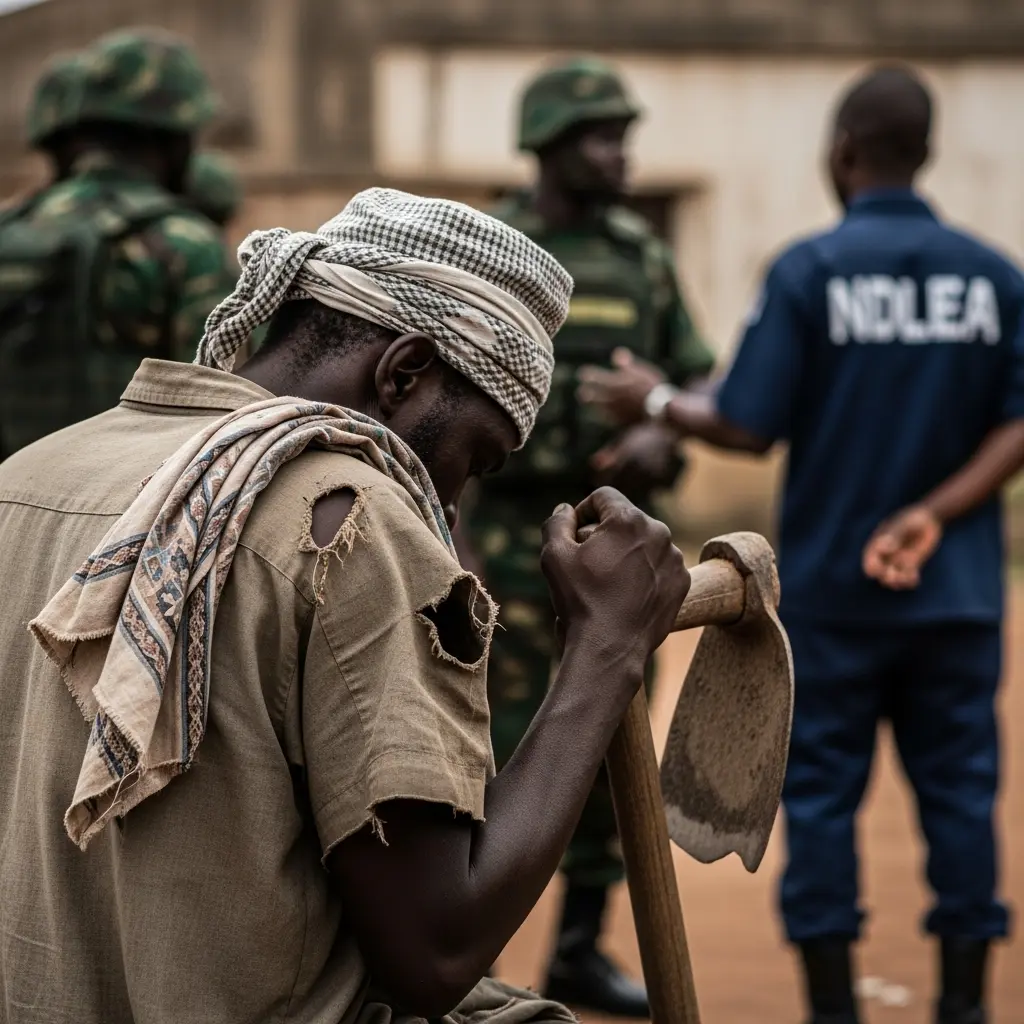
This is the real damage, beyond the immediate violence. When you cannot tell the real officer from the fake one, your trust in the institution itself begins to crumble. Communities become hesitant to provide intelligence or welcome patrols, and the attackers gain a terrible advantage by exploiting that very distrust. It creates a cycle of fear and isolation that is much harder to fix than a broken checkpoint. Local farmers have lost their homes and their ready-to-harvest crops, disrupting the planting season and threatening food security for the whole state, while community leaders plead for a permanent solution that seems perpetually out of reach.
The Investigation Continues
As of today, April 4, 2026, no arrests have been publicly announced. A joint group with the police, military intelligence, and the Department of State Services is working on it, focusing on tracing the source of the counterfeit uniforms and any links to local criminal networks. The Federal Government, through the Minister of Defence Mohammed Badaru Abubakar, has promised a top-priority investigation, and President Bola Tinubu has been briefed. Governor Mutfwang talks about a multi-faceted response: reviving peacebuilding platforms, early warning systems, and economic interventions for the youth. He wants to train local vigilante groups in proper identification procedures with the Nigeria Security and Civil Defence Corps, which is a practical idea if the funding and will are there to sustain it.
In the tense climate after such attacks, misinformation spreads quickly, so official channels are asking people to verify before sharing. And for the residents in these areas, the advice is straightforward but fraught with risk: ask for identification, contact local outposts to confirm operations, share credible information with your neighbors. It is about building collective awareness in a landscape where the symbols of authority have been weaponized against the very people they are meant to protect. The coming weeks will test whether the promises made in briefing rooms can translate into a tangible sense of safety for those 15,000 displaced souls wondering if they can ever go home.
Crime
Nasarawa Communal Attack Leaves Eleven Dead in Udege
Gunshots at 4 a.m. in Udege Mbeki. Eleven lives lost, homes burnt to ash over an old land dispute. It’s a familiar story in Nasarawa, where peace talks fade but the fear remains.
Nasarawa Communal Attack Leaves Eleven Dead in Udege
Published: 04 April, 2026
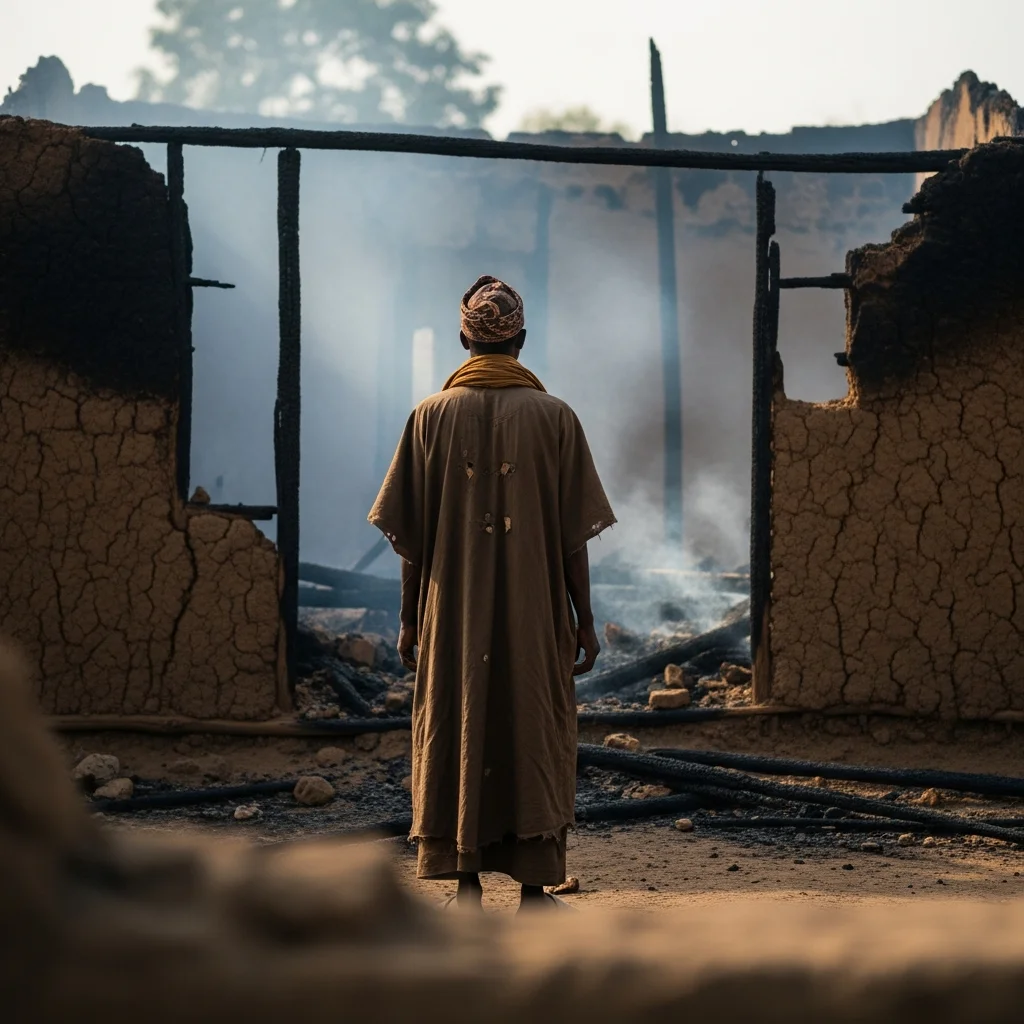
You know how it is with 4:00 a.m. in a place like Udege Mbeki. The world is supposed to be quiet then, just the sound of your own breathing and maybe a distant rooster getting ready to crow. That Tuesday morning, the sound was different. It was the crack of gunshots, which is a noise that has a way of changing everything in an instant. People woke up not to the dawn but to fire and panic, and when the sun finally did rise, it showed you eleven people gone and a line of homes turned to blackened timber.
The Anonymous Voice
Nobody wants their name in the paper after something like this. It is not safe. So you get a voice from the community, a leader who will only speak if you promise not to say who they are. Their description is simple and terrible, which is how these things often are. They came with guns and petrol, they shot people and set houses on fire, and we lost everything. That is the whole story in three lines, and then you have to sit with it for a minute.
“They came with guns and petrol. They shot people and set houses on fire. We lost everything.”
– Anonymous community leader in Udege Mbeki, speaking to Premium Times on April 2, 2026.
The police confirmed it, of course. DSP Ramhan Nansel said officers went in and found those eleven bodies among the burnt-out houses and food barns. It is the official stamp on a tragedy, a way of saying yes, this really happened, and here is the number. The number never feels like enough, though, does it.
Old Ground, New Blood
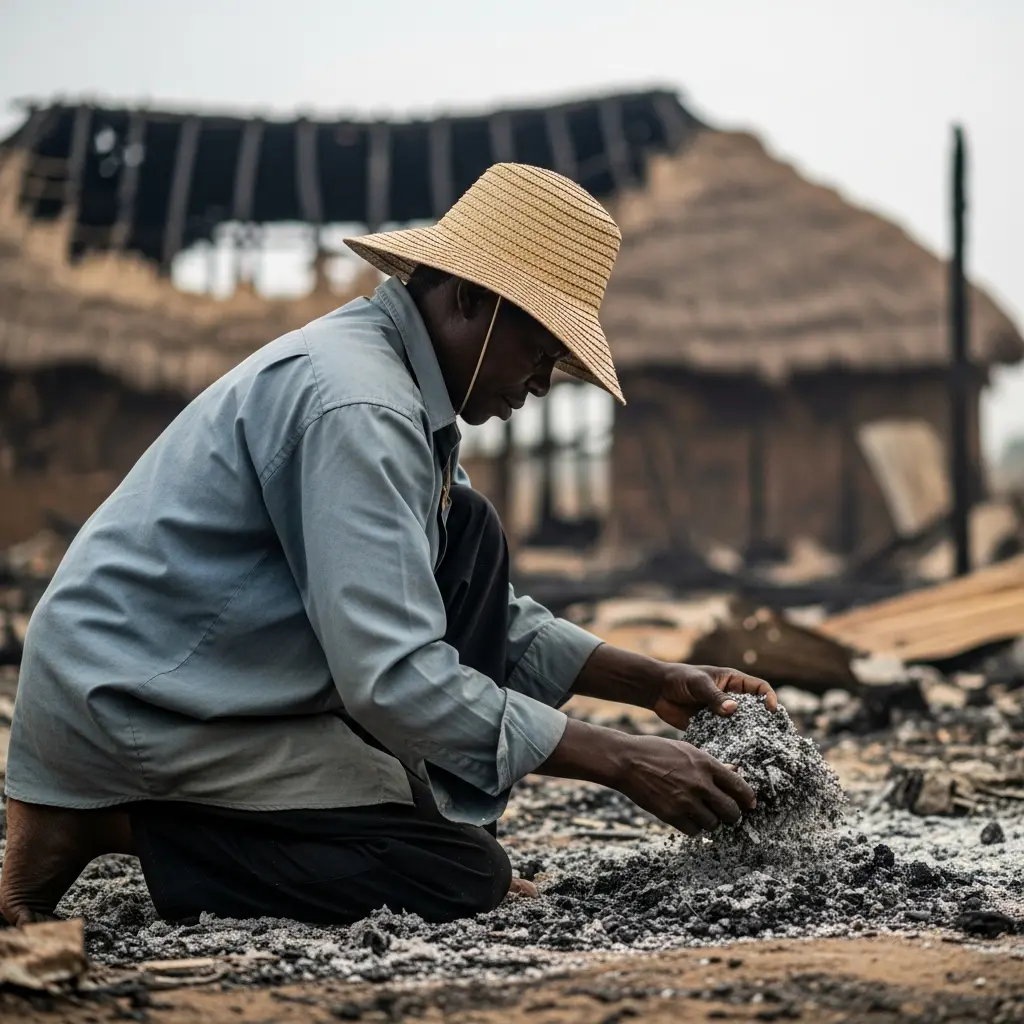
If you ask what started it, they will tell you it is about land. It is almost always about land in these parts. Udege Mbeki sits where the Bassa and Egbira people meet, and the question of who owns which patch of earth has been simmering for years. Farmers need it to grow crops, herders need it for grazing, and everyone is having more children while the good land seems to be getting smaller. The state government has tried peace talks before, which is a good thing to do, but you cannot talk the rain into falling or make the soil more fertile with a handshake. A report last year said land competition is the main thing driving violence here, and you look at the ashes in Udege and think, well, there it is.
A Grim Tally
This is not the first time. It will not be the last. Some people keep count, and their numbers show Nasarawa State had over 80 incidents of political violence in 2024. Many were clashes just like this one. The emergency management people are always busy here, listing Nasarawa among the states with the most displaced persons because farmers and herders cannot find a way to share the space. They send security forces, but the land is vast and rural, and a police truck cannot be everywhere at once. So communities feel alone, and they wonder when the next group will come in the night.
What The Fire Leaves Behind
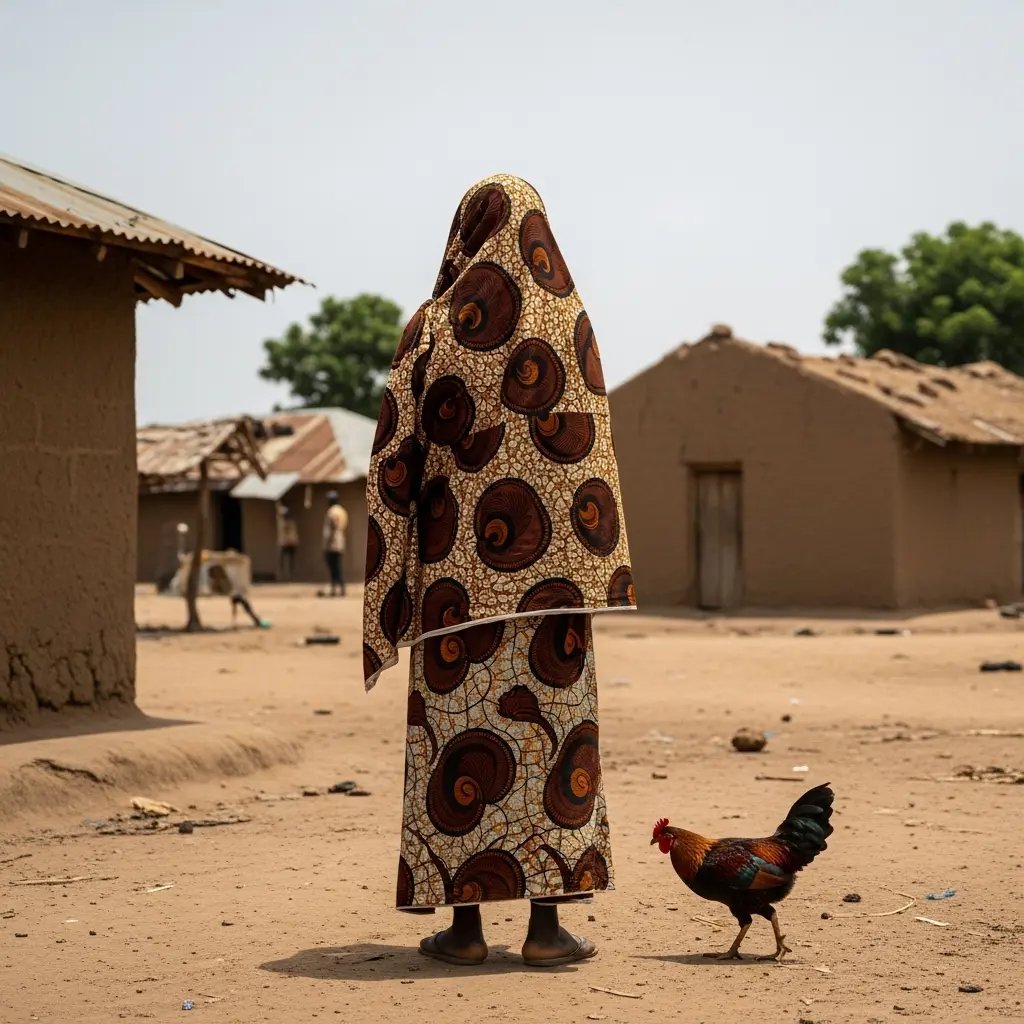
The dead are one thing. The living are another. Hundreds of people in Udege now have no home, no food from their barns, and no belongings except the clothes they ran in. The children will carry the memory of that night for a long time, maybe forever. When you are displaced like that, you end up in a camp or crowding into a relative’s house in town, which strains everything and solves nothing. The immediate need is for shelter and a meal, but the longer need is for a reason to believe it will not happen again next season.
The Governor’s Words
Governor Abdullahi Sule said the right things, as governors do. He condemned the attack and called it barbarism. He promised the full weight of the law would come down on the perpetrators and that security agencies would find them. He appealed for calm, which is the most important plea of all when the air smells of smoke and revenge.
“This act of barbarism will receive the full weight of the law. We are committed to finding the people behind this and ensuring they face justice.”
– Governor Abdullahi Sule of Nasarawa State, official statement, April 2, 2026.
People listen to those words with a mix of hope and a deep tiredness. There have been arrests before, but you do not hear much about what happens after that. Do they go to court? Are they convicted? The cycle of impunity makes it seem like violence is a cost of doing business, and that is a dangerous lesson for anyone to learn.
Why Peace Talks Fade
They have peace committees here. They bring together the traditional rulers and the elders and the youth leaders, and they sit and talk. It works for a little while. Then the dry season comes, or someone’s cow eats someone else’s crops, and all the old grievances about who owns what land come boiling back up. The young men, who have no jobs and few prospects, find it easy to pick up a weapon if a militia group promises them protection or a way to hit back. It undermines the elders who signed the accord, and the whole fragile peace unravels until the next meeting. It is a dance that never seems to end.
The Ripple Effect
What happens in Udege does not stay in Udege. It pulls soldiers and police away from other duties, stretching the security forces thin. It makes farmers too scared to plant, which means less food in the markets of Lagos and Abuja later on. It creates a whole population of displaced, angry people, and you know how that can be used when election time comes around. Someone will find a way to frame it as an ethnic problem or a religious one, turning pain into a political tool. The local fight becomes a national headache, and nobody wins.
A Small Thing You Can Do
It feels big and hopeless, but there is one small pressure point. You can ask about the court case. When the police say they will arrest people, you can write to your state assembly member or the Ministry of Justice and ask for a public update. What happened to the suspects? Are they being prosecuted? Sustained public interest is the only thing that moves a story from the front page to the court docket. It is a way of saying that eleven lives are worth more than a headline and a promise. It reminds everyone that justice is not a speech, it is a process.
After The Headlines
The ashes will cool. The funerals will happen. The news will find another story. And the people of Udege Mbeki, and a hundred places like it, will be left with the old problems of land and law and a future that feels uncertain. Fixing it would take something brave, like a proper survey to document who owns what and a special court to settle the historical disputes. It would cost a lot of money. But you look at the cost of the burning and the dying and the fleeing, and you have to wonder which bill is actually higher. Until that calculation changes, people will keep going to bed in Nasarawa listening for a sound that should not come at 4:00 a.m.
Crime
How to Block a Stolen Phone in Nigeria Using the IMEI Number
A stolen phone feels like a violation. But a unique 15-digit number—your phone’s IMEI—is the key to locking it out of Nigeria’s networks. Here’s the official process to protect yourself.
How to Block a Stolen Phone in Nigeria Using the IMEI Number
Published: 31 March, 2026
Fifteen digits are all that stand between a thief and a clean getaway. That sequence, unique to every mobile phone in the world, is the key to locking a stolen device out of the entire network of Nigeria. The feeling when your phone disappears is a particular kind of cold dread, a violation that goes straight to the stomach because that slab of glass and metal holds more than just contacts. It contains the gateways to your money, the private conversations with your family, and years of photographs that cannot be replaced. In that moment of panic, you have one powerful tool, and it is a number you probably never wrote down.
First, Protect Your Money
Panic is natural but action is better, and the very first action has nothing to do with the phone itself. You need to protect your bank accounts before the thief even has time to think. Use another device to log into your mobile banking app immediately and disable any card linked to payment services on the stolen phone. Financial fraud often follows physical theft at a frightening speed, with criminals attempting to drain accounts or make purchases before you realize what is happening. Change the passwords for your primary email and social media accounts next, which prevents them from resetting passwords for other services you use. These two steps create a crucial barrier and should take less than 10 minutes, forming your first and most important line of defense.
Your Phone’s Digital Fingerprint
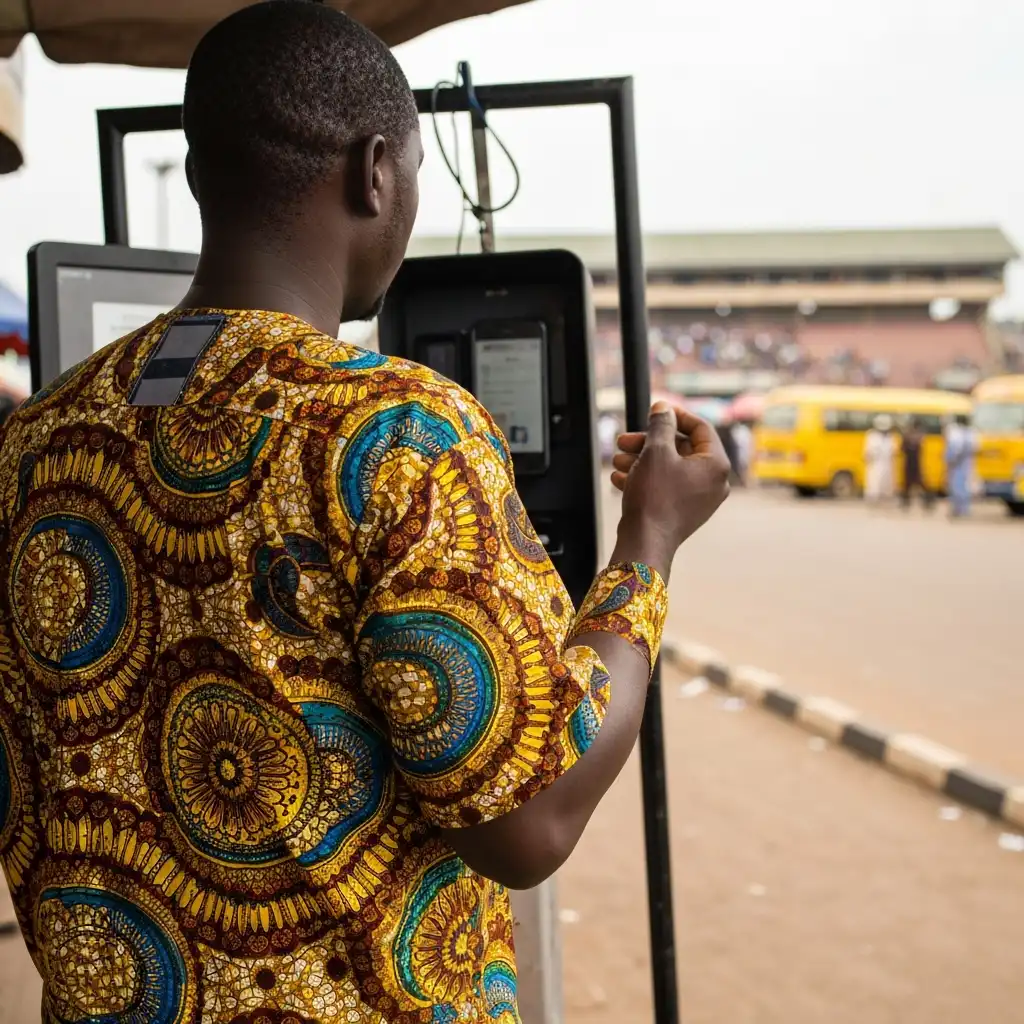
Every mobile phone has a different identifier called the International Mobile Equipment Identity number, a digital fingerprint that no other device shares. You can find this 15-digit code by dialing *#06# on the keypad, and it will appear right there on the screen. The smart thing, of course, is to have written it down yesterday and kept it somewhere safe away from the phone itself. If you have lost that chance, check the original box the phone came in or look in the settings menu under “About Phone.” The Nigeria Communications Commission maintains that this number is the primary key for tracking and blocking devices across all networks, which makes it the most important piece of information you can own about your device.
The Official Path to a Block
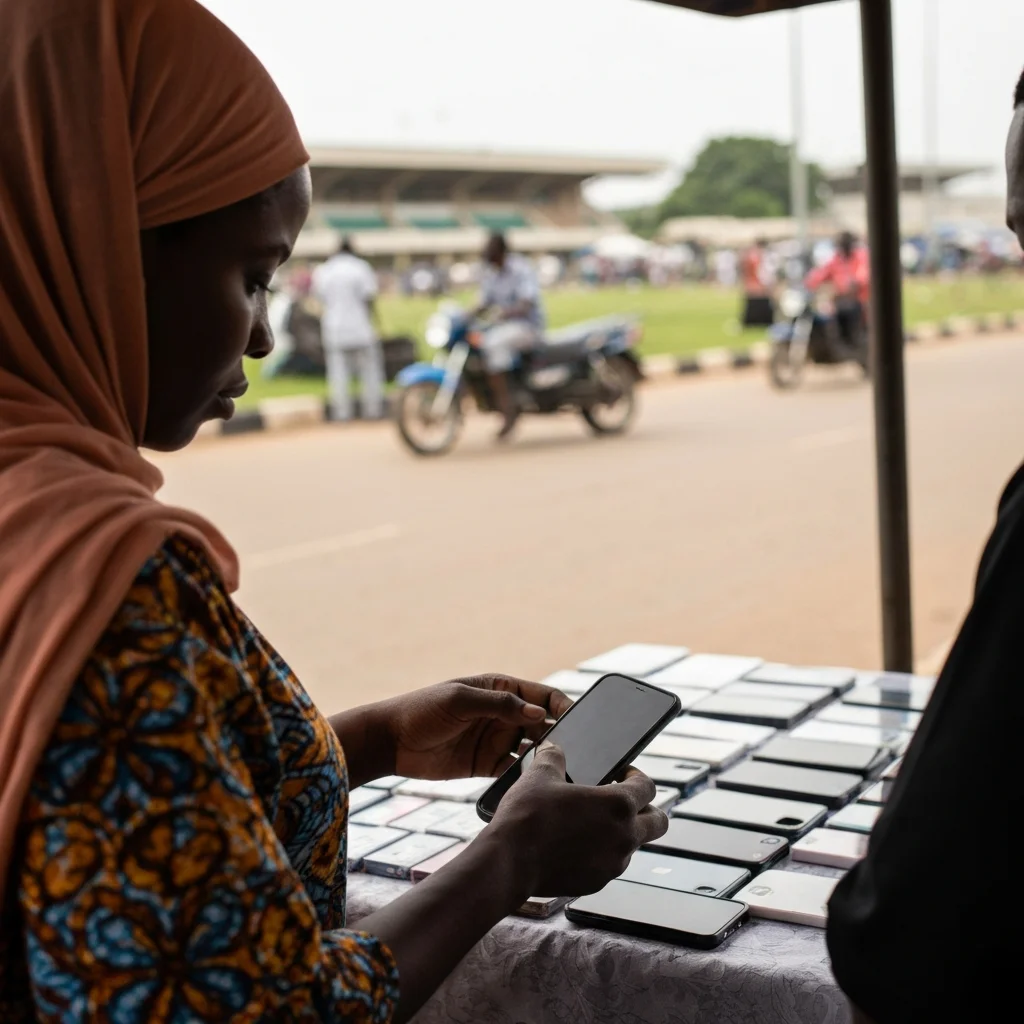
The core of the process runs through the Nigeria Communications Commission, the regulator that operates a system called the Central Equipment Identity Register. This is a national database of IMEI numbers, and when you report a stolen phone, that unique code is added to a blacklist shared with every mobile network operator in the country. Once blacklisted, the phone cannot connect to any cellular network for calls or data, effectively turning it into a brick for communication. To start this process, you need to visit the nearest police station and obtain an official extract, a police report that serves as your legal proof of the theft. You then submit this report along with proof of ownership and your IMEI number to the NCC, following the process outlined on their official digital platform.
Tell Your Network Provider
While the NCC handles the national blacklist, you should also walk into your specific mobile network provider’s office or contact their customer service. Companies like MTN, Airtel, Glo, and 9mobile can immediately block the SIM card that was in the stolen phone, which stops the thief from using your phone number. They will deactivate that SIM and issue you a replacement with the same number, protecting your contacts from harassment and preventing the misuse of your line for receiving two-factor authentication codes. Network providers have their own fraud monitoring systems, and reporting the theft helps them flag any suspicious activity on your account quickly.
What a Block Actually Does
People often hope that blocking a phone renders it completely useless, but the reality has more interesting layers. When the NCC blacklists an IMEI, the primary effect is network exclusion—the phone loses its ability to make calls, send SMS, or use mobile internet on any Nigerian network. It can, however, still connect to Wi-Fi, so a thief could use it on a home or public network to access any apps or data already on the device if you did not have a screen lock. This is precisely why those initial steps of securing your accounts are so critically important. A blocked phone also loses most of its resale value within the local market, as vendors and informal repair shops sometimes check IMEI numbers and a phone that cannot make calls is worth only a fraction of its price for spare parts.
The System’s Limits
No system is perfect, and the one for blocking phones faces its own set of Nigerian realities. One significant challenge is cross-border movement, where a phone blocked in Nigeria may still work perfectly in a neighboring country that does not share blacklist data. Thieves sometimes traffic stolen devices across borders for this reason. Another reality is IMEI cloning, a sophisticated process where criminals alter the unique number of a stolen phone to give it a new identity not on the blacklist, though this requires technical skill and is less common for random street theft. Enforcement is another layer, as the NCC must ensure all network operators consistently apply the block across their entire infrastructure, which requires continuous technical coordination to be fully effective.
Guard Your IMEI Now
The very best time to record your IMEI is yesterday, before anything happens. Write it down on a piece of paper and keep it in your wallet, or save it in a secure note on a cloud service you can access from another device. Enable strong security on the phone itself with a 6-digit PIN or a complex pattern, adding biometric locks like a fingerprint or face recognition for another layer. Set the phone to auto-lock after 30 seconds of inactivity, because these measures slow down a thief who gains physical access. Be aware of your surroundings in crowded areas like markets and bus stops, since phone snatching is often a crime of opportunity, and using an expensive device conspicuously in vulnerable situations simply increases the risk.
Before Buying Used
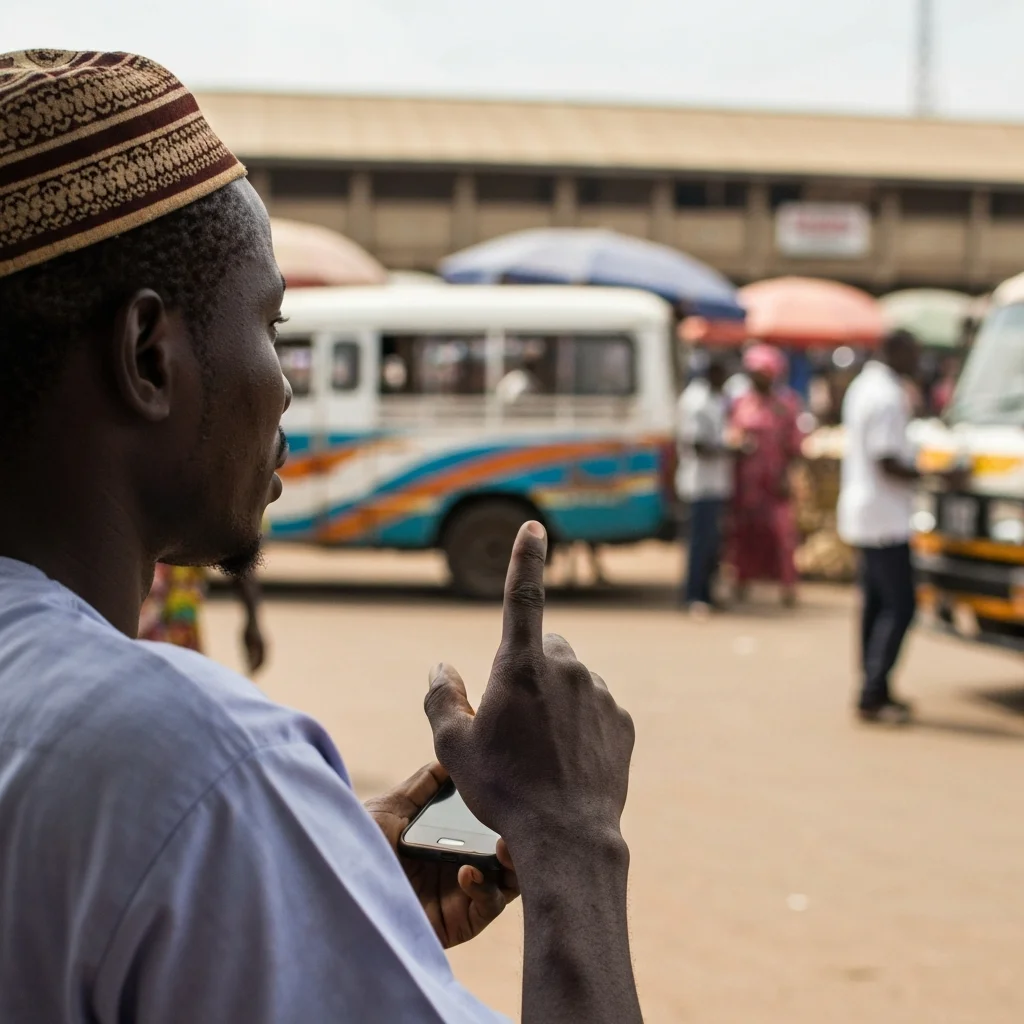
*#06# on the device to get it, then use the NCC’s verification service or a third-party digital platform to check against global blacklists. A clean check does not guarantee the phone is not stolen, but a blacklisted IMEI is a definite red flag that means you will never be able to use the device on Nigerian networks. Ask the seller for proof of purchase like a receipt or the original box, which adds a layer of legitimacy even in the informal market. This straightforward check saves you from future headaches and stops you from accidentally supporting the market for stolen goods.
Getting the Police Report
That police report is the official gateway to the blocking process, and cooperation between the police and the NCC is vital for it to work. When you report the theft, provide the IMEI number to the officer, and be persistent in getting the official extract filed even if some officers may downplay the loss of a phone. The Nigeria Police Force National Cyber Crime Centre can, in some cases, track a phone if it connects to the internet, though this requires coordination and is more likely in cases involving organized theft rings. The report itself is also a statistical tool that helps law enforcement identify crime hotspots and patterns, so insist on filing it because it is your right and your primary document for the next steps.
The Quiet Power of a Number
Here is a small, doable action you can take today that costs nothing but a minute of your time. Pick up your phone and dial *#06#, then write the 15-digit number that appears on a piece of paper and put it in a drawer at home. Do it for every phone in your household. This simple act places a powerful tool directly in your hands, so if the worst happens, you are prepared and can bypass the frantic search for the box you threw away last year. Phone theft in Nigeria is a common crime, but the response does not have to be helplessness because you have a process, an identifier, and a path to reclaim control.
“The IMEI number is the most important piece of information for recovering or blocking a stolen mobile device. Consumers must treat it with the same importance as a bank account number.”
– Prof. Umar Danbatta, Executive Vice Chairman, Nigeria Communications Commission, October 2025.
The system for blocking a stolen phone in Nigeria exists and it works within its limits, but its power depends entirely on you knowing your IMEI and following the steps. Secure your finances first, report to the police, and then use that 15-digit code with the NCC to layer your defense. In a difficult situation, it remains the best shot you have.
🔍 How To Track A Lost or Stolen Phone Using IMEI (Best IMEI Tracking Procedure)

Ancient Rock Art Traditions Endure in Igbara Oke Caves

Palm Wine Tapper Climbs Same Tree That Killed His Father in Ozoro

Hunter Hears Dead Brother Whistle in Ganye Forest Mystery

Farmer Plants Yam That Grows Downward to Water Table in Drought

She Kept Asking and They Kept Moving Her in Nigeria

Global Food Prices Rose 2.4% in March 2026

Chigozie Obioma International Booker Prize 2026

Jidenna Pan African Sounds Latest Musical Project 2026

Hakeem Oluseyi Brings Astrophysics to Classrooms Worldwide

NANS Diaspora Nigerian Students Eastern Europe

Nnamdi Asomugha From NFL Cornerback to Hollywood Producer

Folake Olowofoyeku Stars in American Sitcom on Nigerian Family Life

Internet Sovereignty: Why Some Countries Want Their Own Separate Internet

The Story Of The Nigerian Who Helped Build Global Internet Systems

Nigerian Hackers: The Global Fraud Story and Its Fallout

Forgotten Satellites Defy Silence, Beaming Signals for Decades

The Phone Stay So Quiet: An Investigation into Nigeria’s Silent Customer Lines

Your Digital Store in Nigeria and the Reality of Domain Expiration

The Business That Died: A Nigerian Case Study in Refusal to Adapt

Hiding Your Business From People With Money

How Nollywood Grew Without Government Support

Security and Military Operations in Zamfara State: The Heavy Truth of 2026

Moniepoint Business Account Requirements Nigeria for SMEs 2026

Comedy Industry in Nigeria and Its Economic Contribution

 Digital Sovereignty8 months ago
Internet Sovereignty: Why Some Countries Want Their Own Separate Internet
- Technology & Innovation8 months ago
The Story Of The Nigerian Who Helped Build Global Internet Systems
- Crime8 months ago
Nigerian Hackers: The Global Fraud Story and Its Fallout
- Space Technology8 months ago
Forgotten Satellites Defy Silence, Beaming Signals for Decades
- Maritime8 months ago
The Phone Stay So Quiet: An Investigation into Nigeria’s Silent Customer Lines
- Business8 months ago
Your Digital Store in Nigeria and the Reality of Domain Expiration
- Business8 months ago
The Business That Died: A Nigerian Case Study in Refusal to Adapt
- Business8 months ago
Hiding Your Business From People With Money