Security & Crime
The Immediate Cost of Sabotage
Five men are in custody for stripping cables from street lights in Cross River, a small victory in a war that never ends. The arrest reveals a national pattern of asset stripping that costs billions…

The Immediate Cost of Sabotage
Published: 08 March, 2026
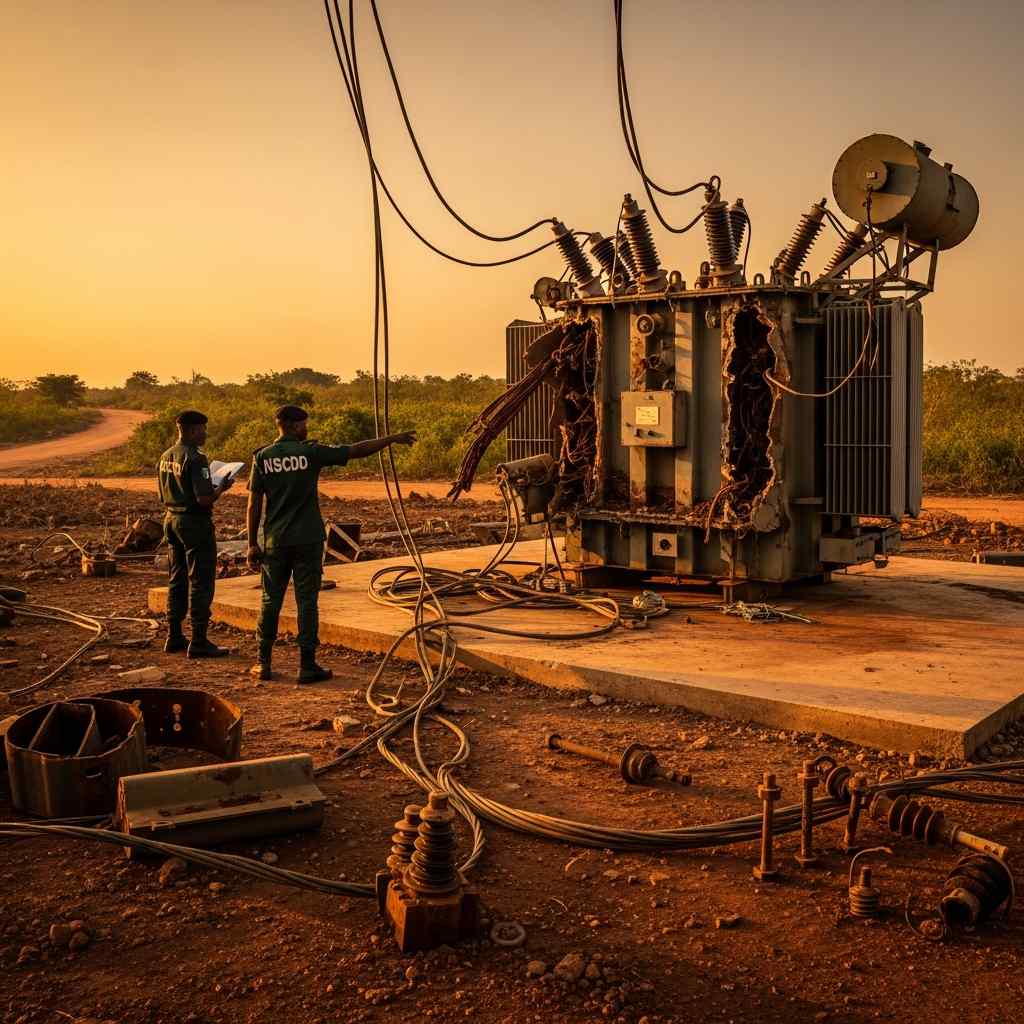
Five men are in custody in Cross River State for stripping armored cables from street lights, a small victory for the Nigeria Security and Civil Defence Corps in a war that never seems to end. They were intercepted along the Calabar-Ikom highway back in May 2024, targeting the Federal Housing Authority Estate. The pattern is familiar to Commandant Samuel Fadeyi, whose command arrested eight suspects in October 2022, with three specifically for transformer cable theft. This single event is not an outlier but part of a national pattern of targeted asset stripping, where the sound of a generator hums as a frequent reminder of the fragility these vandals help to create.
The Paper Trail
The NSCDC holds the primary statutory responsibility for protecting critical national assets under the NSCDC (Amendment) Act of 2007, maintaining a specific Directorate of Critical National Assets and Infrastructure that covers oil pipelines, telecoms equipment, and electrical installations. Commandant General Ahmed Audi emphasizes this role constantly, reiterating the commitment of the Corps to safeguarding all government investments in a 2023 address to state commandants. The reality on the ground, however, demands constant vigilance against networks that are often sophisticated, and files concerning past vandalism cases stack on office floors because shelf space ran out years ago.
The Numbers Game
Let us talk numbers. The Nigerian Communications Commission reports that telecom operators lost roughly N27 billion in 2023 alone from fiber optic cable cuts and tower vandalism, a staggering scale that saw 19,384 fiber cuts recorded between January and August 2024. The previous year was worse, with over 50,000 fiber cuts in 2023, about 30,000 of which were caused by road construction. These figures exclude the downstream paralysis where businesses lose productivity during prolonged outages and communities face water shortages from damaged pumps, making each incident a net negative economic event for the nation because the cost of replacement always dwarfs the scrap value obtained by the vandals.
How It Happens
Actionable intelligence led operatives from the Anti-Vandal Squad to track and intercept a vehicle loaded with stolen cables in Cross River, with the suspects trying to flee before being caught with rolls of armoured cables, cutting tools, and the getaway vehicle. This is the playbook of Commandant Fadeyi, whose previous operations include foiling a major pipeline vandalism attempt in Calabar in August 2022 involving a 100-meter tunnel, and he consistently emphasizes proactive, intelligence-driven operations with promises of diligent prosecution. But there is a catch, as infrastructure vandalism in Nigeria follows a well-worn pattern of nocturnal operations and rapid transport to black markets, and the messenger still leans against the wall outside the office of the prosecutor, waiting for the next case file.
Where It Goes
Vandalism concentrates in regions with extensive infrastructure but limited surveillance, with the Niger Delta remaining the primary hotspot for pipeline vandalism and the South-East and South-South zones reporting high incidence of electrical cable theft. Railway infrastructure is not spared either, with the Lagos-Ibadan and Abuja-Kaduna corridors recording multiple incidents of component theft. Data from the NSCDC National Headquarters tells a story of persistent pressure, as over the five years from 2021 to 2025, the Corps arrested 2,677 suspects for vandalism and related crimes, including 571 suspected vandals nationwide in 2023 alone with 121 convictions, showing the challenge is nationwide with no simple geographic solution.
The Legal Maze
The laws are severe, with the Miscellaneous Offences Act prescribing life imprisonment for vandalism of public property and the Electric Power Sector Reform Act having specific provisions too, but conviction rates concern security agencies despite this. Case files experience delays, and prosecutors face challenges with evidence and witnesses, so the judiciary needs dedicated attention to expedite these trials. This legal bottleneck diminishes the deterrent effect of every arrest the NSCDC makes, creating a gap between the law on paper and the reality in the courtroom.
The Scrap Market
An active informal market provides the economic incentive where vandals sell stolen copper and aluminum to unscrupulous dealers, with the materials often re-entering the legitimate supply chain after minimal processing. The National Association of Scrap and Waste Dealers of Nigeria has called for stricter regulation, and some state governments have tried to register businesses, but enforcement is inconsistent. The lack of a centralized digital registry for transactions complicates tracking, so stolen public assets simply disappear into the system, making it hard to trace them back to their original source.
Community Silence
Effective protection requires community cooperation, but often vandals operate with local knowledge or assistance, and fear of reprisal silences potential informants. The NSCDC has initiated community partnership programs to build trust, and they have yielded results in some areas, creating networks of eyes and ears on the ground. Contrast this with the technological gaps where remote pipelines and power lines lack continuous electronic monitoring, and budgetary constraints limit advanced sensors and drone patrols, creating windows of opportunity that criminal elements walk right through without anyone noticing until it is too late.
The Trust Deficit
Repeated vandalism erodes public confidence as citizens experience unreliable electricity, water, and communication, a fragility that discourages investment and stifles economic growth. The World Bank consistently cites infrastructure deficit as a major constraint, and vandalism directly feeds it, trapping utility companies in a cycle of repair instead of expansion. Capital for new projects diverts to replace what was stolen, and the public sees this as governmental failure, so the social contract weakens with each blackout and each dry tap, making people wonder what they are paying for.
More Arrests, Same Problem
Annual reports show a marked increase in vandalism-related arrests over the past five years, with the Corps reporting over 1,500 suspects arrested in 2021 and the number increasing since, reflecting either heightened crime or improved enforcement, likely both. The Corps has established more dedicated Anti-Vandal Units and conducted joint operations with the police and army, with training now focusing on forensics and intelligence to stay ahead of the criminals. But the frequency of incidents suggests the problem needs more than a security solution, demanding a systemic overhaul that addresses the root causes rather than just the symptoms.
What Comes Next
The Cross River arrest is necessary enforcement, but sustainable progress depends on the underlying conditions where youth unemployment and poverty create a recruitment pool for syndicates. Alternative livelihood programs in high-vandalism regions could reduce the economic appeal, and strengthening community ownership of infrastructure projects fosters protective attitudes among the people who use them. Transparency in spending builds public trust, so when citizens see projects as legitimate and beneficial, they become stakeholders in their protection. This cultural shift, plus effective policing, is the durable solution, but it requires patience and consistency, two things that are often in short supply.
One Small Fix
Establish designated special courts or fast-track desks for infrastructure vandalism cases to accelerate trials, a procedural adjustment that requires minimal new legislation but maximum judicial will. It would demonstrate state seriousness, ensure swift justice, and amplify the deterrent of every arrest made by the NSCDC and other agencies. The digital bridge between arrest and conviction needs fortification, and we can start there, with one small fix for a large problem that has been going on for too long. Sometimes the solution is not in grand plans but in making the existing system work as it should, without delay and without excuses.








Security & Crime
Cyber-Threats in Nigeria and the Fragile Digital Spine
A ransomware attack held a state water corporation’s finances hostage for 72 hours. This is the new normal, where digital systems we rely on have inherent weaknesses and the gap between policy and…
Cyber-Threats in Nigeria and the Fragile Digital Spine
Published: 19 March, 2026
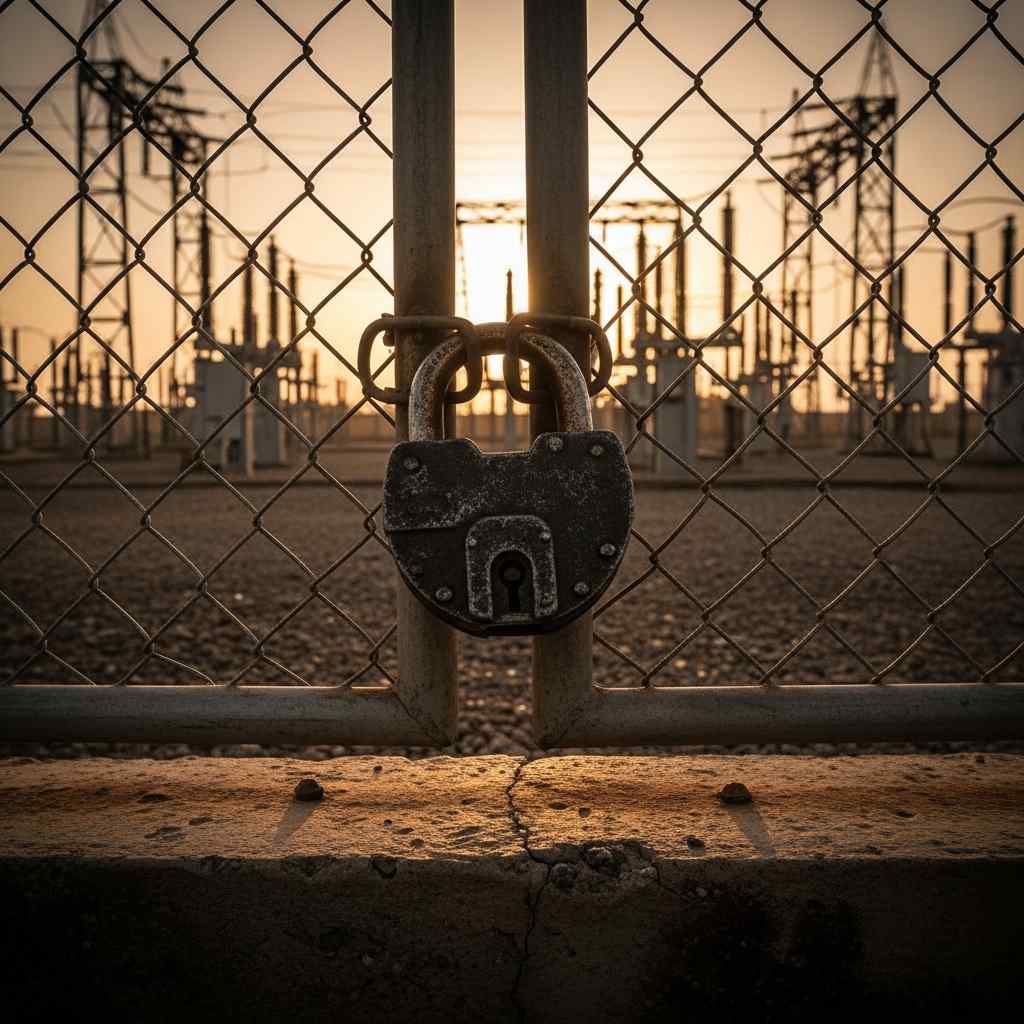
January 2026 was a difficult month for a major state water corporation. A ransomware attack locked its financial records for 72 hours, and the agency paid the equivalent of $50,000 in Bitcoin to get them back. This is not a story about a distant future but the new normal, where the system that sends your salary can be held hostage. The trouble is that every new government service moved online creates a bigger and more tempting target for someone with the right tools.
The ransomware economy finds a home
Financial desperation makes you an ideal victim, and attackers have become quite good at their homework. They gauge an organization’s ability to pay before they strike, which explains the 400% increase in ransomware attacks targeting local government payroll systems since 2024. The pattern is particularly cruel because they encrypt the system just before the monthly salary run, creating immediate and immense pressure to pay. Staff face no income, and the alternative of restoring from backups often crumbles because those backups were never tested or failed long ago.
“The conversation has moved from prevention to response. We assume a breach will happen. The question is how fast you can contain it and recover.”
– Vincent Olatunji, National Commissioner, Nigeria Data Protection Commission, March 3, 2026.
The weakest link
This brings us to the hidden risk in the supply chain, where major projects depend entirely on third-party vendors. One compromised software update can infect every client, as seen in the 2025 breach of a Lagos-based cloud services provider that exposed data from eleven state ministries. Contracting processes rarely have stringent cybersecurity clauses because price wins the day, and a vendor with lower security overhead can easily undercut the rest. The government agency saves money upfront, but the real cost arrives later during a catastrophic data leak that nobody budgeted for.
Policy sleeps
We have a plan in the National Cybersecurity Policy and Strategy (NCPS) 2021, which outlines a framework for protecting Critical National Information Infrastructure. Progress on enforceable standards, however, is glacial when you contrast it with the funding. The 2026 budget allocates N5.2 billion to the Office of the National Security Adviser for cybersecurity, a figure representing about 0.03% of the total N49.74 trillion federal budget. This allocation often funds coordination meetings and workshops rather than concrete technical defenses, leaving known holes unfixed.
The digital bullseye
Platforms like the National Identity Number database, BVN, and the Treasury Single Account concentrate immense value into a single target. The Nigeria Data Protection Commission recorded over 1,000 reports of major data breaches in the 2024/2025 fiscal year, with a significant portion involving public sector data controllers. It gets more complex because the Nigeria Data Protection Act imposes fines for negligent data handling, but enforcing it against government agencies is a political minefield. The law risks becoming a tool used only against private companies while state actors operate with a different set of rules.
“You cannot secure what you do not know. Many ministries operate shadow IT systems purchased by a former director. No central inventory exists.”
– Kashifu Inuwa Abdullahi, Director-General, National Information Technology Development Agency, 2026.
The human click
12 commercial banks, and 38% of employees clicked the simulated malicious link. Training programs exist and attendance is mandatory, but retention is low when the employee returns to a desk with 100 unread emails. Urgency overrides caution every time, and one click is all it takes to grant access to the entire network.What might work
The solution starts with a mundane task like creating an inventory, where every government agency must list every server, database, and software license it operates. Without this list, patching known vulnerabilities becomes a guessing game that often reveals legacy systems running on software abandoned years ago. Next, a simple 24-hour incident response drill could simulate a ransomware attack on the payroll unit to test the communication chain and locate the backups. The results will be messy, backups will fail, and key people will be unreachable, but that mess is the entire point because it reveals the actual state of readiness far from the pristine policy documents. Fixing those specific, identified failures is what real progress looks like, one patched server and one trained staff member at a time, in a race where the adversaries develop new tools daily.
Security & Crime
Police Professionalization: The First 100 Days of a New Mandate
The new Inspector-General’s first 100 days test a promise of police professionalization. It’s about more than uniforms—it’s conduct, capability, and rebuilding shattered public trust, one station at…

Police Professionalization: The First 100 Days of a New Mandate
Published: 19 March, 2026
December 15, 2025 was the day the clock started ticking for the Nigeria Police Force. That is when the new Inspector-General took office and the first 100 days began, a period that always offers a window into what might come next. For an institution carrying the weight of public expectation and deep distrust, this window tests something called police professionalization, a concept that sounds good in meetings but means little until it changes what happens at a checkpoint or inside a station. It is not about new uniforms, though those help, but about conduct and capability and that shattered commodity called public trust.
What Professionalization Means Here
The term floats in policy documents, but here it means a force that operates with both technical skill and ethical rigor, accountable to the law and to the people it serves. The Police Act 2020 provides the framework, emphasizing service over force, which sounds straightforward until you remember the daily reality for many citizens. A professional officer in Lagos or Maiduguri would know how to de-escalate a conflict and have the integrity to refuse a bribe, but the gap between that ideal and the officer on the street remains the central challenge. The new IGP inherited this gap, and the initial actions have been about trying to bridge it, starting from the very top.
The Opening Moves
The first month saw a flurry of activity, with senior officers in charge of commands and formations getting new assignments. This routine exercise carried more weight this time, with the IGP citing the need for fresh perspectives and optimal performance, which observers read as an attempt to break up entrenched networks. A more concrete signal came with a directive on firearms from Force Headquarters, a memo reiterating that guns are a last resort and ordering refresher training for everyone. This responds directly to a persistent public grievance, the perception of trigger-happy officers, but whether it changes behavior at checkpoints in Port Harcourt or Aba depends entirely on what happens next. The IGP also gave a publicized boost to the Police Public Complaints Committee, an office designed to investigate allegations, which was mostly a message targeting perception, an attempt to show an internal mechanism for accountability actually exists.
The Training Equation
Any talk of police professionalization eventually circles back to training, where the quality at colleges in Oji River, Maiduguri, or Ikeja sets the foundation for everything else. The new administration announced a review, focusing on human rights, cybercrime, and forensics, but the ambition runs straight into infrastructure realities. Many colleges lack consistent electricity or modern equipment, and training 10,000 new recruits each year with outdated methods produces predictable results. The budget tells part of the story, with the allocation for police training in the 2026 appropriation bill remaining a small slice of a very small national pie. Retraining the over 370,000 officers already serving is a larger puzzle, currently relying on piecemeal, donor-funded workshops that reach only a tiny percentage, so sustainable change requires a systemic, well-funded pipeline that extends far beyond these first 100 days.
“The greatest challenge is not drafting new policies, but changing the institutional culture that has been built over decades. A memo from Abuja can get lost by the time it reaches a divisional headquarters in a remote area.”
– A retired Deputy Inspector-General of Police, speaking anonymously to Leadership in January 2026.
The Ghost of EndSARS
No evaluation of the police can proceed without the long shadow of EndSARS, the protests of 2020 that crystallized a deep, generational distrust. The new IGP’s early speeches acknowledge this history, emphasizing “citizen-centric policing” and “rebuilding bridges,” but the real test lies in tangible actions. Have families of victims from that period seen any justice? Do citizens feel safer reporting crimes now? Answers to those questions measure progress more accurately than any press statement. The flagship concept of community policing struggles here too, because the idea involves police working with local communities while many communities still view officers as outsiders or even predators. Building the required trust takes years of consistent, positive interaction, meaning these first 100 days can only plant seeds, nothing more.
The Welfare Question
You cannot discuss police professionalization while ignoring welfare, because an officer worried about feeding a family operates under a pressure that creates certain vulnerabilities. The infamous “roadblock economy” thrives partly because official salaries often fail to meet basic needs, which is why the new administration inherited the implementation of a 20% salary increase approved back in late 2021. Ensuring this increase reaches all officers without delays is a critical early test, though reports from some state commands suggest the payment has been uneven. Welfare also means barracks accommodation, healthcare, and insurance, and pictures of dilapidated police barracks in Lagos and Abuja that circulate online undermine any sense of dignity. A professional should live and work in an environment that reflects the importance of the job, but fixing the barracks requires capital budgets and cooperation from the Ministry of Police Affairs and the National Assembly, far beyond what the police leadership can do alone.
The Digital Frontier
Modern police professionalization is undeniably digital, so the IGP’s early tenure highlighted technology, with plans to deploy more digital tools for crime reporting and invest in forensic labs. The police have used platforms like the NPF Rescue Me App for years with mixed results due to network issues, but the real technological leap involves internal accountability. Systems to track complaints, monitor arms, and audit finances require digital infrastructure that also threatens established informal practices, guaranteeing some internal resistance. A senior officer in Abuja may champion a digital dashboard while a divisional officer in a state without stable electricity finds ways to bypass it, and the promise of technology raises equity questions too. A high-tech command center in Abuja feels distant from an officer investigating cattle rustling in rural Katsina with just a notebook, so professionalization must uplift the entire force, not just create isolated high-tech islands.
Another Cycle?
Every new IGP starts with a reform agenda, and the history of the Nigeria Police Force is a history of initiatives that began with fanfare and then quietly faded away. Critics point to this pattern, arguing that without simultaneous reform of the broader justice sector—the courts, the prisons—police reforms eventually hit a wall. An officer who makes a clean arrest may see the suspect released by a corrupt magistrate, which teaches the wrong lesson, that professionalism has little reward, so sustainable change requires aligning incentives across the entire law enforcement chain. The political economy presents another hurdle, because the police serve multiple masters: the law, the public, and powerful political interests, and when these conflict, the officer faces an impossible choice. Building a culture where the law consistently triumphs is the ultimate test, one that goes far beyond any police chief.
“We have seen this movie before. New IGP, new ‘Operation Restore Confidence.’ The real change happens when a constable knows that doing the right thing will earn him promotion, not punishment, and that extorting a citizen will definitely cost him his job.”
– Yemi Adamolekun, Executive Director of Enough is Enough Nigeria, in an interview with The Cable in February 2026.
Beyond the First 100 Days
This initial period has set a tone, with its emphasis on accountability, training, and public engagement pointing in the right direction, but the real work begins now. The metrics for success will be less about press releases and more about observable changes in police-citizen interactions, things like the number of officers sanctioned for misconduct and the speed and transparency of those processes. Credible surveys measuring public trust in police divisions across the country will tell the real story, and a reduction in reports of extrajudicial killings would signal a genuine cultural shift. This administration must also navigate its relationship with the Police Service Commission, the body that handles appointments and promotions, because tensions between Force Headquarters and the PSC have stalled reforms before, making a collaborative relationship non-negotiable.
The scale of the challenge can feel overwhelming, but change often starts with specific, doable actions. One simple step would be to mandate and publicize weekly “station cleanliness and inspection drills” at every police station nationwide, where the station head inspects the premises: are the cells clean, is the charge room orderly, are records kept? The results get reported up the chain. This practice instills discipline, pride, and accountability at the most basic level, signaling that standards matter, because a clean, orderly station is the physical manifestation of a professional mindset. It is a small fix with symbolic power, showing that reform starts with taking care of what you already have.
The work of police professionalization in Nigeria is a marathon, not a sprint. The first 100 days under the new IGP have shown a recognition of the course that needs to be run. The path ahead remains littered with institutional inertia, funding gaps, and deep-seated public distrust, so the true measure of this mandate will be its stamina. Can it maintain momentum when the initial spotlight inevitably dims? The hard, unglamorous work of institutional change must continue, day after day, in police stations across the country, long after the first hundred days are just a memory.
Security & Crime
Extremist Financing: The Money Trail That Fuels Terror
Billions move, funding terror through kidnap ransoms, cattle rustling, and informal banking. Tracking this money trail offers a way to dismantle networks without a single bullet, in a war fought with…

Extremist Financing: The Money Trail That Fuels Terror
Published: 17 March, 2026
Five million dollars was what they needed each year, at the peak of things. That is the annual budget the United Nations Security Council estimated for Boko Haram when its shadow stretched longest across the northeast. The money bought Kalashnikov rifles from Libyan stockpiles and paid for the motorcycles used in raids on military outposts. It distributed monthly stipends to fighters, a practice ISWAP institutionalized to attract recruits, and it supported the families of martyrs to bind communities to the cause. That war machine required fuel, and the movement of money defined the capability of every violent group in the Sahel and the Lake Chad Basin. The line between criminal enterprise and ideological warfare has blurred so completely you would need a microscope to find it.
The Businessman’s Pragmatism
These groups diversify their income with a cold, businessman pragmatism. Kidnap for ransom remains lucrative, with sums negotiated via encrypted apps, while cattle rustling converts herds into cash at regional markets. Extortion of farmers and traders, framed as a religious tax or zakat, provides a steady stream. The Nigeria Financial Intelligence Unit traced payments from large scale smuggling into accounts linked to terror suspects. It is all about cash flow, and the sources are as varied as they are grim.
Following the Cash
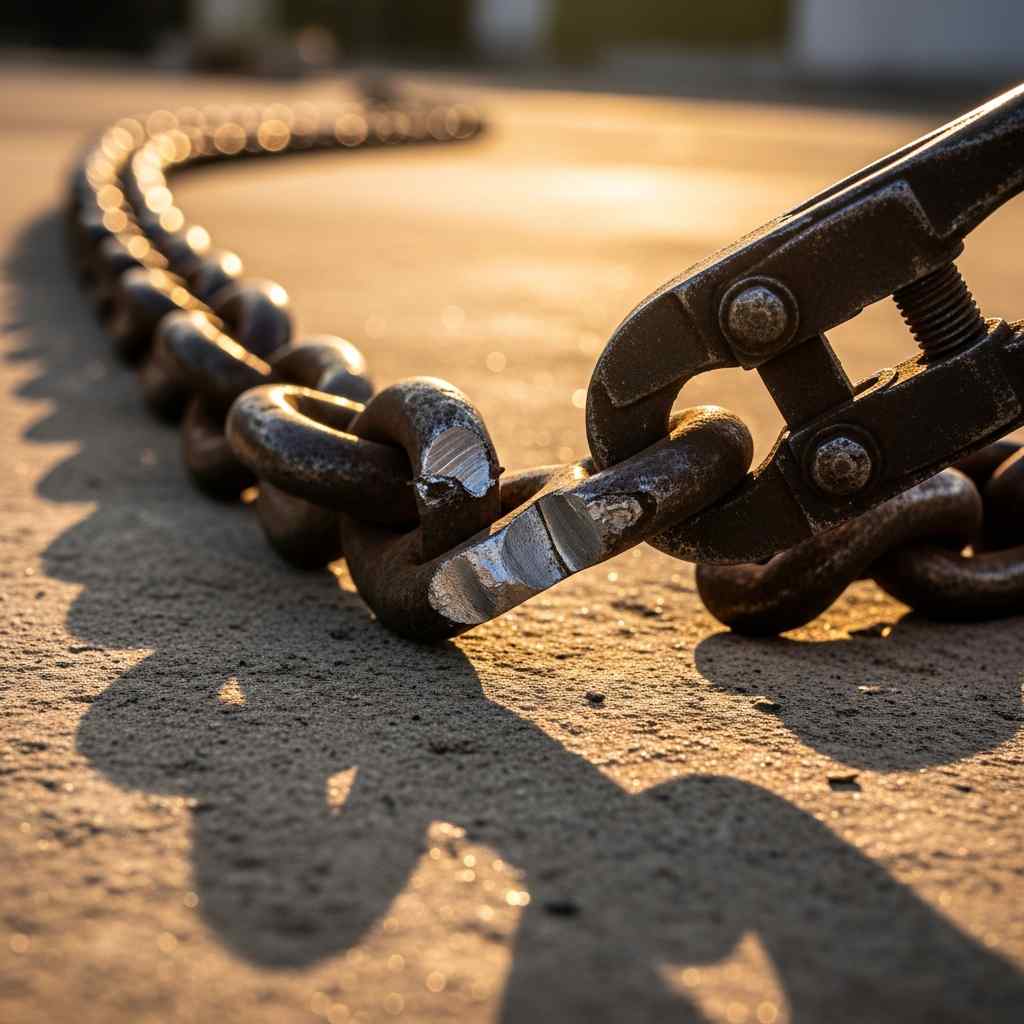
Following the money offers a path to dismantle networks without firing a single bullet. Financial intelligence reveals the hierarchy, the logistics chains, and the external sponsors, where a single mobile phone transfer can expose a whole cell. The trouble is the sheer volume of small transactions and the ingenuity of concealment. Money moves through designated non financial businesses and professions, where a jeweller in Kano might over invoice for gold or a real estate developer in Abuja could accept cash for a property with no buyer. The Central Bank of Nigeria issued revised guidelines to strengthen customer due diligence, but compliance remains uneven against established practices.
“You defeat the ideology by starving the machine. The fighter with an empty stomach and a broken weapon becomes a philosopher, not a martyr.”
– A senior analyst with the Office of the National Security Adviser, February 2026.
Charities present a particular vulnerability, where funds for humanitarian aid in conflict zones can be diverted at the point of distribution. A study by the Tony Blair Institute for Global Change highlighted this systemic risk in the North East, where armed groups control territory. Donor agencies now require exhaustive due diligence on local partners, which unfortunately slows the delivery of essential aid to those who need it most.
The Ghost in the Machine
Why the hawala system is a ghost in the machine. This informal value transfer system operates entirely outside conventional banking, relying on trust and family networks across borders. A merchant in Maiduguri gives cash to a hawaladar, and a relative in Ndjamena, Chad, collects the equivalent amount minutes later. No physical currency crosses the border and no bank records the transaction. Regulating such a system is like trying to catch smoke with your bare hands. For communities with limited bank access, these networks provide a vital financial service, creating a stark policy dilemma: protect legitimate remittance flows while isolating illicit ones.
The Digital Frontier
The digital frontier brings its own dual use technologies. Mobile money presents a paradox, bringing financial inclusion to millions while also enabling rapid, traceable, but voluminous small transfers. A group could fund a network of informants with N5,000 airtime transfers sent from a dozen different phones. The Central Bank of Nigeria and the Nigerian Communications Commission collaborate on SIM NIN linkage to tie transactions to identities, but the effectiveness of this measure against determined evasion is still unfolding day by day.
“The financier is more valuable than the fighter with the gun. Remove the financier, and ten fighters drop their weapons. We are building cases that target the network, not just the individual.”
– Abdulrasheed Bawa, former Chairman of the EFCC, December 2025.
Money Has No Borders
Insurgency in the Sahel is a regional crisis, and funds flow between Nigeria, Niger, Chad, and Cameroon with an ease that mock our maps. A ransom paid in euros for a kidnapped aid worker in Burkina Faso can finance operations in Nigeria a week later. The Multinational Joint Task Force has a financial intelligence cell, but its capacity is stretched across a vast theatre where national agencies often hesitate to share sensitive financial data. Collaboration is improving, albeit slowly, with steps that feel incremental against a threat that moves at the speed of a smartphone notification.
The State of Things
Nigeria has a strong legal framework on paper, with the Terrorism (Prevention and Prohibition) Act, 2022 providing extensive powers. The 2026 Appropriation Act allocated N15 billion specifically for counter terrorism financing initiatives, a sum that is still a fraction of the total security budget. Implementation faces classic bottlenecks, where inter agency rivalry sometimes stalls investigations and specialized prosecutors are in short supply. The system is designed for a formal economy, but the financing thrives in the informal one, where a cash intensive business like a livestock market has no reliable records at all.
A Practical Step
Enhance the capacity of bank compliance officers, the front line personnel who see the transactions first. Regular, specific training on red flags for extremist financing makes a tangible difference, where a bank in Yobe noticing a cluster of small, structured deposits could file a suspicious transaction report. Another action involves local vigilance, where community leaders can monitor sudden displays of wealth with no clear source. A motorcycle taxi rider buying a new SUV raises questions, and reporting such anomalies creates grassroots intelligence that becomes an extension of community policing. The fight against extremist financing is a war of attrition, requiring patience and a relentless focus on data. Every frozen account and every convicted financier degrades the operational ability of violent groups, pulling the thread that unravels the entire network. The work is technical, unglamorous, and far from the battlefield. It is also completely indispensable.

Ancient Rock Art Traditions Endure in Igbara Oke Caves

Palm Wine Tapper Climbs Same Tree That Killed His Father in Ozoro

Hunter Hears Dead Brother Whistle in Ganye Forest Mystery

Farmer Plants Yam That Grows Downward to Water Table in Drought

She Kept Asking and They Kept Moving Her in Nigeria

Global Food Prices Rose 2.4% in March 2026

Chigozie Obioma International Booker Prize 2026

Jidenna Pan African Sounds Latest Musical Project 2026

Hakeem Oluseyi Brings Astrophysics to Classrooms Worldwide

NANS Diaspora Nigerian Students Eastern Europe

Nnamdi Asomugha From NFL Cornerback to Hollywood Producer

Folake Olowofoyeku Stars in American Sitcom on Nigerian Family Life

Internet Sovereignty: Why Some Countries Want Their Own Separate Internet

The Story Of The Nigerian Who Helped Build Global Internet Systems

Nigerian Hackers: The Global Fraud Story and Its Fallout

Forgotten Satellites Defy Silence, Beaming Signals for Decades

The Phone Stay So Quiet: An Investigation into Nigeria’s Silent Customer Lines

Your Digital Store in Nigeria and the Reality of Domain Expiration

The Business That Died: A Nigerian Case Study in Refusal to Adapt

Hiding Your Business From People With Money

How Nollywood Grew Without Government Support

Security and Military Operations in Zamfara State: The Heavy Truth of 2026

Moniepoint Business Account Requirements Nigeria for SMEs 2026

Comedy Industry in Nigeria and Its Economic Contribution

 Digital Sovereignty8 months ago
Internet Sovereignty: Why Some Countries Want Their Own Separate Internet
- Technology & Innovation8 months ago
The Story Of The Nigerian Who Helped Build Global Internet Systems
- Crime8 months ago
Nigerian Hackers: The Global Fraud Story and Its Fallout
- Space Technology8 months ago
Forgotten Satellites Defy Silence, Beaming Signals for Decades
- Maritime8 months ago
The Phone Stay So Quiet: An Investigation into Nigeria’s Silent Customer Lines
- Business8 months ago
Your Digital Store in Nigeria and the Reality of Domain Expiration
- Business8 months ago
The Business That Died: A Nigerian Case Study in Refusal to Adapt
- Business8 months ago
Hiding Your Business From People With Money