E-Governance
FRSC and NIMC Partner on Data Integration for Security
Your driver’s licence now talks to your National Identification Number. The FRSC and NIMC partnership links the two, changing renewal and traffic stops with real-time verification.

FRSC and NIMC Partner on Data Integration for Security
Published: 01 March, 2026
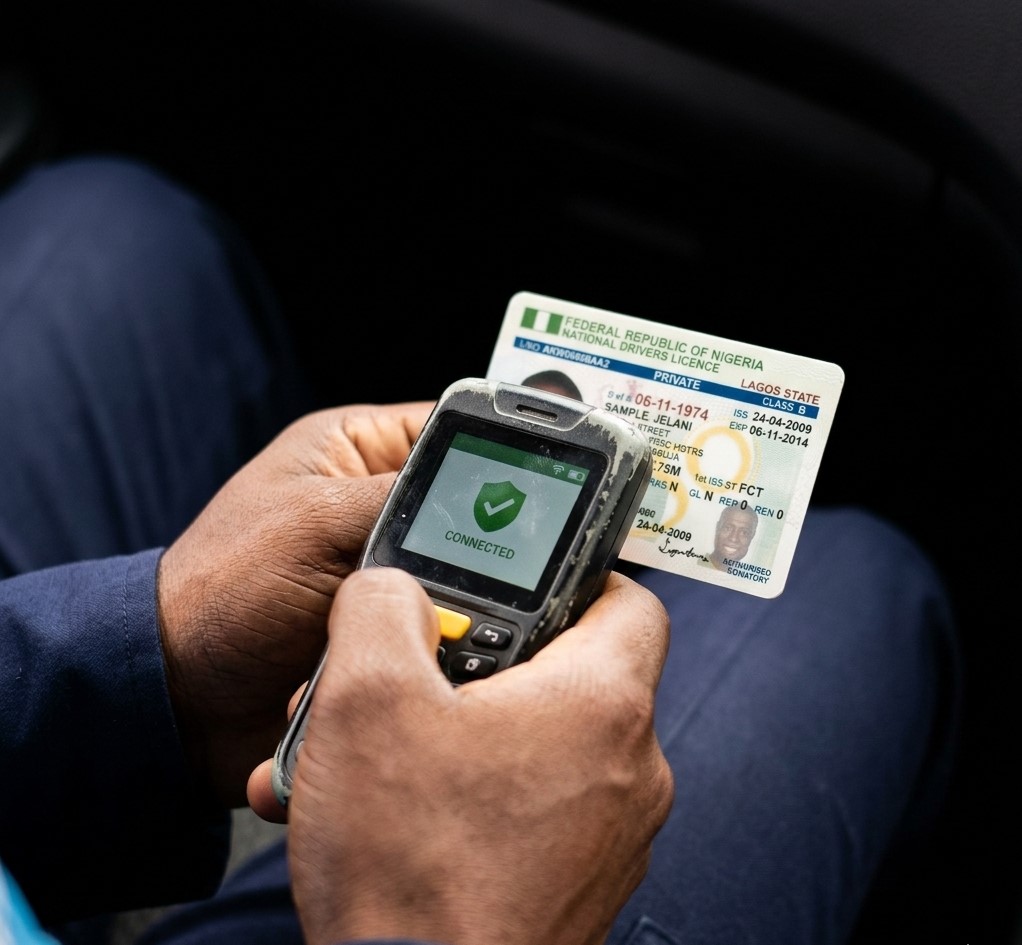
01 March, 2026 was the day the plastic card in your wallet changed its meaning forever. It was no longer just proof you could drive a car, because the partnership between the Federal Road Safety Corps and the National Identity Management Commission had finally moved from talk to action. Their databases were now syncing, which meant that when an FRSC officer processes your licence, the system pings the NIMC database to check your National Identification Number. The aim is to kill off paper trails and manual checks, but there is a catch. Your valid licence is still recognised, yet if it lacks a verified NIN, you should expect delays at renewal. The push for total data harmony has arrived.
Your Licence is Now Your ID
Security analysts see the logic in this. The NIN requirement is a bulwark against identity theft, and with every licence tied to biometrics in the national database, using aliases becomes far harder. The system is designed to flag discrepancies in your face or details, which supports the broader digital identity agenda. Your licence is a reliable ID, but only if the NIN data matches perfectly. A name mismatch can trigger a temporary hold, and this has sparked a quiet rush on enrollment centres across the country.
Three Shifts on the Road
Financial and tech analysts broke down the practical effects in recent reviews. First, licence renewal now requires NIN verification before anything else can happen. You cannot renew without a verified NIN, because the FRSC system queries NIMC during your application. A biometric match lets you proceed, but a mismatch—like a name spelling difference—pauses everything. Second, traffic offences now link directly to your identity. A violation is tied to your NIN, which improves enforcement since your driving history becomes accessible nationwide. Third, third-party verification becomes faster for banks or employers who can check licence authenticity through an integrated portal.
The Friction in the System
The system uses NIMC protocols to handle the volume, with licence data sitting with the FRSC while verification checks the NIMC database. The main technical hurdle is standardising name formats between two legacy systems. Discrepancies in dates of birth or maiden names cause most failures, and women who changed surnames after marriage often must update their NIMC records. NIMC provides modification services, but they involve fees and waiting, which adds another layer to the process.
Gaps on the Map
Industry reports identify clear hurdles that remain. Network dependencies are critical, because the system needs both FRSC and NIMC servers online at the same time. Downtime on either side forces manual checks and causes delays. There is also a correction backlog, with the volume of people seeking data sync creating long waiting times for appointments, especially in cities. During this wait, your ability to renew a licence is limited. Then there’s rural access, where drivers outside urban centres often travel to cities for both NIMC updates and FRSC renewals, adding a logistical cost to simple compliance.
What You Can Do
Verify your NIN details early by visiting the NIMC self-service portal or a centre to confirm your name and date of birth match your other documents. Start corrections before your licence expires, and check your licence status online through the FRSC portal which can show a “NIN mismatch” flag on your file. Maintain clear records by keeping your NIN slip and licence in good condition, since a faded barcode can fail at a checkpoint. Use official complaint channels if you encounter issues, because the FRSC has helpdesk lines for integration problems. The road ahead? The goal is for this digital bridge to mature into a background utility that should simplify, not complicate, the lives of Nigerian road users. Whether it gets there is the real test.










Chigozie Obioma International Booker Prize 2026

Jidenna Pan African Sounds Latest Musical Project 2026

Hakeem Oluseyi Brings Astrophysics to Classrooms Worldwide

NANS Diaspora Nigerian Students Eastern Europe

Nnamdi Asomugha From NFL Cornerback to Hollywood Producer

Folake Olowofoyeku Stars in American Sitcom on Nigerian Family Life

Pearlena Igbokwe Leads NBC Universal Content Strategy

Bayo Ogunlesi and the Global Airport Deal

Skepta Opens Creative Hub for Young People in North London

Bronze Head Returned Home to Benin City After a Century in Britain

Abike Dabiri Erewa Calls for Diaspora Women in Nigerian Politics

NUSA Nigerian Culture Parade Takes Over New York City Streets

Internet Sovereignty: Why Some Countries Want Their Own Separate Internet

The Story Of The Nigerian Who Helped Build Global Internet Systems

Nigerian Hackers: The Global Fraud Story and Its Fallout

Forgotten Satellites Defy Silence, Beaming Signals for Decades

Your Digital Store in Nigeria and the Reality of Domain Expiration

The Phone Stay So Quiet: An Investigation into Nigeria’s Silent Customer Lines

The Business That Died: A Nigerian Case Study in Refusal to Adapt

Hiding Your Business From People With Money

How Nollywood Grew Without Government Support

Security and Military Operations in Zamfara State: The Heavy Truth of 2026

Nigeria Produces 67 Percent Global Yam Output

Comedy Industry in Nigeria and Its Economic Contribution

 Digital Sovereignty2 months ago
Internet Sovereignty: Why Some Countries Want Their Own Separate Internet
- Technology & Innovation2 months ago
The Story Of The Nigerian Who Helped Build Global Internet Systems
- Crime2 months ago
Nigerian Hackers: The Global Fraud Story and Its Fallout
- Space Technology2 months ago
Forgotten Satellites Defy Silence, Beaming Signals for Decades
- Business2 months ago
Your Digital Store in Nigeria and the Reality of Domain Expiration
- Maritime2 months ago
The Phone Stay So Quiet: An Investigation into Nigeria’s Silent Customer Lines
- Business2 months ago
The Business That Died: A Nigerian Case Study in Refusal to Adapt
- Business2 months ago
Hiding Your Business From People With Money