Safety
Ibadan Tanker Explosion in Nigeria Leaves Two Dead After Horror Crash
Ibadan tanker explosion in Nigeria kills two, injures many, highlighting persistent road safety failures. A recurring tragedy demands a different response.

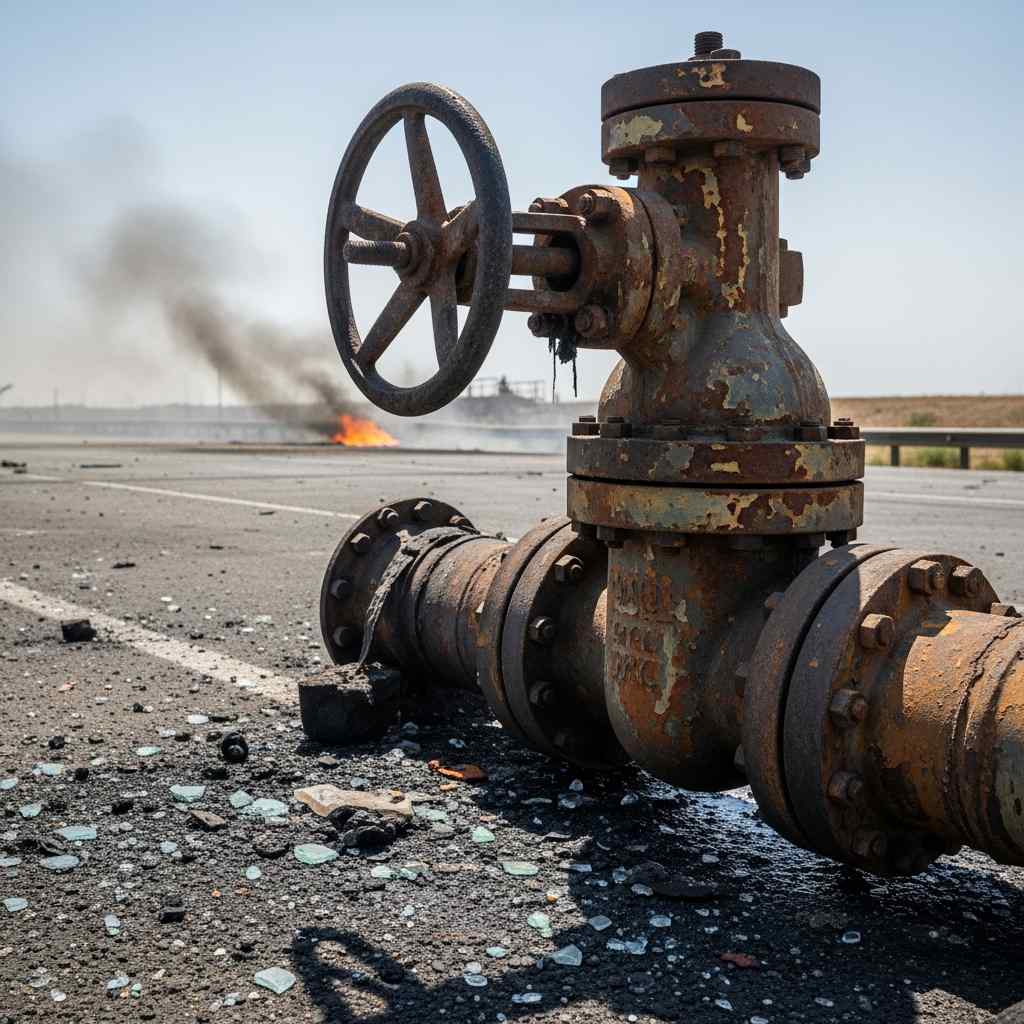
Ibadan tanker crash in Nigeria Leaves Two Dead After Horror Incident
Published: March 24, 2026
How many times must we see the same fire? A Mack truck suffered brake failure and crashed in Ibadan on March 24, 2026, killing two people. The accident happened along the Beere-Ooje Highway, near the Oje fruit market, a busy commercial area. This is not a new story. It is a recurring national nightmare.
The Immediate Aftermath and Official Response
Emergency services from the National Emergency Management Agency (NEMA), alongside the Oyo State Police Command and the Federal Road Safety Corps (FRSC), responded to the scene. Firefighters worked to contain the blaze that engulfed multiple vehicles and nearby properties. Traffic in the area was disrupted as recovery operations began. The Oyo State Police Command spokesperson, Ayanlade Olayinka, confirmed the toll. “We have lost two precious lives to this avoidable tragedy. Our hearts are with the families,” an official statement from NEMA said on March 24, 2026.
Preliminary reports from the FRSC cited a loss of control due to brake failure as the primary cause of the crash. Authorities worked to debunk viral videos circulating online that falsely claimed a massive tanker explosion at a different location.
A Recurring National Nightmare
This tragedy is one entry in a grim ledger. According to the FRSC, road crashes caused 5,081 fatalities in 2023. A significant portion involved heavy goods vehicles. The pattern repeats with dreadful consistency. Reports from 2025 indicate poor vehicle maintenance, driver fatigue, and speeding persist as the primary causes.
But there is a catch. The human cost defies calculation. The economic cost runs into billions of Naira annually, according to transport sector data. We see the charred metal, the crowds, the promises. Then we wait for the next one.
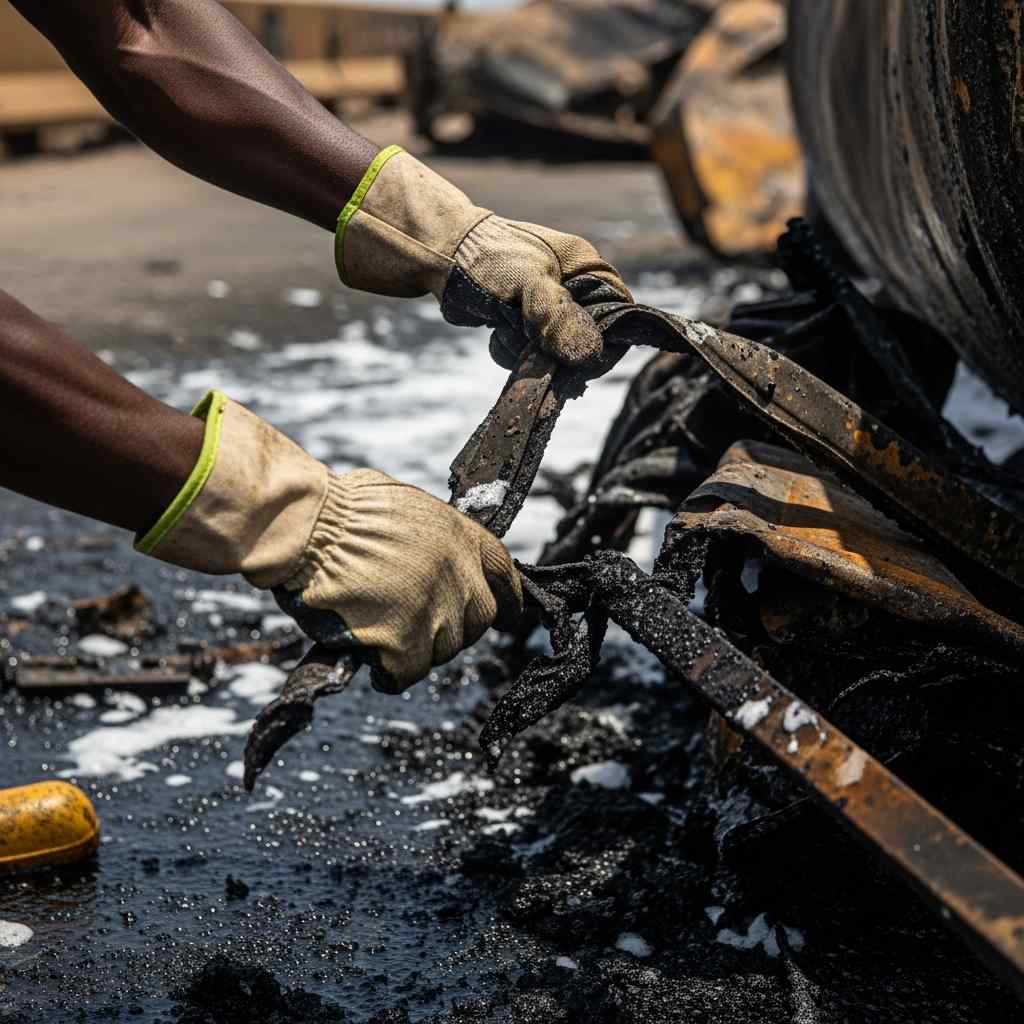
Why Do These Accidents Keep Happening?
The reasons are no secret. Many tankers and heavy trucks are old and poorly maintained. The pressure to deliver fuel encourages dangerous driving. Regulatory enforcement by agencies like the FRSC and the Standards Organisation of Nigeria (SON) faces severe limitations. Drivers operate for excessive hours.
Infrastructure plays its part. The condition of many federal highways, including hazardous sections of the Lagos-Ibadan Expressway, increases the risk. The removal of the petrol subsidy in 2023 altered the economics of fuel transportation. The trouble is, the safety protocols have not seen a transformative upgrade. The system has multiple points of failure.
The Policy Response Has a History of Gaps
After past catastrophes, the federal government proposed stricter regulations. The Department of Petroleum Resources issued guidelines. The reality on the road suggests a gap between policy and implementation. Compliance monitoring is a massive challenge.
Budget allocations tell part of the story. The 2026 appropriation act allocates funds to the Ministry of Works and the FRSC. These resources are stretched thin. Investment in dedicated rail lines for petroleum products, which would reduce tanker traffic, has progressed slowly. The economic argument is strong. The capital outlay is substantial. In February 2026, the Corps Marshal of the FRSC, Shehu Mohammed, stated: “The technical audit of all petroleum trucks is mandatory. We cannot continue to allow vehicles that are mobile bombs on our highways.”
The Human Element in a Broken System
Behind the statistics are people. The driver, the commuters, the traders by the roadside. For residents near major highways, a screeching tire triggers panic. The culture of rushing to scoop fuel from a crashed tanker speaks to deeper socio-economic pressures. It is a deadly gamble born from hardship.
The families of the two deceased now face a future without their loved ones. The injured face hospital bills. The psychological trauma for witnesses is real. Each event like this sends ripples through communities, reinforcing a sense of vulnerability. Public anger is palpable but often dissipates until the next headline.

What Would a Different Path Look Like?
Change requires moving beyond the cycle of tragedy and temporary action. A coherent strategy would involve multiple government tiers. The federal government holds responsibility for interstate highways and major regulations. State governments control traffic laws and urban planning. Local governments manage markets and settlements that often encroach on highways.
Technology offers tools. Mandatory tracking devices and speed limiters on tankers, properly enforced, could reduce risks. Improved road signage and dedicated truck lanes on critical routes are engineering solutions. A national driver training standard for hazardous goods carriers would address the human factor. These ideas are not new. Their consistent application is.
A Call for Consistent Action
The Ibadan tanker crash demands a response that outlasts the news cycle. Citizens can hold officials accountable for implementing existing road safety policies. Community groups can advocate for better road designs. Media outlets can sustain reporting on infrastructure projects beyond the immediate disaster.
Real progress will be measured by metrics. A reduction in the fatality rate for heavy goods vehicle accidents. An increase in trucks that pass safety inspections. The completion of alternative transport modes for fuel. The goal is a future where moving essential goods does not routinely threaten public safety. That future requires building systems that work every day, not just promises made in the aftermath of grief.








Staged Kidnapping Case Reveals Family Extortion Trend in Nigeria

Fani-Kayode Says Opposition Has Collapsed – A 2026 Reality Check

Broda Shaggi Recuperating After Sango-Ota Shooting Incident

Terrorists Kill in Nigeria as 2,266 Die in Six Months

Multinational Exodus in Nigeria Deepens with N94 Trillion Loss

Food Crisis Looms in Nigeria as Climate Change Devours Farm Yields

Dangote Refinery Helpless as Fuel Price Hikes Defy Local Production

Deadly Diseases in Nigeria Meningitis Diphtheria Cholera Outbreaks

Lassa Fever Spreads in Nigeria to 18 States as Response Gaps Emerge

Ibadan Tanker Explosion in Nigeria Leaves Two Dead After Horror Crash

Petrol Hits N1,400/Litre in Nigeria as Global Conflict Disrupts Supply

Horror in Kano Sand Pit Collapse Buries People Alive

Internet Sovereignty: Why Some Countries Want Their Own Separate Internet

The Story Of The Nigerian Who Helped Build Global Internet Systems

Nigerian Hackers: The Global Fraud Story and Its Fallout

Forgotten Satellites Defy Silence, Beaming Signals for Decades

Your Digital Store in Nigeria and the Reality of Domain Expiration

The Phone Stay So Quiet: An Investigation into Nigeria’s Silent Customer Lines

The Business That Died: A Nigerian Case Study in Refusal to Adapt

Hiding Your Business From People With Money

Comedy Industry in Nigeria and Its Economic Contribution

How Nollywood Grew Without Government Support

Nigeria Produces 67 Percent Global Yam Output

Nigeria’s Economic Shift: From Oil to the Creative Economy

 Edutech Portal1 month ago
Internet Sovereignty: Why Some Countries Want Their Own Separate Internet
- Edutech Portal1 month ago
The Story Of The Nigerian Who Helped Build Global Internet Systems
- Edutech Portal1 month ago
Nigerian Hackers: The Global Fraud Story and Its Fallout
- Edutech Portal1 month ago
Forgotten Satellites Defy Silence, Beaming Signals for Decades
- Edutech Portal1 month ago
Your Digital Store in Nigeria and the Reality of Domain Expiration
- Edutech Portal1 month ago
The Phone Stay So Quiet: An Investigation into Nigeria’s Silent Customer Lines
- Edutech Portal1 month ago
The Business That Died: A Nigerian Case Study in Refusal to Adapt
- Edutech Portal1 month ago
Hiding Your Business From People With Money