Public Health
Deadly Diseases in Nigeria Meningitis Diphtheria Cholera Outbreaks
So here we are. Three outbreaks at once. Meningitis. Diphtheria. Cholera. Our health systems are groaning. What does this mean for ordinary Nigerians? The picture is grim. But we must face it.

“`html
Deadly Diseases in Nigeria Overwhelm a System Built for Calm
Published: 26 March, 2026
According to the Nigeria Centre for Disease Control and Prevention Situation Report for March 2026, the agency confirmed four concurrent major disease outbreaks across the federation in the first quarter of the year. Meningitis, diphtheria, cholera, and Lassa fever stretch the capacity of a public health infrastructure that functions with a budget representing 4.2% of the national total as outlined in the 2026 Appropriation Act. The situation reveals a permanent state of emergency.
A Perfect Storm of Pathogens
These deadly diseases in Nigeria attack different populations with the same result. Cerebrospinal meningitis, a seasonal threat in the 26 states of the meningitis belt, recorded 2,847 suspected cases and 153 deaths between December 2025 and March 2026 according to NCDC data from March 2026. The case fatality rate sits at 5.4%. The outbreak coincides with a national shortage of the MenAfriVac conjugate vaccine, which the government last procured at scale in 2021.
Diphtheria presents a more alarming picture. The NCDC dashboard shows 24,507 confirmed cases and 573 deaths across 19 states since the outbreak began in 2022, based on data from March 2026. Kano, Katsina, and Bauchi states bear the heaviest burden. The disease exploits gaps in childhood immunization. A 2024 Multiple Indicator Cluster Survey conducted by the National Bureau of Statistics and UNICEF indicated only 57% of children aged 12 to 23 months received the third dose of the pentavalent vaccine, which includes diphtheria toxoid.
“The resurgence of diphtheria is a direct consequence of accumulated immunity gaps. We have children and young adults with zero protection.” Dr. Jide Idris, Director-General, Nigeria Centre for Disease Control and Prevention, in an interview, February 2026
Cholera adds a waterborne dimension. In 2025, Nigeria reported 42,466 suspected cases with a case fatality rate of 3.1%, according to the NCDC Annual Report for that year. The outbreak continues into 2026, fueled by the annual rainy season and limited access to clean water. Data indicates that millions of Nigerians lack access to basic drinking water services. The disease turns a development failure into a medical crisis.
Lassa fever maintains its endemic presence. For 2026 alone, the NCDC has already documented over 450 confirmed cases with a case fatality rate of 24.5% among confirmed cases as of mid-March. The rodent-borne virus tests the specialized treatment centers in Irrua, Owo, and Abakaliki. These centers often manage stockouts of the antiviral drug Ribavirin and face challenges with infection prevention control.
Why the System Cracks Under Pressure
The structure for health in Nigeria operates on a foundation of chronic underinvestment. The 2026 Appropriation Act allocates N2.48 trillion to the health sector out of a total budget of N49.74 trillion. This represents 4.2% of national spending, a figure far below the 15% commitment made in the Abuja Declaration of 2001. State governments, which hold constitutional responsibility for primary healthcare, display similar budgetary neglect.
Primary healthcare centers, the first point of contact for most Nigerians, exist in a state of dysfunction. A 2022 assessment by the National Primary Health Care Development Agency found that only 43% of PHCs across the country had the minimum staff complement. Many lack electricity, running water, and basic diagnostic tools. A sick person in a rural community may travel for hours to reach a functional facility.
“You cannot expect a PHC with no nurse, no midwife, and no ambulance to detect or contain an outbreak. It becomes a notification center for deaths.” Dr. Amina Dorayi, Country Director for Pathfinder International Nigeria, speaking at a health security forum in January 2026
The logistics for vaccines and medicines break down with regularity. The national cold chain system suffers from poor maintenance and erratic power supply. The result includes the expiration of vital vaccines and the stockouts witnessed during the meningitis and diphtheria outbreaks. The Lagos State government had to suspend its routine immunization drive in October 2025 due to a lack of vaccines.
Disease surveillance remains weak and fragmented. The Integrated Disease Surveillance and Response system relies on paper-based reporting from thousands of facilities. Data moves slowly, and alerts generate delayed responses. The NCDC has made progress with its digital Surveillance, Outbreak Response Management and System, but its reach is currently limited to sentinel sites.
The Human and Economic Toll
Beyond the mortality statistics, these outbreaks impose a crushing economic burden on households. A study on the cost of cholera illness in Bauchi State estimated an average direct medical cost of N28,500 per case, a sum exceeding the monthly minimum wage. Families sell assets, withdraw children from school, and plunge deeper into poverty to pay for treatment.
The outbreaks disrupt education. Schools in hotspot local government areas for meningitis and diphtheria face temporary closures. The Kano State Ministry of Education shut down schools in 13 LGAs for two weeks in February 2026 to curb diphtheria transmission. These interruptions compound the learning losses from previous years.
Health workers operate on the frontlines with inadequate protection. The Nigeria Medical Association continues to report infections and deaths of doctors and nurses from Lassa fever. The association cites a lack of personal protective equipment in many state-run hospitals, according to a communique from March 2026. This reality fuels medical brain drain, as professionals seek safer working environments abroad.
The collective impact degrades public trust. Communities develop skepticism toward government health interventions, a sentiment worsened by misinformation on social media. Rumors about vaccine safety circulated widely during the diphtheria outbreak, complicating vaccination campaigns. Rebuilding this trust requires consistent, transparent communication and visible service delivery.
A Path Forward Exists
Specific actions can alter the trajectory of these deadly diseases in Nigeria. The first action involves ring-fencing funding for primary healthcare. The Basic Health Care Provision Fund, established by the National Health Act, receives inadequate and irregular releases. The federal and state governments must treat the BHCPF as a mandatory, first-line charge. The fund finances the basic minimum package of health services for the poorest Nigerians.
A functional PHC in every ward changes the outbreak dynamic. Such a center can provide routine immunization, manage simple cases, and serve as an alert node for the surveillance system. The model requires trained, remunerated staff, a reliable supply of essential medicines, and connectivity. The NPHCDA has a blueprint for this transformation, but implementation lacks political will at the subnational level.
“We have the plans, we have the policies. What we lack is the consistent execution and the accountability for results. Health should be a key performance indicator for every governor.” Professor Muhammad Ali Pate, Coordinating Minister of Health and Social Welfare, in a column for BusinessDay, March 2026
The second action focuses on domestic vaccine production. The partnership between the Federal Government and Bio-vaccines Nigeria Limited represents a step toward self-sufficiency. The facility must move from packaging to full manufacturing of vaccines like MenAfriVac and the pentavalent shot. Local production insulates the country from global supply shocks and reduces procurement lead times. It also builds national health security.
Investment in water, sanitation, and hygiene infrastructure provides a permanent solution for cholera. The construction of boreholes, sanitation facilities, and the promotion of household water treatment address the root cause. The World Bank-supported Sustainable Urban and Rural Water Supply, Sanitation, and Hygiene Program needs scaling and faster implementation across all states.
What You Can Do Today
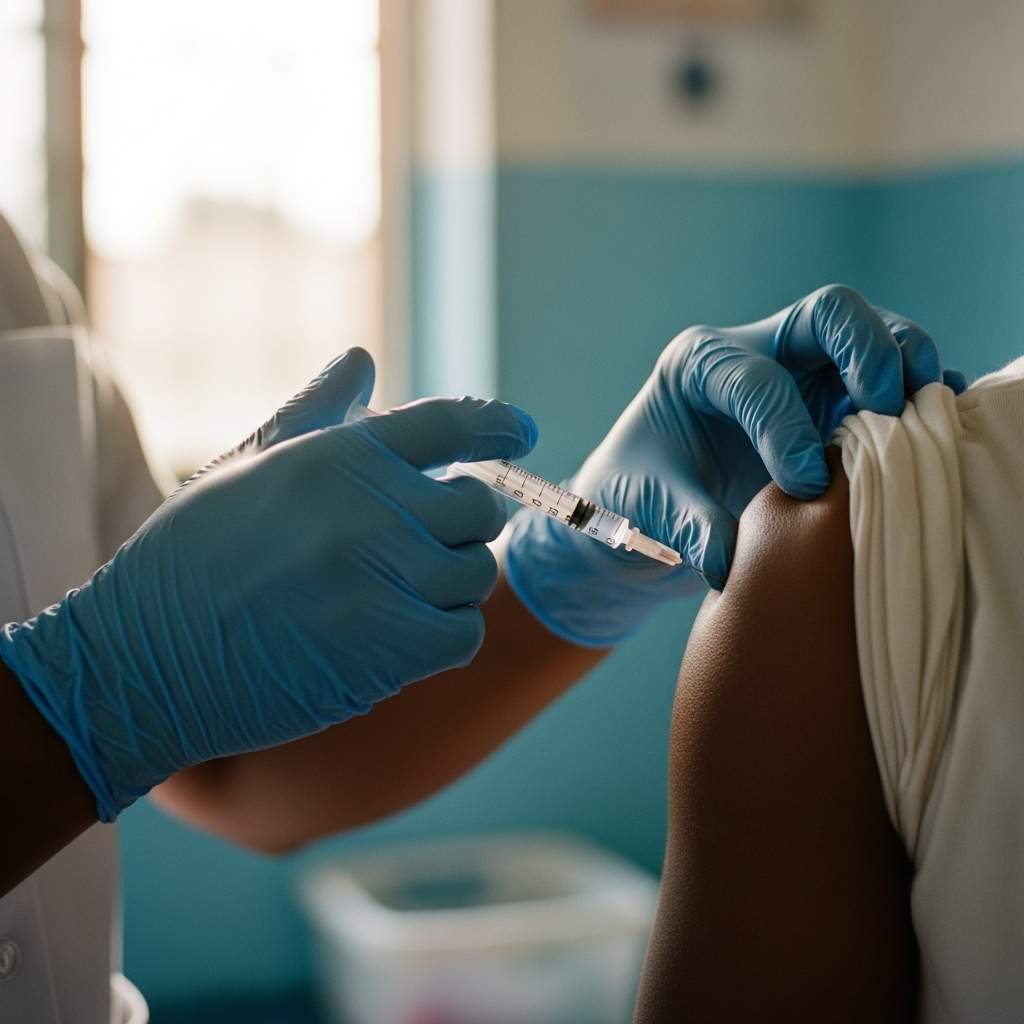
Citizens hold power beyond waiting for government action. Verify the vaccination status of every child in your household. Ensure they complete the routine immunization schedule. The schedule protects against diphtheria, measles, and other preventable diseases. Visit any functional primary healthcare center for this service.
Practice and promote good hygiene. Boil or treat drinking water, especially during the rainy season. Wash hands with soap and water at critical times. These simple practices reduce the risk of cholera and Lassa fever. They protect families and communities.
Demand accountability from elected officials. Attend town hall meetings and ask specific questions about the health budget allocation for your local government area. Inquire about the functionality of the primary health center in your ward. Public pressure forces health to the top of the political agenda.
The cycle of deadly diseases in Nigeria will continue without systemic change. The outbreaks of 2026 mirror those of previous years, with higher numbers. The solution lies in moving from emergency response to building a resilient, equitable health system. That task requires money, focus, and a collective decision that the health of the population matters above other considerations. The alternative is more of the same, with more graves.
A recent report from TVC News Nigeria confirms that the Nigeria Centre for Disease Control recorded 413 confirmed cases and 80 deaths across 11 states as the 2026 Lassa fever outbreak continues to spread. (Digital Illustration: GoBeyondLocal)
“`








Abike Dabiri Erewa Calls for Diaspora Women in Nigerian Politics

Midnight Market Appears in Okija Forest Each December

Dye pits whisper names and multiple visitors have reported hearing the same ones

Lagoon Pulls Woman Back Lagos Third Mainland Bridge Incident

Boy Remembers Past Life in Maiduguri, Identifies Strangers

River Spirit Spares Fisherman Who Defied Efik Market Day

House Built on Termite Mound Stands for Eighty Years in Ibadan

Initiates Hear Same Song Before Visiting Osun Grove

Coal Mine Collapses Twice in Enugu Miner Walks Out Alive

Refinery Lights Flicker at Port Harcourt on a Deadly Anniversary

Leather Worker Stitches Patterns from a Father’s Dreams in Sokoto

Thunder speaks sentences that elderly women in one village understand clearly

Internet Sovereignty: Why Some Countries Want Their Own Separate Internet

The Story Of The Nigerian Who Helped Build Global Internet Systems

Nigerian Hackers: The Global Fraud Story and Its Fallout

Forgotten Satellites Defy Silence, Beaming Signals for Decades

Your Digital Store in Nigeria and the Reality of Domain Expiration

The Phone Stay So Quiet: An Investigation into Nigeria’s Silent Customer Lines

The Business That Died: A Nigerian Case Study in Refusal to Adapt

Hiding Your Business From People With Money

How Nollywood Grew Without Government Support

Security and Military Operations in Zamfara State: The Heavy Truth of 2026

Nigeria Produces 67 Percent Global Yam Output

Comedy Industry in Nigeria and Its Economic Contribution

 Digital Sovereignty2 months ago
Internet Sovereignty: Why Some Countries Want Their Own Separate Internet
- Diaspora2 months ago
The Story Of The Nigerian Who Helped Build Global Internet Systems
- Crime2 months ago
Nigerian Hackers: The Global Fraud Story and Its Fallout
- Space Technology2 months ago
Forgotten Satellites Defy Silence, Beaming Signals for Decades
- E-Commerce2 months ago
Your Digital Store in Nigeria and the Reality of Domain Expiration
- Edutech Portal2 months ago
The Phone Stay So Quiet: An Investigation into Nigeria’s Silent Customer Lines
- Edutech Portal2 months ago
The Business That Died: A Nigerian Case Study in Refusal to Adapt
- Business2 months ago
Hiding Your Business From People With Money