Global Trade
Mini Importation Tips for Nigeria Duty-Free China Goods in 2026
You want to import from China. Duty-free sounds good. But the rules change. So here we are in 2026. What works now? How do you move small shipments without trouble? Let us talk about it.


Mini Importation Tips for Nigeria Duty-Free China Goods 2026
Published: 02 April, 2026
The Central Bank of Nigeria issues a Form M for every import transaction, and the Nigeria Customs Service collects duties based on a value it determines.
This reality defines the business of bringing goods from China. A person with a small shop in Lagos or a market stall in Onitsha sources products from Alibaba or 1688.com. The process involves more than finding a supplier and making a payment. The journey from a factory in Guangzhou to a customer in Port Harcourt passes through layers of regulation, currency exchange, and logistical hurdles.
Here is the thing. The promise of mini importation tips often centers on finding cheap products. The actual work involves navigating the official requirements of the trade system in Nigeria. Success depends on understanding the rules as they exist today, not as they were described two years ago.
What the law actually says about duty-free imports
The Nigeria Customs Service operates under the Customs and Excise Management Act. The act provides for duty exemptions on certain items. A common misunderstanding involves the value threshold for personal imports.
Major Update as of September 8, 2025: The Nigeria Customs Service officially increased the duty-free threshold for imports to $300. This applies to low-value consignments and is designed to reduce the administrative burden on small-scale personal imports. For commercial imports, which cover most business activities, duties still apply.
The Finance Act of 2023 and subsequent guidelines outline specific exemptions for machinery, agricultural equipment, and medical supplies. The importation of finished consumer goods for resale rarely qualifies for a full duty waiver.
According to a notice from the Nigeria Customs Service in January 2026, all commercial imports require a formal assessment and appropriate duty payment. A business owner importing goods valued at $500 faces a different procedure. The shipment falls under commercial regulations. The owner must process a Form M through an authorized dealer bank. The customs service will assess the goods and apply the correct duty rate, which varies by product category.
The real cost breakdown for a sample shipment
Let us talk about money. You find a supplier for 100 units of a product. The product cost is $200. International shipping to Lagos adds $80. The total cost, Cost Insurance and Freight, becomes $280.
Important: Since your shipment value is below the $300 duty-free threshold, it may qualify for full duty exemption if classified as a personal consignment. However, for commercial shipments above $300, the following calculation applies:
The CIF value forms the basis for the customs duty calculation. Assume the product has a duty rate of 20%. The duty payable is $56. The Nigeria Customs Service also charges a 7.5% Value Added Tax on the sum of the CIF value and the duty. That adds another $25.20. (Nigeria Customs Service Tariff Book, 2026 edition)
Additional charges appear. A 1% Comprehensive Import Supervision Scheme fee applies. Port handling charges, terminal dues, and customs agent fees add to the total. The final landing cost for the $200 goods could exceed $400. This math makes the idea of ‘duty-free’ imports for business a complex proposition.
BusinessDay reported in March 2026 that the average effective tariff for non-oil imports into Nigeria stood at 18.7%. This figure includes all applicable levies and taxes. (BusinessDay, March 2026)
How to legally minimize your customs liability
Proper product classification offers the first line of defense. The Harmonized System code for your goods determines the duty rate. A generic code like ‘plastic articles’ carries a higher duty than a specific code for ‘educational toys’.
Work with a licensed customs agent. A good agent understands the tariff schedule. The agent can advise on the most accurate and favorable HS code for your shipment. This step requires providing the agent with a detailed product description and photographs.
Ensure your proforma invoice from the Chinese supplier is detailed and accurate. The invoice should list each item, its quantity, and its unit price. Vague descriptions like ‘assorted goods’ or ‘electronics’ invite higher assessments from customs officers. A precise invoice supports a precise classification.
Understanding Form Q for small businesses
The CBN has a specific Form Q (or “Small-scale Business Enterprise” Form M) that allows small importers to access up to $20,000 per quarter at the official CBN rate for eligible physical goods. This is a game-changer for mini-importers who previously struggled to access forex through the official window.
Documentation presents a shield. The Central Bank of Nigeria requires the Form M, a valid supplier invoice, a packing list, and a bill of lading or air waybill. Incomplete paperwork causes delays. Delays at the port incur demurrage charges, which increase your costs daily.

Choosing a shipping method that works for you
Air freight delivers speed. A package from China reaches Nigeria in 5 to 10 days. The cost per kilogram remains high. Air freight suits high-value, low-weight items like phone accessories or jewelry. For bulkier, lower-value goods, the economics favor sea freight.
Sea freight takes time. A container ship from Shenzhen to Apapa Port requires 30 to 45 days. The cost per unit drops significantly for larger volumes. Sea freight works for business owners importing cartons of shoes, bundles of fabric, or boxes of kitchenware. You trade time for a lower cost of goods.
A third option exists. Courier companies like DHL, FedEx, and UPS handle door-to-door delivery. Many now operate under Delivered Duty Paid (DDP) procedures, where they handle the clearance and bill you a flat rate per kg, simplifying the process for beginners.
The choice depends on your business model. A person running flash sales on Instagram needs faster inventory turnover. A person supplying a physical store has more time to plan. Each method has a place in the mini importation tips toolkit.
The currency exchange puzzle you have to solve
Chinese suppliers want payment in United States dollars. You have Naira in your Nigerian bank account. The official exchange rate for trade transactions comes from the Central Bank of Nigeria window.
As of April 2026, the NCS exchange rate for duty is no longer static. It is now adjusted almost daily via the B’Odogwu digital system (the 2026 successor to the legacy trade portals) to reflect the Nigerian Autonomous Foreign Exchange Market rates. In early 2026, rates have fluctuated between N1,360 and N1,450 per dollar for customs valuation.
Your bank becomes a partner. You apply for a Form M through the bank. The bank processes the application and provides the forex for the transaction. For small-scale importers, Form Q allows access to up to $20,000 per quarter at the official CBN rate. The entire process happens online through the Trade Monitoring System of the Central Bank. Delays occur when documentation has errors.
Plan for the exchange rate in your costing. Use a conservative estimate for the Naira-to-dollar rate at the time your goods will clear customs, which may be weeks after you place the order. Building a buffer into your selling price protects your profit margin from currency fluctuations.
Finding reliable suppliers you can actually trust
Online platforms like Alibaba and Made-in-China.com host millions of suppliers. A supplier with a ‘Gold Supplier’ badge and trade assurance offers more security. These badges indicate the supplier passed verification checks by the platform.
Request samples before placing a large order. Pay for the samples and the shipping. The sample cost is an investment in quality control. It allows you to inspect the product, test its functionality, and verify its packaging.
Communicate clearly. Specify your requirements for quality, packaging, and labeling. Use simple English. Some suppliers have English-speaking staff. You can also use translation tools. Confirm every detail in writing before making a payment.
Payment methods carry risk. Trade Assurance on Alibaba holds your payment in escrow until you confirm receipt of the goods. Direct wire transfers to a supplier’s bank account offer less protection. Start with small orders to build trust with a new supplier.
What happens when your goods arrive in Lagos
The shipping line or airline notifies you or your agent. Your customs agent retrieves the shipping documents. The agent submits these documents and the Form M to the Nigeria Customs Service for assessment.
Customs examines the shipment. The examination may be physical or via scanning. Officers check the contents against the declared documents. Any discrepancy leads to queries and potential penalties. After assessment, the agent receives a duty bill.
You pay the duty and other charges. Your agent presents the proof of payment to customs. Customs releases the goods. Your agent arranges for trucking from the port or airport to your warehouse or shop.
The entire clearance process takes a minimum of 7 days for a straightforward shipment. Complex shipments or those with documentation issues take longer. Each day at the port adds demurrage charges, which erode your profit.

Avoiding the common traps that catch new importers
Under-declaring the value of goods presents a major risk. Customs officers have reference prices for common items. A declaration of $1 per unit for smartphones invites a detailed inspection and a hefty penalty. Honest valuation, while painful, prevents greater losses.
Mis-describing products to attract a lower duty rate constitutes fraud. The penalty for false declaration includes seizure of the goods, payment of the correct duty plus a fine, and potential prosecution. The short-term gain from cheating never outweighs the long-term risk.
Choosing the cheapest shipping option without insurance is a gamble. Cargo gets lost, damaged, or delayed. Marine insurance, which costs a small percentage of the cargo value, provides financial protection. It is a necessary business expense, not an optional extra.
Failing to factor in all costs leads to underpricing. Many importers calculate only the product cost and shipping. They forget duties, taxes, agent fees, port charges, local transportation, and storage. The selling price must cover every expense and leave a profit.
The one document you should prepare today
Open a dedicated business bank account. Mixing personal and business finances creates confusion. It complicates record-keeping for taxes and makes it difficult to track the true profitability of your import business.
A separate account simplifies everything. You channel all import-related income and expenses through this account. The bank statements provide a clear financial trail. This trail is useful for applying for loans, dealing with tax authorities, and analyzing your business performance.
The account also builds a banking relationship. A consistent transaction history with your bank makes it easier to access trade finance facilities in the future. The bank sees you as a serious business operator.
This step takes an afternoon. Visit your bank with your business registration documents and a valid identification. The process is straightforward. The benefit for your mini importation tips strategy is immediate and long-lasting.
The final word on making this work for you
Importing goods from China to Nigeria is a business of details. The difference between profit and loss lies in understanding duties, choosing reliable partners, and maintaining accurate records. The system has complexities, but it operates on published rules.
Start with a product you understand. Import a small quantity. Learn the process with a manageable risk. Use a licensed customs agent for your first few shipments. Build knowledge and confidence gradually.
The market in Nigeria has demand for quality goods at fair prices. A person who masters the logistics and compliance aspects of importation builds a sustainable business. That business can grow from a single carton to container loads over time.
The journey requires patience and diligence. The rewards exist for those who do the work correctly.
Reporting Notes: This analysis is based on current regulations and data available as of April 2026. Tariff rates and procedures are subject to change by the Nigeria Customs Service and the Federal Ministry of Finance. The $300 duty-free threshold took effect on September 8, 2025. Customs exchange rates are now accessed via the B’Odogwu digital system. Readers should verify specific details with licensed customs agents or the Nigeria Customs Service digital platform before undertaking transactions.
Which Country Is Best For Export | Watch This #importexportbusiness – Relevant coverage on this topic.










Global Trade
Kehinde Salami Africa Global Logistics Deputy Director Seaport Operations
Kehinde Salami runs the ports. Her job? Keep the ships moving. The containers flowing. So here we are. What does it take to move goods across a continent? She has the answers.
The Pulse of Nigerian Gateways
Published: 06 April, 2026
The performance of the seaports of Nigeria drives the national economy. In 2025, the Nigerian Ports Authority (NPA) reported a 24.8% increase in cargo throughput, reaching 129.3 million metric tonnes. The volume grows. The efficiency of the supply chain lags behind. This gap between what moves and how fast it moves is a central theme in discussions about trade costs and inflation.
Africa Global Logistics (AGL), formerly known as Bolloré Africa Logistics, operates as a major force in the maritime space of the country following its 2022 rebranding under the MSC Group. The company provides integrated services including terminal operations, warehousing, and inland transport. In Nigeria, the leadership of AGL, including CEO Sade Akanni-Shelle, focuses on four pillars: digitalization, energy transition, intra-African trade, and local talent investment. Their operations are critical for managing the flow of consumer goods and industrial equipment through the Lagos port complexes.
The persistent headache of port congestion
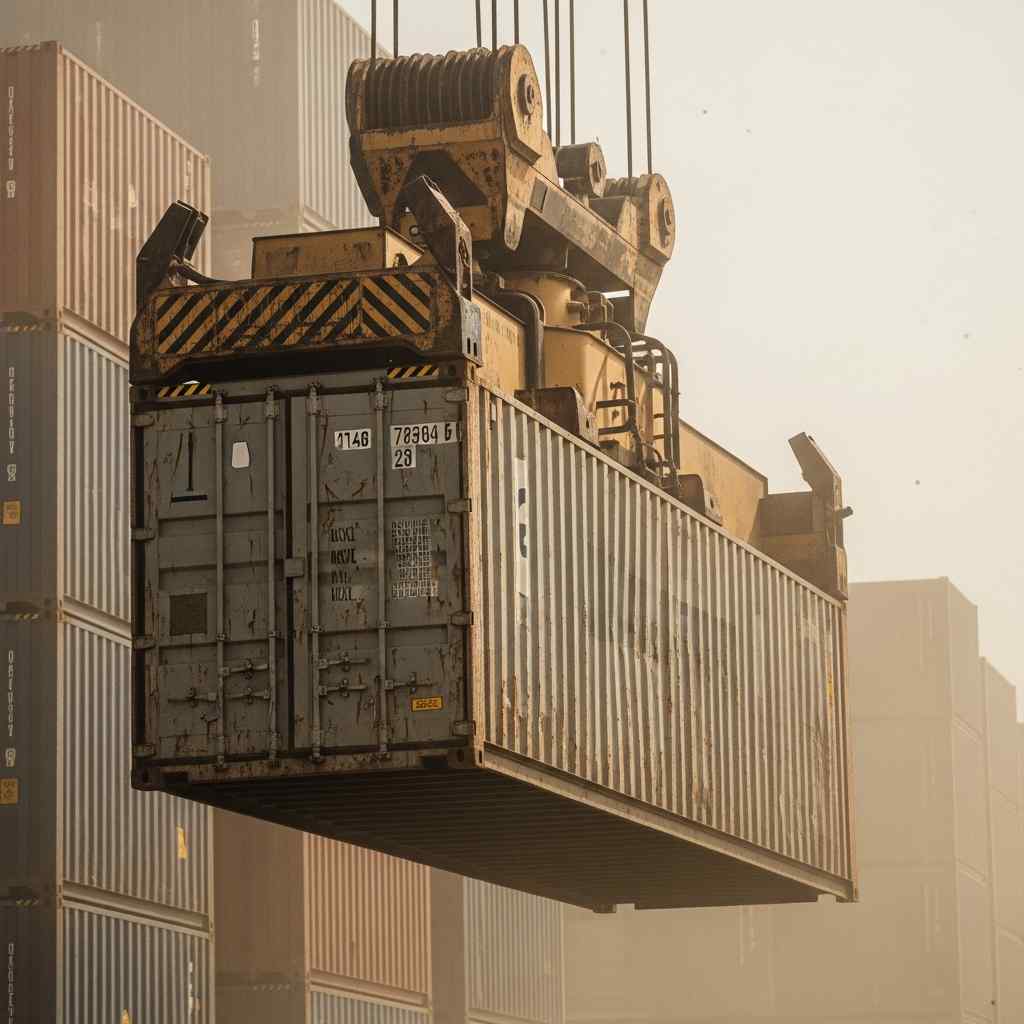
Congestion at the ports of Lagos is a story with many chapters. The problem stems from a combination of factors. The port infrastructure, built decades ago, struggles with the volume of modern container traffic. The road network leading out of the ports is frequently gridlocked. Trucks line up for miles. Drivers sleep in their cabs. Goods that should be on shelves sit in steel boxes under the sun.
The Apapa and Tin Can Island port complexes in Lagos handle the majority of the container traffic of the nation. A report from the Nigerian Ports Authority for 2025 indicated that the average cargo dwell time was 20 days (Nigerian Ports Authority Performance Report, 2025). This dwell time measures how long cargo stays in the port area after discharge. The global average for efficient ports is between 3 and 7 days.
The extended period in Nigeria adds substantial cost to imported goods. These costs eventually transfer to the prices people pay in markets across the country. A study by the Lagos Chamber of Commerce and Industry in 2026 estimated that congestion at the Apapa port costs the economy of Nigeria over N3.5 trillion annually in lost revenue and added logistics costs (Lagos Chamber of Commerce and Industry, 2026). That is a quiet tax on every family.
What does Africa Global Logistics actually do?
Africa Global Logistics provides integrated logistics services across the continent. The company operates port terminals, warehouses, and a fleet of trucks and barges. In Nigeria, its activities are central to the import and export supply chain for a range of industries. The company manages logistics for consumer goods, industrial equipment, and agricultural commodities.
The volume of cargo moving through the ports of Nigeria is immense. Data from the National Bureau of Statistics shows that in the third quarter of 2025, the total tonnage of cargo handled was 55.8 million metric tonnes (National Bureau of Statistics, 2025). A significant percentage of this volume passes through terminals where companies like Africa Global Logistics are active.
Managing this scale requires coordination with multiple entities. The Nigerian Ports Authority controls the port estate. The Nigeria Customs Service conducts inspections and collects duties. Private terminal operators handle the physical unloading and stacking of containers. The logistics leadership must navigate this ecosystem daily.
Where the trucks line up
The access roads to the Apapa and Tin Can Island ports are often lined with hundreds of stationary trucks. Drivers sometimes wait for days or weeks to enter the port and load or offload containers. This queue creates a logistical nightmare for companies trying to receive or ship goods on schedule. A container of perishable goods can rot while the truck sits in traffic. A factory can halt production because a single component is stuck three miles from the gate.
Efforts to introduce a digital call-up system for trucks have met with mixed results. The system, called ETO, aims to schedule truck arrivals and reduce chaos. Implementation has faced challenges, including compliance issues and system outages. For logistics managers, these external factors are as important as internal operations.
“The success of port logistics in Nigeria depends as much on what happens outside the gate as inside it. The road, the technology, the procedures all must work together.”
– Maritime logistics analyst, speaking to BusinessDay in March 2026
The push for a digital port system
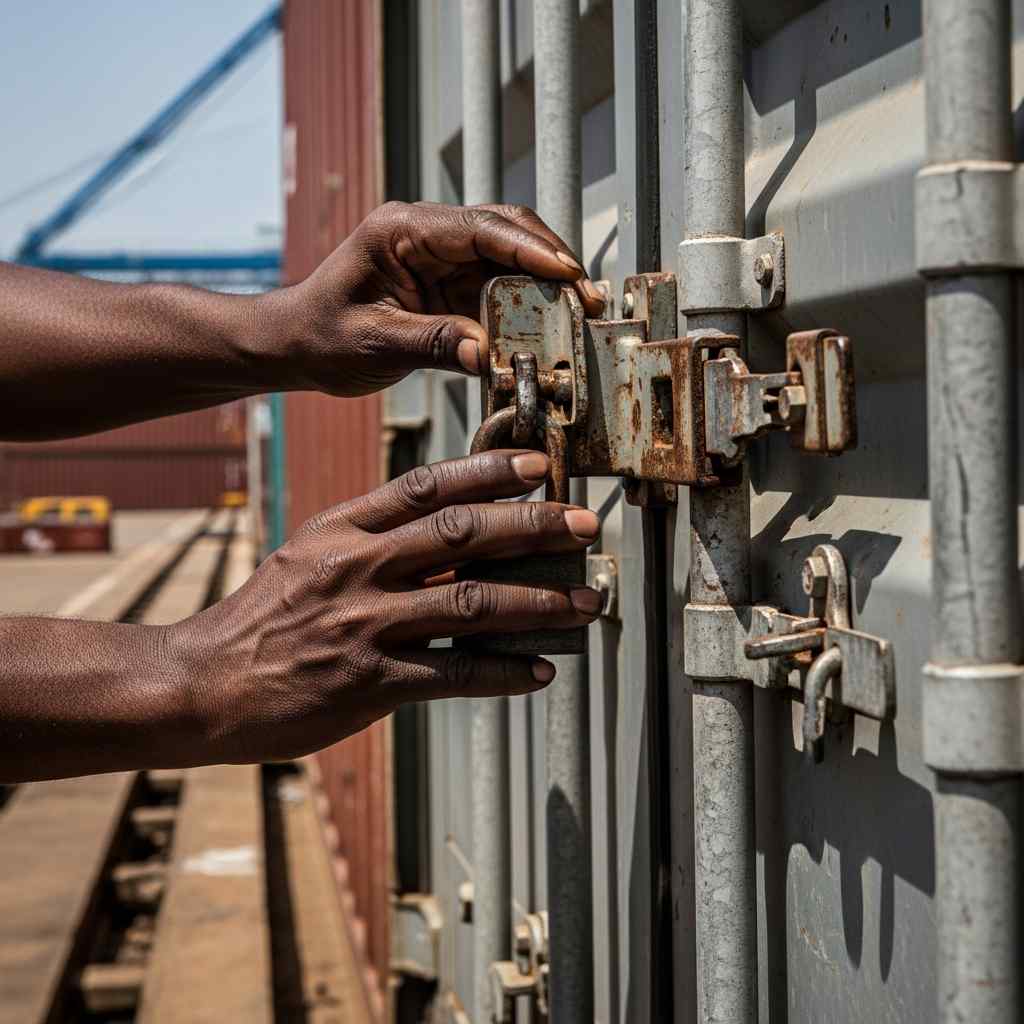
The federal government and port operators continue to advocate for a full digital transition. The National Single Window project was designed to integrate all port processes into one online platform, and on March 27, 2026, it officially launched. The goal is to eliminate paper-based documentation and speed up approvals from agencies like customs.
As of the first quarter of 2026, the implementation of the National Single Window is in its early days. A report from the Federal Ministry of Industry, Trade and Investment indicated that before the launch, 65% of port users were still submitting some documents manually (Federal Ministry of Industry, Trade and Investment, 2026). The transition to a fully digital port is a work in progress. Paper persists. Old habits die hard.
The goal is to reduce vessel turnaround time and decrease the human interface in customs clearing, which historically contributed to delays and increased costs. For logistics directors, digital tools offer the promise of visibility and control. Real-time tracking of containers, digital payment of charges, and electronic release orders can reduce processing times. The technology exists. The will to implement it fully is the variable.
The link between port speed and market prices
The efficiency of port operations has a direct line to the inflation rate. When containers are delayed, importers incur extra costs for demurrage and storage. They also face penalties for late delivery to their own customers. These additional expenses are factored into the final selling price of the goods. A bag of rice costs more because a truck sat for four days on the Apapa road.
The National Bureau of Statistics reported that while overall headline inflation eased to 15.06% in February 2026, the cost of food had resumed an upward climb on a month-on-month basis. On a year-on-year basis, the food inflation rate was 12.12% (National Bureau of Statistics, 2026). While multiple factors drive these numbers, logistics bottlenecks and port delays contribute a measurable portion. The work of managing port flow is connected to the price of bread on the table of a family.
Downstream from the port, businesses that rely on imported raw materials or finished goods feel the impact of delays. A manufacturer waiting for a container of components may have to halt a production line. A retailer may run out of stock of a popular item. These disruptions ripple through the economy. The port is a heartbeat. When it skips, the whole body feels it.
What does success look like in logistics?
Success for a logistics leader is measured in key performance indicators. Reducing the turnaround time for vessels at berth is one metric. Decreasing the container dwell time within the terminal is another. Achieving a higher percentage of cargo released within 24 hours of customs clearance is a third.
These metrics translate into tangible benefits for clients. Faster turnaround means shipping lines are more likely to include Nigerian ports on their main routes. Lower dwell times reduce costs for importers. Quicker releases improve the reliability of the entire supply chain. The performance of the logistics manager is tied to these outcomes.
Beyond the metrics, the job involves managing teams of stevedores, clerks, planners, and supervisors. It requires negotiating with union representatives and ensuring safety protocols are followed on busy terminals. The human dimension of port operations is as complex as the technical one.
“Our focus is on creating a fluid connection between the ship and the hinterland. Every minute saved in the port is a cost avoided for the Nigerian consumer.”
– Statement from Africa Global Logistics management, January 2026
The bigger picture of African trade
The work at the ports of Nigeria is part of a larger continental logistics network. The African Continental Free Trade Area aims to boost intra-African trade by reducing tariffs and simplifying customs procedures. Efficient ports are critical infrastructure for this ambition to become reality.
Goods moving from Nigeria to Ghana or Kenya must first exit the port efficiently. Delays at the origin port disrupt schedules for land transport across West Africa or for connecting feeder vessels. The performance of major hubs like Lagos has implications for trade across the region.
Other West African ports are investing in capacity and efficiency. The port of Lome in Togo and the port of Abidjan in Cote d’Ivoire have gained market share by offering faster turnaround times. The ports of Nigeria must improve to remain competitive for transshipment cargo and to attract direct calls from larger vessels. This competitive pressure is a driver for reform and investment.
Summary of Key 2025/2026 Data
Total Cargo Throughput: 129.3 million metric tonnes (24.8% increase)
Leading Port: Lekki Port (40.6% of total volume)
Container Traffic: 2.1 million TEUs (25.7% increase)
Vessel Calls: 4,477 vessels (12% increase)
One thing you can check today
Look at the origin label on an item you purchase. Many products in the stores of Nigeria come through the ports. The efficiency of that journey from the factory overseas to the shelf influences the price you pay. Understanding this connection makes the discussion about port operations more than a technical issue. It becomes a matter of economic common sense. The container that brought that product sat in traffic. You paid for that traffic.
The future of port logistics in Nigeria hinges on sustained investment and consistent policy. The completion of the Lekki Deep Sea Port and the Badagry Port project will add much-needed capacity. The full deployment of the National Single Window will streamline processes. New infrastructure brings new opportunities and new challenges. The core task of moving cargo reliably and efficiently will endure. The tools and the environment for doing that job continue to evolve.
Publication Date: April 06, 2026.
Reporting Note: Data for this report is based on the 2025 Operational Performance Report from the Nigerian Ports Authority and trade statistics from the National Bureau of Statistics. The leadership of AGL Nigeria is currently held by Etienne Rocher (Country Managing Director) and Sade Akanni-Shelle (CEO of AGL & Transport Nigeria).
Correct your BVN & NIN details in 5 seconds – Relevant coverage on this topic.

River Disappears Overnight in Warri Delta State

Market Woman Predicts Deaths in Owerri Through Yam Shapes

Forest healer cures blindness using leaves from a plant found nowhere else

Ancient Wall Repairs Itself in Zaria After Heavy Rains

Confluence refuses to mix after a photographer insulted the local river spirit

Church roof collapses mid sermon and every person inside walked out without injury

Tailor Sews Identical Dress from 40-Year-Old Bible Photo in Asaba

Twins Share Single Heartbeat Born Years Apart

Tomi Adeyemi Film Deal Changes Nigerian Storytelling

Lola Shoneyin Builds a Literary Continent at Aké Festival

ADC Leads #OccupyINEC Protest in Abuja Over Party Derecognition

Opay vs Palmpay for International Payments in Nigeria 2026

Internet Sovereignty: Why Some Countries Want Their Own Separate Internet

The Story Of The Nigerian Who Helped Build Global Internet Systems

Nigerian Hackers: The Global Fraud Story and Its Fallout

Forgotten Satellites Defy Silence, Beaming Signals for Decades

Your Digital Store in Nigeria and the Reality of Domain Expiration

The Phone Stay So Quiet: An Investigation into Nigeria’s Silent Customer Lines

The Business That Died: A Nigerian Case Study in Refusal to Adapt

Hiding Your Business From People With Money

How Nollywood Grew Without Government Support

Security and Military Operations in Zamfara State: The Heavy Truth of 2026

Nigeria Produces 67 Percent Global Yam Output

Comedy Industry in Nigeria and Its Economic Contribution

 Digital Sovereignty2 months ago
Internet Sovereignty: Why Some Countries Want Their Own Separate Internet
- Diaspora2 months ago
The Story Of The Nigerian Who Helped Build Global Internet Systems
- Crime2 months ago
Nigerian Hackers: The Global Fraud Story and Its Fallout
- Space Technology2 months ago
Forgotten Satellites Defy Silence, Beaming Signals for Decades
- E-Commerce2 months ago
Your Digital Store in Nigeria and the Reality of Domain Expiration
- Edutech Portal2 months ago
The Phone Stay So Quiet: An Investigation into Nigeria’s Silent Customer Lines
- Edutech Portal2 months ago
The Business That Died: A Nigerian Case Study in Refusal to Adapt
- Business2 months ago
Hiding Your Business From People With Money