Finance
Opay vs Palmpay for International Payments in Nigeria 2026
You want to send money abroad. Banks take days. Opay and Palmpay say minutes. So here we are. Which app actually delivers? The answer depends on your transaction. Let us talk about it.

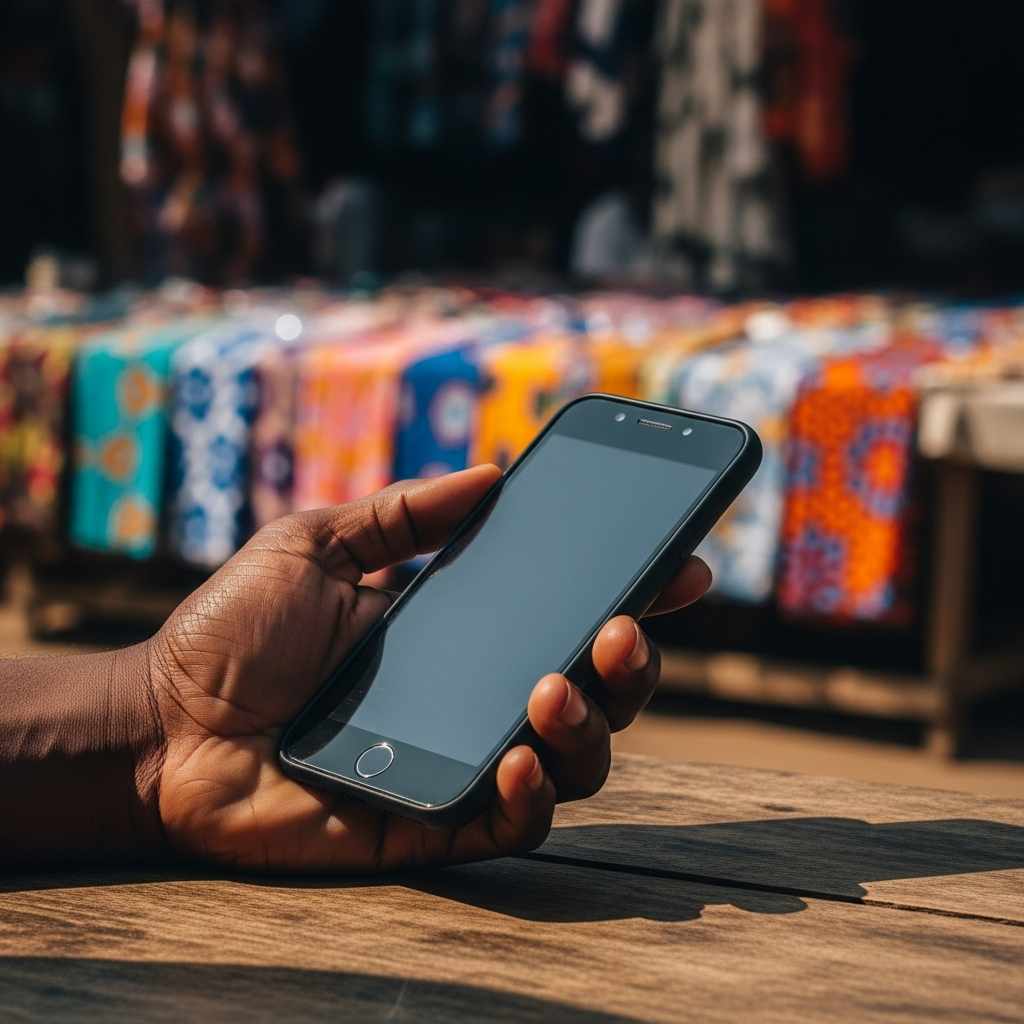
Two Apps, One Promise, and the Quiet Panic of Sending Money Abroad in 2026
Published: 7 March, 2026
Someone needs to send money out of the country. Maybe it is for school fees. Maybe it is for a relative who lives far away. The bank is an option, but the bank takes a big cut and asks for too many papers.
So the person picks up the phone. Two apps are right there on the screen. Opay and Palmpay. They both say they can do it. They promise it will be easy.
But what the promise says and what actually happens are two very different things. They do not live on the same street.
The Real Question: Can You Even Do It?
Both Opay and Palmpay became big because they made it easy to buy airtime or send money to the person selling pepper next door. Sending money far away, across the ocean, came much later. It was an extra feature added because people kept asking for it.
According to a 2025 report by High Grade Times, the Central Bank of Nigeria watches these kinds of transfers very, very closely. The rules are tight.
What Opay Claims
Opay has a button that says international transfers. When you press it, the app connects you to another company that does the real work of moving the cash. Naira leaves the phone in Lagos. Pounds show up on a phone in London. That is what is supposed to happen.
What Palmpay Claims
Palmpay has almost the same thing. They call it Send Money Globally. They also use other big companies to push the money through the system. The look of the app is meant to keep things calm and simple. The hard parts, the parts where the money gets checked and rechecked by the banks, happen where you cannot see them.
The First Problem: Where Did the Button Go?
This is where the trouble starts. You open Opay. You see options for buying electricity or data. You start to scroll. You are looking for anything that says Send Money Abroad or International.
Some days, you find it right there where you left it. Other days, it is gone. It is like it was never there. Palmpay plays the same game. The option to send money outside Nigeria might be in the main menu for your friend, but when you open your own app, there is a message about “service updates” where the button used to be.
This is just how it works here. Features show up. Features disappear. They come back without anyone telling you why. According to a 2025 report in BusinessDay, a customer service person actually told one person that the service would be under maintenance for three whole weeks. So you just wait. The door is closed.
The Main Event: The Rate and The Fee
Let us say you are lucky. You find the button. You want to send ₦500,000 to a student staying in Canada. The app shows you a number. You need to know that this first number is not the final number. There is always more to the story.
How Opay Charges
Opay shows you two different costs. One is the rate they are giving you for changing naira to dollars or pounds. That rate comes from their partners, places like Fluency or Send. When people checked in March 2026, that rate was about 5% higher than the official CBN rate. Then there is a flat fee just for doing the transfer. That fee is usually between ₦1,500 and ₦4,500.
How Palmpay Charges
Palmpay mixes the bad news together. They combine the rate and the fee so you see one number that the person will get. But when you do the math, the extra cost is still there, usually between 4% and 6% above the official window. Their flat fee sits somewhere between ₦1,000 and ₦5,000.
The difference of 1% or 2% in rate makes a large impact on ₦500,000. You choose the app with the better rate on the day you send. —Chinedu, a freelance developer who sends money abroad every month, speaking to Nairametrics in February 2026.
This is what it comes down to. If one app gives you a rate that is even a tiny bit better, that could mean the person receiving the money gets enough extra to buy food for a few more days. The person sending the cash does not care which app is which. They just check both and pick the one that hurts the wallet less on that particular morning.
How Fast Does It Go?
Both apps say the money will arrive in minutes or a few hours. And for small amounts, this is usually true. The computers see the small amount and just let it pass.
But if the amount is big, like ₦2 million, the computers stop and call for a human being. A person has to look at it. This can take 24 to 48 hours. You will get emails asking you to prove what the money is for. School fees? Show the bill. Hospital? Show the paper. The person sending the money just has to sit and wait.
Some people say Palmpay is a bit faster if the money is going to the UK. Others say Opay is quicker for Ghana and Kenya. The speed does not really depend on the app’s name. It depends on which partner bank is moving the cash and how busy that road is today. The person tapping the phone has no power over that part.
The Hidden Wall: Limits on How Much You Can Send
Nobody is sending $50,000 through these apps. That door is locked. There are limits set on every account based on how much information you have given them, usually with your BVN.
With Opay, that yearly limit is usually set at $5,000 in value. With Palmpay, the yearly cap is about $4,000. These limits match the rules set by the CBN for what one person can send out in a year.
These apps are fine for a parent sending pocket money to a child in school. They are fine for a worker paying for a digital platform subscription online. But if you need to send a huge amount of money for business, you are in the wrong place. You will have to go back to the bank and fill out all those forms.
When It All Goes Wrong: The Failed Transaction
This is the worst part. The part that makes people’s hearts drop. You see the message on the screen: “Debit Successful.” The money is gone from your naira balance. But the person in the other country says nothing has arrived. The cash is stuck somewhere in between.
Now the real job begins. You have to talk to customer service. But for big international problems, you do not get a real person on the phone. You get a chat robot, or you send an email and get an automatic reply. The reply says it might take anywhere from 3 hours to 5 business days to fix.
My payment to India failed. The naira left my Opay account, but the rupees never arrived. It took four days of calling and messaging to get a refund. The refund came at a worse exchange rate than I started with. —Ada, a small business owner, in a user review compiled by TechCabal in January 2026.
This is why it hurts. When they finally return the money, the rate of the naira might have changed. You might get back the same amount of naira, but when you try to send it again, it buys less foreign currency than before. Ada’s voice here is the voice of someone who learned the hard way that a refund is not always a victory. It is just a different kind of loss.
What Should Different People Do?
There is no single winner. The best app depends on what you are trying to do today.
The Parent Sending School Upkeep
This person sends about ₦300,000 every single month. They cannot afford to be loyal to one company. On the day the money is ready, they will open both Opay and Palmpay. They will type in the same amount and see which one shows a higher number for the recipient. They will pick that one. It is not about which app is nicer. It is about which one gives the child more money to survive on.
The Freelancer Paying for Online Tools
This person might get paid in dollars but needs to pay for software in dollars too. To use these apps to send money out, they first have to change their dollars into naira inside the app. Then they use that naira to buy dollars again to send abroad. They pay a fee twice. It is not ideal, but it is sometimes the easiest way to get it done without a foreign bank card.
The Person Sending a Gift Once a Year
This person is not worried about tiny changes in the rate. They just want the money to get there without stress. They will use the app they already have on their phone and already have money inside. The small extra cost is worth it because they do not have to learn a new system or go to the bank.

The Numbers Side by Side
Here is what the reports from 2025 and early 2026 show us. The two apps are more alike than they are different.
Opay International Transfer
Extra on Top of CBN Rate: 4.5% – 6%
Flat Fee Charged: ₦1,500 – ₦5,000
Waiting Time: Minutes to 48 hours
Yearly Cap with BVN: $5,000
Main Destinations: UK, US, Ghana, Kenya
Palmpay International Transfer
Extra on Top of CBN Rate: 4% – 6%
Flat Fee Charged: ₦1,000 – ₦5,000
Waiting Time: Minutes to 24 hours
Yearly Cap with BVN: $4,000
Main Destinations: UK, US, Canada, China
The View from Above
These apps are filling a gap. The Central Bank of Nigeria reported that people sent out $1.2 billion in the first nine months of 2025. A lot of that money went through phones, not just through bank counters.
Banks still handle most of the very big money, but they are slow and expensive for the small amounts regular people send. Fintech apps like Opay and Palmpay win because they make the screen look friendly and the process feel fast. But underneath the screen, everyone is dealing with the same problem: there is not enough foreign currency to go around easily. The apps cannot fix that part.
What to Do Right Now
The smart move is to keep both apps on your phone. Make sure you have done your BVN verification on each one so you can send up to the maximum amount.
Do not trust what the article says. Do a test. Send a small amount, maybe ₦20,000, to someone you trust who is outside the country. Watch the clock. See exactly how much they got in their own currency. That small test will tell you the real truth about how the app works on your phone, with your bank, on that specific day.
Things work fine until they stop working. When one app says it is *under maintenance*, you will be glad you have the other one ready to go.
The two companies fighting for your attention is actually a good thing. It means the fees slowly get smaller. The rules slowly get clearer.
For today, the best app is the one that gives you more money in the other person’s hand when you press send. You check the rate. You tap the button. You put the phone down and go back to your day.
That is all that matters. The money is gone. The job is done. Until next time.
Reviewing The Top 7 Savings and Investing Apps in Nigeria (Apps to Make Money Online in 2024)











Tailor Sews Identical Dress from 40-Year-Old Bible Photo in Asaba

Twins Share Single Heartbeat Born Years Apart

Tomi Adeyemi Film Deal Changes Nigerian Storytelling

Lola Shoneyin Builds a Literary Continent at Aké Festival

ADC Leads #OccupyINEC Protest in Abuja Over Party Derecognition

Opay vs Palmpay for International Payments in Nigeria 2026

Tope Awotona Among Wealthiest Tech Founders in the United States

NFF Reforms Segun Odegbami Demands After World Cup Failures

NIDCOM Sets Stage for NIDEC 2026 Economic Conference in Toronto

How to apply for land certificate at state land registry in Nigeria 2026

Kehinde Salami Africa Global Logistics Deputy Director Seaport Operations

Kenneth Etim on Cross River Development and Diaspora Investment

Internet Sovereignty: Why Some Countries Want Their Own Separate Internet

The Story Of The Nigerian Who Helped Build Global Internet Systems

Nigerian Hackers: The Global Fraud Story and Its Fallout

Forgotten Satellites Defy Silence, Beaming Signals for Decades

Your Digital Store in Nigeria and the Reality of Domain Expiration

The Phone Stay So Quiet: An Investigation into Nigeria’s Silent Customer Lines

The Business That Died: A Nigerian Case Study in Refusal to Adapt

Hiding Your Business From People With Money

How Nollywood Grew Without Government Support

Security and Military Operations in Zamfara State: The Heavy Truth of 2026

Nigeria Produces 67 Percent Global Yam Output

Comedy Industry in Nigeria and Its Economic Contribution

 Digital Sovereignty2 months ago
Internet Sovereignty: Why Some Countries Want Their Own Separate Internet
- Diaspora2 months ago
The Story Of The Nigerian Who Helped Build Global Internet Systems
- Crime2 months ago
Nigerian Hackers: The Global Fraud Story and Its Fallout
- Space Technology2 months ago
Forgotten Satellites Defy Silence, Beaming Signals for Decades
- E-Commerce2 months ago
Your Digital Store in Nigeria and the Reality of Domain Expiration
- Edutech Portal2 months ago
The Phone Stay So Quiet: An Investigation into Nigeria’s Silent Customer Lines
- Edutech Portal2 months ago
The Business That Died: A Nigerian Case Study in Refusal to Adapt
- Business2 months ago
Hiding Your Business From People With Money