Energy
Fuel Scarcity Looms as Lawmakers Issue 48-Hour Warning
Here is the thing. Lawmakers have given a warning. Fuel scarcity could start in two days. So here we are. Queues will form. Prices will jump. What will you do?

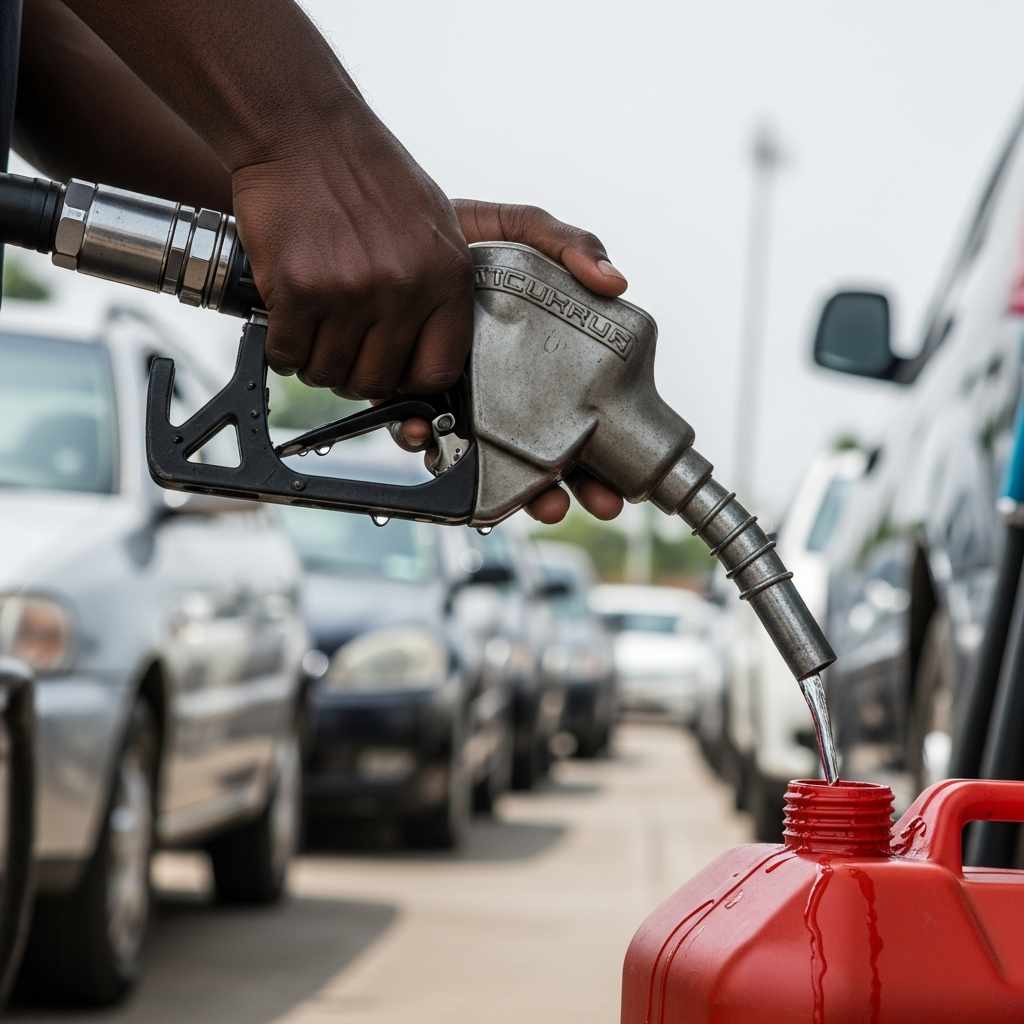
Fuel Scarcity Looms as Lawmakers Issue 48-Hour Warning
Published: 23 March, 2026
Panic buying gripped major cities this week. The trigger was a stark 48-hour warning from the House of Representatives Committee on Petroleum Resources (Downstream) about a potential nationwide fuel scarcity. This alert came on Wednesday, March 19, 2026. Queues formed almost instantly in Lagos, Abuja, and Port Harcourt. The committee pointed to a breakdown in crude supply to domestic refineries and a crippling payment backlog.
The Warning That Sparked a Rush
Committee Chairman Hon. Ikenga Imo Ugochinyere did not mince words. He addressed journalists after an emergency session with the Nigerian National Petroleum Company Limited (NNPC) and the Major Oil Marketers Association of Nigeria (MOMAN). He stated the situation demanded urgent government action to stop a full-blown crisis. The committee’s solution was an immediate emergency meeting of the Presidential Technical Committee on the Crude-for-Naira initiative.
But there was a catch. The lawmakers revealed a shocking supply gap. The Dangote Refinery was receiving just 5 cargoes of crude. It needed between 15 to 21 to run optimally. They also alleged economic sabotage. They claimed middlemen in London and Dubai were slapping an $18-per-barrel premium on Nigerian crude sold to our own refineries.
Why the System Breaks Down
The trouble is, these issues are painfully familiar. The downstream sector operates on razor-thin margins. Geopolitical tensions in the Middle East have pushed Brent crude above $110 per barrel this quarter. That pressures global markets. At home, foreign exchange fluctuations cripple import financing. The logistics of moving fuel inland, known as bridging, adds more cost and complexity.
The Crude-for-Naira initiative was supposed to fix this. Lawmakers say it has failed.
“The arithmetic of importing and selling petrol at the current price does not add up for many marketers. The outstanding payments are a symptom of a structural problem in the supply chain.” , Dr. Muda Yusuf, Chief Executive Officer of the Centre for the Promotion of Private Enterprise, in The Guardian on March 20, 2026.
This structural flaw means everything hinges on consistent crude supply. Any delay triggers a cash flow crisis that strains the entire chain.
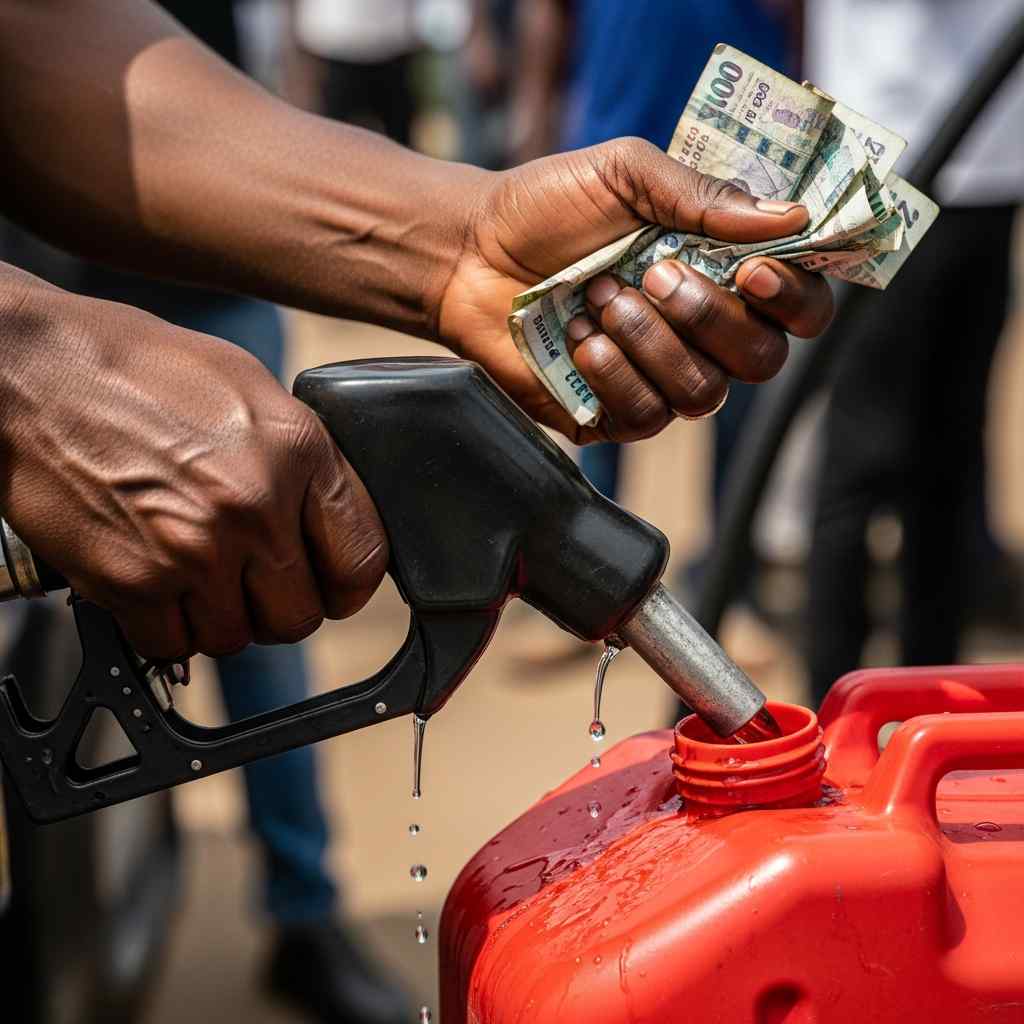
The Immediate Fallout: Queues and Prices
Social media flooded with images of long queues within hours. Stations in the FCT and on the Lagos-Ibadan Expressway sold out. The Nigerian Midstream and Downstream Petroleum Regulatory Authority (NMDPRA) urged calm, assuring the public of sufficient reserves. Public skepticism often greets such assurances.
The real fear is price. By March 21, most stations were selling between N1,367 and N1,440 per litre. NNPC retail outlets charged about N1,261. This was a sharp jump following recent hikes by the Dangote Refinery.
Wait, it gets more complex. Previous scarcities saw black market prices explode. Such spikes inflate the cost of transport, food, and services. This comes at a sensitive time. As The Guardian noted in February 2026, the National Bureau of Statistics reported on March 15, 2026, that headline inflation was 31.70%, with food inflation at 37.92%. A fuel crisis would make those numbers worse.
A Problem with Deep Roots
This crisis highlights the unfinished business of the Petroleum Industry Act (PIA) of 2021. The law envisioned a liberalized, competitive market. The reality five years later is a market in transition, still dependent on the NNPC and vulnerable to fiscal bottlenecks.
Refining capacity is the long-term answer. The government says the Port Harcourt Refinery rehabilitation is advanced, with test runs done. The Dangote Petroleum Refinery has started production. But, as ThisDay reported in March 2026, crude supply shortages limit its output of PMS for the domestic market.
Until refineries get consistent crude, Nigeria depends on a fragile import system. Its financing and logistics create the conditions for recurring scarcity. The House Committee warning is a symptom of this deeper vulnerability.
“We are in a paradoxical situation. The country exports crude oil but struggles to supply its own refineries. Any hiccup in the crude allocation chain translates to queues at the pump. It is a cycle we must break.” , Hon. Ikenga Imo Ugochinyere, Chairman House Committee on Petroleum Resources (Downstream), speaking to Channels Television on March 19, 2026.
The Consequences
The threat of fuel scarcity does more than disrupt travel. It sends a shockwave through the informal economy. Transport fares jump, raising the cost of getting to work and moving goods. Small businesses using generators face higher costs. Schools and hospitals with bad power make contingency plans.
The social cost is huge. Hours are lost in traffic near stations. Chaotic queues raise accident risks. The psychological toll is deeper. Facing another shortage, after so many reform promises, breeds frustration and erodes trust.
The timing is politically sensitive. The warning comes as the government talks up economic stabilization. A fuel crisis contradicts narratives of progress. It compounds the cost-of-living pressures on ordinary citizens. This is a direct challenge to policy implementation.
How the System Responds
The Ministry of Petroleum Resources and the NNPC have responded. They acknowledge the committee’s concerns but call it a “logistical challenge”, not a shortage. The NNPC states it has sufficient petrol in marine and land storage (NNPC Press Statement, March 23, 2026).
The company says it is intensifying loading at all depots. It is working with the NMDPRA to dispatch trucks round-the-clock. The Ministry of Finance is being pushed to expedite outstanding Crude-for-Naira payments. These are standard operational responses.
Their effectiveness will be in days. The visibility of queues is the public’s real-time dashboard. It is often more trusted than official statements. History shows that once panic buying starts, it takes sustained, visible supply over days to restore normalcy.

A Look at the Alternatives
Each crisis renews talk of alternatives. The government promotes Compressed Natural Gas (CNG) as a transition fuel. The Presidential CNG Initiative reports over 5,000 vehicles converted and 50 new refueling stations under development (PCNGI Progress Report, January 2026).
Contrast this with the over 12 million petrol-powered vehicles on Nigerian roads. The scale is insignificant.
Electric vehicle adoption is in its infancy, hampered by high cost and no charging infrastructure. For most Nigerians, petrol is the only option for mobility and power. This dependence makes the market uniquely sensitive to supply shocks. Diversifying the energy mix is a strategic imperative. It lacks the urgency of a queue at a filling station.
How This Episode Might End
The immediate crisis will likely follow a familiar script. The government will secure emergency measures to plug the crude supply gap at Dangote. The NNPC will flood key cities with trucks to break the queue psychology. Prices may stabilize in major cities. Rural areas could pay more for longer.
The House Committee’s intervention caused short-term panic. It may force executive action on the bottlenecks. But the underlying issues will . Foreign exchange access, full deregulation, consistent crude allocation, these need policy consistency beyond the election cycle. They need the courage to let market forces set the pump price.
“The fundamental question is whether the country is ready for a fully deregulated market. The current system is a hybrid, partly regulated, partly liberalized, and it creates these recurring dislocations. The political will to take the final step is what is missing.” , Prof. Wumi Iledare, Professor of Petroleum Economics, in an interview with Nairametrics on March 15, 2026.
What You Can Do Right Now
For the average citizen, options are limited but practical. Avoid panic buying. Filling multiple jerrycans strains the system and creates safety hazards. Monitor official channels from the NMDPRA and NNPC for updates. Consider carpooling or public transport during uncertainty.
Engage with the policy debate. The conversation about subsidies and deregulation is often abstract. Sharing the real-world impact of these crises with local representatives adds a necessary human dimension. Sustainable solutions need public understanding. They need acceptance of market-driven pricing.
The coming days will test the fuel supply chain and the government’s crisis management. The queues are a physical manifestation of a systemic problem. Each episode of fuel scarcity is a costly reminder. The reform of the downstream petroleum sector is still in progress.
The House of Representatives has sounded an alarm. The government is mobilizing a response. Marketers are watching their balance sheets. Citizens are watching the pumps. The cycle continues. The cost of each repetition to the economy grows heavier.
How to avert return of fuel queues, by Reps panel , House Committee on Petroleum Resources (Downstream) press briefing on March 19, 2026. (Digital Illustration: GoBeyondLocal)









Energy
1kVA Solar Inverter for Your Flat Screen TV and Fan in 2026
So here we are. You want to watch TV with a fan on. The power is gone. A 1kVA solar inverter could be the answer. Here are the models for 2026. And what they cost. Setup is simpler than you think.

The price of a 1kVA solar inverter kit with a battery and panels starts at about N450,000 in early 2026. This figure comes from price surveys of electronics markets in Lagos and Abuja. For many people living in apartments, that amount represents a serious investment in basic comfort. The goal is simple: keep a television and a fan running during the next power outage from the national grid.
Why a 1kVA inverter makes sense for an apartment
Published: 02 April, 2026
You live in a flat. Space is limited. Your power needs are specific. A large system for air conditioning and a freezer is excessive. A small, compact unit for essential electronics is practical. A 1kVA solar inverter system fits this purpose.
These units are designed for light loads. A typical 55-inch LED television uses about 100 watts. A standard standing fan uses between 50 and 80 watts. A 1kVA solar inverter has a capacity of 1000 Volt-Amps, which translates to about 800 watts of reliable power. This capacity covers the television, the fan, a few LED lights, and a phone charger with room to spare.
The appeal is direct. You target your spending on the appliances you use most during outages. You avoid the cost and bulk of a larger system. For renters, a portable setup has advantages. You can potentially move it to a new apartment. Installation is less complex than for a whole-house system.
What you are really buying with a solar inverter
Here is the thing. The word inverter is only one piece. You are buying a system. The system has three main parts. The inverter changes DC battery power to AC power for your appliances. The battery stores the energy. The solar panel charges the battery using sunlight.
The quality of each part determines your experience. A good inverter with a poor battery gives frustration. A strong battery with a weak solar panel means long recharge times. You have to think about the system as a whole. The balance between these components is critical.
In the context of Nigeria, you also buy independence from the grid. The performance of the national grid remains a central concern for households. Data from the National Bureau of Statistics shows the average power supply was below 12 hours daily for many users in 2025. A personal power system addresses this gap directly.
Top inverter models to consider this year
The market has several reliable brands. Each has a reputation for performance in Nigerian conditions. Heat and voltage fluctuations from the grid test these devices. The models listed here have consistent user feedback.
Microtek and Luminous: The established names
Microtek and Luminous have a long presence in Nigeria. Their 1kVA solar inverter models are common in shops. The Microtek SEB 1100 and the Luminous Eco Volt 1050 are popular examples. These are pure sine wave inverters, which are safe for sensitive electronics like flat-screen televisions.
Prices for these branded units vary. As of March 2026, a Microtek 1kVA solar inverter alone costs between N120,000 and N150,000 in major markets. A report by Nairametrics in 2025 noted that inverter prices increased by about 15% over the previous year due to foreign exchange pressures. These brands offer widespread service networks, a valuable feature for repairs.
Su-Kam and Mercury: Strong alternatives
Su-Kam and Mercury are other brands with a solid track record. The Su-Kam Falcon 1kVA inverter is known for its robust build. Mercury inverters are often praised for their charging efficiency. These brands sometimes offer more features for a similar price point, like better display panels or faster switching times.
Choosing between them often comes down to local dealer support. A brand with a certified technician in your area is a better choice than a slightly cheaper brand with no support. The availability of spare parts is a practical consideration that outweighs minor specification differences.

The heart of the system: choosing the right battery
The inverter is the brain, but the battery is the heart. Your backup time depends entirely on the battery’s capacity. For a 1kVA solar inverter powering a TV and fan, a 100Ah to 150Ah tubular or deep-cycle battery is standard.
A 100Ah battery at 12 volts stores 1200 watt-hours of energy. If your TV and fan use a combined 200 watts, this battery could theoretically power them for about 6 hours without recharge. Real-world performance is less, due to battery efficiency and inverter losses. You can expect 4 to 5 hours of solid backup.
The battery type matters. In 2026, you have two main choices:
1. Tubular Lead-Acid (150Ah): Costing N180,000 – N220,000, these are reliable but heavy and require distilled water top-ups every 3 months.
2. Lithium (LiFePO4): Increasingly popular in 2026 for their 10-year lifespan (compared to 2-3 years for tubular). While a 100Ah Lithium battery costs more upfront (approximately N350,000), it offers no maintenance, deeper discharge, and is becoming the “smart” long-term choice for apartment dwellers.
“The battery is the component that determines customer satisfaction. A poor quality battery fails within a year, making the entire investment seem wasted.” – Michael Adebayo, an electrical engineer with a solar installation firm in Ikeja, in an interview with BusinessDay in February 2026.
Solar panels: your fuel station
The solar panel recharges the battery. Without it, you rely on grid power to charge the system, which defeats part of the purpose during long outages. For a 1kVA solar inverter system with a 100Ah battery, a 200-watt to 300-watt solar panel is recommended.
A 300-watt panel in good Lagos sunlight can generate about 1200 watt-hours per day. This output is enough to replenish a depleted battery over a sunny day. The panel needs a solar charge controller, a device that regulates the power going into the battery to prevent damage.
Mounting the panel is a key question for apartment dwellers. You need a space with direct sunlight for most of the day. A balcony, a window ledge, or a flat roof section are possible locations. Security and preventing theft are real concerns that influence the installation method. A single panel costs between N80,000 and N120,000 for a quality brand.
Putting a price on the entire package
Let us break down the total cost. This is the part that requires a deep breath. A complete system includes the inverter, the battery, the solar panel, the charge controller, cables, and installation.
- Budget Setup (Tubular Battery + 200W Panel): Starts from N450,000 – N500,000
- Mid-Range Setup (150Ah Tubular + 300W Panel): N550,000 – N650,000
- Lithium Setup (100Ah LiFePO4 + 300W Panel): Approximately N650,000 – N750,000
- Professional Installation: Adds N30,000 – N50,000 for cabling and mounting
These numbers are significant. They explain why many people buy components in stages. You might purchase the inverter and battery first, using grid power to charge it. You add the solar panel months later. This staggered approach spreads the financial burden.
Installation and maintenance realities
You bought the equipment. Now it needs to be set up correctly. A poor installation causes poor performance and safety hazards. Hiring a qualified technician is non-negotiable. The technician will determine the best cable sizes, fuse ratings, and placement for the equipment.
Maintenance is straightforward but essential. For lead-acid batteries, you must top up the distilled water level periodically. The terminals need cleaning to prevent corrosion. The solar panel surface requires occasional wiping to remove dust and bird droppings. A well-maintained system lasts years longer.
The environment of Nigeria presents specific challenges. Dust affects the solar panel. High ambient temperatures can reduce battery life. Voltage spikes from the grid when power returns can damage the inverter if no protection exists. A good installer will include surge protectors and proper grounding.

How this investment pays for itself
The initial cost is high. The return comes in different forms. The most immediate return is comfort and productivity. You watch television during a blackout. You sleep with a fan on a hot night. You keep your phone charged. These things have value.
There is also a financial return over time. You reduce your consumption of grid electricity for those appliances. You may use less fuel for a petrol generator, saving money and reducing noise and fumes. For areas with high electricity tariffs, the savings on your monthly bill can be noticeable over several years.
A report by the World Bank in 2025 highlighted that Nigerian households and businesses spend over $14 billion annually on backup generators. A shift to solar power for basic loads represents a move away from this expensive and polluting alternative.
A step you can take tomorrow
Thinking about a full system is overwhelming. Start with a single action. Audit the power consumption in your sitting room. Find the wattage rating on the back of your television and your fan. Add those numbers together. Multiply the total by the number of hours you use them during a typical outage. The result is the watt-hour capacity you need from a battery.
This simple calculation gives you concrete data. You walk into a dealer’s shop with knowledge. You understand what the salesperson is telling you. You can ask specific questions about backup time. You move from a position of guesswork to informed decision-making.
The final word on choosing your system
A 1kVA solar inverter system is a tool for specific needs. It powers your entertainment and a bit of cooling. It is a manageable entry into solar energy for apartment residents. The market offers proven options from Microtek, Luminous, Su-Kam, and others.
The total cost is substantial, but the benefits of reliable power for essential appliances are immediate. The system requires a thoughtful purchase of compatible components and professional installation. With proper care, such a system delivers value for many years, providing a quiet, clean alternative to the noise of generators and the silence of grid failure.
So here we are. The path to keeping your TV and fan on is now clear. It requires planning, investment, and a good technician. The result is a small island of light and air in your home, independent of the fluctuations of the national grid. That is a worthwhile goal for any Nigerian in 2026.
Types of Solar Panels #electrical #solarpower #solar #renewableenergy #electrical #solarpanels – Relevant coverage on this topic.
Energy
Dangote Refinery Helpless as Fuel Price Hikes Defy Local Production
Here is the thing. A $20 billion refinery stands ready. Yet pump prices climb. So what gives? Why is local production not the shield we were promised? The answer is complicated.
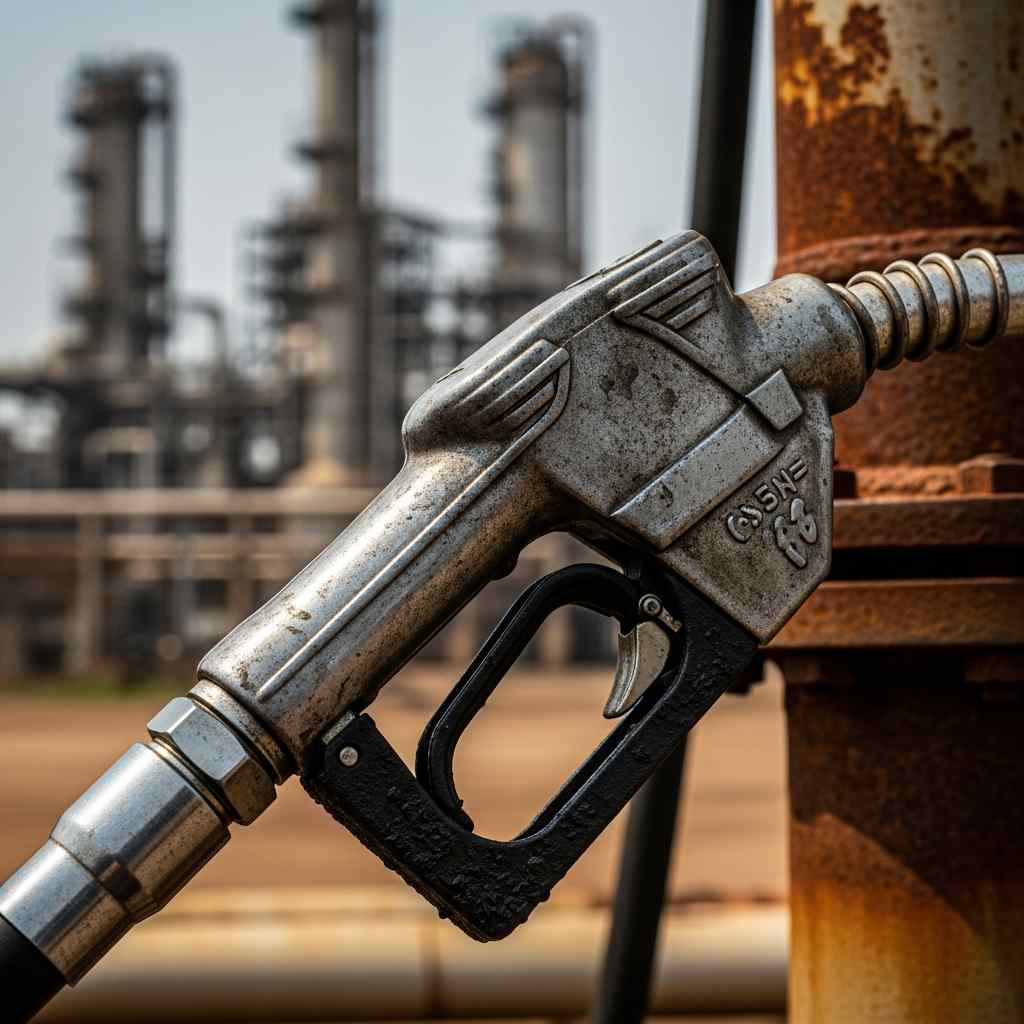
Dangote Refinery Confirms: ‘We Are Helpless’ as Petrol Prices Stay Volatile
Published: 26 March, 2026
A $20 billion refinery sits within the borders of Nigeria. Yet pump prices for Premium Motor Spirit keep climbing. This is the central paradox of 2026.
A Refinery Without Control
Senior executives at the Dangote Group have a word for their position on fuel pricing: helpless. They admitted it during a briefing with energy correspondents in Lagos this month. A company spokesperson laid out the external factors dictating their costs. The price of crude oil is the first major component. But here is the catch: the refinery still depends on imports for a significant part of its feedstock.
As BusinessDay reported on March 18, 2026, the facility imports about 30% of its crude needs. The Nigerian National Petroleum Company Limited has struggled to meet its supply commitments. This forces Dangote to source from the international market, paying in US dollars.
The second factor is the foreign exchange rate. Every imported barrel requires conversion from naira to dollars. The Central Bank of Nigeria reported an official rate of N1,383.88 to the dollar as of March 26, 2026. The parallel market rate hovered above N1,750.
These two variables exist outside any local refinery control. The company sets its ex-depot price based on these real-time costs. “We are price takers, not price makers,” the spokesperson stated.
“The narrative that our refinery production will automatically guarantee cheap fuel is economically flawed. Our pricing is a direct function of crude cost, forex, and operating expenses. We are helpless against these macro forces.” , Dangote Industries Group spokesperson, March 2026 briefing.
The Crude Supply Puzzle
The original plan was simple: run on crude of Nigeria. This would have insulated operations from global prices and forex demands. The reality in 2026 is different.
Data from the Nigerian Upstream Petroleum Regulatory Commission shows total crude production averaged 1.45 million barrels per day in the first quarter. The Dangote Refinery, at full capacity, can process 650,000 barrels per day. Do the math. If the refinery took its full capacity, it would consume almost 45% of the entire national output. That is politically and economically impossible.
The NNPC has commitments for the older Port Harcourt and Warri refineries, for export sales, and for other swap deals. It supplies Dangote with a fraction of its needs. As Premium Times noted in February 2026, NNPC officials acknowledge a supply shortfall.
So the refinery turns to the international market. It buys crude from the United States, Saudi Arabia, and elsewhere. These transactions happen in US dollars. The Energy Information Administration placed the global average at $82 per barrel for the first quarter.
This gap between expectation and reality anchors the pricing issue. Local production of fuel depends on imported raw material.
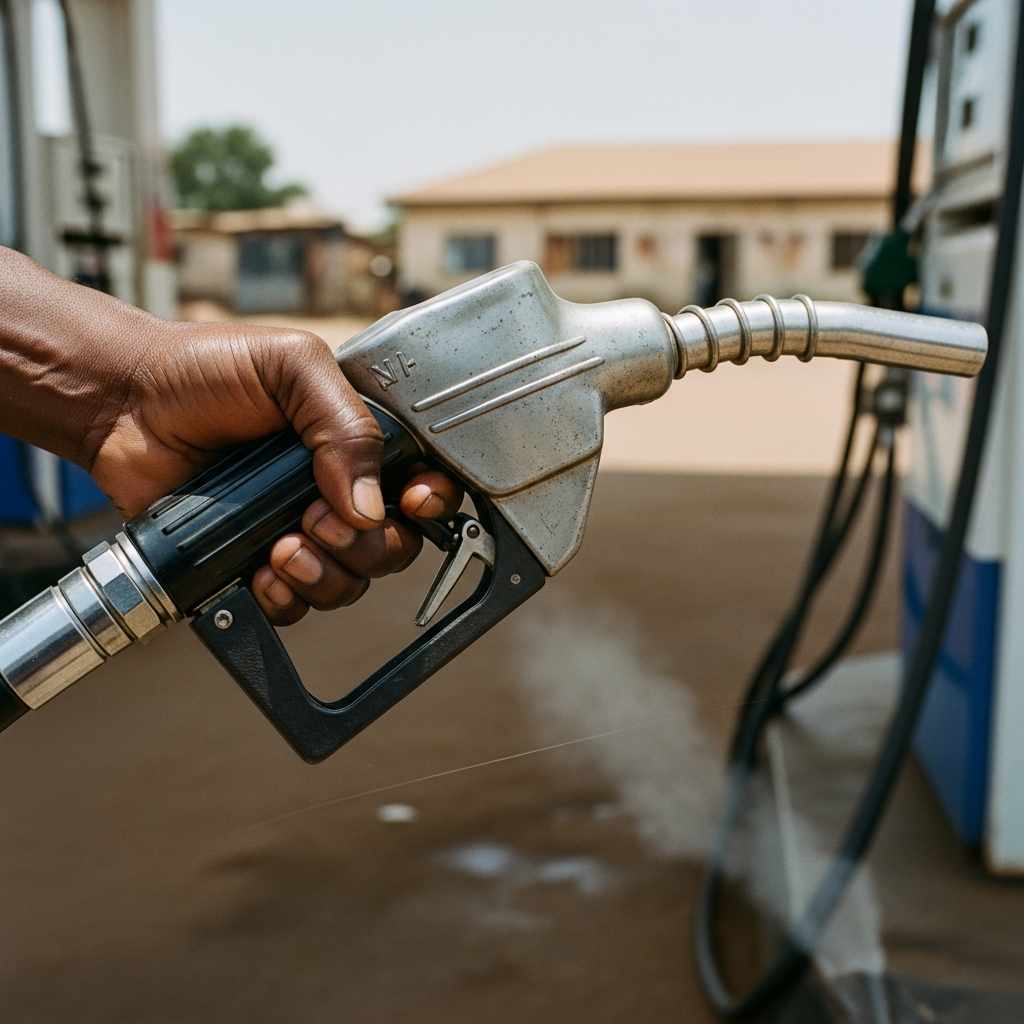
Forex, The Invisible Tax
Every Nigerian feels the pressure of the exchange rate. For an operation the size of the Dangote Refinery, the pressure is monumental. The company needs dollars for crude imports, spare parts, technical contracts, and loan repayments. The refinery was built with foreign currency debt.
The Central Bank of Nigeria has tried to unify the exchange rate windows. But liquidity in the official market remains a challenge for large corporates. Accessing sufficient dollars at the official rate is difficult. This pushes some demand to the parallel market.
This forex cost is baked into the final product price. When the naira weakens, the naira cost of imported crude rises. The refinery must recover this higher cost.
Wait, it gets more complex. The National Bureau of Statistics reported that importing mineral fuels creates major forex demand. The refinery operations, designed to reduce forex demand for fuel imports, now generate forex demand for crude imports. It is a circular problem.
The Minister of Finance, Mr. Wale Edun, says improving domestic crude production and refining is the long-term solution. The trouble is, we are not there yet.
What Happened to the Subsidy Debate?
The government announced the end of the petrol subsidy on May 29, 2023. The policy aimed to eliminate a fiscal drain and let market forces decide prices. The Dangote Refinery was a cornerstone of this argument.
In practice, the market has only one direction: up. Without a subsidy, the price floats with international costs. The Dangote Refinery, as a commercial entity, has no mandate to sell at a loss.
Some analysts expected a strategic reserve or a price stabilization fund. No such mechanism exists in 2026. The Petroleum Products Pricing Regulatory Agency now functions purely as a data collector.
The subsidy removal transferred price risk from the government to the consumer. The refinery changes the source of the product, but not the pricing calculus tied to global markets. Citizens who anticipated relief now face a fully deregulated market. The price in Lagos or Kano is set in New York and Rotterdam.
The Other Refineries in the Room
Attention focuses on Dangote, but it is not the only refinery. The government-owned Port Harcourt Refining Company completed rehabilitation in late 2024. It has struggled with consistent production. The plant operates intermittently, often at a fraction of its 210,000 barrel per day capacity. In March 2026, it contributed roughly 5% of national PMS demand.
Sources at the Nigerian National Petroleum Company Limited say the old refinery faces recurrent technical faults. Its output is unreliable. The Warri and Kaduna refineries in various stages of attempted rehabilitation.
Several smaller modular refineries in the Niger Delta produce diesel. Their combined capacity is limited. They face the same crude sourcing and forex challenges.
This means Dangote Refinery dominates local supply. Its pricing sets the benchmark. Independent marketers add transport and margin costs, leading to higher prices inland. The promised competitive market has not materialized.
“The operational state of public refineries of Nigeria is a national embarrassment. Until we have multiple, functioning streams of domestic production, the market will lack the competition needed for price moderation.” , Energy analyst quoted in The Guardian, March 10, 2026.
The Ripple Effect on Everything
High fuel prices act as a tax on every sector. Transport costs increase for food. The price of bread rises. Manufacturers running diesel generators face steeper power costs.
The National Bureau of Statistics recorded a 12.12% headline inflation rate for February 2026. But energy and transport costs stayed at 27.3%. The link is unmistakable.
Small businesses are squeezed hardest. A tailor in Aba or a phone charger in Kano operates on thin margins. A sustained increase in generator or transport costs erodes these margins completely.
The social contract is under strain. Citizens were told short-term pain would yield long-term gain. The gain feels distant. The pain at the pump is immediate.
Calls for government intervention grow louder. The government insists the deregulation path is irreversible.
Is There a Path to Lower Prices?
The solution requires fixing root causes. First, domestic crude oil production must rise. Higher output gives the NNPC more barrels for Dangote and other refiners. This reduces expensive imports. Results are slow.
Second, the foreign exchange market needs deeper liquidity. The Central Bank of Nigeria is pursuing higher remittances and foreign investment. A stable forex market would reduce a major cost uncertainty.
Third, the public refineries must achieve reliable operation. The Port Harcourt refinery needs to run consistently. This would create genuine competition. The government has missed several deadlines.
Fourth, policy must encourage other private investments. The current environment deters potential investors. Explicit rules for crude allocation and forex access are essential.
These are long-term structural fixes. They offer no relief for the motorist buying fuel tomorrow. The Dangote Refinery helplessness is a statement of this economic reality. It is infrastructure, not a policy tool.
What You Can Do Today
Track the data yourself. The Nigerian National Petroleum Company Limited publishes weekly crude figures. The Central Bank of Nigeria publishes exchange rates. The National Bureau of Statistics releases monthly inflation reports.
Monitor these primary sources. This removes speculation. When you see a report on production falling or the naira weakening, you can anticipate pressure on fuel prices.
Engage with the process. Public hearings happen at the National Assembly. Submissions from citizen groups carry weight. Advocate for transparency in crude oil sales.
Support local businesses that are adapting. The high cost of energy is accelerating investments in solar power. Patronizing these businesses helps build an alternative economy.
The situation is complex. Understanding the mechanics is the first step toward demanding accountability. The refinery is here. The question is how the nation builds a system around it that works.
The Dangote Refinery is a monumental achievement. Its existence has not altered the fundamental laws of economics. The refinery is helpless against global crude prices and a volatile currency.
Until the country fixes its production, its forex, and its policy coherence, the promise of affordable fuel will a promise. The pump price will continue to tell that story.
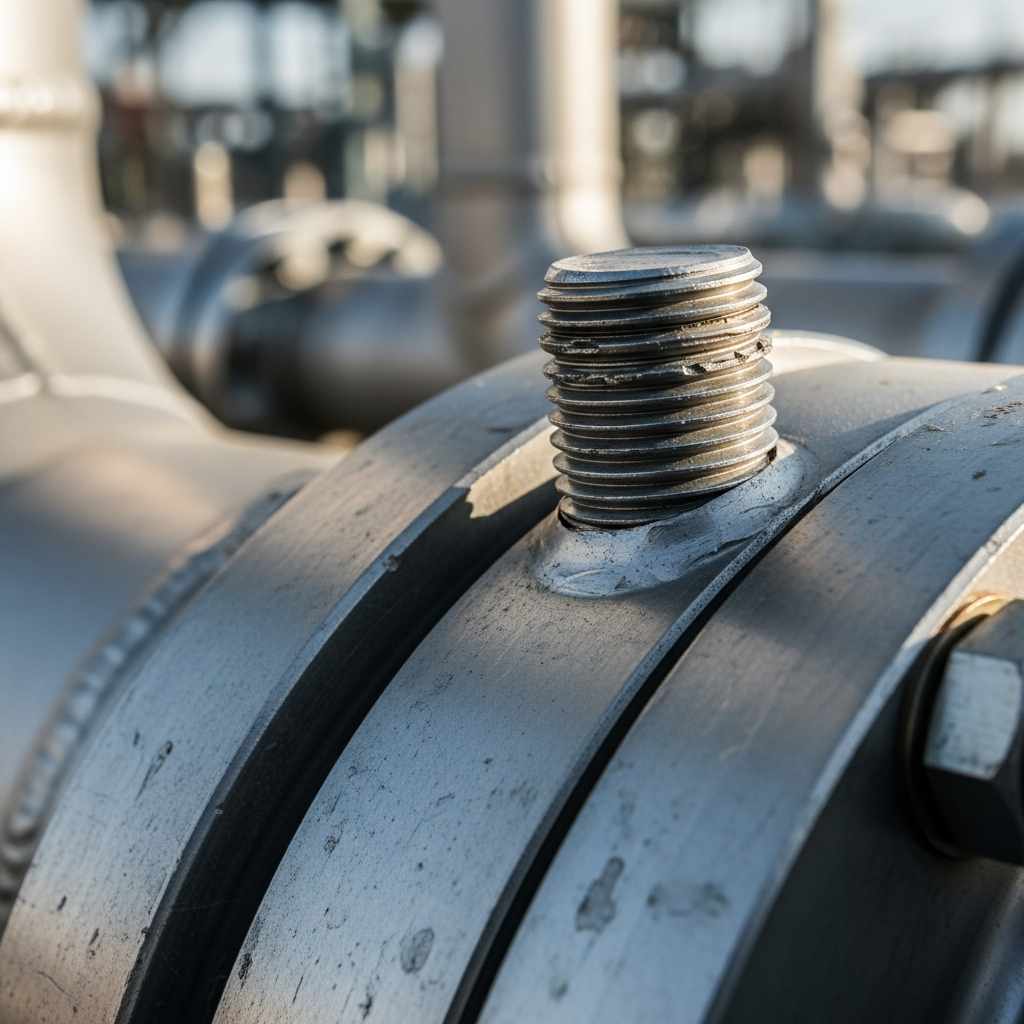
Fuel Price Hike: Nigerians Are Crying , Here is Why Dangote Refinery Cannot Save You. (Digital Illustration: GoBeyondLocal)
Energy
Petrol Hits N1,400/Litre in Nigeria as Global Conflict Disrupts Supply
So here we are. Petrol hits N1,400 per litre. A global conflict disrupts supply. What does this mean for the average Nigerian? The strain is real. The pump tells the story.
“`html
Petrol Hits N1,400/Litre as US-Iran War Strangles Nigeria
Published: 26 March, 2026
The price of Premium Motor Spirit reached N1,400 per litre at many retail stations across major cities on March 25, 2026. This price represents a 250% increase from the rate of N400 per litre that was common in early 2024. The immediate cause is a severe disruption in global crude oil shipments following military engagements between the United States and Iran in the Strait of Hormuz, a development reported by Reuters in 2026. For a country that imports the majority of its refined petroleum, this global shock has landed with full force on the streets of Lagos, Abuja, and Kano.
The Queue Returns, Longer and Angrier
Fuel queues of a length unseen since the 2022 subsidy crisis reappeared overnight. Stations belonging to the Nigerian National Petroleum Company Limited that still attempted to sell at lower prices were overwhelmed. NNPC retail outlets in Abuja and Lagos had queues stretching over three kilometers, causing gridlock that paralyzed business districts for hours, according to Premium Times in 2026. The situation at private stations was different. Many had product but priced it according to the new reality of international markets.
Independent marketers cited the crashing value of the Naira and the premium on foreign exchange needed to import petrol. The parallel market exchange rate crossed N2,100 to one US Dollar last week, as reported by Nairametrics in 2026. This rate is the benchmark for most fuel import transactions. Petrol hits N1,400/litre in Nigeria because the cost of the dollar determines the cost of the product. The arithmetic is brutal and simple for any marketer with a calculator.
“We are selling at a loss if we dispense at the old price. The cargo we expected is stuck, and the one we have must cover its cost. The government removed the subsidy, so we follow the market. The market today is war.”
Chairman of the Independent Petroleum Marketers Association of Nigeria (IPMAN) in Lagos, speaking on March 24, 2026.
How a Distant War Chokes Local Supply
The Strait of Hormuz handles about 20% of global oil trade. Military action there has caused shipping insurance premiums to skyrocket and forced tankers to seek longer, costlier routes. Nigeria, which still imports over 70% of its refined petrol despite having four refineries, is at the end of a very fragile supply chain, a fact highlighted in the NNPC Monthly Financial and Operations Report of 2025. The Dangote Refinery, designed to ease this dependency, has faced operational challenges in ramping up to full capacity for petrol production.
Officials at the Nigerian Midstream and Downstream Petroleum Regulatory Authority confirmed a 40% drop in the volume of PMS imports received in the ports of Lagos in the last ten days. This shortage is the root of the queues and the price spike. The authority issued a statement urging calm and promising that vessels were being rerouted, but gave no specific timeline for relief, according to an NMDPRA Official Bulletin from 2026. In the meantime, the black market flourishes. Jerrycans of fuel now sell for as much as N2,000 per litre in areas with total station dry-outs.
The Ripple Effect on Everything Else
Transport costs doubled within 48 hours. The fare for a bus ride from Lagos Island to Ikeja jumped from N500 to N1,200. Food prices, already elevated, received another push. A market survey in Mile 12 Market, Lagos, showed the price of a basket of tomatoes increase by 30% in two days, directly attributed to higher transport costs from the north, according to a BusinessDay Market Survey from 2026. The headline inflation rate, which was at 31.7% in February 2026, is certain to climb higher when the National Bureau of Statistics releases its March report.
Small businesses that rely on generators face existential threats. A barber shop owner in Port Harcourt explained his diesel generator now costs over N25,000 daily to run, against daily earnings of about N15,000. The math forces a closure. The Manufacturers Association of Nigeria warned that production costs would become unsustainable, potentially leading to more factory shutdowns and job losses, as stated in a MAN Press Release from 2026. The economic shock from petrol hits N1,400/litre in Nigeria moves far beyond the fuel station.
“This is a textbook external shock. Our vulnerability is a direct result of decades of underinvestment in domestic refining capacity and strategic fuel reserves. We are always one global crisis away from a national emergency.”
Dr. Muda Yusuf, Chief Executive Officer of the Centre for the Promotion of Private Enterprise, in an interview with Channels TV on March 25, 2026.
The Silence from the Refineries is Deafening
This crisis raises persistent questions about the state of the nation’s refineries. The government announced the successful rehabilitation of the Port Harcourt Refining Company in 2024. The plant has yet to produce petrol at a scale that impacts the market. The Warri and Kaduna refineries in various stages of attempted revival. The total public spending on refinery rehabilitation in the past five years exceeds N500 billion, according to the Reports of the Auditor-General for the Federation from 2025.
The Dangote Refinery exports a large portion of its diesel and aviation fuel but its petrol production streams are still intermittent. Company executives state they are in the test-running phase for PMS and aim for stability by the second quarter of 2026, as detailed in a Dangote Industries Statement from 2026. For the average Nigerian, these are technical details. The reality is that none of these large facilities is providing a buffer against this price shock. The promise of energy independence feels as distant as ever.
What the Government Can Do Today
The federal government has limited options. Reintroducing a broad fuel subsidy would require funds the treasury lacks. The 2026 budget has no line item for subsidy payments. One immediate measure would involve the Central Bank of Nigeria creating a special foreign exchange window for verified fuel importers. This action could temporarily decouple the fuel price from the parallel market rate. The CBN used a similar mechanism during the COVID-19 pandemic for medical imports.
Another step is the immediate activation of any existing strategic stockpile. The NNPC is mandated to hold a strategic reserve equivalent to 90 days of consumption. The visibility and availability of this reserve during crises are often unclear. A public audit and a transparent release of stocks to selected retailers at a moderated price would help break the psychology of scarcity, a measure outlined in the Energy Security Policy Framework of 2021. It would show a responsive government.

The Long Road Ahead After the War Ends
Even when the Strait of Hormuz reopens for safe passage, the structural problems . The economy of Nigeria is wired to run on imported petrol. Every geopolitical tremor in the oil-producing world sends a voltage surge through this system. The solution is domestic production. Not just from the Dangote Refinery, but from the public refineries and from new modular refineries. Policy must incentivize investment in this sector with the urgency of national security.
The second solution is a serious push for alternative energy. Solar power for homes and small businesses, and compressed natural gas for vehicles. The Presidential CNG Initiative launched in 2024 has made slow progress. A crisis like this provides the political impetus to accelerate it. Every bus and taxi that runs on CNG is a vehicle that is immune to the price of petrol. The transition requires upfront investment, but the long-term payoff is insulation from global oil shocks.
“We are in a permanent state of petrol crisis management. We move from subsidy removal to price surge to scarcity, and the cycle continues. The conversation must shift from price per litre to energy per citizen. How do we power this country without importing every drop of fuel? That is the only question that matters.”
Prof. Yemi Oke, an energy law expert at the University of Lagos, writing in The Guardian on March 26, 2026.
A Harsh Lesson in Global Interdependence
The events of the past week demonstrate a harsh truth. A conflict between two nations thousands of miles away can determine the cost of a Nigerian worker’s commute, the price of a meal, and the survival of a small business. The phrase “global village” is often an abstraction. For Nigerians today, it is a concrete reality with a price tag of N1,400 per litre. The vulnerability is total.
This moment will pass. Tankers will find new routes, insurance premiums will fall, and global supply will adjust. The price of petrol hits N1,400/litre in Nigeria will likely retreat. The danger is treating the retreat as a solution. The real work begins when the queues disappear. The work of building a resilient energy system that serves the people, not one that enslaves them to the volatility of global conflicts. The alternative is to wait for the next shock, which will certainly come.
Check Your Generator’s Health
For households and businesses, the immediate focus is endurance. A practical step is servicing backup power systems. A well-maintained generator or inverter system uses fuel more efficiently. A clogged air filter or old spark plugs can increase fuel consumption by 20%. Scheduling a mechanic’s visit this week is a direct action that conserves scarce resources and money. It is a small measure of control in an unstable situation.
Another step is community coordination for essential trips. Carpooling to markets or workplaces reduces the collective fuel burden. These are survival tactics, not solutions. They highlight the daily ingenuity Nigerians employ to navigate failures in the larger system. That ingenuity is a national resource. The hope is that one day it will be channeled into building rather than just enduring.
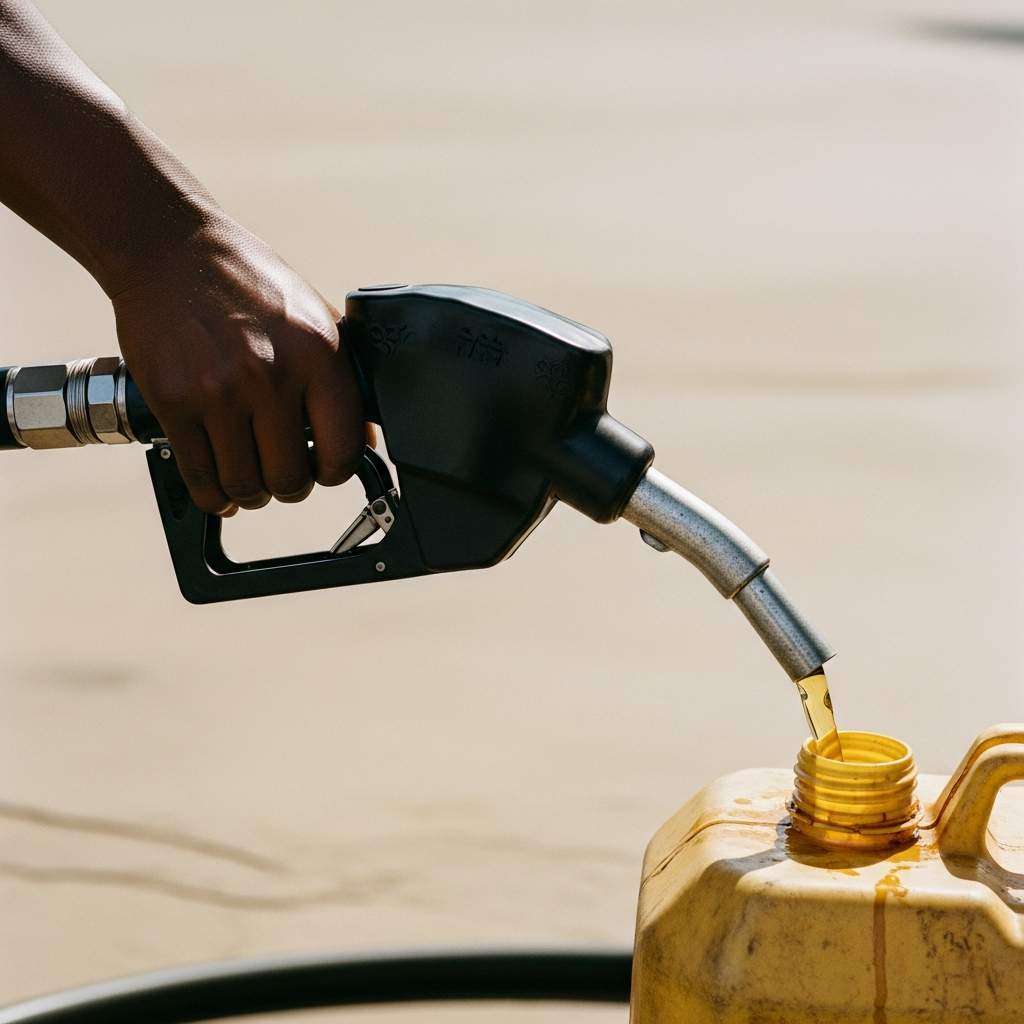
Fuel Shock Looms: Petrol May Hit ₦2,000 Per Litre in Nigeria | Ask Nigeria Breaking News! Relevant coverage on this topic. (Digital Illustration: GoBeyondLocal)
“`

River Disappears Overnight in Warri Delta State

Market Woman Predicts Deaths in Owerri Through Yam Shapes

Forest healer cures blindness using leaves from a plant found nowhere else

Ancient Wall Repairs Itself in Zaria After Heavy Rains

Confluence refuses to mix after a photographer insulted the local river spirit

Church roof collapses mid sermon and every person inside walked out without injury

Tailor Sews Identical Dress from 40-Year-Old Bible Photo in Asaba

Twins Share Single Heartbeat Born Years Apart

Tomi Adeyemi Film Deal Changes Nigerian Storytelling

Lola Shoneyin Builds a Literary Continent at Aké Festival

ADC Leads #OccupyINEC Protest in Abuja Over Party Derecognition

Opay vs Palmpay for International Payments in Nigeria 2026

Internet Sovereignty: Why Some Countries Want Their Own Separate Internet

The Story Of The Nigerian Who Helped Build Global Internet Systems

Nigerian Hackers: The Global Fraud Story and Its Fallout

Forgotten Satellites Defy Silence, Beaming Signals for Decades

Your Digital Store in Nigeria and the Reality of Domain Expiration

The Phone Stay So Quiet: An Investigation into Nigeria’s Silent Customer Lines

The Business That Died: A Nigerian Case Study in Refusal to Adapt

Hiding Your Business From People With Money

How Nollywood Grew Without Government Support

Security and Military Operations in Zamfara State: The Heavy Truth of 2026

Nigeria Produces 67 Percent Global Yam Output

Comedy Industry in Nigeria and Its Economic Contribution


 Digital Sovereignty2 months ago
Internet Sovereignty: Why Some Countries Want Their Own Separate Internet
- Diaspora2 months ago
The Story Of The Nigerian Who Helped Build Global Internet Systems
- Crime2 months ago
Nigerian Hackers: The Global Fraud Story and Its Fallout
- Space Technology2 months ago
Forgotten Satellites Defy Silence, Beaming Signals for Decades
- E-Commerce2 months ago
Your Digital Store in Nigeria and the Reality of Domain Expiration
- Edutech Portal2 months ago
The Phone Stay So Quiet: An Investigation into Nigeria’s Silent Customer Lines
- Edutech Portal2 months ago
The Business That Died: A Nigerian Case Study in Refusal to Adapt
- Business2 months ago
Hiding Your Business From People With Money