Politics
Warri as Delta’s Potential Capital Gains Akpabio Backing for Anioma State
Senate President Akpabio’s endorsement has revived the decades-old plan for Anioma State, with Warri proposed as the new capital of a smaller Delta. The idea now faces immense constitutional hurdles…

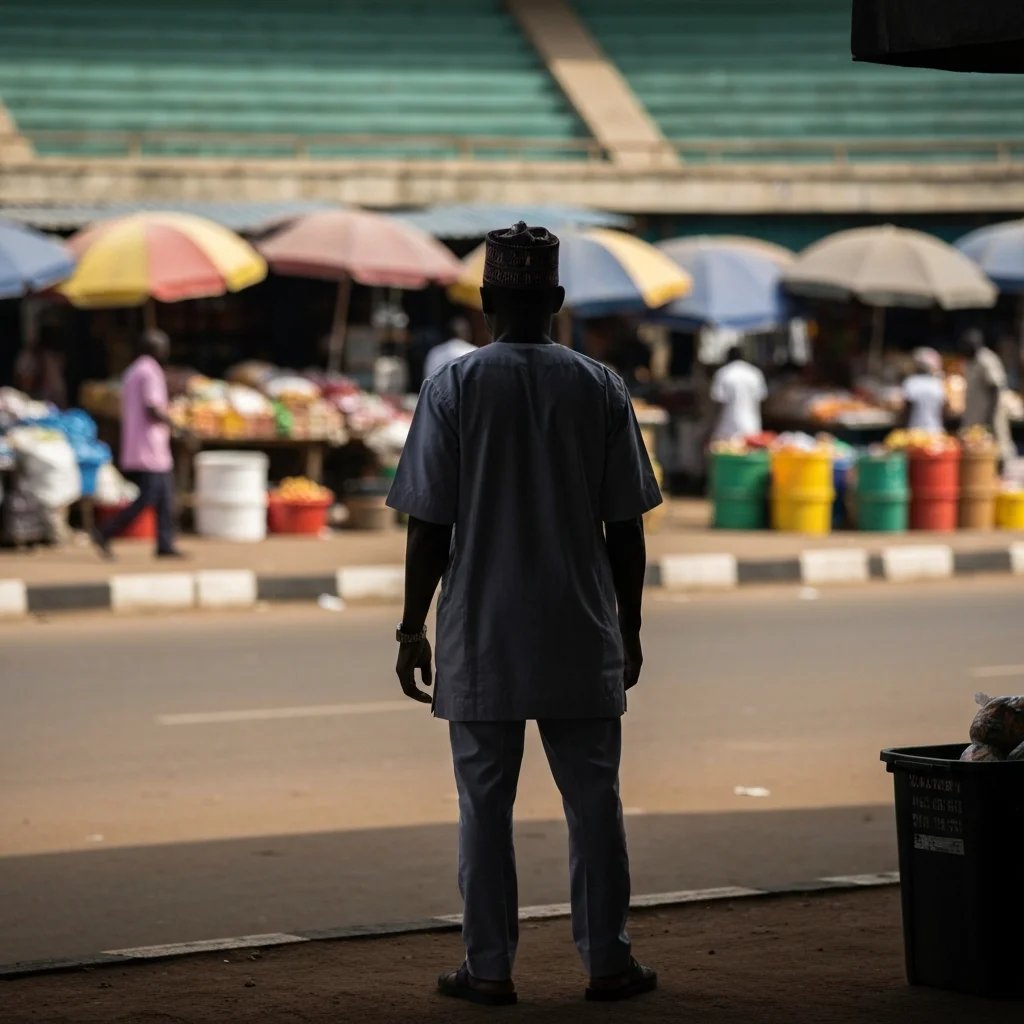
Warri as Delta’s Potential Capital Gains Akpabio Backing for Anioma State
Published: 28 March, 2026
March 25, 2026 was just another day in Asaba until the Senate President stood up to speak. Godswill Akpabio threw his considerable weight behind a plan to carve Anioma State out of Delta, and he did it with a trade attached. The central piece of that trade was the idea of Warri as Delta’s potential capital, a notion that landed with a quiet thud in the middle of the APC South-South Zonal Congress. With that declaration, a decades-old demand was suddenly placed on the desk of the 10th National Assembly, carrying implications that would ripple through the very identity of the existing state.
A Political Promise Decades in the Making
This agitation started in the 1990s, built on a simple argument that the current Delta State, with its 25 local government areas, is simply too big. The proposed Anioma State would take the Igbo-speaking Delta North Senatorial District, leaving what remains of Delta South and Central to form a new, smaller entity with its proposed capital in Warri. For residents of Asaba, the current capital, this prospect raises quiet concerns about the future of a city that has grown into a thriving administrative hub over decades. Senator Ned Nwoko from Delta North formally presented the creation bill in June 2024, and Akpabio framed his support by pointing to the constitutional review work led by the Deputy President of the Senate, Barau Jibrin. The catch, as always, is in the fine print which requires a local referendum, a two-thirds majority in the National Assembly, and approval from 24 state legislatures.
“The request for the creation of Anioma State is a valid one. I am in support of it. The Deputy President of the Senate is already working on the issue of state creation as part of the constitutional review.”
– Godswill Akpabio, President of the Senate, March 2026 (Premium Times).
The Economic Logic Behind Warri as Capital

Why Warri? The logic is purely economic, as the city is the undisputed commercial engine of the south. It hosts the Warri Refining and Petrochemical Company and is a major oil and gas hub, with data showing the Delta South district contributes over 40% of the state’s revenue. Moving the capital from Asaba in the north to Warri would place the government nearer the money, but Asaba sits in the proposed Anioma territory. This brings us to the cost, a N15 billion budget for capital projects in Asaba that hints at the similar, if not larger, investment required to build a new government seat in Warri.
The Constitutional Hurdles Are Immense
Akpabio’s support gives the idea momentum, but the real trouble is the constitution. Section 8(1) of the 1999 Constitution sets a brutal path that begins with a two-thirds majority of local representatives and a referendum approved by the people. It then requires approval from a simple majority of all State Houses of Assembly and finally a two-thirds majority vote in both chambers of the National Assembly. No new state has been created since 1996, when General Sani Abacha formed six, and every democratic attempt since has failed on these exact terms.
“The issue of state creation is on the front burner. The committee is collating all requests, including that of Anioma. We are committed to a thorough and fair process.”
– Barau Jibrin, Deputy President of the Senate and Chairman of the Constitution Review Committee, February 2026 (The Guardian).
Stirring the Pot of Niger Delta Politics
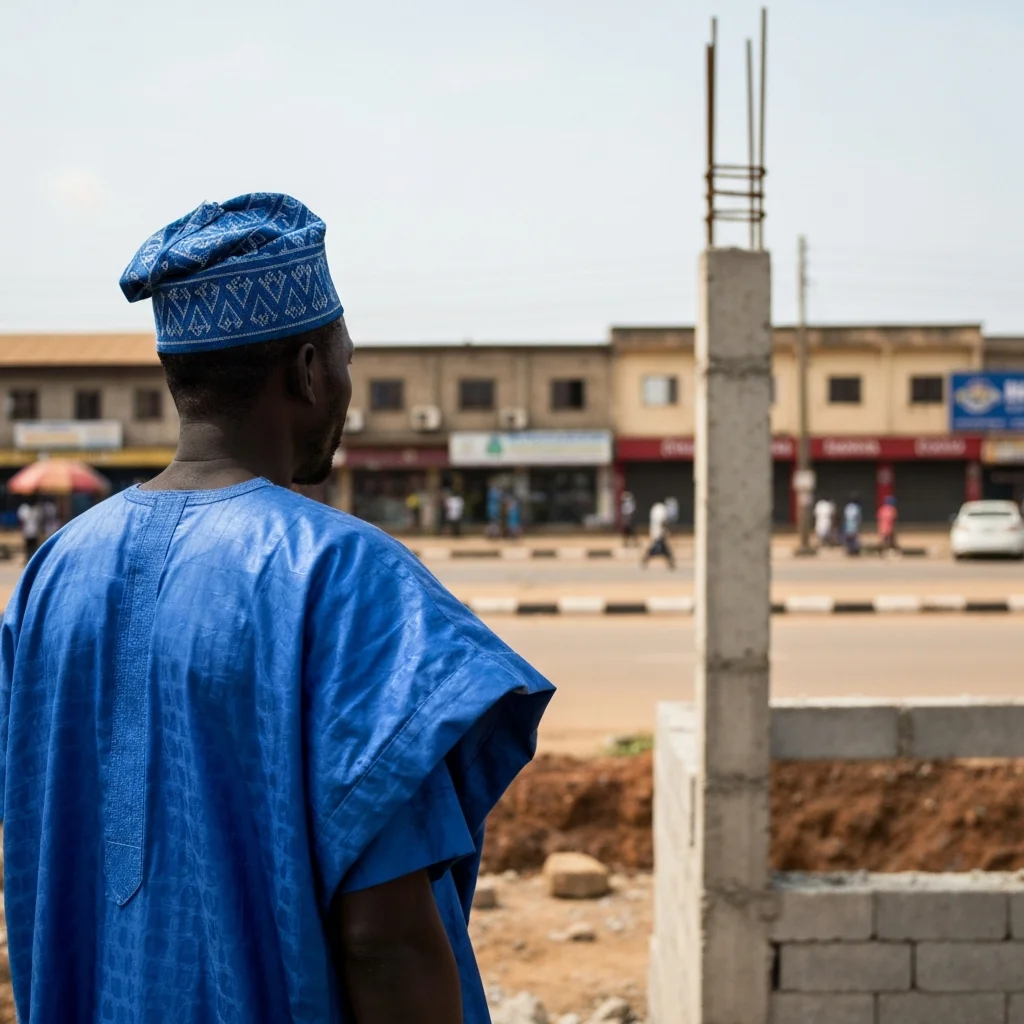
This proposal does more than redraw a map; it reshuffles the entire political deck. Senator Nwoko is pushing for Anioma to become the 6th state of the South-East, which would address a regional imbalance and increase membership in the Niger Delta Development Commission from nine to ten states. Current Delta State power rotates among Urhobo, Itsekiri, Ijaw, and Igbo groups, and making Warri the capital of a smaller Delta State would consolidate power in the Urhobo and Itsekiri south. Some analysts quietly warn this could spark tensions, especially when you consider the politics of the 13% oil derivation fund and the fear that a divided state might weaken the region’s collective bargaining power.
What a Capital Move Would Mean for Warri
For Warri residents, this idea brings a flicker of hope to a city that has decayed for years despite its economic weight. Becoming a capital would flood the city with government ministries and personnel, boost real estate, and pressure the government to finally fix roads, power, and water. But governance in Nigeria moves slowly, and you need more than a designation. You must build government houses, legislative complexes, and quarters for civil servants, a process that takes years and huge money. For Asaba, which has invested heavily in its status, the prospect of losing that designation raises difficult questions about what becomes of the infrastructure built over a generation.
The Road From Here
Next, the Senate Committee on Constitution Review takes over, tasked with consolidating over 20 state creation requests from across Nigeria. Public hearings will follow, then drafting amendments, with the National Assembly‘s own schedule pushing this timeline to late 2026 at the earliest. Success hinges on a national bargain where lawmakers from other regions back Anioma to get support for their own interests later. Akpabio’s endorsement, from a former South-South governor, carries serious weight in those backroom talks. It remains to be seen whether the people of Delta will embrace a proposal that fundamentally alters the state they have built together, weighing the costs of division against a promise that is decades old and constitutionally fraught.
Track the Committee’s Public Hearings
The process includes public hearings where citizens can submit memoranda or attend, with the schedule published on the National Assembly digital platform and in newspapers. Local politics in Delta will now intensify, with lobbying, town halls, and media campaigns. The stance of the Delta State Governor and the state legislature becomes critical, as their support or opposition can make or break this long before any national vote. For many in Delta, the coming months will be a time of quiet calculation.
Akpabio’s declaration has transformed a local issue into a national one, tying the fate of a city to constitutional amendment and state creation. The path from an endorsement to a new capital in Warri is long, expensive, and deeply uncertain. The question for the people of Asaba and the broader Delta community is a simple one, whispered in markets and offices: does the cost of restructuring outweigh the value of the state they already have?






Politics
ADC Leads #OccupyINEC Protest in Abuja Over Party Derecognition
On a hot Abuja morning, the ADC led a protest against INEC’s decision to derecognize its leadership. Opposition heavyweights gathered, warning of a slide toward a one-party state ahead of the 2027…

ADC Leads #OccupyINEC Protest in Abuja Over Party Derecognition
Published: 08 April, 2026
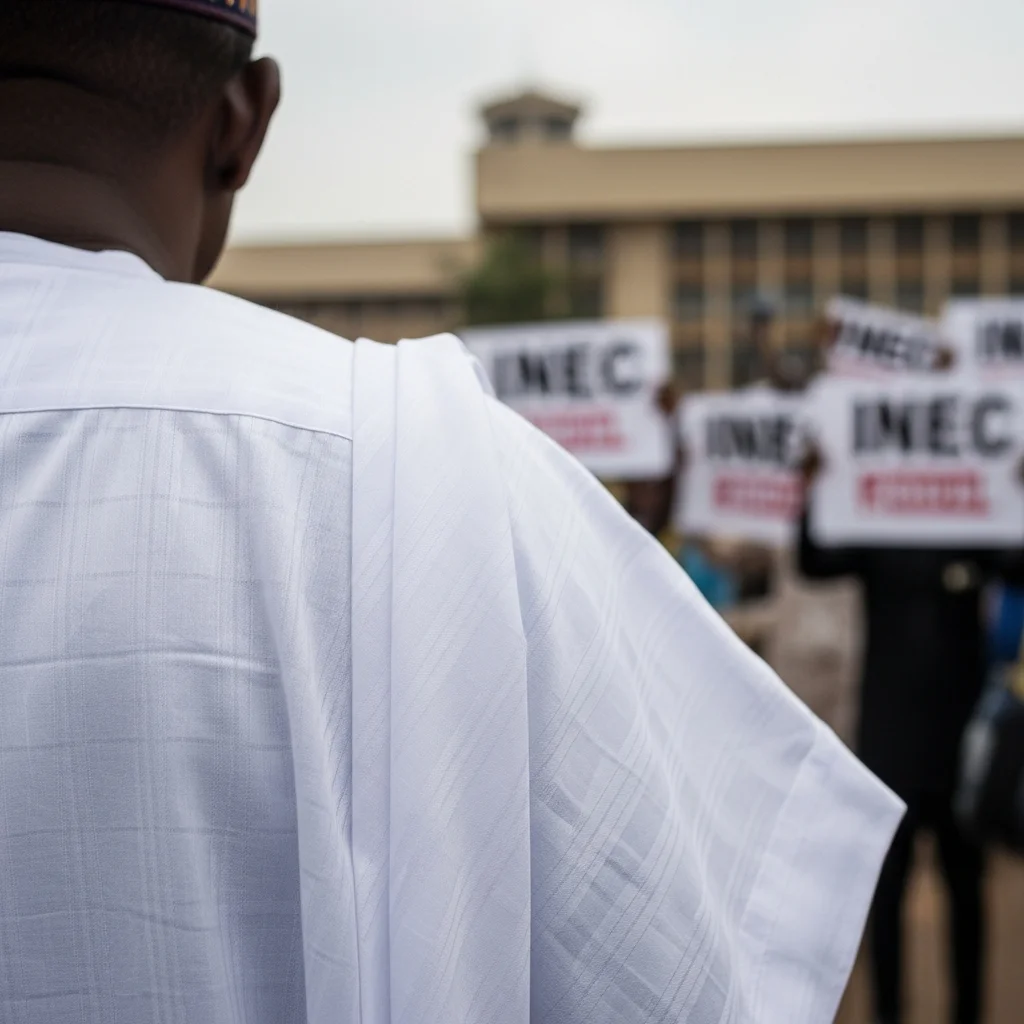
You know how it is with a hot morning in Abuja, the kind where the air feels thick and the sun has a particular weight to it. That was the morning when the streets near the headquarters of the Independent National Electoral Commission began to fill with people carrying placards and chanting slogans, a protest organized by the African Democratic Congress that they called a Save Our Democracy rally. Their grievance was simple yet profound, centered on a decision by INEC to withdraw recognition from the leadership of their party led by Senator David Mark, a move they saw not just as an administrative step but as a dangerous tilt toward a political landscape with far fewer voices.
A gathering of familiar faces
The protest happened on April 7, 2026, and it drew a coalition of opposition figures you don’t often see sharing the same space these days. Former Vice President Atiku Abubakar stood there, and so did Peter Obi from the Labour Party alongside Rabiu Kwankwaso of the New Nigeria Peoples Party, their joint appearance sending a clear signal that perceived threats to the electoral process can make strange bedfellows. They marched to the entrance of the INEC headquarters in Maitama to submit a petition addressed to the chairman, Professor Mahmood Yakubu, demanding an immediate reversal of the decision and calling for broader reforms to ensure the commission’s independence. Security personnel from the Nigeria Police Force and the Civil Defence Corps were deployed in large numbers, but the event remained peaceful with no reports of arrests, the organizers having obtained the necessary permits and the police providing an escort which made the whole affair feel strangely official.
The court order in the room
Now here is the thing about this whole situation. The ADC has been tangled in a leadership crisis for months, with factions fighting over control at the national level, and this internal dispute eventually found its way to the courts. A ruling from the Court of Appeal directed INEC to stop recognizing any of the contending factions until the substantive legal issues were resolved, and the commission complied by informing the party it would no longer engage with the faction led by Senator Mark or any other. This left the ADC in a peculiar limbo where it still exists on paper but cannot submit candidates for elections or participate in official engagements, facing what you might call an existential threat without actually being deregistered. The party argues that the commission went beyond the scope of the court order, stating in a release cited by Premium Times on April 6 that INEC should have simply stayed action on communication from the factions instead of issuing a formal letter of derecognition which they see as an overreach.
“We are here to tell INEC that this democracy belongs to all of us. You cannot kill a political party because of an internal disagreement. The court asked you to stay action. It did not ask you to issue a death certificate.”
– Senator David Mark, speaking to journalists at the #OccupyINEC protest in Abuja, April 7, 2026.
The specter of 2027
The protest was about more than just one party’s fate, with the leaders speaking about a broader pattern and pointing to recent events in other opposition groups as evidence that the electoral space is being deliberately constricted. Atiku Abubakar addressed the crowd and drew parallels between the ADC situation and the internal crisis within his own Peoples Democratic Party, suggesting these crises are not coincidental and that the ruling All Progressives Congress benefits from a fragmented opposition. His warning was about the ground being prepared for a one-party state, a sentiment echoed by Peter Obi who cautioned that the credibility of the 2027 elections is at risk if the electoral process lacks a neutral arbiter. The presence of Rabiu Kwankwaso with his strong base in Kano signaled this was not a regional affair but a coalition of political heavyweights from different parts of the country, united by a shared concern that feels both urgent and vaguely familiar.
“When you weaken the opposition, you weaken democracy. When you use the courts and the electoral commission to destabilize parties, you are preparing the ground for a one-party state. We will not stand by and watch that happen.”
– Atiku Abubakar, former Vice President of Nigeria, speaking at the #OccupyINEC protest, April 7, 2026.
A legal nuance with weight
Let me break down the legal framework for you because there is an important distinction here. The power to register and deregister parties rests with INEC under the 1999 Constitution and the Electoral Act of 2022, but the ADC is not being deregistered. It is being derecognized, which means the party still exists on paper but has no leadership that INEC will engage with, leaving it unable to field candidates or access the benefits available to registered parties. Legal experts noted in a BusinessDay report that the commission’s action, while based on a court order, may have unintended consequences, with Barrister Nnamdi Okonkwo explaining that a stay of action does not equate to a declaration of vacancy and that INEC could have simply acknowledged the order and refrained from further action. The party has vowed to pursue all legal avenues, filing a motion at the Court of Appeal and petitioning the National Assembly, with the outcome of these maneuvers determining whether it survives to contest the next elections.
“The commission is in a difficult position. It must obey court orders. But obedience does not require over-compliance. By issuing a formal letter of derecognition, INEC has effectively taken a side in the internal dispute. That is where the political optics become problematic.”
– Barrister Nnamdi Okonkwo, constitutional lawyer, speaking to BusinessDay, April 7, 2026.
History has a habit
The struggle of the ADC is not unique in the history of politics here, a history littered with the remnants of parties that imploded due to internal wrangling, but what makes the current situation different is the timing with the 2027 general election less than two years away. A weakened opposition benefits the incumbent, and the ADC, though a smaller party, holds strategic importance in some states like Oyo and Imo where it won assembly seats in 2023. The fear among opposition leaders is that this derecognition could become a template, a precedent where any party with internal disputes becomes vulnerable to paralysis through a court order, and given that almost every major party has some level of internal friction, that precedent is being watched with great interest and no small amount of anxiety.
The commission’s defence
INEC has defended its actions in a statement from its information committee, insisting it was merely complying with a valid court order from the Court of Appeal that specifically restrained it from recognizing any factions. The commission argued it had no discretion in the matter because once a court issues an order, they are bound to obey, and failure could result in contempt proceedings against its officials. They urged the ADC to resolve its internal crisis through legal channels rather than street protests, though critics point to the timing and political context, noting the court order was issued in February and the commission waited several weeks before issuing the formal letter. This delay, according to the ADC, suggests the decision was not purely legal but may have been influenced by other considerations, allegations the commission has not responded to directly with officials declining further comment and referring inquiries back to the published statement.
Watching from afar
The protest attracted the attention of international observers, with the United States Embassy in Abuja issuing a statement expressing concern about the state of political pluralism and noting that a vibrant democracy requires a level playing field. The European Union delegation along with the embassies of Germany, France, and the United Kingdom called for restraint and urged all parties to resolve differences through legal and peaceful means, reaffirming their commitment to supporting democratic consolidation. YIAGA Africa, a civil society organization, warned in a report that the cumulative effect of internal party crises and perceived partisan actions by state institutions could erode public confidence in the entire electoral system, a concern that hangs in the air like the heat of that Abuja morning. You watch these statements come in, these diplomatic notes of concern, and you wonder if they are heard in the rooms where these decisions are made, or if they just become part of the background noise of another political season.
Politics
Nkeiruka Onyejeocha Resignation as Labour Minister Marks Political Shift
Nkeiruka Onyejeocha’s desk is clear. Her resignation as Labour Minister in April 2026 is more than a personnel change. It’s a shift in the political weather, leaving everyone to wonder what comes…
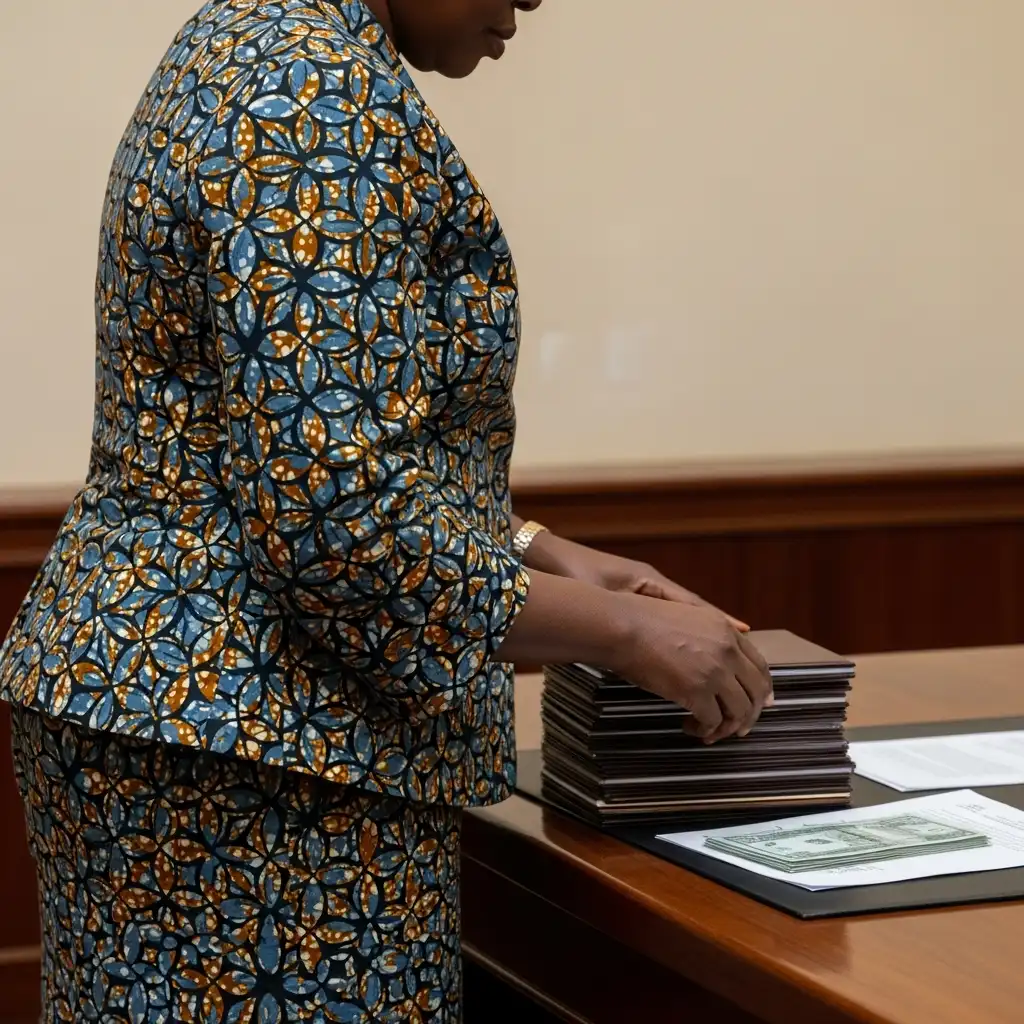
Nkeiruka Onyejeocha Resignation as Labour Minister Marks Political Shift
Published: 04 April, 2026
You know how it is when you hear a name so often you forget there was ever a time before it. Nkeiruka Onyejeocha has been the Minister of Labour for what feels like forever, a fixture in that particular chair, and then one morning in April 2026 she simply wasn’t. The desk was cleared, the nameplate gone, and the official portrait taken down from the ministry wall. It happens quietly, these departures, with a letter submitted and a brief statement released, but the echo it leaves behind is anything but quiet. It makes you wonder what exactly prompted the move and what it says about the road ahead for everyone else.
The Empty Desk
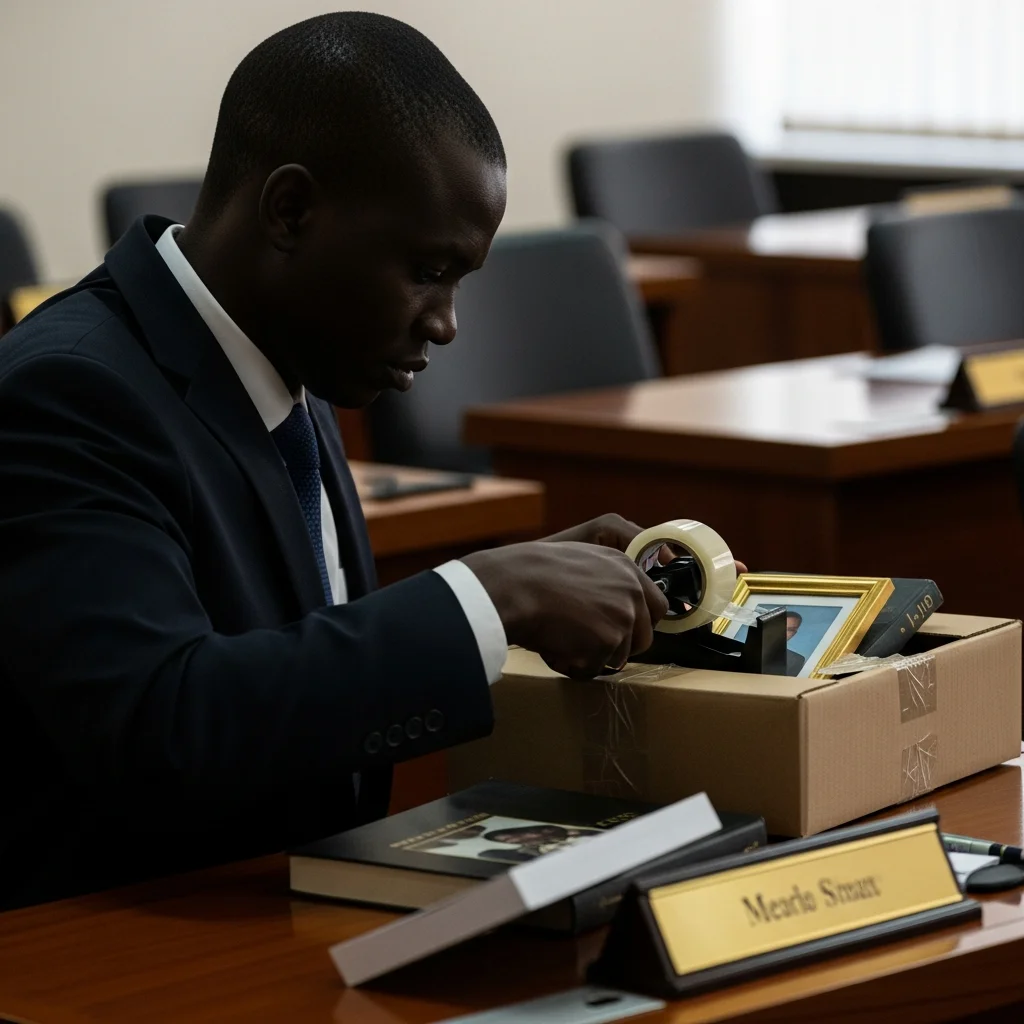
There is a particular kind of silence that fills a space when a powerful person leaves it. It is not a peaceful quiet but a waiting one, charged with speculation and the faint rustle of resumes being updated. The photograph they released shows a staff member packing a cardboard box on a sunlit wooden desk, which is a very tidy metaphor for transition. In reality, the clearing of an office like that is a logistical operation, involving files accumulated over years and personal effects that tell a story of tenure. Someone has to decide what to shred and what to archive, a process that is both practical and strangely symbolic of how power changes hands.
Reading the Letter
Resignation letters in this context are masterpieces of official language, saying everything and nothing at all. They cite personal reasons or a desire to pursue other opportunities, phrases that are accepted at face value while everyone reads the lines between them. The real reasons often live in the whispers that travel the corridors of power long before the public announcement. Was it policy frustration, a political calculation, or simply fatigue from the relentless grind of that particular portfolio? You never get the full story, only the approved version, which leaves you to piece together the narrative from the aftermath and the reactions it provokes.
The Labour of It All
Her ministry was not a quiet one. It dealt with the perpetual tension between organised labour and the government, a balancing act on a tightrope stretched over a very deep canyon. Minimum wage negotiations, disputes in critical sectors, and the constant hum of worker agitation defined the daily reality. Stepping away from that pressure cooker is understandable for anyone, but when the person at the helm leaves, it inevitably creates a vacuum. It makes you think about the unresolved files on the desk, the half-finished dialogues, and the promises made to various unions that now hang in the air, waiting for a new hand to either grasp them or let them fall.
What Fills the Space
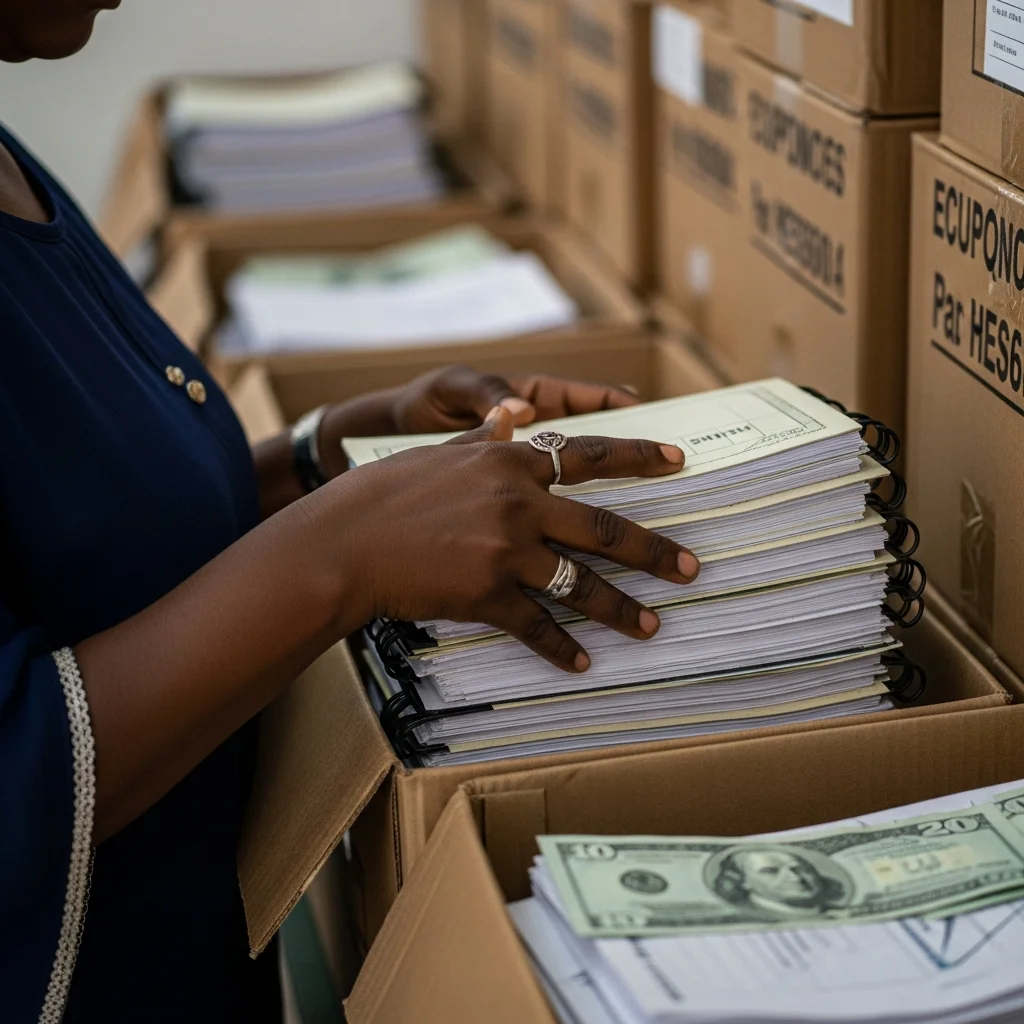
Nature and politics both abhor a vacuum, so the speculation begins immediately about who will step into the role. Names start circulating, each one carrying its own weight and allegiances, each choice signalling a different direction for policy. Will it be a conciliator, a hardliner, or a technocrat? The appointment becomes a message in itself, a clue about the priorities of the administration at this precise moment. For the civil servants in the ministry, it is a period of uncertainty, a time of adjusting to the rhythms of a new boss whose methods and temperament are still unknown quantities.
The Unfinished Symphony
Every minister leaves behind a legacy of projects initiated, some completed and many still in progress. In the ministry of labour, these are not just infrastructure projects but social contracts and reform agendas. The work on labour law reviews, social security schemes, and industrial harmony does not pause because the minister has left. It simply waits, caught in bureaucratic limbo, for new direction and renewed momentum. The continuity of governance is supposed to handle this, but you know how it goes. Priorities shift with personalities, and what was urgent to one person may be relegated to a back burner by the next.
A Political Weathervane
In the end, a single resignation is rarely just about one person. It is a data point in the larger climate of an administration. When a prominent figure from a certain region or political bloc steps down, people who watch these things start connecting dots, looking for patterns of consolidation or realignment. It makes you look at the broader cabinet, wondering who might be next and what underlying currents are moving people around the board. These moves are rarely accidental. They are part of a larger strategy, even if that strategy is only clear in hindsight to those of us watching from the outside with a cup of tea, trying to read the signs.
The Next Chapter
For Nkeiruka Onyejeocha herself, a new chapter begins, though what it contains is her business. Perhaps a return to the National Assembly, a role in the private sector, or a well-earned rest. For the ministry she left behind, the work continues, as it always does, with a new face soon to be photographed at the podium. The official portrait will be taken, the nameplate will be engraved, and the cycle will begin again. And we will watch, as we always do, to see what difference the new name makes to the old problems, knowing that in this game of musical chairs, the music never really stops.
Politics
Fani-Kayode Says Opposition Has Collapsed – A 2026 Reality Check
Femi Fani-Kayode declared the opposition collapsed in 2026. But the official register lists 21 political parties, and they hold governorships and nearly half the legislature. The data tells a more…
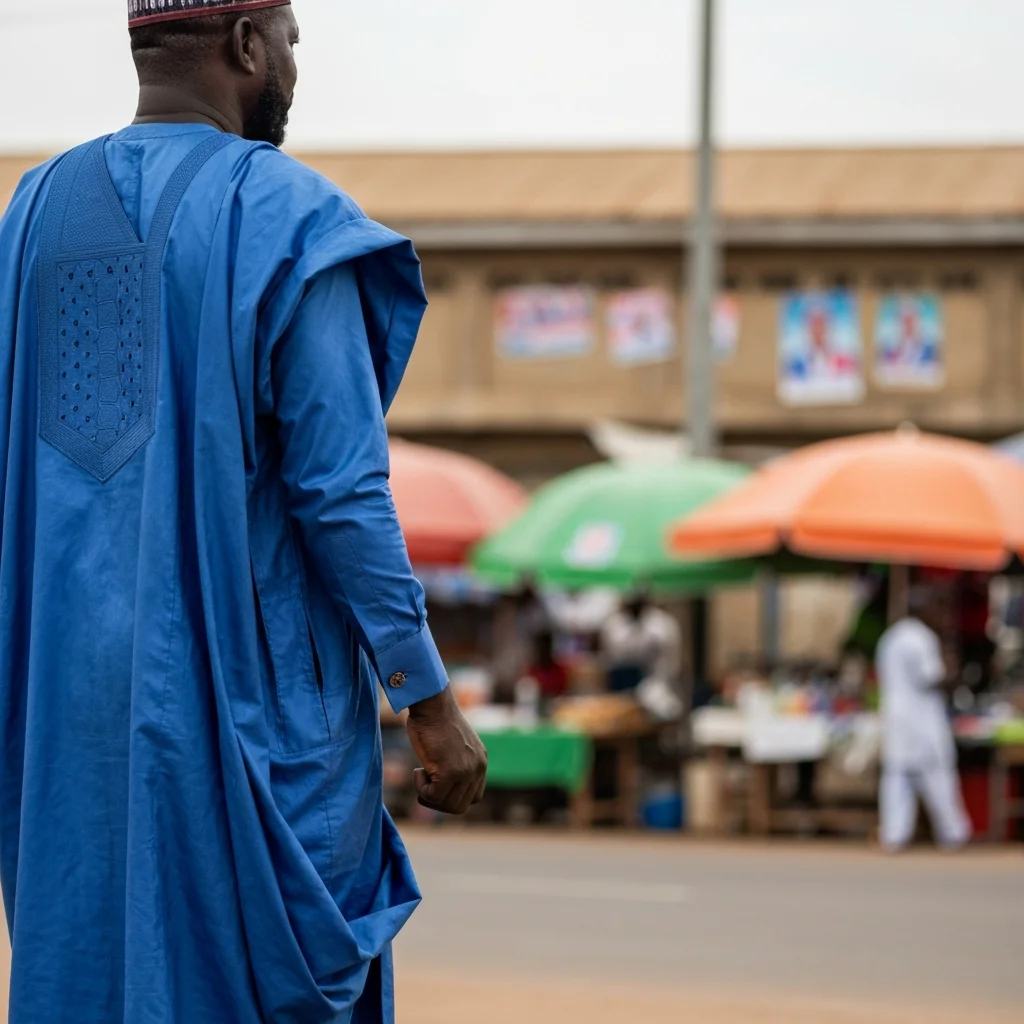
Fani-Kayode Says Opposition Has Collapsed – A 2026 Reality Check
Published: 27 March, 2026
Twenty-one is a number you can find in an official register, a quiet fact that sits there while louder voices make declarations. It is the number of political parties the Independent National Electoral Commission had on its books in February 2026, which is not exactly a picture of collapse, but then political statements are rarely about the quiet facts. They are about shaping the room before anyone else gets to speak.
The Weight of a Statement
Femi Fani-Kayode, an ambassador-designate and a chieftain of the ruling party, said the opposition had collapsed during a media appearance that month. His role gives the statement a certain weight, a strategic nudge in the long game of positioning for the next election. It is the kind of thing you say to make your own side look like the only game in town, a classic move in the political playbook where perception often races ahead of reality.
What the Register Says
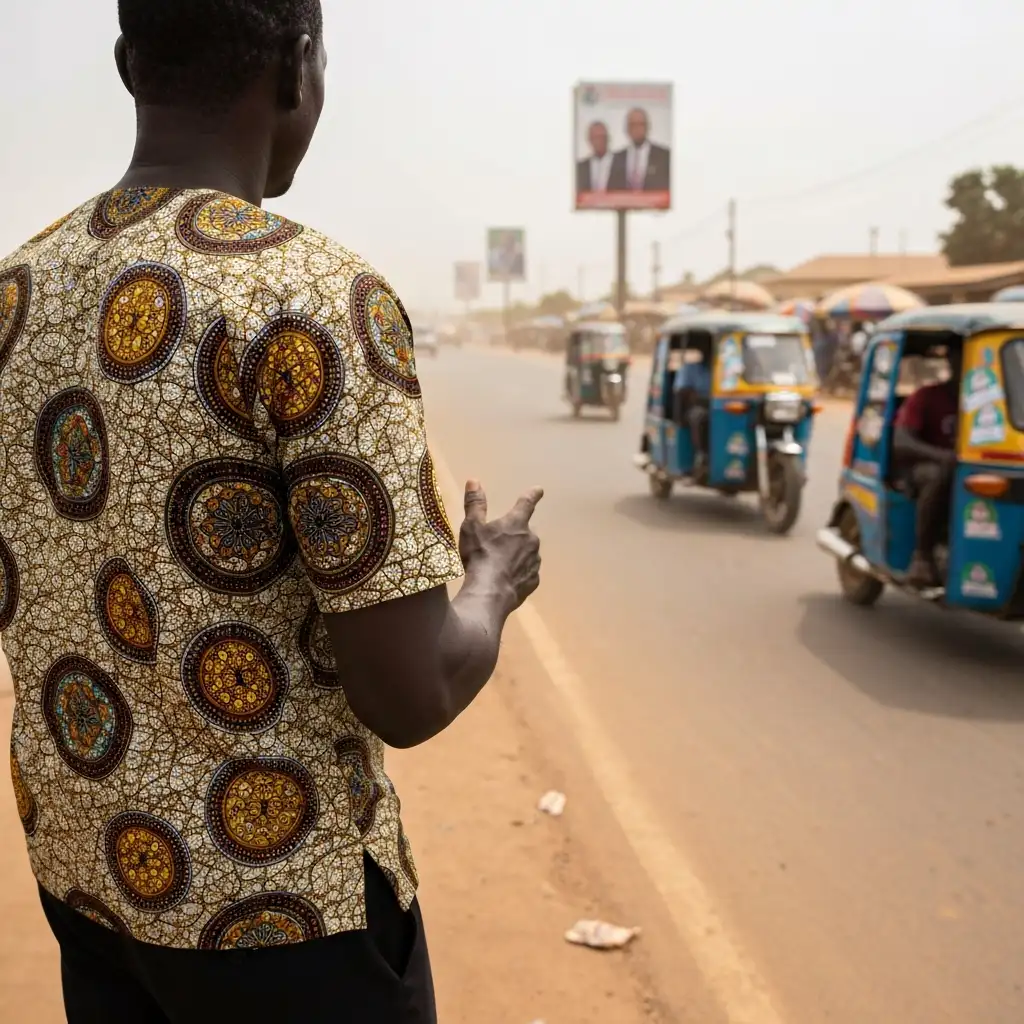
That register of 21 parties actually represents an increase, a fact that sits oddly with the idea of a total void. The commission had deregistered 74 parties a few years back for not meeting the rules, but two new ones came on board just before that February update. They all have the legal right to contest, which means the framework for opposition, at least on paper, is very much intact. It is the space between the legal right and the actual muscle where the real story usually lives.
The Money Question
Strength in politics has a direct line to the bank account, and a report from the anti-corruption commission in 2025 highlighted the obvious disparity. The party in power naturally has better access to state resources and the networks that come with them. Meanwhile, the main opposition party, the Peoples Democratic Party, has had its own well-publicized financial headaches, even struggling to pay staff salaries at one point. It is hard to run a national campaign when you are worried about the office light bill.
“The opposition exists in name only. They have no structure, no funding, and no clear agenda for Nigeria.”
– Femi Fani-Kayode, Ambassador-designate and APC Chieftain, March 2026
The Scorecard from 2023
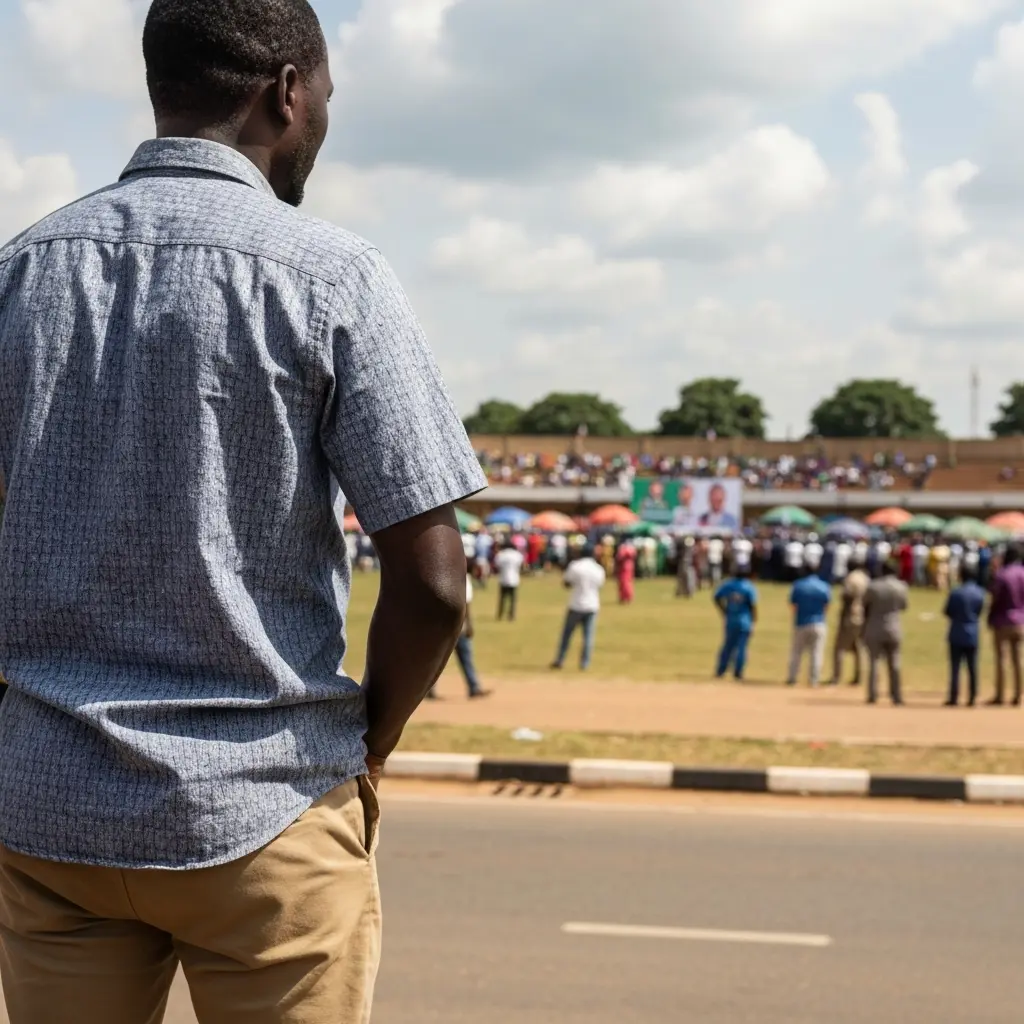
If you want a true measure, you look at the last report card, which was the 2023 general elections. The ruling party won the presidency with 8.79 million votes, while the PDP candidate got 6.98 million. That is a gap, but it is not a wipeout. Opposition parties went on to win governorships in several states, like Abia for the Labour Party and Kano for the New Nigeria Peoples Party. They also hold 163 seats in the House of Representatives and 50 seats in the Senate, which is nearly half of the chambers. A collapsed entity does not usually control that much territory.
The New Voters
The electoral commission started registering new voters for the 2027 cycle in 2025, and by the last quarter, 2.1 million new names had been added. The interesting part is that 58% of them were young people between 18 and 34. This is a demographic that historically feels less tied to the old political machines, and in 2023, they showed a tendency to support opposition candidates in the cities. They represent a space for something new to grow, a variable that does not fit neatly into any declaration of collapse.
Keeping the House in Order
How a party runs its own affairs says a lot about its health. The ruling party managed its national convention in 2025 with relative quiet, while the main opposition party had to postpone its own twice because of internal leadership fights. Some of the smaller parties, like the Social Democratic Party, have been quietly holding their congresses and electing new officers. These internal processes might seem like housekeeping, but they are the foundation for any kind of external fight.
A Voice in the Room
You can still hear opposition voices if you turn on the television or open a newspaper. Outlets like Vanguard and The Nation regularly feature their critiques, and social media platforms give them a direct line to millions without needing permission from anyone. This digital space is a noisy, contested arena, not a silent one dominated by a single narrative.
“A multi-party system requires institutional support, not just the existence of multiple parties. INEC’s funding and independence remain critical for 2027.”
– Prof. Mahmood Yakubu, INEC Chairman, February 2026
The Rules of the Game
The Independent Watchers
Groups like the Transition Monitoring Group and Yiaga Africa are the quiet accountants of the political process. They monitor things, write reports, and advocate for reforms that would level the playing field for everyone. Their pre-election report for 2026 pointed out the obvious imbalances in party financing. They are part of the ecosystem, a check that operates outside the partisan fray.
It Depends on Where You Stand
The strength of the opposition changes depending on which part of the country you are in. It is strong in the South-East with the Labour Party governing Abia, and in the North-East with the NNPP in Kano. The South-West, however, is firmly in the grip of the ruling party, and the South-South is a mixed bag. This patchwork of control across the map contradicts any simple story of a nationwide disappearance.
History Has a Sense of Humor
There is a funny echo here from 2014, when the then-ruling Peoples Democratic Party declared the then-opposition APC a failed project. The very next year, the APC won the presidency. Political fortunes here have a way of moving in cycles, with dominant parties facing internal pressures and new movements coalescing when you least expect them. It is almost as if the voters have their own plans.
The Economy Votes Too
The state of the economy of Nigeria is a silent but powerful campaigner. Inflation had cooled to about 15.1% by early 2026, but the cost of living was still the main topic in every market and motor park. When people are anxious about feeding their families and finding work, that discontent can translate into protest votes against whoever is in charge, which is the oldest opportunity for an opposition there is.
How It Looks from Outside
International observers, like the European Union mission after the 2023 elections, noted the improvements but also the areas that still needed work, like making the results process more transparent. A United States report on human rights documented instances of intimidation against opposition figures but also noted that the legal framework does allow for multi-party competition. The outside view tends to be a bit more measured, focusing on the institutions rather than the declarations.
“Our democracy has faced bigger challenges than political rhetoric. The institutions matter more than the statements. Voters will decide based on performance, not pronouncements.”
– Senator Iyorchia Ayu, former PDP National Chairman, January 2026
The Machinery of Democracy
The electoral commission operates 8,809 registration centers and deployed 176,846 polling units last time around. This machinery, by law, is supposed to serve all parties equally. Its budget for 2026 was N40 billion, a small slice of the total federal spending, but its proper functioning is what gives the whole exercise its legitimacy. It is the neutral ground where the contest is supposed to happen.
The Road to 2027
The next general elections are set for February 2027, and the preliminary movements have already begun. The main opposition party has set up a committee to review what went wrong last time. The Electoral Act allows for coalitions, so new alliances could still form, reshaping the landscape in ways that are impossible to predict from where we sit today. Politics has a way of surprising you just when you think you have it figured out.
The Conversation on the Ground
If you really want a reality check, listen to the talk in any motor park or market. You will hear complaints about fuel prices, electricity, and security, and those complaints are usually directed at the party in power. That dissatisfaction is the natural habitat for an opposition. The idea that citizens have no alternatives simply does not match the grumbling you hear every day, the constant, low-grade critique that is the background noise of Nigerian life.
Where the Data Points
So, where does this leave Fani-Kayode’s statement? It functions as effective political messaging, a move in a long game. The data from party registers, election results, and state houses tells a more complicated, more interesting story. Opposition parties hold ground, they have legal standing, and they have voices. They face enormous challenges in money and unity, while the ruling party enjoys all the advantages of incumbency. But the system, with all its flaws, still has multiple actors in the play. The definitive answer about opposition relevance will not come from a soundbite in March 2026. It will be written by millions of people, quietly and privately, in polling booths in February 2027. Until then, the story is still being told, one stubborn fact at a time.

Ancient Rock Art Traditions Endure in Igbara Oke Caves

Palm Wine Tapper Climbs Same Tree That Killed His Father in Ozoro

Hunter Hears Dead Brother Whistle in Ganye Forest Mystery

Farmer Plants Yam That Grows Downward to Water Table in Drought

She Kept Asking and They Kept Moving Her in Nigeria

Global Food Prices Rose 2.4% in March 2026

Chigozie Obioma International Booker Prize 2026

Jidenna Pan African Sounds Latest Musical Project 2026

Hakeem Oluseyi Brings Astrophysics to Classrooms Worldwide

NANS Diaspora Nigerian Students Eastern Europe

Nnamdi Asomugha From NFL Cornerback to Hollywood Producer

Folake Olowofoyeku Stars in American Sitcom on Nigerian Family Life

Internet Sovereignty: Why Some Countries Want Their Own Separate Internet

The Story Of The Nigerian Who Helped Build Global Internet Systems

Nigerian Hackers: The Global Fraud Story and Its Fallout

Forgotten Satellites Defy Silence, Beaming Signals for Decades

The Phone Stay So Quiet: An Investigation into Nigeria’s Silent Customer Lines

Your Digital Store in Nigeria and the Reality of Domain Expiration

The Business That Died: A Nigerian Case Study in Refusal to Adapt

Hiding Your Business From People With Money

How Nollywood Grew Without Government Support

Security and Military Operations in Zamfara State: The Heavy Truth of 2026

Moniepoint Business Account Requirements Nigeria for SMEs 2026

Comedy Industry in Nigeria and Its Economic Contribution


 Digital Sovereignty8 months ago
Internet Sovereignty: Why Some Countries Want Their Own Separate Internet
- Technology & Innovation8 months ago
The Story Of The Nigerian Who Helped Build Global Internet Systems
- Crime8 months ago
Nigerian Hackers: The Global Fraud Story and Its Fallout
- Space Technology8 months ago
Forgotten Satellites Defy Silence, Beaming Signals for Decades
- Maritime8 months ago
The Phone Stay So Quiet: An Investigation into Nigeria’s Silent Customer Lines
- Business8 months ago
Your Digital Store in Nigeria and the Reality of Domain Expiration
- Business8 months ago
The Business That Died: A Nigerian Case Study in Refusal to Adapt
- Business8 months ago
Hiding Your Business From People With Money