Security & Crime
The Balancing Act: Public Order in the Crucible of Nigerian Protests and State Events
Public order management in Nigeria balances protest rights with security for high-profile events. This analysis examines the 2026 realities of policing, budgets, and national safety.


The N841 Billion Question: Can Nigeria Police the Peace?
Published: 17 March, 2026
Here is the figure: N841.35 billion. That is the Nigeria Police Force budget for this year. As Premium Times noted in its 2026 analysis, it covers everything, including managing public assemblies and securing state events. It sounds like a lot of money. But this allocation exists where theory meets asphalt. The right to protest is in the book. On the streets of Lagos, Abuja, and Port Harcourt, it’s a different, more complex reality.
The trouble is the rulebook is split. Section 40 of the 1999 Constitution guarantees peaceful assembly. Then the Public Order Act, a relic from 1979, demands police notification. Police say it’s for security and traffic. Protest organizers call it a veto in disguise. This is the first fault line. You can see the pressure in the numbers. Data from the National Human Rights Commission (NHRC) recorded 147 major protests across 22 states in just the first half of 2025. The commission counted 14 instances where “disproportionate force” was used to disperse crowds. The triggers? Economic hardship, fuel subsidy aftershocks, insecurity. Grievances pile up. People march. And the police have a script they feel bound to follow.
Where The Money Goes

Break down that N841.35 billion. A huge chunk pays salaries for about 371,800 officers. That’s the official figure from the Nigeria Police Force in 2026. Now do the math. The UN recommends one officer for every 450 civilians. With over 220 million people, Nigeria struggles at a ratio near 1:600. The strain is immediate. For a big protest or event, commanders pull officers from regular beats. This creates security vacuums elsewhere. But there is a catch. Having boots on the ground isn’t enough. They need the right tools. The Police Trust Fund reported in 2024 that 70% of commands lack full kits of non-lethal gear—tear gas, water cannons, proper protective shields. An officer facing a volatile crowd without options has fewer choices. The result can be an escalation. The Inspector-General of Police, Kayode Egbetokun, said in December 2025 that new crowd control kits were coming by the second quarter of this year. We are waiting.
“Our mandate is to protect life and property while respecting fundamental rights. We are enhancing training on crowd psychology and engagement. The new equipment will give our men more tactical options.” – Inspector-General of Police, Kayode Egbetokun, speaking at a police conference in Abuja, December 2025.
Two Scripts, One Force
Contrast this with a state event. Think Independence Day. The goal is total control, a sterile bubble. The budget is separate. A 2026 document shows N28.5 billion under the State House for “State Ceremonies and Security.” The architecture is vast: police, Department of State Services (DSS), military, Nigeria Security and Civil Defence Corps (NSCDC). A 2025 simulation for a hypothetical Abuja event involved over 15,000 personnel. Roads close for days. Snipers take positions. The economic cost of a lockdown is immense. But the political cost of a breach is deemed higher. This is the duality. One framework for the organized citizen, treated as a potential crisis. Another for the organized state, a showcase to be sealed.
The Digital Watchtower
Wait, it gets more complex. The battlefield has moved online. The Police Cybercrime Centre and the DSS now monitor social media to gauge moods and track plans. A 2025 report by Paradigm Initiative documented 12 cases where protest organizers got invited for a “chat” based on their posts. This is pre-emptive digital policing. The government calls it intelligence-led work. Civil society calls it intimidation. The legal cover from the Cybercrime Act 2015 is murky when applied to assembly planning. Meanwhile, the tech evolves. Facial recognition cameras installed for traffic in Lagos and Abuja have dual-use capabilities. They track a vehicle. They can also track a person in a crowd.
“Monitoring public social media activity to prevent crime is a standard global practice. We operate within the law. Our interest is in preventing violence and protecting the majority from disruption by a few.” – Spokesperson, Department of State Services, in an interview with Channels TV, February 2026.
The Training Chasm
Money buys kit. It doesn’t buy restraint. Training is the bridge. The Police College in Ikeja runs a three-week crowd control course. Only about 1,200 officers finish it each year. With 371,800 officers, the scaling problem is glaring. Most on a protest line have only basic recruit training. Partners like the United Nations Development Programme (UNDP) help. A 2024 program trained 350 mid-level officers in de-escalation. These are positive. But they are drops in an ocean. The dominant culture remains command and control. When a young officer faces a shouting crowd, that ingrained instinct takes over. This gap is a systemic vulnerability.

The Cost of Control
Follow the money for a state event. That N28.5 billion feeds an ecosystem. Contracts for barricades, uniforms, communication gear. Per diems for thousands. The event security complex has its own economy. This creates an incentive. The bigger the security display, the more stakeholders benefit. For protests, the dynamic flips. Policing a protest is a pure cost center. It drains fuel and manpower from other duties. This difference in political economy shapes attitudes on the ground. One is a resourced project. The other is an unbudgeted crisis.
The 2026 Litmus Test
This brings us to the coming test: the 2026 governorship elections in Ondo and Edo. Election season concentrates both protest risks and high-profile security needs. The Independent National Electoral Commission (INEC) has its own security budget. The police will draft elaborate plans. But the pattern from 2023 is telling. Most violence happened at campaign rallies or post-election protests, not at polling units. The real challenge is managing the political process itself. The police know this. In January 2026, Force Headquarters demanded 48-hour notice for political rallies. The parties are pushing back. The stage is set.
Managing public order here is a high-wire act. Constitutional rights pull one way. Operational constraints and a legacy of control pull another. The 2026 budget shows a financial commitment. But the real currency for peace is tactical training, transparent protocols, and a philosophy that sees the public not as a threat, but as a partner. The streets will always talk. Can the state learn to listen, and to respond with more than just force?
BREAKING NEWS: National Assembly Member Orders President Tinubu To Release Nnamdi Kanu Immediately – Sean Infor Tv






Security & Crime
The New Highway Terror: How Urban Kidnapping is Strangling the South-West
Urban kidnapping in 2026 targets highways and transport hubs across South-West Nigeria, crippling movement and commerce with a new wave of organized crime.

The New Highway Terror: How Urban Kidnapping is Strangling the South-West
Published: 25 March, 2026
You no longer calculate a trip from Lagos to Ibadan in hours. You calculate it in ransom odds. The syndicates have moved from bush paths to the asphalt. The Lagos-Ibadan Expressway, all 127.6 kilometres of it, is now a primary hunting ground.
The pattern is brutal in its simplicity. Coordinated attacks on vehicles, often at dawn or dusk. Roadblocks made from debris, then swift abduction. The Nigeria Police Force (NPF) Quarterly Crime Review, released in January 2026, officially documented 52 kidnapping incidents across South-West highway corridors for the final quarter of 2025. This data, reported by Premium Times, shows an evident shift: from rural areas to peri-urban zones and highway interchanges.
They target professionals, businesspeople, students. The goal is a fast ransom, often demanded within 48 hours. It’s a high-speed model that uses dense traffic for cover. A security consultant with the Lagos State Government called it “high-volume, high-speed crime.” That description ran in BusinessDay back in 2025.

Why the highways became the new battlefield
Improved security in some cities pushed criminals toward softer targets. The long, poorly lit stretches of the Lagos-Ibadan and Ibadan-Ife expressways are perfect. They offer limited police visibility and multiple escape routes.
Economic desperation feeds the recruitment. Unemployed youths see a single ransom share as more lucrative than years of legitimate work. The National Bureau of Statistics (NBS) Q3 2025 Labour Force Survey recorded youth unemployment in the South-West at 37.2%.
Technology enables them. Encrypted apps for coordination. Social media to track targets’ travel and wealth. As The Guardian noted in February 2026, the Director of Public Prosecutions in Oyo State cited syndicates using burner phones and satellite imagery in court.
The numbers tell a grim story
Official figures are just the surface. Families negotiate privately, fearing police delays. Security analysts at Beacon Consulting and SBM Intelligence frequently estimate that reported cases represent only about 40% of actual incidents. The underreporting is real.
The financial drain is immense. Estimating total ransom payments is tricky, but the sums circulating in the South-West are believed to be colossal, funding more weapons and recruits. This creates a self-sustaining cycle.
Commerce feels it directly. Logistics firms add 25-30% risk surcharges on the Lagos-Ibadan route. A survey by the Manufacturers Association of Nigeria found 65% of members reported increased transport costs linked to security. That was in their 2023 report. The cost, of course, gets passed on.
“We are fighting an enemy that understands the road network better than our own patrol units. They have spotters, they have informants in communities, and they move with a precision that suggests military training.” – A commander with the Western Nigeria Security Network (Amotekun), speaking anonymously in February 2026.
The security response has gaps you can drive a truck through
The South-West Governors Forum launched Amotekun. But it lacks cross-border jurisdiction. Kidnappers exploit this. A crime in Ogun, the victim held in Ondo, ransom negotiated from Lagos. This multi-state dimension cripples single-agency response.
The Nigeria Police Force is stretched. A division covering 50 kilometres of highway might have two vehicles. The 2026 Appropriation Act allocates 2.4% of the federal budget to the Nigeria Police Force. Security experts call this inadequate for the scale of the challenge.
But there is a catch. Intelligence sharing between federal agencies and Amotekun is poor. It suffers from rivalry and technical barriers. Phone data from the Department of State Services can take weeks to reach field commanders. Without a real-time fusion centre for the South-West, everyone works blind.
This problem will spread if something doesn’t change
Success inspires replication. Briefings warn of similar tactics emerging on the Abuja-Kaduna and Port Harcourt-Enugu corridors. Networks share expertise. A pattern that starts on the Lagos-Ibadan road can appear anywhere within months.
The psychological damage may outweigh the economic. Travel becomes a life-or-death gamble. Trust erodes. People fear helping stranded motorists. The social fabric frays.
“The calculus for a young man with no job is simple: risk death as a kidnapper for a potential N10 million share, or face starvation in a legitimate economy that offers him nothing. We must change that calculus.” – Dr. Abiodun Olaitan, sociologist at the University of Ibadan, in a March 2026 lecture on youth inclusion.
A practical step
The governors of Lagos, Ogun, and Oyo must mandate a unified, real-time communication channel for all highway security units. Police, Amotekun, FRSC, licensed private convoys. One radio frequency or encrypted chat for the Lagos-Ibadan Expressway corridor. The technology is there and cheap.
An incident triggers an immediate alert to every asset within 20 kilometres. Location, vehicle description, escape routes. Response time drops from hours to minutes. It denies kidnappers their critical window.
This requires one meeting between three governors to sign a joint order. No new laws. No budget debates. Just administrative will.
The alternative is the fragmented response that arrives after the criminals have vanished. The choice seems evident. Until you consider the territorial instincts of our agencies.
Where we go from here
Urban kidnapping on highways is a sophisticated evolution. It exploits weak cooperation and vast geography. The costs pile up daily—in ransom, surcharges, and deep anxiety.
Solutions need practical, coordinated action. The pieces exist: technology, personnel, legal frameworks. The task is to assemble them into a coherent defence of the public’s right to travel safely.
That task falls to leaders who must collaborate across artificial state lines.
For the ordinary Nigerian planning a trip, the calculation remains grim. You check the time, your car, the passenger count, the latest alerts. You say a prayer before turning onto the expressway.
That is the reality of movement in the South-West today. A solution that removes that fear from a simple journey would be genuine progress.
Why have there been so many school kidnappings in Nigeria recently? – DW News
Security & Crime
Security and Military Operations in Zamfara State: The Heavy Truth of 2026
Zamfara banditry operations enter new phase as military adopts targeted strikes. Current situation report on security operations and civilian impact.

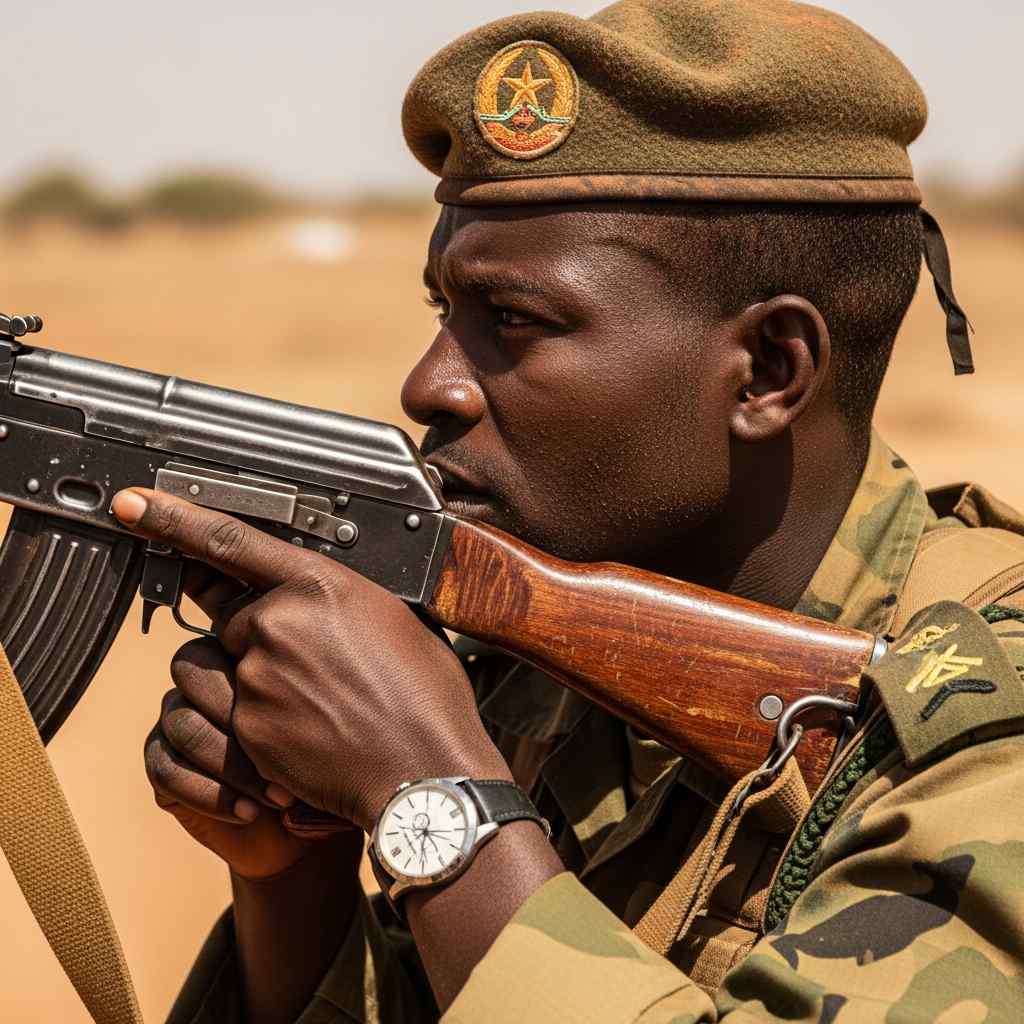
Security and Military Operations in Zamfara State: The Heavy Truth of 2026
Published: 23 March, 2026
How do you measure a war? In Zamfara State, the ledger is written in bodies and broken towns. Armed groups killed more than 2,500 people there during 2024. As SBM Intelligence noted in its 2026 report, that figure makes the territory the undeniable epicenter of violent conflict in Nigeria’s northwest. The violence displaced over 300,000 residents last year, according to the National Emergency Management Agency. Zoom out, and the picture worsens. Across the entire northwest, conflict and banditry have driven over 1.3 million people from their homes. Here is the thing. A decade of military engagement has produced a war of attrition. Communities are caught, perpetually, between militants and soldiers.
The Current Battlefield Map
The geography of violence shifted in the last eighteen months. Operation Hadarin Daji, the primary joint task force, maintains forward operating bases in Gusau, Anka, and Zurmi. The Nigeria Air Force operates surveillance and strike missions from Katsina and Kaduna. A report from the Defence Headquarters in January 2026 claimed troops neutralized 137 bandits and arrested 256 suspects across the northwest in the preceding quarter. Local officials describe a different reality. The chairperson of Maru Local Government Area, Salihu Usman, told Daily Trust in February 2026 that attacks on villages continue weekly. “The bandits move on motorcycles in large numbers,” he said. “They arrive, they loot, they kidnap, they leave. Sometimes the security forces arrive after they are gone.” The tactical advantage rests with groups who know the vast, ungoverned forests like their own backyard.
“The nature of the threat has evolved from cattle rustling to a form of rural insurgency, with economic and political dimensions that purely kinetic operations cannot address.” – Dr. Murtala Ahmed, Security Analyst, Gusau, March 2026
What the Budget Numbers Reveal
Follow the money. The federal government allocated N3.25 trillion to defence in the 2024 Appropriation Act. That constitutes roughly 12% of the total N27.5 trillion national budget. A specific line item for Operation Hadarin Daji remains classified. But analysts estimate that operations in the northwest consume a significant portion of the recurrent military expenditure. But there is a catch. The Zamfara State government spends its own security vote. The 2026 state budget of N861.3 billion allocated N45 billion for public order and safety, a category with limited public accountability. This funding pays for logistics, local vigilante groups, and intelligence gathering. The effectiveness of this spending faces constant scrutiny. Residents see little improvement.
The Human Cost Behind the Headlines
Numbers tell one story. The International Organization for Migration estimates 580,000 people live in displacement camps or host communities within Zamfara State. Farmers abandon their fields. Children miss years of school. The United Nations Children’s Fund reports that over 1,000 schools remain closed across the northwest due to insecurity. The economic paralysis is total in some areas. The Zamfara State Ministry of Commerce estimates a 70% decline in weekly market activities in districts like Bakura and Bukkuyum since 2023. A maize farmer in Shinkafi, Hassan Bello, explained the dilemma. “You plant with a prayer. You harvest with soldiers escorting you. The cost makes the profit disappear.” Food production drops. Prices rise in southern cities.
A Change in Tactics, or More of the Same?
The military high command now promotes a new strategy called ‘non-kinetic operations’. This phrase encompasses dialogue, amnesty programs, and infrastructure projects. In late 2025, the Zamfara State government initiated talks with some faction leaders. The state governor, Dauda Lawal, announced the release of 63 individuals who renounced violence. Skepticism surrounds these efforts. A previous amnesty program in 2019 collapsed with accusations of bad faith from all sides. A security consultant, Kabiru Adamu, writing for Beacon Security, argues that without a parallel, sustained military pressure on holdout groups, talks lack leverage. The government offers carrots while militants continue to wield sticks.
“We are deploying technology in unprecedented ways—drones for surveillance, signal interception, and geolocation. But the enemy adapts. They use simple, non-technical means of communication that are hard to detect.” – Major General Edward Buba, Director of Defence Media Operations, January 2026
The Neighbourhood Watch with AK-47s
One reality defines the local response: the rise of state-sponsored vigilantes. The Zamfara Community Protection Guards (CPG) began with an inaugural batch of guards in July 2023. By 2024, the force numbered 4,900 volunteers. These guards receive basic training, uniforms, and monthly stipends. Some units receive weapons directly from the government, a controversial policy that blurs legal lines. This brings us to the problem. These groups achieve local intelligence successes. They also risk escalating cycles of revenge. Amnesty International, in a February 2026 report, cited 47 cases of alleged torture and unlawful killings by vigilante groups in 2025. The state empowers local actors it might struggle to control later.
The Other War: Winning Trust and Information
Military success depends on civilian cooperation. The trust deficit remains a chasm. Many rural communities view the security forces with suspicion, fearing reprisals from bandits if they share information. A 2025 survey by the Cleen Foundation in six northwestern states found that only 34% of respondents trusted the police to protect them. Trust in the army was higher, but still below 50%. The army established Civil-Military Cooperation units. These units coordinate medical outreaches, drill boreholes, and repair schools. The commander of 1 Brigade, Gusau, Brigadier General Sani Ahmed, stated these projects aim to “win hearts and minds.” But the scale is small against the backdrop of systemic neglect.
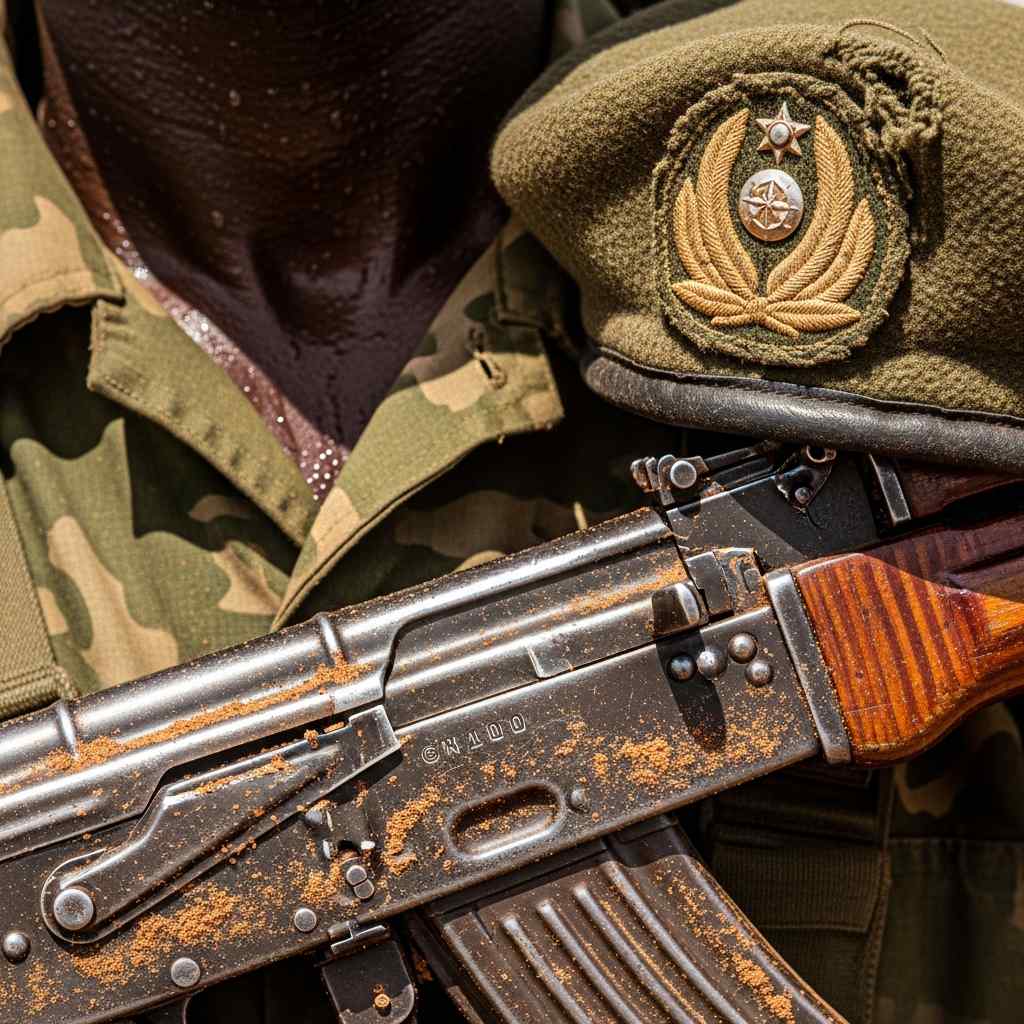
Where the Weapons Come From
The proliferation of small arms fuels everything. The United Nations Office on Drugs and Crime traces weapons recovered in the region to stockpiles diverted from Libya after 2011, and from local armouries through corruption. The Nigeria Customs Service intercepts weapons at borders with Niger and Chad. The porous borders stretch for hundreds of kilometers with minimal surveillance. Wait, it gets more complex. Local fabrication workshops also exist. In January 2026, police in Kaduna raided a workshop producing improvised explosive devices and locally-made pistols. The demand creates a black market economy. A single AK-47 rifle sells for between N1.5 million and N2 million in the underground market.
The View from the Driver’s Seat
So here we are. The federal government frames the conflict as a law-and-order challenge. The state government seeks political solutions. The military executes kinetic operations. Communities simply seek survival. The security and military operations in Zamfara State exist in a strategic vacuum. The appointment of a new Chief of Defence Staff in 2025 brought promises of a “theatre-wide approach.” The reality on the ground feels like a series of reactive firefights. A senior officer, speaking anonymously, summarized the frustration. “We clear an area. We leave. They return. We lack the troop numbers to hold every village permanently.” The strategy of clear-and-hold requires more boots than the government possesses.
One Thing You Can Do Today
Follow the money. Citizens have the power to demand transparency for that N45 billion Zamfara public order and safety allocation. A formal request under the Freedom of Information Act can be submitted to the office of the Zamfara State Accountant-General. Civil society organizations like the Public and Private Development Centre offer templates and legal support. Scrutinizing this budget line pressures officials to justify expenditures. It moves the conversation from abstract security and military operations in Zamfara State to tangible accountability. Did the funds buy fuel for patrol vehicles? Did they pay informants? Or did they disappear into opaque contracts? The answers shape the next phase of this long war.
The conflict in Zamfara enters another year. The soldiers remain. The bandits remain. The people wait for a day when the sound of motorcycles brings traders, not terror. That day feels distant in March 2026. The heavy truth is that without a political settlement that addresses the root causes of poverty, unemployment, and historical grievance, the military will continue to manage a crisis it cannot end.
Bandits :Update On The Massive Military Operations In Zamfara State After Security Meeting. – Voice Tv Nigeria
Security & Crime
The Special Police Protection Unit and the New Security Architecture
Special Police Protection Unit bases are emerging across states. This analysis examines the strategy, funding, and the persistent questions about effectiveness in Nigeria’s security landscape.
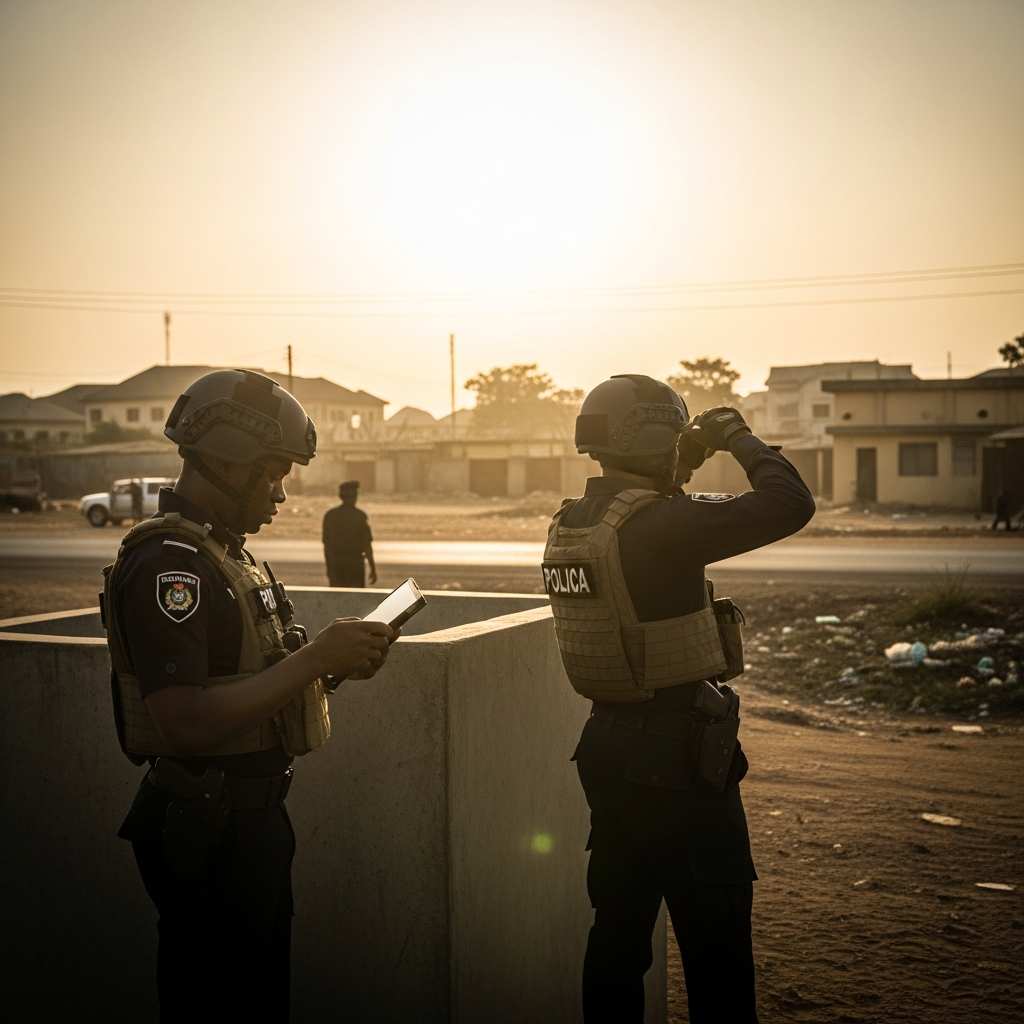
The Special Police Protection Unit and the New Security Architecture
Published: 19 March, 2026
When Lagos State activated its new Special Police Protection Unit base in Ikorodu on February 12, 2026, it was more than a ribbon-cutting. Governor Babajide Sanwo-Olu stood before a facility housing 150 personnel and 30 patrol vehicles, calling it a critical node for rapid response. But this was not just a Lagos affair. It was the most visible sign of a quiet, nationwide shift.
The trouble is, the 1999 Constitution places the police under exclusive federal control. Yet, as a Premium Times report catalogued in January 2026, states like Anambra, Rivers, and Kano are doing the same thing. They fund, build, and equip dedicated police facilities. The names differ—Special Police Protection Unit here, “State Security Response Squad” there. The core idea does not. State governments are seizing direct influence over localized police operations.
The Funding Puzzle
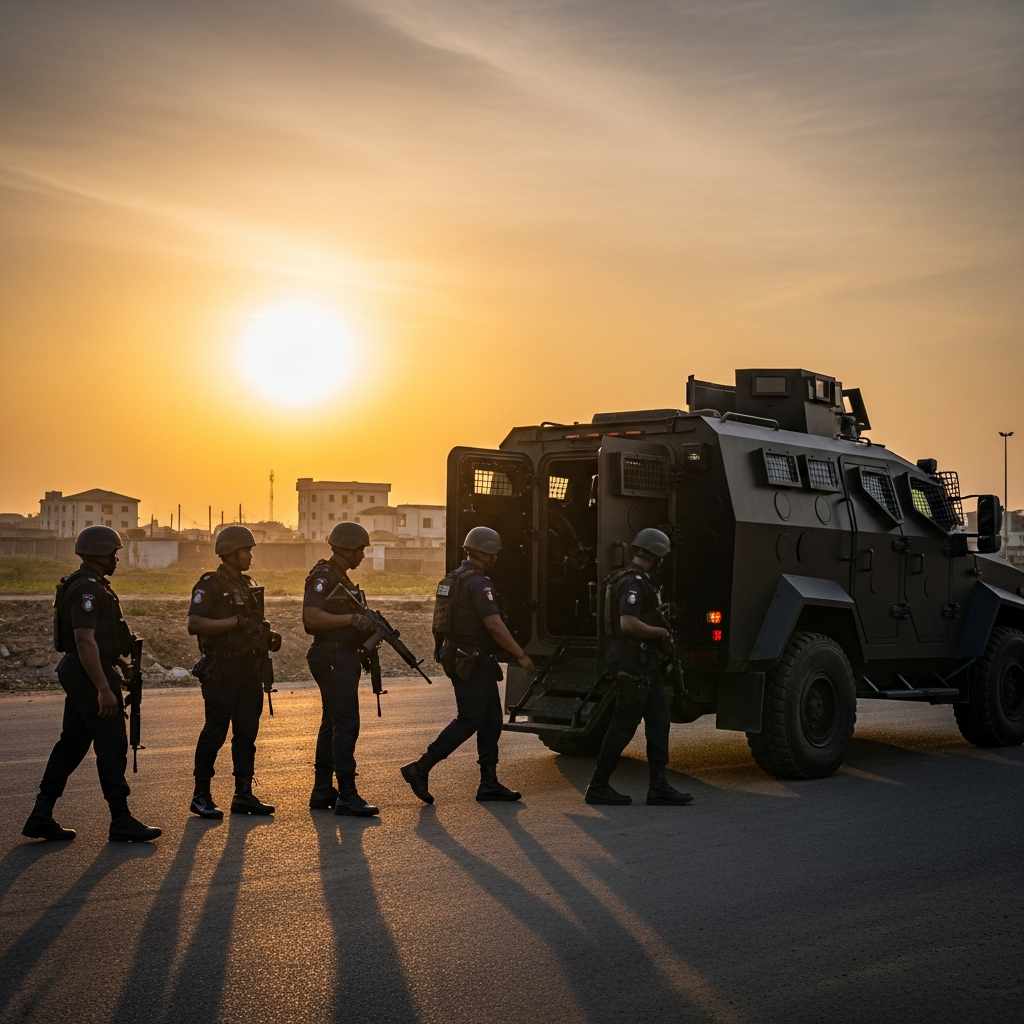
This movement runs on a specific fuel: the security vote. As BusinessDay noted in 2025, Lagos’s annual security vote exceeded N50 billion. Transparency International estimates the aggregate across all 36 states hits N241 billion yearly, funds with minimal oversight. The Ikorodu base, funded under a N9 billion “security infrastructure” line, is a tangible output.
Contrast this with the federal purse. The Nigeria Police Force capital expenditure was just N29 billion for the entire country in 2025. A single state can now outspend that. Governors argue they are filling a vacuum. “This base is not a parallel structure,” Sanwo-Olu said at the commissioning. “It is a force multiplier.”
Why This Matters Now
This brings us to the raging debate on state police. The National Assembly has a relevant bill in committee, as Leadership Newspaper reported in March 2026. These state units are a de facto pilot program. They test operations, build infrastructure, and create a cadre of officers used to state directives. Political momentum favors it. The 16th Senate is the most supportive yet.
Public sentiment leans the same way. A 2025 NOIPolls survey found 72% of Nigerians support state-controlled policing, citing “proximity and accountability.” The rise of these units is a direct response.
Where Things Stand Today
But there is a catch. A modern base needs more than vehicles. The Lagos model includes a Command and Control Centre with digital mapping and integrated CCTV feeds. This digital layer is fragile. It depends on constant power and data connectivity—a luxury not guaranteed nationwide. A commander in the South-East put it bluntly to Vanguard in December 2025: “We have the men, we have the guns… But if we cannot check a plate number in a national database in real time, we are chasing shadows.” Access to federal systems like the National Identity Number database remains a hurdle.
The Opposing View
Critics see a dangerous precedent. They view these units as official vigilante groups, ripe for misuse against political opponents. The chain of command ends with the state government, not Abuja. Accountability is thin. SBM Intelligence analyzed 47 incidents of alleged extra-judicial action by state outfits in a 2025 report, demanding a clear legal framework. The financial opacity of security votes compounds the risk, creating a perfect channel for corruption without an audit trail.
Government Action So Far
Wait, it gets more complex. The Nigeria Police Force has about 371,000 officers. The UN recommends a ratio of 1 officer to 450 citizens. With a population of roughly 220 million, Nigeria needs about 490,000 officers. The federal government cannot close this gap. So states are effectively hiring and equipping police outside the federal quota, creating a two-tier system. Officers in state units often have better gear and allowances than their federal counterparts in the same area. This disparity hits morale and poses a fundamental question: who does an officer ultimately serve when the state pays a top-up and the federation issues the badge?
The Community Question
Proponents counter with one word: locality. An officer in the Ikorodu unit likely lives there. He knows the alleyways. This local knowledge is the stated advantage over the federal policy of posting officers far from home. It is also what the federal Community Policing scheme, launched in 2020, aimed for but failed to execute properly. The state units look like a takeover of that concept. Early data from the Lagos State Security Trust Fund shows promise, reporting a 40% drop in average emergency response times in areas with the new bases in 2025. Whether crime is merely displaced remains unknown.
The Constitutional Crossroads
All this exists in a constitutional gray area. Item 45 on the Exclusive Legislative List is explicit: police authority belongs solely to the federation. Yet, the federal government tolerates these units. The Inspector-General of Police attends commissioning ceremonies. It is a pragmatic acceptance of reality. The National Economic Council revealed a consensus on the “necessity of sub-national policing frameworks” in November 2025, but deep disagreement on control.
The path forward requires legal clarity. Every state assembly should pass a law defining the mandate, rules of engagement, and oversight for any state-funded police unit. A civilian oversight board with judicial, legislative, and civil society representation is non-negotiable. This moves the initiative from the governor’s office into the of public law. It provides accountability and legal shield for officers. It turns an administrative arrangement into a democratic institution.
The bases are open. The public is watching. Their ultimate success hinges not on the walls and watchtowers, but on the transparency and accountability built around them.
MUST WATCH: NIGERIAN POLICE FORCE TACTICALLY EXERCISED HOW THEY OPERATIONS DURING POLICE DAY – MERIT TV NEWS

Staged Kidnapping Case Reveals Family Extortion Trend in Nigeria

Fani-Kayode Says Opposition Has Collapsed – A 2026 Reality Check

Broda Shaggi Recuperating After Sango-Ota Shooting Incident

Terrorists Kill in Nigeria as 2,266 Die in Six Months

Multinational Exodus in Nigeria Deepens with N94 Trillion Loss

Food Crisis Looms in Nigeria as Climate Change Devours Farm Yields

Dangote Refinery Helpless as Fuel Price Hikes Defy Local Production

Deadly Diseases in Nigeria Meningitis Diphtheria Cholera Outbreaks

Lassa Fever Spreads in Nigeria to 18 States as Response Gaps Emerge

Ibadan Tanker Explosion in Nigeria Leaves Two Dead After Horror Crash

Petrol Hits N1,400/Litre in Nigeria as Global Conflict Disrupts Supply

Horror in Kano Sand Pit Collapse Buries People Alive

Internet Sovereignty: Why Some Countries Want Their Own Separate Internet

The Story Of The Nigerian Who Helped Build Global Internet Systems

Nigerian Hackers: The Global Fraud Story and Its Fallout

Forgotten Satellites Defy Silence, Beaming Signals for Decades

Your Digital Store in Nigeria and the Reality of Domain Expiration

The Phone Stay So Quiet: An Investigation into Nigeria’s Silent Customer Lines

The Business That Died: A Nigerian Case Study in Refusal to Adapt

Hiding Your Business From People With Money

Comedy Industry in Nigeria and Its Economic Contribution

How Nollywood Grew Without Government Support

Nigeria Produces 67 Percent Global Yam Output

Nigeria’s Economic Shift: From Oil to the Creative Economy
 Edutech Portal1 month ago
Internet Sovereignty: Why Some Countries Want Their Own Separate Internet
- Edutech Portal1 month ago
The Story Of The Nigerian Who Helped Build Global Internet Systems
- Edutech Portal1 month ago
Nigerian Hackers: The Global Fraud Story and Its Fallout
- Edutech Portal1 month ago
Forgotten Satellites Defy Silence, Beaming Signals for Decades
- Edutech Portal1 month ago
Your Digital Store in Nigeria and the Reality of Domain Expiration
- Edutech Portal1 month ago
The Phone Stay So Quiet: An Investigation into Nigeria’s Silent Customer Lines
- Edutech Portal1 month ago
The Business That Died: A Nigerian Case Study in Refusal to Adapt
- Edutech Portal1 month ago
Hiding Your Business From People With Money