Political Analysis
Fani-Kayode Says Opposition Has Collapsed – A 2026 Reality Check
Femi Fani-Kayode says the opposition has collapsed. Is that the truth? So here we are. We look at party registers. We check the youth trends. The 2026 data paints a picture.

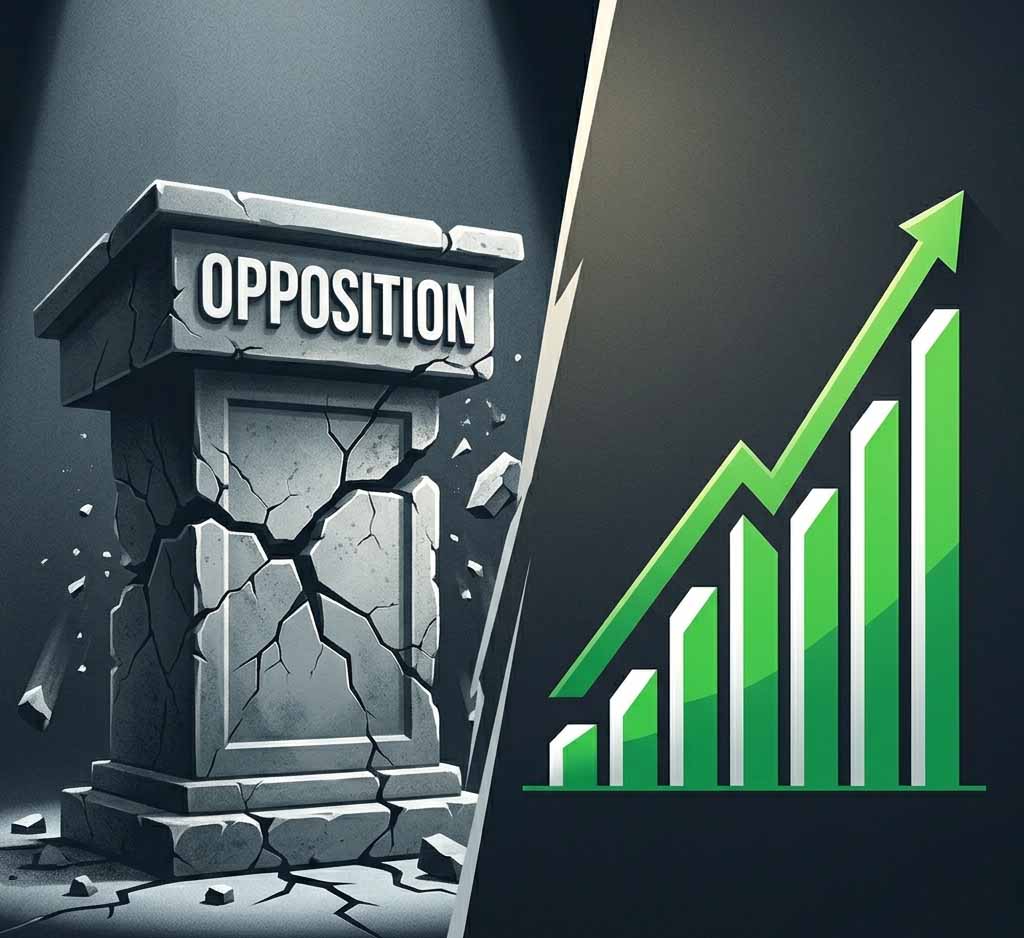
Fani-Kayode Says Opposition Has Collapsed – A Reality Check for 2026
Published: 27 March, 2026
The statement by Femi Fani-Kayode about opposition collapse exists as politically persuasive from a ruling party chieftain. It requires examination against the institutional and electoral data available for 2026. The health of democracy in Nigeria depends on more than declarations from political actors.
The Weight of a Political Statement
Femi Fani-Kayode serves as an Ambassador-designate and APC chieftain. He made the claim about opposition collapse during a media appearance in March 2026. His role makes the statement a strategic communication for the ruling party.
Political rhetoric in Nigeria often aims to shape public perception ahead of elections. The statement coincides with early positioning for the next electoral cycle. It frames the APC as the only viable political entity.
What the Party Registration Numbers Show
The Independent National Electoral Commission maintains the official register of political parties. According to the INEC list updated in February 2026, Nigeria has 21 registered political parties. This number represents an increase from previous years through new registrations.
The commission deregistered 74 parties between 2020 and 2023 for failure to meet constitutional requirements. Two new parties gained registration in February 2026. The current 21 parties hold legal recognition to contest elections.
The Financial Muscle of Opposition Parties
Party strength has a direct correlation with financial capacity. The 2025 report from the Independent Corrupt Practices and Other Offences Commission highlighted disparities. Ruling party structures often benefit from greater access to state resources and patronage networks.
Opposition parties like the Peoples Democratic Party face internal financial challenges. Leadership disputes within the PDP have affected its fundraising capabilities. The party struggled to clear salary arrears for staff in 2025 according to reports in Premium Times.
“The opposition exists in name only. They have no structure, no funding, and no clear agenda for Nigeria.” – Femi Fani-Kayode, Ambassador-designate and APC Chieftain, March 2026 statement to journalists.
Electoral Performance as the True Measure
The 2023 general elections provide the most recent nationwide data. The APC won the presidential election with 8.79 million votes. The PDP candidate secured 6.98 million votes according to INEC certified results.
Seven opposition parties won gubernatorial elections across different states. The Labour Party controls 1 state. The New Nigeria Peoples Party governs 2 states.
Opposition parties hold 163 seats in the National Assembly. This represents 45% of the total 360 House of Representatives seats. They occupy 50 of the 109 Senate seats.
The Voter Registration Picture for 2026
INEC commenced the Continuous Voter Registration exercise for the 2027 cycle in 2025. The preliminary report for Q4 2025 showed 2.1 million new registrations. 58% of these new registrants fell within the 18-34 age bracket.
Young voters traditionally demonstrate less attachment to established party structures. Their voting patterns in 2023 showed support for opposition candidates in urban centers. This demographic reality suggests space for opposition growth.
Internal Democracy Within Parties
The quality of internal party processes affects external viability. The APC conducted its national convention in 2025 with minimal contention. The PDP postponed its own convention twice due to leadership crises.
Smaller parties like the Social Democratic Party have held regular congresses. The SDP elected new national officers in January 2026. These internal processes matter for party cohesion and public perception.
Media Access and Public Visibility
Opposition voices maintain presence in the Nigerian media landscape. Newspapers like Vanguard and The Nation regularly feature opposition critiques. Television stations host opposition figures on political discussion programs.
Social media platforms provide direct communication channels bypassing traditional gatekeepers. Opposition politicians use platforms like X and Facebook to reach millions. This digital space is contested rather than dominated by one side.
“A multi-party system requires institutional support, not just the existence of multiple parties. INEC’s funding and independence remain critical for 2027.” – Prof. Mahmood Yakubu, INEC Chairman, February 2026 address at Chatham House.
The Legal and Constitutional Framework
The 1999 Constitution guarantees freedom of association. Section 221 provides for the registration of political parties. The Electoral Act 2022 sets the rules for party operations and elections.
The judiciary has intervened to protect opposition rights in multiple instances. In 2024, the courts reinstated some deregistered parties. This legal framework creates space for opposition existence regardless of political statements.
Civil Society as a Democratic Check
Organizations like the Transition Monitoring Group and Yiaga Africa monitor political processes. Their reports provide independent assessment of the political environment. The TMG pre-election report for 2026 noted concerns about party financing imbalances.
These groups advocate for electoral reforms that benefit all parties. They push for transparency in campaign funding and equal media access. Their work creates accountability mechanisms beyond partisan politics.
Regional Variations in Party Strength
Opposition viability differs across the 36 states. The South-East shows stronger opposition presence with the Labour Party controlling Abia state. The North-East has the NNPP governing Kano state.
The South-West is an APC stronghold with all states under its control. The South-South has mixed governance with 3 PDP states among 6. This geographic distribution contradicts a narrative of total collapse.
What History Teaches About Political Declarations
Similar claims about opposition demise surfaced in 2014. The then-ruling PDP declared the APC a failed project. One year later, the APC won the presidential election.
Political fortunes in Nigeria have shown cyclical patterns. Dominant parties face internal pressures over time. Opposition movements coalesce around specific issues or personalities.
The Economic Context of Political Engagement
The state of the economy of Nigeria influences political participation. While inflation has cooled from its 2024 peak to roughly 15.1% in early 2026, the cost of living is a primary driver of political discontent. Economic hardship can generate protest votes against incumbent parties.
Unemployment is elevated, particularly among youth. According to the Nigeria Labour Force Survey conducted by the National Bureau of Statistics, youth unemployment stood at 6.5% in Q4 2025. However, underemployment, which measures those working fewer hours than desired, is significantly higher and contributes to the broader sense of economic anxiety.
International Perspectives on Nigerian Democracy
The European Union Election Observation Mission issued its final report on the 2023 elections. It noted improvements in electoral administration but highlighted six priority areas. These included the need for more transparent results collation and publication.
The United States Department of State country report on human rights for 2025 covered political participation. It documented instances of intimidation against opposition figures. It also noted the legal framework allows for multi-party competition.
“Our democracy has faced bigger challenges than political rhetoric. The institutions matter more than the statements. Voters will decide based on performance, not pronouncements.” – Senator Iyorchia Ayu, former PDP National Chairman, January 2026 interview with Channels Television.
The Institutional Infrastructure for Elections
INEC operates 8,809 registration centers across Nigeria. The commission deployed 176,846 polling units for the 2023 elections. These structures serve all political parties equally under the law.
The 2026 budget allocation for INEC stands at N40 billion. This represents 0.3% of the total N26 trillion federal budget. Adequate funding for electoral administration benefits the entire political system.
Looking Toward 2027
The next general elections will occur in February 2027. Political parties have begun preliminary preparations. The PDP established a 37-member committee to review its 2023 performance.
New political alliances might emerge before the elections. The 2022 Electoral Act allows for coalition building. Opposition parties can form alliances to present a stronger challenge.
A Reality Check on the Ground
Visit any motor park or market in Nigeria. You hear criticisms of all political parties. The idea that citizens have no alternatives contradicts daily conversations.
Nigerians complain about fuel prices, electricity tariffs, and security challenges. They hold the ruling party responsible for these issues. This creates natural political space for opposition voices.
Where the Data Leads
The statement that Fani-Kayode says opposition has collapsed functions as political messaging. Electoral data, party registration numbers, and governance structures tell a more complex story. Opposition parties hold governorships, legislative seats, and maintain legal recognition.
They face significant challenges in funding, organization, and unity. The ruling APC enjoys advantages of incumbency and broader resources. The democratic system however includes multiple competing actors.
Check the Voter Register
Verify your registration status on the INEC digital platform. Participate in the continuous voter registration exercise. Your PVC is the ultimate counter to any political narrative.
Democracy requires active citizens more than perfect institutions. The quality of opposition depends partly on the choices voters make. The ballot box in 2027 will provide the definitive answer about opposition relevance.
Political statements aim to shape reality. Data provides a useful corrective to rhetoric. The conversation about democracy continues beyond any single declaration.











River Disappears Overnight in Warri Delta State

Market Woman Predicts Deaths in Owerri Through Yam Shapes

Forest healer cures blindness using leaves from a plant found nowhere else

Ancient Wall Repairs Itself in Zaria After Heavy Rains

Confluence refuses to mix after a photographer insulted the local river spirit

Church roof collapses mid sermon and every person inside walked out without injury

Tailor Sews Identical Dress from 40-Year-Old Bible Photo in Asaba

Twins Share Single Heartbeat Born Years Apart

Tomi Adeyemi Film Deal Changes Nigerian Storytelling

Lola Shoneyin Builds a Literary Continent at Aké Festival

ADC Leads #OccupyINEC Protest in Abuja Over Party Derecognition

Opay vs Palmpay for International Payments in Nigeria 2026

Internet Sovereignty: Why Some Countries Want Their Own Separate Internet

The Story Of The Nigerian Who Helped Build Global Internet Systems

Nigerian Hackers: The Global Fraud Story and Its Fallout

Forgotten Satellites Defy Silence, Beaming Signals for Decades

Your Digital Store in Nigeria and the Reality of Domain Expiration

The Phone Stay So Quiet: An Investigation into Nigeria’s Silent Customer Lines

The Business That Died: A Nigerian Case Study in Refusal to Adapt

Hiding Your Business From People With Money

How Nollywood Grew Without Government Support

Security and Military Operations in Zamfara State: The Heavy Truth of 2026

Nigeria Produces 67 Percent Global Yam Output

Comedy Industry in Nigeria and Its Economic Contribution


 Digital Sovereignty2 months ago
Internet Sovereignty: Why Some Countries Want Their Own Separate Internet
- Diaspora2 months ago
The Story Of The Nigerian Who Helped Build Global Internet Systems
- Crime2 months ago
Nigerian Hackers: The Global Fraud Story and Its Fallout
- Space Technology2 months ago
Forgotten Satellites Defy Silence, Beaming Signals for Decades
- E-Commerce2 months ago
Your Digital Store in Nigeria and the Reality of Domain Expiration
- Edutech Portal2 months ago
The Phone Stay So Quiet: An Investigation into Nigeria’s Silent Customer Lines
- Edutech Portal2 months ago
The Business That Died: A Nigerian Case Study in Refusal to Adapt
- Business2 months ago
Hiding Your Business From People With Money