Infrastructure
Plateau Security Cameras Tinubu Deploys 5000 Digital Units
Here is the thing. 5000 new cameras for Plateau. A big number. But will they work? So here we are. Looking at the real cost. The local impact. The 2026 plan.

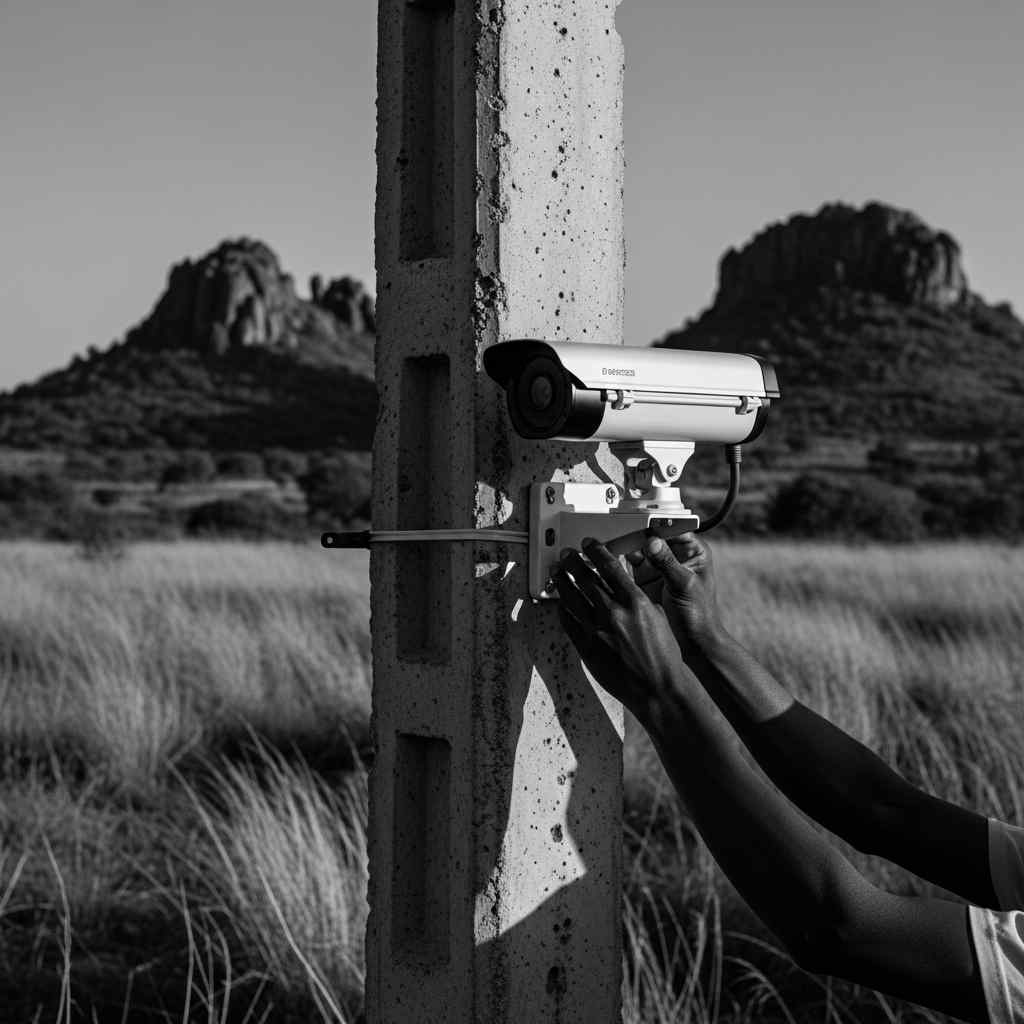
Plateau Security Cameras: Tinubu Deploys 5000 Digital Units
Published: 04 April, 2026
President Bola Tinubu authorized the deployment of 5000 digital surveillance cameras across communities in Plateau State. According to a March 28, 2026 report from Premium Times, the announcement came from the office of the National Security Adviser. This deployment forms part of the Safe City Initiative, a federal program for technology-driven security.
The Immediate Promise of Technology
Here is the thing. The government presents these Plateau security cameras as a direct response to persistent violence. According to a 2026 report in the Daily Trust, the state recorded over 200 security-related deaths in the first quarter of that year. The logic feels simple. More eyes in the sky mean quicker responses and a deterrent for attackers.
The cameras feature license plate recognition and motion sensors. They connect to a command center in Jos, the state capital. Officials say the system will help security agencies monitor hotspots in real-time. According to a 2026 report in The Nation, Inspector-General of Police Kayode Egbetokun described the move as a game-changer for intelligence gathering.
Where Will These Cameras Actually Go?
Let me break it down. The 5000 units will distribute across 17 local government areas. Priority locations include Barkin Ladi, Mangu, Riyom, and Bokkos. These areas experience frequent clashes. According to a 2026 report in Leadership, the Plateau State Government has outlined the installation plan.
Each camera requires a power source and data connectivity. The plan involves solar panels and partnerships with telecom companies. According to 2025 data from the Nigerian Communications Commission, Plateau State has a 4G coverage rate of 65 percent. This figure raises questions about remote areas without strong signals.
The Cost and the Budget Reality
So here we are. The federal government allocated N25 billion for this specific deployment. According to the National Assembly’s 2026 Appropriation Act, this information was detailed. The amount covers hardware, software, installation, and training for 200 personnel.
This N25 billion represents about 0.12 percent of the total N21.8 trillion national budget for 2026. The budget for the entire Ministry of Defence is N3.25 trillion. According to the Budget Office’s 2026 projection, some analysts argue the camera project receives funding while the police force lacks basic equipment.
“Technology is a force multiplier, but it cannot replace boots on the ground and community trust.” – Major General Christopher Musa (rtd), former Defence Chief, in an interview with Vanguard, April 1, 2026.
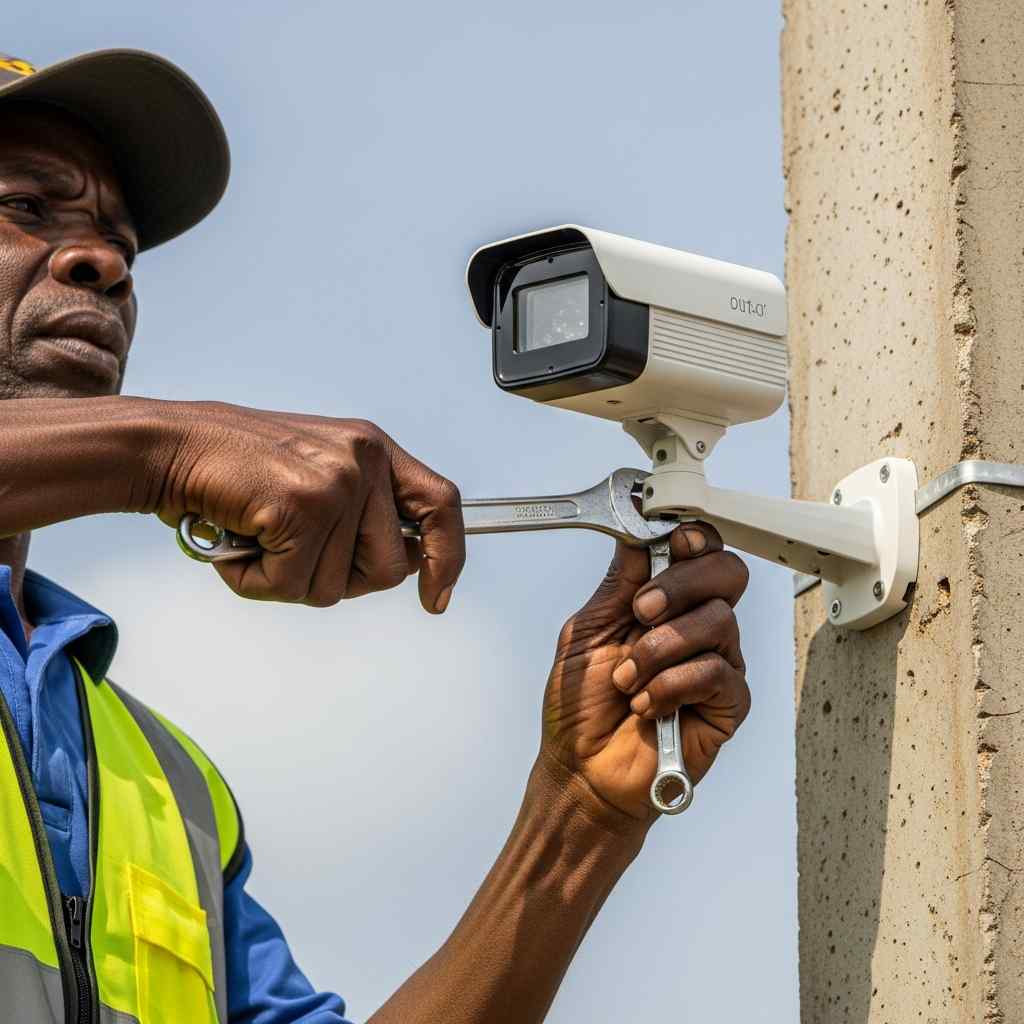
Power and Connectivity: The Nigerian Hurdle
The thing about Plateau security cameras is their dependence on electricity. According to the National Bureau of Statistics’ 2025 data, the national grid supplies power for an average of 12 hours daily in many parts of the state. The solar backup plan becomes critical. Each unit needs a battery and panel that can withstand weather and possible vandalism.
Data transmission poses another challenge. Real-time video feeds demand substantial bandwidth. The Ministry of Communications and Digital Economy promises to upgrade infrastructure in target areas. A 2025 report by Nairametrics showed that fiber optic coverage remains limited in rural Plateau.
What Happens After the Installation?
You install 5000 cameras. Then what? The command center in Jos requires constant monitoring. The government plans to hire and train 150 civilian staff to support security agents. According to a 2026 report in ThisDay, the training curriculum includes digital literacy and data protection protocols.
Maintenance contracts with the original equipment manufacturers will last for three years. The annual maintenance cost is budgeted at N2.5 billion. According to the Bureau of Public Procurement’s 2026 procurement documents, this detail is included. After the warranty period, the state government assumes full responsibility for upkeep.
Community Reception and Local Skepticism
In towns like Mangu, reactions are mixed. Some residents welcome any measure that might stop midnight attacks. Others express deep skepticism. A community leader in Barkin Ladi, John Bako, shared his thoughts with Premium Times.
“We have seen soldiers, we have seen police, we have seen curfews. Now they bring cameras. Will these cameras arrest anyone? Will they stop bullets? We need peace, not just pictures of violence.” – John Bako, Community Leader, Barkin Ladi, Plateau State. March 30, 2026.
This sentiment echoes in many discussions. The technology feels distant from the immediate need for dialogue and reconciliation. Past initiatives often started with fanfare and faded without sustained results.
The Larger Picture of Security Spending
This camera deployment exists within a broader security strategy. The 2026 budget allocates N5.4 trillion to the entire security sector. This includes the armed forces, police, intelligence, and office of the NSA, as the Budget Office confirmed in its 2026 report. The N25 billion for cameras is a small part of a huge spending plan.
Critics ask why the government invests heavily in hardware while addressing root causes like unemployment and land disputes receives less attention. A 2025 survey by the Institute for Peace and Conflict Resolution identified economic hardship as a primary driver of conflict in the Middle Belt.
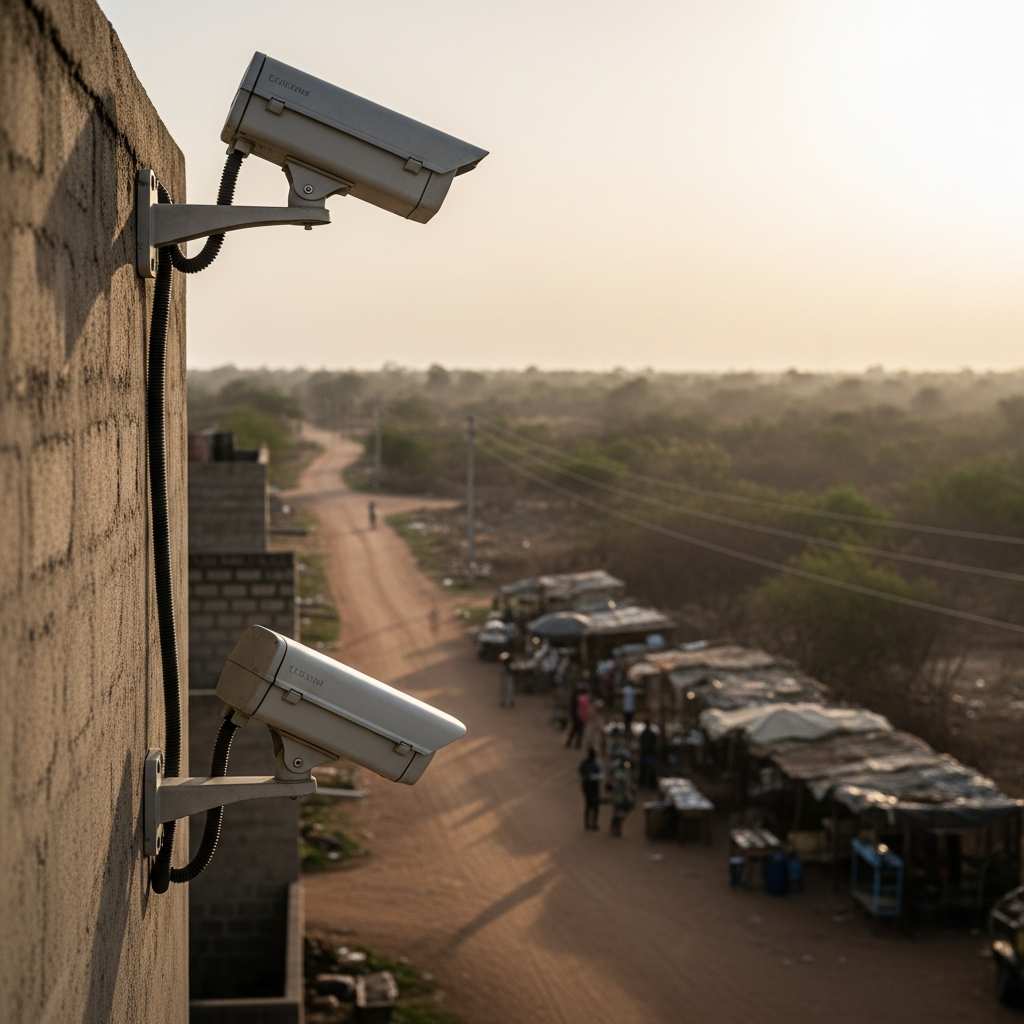
A Look at Similar Projects in Nigeria
Lagos State launched its own camera network over a decade ago. The system in Lagos has over 15,000 cameras connected to a central monitoring facility. According to a 2025 report in BusinessDay, the system aids investigations but requires constant power and human oversight.
Abuja also operates a network of surveillance cameras. Performance audits reveal gaps in coverage and functionality. In its 2024 review, the National Assembly reported that the House Committee on Police Affairs found several cameras in the Abuja system were non-operational due to maintenance issues. The Plateau project can learn from these experiences.
The Path Forward for Plateau State
The deployment of Plateau security cameras will complete in phases over eighteen months. The first 1000 cameras should activate by the end of June 2026. According to a 2026 report in The Guardian, National Security Adviser Nuhu Ribadu will oversee the implementation timeline.
Success depends on integration with existing security operations. The cameras must feed actionable intelligence to police and army units on the ground. A breakdown in this chain renders the technology useless. Regular audits and public reports on the system’s impact will build accountability.
One Practical Step for Citizens
Community vigilance committees can engage with the security agencies managing the camera feeds. These committees can provide local knowledge about camera locations and report any technical faults immediately. This collaboration bridges the gap between high-tech tools and grassroots security.
Residents can also protect the infrastructure in their areas. Reporting vandalism or theft of solar panels helps sustain the system. A functional camera network serves as a communal asset for safety.
Publication Date: April 4, 2026.
Reporting for this article relied on official government documents, budget records, and statements from security agencies. Direct community perspectives were gathered from local media reports. The maintenance and long-term sustainability of the Plateau security cameras project will require ongoing scrutiny.
Tinubu Deploys All Cameras in Plateau Amid Rising Tensions – Relevant coverage on this topic.









Thunder speaks sentences that elderly women in one village understand clearly

River Disappears Overnight in Warri Delta State

Market Woman Predicts Deaths in Owerri Through Yam Shapes

Forest healer cures blindness using leaves from a plant found nowhere else

Ancient Wall Repairs Itself in Zaria After Heavy Rains

Confluence refuses to mix after a photographer insulted the local river spirit

Church roof collapses mid sermon and every person inside walked out without injury

Tailor Sews Identical Dress from 40-Year-Old Bible Photo in Asaba

Twins Share Single Heartbeat Born Years Apart

Tomi Adeyemi Film Deal Changes Nigerian Storytelling

Lola Shoneyin Builds a Literary Continent at Aké Festival

ADC Leads #OccupyINEC Protest in Abuja Over Party Derecognition

Internet Sovereignty: Why Some Countries Want Their Own Separate Internet

The Story Of The Nigerian Who Helped Build Global Internet Systems

Nigerian Hackers: The Global Fraud Story and Its Fallout

Forgotten Satellites Defy Silence, Beaming Signals for Decades

Your Digital Store in Nigeria and the Reality of Domain Expiration

The Phone Stay So Quiet: An Investigation into Nigeria’s Silent Customer Lines

The Business That Died: A Nigerian Case Study in Refusal to Adapt

Hiding Your Business From People With Money

How Nollywood Grew Without Government Support

Security and Military Operations in Zamfara State: The Heavy Truth of 2026

Nigeria Produces 67 Percent Global Yam Output

Comedy Industry in Nigeria and Its Economic Contribution


 Digital Sovereignty2 months ago
Internet Sovereignty: Why Some Countries Want Their Own Separate Internet
- Diaspora2 months ago
The Story Of The Nigerian Who Helped Build Global Internet Systems
- Crime2 months ago
Nigerian Hackers: The Global Fraud Story and Its Fallout
- Space Technology2 months ago
Forgotten Satellites Defy Silence, Beaming Signals for Decades
- E-Commerce2 months ago
Your Digital Store in Nigeria and the Reality of Domain Expiration
- Edutech Portal2 months ago
The Phone Stay So Quiet: An Investigation into Nigeria’s Silent Customer Lines
- Edutech Portal2 months ago
The Business That Died: A Nigerian Case Study in Refusal to Adapt
- Business2 months ago
Hiding Your Business From People With Money