HealthCare
Malaria Vaccination Cuts Child Deaths in Half in Northwest Nigeria
Malaria vaccination drives in northwestern Nigeria report a 50% drop in child hospitalizations and deaths, a major public health breakthrough for 2026.


Malaria Vaccination Cuts Child Deaths in Half in Northwest Nigeria
Published: 21 March, 2026
What does a 50% drop look like? In hospitals across northwestern Nigeria, it looks like empty beds. The number of children dying from malaria in these facilities fell by half in the last year. This comes from a preliminary review of hospital admission data in Kebbi State, the primary pilot state in a region historically crushed by the disease. The decline follows the largest rollout of the malaria vaccination in the region to date.
Health officials link the drop directly to the R21/Matrix-M vaccine. Nigeria introduced it into routine immunization schedules in December 2024, with Kebbi and Zamfara receiving the initial Phase 1 rollout before expansion to other northwestern states. The choice was strategic. As The Guardian noted in February 2026, Nigeria prioritized R21 due to its 77% efficacy and lower cost.
But here is the thing. For decades, the fight relied on bed nets, drugs, and insecticides. These tools made a difference. Then progress stalled.
The vaccine changes the equation. It offers protection before the mosquito even bites.
The Numbers Tell a Simple, Powerful Story
A joint report from the National Malaria Elimination Programme and Gavi, the Vaccine Alliance, details the impact. The analysis covers 127 primary and secondary health facilities across the pilot states. It compares the 12-month period before the vaccine rollout with the 12-month period after widespread administration began.
Recorded malaria admissions for children under five dropped by 51%. In parts of the northwest, the under-five mortality rate dropped from approximately 8.97% to 6.13% within the first ten months. Some health centers in Kebbi reported zero child malaria deaths since June 2025.
The report pins this decline directly to vaccine coverage, which reached over 70% of the target population in the sampled areas by Q4 2025, according to Premium Times in 2026.
Dr. Muyi Aina, the Executive Director of the National Primary Health Care Development Agency, presented these findings. He called it a turning point. “For the first time, we have a tool that prevents the disease with high efficacy,” he told This Day on March 10, 2026. “The data from the northwest gives us a blueprint for the entire country.”
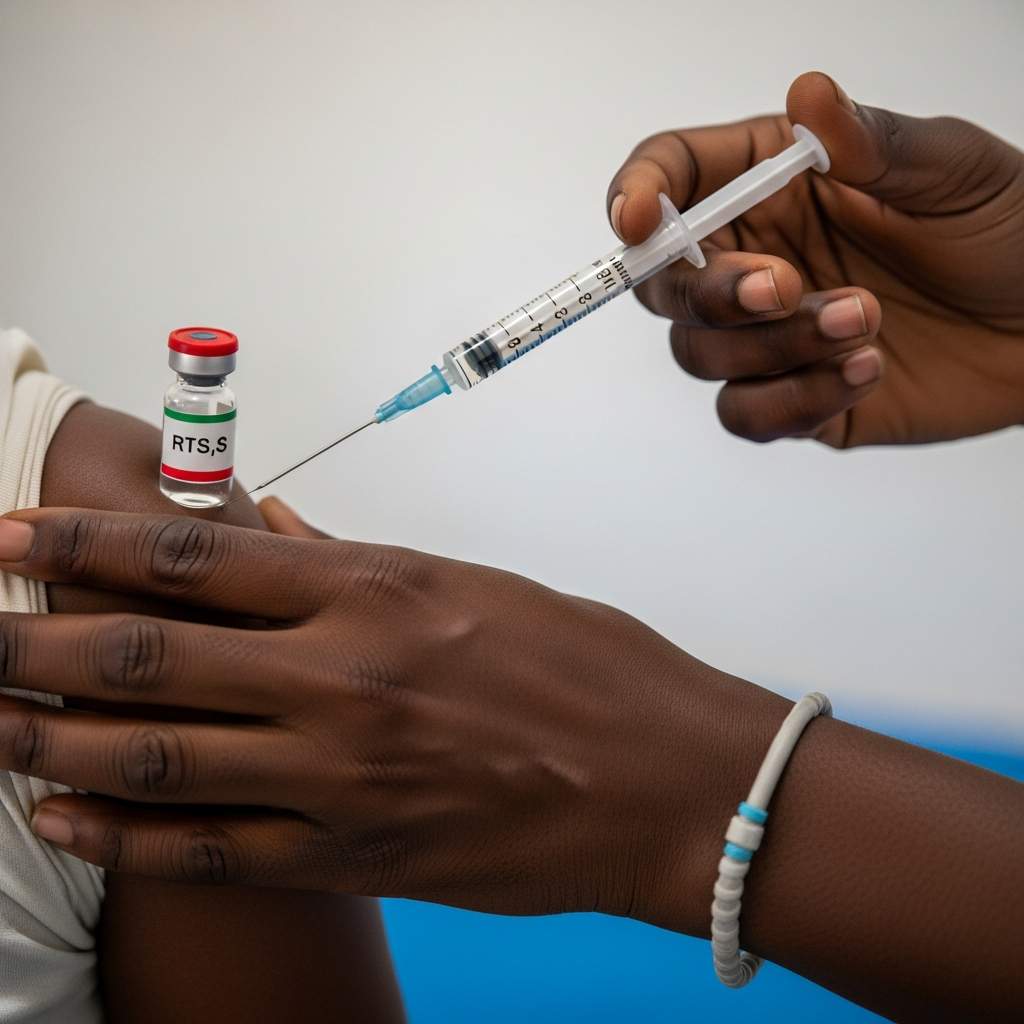
How a Vaccine Reaches a Child in Dutse or Gusau
The logistics of this campaign deserve as much attention as the result. Northwestern Nigeria faces security challenges and difficult terrain. Getting a temperature-sensitive vaccine to remote clinics requires planning that often exceeds the capacity of a typical government program.
Success relied on a hybrid model. The Federal Ministry of Health and state agencies handled community mobilization. Gavi and UNICEF managed the vaccine supply chain and complex cold storage. Local traditional and religious leaders conducted the advocacy.
This partnership addressed a critical weakness. A 2025 audit by Nigeria’s Office of the Auditor-General found that 30% of health centers in the north lacked functional refrigerators for vaccines. The malaria vaccination campaign included deploying over 10,000 new solar-powered refrigerators nationwide, specifically targeting rural areas. It fixed a problem for future immunization drives as well, as Daily Trust reported in 2025.
“Parents saw their neighbors’ children protected. They heard from their imam or village head that this was safe. That social proof, more than any radio jingle, built trust.” — Hajiya Amina Mohammed, Coordinator, Sokoto State Malaria Control Programme, in an interview with Leadership (February 2026)
The Economic Argument Becomes Unbeatable
Malaria drains the economy. The World Bank estimates it costs Nigeria nearly $1.1 billion annually in lost productivity and healthcare expenses. Every hospitalized child means a parent missing work and a health system spending scarce resources.
Contrast this with a 2026 cost-benefit analysis by the Nigeria Centre for Disease Control. It found that for every N1,000 spent on the malaria vaccination campaign, the health system saved approximately N3,500 in treatment, hospitalization, and case management costs. The savings for families, in travel and lost income, were even greater.
The math works. A child who does not get severely ill does not need a hospital bed, expensive drugs, or a blood transfusion.
That family avoids catastrophic health spending, a major driver of poverty.
Why This Might Not Replicate Easily Nationwide
But there is a catch. The northwest success has limits. The campaign benefited from intense international partner support and focus. Replicating this model in every state with the same level of external funding is a monumental challenge.
Sustainability depends on the government taking full financial ownership.
The 2026 national health budget allocates N85 billion for malaria programs. This covers nets, drugs, and testing kits. The budget for vaccine procurement and delivery remains partially dependent on Gavi support, which phases out as a country’s income rises. Nigeria faces this transition in the coming years.
Wait, it gets more complex. Health infrastructure gaps persist. While the campaign fixed refrigerators, other regions still have deficits. A doctor in a rural clinic in the south-south still spends more time treating malaria than any other condition.
The vaccine must reach her clinic with the same consistency it reached Kebbi.
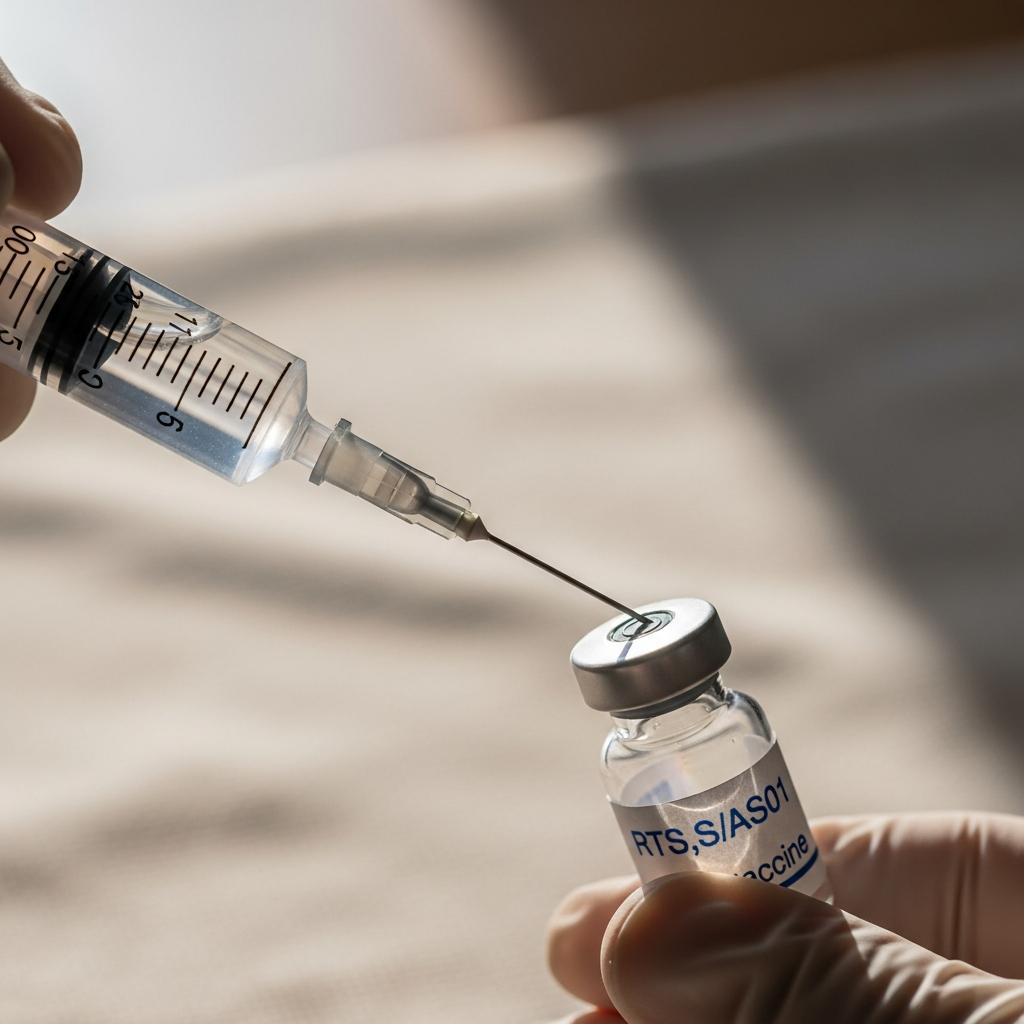
What Comes After the First Dose
This brings us to the next hurdle. The R21/Matrix-M vaccine requires three primary doses with a booster dose 12 months later. High coverage for the first dose is promising. Maintaining momentum for the complete schedule is different.
Dropout rates between doses are a persistent issue. The National Primary Health Care Development Agency reports that follow-up for the booster dose in the northwest pilot sits at 65%, lower than the initial uptake. Health workers now track children due for boosters through community registries.
New tools enter the fray. The RTS,S vaccine was the first WHO-approved option. Nigeria’s rollout prioritized R21 due to its favorable profile. The government has continued to expand access to both vaccines as supply increases, according to a WHO statement in December 2025.
“We are not declaring victory. We are declaring that the path to victory is now visible. The task is to walk it in every state, for every child.” — Professor Ali Pate, Coordinating Minister of Health and Social Welfare, speaking at a press briefing in Abuja (March 15, 2026)
Check Your Child’s Immunization Card Today
The most direct action any parent can take is simple. Locate the child’s immunization card. Verify that the malaria vaccination is recorded there. If the schedule is incomplete, the nearest primary health center can provide the missing doses free of charge.
This simple act has power. It ensures individual protection. It also creates demand within the health system, signaling to planners that this intervention has public value.
High, sustained demand is what convinces budget officials to allocate domestic funds when international partners scale down.
The story from the northwest is one of execution. It shows a new tool can work in a difficult environment. The reduction in hospitalizations and deaths by half is a fact.
The question for the rest of Nigeria is whether it will remain an isolated success or become the national standard.
So here we are. A disease that has defined childhood in Nigeria for generations finally meets a formidable opponent. The data from Kebbi offers more than hope.
It offers evidence. The job now is to make that evidence ordinary, to make a 50% reduction in child malaria deaths the expected outcome everywhere. That work continues tomorrow, at a clinic near you.
Affordable Malaria Vaccine? Game-Changer for Global Health! | UNICEF | By Saumya Pande – StudyIQ IAS: English






HealthCare
Nigeria Hypertension Risk: Urban Diets and Exercise Extend Lives
Nigeria hypertension risk is falling in cities as dietary shifts and exercise gain traction. New 2026 data shows a measurable impact on life expectancy.
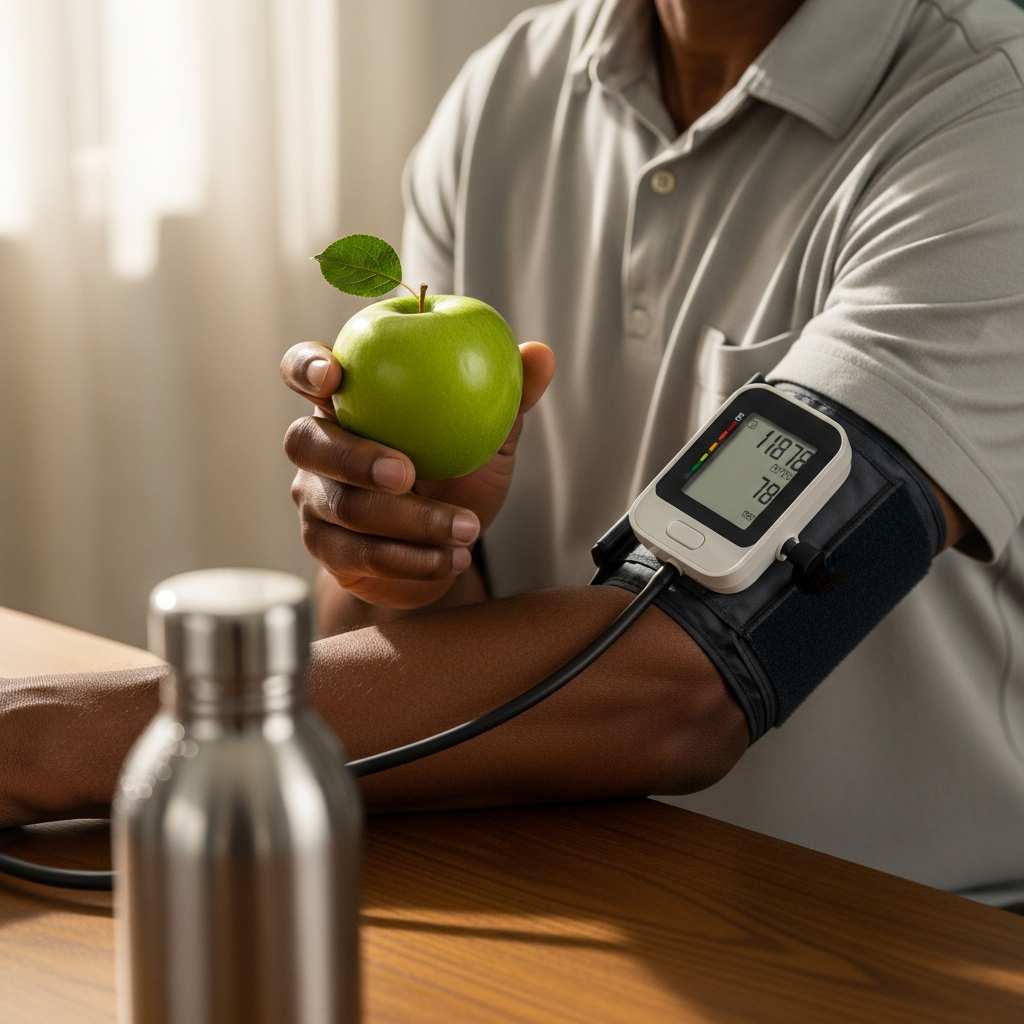
Nigeria Hypertension Risk: Urban Diets and Exercise Extend Lives
Published: 25 March, 2026
Can a nation change its fate one kitchen and one sidewalk at a time? In Nigeria, where hypertension is the major killer, a change is happening. Not everywhere. But in the cities, deliberate changes in what people eat and how they move are starting to bend a deadly curve. First-quarter data for 2026 suggests these shifts are adding years to urban lives.
The trouble is, the baseline was a disaster. Urban life, with its greasy fast food and desk-bound roles, turned into a breeding ground for strokes and heart failure. The Federal Ministry of Health reported on March 12, 2026, that an estimated 35 per cent to 40 per cent of adults in 2025 were walking around with high blood pressure. It is a massive hit to the economy. For decades, we built a system for malaria and childbirth, but we left this chronic crisis to fester.
The Heavy Truth About Urban Pressure
So what changed? Look first to the kitchen. A quiet, pragmatic revolution is underway. It is less about formal diets and more about substitution. A general trend of Nigerians reducing consumption of processed foods due to health concerns and cost is now evident. Health concerns and cost are the main drivers.
“People are returning to ‘swallows’ like amala and eba, but with more vegetable soups and less oily stews,” said Dr. Chioma Nwakanma, a public health nutritionist in Lagos. The awareness is sinking in.
“The data from our community screenings in Surulere and Ikeja shows a 15% lower prevalence of stage 2 hypertension among adults who report high vegetable consumption, compared to those who do not. The message about reducing palm oil and salt is getting through, one kitchen at a time.” , Dr. Chioma Nwakanma, interview with The Guardian, February 2026.
Supermarket aisles confirm it. Sales of low-sodium stock cubes and salt substitutes have seen significant increase. This change is driven by urbanites who have received a hypertension diagnosis for themselves or a family member. The change is reactive at first. Then it becomes a habit.

A professional monitors their health while incorporating fresh fruit into their daily routine. (Digital Illustration: GoBeyondLocal)
The Streets Are for Walking Again
Now look outside. Exercise is ceasing to be a foreign concept. The most significant change is the normalization of walking. In Abuja, Millennium Park and the green areas in Maitama are filled with walkers at dawn. In Lagos, the state government’s cleanup of sidewalks in Ikoyi and Victoria Island has made walking less hazardous.
Organized running clubs have exploded. The Access Bank Lagos City Marathon took place on Saturday, February 14, 2026. Kenyan runner Ezra Kipchumba Kering won the 42km race with a time of 2:11:55. From this flagship event to weekly park runs in Port Harcourt, running is now social. Corporate wellness programs are adding another layer, with companies investing in employee health initiatives.
The Numbers Start to Tell a New Story
This brings us to the impact. Preliminary data is showing results. A 2026 interim analysis by the Nigeria Centre for Disease Control points to a stabilization, even a slight decline, in hypertension rates among urban adults under 50. The national burden continues to be critically high. But the urban curve is flattening.
According to World Bank data for 2023, average life expectancy is approximately 54.5 years. The lifestyle modifications in cities, less dietary salt, more aerobic activity, are directly preventing cardiovascular events.
“Our models suggest the lifestyle modifications in cities, less dietary salt, more aerobic activity, are directly preventing cardiovascular events. For every 10% increase in reported moderate exercise in a population, we see a correlating 2-3% drop in hypertension-related hospital admissions. The link is evident.” , Prof. Ibrahim Danjuma, University of Ibadan, African Journal of Medicine, December 2025.
Why This Might Not Be Enough
But there is a catch. This progress is fragile and concentrated. It lives among the educated, middle-class urban population with disposable income. The urban poor, in crowded estates with limited access to fresh food and safe spaces, continue to be extremely vulnerable. For them, the risk is unchanged or worsening.
Government policy has been slow. A bill to amend the existing excise duty framework for Sugar-Sweetened Beverages (SSBs) is currently before the Senate. Sponsored by Senator Ipalibo Harry Banigo, the bill seeks to increase the Basic Health Care Provision Fund (BHCPF) from 1% to 2% of the consolidated revenue fund. Advocates are pushing for a 50% retail levy, as the current N10 tax has become negligible due to inflation.

A composition health tools, a blood pressure monitor, fresh fruit, water, and fitness tracking, representing proactive lifestyle management. (Digital Illustration: GoBeyondLocal)
The Policy That Could Change the Game
One policy could change the game. It is simple: mandatory hypertension screening at every primary health contact. Go to a clinic for malaria, get your blood pressure checked. Bring a child for immunization, get your blood pressure checked. This ‘opportunistic screening’ model is cost-practical and creates massive data.
The reality of primary healthcare centers tells a revealing story. According to NCDC-backed research from March 2026, while 98% of urban Primary Healthcare Centers now have working blood pressure apparatus, only 24% have the actual clinical guidelines or “algorithms” to treat the patients they diagnose. This “readiness gap” is the missing link between diagnosis and practical care.
The Lagos State Government piloted opportunistic screening in 2024. The 2025 evaluation showed a 300% increase in new hypertension case detection in one year. It linked 65% of those newly diagnosed to care. Scaling this nationally would require training and simple equipment. The investment is modest compared to the cost of treating strokes.
Your Next Move This Week
For you, the action is personal and immediate. The most practical step is to know your own numbers. A blood pressure check takes two minutes. It is often free at pharmacy outlets in major cities.
Make that check this week. If the reading is high, that information is power. It starts a conversation. It motivates one less stock cube in the pot, one more serving of vegetables. It justifies a 30-minute walk. The entire national change is built on millions of decisions like that one. The data proves those decisions are now adding years to lives in the cities. The task is to make that truth spread beyond the city limits.
Kenya’s Ezra Kering Wins 2026 Lagos Marathon , Channels Television
HealthCare
Nigeria Meningitis Outbreak: The Race to Protect the North
Nigeria meningitis outbreak in 2026 demands urgent action. Essential health protocols for preventing infection spread across northern states.
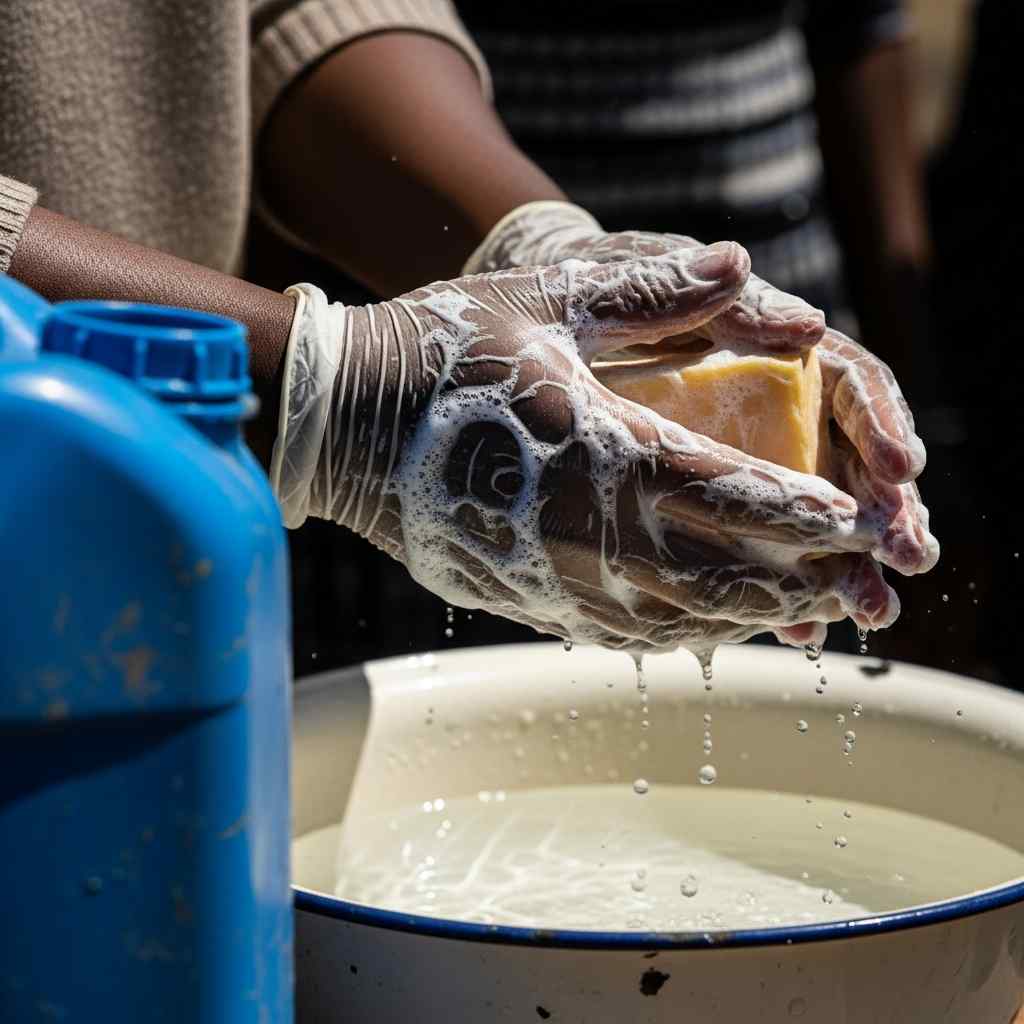
The Neck That Cannot Bend: Nigeria’s Seasonal Scourge
Published: 25 March, 2026
The meningitis outbreak across northern Nigeria is worsening. Dr. Jide Idris is the Director-General of the Nigeria Centre for Disease Control and Prevention, issued this warning on March 24, 2026, as the dry season reaches its peak transmission period from December to April. The NCDC’s fresh public health advisory on March 3, 2026, issued a public health advisory on Cerebrospinal Meningitis (CSM)., urged vigilance across high-risk states.
By nearly the same date last year, the NCDC reported as of April 6, 2025, a total of 2,911 suspected cases and 225 deaths were reported across 24 states in its Situation Report. (March 17-23, 2025). This year, the situation has intensified, with Kebbi, Katsina, and Sokoto emerging as the hardest-hit states. The geography of the African Meningitis Belt, stretching from Senegal to Ethiopia, continues to define where the climate conspires with the bacteria.
Why the North is Ground Zero
The dry, dusty Harmattan winds create perfect conditions for Neisseria meningitidis. Cold nights push people into crowded rooms, boosting transmission. The World Health Organization notes that Nigeria is one of the 26 countries in Africa that have a high incidence of meningitis. and the Federal Capital Territory sit inside the high-risk zone of Nigeria. Urban density in places like Kano and Kaduna makes containment difficult.
Current reports highlight the following states among those actively reporting cases in the 2025/2026 season: in the North West, Kebbi, Katsina, Sokoto, Jigawa, Zamfara, Kano, and Kaduna; in the North East, Yobe, Bauchi, Gombe, Borno, Adamawa, and Taraba; and in other regions, Plateau, Niger, Benue, Oyo, and the FCT are also affected. This geography follows the predictable pattern of the meningitis belt.
Vaccination coverage shows gaps across these regions. The MenAfriVac campaign successfully beat back the serogroup A strain. Now, Nigeria uses the MenFive (Men5CV) vaccine, which protects against five strains: A, C, W, Y, and X. The National Primary Health Care Development Agency continues the rollout of this five-strain protection across the belt states.
The Race Against Time
Spotting meningitis early makes the difference. The signs are a triad: sudden high fever, a brutal headache, a stiff neck. In babies, look for a bulging soft spot, irritability, and refusal to feed. A rash that does not fade under pressure signals emergency.
Primary healthcare workers receive training to recognize these signs. The NCDC ships lumbar puncture kits for confirmation. Rapid tests cut the time between symptoms and treatment. Community awareness drives the message through local radio, imams, and pastors. In Hausa, the message is “Kwonon ciki ba ya juye“, the neck that cannot bend.
“The first 24 hours are critical. Every hour of delay increases the risk of death or permanent disability.” , Dr. Jide Idris, Director-General of the NCDC, speaking to reporters on March 10, 2026.

A healthcare worker demonstrates thorough handwashing with soap and water, a critical protocol for infection control. (Digital Illustration: GoBeyondLocal)
Breaking the Chain
Prevention hinges on stopping respiratory droplets. Improved ventilation in schools and homes helps reduce transmission. Avoiding overcrowding at night makes a measurable difference in high-risk communities.
The protocol follows a evident sequence: isolate the case, refer immediately, then give preventive antibiotics to every close contact, household members, classmates, and others in close proximity. The NCDC runs the Integrated Disease Surveillance and Response platform, requiring facilities to report suspected cases within 24 hours. This data mobilizes units and deploys resources with speed.
The Vaccine Wall
Reactive vaccination campaigns start after people die, a fatal flaw in outbreak response. The new strategy emphasizes prevention. The National Primary Health Care Development Agency plans campaigns for children aged 1-5 and adolescents in belt states, a strategy outlined in the 2025 plan.
Cost and supply present ongoing challenges. MenAfriVac (for serogroup A) costs under $0.50 per dose. The MenFive vaccine costs more, but Gavi, the Vaccine Alliance provides support. States manage co-financing, local governments maintain vaccination registers, and traditional rulers address hesitancy at the community level.
“We have moved from firefighting to fire prevention. Our goal is herd immunity through scheduled campaigns, not emergency responses.” , Dr. Muyi Aina, Executive Director of the NPHCDA, speaking at a health summit in February 2026.
The Primary Health Centre Reality
A working primary health centre can stabilize a case, administer antibiotics, and arrange referral. The contrast with reality is stark. A 2025 assessment found 70% of centres in five northern states had no working ambulance. Essential medicines frequently run out of stock.
The Basic Health Care Provision Fund is funded through a combination of government allocations, international donor grants, and private sector contributions, with a minimum of 1% of the federal government’s consolidated revenue allocated annually to primary care. Disbursement moves slowly, and states are required to match these funds, many default on this obligation. The NCDC trains staff on epidemic response, but turnover creates gaps as trained workers leave for city hospitals or positions abroad.

A bar under running water with a meningitis awareness poster visible in background. (Digital Illustration: GoBeyondLocal)
What the Money Says
Funding determines the scale of response. The 2026 Appropriation Act allocates N2.41 trillion to health, approximately 4.1% of the N58.47 trillion total expenditure. This falls short of the 15% target pledged in the 2001 Abuja Declaration.
Epidemic preparedness has its own allocation. The NCDC operates with N40.5 billion for 2026, funding antibiotics, vaccines, and protective equipment. States add their contributions, and donors fill remaining gaps through programs like the World Bank’s Regional Disease Surveillance Systems Enhancement project and Africa CDC initiatives. This reliance on external aid raises questions about long-term sustainability.
Your Move
Learn the three symptoms. Have a transport plan. Every family in a high-risk area must know the nearest treatment centre. Pre-arranged transport saves lives when every minute counts.
Community watch groups can monitor for rumors of strange sickness. Reporting early to a health facility or the NCDC toll-free line (6232) triggers the system. This simple act by ordinary people provides the first alert that mobilizes the professionals.
The Predictable Enemy
This outbreak follows a seasonal pattern. We understand the bacteria, the climate, and the vulnerable population. The formula is vaccines, surveillance, and strong primary care. Execution presents the real challenge, consistent funding, political will, and community trust.
Progress is measured in annual cases and death rates. The goal is to move the north from the epidemic zone to the controlled zone. Build a wall of immunity with vaccines. Weave a net of vigilance with community health workers. The dry season will return, and preparation must continue without pause.
Meningitis outbreak worsens in northern Nigeria – NCDC , News Central TV
HealthCare
Nigeria Japa Crisis and the Collapsing Health System
Nigeria japa crisis drains thousands of doctors yearly. This analysis examines the systemic failures fueling the exodus and the reforms needed to stop the bleeding.
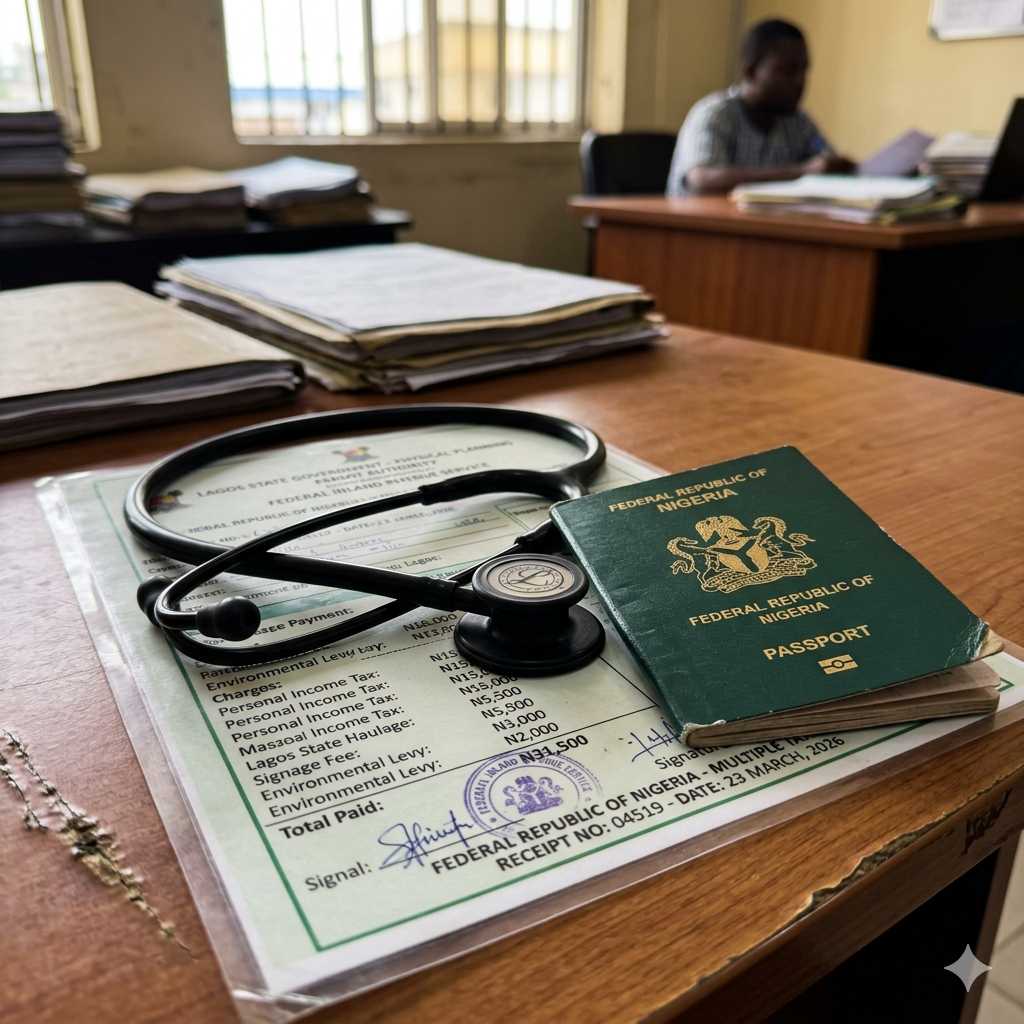
The Nigeria japa crisis is a hemorrhage the health system cannot survive.
Published: 23 March, 2026
How does a nation function when its healers are on the last flight out? A country with a population exceeding 230 million people now functions with a doctor-to-patient ratio that falls far below the 1:600 benchmark recommended by the World Health Organization. The WHO recommends 1 doctor per 1,000 population. The system loses more trained professionals than it produces each year. This is the arithmetic of collapse.
The scale of the exit defies simple solutions
Let’s start with the numbers. The Medical and Dental Council of Nigeria reported that 9,103 doctors were verified to have left the country between 2014 and 2018. As Premium Times noted in 2024, that was just the prelude. The trend accelerated. A 2025 report by BudgIT cited data showing over 1,500 doctors migrated in the first nine months of 2024 alone.
But there is a catch. These figures represent only doctors licensed by the MDCN. They exclude thousands of nurses, pharmacists, and laboratory scientists who secure positions abroad annually. The trouble is, the Nigerian Association of Resident Doctors estimates the country has about 24,000 actively licensed doctors remaining to serve everyone. That figure came from a Leadership report in 2025.
The primary destinations are no secret: the United Kingdom, United States, Canada, and Saudi Arabia. According to the General Medical Council, 2,258 Nigerian doctors were registered in the UK in 2023. As The Guardian Nigeria reported in 2025, that number exceeds the annual output of many Nigerian medical schools.
Why the best and brightest keep leaving
The reasons are a familiar catalog. Poor remuneration sits at the top. A newly qualified medical officer in a state hospital earns between N200,000 and N300,000 monthly. The same professional can earn the equivalent of N5 million or more monthly abroad.
Beyond pay, the working conditions are a daily deterrent. A NOIPolls survey in 2024 found that 88% of healthcare professionals cited poor infrastructure and equipment shortages as major push factors. Doctors often buy basic supplies. Power outages force surgeries to proceed with backup generators.
Security concerns add another layer of risk. Kidnappings of medical professionals and attacks on hospital staff have been reported. The absence of a comprehensive health insurance system means doctors face pressure and violence from patients who cannot afford care.
“The government must see healthcare as a critical national security infrastructure. You cannot have a healthy nation without a motivated health workforce.” — Dr. Emeka Ugwu, President of the Nigerian Medical Association, in an interview with Channels Television, February 2026.
Career stagnation frustrates many. Funding for postgraduate training and research remains inadequate. The contrast with well-structured career pathways abroad makes the decision for many young doctors a simple calculation.
The budget tells its own story
Investment in health remains chronically low. The 2026 appropriation bill allocated N1.33 trillion to the health sector. This represents about 5% of the total N27.5 trillion budget. It falls short of the 15% commitment made in the 2001 Abuja Declaration.
A significant portion goes to recurrent expenditure, mainly salaries. Capital expenditure for new hospitals and equipment gets a smaller share. State governments, which manage secondary healthcare, often have worse budget performance. Many states owe health workers months of salary arrears.
This creates a vicious cycle. Poor facilities demoralize staff. Demoralized staff leave. Their departure increases the workload on those who remain, accelerating further burnout. Patients experience longer wait times and poorer outcomes.
Remittances are a poor substitute for presence
One common argument downplays the impact. Proponents cite the billions in remittances. The World Bank estimated remittances to Nigeria at $20.1 billion in 2025. A portion comes from health professionals abroad.
Remittances support families. They boost consumption. But they cannot rebuild institutional knowledge or staff a neonatal ward at 2 a.m.. Money transfers cannot perform a cesarean section. The physical absence of skilled personnel creates a void that cash cannot fill.
The loss is intergenerational. Senior consultants who would mentor young doctors are leaving. Medical schools struggle to retain faculty. The system is being drained of its teachers and its practitioners simultaneously.
Policy responses have been slow and fragmented
The federal government has announced initiatives. The Ministry of Health launched a Health Sector Renewal Investment Initiative in late 2025. The plan includes a pledge to recruit 120,000 frontline health workers. Vanguard reported this in 2025. Details on funding remain vague.
Some states have tried localized incentives. Lagos State implemented a “Fellowship for Resident Doctors” program with improved stipends. It covers a limited number. It addresses symptoms in one location while the national disease spreads.
The expansion of the National Health Insurance Authority scheme holds potential. Increasing coverage could improve hospital revenues and the ability to pay better salaries. Wait, it gets more complex. Enrollment has been slow, with only an estimated 10% of the population currently covered. The National Health Insurance Authority confirmed this in 2026.
“Retention packages without systemic reform are like using a bucket to bail water from a boat with a gaping hole. You must fix the structure first.” — Prof. Ibrahim Abubakar, public health expert, in a column for ThisDay, January 2026.
Proposals for bonding schemes face ethical and practical hurdles. Enforcement is difficult. Such schemes may breed resentment if the working conditions during the bond period remain deplorable.
The digital transition offers a partial bridge
Technology presents tools for mitigation, not a solution. Telemedicine platforms have grown, allowing doctors abroad to consult with patients here. This provides access to expertise but does not replace hands-on clinical care for emergencies or surgeries.
The federal government’s 3MTT program to train 3 million technical talents includes a health tech component. This may produce specialists who can manage digital health records. These support roles are critical but they complement, rather than replace, migrating clinicians.
Contrast this with another reality. Digital tools also facilitate the japa process. Online licensing exams, virtual job interviews, and digital credential verification make emigration easier. Technology is a double-edged sword.
A realistic path requires three shifts
The first shift is financial honesty. The health budget requires a substantial increase with a bias for capital expenditure. A percentage, ring-fenced for hospital infrastructure, would signal seriousness. The Basic Health Care Provision Fund, funded by 1% of the Consolidated Revenue Fund, needs full implementation.
The second shift involves devolution and accountability. Healthcare is fragmented across local, state, and federal tiers. This dilutes accountability. A model that empowers state governments with more resources and holds them accountable for specific health outcomes may yield better results.
The third shift is about dignity and security. A revised salary structure for health workers is essential. A special allowance for those working in rural areas may improve distribution. Guaranteeing security for healthcare facilities and staff through dedicated police posts would create a safer work environment.
What a serious government would do tomorrow
Announce a five-year emergency pact for the health sector. Involve federal and state governments, professional associations, and the private sector. The first deliverable would be a public audit of all tertiary hospitals to determine equipment deficits and staffing gaps.
Launch a targeted diaspora engagement program. Create a formal registry of Nigerian health professionals abroad. Offer incentives for short-term teaching visits, knowledge transfer, and remote mentorship. Treat the diaspora as partners, not traitors.
Fast-track the digitization of the NHIA and mandate enrollment for all formal sector employees. Use technology to ensure claims are paid to hospitals promptly. This immediate inflow of funds would improve liquidity, enabling them to pay salaries on time.
The final calculation
The Nigeria japa crisis in healthcare is a direct reflection of national priorities. A country that spends little on the health of its citizens should expect its healers to leave. The departure of each doctor represents a massive public subsidy lost—the cost of training borne by Nigeria, now benefiting another country.
Reversing the trend demands more than appeals to patriotism. It requires building a system that health professionals are proud to work in. It requires facilities that function, equipment that works, and pay that reflects the value of the work.
The solution exists within the same system that created the problem. It requires political will, strategic investment, and a relentless focus on execution. The time for committees has passed. Every day of inaction pushes more skilled hands to the airport, and leaves more patients waiting in vain.
Medical Brain Drain Deepens Healthcare Crisis in Nigeria as Hospitals Shut Wards | NC Now | 06-12-23 – News Central TV

Staged Kidnapping Case Reveals Family Extortion Trend in Nigeria

Fani-Kayode Says Opposition Has Collapsed – A 2026 Reality Check

Broda Shaggi Recuperating After Sango-Ota Shooting Incident

Terrorists Kill in Nigeria as 2,266 Die in Six Months

Multinational Exodus in Nigeria Deepens with N94 Trillion Loss

Food Crisis Looms in Nigeria as Climate Change Devours Farm Yields

Dangote Refinery Helpless as Fuel Price Hikes Defy Local Production

Deadly Diseases in Nigeria Meningitis Diphtheria Cholera Outbreaks

Lassa Fever Spreads in Nigeria to 18 States as Response Gaps Emerge

Ibadan Tanker Explosion in Nigeria Leaves Two Dead After Horror Crash

Petrol Hits N1,400/Litre in Nigeria as Global Conflict Disrupts Supply

Horror in Kano Sand Pit Collapse Buries People Alive

Internet Sovereignty: Why Some Countries Want Their Own Separate Internet

The Story Of The Nigerian Who Helped Build Global Internet Systems

Nigerian Hackers: The Global Fraud Story and Its Fallout

Forgotten Satellites Defy Silence, Beaming Signals for Decades

Your Digital Store in Nigeria and the Reality of Domain Expiration

The Phone Stay So Quiet: An Investigation into Nigeria’s Silent Customer Lines

The Business That Died: A Nigerian Case Study in Refusal to Adapt

Hiding Your Business From People With Money

Comedy Industry in Nigeria and Its Economic Contribution

How Nollywood Grew Without Government Support

Nigeria Produces 67 Percent Global Yam Output

Nigeria’s Economic Shift: From Oil to the Creative Economy
 Edutech Portal1 month ago
Internet Sovereignty: Why Some Countries Want Their Own Separate Internet
- Edutech Portal1 month ago
The Story Of The Nigerian Who Helped Build Global Internet Systems
- Edutech Portal1 month ago
Nigerian Hackers: The Global Fraud Story and Its Fallout
- Edutech Portal1 month ago
Forgotten Satellites Defy Silence, Beaming Signals for Decades
- Edutech Portal1 month ago
Your Digital Store in Nigeria and the Reality of Domain Expiration
- Edutech Portal1 month ago
The Phone Stay So Quiet: An Investigation into Nigeria’s Silent Customer Lines
- Edutech Portal1 month ago
The Business That Died: A Nigerian Case Study in Refusal to Adapt
- Edutech Portal1 month ago
Hiding Your Business From People With Money