Government
The Gap Between New Tax Laws and Economic Reality
Tax reform execution in Nigeria faces a reality gap. New laws meet old systems, digital ambitions confront manual processes, and revenue targets strain a fragile economy.


The Gap Between New Tax Laws and Economic Reality
Published: 16 March, 2026
N16.9 trillion. That’s what the Federal Inland Revenue Service collected in 2025, a record haul that still missed the government’s target by a mile. The gap between law and collection is the story of tax reform execution in Nigeria today. Ambition is written on paper. Revenue is collected on the ground. The two are not yet speaking the same language.
Since 2020, the National Assembly has been busy. Multiple Finance Acts have reshaped the code. The Finance Act 2020 introduced a capital gains tax on shares in Nigerian companies, set at 10%. As the Official Gazette of the Federation recorded that year, the move was clear. Then came the Tax Harmonisation Bill in late 2025, aiming to streamline over 60 different taxes across federal, state, and local governments, as Premium Times reported. The objective is simple: broaden the base, increase non-oil revenue. With fewer than 15% of the economically active population in the tax net, the logic is sound. The burden on the few is too heavy.
But there is a catch. Legislation requires administration.
The platform for this, the FIRS’s TaxPro-Max, has faced persistent technical challenges. A system outage in January 2026 prevented thousands of filings, creating a backlog that took weeks to clear, according to BusinessDay. For a system meant to simplify compliance, it creates immediate friction. Manual processes persist in many state revenue services. A business owner in Lagos might file electronically with the FIRS but still get a paper assessment from the state. This duality has a cost. For a medium-sized enterprise, compliance eats up about 12% of annual profit, factoring in fees, staff time, and penalties, PwC Nigeria found in 2025.
“The law gives us the tools, but the tools are only as good as the hands that wield them. Our focus now is building those hands through technology and training.” — Mr. Zacch Adedeji, Executive Chairman of the Federal Inland Revenue Service, February 2026.
The trouble is, these new tools are being deployed into a complex economic environment. Headline inflation moderated to 21.91% in February 2024, down from a peak of 29.90%, but food inflation remains above 35%, as the National Bureau of Statistics reported. The International Monetary Fund projects a modest GDP growth of 3.0% for 2024. In this setting, every new levy is scrutinized for stifling activity.
Take the 0.5% electronic money transfer levy on transactions above N10,000. Proponents say it captures the informal economy. Critics call it regressive, hitting low-income users hardest. The potential is huge. The Central Bank of Nigeria reported the total value of electronic payments in 2023 reached N600 trillion. But its real impact is a question mark.
This brings us to the core conundrum: the informal sector. It accounts for over 65% of employment but contributes less than 10% to tax revenue, The World Bank says. The tax reform execution strategy aims to change that. How? How do you assess and collect tax from a roadside mechanic or a market trader operating entirely in cash? Some state governments experiment with presumptive tax regimes. Their success hinges on the relationship between collector and community. Heavy-handed enforcement risks driving business underground or sparking unrest. The balance is delicate.
“You cannot tax poverty. Our first task is to create a pathway for informal businesses to formalize, to grow. Taxation follows growth, it does not create it.” — Dr. Muda Yusuf, CEO of the Centre for the Promotion of Private Enterprise, in The Guardian, January 2026.
Wait, it gets more complex. Effective modern tax administration relies on digital infrastructure. The National Identity Management Commission database has over 107 million registered citizens. Its integration with the FIRS’s taxpayer system is incomplete. Without a unified identity, tracking across platforms is a major hurdle. Then there’s connectivity. Internet penetration stands at approximately 51.56% of the population, with stark urban-rural divides, the Nigerian Communications Commission reported in January 2024. A rural trader may own a phone but lack the skills or network to file a return online.
Contrast this with the official response. The Tax Harmonisation Bill seeks to eliminate multiple taxation. It designates taxes for each tier of government. In practice, implementation faces resistance. State governments, which depend on internally generated revenue for over 40% of their budgets, are reluctant to surrender any streams. Local government councils, constitutionally responsible for markets and parks, often lack the capacity to collect efficiently. This vacuum invites touting and illegal levies. Harmonisation’s success depends on a revenue-sharing formula that satisfies all three tiers of government.
The trouble is, we’re often flying blind. Policy needs measurement. The NBS conducts surveys, but real-time economic data is scarce. The FIRS publishes aggregate figures, but detailed breakdowns are limited. This lack of granular data makes it hard to gauge the impact of new measures. For instance, the VAT increase from 5% to 7.5% in 2020 boosted collections. But has the cost been passed to consumers or absorbed by businesses? Without detailed consumption data, the answer is speculative. Effective reform demands a feedback loop.
Underpinning all this is a trust deficit. Citizens question the link between taxes paid and services received. A 2025 survey by NOIPolls indicated only 31% of Nigerians believe tax revenue is used effectively. This manifests as aggressive avoidance and a preference for the informal economy. Building trust requires transparency. The government’s citizen’s budget portal is a step, but awareness remains low outside policy circles.
“When people see a road built, a school renovated, or a clinic equipped in their community, they make the connection. That connection is the strongest incentive for compliance.” — Ms. Taiwo Oyedele, Chairman of the Presidential Committee on Fiscal Policy and Tax Reforms, March 2026.
So, what’s the one small fix? A unified, public, real-time tax dashboard. Host it on the sites of the Federal Ministry of Finance and the FIRS. Display daily or weekly cumulative collections, broken down by major tax type. Show comparisons to targets and prior years. Then, list the top five projects funded by tax revenue in each geopolitical zone. Update it quarterly with photos and completion percentages.
This tool serves multiple purposes. For government, it’s a performance metric. For taxpayers, it creates a visible link between payment and outcome. For analysts, it offers reliable data. The technology required is basic. The commitment required is significant. It is a matter of political will, not technical capability. Implementing this dashboard would signal that tax reform execution prioritizes accountability as much as revenue.
The real work happens in the spaces between legislation and collection, between digital systems and manual realities. The gap is wide, but navigable. Navigation requires less grand policy and more granular attention to administration, data, and public trust.






Government
Lagos Building Safety and the Compliance Challenge
Lagos building safety depends on stronger enforcement of urban construction standards. This analysis examines the current state of compliance and the path forward.
Lagos Building Safety and the Compliance Challenge
Published: 23 March, 2026
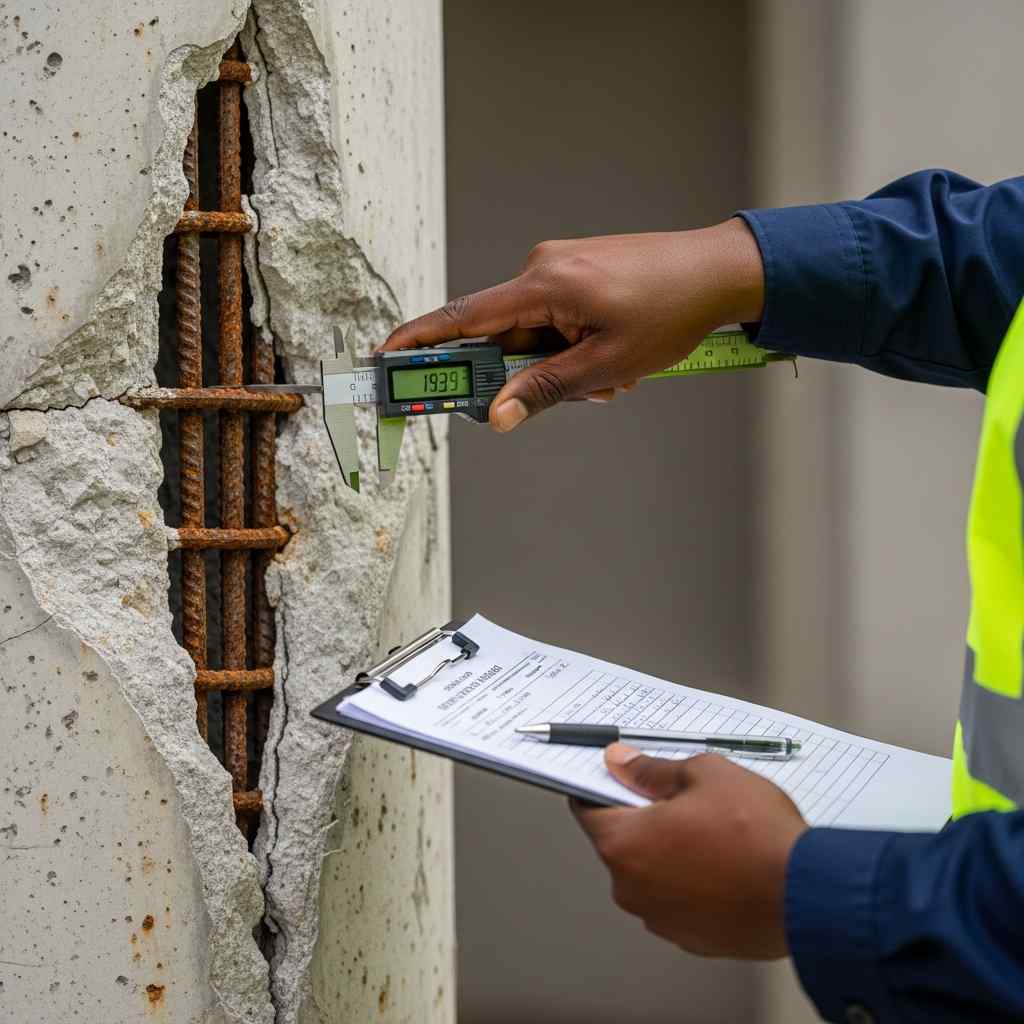
The Lagos State Government marked thousands of homes for removal in February 2024. They targeted waterfront areas like Ilaje-Otumara. The single largest eviction event followed on March 7, 2024. By late last year, over 3,000 homes had been destroyed in Makoko alone. The state government confirmed these numbers. This is continuous enforcement in a city that expands faster than oversight.
The Scale of the Problem is Immense
Consider the pace. Punch reported in 2025 that Lagos adds an estimated 15,000 new buildings every year. The regulatory agency tasked with monitoring this, the Lagos State Building Control Agency, struggles to match it. A 2023 audit report from the state house of assembly noted severe staffing shortages. The agency itself identified over 15,000 buildings in need of integrity tests, a backlog that grows with each rainy season. But there is a catch. As of August 2024, Lagos reported its lowest rate of building collapse in 20 years. They attribute this to the new Certified Structural Integrity Programme (CSIP), which mandates tests every five years. The pressure for space sidelines formal approval. For many, a permit is a final hurdle, not a foundation.
Why Do Buildings Keep Failing?
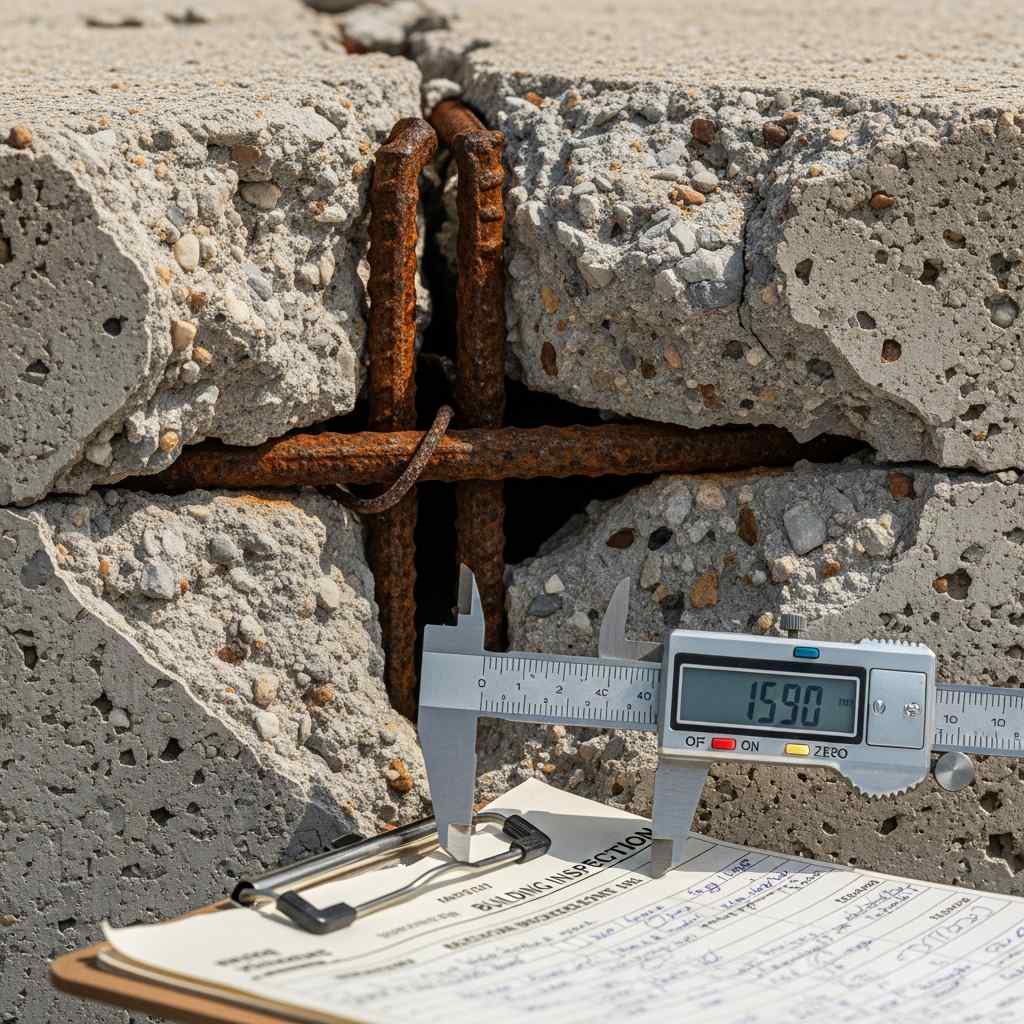
The causes are rarely mysterious. Take the 2022 Ikoyi high-rise collapse. The state tribunal cited substandard materials and a deviation from the approved design. These are failures of basic compliance. The use of beach sand, inferior reinforcement bars, and watery concrete persists. This brings us to the supply chain. A 2024 investigation by Premium Times found fake certification stamps for steel and cement in major markets. The problem starts upstream of any inspection. You can have a diligent inspector, but if the materials inside the walls are counterfeit, the system fails.
“The builder told me the rods were from a reputable company. We had no reason to doubt until the cracks appeared.” – A homeowner in Lekpi, speaking to The Guardian in December 2025.
The economics incentivize cutting corners. Land is expensive. Finance carries high interest. With cement prices now exceeding N5,500 per bag, budgets face overruns of 25%. The temptation to save on materials or skip a survey is powerful. For many, the immediate cost of compliance outweighs the distant risk of collapse.
The Regulatory Framework Exists on Paper
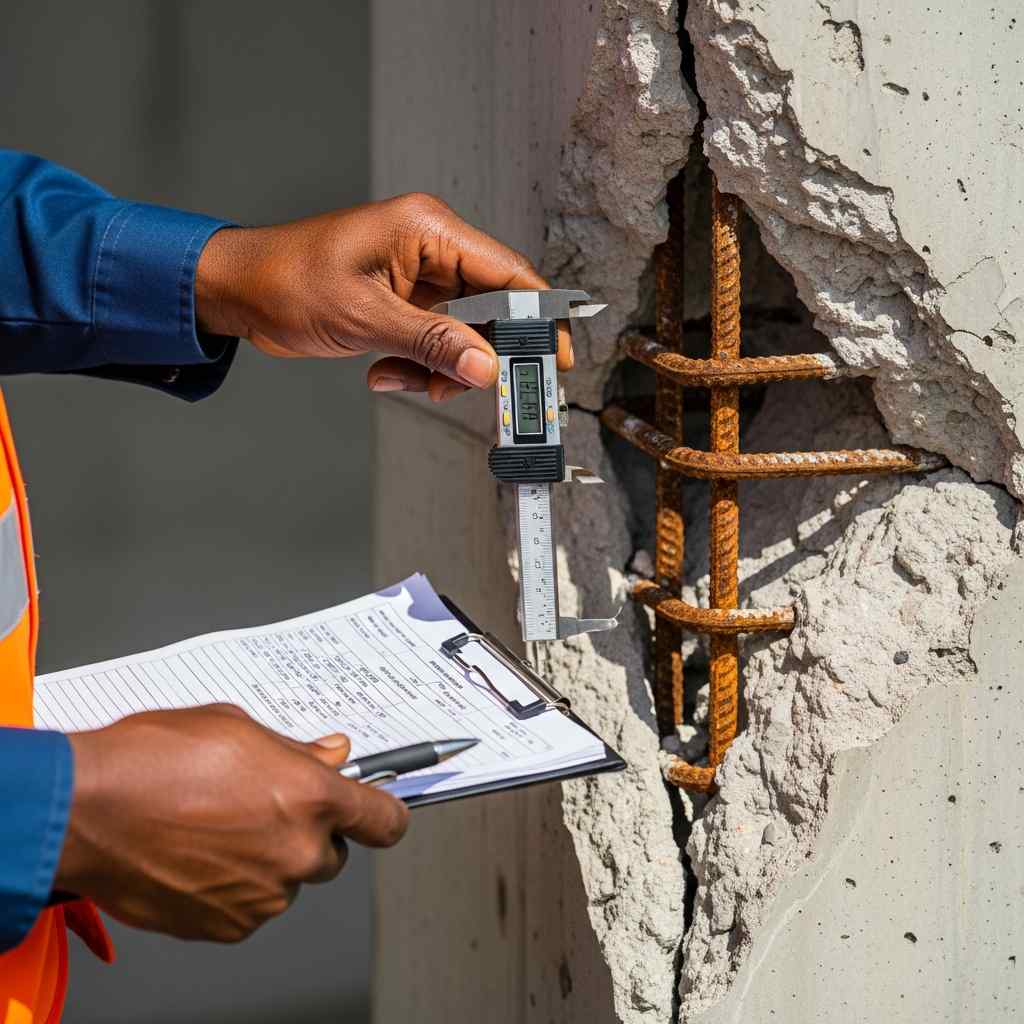
Lagos has comprehensive building codes. The Lagos State Urban and Regional Planning and Development Law of 2019 provides the legal backbone. The Lagos State Building Control Agency and the Physical Planning Permit Authority are the twin pillars of enforcement. The system, in theory, is clear. The trouble is the gap between theory and practice. On March 12, 2024, Governor Babajide Sanwo-Olu launched the upgraded Electronic Physical Planning Permit Processing System (EPPPS). It aims to replace months of manual processing with fast-track online approvals. But the historical slowness pushes people toward informal construction. A developer with a loan accruing interest might start digging without the final stamp. Once construction begins, stopping it is a battle. Enforcement is often reactive. The LASPPPA officially commenced its Y2025 Enforcement Exercises in January 2025, targeting Apapa, Ijede, and Ikorodu after the 2024 amnesty expired. Demolitions often follow tragedy. Proactive, city-wide monitoring is a monumental task. The agency relies on complaints or reports from rivals. This creates a patchwork of enforcement—some areas get scrutiny, others operate in a vacuum.
Can Technology Close the Gap?
The state is fully committed to a digital mandate. The upgraded EPPPS launched in March 2024 represents a shift. The goal is transparency and speed. It aims to be the single source of truth. Other technologies offer promise. Drone surveys could map sites. A central database could tag every building with a ID, tracking its plan and inspection history. The Lagos State Geographic Information System unit has the capability. The integration with building control remains a work in progress. Wait, it gets more complex. The real test is the human element. An inspector needs a tablet that connects in real time. He needs the authority to issue a stop-work order that the system enforces. The backend must talk to the front line. Without this, technology is just another silo.
“We are migrating to a fully digital workflow. The challenge is transitioning decades of paper records and changing a culture of manual processing.” – A senior official at LASPPPA, in a February 2026 briefing.
The Human Factor in Enforcement
Building control is ultimately a people-driven operation. Inspectors face intimidation and offers of bribes. The phrase ‘see me, see my people’ often applies. The political will to enforce uniformly is the most critical component. Training matters. A 2025 report by the Nigerian Institute of Building highlighted a shortage of certified inspectors in the public sector. The private sector pays more. Retaining expertise requires competitive pay. You cannot police complex engineering with underpaid staff. Public awareness forms another part. Many residents lack the knowledge to question their builder. They trust the professional. Community associations in some high-end estates hire independent engineers. This remains the exception.
The Financial Cost of Getting It Wrong
Collapses have a direct, tragic human cost. The economic cost is also staggering. A collapsed building is a total loss of capital. It damages neighboring properties. It disrupts businesses. Insurance penetration is low, so losses are absorbed by the owner. The state spends millions on emergency response and demolitions. These funds are diverted from infrastructure. The reputational damage to Lagos as a megacity has a long-term economic impact. Investors look for stability. Contrast this with compliance. The fee for a plan approval is a fraction of the project cost. Quality materials are a finite, calculable expense. The business case for building right is compelling. Yet short-term cash flow pressures obscure this logic.
A Look at Other Megacities
Lagos is not . Cities like Mumbai and Dhaka have grappled with similar challenges. Singapore’s transformation is a model. Its success relied on strict enforcement and a massive public housing program. The context of Lagos differs. The pace of migration is relentless. State capacity for public housing is limited. The informal economy drives construction. The solution must be homegrown. A system that works on the island might fail in the mainland. Kenya’s National Building Inspectorate, established after the 2016 Huruma collapse, offers a closer example. It centralized enforcement and created a public database. Its effectiveness over the past decade shows the commitment required.
What Would Real Progress Look Like?
Progress starts with making the compliant path the easiest. Streamlining the permit process to deliver approvals within a guaranteed timeframe removes a major incentive for bypassing the system. Second, enforcement must become predictable. A public dashboard showing all approved plans and violation notices would empower residents and embarrass violators. Sunlight is a disinfectant. It also allows community monitoring. Third, the supply chain requires policing. The Standards Organisation of Nigeria and the Council for the Regulation of Engineering in Nigeria have roles. Random audits of material sellers would introduce risk for counterfeiters. The focus cannot only be on the builder.
Looking forward
Imagine this. Every new building project starts with a publicly displayed QR code. This code, issued with the permit, links to the approved plans, the names of the professionals, and the inspection schedule. Any neighbor could scan it. They could see what the building is supposed to be. They could report discrepancies anonymously. This turns every citizen into a stakeholder for Lagos building safety. It moves regulation from a closed office into the street. The technology exists. The political will to mandate it is the missing ingredient. It would shift from guarding information to sharing it. In a city where everyone has a phone, this leverages the most distributed tool for accountability. The builder knows his plans are no longer hidden.
Where we go from here
The future of Lagos is under construction. The quality will determine the city’s resilience. The laws are written. The agencies are named. The technical knowledge exists. The task now is execution. It is the mundane, relentless work of inspection and certification. It requires insulating officers from pressure and temptation. It demands professionals uphold their ethics. Lagos building safety is not a mystery. It is a choice. The choice between short-term convenience and long-term integrity. Every beam placed is a vote for the kind of city Lagos intends to become. The foundation for a safer city is compliance, poured one building at a time.
NGO creates awareness on child safety measures in Lagos – TVC News Nigeria
Government
The Delta State Government Commits N34 Billion to Police Infrastructure
Delta State Government commits N34 billion to build police divisional headquarters across 25 LGAs, a major security infrastructure investment in 2026.
The Delta State Government Commits N34 Billion to Police Infrastructure
Published: 20 March, 2026
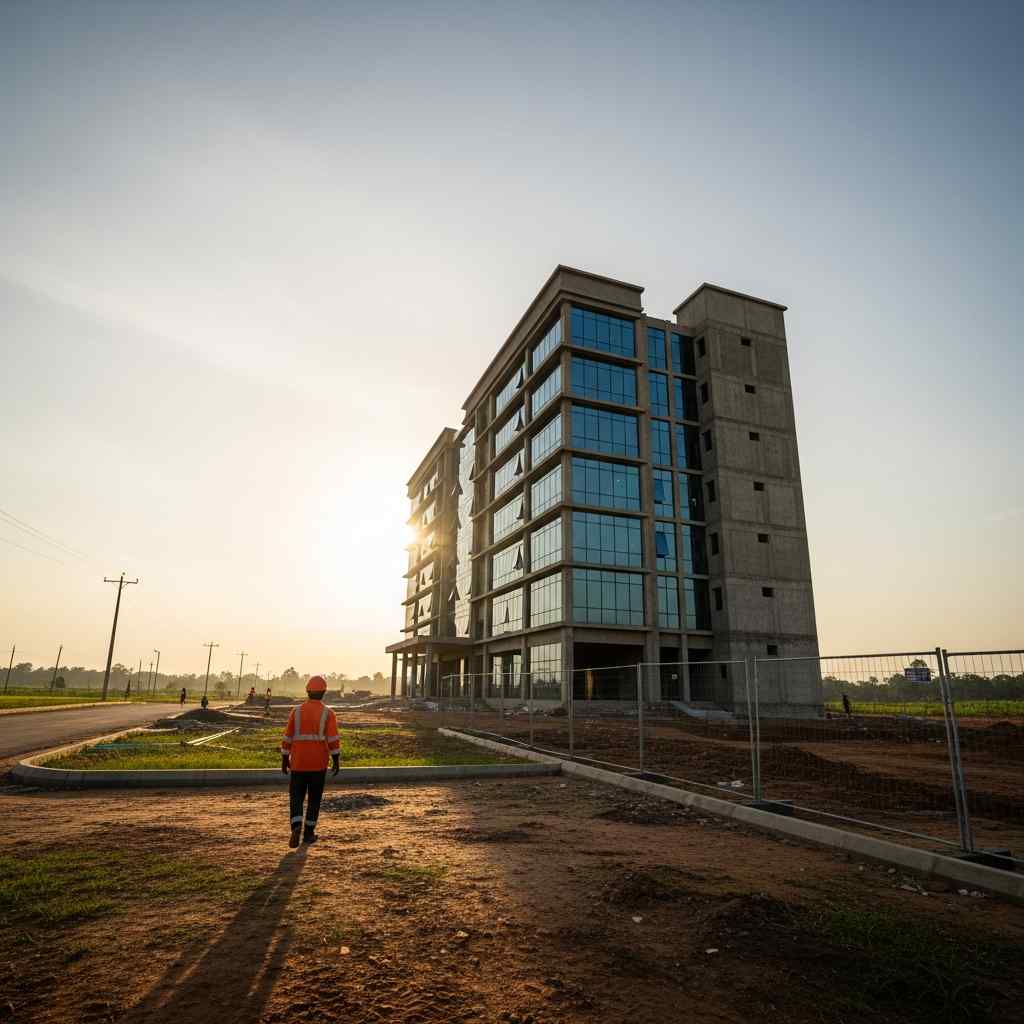
N34 billion. That is the sum Governor Sheriff Oborevwori has approved to build new police stations. The plan, announced during the presentation of the 2026 Appropriation Bill, is for a standard divisional headquarters in each of the state’s 25 local government areas. As Vanguard reported in March 2026, the governor framed it as a non-negotiable foundation for everything else.
So what is this money for?
The police allocation is a slice of a much larger pie. The total budget proposal for 2026 stands at N724.9 billion, christened the “Budget of Sustainable Development and Prosperity for All Deltans.” Within that, N397.5 billion is for capital projects. The N34 billion for police infrastructure sits firmly in that capital spending column, as noted by Premium Times.
Oborevwori’s argument is straightforward. You cannot attract investment or enable development without security. His solution is a fully equipped, modern police station in every LGA headquarters.
Why this matters now
The trouble is, the need is glaring. Kidnapping, communal clashes, and oil theft create a complex environment for law enforcement in the Niger Delta. Many existing police facilities are dilapidated and lack basic amenities.
A 2025 report by the Nigeria Police Force itself identified infrastructure deficits as a major impediment, citing poor offices, inadequate cells, and a lack of vehicles. ThisDay covered that report. The move by the Delta State Government is a direct intervention. Building 25 new headquarters at once is one of the largest single-state investments in police infrastructure in recent memory.
About the numbers
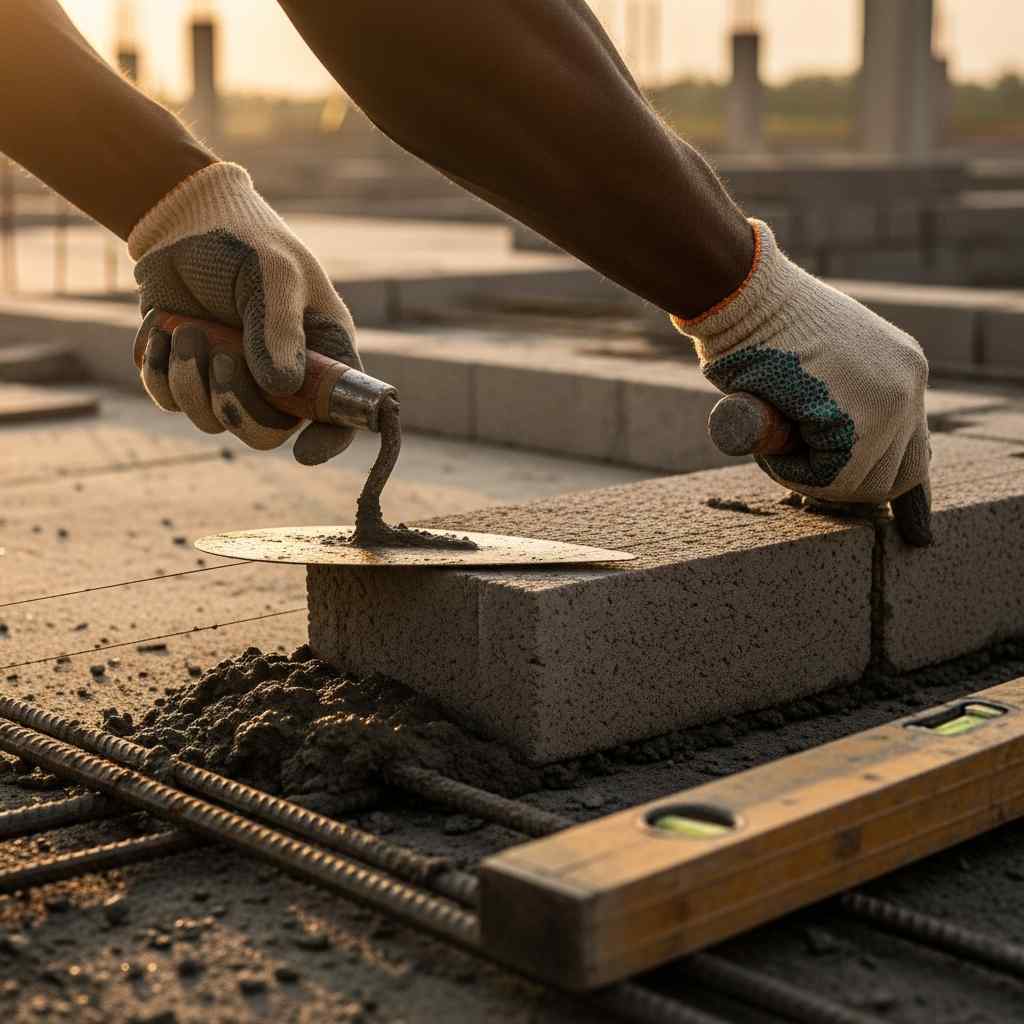
Do the maths. N34 billion for 25 projects gives an average cost of N1.36 billion per station. That figure alone raises questions. What exactly is a “standard” divisional headquarters here?
Contrast this with a project in Lagos State. In 2024, the state government completed a new divisional headquarters in Ikoyi. BusinessDay estimated that cost at roughly N850 million. The Delta budget is about 60% higher per facility.
But there is a catch. The state has provided limited public details. Commissioner for Works Charles Aniagwu told Leadership in 2026 that designs include modern offices, holding cells, barracks, and digital command centers. Staff housing and tech infrastructure likely explain the higher unit cost.
“This project goes beyond bricks and mortar. We are building institutions that will enhance the welfare of police officers and their operational efficiency. A motivated officer in a proper facility serves the public better.”
– Charles Aniagwu, Delta State Commissioner for Works, March 2026 (The Guardian)
The state of things right now
The total 2026 budget of N724.9 billion is up from N714.4 billion in 2025. The police project is about 4.7% of the total budget and 8.6% of the capital expenditure. This is not the only major project. The same budget funds the Ughelli-Asaba Road dualization, new buildings at the Delta State University of Science and Technology, and rural electrification.
The scale of the police investment shows its priority. It is an attempt to turn political rhetoric on security into concrete, measurable action.
The official response
This brings us to a constitutional quirk. The Nigeria Police Force is a federal institution. State governments have no direct operational control. This often creates friction.
Wait, it gets more complex. State investments in infrastructure offer a workaround. They can provide buildings and equipment, even if they don’t control the officers. The Lagos State Security Trust Fund, started in 2007, pioneered this model. Inspector-General of Police Kayode Egbetokun has welcomed Delta’s plan, calling it a “model of collaborative federalism” in a Daily Trust statement. But the success hinges on sustained funding for maintenance and utilities—a federal responsibility.
The procurement and timeline question
Governor Oborevwori said work would start in the second quarter of 2026, after the budget is passed. The timeline for all 25 headquarters is unspecified. Building simultaneously across multiple LGAs is a huge logistical challenge.
The state plans to use multiple contractors through an open bidding process run by the Delta State Bureau of Public Procurement. Commissioner for Finance Fidelis Tilije assured Premium Times the process would follow the law. Observers will watch the contract awards closely. Transparency here is a key test.
“We have a duty to ensure every kobo is accounted for. The Bureau of Public Procurement will publish details of the successful contractors and the contract sums. Deltans deserve to see how their money is spent.”
– Fidelis Tilije, Delta State Commissioner for Finance, March 2026 (ThisDay)
Where things stand today
Nigerians know grand announcements can stall. The gap between budget appropriation and cash release can be wide. Delta State’s own 2025 budget performance report showed a capital expenditure performance rate of 68% by December.
Funding for this N34 billion project depends on state revenue. Delta relies heavily on volatile monthly allocations from the Federation Account. Its internally generated revenue averaged N15.2 billion monthly in 2025. Then there are the common risks: cost overruns, contractor failure, community disputes over land. A project this spread out demands management—a known weakness in many state projects.
What this means for policing in Delta
Improved infrastructure can boost police morale and capacity. A station with reliable power, communications, and proper cells changes an officer’s daily reality. It can affect public confidence too.
But there is a catch. This addresses only one dimension. Effective policing needs trained personnel, intelligence, community trust, and swift justice. A new building alone solves none of that.
The ultimate impact hinges on the Nigeria Police Force in Abuja. Will it deploy more personnel? Establish new protocols to use these facilities? Those decisions are not Asaba’s to make.
Residents can track this. The Delta State Bureau of Public Procurement digital platform should publish tender notices and awards. Checking it quarterly creates public awareness.
People in each LGA can note the proposed site location. Visiting after contract awards to see if work has started is grassroots monitoring. Sharing these observations on community platforms keeps the conversation alive.
The N34 billion allocation is a bold statement. It recognises security as the bedrock. The path from budget line to 25 functional police stations will be long and fraught with Nigeria’s typical execution challenges. The promise of safer communities makes the effort necessary. The reality demands vigilant public scrutiny every step of the way.
Top 10 Incredible Projects Transforming Delta State, Nigeria in 2025 – Tessy Cheers
Government
Governor Sheriff Oborevwori Opens a Road, and a Debate on Riverine Development
Governor Sheriff Oborevwori opens the 31-kilometre Ohoror-Bomadi Road, a critical infrastructure project aimed at boosting economic activities in Delta State’s riverine communities.

Governor Sheriff Oborevwori Opens a Road, and a Debate on Riverine Development
Published: 19 March, 2026
What does a road cost? For Governor Sheriff Oborevwori’s administration in Delta State, the price tag for the new 31-kilometre Ohoror-Bomadi Road was N78 billion. The commissioning on March 18, 2026, was a spectacle of promise. But this is more than asphalt. It is a direct land link slicing through two major riverine local government areas, replacing a history of complete dependence on boats.
The change is immediate. Travel time between the communities has collapsed from over two hours by water to about thirty minutes by vehicle, as Vanguard reported. Farmers in Bomadi can now move fish and plantain to markets without watching them spoil. Local traders already report a 40% drop in transport costs, according to field interviews compiled by BusinessDay in 2026.
This brings us to the terrain. Building in the riverine Niger Delta is a specialised fight against soft, waterlogged earth. The contractor, Setraco Nigeria Limited, used sand filling and stone base to stabilise the road. The trouble is, that N78 billion represents a huge chunk of the state’s capital. The 2026 budget allocated N235 billion for all capital expenditure.
“This road is more than bitumen and asphalt. It is a pathway for commerce, for education, for healthcare. It brings our riverine communities into the mainstream of the state’s economy.”
– Governor Sheriff Oborevwori, at the commissioning ceremony, March 18, 2026.
Why does the timing matter now? The administration is approaching its mid-point. Infrastructure in neglected areas forms the core of its political story, a promise from the 2023 campaign. Contrast this with the federal push. The 2026 national budget allocates N1.42 trillion to the Ministry of Works. State governments feel the pressure to show tangible, complementary projects.
The economic argument is straightforward. Bomadi Local Government Area is a fishing hub. Before, much of the catch spoiled. Now, refrigerated trucks have a direct route. A 2025 study by the Nigerian Institute of Transport Technology estimated efficient transport could boost riverine farmers’ income by up to 60%. The logic is simple: lower costs mean higher profits and more production.
But there is a catch. A brutal one. Maintenance. The region’s heavy rainfall and high water table destroy roads. A road built in 2024 can fail by 2027. The state has a plan: a N500 million annual maintenance allocation for the first three years. Observers note such dedicated funds often get reallocated when fiscal pressures mount.
Wait, it gets more complex. Security. New roads in remote areas can attract criminals setting up illegal checkpoints. The Guardian noted in February 2026 the state’s plan to deploy a special security patrol from the Delta State Security Command. Its long-term effectiveness is an open question.
So what is really happening? This road is one piece of a larger plan. The Oborevwori administration has flagged off or completed 17 major road projects since 2023, as Premium Times recorded. The strategy connects agricultural zones to urban markets. This aligns with National Bureau of Statistics data showing agriculture contributes over 25% to Delta State’s GDP. Better logistics directly impact output.
“Infrastructure is the skeleton upon which economic growth is built. Without it, plans for diversification and poverty reduction remain mere documents.”
– Dr. Eugene Uzum, Director, Centre for Public Policy Research, speaking to Leadership Newspaper in February 2026.
The human element is profound. A pregnant woman in Bomadi needing urgent care at the General Hospital in Ohoror now has a chance. Schoolchildren have a safer alternative to dangerous canoe rides. A community leader, Chief Owei Jones, told Vanguard the road “makes us feel like we are part of the state.” That sentiment of inclusion is a powerful outcome no spreadsheet captures.
Then comes the funding question, always lingering. Delta State’s revenue is volatile. Its internally generated revenue for 2025 was N85 billion, against a total budget over N700 billion. The gap is filled by shaky federal allocations. Sustaining this infrastructure rollout requires sharp debt management. The state’s debt stock stood at N272 billion by December 2025. The government insists its borrowing is sustainable and tied to revenue-generating projects.
Where do things stand? The project demonstrates a model. It created over 1,200 temporary jobs. The design included essential drainage, a feature often omitted elsewhere. Involving community leaders from the start likely saved time and cost by heading off disputes.
What happens next? The commissioning is a milestone, not a finish line. Maintenance and security are the real work. For the Oborevwori administration, this road becomes a reference point. Its condition in 2027 will judge the commitment to sustainable development. It challenges the fatalistic view that riverine communities are condemned to isolation.
Here is a practical step. Residents can form a community monitoring group. Meet quarterly with the State Ministry of Works. Report potholes, blocked drains, security concerns. This feedback loop creates accountability. It worked on the Lagos-Ibadan expressway. It turns a government project into a communal one.
The tarmac is real. The reduced travel time is measurable. The hope is palpable. The enduring test for Governor Sheriff Oborevwori and the people of Delta State is to ensure this road remains open, safe, and productive. That is the harder project. It continues long after the commissioning ribbons are cut.
Media Unveiling Of Governor Sheriff Oborevwori As Delta Man Of The Year 2024 Award – Charles Kosipre

Staged Kidnapping Case Reveals Family Extortion Trend in Nigeria

Fani-Kayode Says Opposition Has Collapsed – A 2026 Reality Check

Broda Shaggi Recuperating After Sango-Ota Shooting Incident

Terrorists Kill in Nigeria as 2,266 Die in Six Months

Multinational Exodus in Nigeria Deepens with N94 Trillion Loss

Food Crisis Looms in Nigeria as Climate Change Devours Farm Yields

Dangote Refinery Helpless as Fuel Price Hikes Defy Local Production

Deadly Diseases in Nigeria Meningitis Diphtheria Cholera Outbreaks

Lassa Fever Spreads in Nigeria to 18 States as Response Gaps Emerge

Ibadan Tanker Explosion in Nigeria Leaves Two Dead After Horror Crash

Petrol Hits N1,400/Litre in Nigeria as Global Conflict Disrupts Supply

Horror in Kano Sand Pit Collapse Buries People Alive

Internet Sovereignty: Why Some Countries Want Their Own Separate Internet

The Story Of The Nigerian Who Helped Build Global Internet Systems

Nigerian Hackers: The Global Fraud Story and Its Fallout

Forgotten Satellites Defy Silence, Beaming Signals for Decades

Your Digital Store in Nigeria and the Reality of Domain Expiration

The Phone Stay So Quiet: An Investigation into Nigeria’s Silent Customer Lines

The Business That Died: A Nigerian Case Study in Refusal to Adapt

Hiding Your Business From People With Money

Comedy Industry in Nigeria and Its Economic Contribution

How Nollywood Grew Without Government Support

Nigeria Produces 67 Percent Global Yam Output

Nigeria’s Economic Shift: From Oil to the Creative Economy
 Edutech Portal1 month ago
Internet Sovereignty: Why Some Countries Want Their Own Separate Internet
- Edutech Portal1 month ago
The Story Of The Nigerian Who Helped Build Global Internet Systems
- Edutech Portal1 month ago
Nigerian Hackers: The Global Fraud Story and Its Fallout
- Edutech Portal1 month ago
Forgotten Satellites Defy Silence, Beaming Signals for Decades
- Edutech Portal1 month ago
Your Digital Store in Nigeria and the Reality of Domain Expiration
- Edutech Portal1 month ago
The Phone Stay So Quiet: An Investigation into Nigeria’s Silent Customer Lines
- Edutech Portal1 month ago
The Business That Died: A Nigerian Case Study in Refusal to Adapt
- Edutech Portal1 month ago
Hiding Your Business From People With Money