Culture
Tomi Adeyemi Film Deal Changes Nigerian Storytelling
Tomi Adeyemi just landed a major film deal. Her books are headed to the big screen. So what does this mean for Nigerian storytelling? It is a big shift. The game is changing. We are watching it happen.

Tomi Adeyemi Film Deal Changes Nigerian Storytelling
Published: 08 April, 2026
Tomi Adeyemi secured a film adaptation deal for her Legacy of Orïsha fantasy series. The deal involves Paramount Pictures and Temple Hill Entertainment. This agreement positions the Nigerian-American author for a significant role in global cinema.
A Deal That Makes You Look Twice
The announcement arrived in early 2026. Tomi Adeyemi will serve as a producer on the film adaptation of Children of Blood and Bone. The project has a development commitment from a major studio. This level of creative control for an author remains rare in Hollywood.
Industry publication Variety first reported the news. The deal includes the entire trilogy.According to a 2026 report in *Variety*, Paramount secured the rights following a competitive bidding process.
The financial terms remain confidential. Industry analysts suggest the deal value reaches eight figures in US dollars. This scale of investment in a Nigerian-inspired fantasy property has few precedents.
Why This Deal Stands Out
Here is the thing. Many books get optioned for film. Few move into active development with the author as a key producer. The structure of this deal gives Adeyemi a central voice in the creative process.
Temple Hill Entertainment produced the Twilight and Maze Runner franchises. Their involvement signals a commitment to a large-scale, youth-oriented film series.According to a 2026 report in *The Hollywood Reporter*, Paramount Pictures will handle the film’s global distribution.
The series has sold over 1 million copies in the United States alone. It spent 92 weeks on the New York Times bestseller list.According to *Publishers Weekly* in 2025, this commercial success built a strong foundation for the film deal.
This story has always been a visual epic in my mind. To build this world for the screen with partners who understand its soul is a dream. – Tomi Adeyemi, statement to Variety, March 2026
The Nigerian Creative Export Machine
This deal functions as a high-profile export for Nigerian creativity. It follows a pattern of global interest in Nigerian stories. The success of films like The Woman King and series like Shogun demonstrates audience appetite for mythic fiction from specific cultures.
The Nigerian Film Corporation reported a 15% increase in international co-production inquiries in 2025.According to the 2025 Nigerian Film Corporation Annual Report, global streaming services continue to scout for intellectual property with authentic cultural roots.
Adeyemi’s work draws directly from Yoruba mythology and West African aesthetics. The film adaptation will likely employ Nigerian talent in front of and behind the camera. This generates economic activity beyond royalty payments to the author.

Follow The Money Trail
Let me break it down. A film deal of this size creates multiple revenue streams. The author receives an upfront option payment. Larger payments trigger when the film enters production and upon release.
Adeyemi will earn producer fees. She will also receive a percentage of the film’s profits. The book sales will experience a major boost from the film’s marketing campaign. Foreign rights sales for the books will increase.
The Nigerian Publishers Association noted a 40% sales increase for locally-authored fantasy titles in 2025.This trend is directly linked to the visibility of authors like Adeyemi, as *BusinessDay* reported in 2025.
What This Means For Nollywood
So here we are. A Hollywood adaptation of a Nigerian story creates interesting questions for Nollywood. The local industry produces over 2,500 films annually. The average budget remains below $100,000.
A Paramount production will have a budget exceeding $100 million. This level of investment brings global attention to the genre of African fantasy. It may increase international financing available for other large-scale projects.
Nollywood producers have long adapted local literature. The scale and global ambition of this deal differ from standard practice. It demonstrates the commercial viability of high-concept African stories on the world stage.
Global audiences are ready for myths beyond the familiar European canon. Adeyemi’s deal proves the market exists. The challenge becomes building the infrastructure to tell more of these stories at scale. – Chioma Ude, founder of the African International Film Festival, speaking at a panel in February 2026
The Intellectual Property Lesson
The core lesson involves intellectual property. Adeyemi retained control of her IP from the beginning. She published her first novel with Henry Holt and Company, a major US publisher. This established her rights within a global framework.
Many Nigerian creators sign away adaptation rights for small fees early in their careers. This deal shows the value of holding those rights until the project reaches its full potential. Proper legal representation in international contracts becomes non-negotiable.
The Nigerian Copyright Commission recorded a 30% increase in registration of literary works for film and television adaptation in 2025.According to the 2025 Nigerian Copyright Commission Bulletin, creators are now recognizing the long-term value of their ideas.
Streaming Platforms Changed The Game
You have to see the role of streaming. Platforms like Netflix, Amazon Prime, and Disney+ need a constant supply of fresh content. Stories from underrepresented cultures offer new narratives for global subscribers.
Netflix invested $23.6 million in Nigerian productions and acquisitions in 2024.According to the *Financial Times* in 2025, this figure includes licensing fees and original content investments. The streaming economy creates a direct pipeline for Nigerian stories to reach living rooms worldwide.
A theatrical film from Paramount has a different business model. A successful box office run guarantees a lucrative secondary life on streaming. This multiplies the audience for the original books.
Casting Speculation And Cultural Authenticity
One immediate question involves casting. Will the film use a primarily Nigerian or diaspora cast. Fans on social media already suggest actors like Jude Chukwuka or Somkele Iyamah-Idhalama for key roles.
The involvement of Adeyemi as producer increases the likelihood of culturally authentic casting. The production may film partly in Nigeria to access local talent and landscapes. The South African film industry often services large international productions.
The Cinematographers Union of Nigeria reported that 12 major international productions shot scenes in Nigeria in 2025.As infrastructure improves, the Premium Times confirmed in 2026 that this number grows each year.
Building A Lasting Legacy
This deal extends beyond one film. A successful first movie launches a franchise. The Legacy of Orïsha includes three main novels. Each book could become its own film.
The franchise potential includes television spin-offs, animation, video games, and merchandise. Adeyemi’s world-building creates opportunities across the entertainment spectrum. This generates lasting revenue and cultural influence.
The author founded Epoch World, a company dedicated to building fantasy worlds. The film deal validates this business model. It shows how a strong creative vision attracts major commercial partnerships.
What Other Authors Can Learn
Here is a simple takeaway. Build your world with precision. Protect your intellectual property. Understand the global market for your stories. Adeyemi studied creative writing at Harvard University and worked as a storytelling coach.
This background helped her craft a novel that resonated across cultures. She used social media to build a massive fanbase before the first book released. That fanbase guaranteed strong initial sales, which attracted Hollywood attention.
The number of Nigerian authors securing international book deals rose by 25% in 2025.According to *The Bookseller* in 2026, publishing houses are actively seeking diverse voices with universal themes.
A Reality Check On Timelines
Let us manage expectations. A development deal means the studio will pay writers to create a screenplay. The project must pass through multiple stages before greenlighting for production. Many projects stall in development.
The average timeline from option to theatrical release spans three to five years. Fans may wait until 2028 or later to see the film. The process involves script revisions, director attachment, and budget approvals.
Paramount has a strong incentive to move quickly. The young adult fanbase for the books exists now. Delaying the adaptation risks losing that core audience.
Check Your Own Contract
If you are a creator, review your agreements. Ensure you retain adaptation rights or have a clear path to reclaim them. Consult a lawyer with experience in international entertainment law. The initial cost of good legal advice pays for itself many times over.
Register your work with the Nigerian Copyright Commission. Explore licensing opportunities through reputable agencies. Build your audience deliberately, both locally and online. Your creative work has value in markets you may never visit.
The journey for Tomi Adeyemi started with a single manuscript. The film deal represents a milestone, not the destination. The real work of bringing Zélie Adebola to life on screen starts now.
Publication Date: April 08, 2026
Reporting for this article included reviews of trade publications, industry reports, and official statements. Financial details of the deal remain private. Project timelines represent industry averages and may change.








Culture
Lola Shoneyin Builds a Literary Continent at Aké Festival
Here is the thing. Lola Shoneyin gathers writers in Abeokuta. Not just any writers. The best from across Africa and beyond. She built a festival. A literary continent. So here we are. What does that mean for our stories?

Lola Shoneyin Builds a Literary Continent at Aké Festival
Published: 08 April, 2026
The Aké Arts and Book Festival opens in Abeokuta with authors from 25 countries. Lola Shoneyin, the festival director, founded this event in 2013. The gathering exists as a fixed point on the African cultural calendar.
A Gathering That Defies Simple Labels
People call it a book festival. The reality involves more complexity. Lola Shoneyin creates a temporary republic of ideas. Writers, musicians, and visual artists share a program over five days.
The festival operates under the Book Buzz Foundation. This non-profit organization receives support from partners like the Open Society Foundations and Ford Foundation. Corporate sponsorship from Nigerian companies limited.According to a 2025 report from * Times*,
Funding for the arts in Nigeria presents a constant puzzle. The proposed budget for the Federal Ministry of Arts, Culture and Creative Economy in 2026 is N34.2 billion. This amount constitutes about 0.2% of the total national budget.According to the Budget Office of the Federation’s 2026 report,
Private initiatives like Aké fill a gap. They operate without the guarantees available to state-funded festivals in Europe. The festival model depends on international grants and ticket sales.
The Abeokuta Effect on Creative Exchange
Abeokuta provides the festival setting. The city offers a distance from the commercial pressures of Lagos. This location choice creates a specific atmosphere. Conversations continue from conference halls to hotel lobbies.
The 2025 festival hosted over 10,000 physical attendees. Online participation reached audiences in 65 countries.According to the Book Buzz Foundation’s 2025 Annual Report, These numbers illustrate a demand for African literary discourse.
Infrastructure in Nigeria shapes the event experience. Organizers manage expectations around electricity and internet connectivity. Generators hum in the background. Festival venues have backup systems for power.
The choice of Abeokuta involves logistical calculations. The city has a heritage as the birthplace of Wole Soyinka. It also has venues capable of hosting large crowds. The cultural symbolism merges with practical necessity.
How the Festival Actually Works
The machinery of the festival runs on meticulous planning. A small works year-round. Programming starts eighteen months before the event. Lola Shoneyin and her curators read hundreds of books.
The selection process looks for literary quality and thematic relevance. The 2026 theme is ‘Bridges’. This concept guides conversations on migration, translation, and digital connection.According to a 2026 report in *The Guardian Nigeria*,
Inviting international authors requires solving visa and travel funding puzzles. Some embassies facilitate cultural visas. Other writers sponsorship for airfare and accommodation. The festival budget allocates a portion to guest logistics.
“We build bridges with books. A writer from Kenya meets a poet from Jamaica in Abeokuta. They discover shared rhythms in their work. That exchange is the festival’s core product.” Lola Shoneyin, Festival Director, in an interview with The Cable, March 2026.
Audience development is another focus area. School outreach programs bring students from Ogun State and Lagos. Discounted tickets and book donations make the events accessible. The festival aims to create future readers.
The Money Question Behind the Magic
Cultural production requires capital. The Aké Festival budget for 2025 was approximately $300,000. About 60% came from international foundation grants.According to the 2025 Book Buzz Foundation Financial Statement,
Local corporate sponsorship in Nigeria often favors sports and music. Literature occupies a smaller space in marketing budgets. A bank might sponsor a football continues. The same bank hesitates to fund a poetry anthology.
The economic argument for arts funding gains traction slowly. The creative economy sector contributed an estimated 2.3% to the GDP of Nigeria in 2024.According to the National Bureau of Statistics in 2025, This figure includes film, music, and fashion. Literature’s direct contribution is harder to isolate.
Festivals like Aké generate indirect economic activity. Hotels in Abeokuta report full occupancy during the event. Restaurants and transportation services see increased revenue. The cultural value has tangible spillover effects.
Why This Model Faces Pressure
Reliance on foreign grants introduces vulnerability. Foundation priorities continues. A change in leadership at a funding partner can alter grant-making focus. The festival maintains relationships with multiple donors to spread risk.
Currency fluctuation presents another challenge. Grants are often denominated in US dollars or euros. Costs in Nigeria are in naira. The devaluation of the naira increases local costs without increasing dollar income.
Inflation affects line item. The price of printing programs, renting chairs, and catering meals rises each year. Ticket sales cover only a fraction of operational costs. The financial model requires constant adjustment.
The festival exists within a broader ecosystem with limited public funding. The National Council for Arts and Culture has a budget focused on administrative functions. Direct grants to independent festivals are rare. The policy environment for cultural entrepreneurship is still developing.
The Ripple Effects Across a Continent
Aké’s influence extends beyond its annual gathering. The festival has a publishing arm. The Aké Review is a digital literary magazine. It publishes fiction and essays from across Africa.
The Aké Poetry Collection is another initiative. This series publishes chapbooks by emerging poets. Distribution happens through partner bookshops in Lagos, Nairobi, and Accra. The model creates a pipeline for new voices.
Translation workshops are a component. Writers translate works between African languages like Yoruba and Swahili. They also translate into European languages. This work addresses the fragmentation of African literary markets.
“Aké showed me that my stories about Accra have readers in Dakar and Detroit. That awareness changed my writing. I write with a larger conversation in mind.” Nana Ama, Ghanaian novelist, speaking at the 2025 festival.
The digital archive of festival sessions serves as a permanent resource. Panels and readings are available on YouTube. Students in universities from Cape Town to Cairo use this material. The festival’s physical lifespan is five days. Its digital footprint lasts indefinitely.
Place This Book on a Local Shelf
The work of building literary infrastructure continues after the festival tents fold. A practical step involves supporting a community bookshop. Nigeria has fewer than 100 dedicated bookstores for a population exceeding 200 million.According to a 2025 report in *BusinessDay*,
Identify a bookstore in your city or town. Purchase a book by an author featured at Aké. This simple transaction supports the retail chain that makes literature available. It signals demand to publishers.
Many independent bookshops operate on thin margins. They curate selections that local and international voices. A purchase today helps keep their doors open tomorrow. The ecosystem readers who act as patrons.
This action connects the global stage of Aké to the local reality of reading. It moves the festival from a spectacle to a sustained practice. The future of African literature depends on these small, consistent choices.
The Unfinished Business of Storytelling
Lola Shoneyin built a platform that defies geographical and financial constraints. The Aké Festival is a landmark achievement. Its continuation depends on navigating a complex of funding and policy.
The festival demonstrates the appetite for African intellectual production. It also highlights the structural gaps in supporting that production. The conversation about sustainable models for the arts is urgent.
Cultural policy in Nigeria is evolving. The creation of a dedicated ministry for the creative economy is a recent development. How this translates into support for literature an open question. Festivals like Aké provide a blueprint for what is possible.
The gathering in Abeokuta is a temporary city of words. It proves that African literature is a continental project. Its architects, like Lola Shoneyin, build with a vision that outlasts the annual event. The story continues.
Culture
Owo Igogo Festival: A 600-Year-Old Tradition Enters Global Spotlight
Here is the thing. A tradition lasts six hundred years. Now the world pays attention. So here we are. The Owo Igogo festival holds to its roots. But the spotlight has found it. What does that mean for the future?
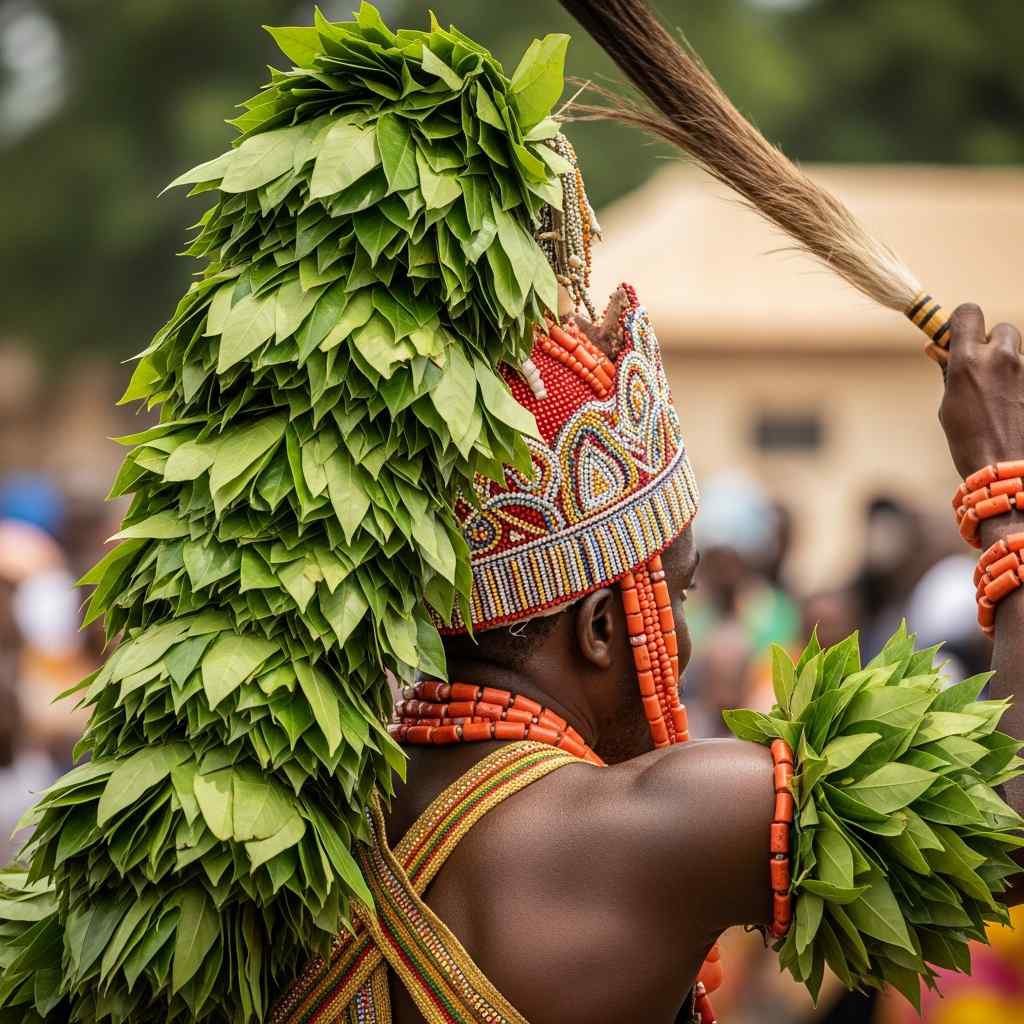
Six centuries of ritual meet the demands of a global audience.
Published: 24 March, 2026
For seventeen days, the rhythm of Owo, Ondo State changes. The annual Igogo festival commemorates the deification of Queen Oronsen. Its history stretches to the 15th century, as Vanguard noted in 2025. This brings us to the central tension. A spiritual commemoration now carries the weight of economic ambition.
A Calendar Marked by Taboos
Preparations involve the entire community. The Olowo of Owo, Oba Ajibade Gbadegesin Ogunoye III, leads the spiritual and ceremonial aspects. But there is a catch. The period is governed by specific taboos. Participants and residents avoid using mortars. No one may wear shoes within the palace grounds, Premium Times reported in 2025. These prohibitions honour Queen Oronsen. Her transformation from mortal queen to deity is the festival core.
The Economics of a Global Stage
The government of Ondo State allocated N2.1 billion for tourism and cultural development in its 2025 budget. Festivals like Igogo get a slice. Organizers are targeting an increase in international visitors for the 2026 edition. This goal relies on digital campaigns, BusinessDay stated in 2025. The local impact is immediate. Hotel occupancy in Owo and nearby Akure increases significantly during the festival week. Artisans report a surge in sales. The festival creates temporary jobs for hundreds.
The Owo Igogo festival is our living history. It is a spiritual anchor that now also carries the weight of economic aspiration for our people. Oba Ajibade Gbadegesin Ogunoye III, the Olowo of Owo, speaking in December 2025.
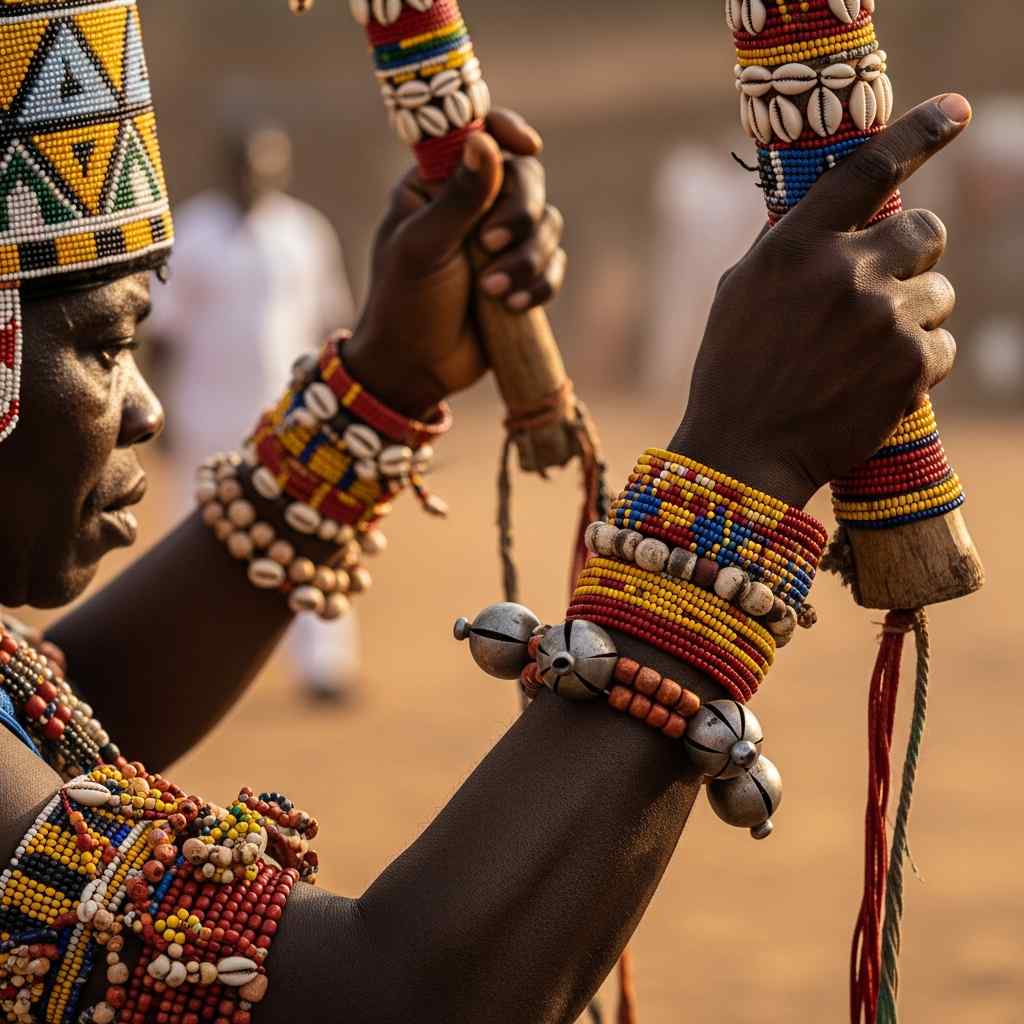
Logistics Meet Tradition
Hosting thousands strains local infrastructure. The single major road into Owo from the Benin-Akure expressway seizes up. The trouble is managing it. The state government deploys extra traffic management officials. A park-and-ride system runs from the town outskirts, as The Guardian detailed in 2025. Security is a joint task force. Personnel from the Nigeria Police Force, the Nigerian Security and Civil Defence Corps, and local vigilantes provide coverage. This is coordinated from the Olowo palace, per Leadership in 2025.
The Digital Amplification
Promotion for the 2026 festival generated significant online engagement. The official hashtag trended for two days in Nigeria. Live streams of key events, like the Iloro ceremony, pulled in viewers from Europe and North America. This digital layer lets the global diaspora engage. Content creators get accreditation. Their videos introduce Igogo to audiences with no prior knowledge of Yoruba culture. It gets more complex. It creates a permanent archive.
Cultural Integrity in a Commercial Spotlight
Elders and traditional chiefs are cautious. The primary purpose is spiritual commemoration, not just entertainment. Cameras during certain rites require careful negotiation. Contrast this with the competition. Other states aggressively market their own events. The Osun-Osogbo festival and the Argungu fishing festival have longer histories with international tourists. There is a push for a potential UNESCO intangible cultural heritage nomination. That would bring prestige and possible grants. But the application process is lengthy and complex, Daily Trust reported in 2025.
We welcome the world, but the world must understand what it is witnessing. This is not a performance. It is our identity. Chief Jamiu Ekungba, the Sawe of Owo, in an interview with ThisDay, March 2026.
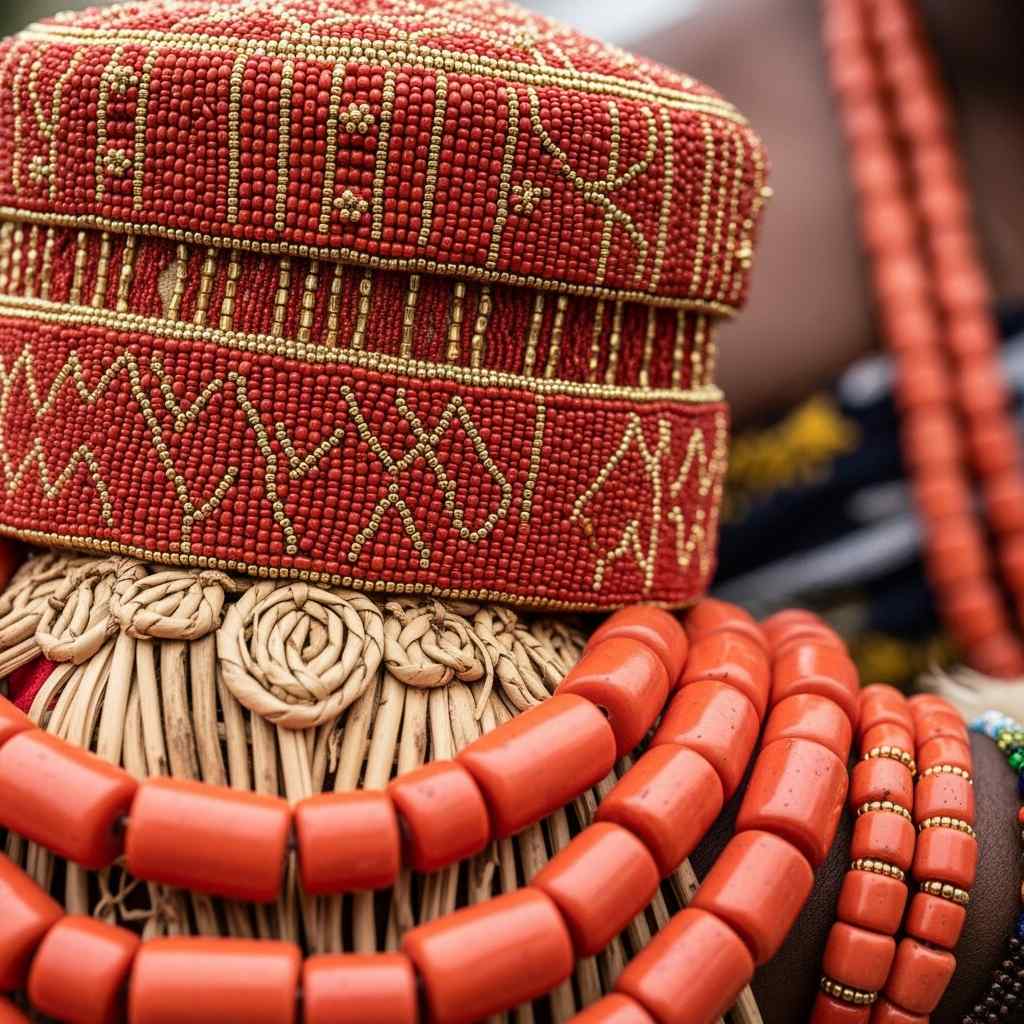
The View from the Community
Residents of Owo display a mix of pride and pragmatism. The festival brings prestige and income. It also brings disruption, inflated prices for basic goods. Young people see opportunities beyond the festival week. They want sustained investment, museums, better roads.
What Comes After the Drums Fade
The real success metric is sustainability. How many visitors return to Owo outside the festival season? That indicates deeper engagement. There are plans for a dedicated cultural centre in Owo. Funding, however, remains uncertain. The festival demonstrates a path. The balance is delicate.
For the Curious Traveler
Research the festival dates early. They follow the lunar calendar. The 2026 edition is scheduled for September 20 to October 6. Book accommodation months in advance. Options range from guesthouses in Owo to hotels in Akure, about an hour drive away. Engage a registered local guide. A good guide provides context.
The Owo Igogo festival stands at a familiar crossroads. It embraces a wider audience while guarding its soul. The drums that have echoed for 600 years now resonate on digital platforms worldwide. The challenge for Owo is to control the echo.

Church roof collapses mid sermon and every person inside walked out without injury

Tailor Sews Identical Dress from 40-Year-Old Bible Photo in Asaba

Twins Share Single Heartbeat Born Years Apart

Tomi Adeyemi Film Deal Changes Nigerian Storytelling

Lola Shoneyin Builds a Literary Continent at Aké Festival

ADC Leads #OccupyINEC Protest in Abuja Over Party Derecognition

Opay vs Palmpay for International Payments in Nigeria 2026

Tope Awotona Among Wealthiest Tech Founders in the United States

NFF Reforms Segun Odegbami Demands After World Cup Failures

NIDCOM Sets Stage for NIDEC 2026 Economic Conference in Toronto

How to apply for land certificate at state land registry in Nigeria 2026

Kehinde Salami Africa Global Logistics Deputy Director Seaport Operations

Internet Sovereignty: Why Some Countries Want Their Own Separate Internet

The Story Of The Nigerian Who Helped Build Global Internet Systems

Nigerian Hackers: The Global Fraud Story and Its Fallout

Forgotten Satellites Defy Silence, Beaming Signals for Decades

Your Digital Store in Nigeria and the Reality of Domain Expiration

The Phone Stay So Quiet: An Investigation into Nigeria’s Silent Customer Lines

The Business That Died: A Nigerian Case Study in Refusal to Adapt

Hiding Your Business From People With Money

How Nollywood Grew Without Government Support

Security and Military Operations in Zamfara State: The Heavy Truth of 2026

Nigeria Produces 67 Percent Global Yam Output

Comedy Industry in Nigeria and Its Economic Contribution
 Digital Sovereignty2 months ago
Internet Sovereignty: Why Some Countries Want Their Own Separate Internet
- Diaspora2 months ago
The Story Of The Nigerian Who Helped Build Global Internet Systems
- Crime2 months ago
Nigerian Hackers: The Global Fraud Story and Its Fallout
- Space Technology2 months ago
Forgotten Satellites Defy Silence, Beaming Signals for Decades
- E-Commerce2 months ago
Your Digital Store in Nigeria and the Reality of Domain Expiration
- Edutech Portal2 months ago
The Phone Stay So Quiet: An Investigation into Nigeria’s Silent Customer Lines
- Edutech Portal2 months ago
The Business That Died: A Nigerian Case Study in Refusal to Adapt
- Business2 months ago
Hiding Your Business From People With Money