Agriculture
Food Crisis Looms in Nigeria as Climate Change Devours Farm Yields
Here is the thing. Farm yields are falling. The weather is changing. So here we are. A food crisis looms in Nigeria. What happens next?

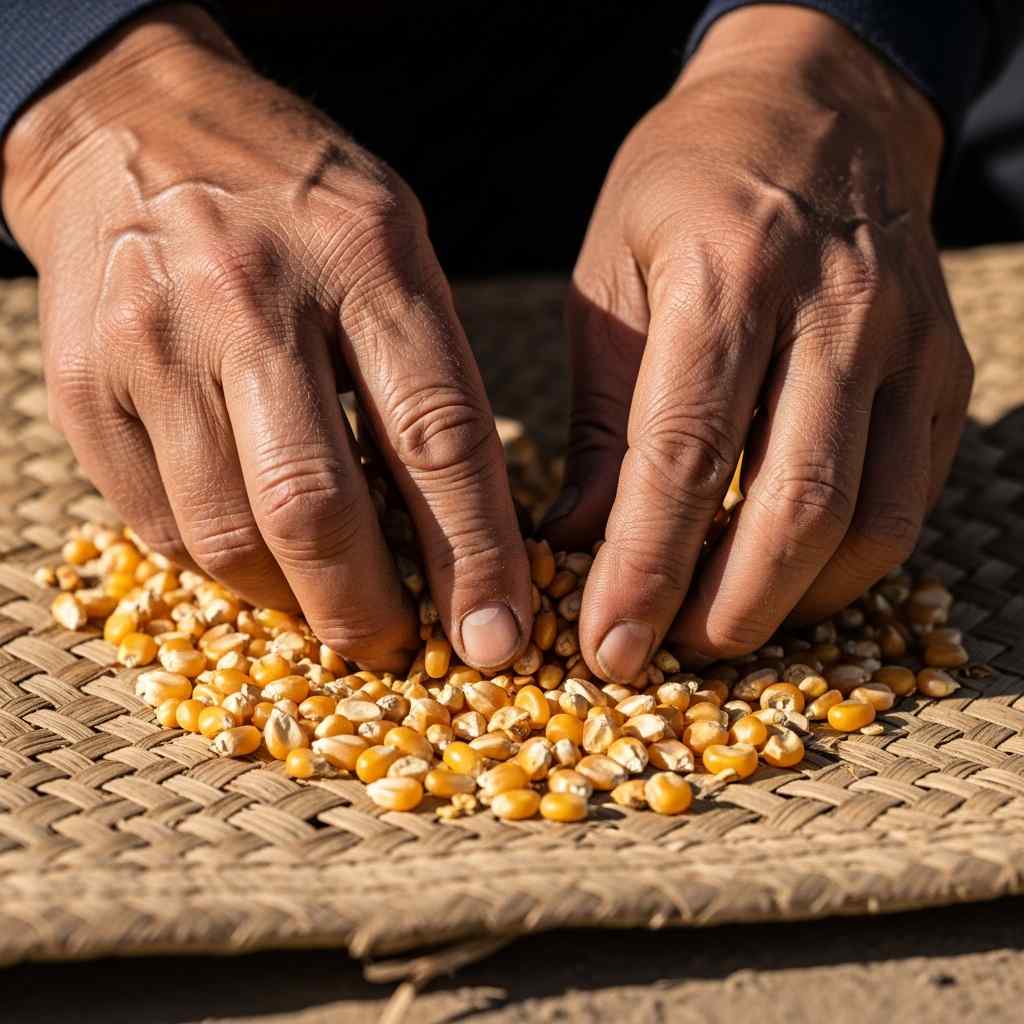
Food Crisis Threatens in Nigeria as Climate Change Devours Farm Yields
Published: 27 March, 2026
How do you measure a coming storm? Start with the maize. The projected national harvest for 2026 will fall short of domestic demand. This is according to assessments by the United States Department of Agriculture and the Food and Agriculture Organization released this month. That deficit exists before accounting for a single flood or drought. The arithmetic of hunger in Nigeria is being rewritten. The data from the fields points in one direction.
The Yield Collapse is Already Here
Farmers in the north planted with the first rains. Then the rains stopped for three weeks in June. The maize withered. A survey by the International Institute of Tropical Agriculture in Kano, Kaduna, and Katsina states recorded significant maize yield reductions for the early season crop. That was in an IITA Field Report from August 2025.
Contrast this with the south. The problem there is too much water. Flash floods in Anambra, Delta, and Rivers states last October submerged thousands of hectares of rice. The National Emergency Management Agency estimated a major loss of paddy rice in its Situation Report from November 2025. Climate models predicted these patterns. The reality confirms them with brutal consistency. The margin for error in our food system is gone.
What the Price of Garri Tells You
Markets signal distress first. The price of a 50kg bag of garri jumped from N25,000 in January 2025 to N38,000 by February 2026 in Lagos. The National Bureau of Statistics reported this in March 2026. This is a 52% increase.
In many parts of the North Central zone, a mudu of beans now costs more than a litre of fuel. The headline food inflation rate was 31.7% in February 2026 on a year-on-year basis, the NBS confirmed. That number is not an abstraction. It translates to skipped meals and thinner soups for millions. The crisis lands as a concrete problem at the kitchen table.
The Policy Response is a Drop in a Bucket
The federal government announced a N200 billion climate-resilient agriculture fund in the 2026 budget. According to the Budget Office of the Federation, this represents a fraction of the total spend. The scale of the intervention fails to match the threat.
The fund aims for drought-resistant seeds and small-scale irrigation. The trouble is the implementation. Distribution networks are weak. The last major irrigation project in the Hadejia Valley started in 2018 and is still incomplete.
“The conversation about climate change adaptation stays theoretical for many farmers. Their immediate concern is the cost of fertilizer and the absence of rain.” , Dr. Aisha Bello, Agricultural Economist, Ahmadu Bello University, Zaria. Interview with Premium Times, January 2026.
State governments promote early-maturing varieties, but adoption is low. The seeds are expensive and often unavailable. As BusinessDay reported in February 2026, a bag of certified maize seed sells for over N40,000, a prohibitive cost for the average smallholder.
Why the Food Reserve Strategy is Broken
The National Food Reserve Agency has a mandate to stabilize prices. It holds a strategic grain reserve. The capacity of those silos across the country is about 300,000 metric tonnes, according to data from the Federal Ministry of Agriculture.
But there is a catch. The annual maize consumption of Nigeria exceeds 10 million metric tonnes. The reserve can cover a national shortfall for only a few weeks. The logistics of moving grain from Ibadan or Minna to areas of acute shortage are complex and costly. Past interventions saw grains arrive late or get diverted. The system lacks the transparency for a real crisis. The buffer is too small.
The Looming Spectre of Import Dependence
A shortfall creates pressure to import. The government granted duty waivers for maize in late 2025. The volume of maize imports through the Apapa port increased in the first quarter of 2026 compared to the same period in 2025, the Nigeria Ports Authority reported.
Importation provides immediate relief, but it exposes the country to volatile global prices and exchange rate fluctuations. The naira traded at N1,383.88 to the US dollar in the official market in March 2026, according to the Central Bank of Nigeria. Funding food imports strains the treasury. Policy emphasizes self-sufficiency. Reality pushes us toward greater dependence.
Look at the Map of Vulnerability
This crisis has a specific address. The World Food Programme and the Federal Ministry of Agriculture completed a joint assessment in late 2025. It identified 72 local government areas across 16 states as facing acute food insecurity, according to their assessment from December 2025.
These areas cluster in the Northeast, Northwest, and North Central. They are zones of high dependence on rain-fed agriculture. They also experience conflict and displacement. Climate stress multiplies every existing vulnerability.
Urban areas are not immune. High food prices cripple the poor in cities like Lagos, Kano, and Port Harcourt. The social contract frays when a basic necessity becomes a source of daily anxiety.
A Different Path Exists
The situation demands a shift. We treat climate change as a secondary concern for agriculture. It is now the primary determinant of productivity.
Investment must move beyond distributing seeds. Our irrigation infrastructure requires massive rehabilitation. The total irrigable land in Nigeria is over 3 million hectares. Less than 10% of this has functional irrigation, according to the Federal Ministry of Water Resources 2025 assessment.
“We have the technical knowledge and the water resources. The gap is in coordinated investment and maintenance. A farmer with a reliable water source can withstand two weeks of drought.” , Engr. Suleiman Adamu, former Minister of Water Resources. Lecture at the University of Ibadan, February 2026.
Research institutions like the IITA develop climate-smart varieties, but the pathway from the research station to the field of the farmer is clogged. A functional agricultural extension system would bridge this gap. We don’t have one. The number of agents serving millions of farmers is grossly inadequate.
Start with the Weather Forecast
The Nigeria Meteorological Agency issues seasonal rainfall predictions. It lacks the resources to get this information to rural farmers. A farmer in a remote Kebbi village may never see the forecast that decides his planting date.
One simple, actionable step exists. Leverage mobile networks. NiMET can partner with telecom companies to send free, localized weather alerts via SMS to registered farmers. The technology exists. The databases exist. This intervention would empower better decisions and reduce losses. It is a matter of connecting available dots.
The Clock is Ticking on the Next Harvest
The next major planting season begins with the rains in April and May. The conditions that led to the 2025 shortfalls will likely persist. The global climate pattern known as La Niña is fading, with a 60-70% chance of shifting to ENSO-neutral conditions by the April to June window. The World Meteorological Organization stated this in its March 2026 update.
Governments have a narrow window to deploy support. This means ensuring affordable access to the right seeds, fertilizer, and water. It means providing credible information. The alternative is another cycle of poor harvests, higher prices, and deeper hunger.
The data presents an evident trajectory. The response so far lacks the urgency the moment demands. The time for theoretical discussions is over. The fields are waiting.
NBS February 2026 Inflation Report: Official breakdown confirming the current state of food prices in Nigeria. (Digital Illustration: GoBeyondLocal)








Agriculture
Farming Communities Under Siege Threaten Nigeria’s Food Supply
Here is the thing. Farmers are abandoning their fields. Your garri costs more. Your rice is scarce. So here we are. Why does this keep happening? The threat is real. And it is growing.
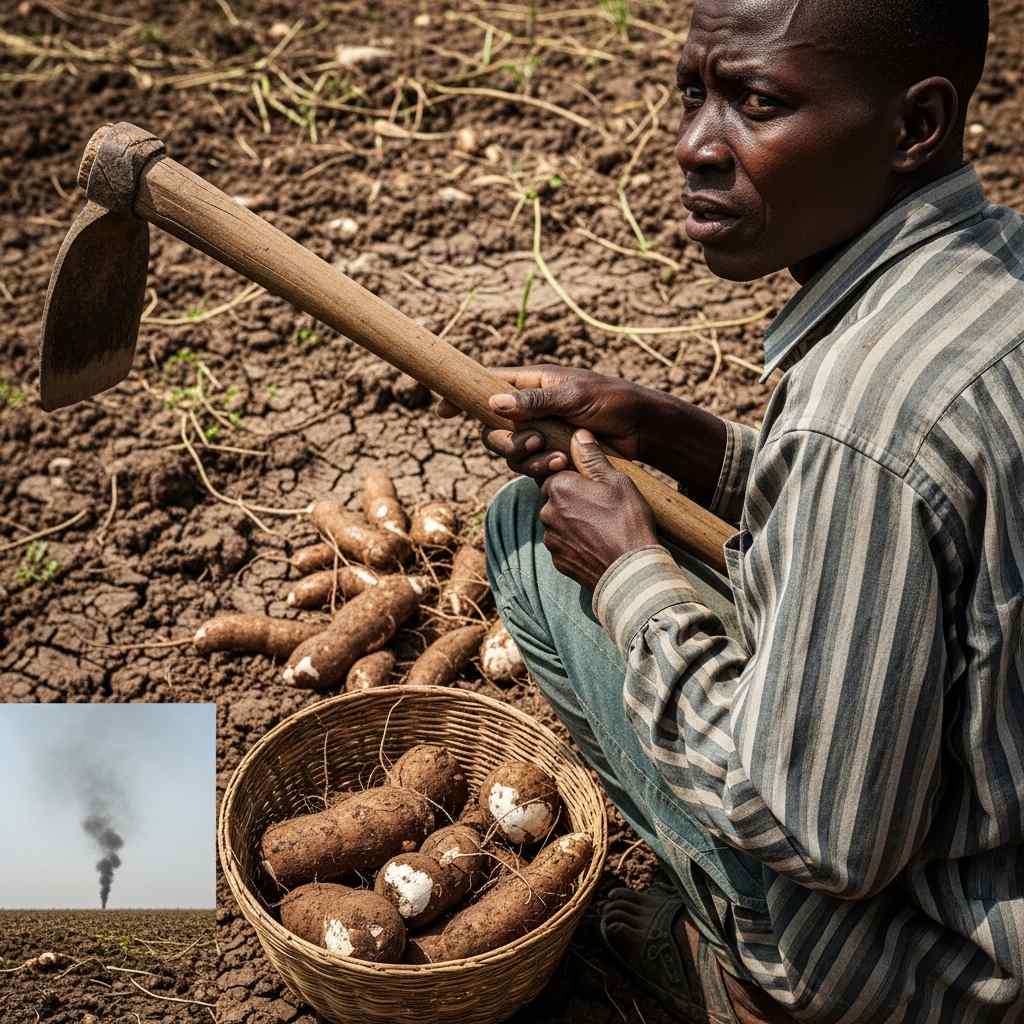
Farming Communities Under Siege Threaten the Food Supply of Nigeria
Published: 23 March, 2026
How do you measure a crisis? Ask any Nigerian at a market. The price of a mudu of rice tells the story. Violence in the farming communities of the north has escalated. It is now a direct threat to the national food supply. Farmers are abandoning their land. Prices are climbing. This is a national emergency.
The Numbers Tell a Bleak Story
A February 2026 report from the Food and Agriculture Organization (FAO) and the World Food Programme (WFP) was blunt. Nigeria faces acute food insecurity. The primary driver is conflict in the north-west and north-central zones. The report projected that over 26.5 million people could experience crisis-level hunger between June and August 2026. This increase correlates directly with attacks on our agricultural heartlands.
Then, look at the market data. As the National Bureau of Statistics (NBS) noted for January 2026, the food inflation rate hit 35.41%. The NBS specifically pointed to increases in the prices of maize, rice, and sorghum. These are staples grown in the besieged farming communities.
A Predictable, Brutal Pattern
The violence follows a grim routine. Armed groups raid villages at night or during planting and harvest. They kill. They kidnap. They loot grain stores and burn fields. The objective is economic sabotage. A farmer in Zurmi, Zamfara State, who requested anonymity, described the aftermath to Daily Trust in January 2026:
“They took our sons and told us to never return to the farm. The beans were ready for harvest, but they set fire to everything. Now we are in town, hungry, with nothing.” , Anonymous farmer, Zurmi, Zamfara State, speaking to Daily Trust, January 2026.
This testimony echoes across Katsina, Kaduna, Niger, and Benue. The International Crisis Group, in a December 2025 briefing, noted these attacks have displaced millions. They flee to overcrowded cities or camps. The result is a double loss. Productive labor leaves the farms. The state must now support a new population of displaced persons.
The Security Response Has a Funding Problem
The government allocates substantial funds. The 2026 appropriation act, the Budget of Consolidation, earmarks N5.41 trillion for defense and security. But there is a catch. Analysts question the efficiency. A significant portion funds personnel and overhead for conventional military operations. These have struggled to adapt to guerrilla tactics in vast, rural terrains.
Community-based vigilante groups have sprung up. They sometimes achieve temporary security. But they risk escalating cycles of revenge killings. The broader trend remains concerning. The 2023 Global Terrorism Index documented a 23% decrease in terrorism-related deaths in Nigeria. This suggests progress, yet current approaches contain the problem with limited success against a resilient threat.
Why This Crisis Feels Different
Previous conflicts often centered on specific clashes. The current wave is different. It involves organized criminal syndicates. Their primary economy is kidnapping, cattle rustling, and the systematic destruction of agriculture. They target the foundation of rural life. Security analyst Kabiru Adamu of Beacon Consulting explained the shift to Premium Times in November 2025:
“These groups have realized that destabilizing agriculture increases poverty and desperation, which in turn expands their recruitment pool and reduces community resistance. It is a vicious cycle that benefits the criminals.” , Kabiru Adamu, Security Analyst, Beacon Consulting, quoted in Premium Times, November 2025.
The economic impact transcends rural areas. Urban Nigerians feel it daily. Restaurant owners cut portions. Families alter diets. The social contract frays when feeding a family becomes a daily struggle.
The Long Shadow on the Harvest of Next Season
The immediate crisis is about current prices. The greater threat is the future. The planting season for many crops runs from April to July. If farmers displaced or too fearful to return by mid-2026, the harvest later this year and into early 2027 will fail. The country would then face a genuine food shortage. The Federal Ministry of Agriculture and Food Security has promoted dry-season farming. But these programs reach a fraction of affected farmers and offer little protection from armed attack.
International partners are worried. The World Bank, in its Nigeria Development Update for December 2025, identified food insecurity as a principal risk to macroeconomic stability. The report stated rising food costs could push an additional 5 million Nigerians into poverty by the end of 2026.
A Glimmer of What Works
Some local initiatives show promise. In parts of Plateau State, community leaders have revived traditional conflict resolution platforms. They have support from the state government and NGOs like the Centre for Humanitarian Dialogue. These platforms establish early warning systems and resolve disputes before they escalate. The model relies on local buy-in. That resource is in short supply nationwide.
Another integrates agriculture into security planning. A pilot project in Katsina, supported by the United Nations Development Programme, provides secured, clustered farmlands with military outposts nearby. Initial reports from late 2025 indicated higher yields in these zones. But there is a catch. The challenge is the cost and scalability of providing armed escorts for the entire agricultural belt of Nigeria.
Where We Go From Here
Viewing this solely as a security problem guarantees failure. The solution demands a hybrid strategy. First, security operations need better intelligence and a more agile, technology-driven presence in rural areas. Second, immediate investment in protecting the 2026 planting season is non-negotiable. This could involve temporary, mobile security units dedicated to escorting farmers.
Concurrently, a massive social protection scheme targeting displaced farming households is necessary. The existing conditional cash transfer program, managed by the Federal Ministry of Humanitarian Affairs and Poverty Alleviation, lacks the scale. The 2026 budget allocates N400 billion to the Ministry. Analysts at Nairametrics argued in January 2026 that this is insufficient given the scale of need.
What You Can Do With This Information
Understand the link. The high price of food at your market is directly tied to violence in distant farming communities. Support credible NGOs working on farmer protection and humanitarian aid. Demand that your elected representatives prioritize this issue beyond rhetoric. Ask for specific, measurable plans to secure the upcoming planting season. The stability of the entire country depends on the security of a farmer standing on his own land.
The data converges on a single point. The fields that feed the nation are becoming battlefields. The time for a coherent, resourced response is now.
The Inflation Update of Nigeria: Rising Food Prices , NBS February 2026 inflation data and. (Digital Illustration: GoBeyondLocal)
Agriculture
Cassava Processing Industry Plan for Ekiti State
Here is the thing. Ekiti puts money into cassava. A lot of money. What happens next? The plan is simple. Process the crop. Create work. Feed people. So here we are.
A $14.2 Million Bet on Cassava in Ekiti
Published: 23 March, 2026
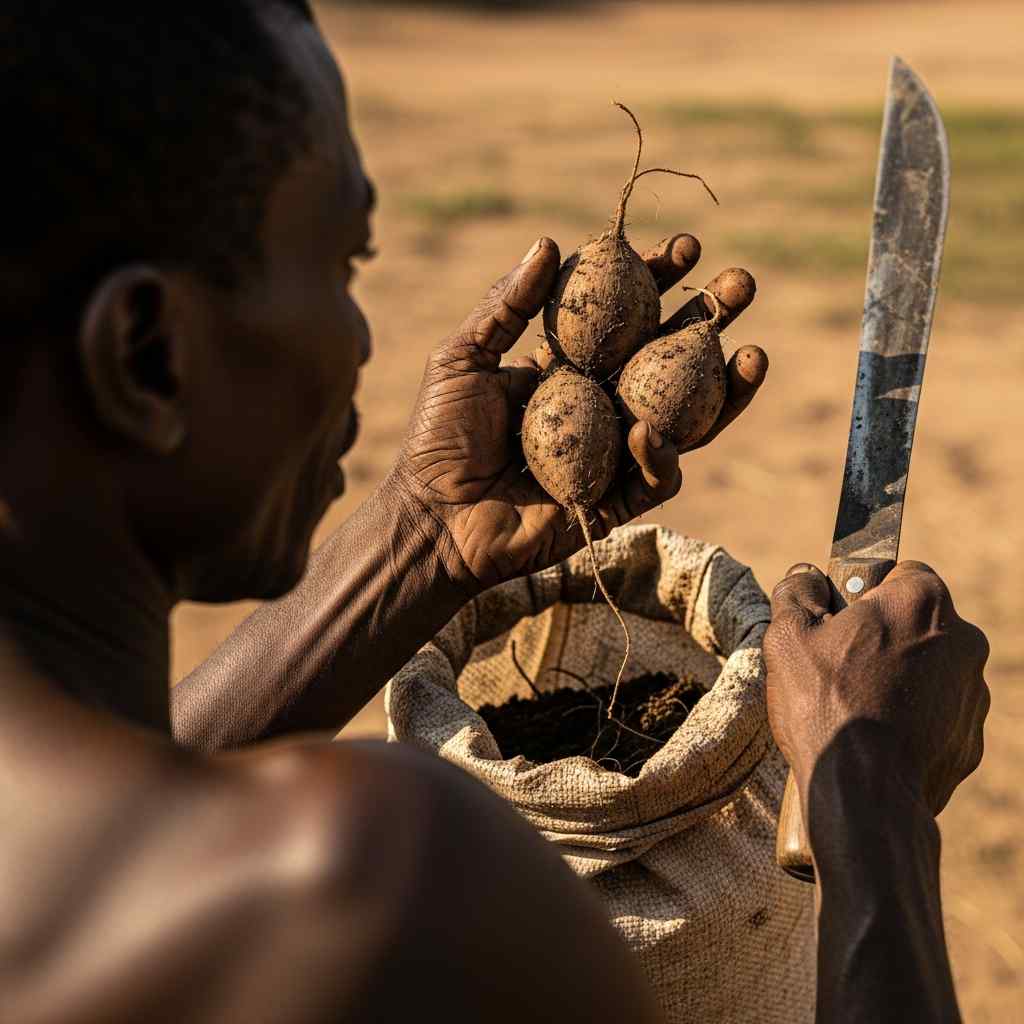
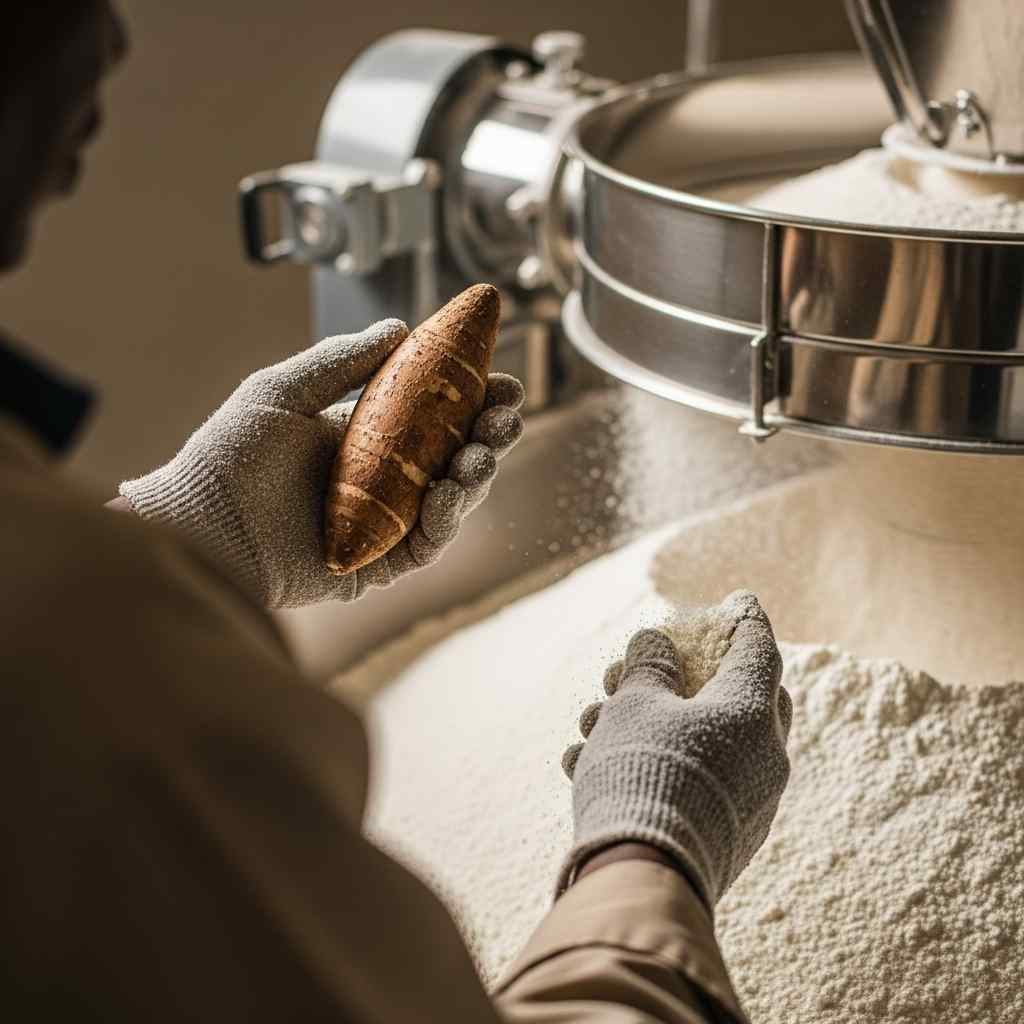
Can a $14.2 million factory fix a problem that wastes billions? The federal government of Nigeria and a consortium of private investors are betting it can, with plans to establish a cassava processing industry in Ekiti State. The capital outlay is $14.2 million, as reported by The Nation in 2026. The goal is direct: turn raw cassava into flour, starch, and sweeteners, and stop the rot.
Why This Factory Matters Now
Nigeria produces more cassava than any other country. The output exceeds 63 million metric tonnes annually, according to the Food and Agriculture Organization in 2023. But a staggering portion of that harvest spoils. This brings us to the core issue. The new facility in Ekiti State aims to plug that specific leak in the value chain.
It will source tubers directly from local farmers. This promises a ready market. More critically, it seeks to curb the massive financial drain caused by wastage.
The Money and the Partners
The $14.2 million is a joint effort. The federal government, through the Ministry of Agriculture and Food Security, provides a significant share. Private investors, whose identities partially undisclosed, bring the rest, as Vanguard noted in 2026.
This public-private model is common for big agricultural projects. The government offers support and capital, private entities bring technical know-how. But there is a catch. The exact equity split has not been made public.
Location and Expected Impact
Ekiti State is a major cassava belt. Placing the factory there cuts transport costs. It also fits the policy of decentralising industry.
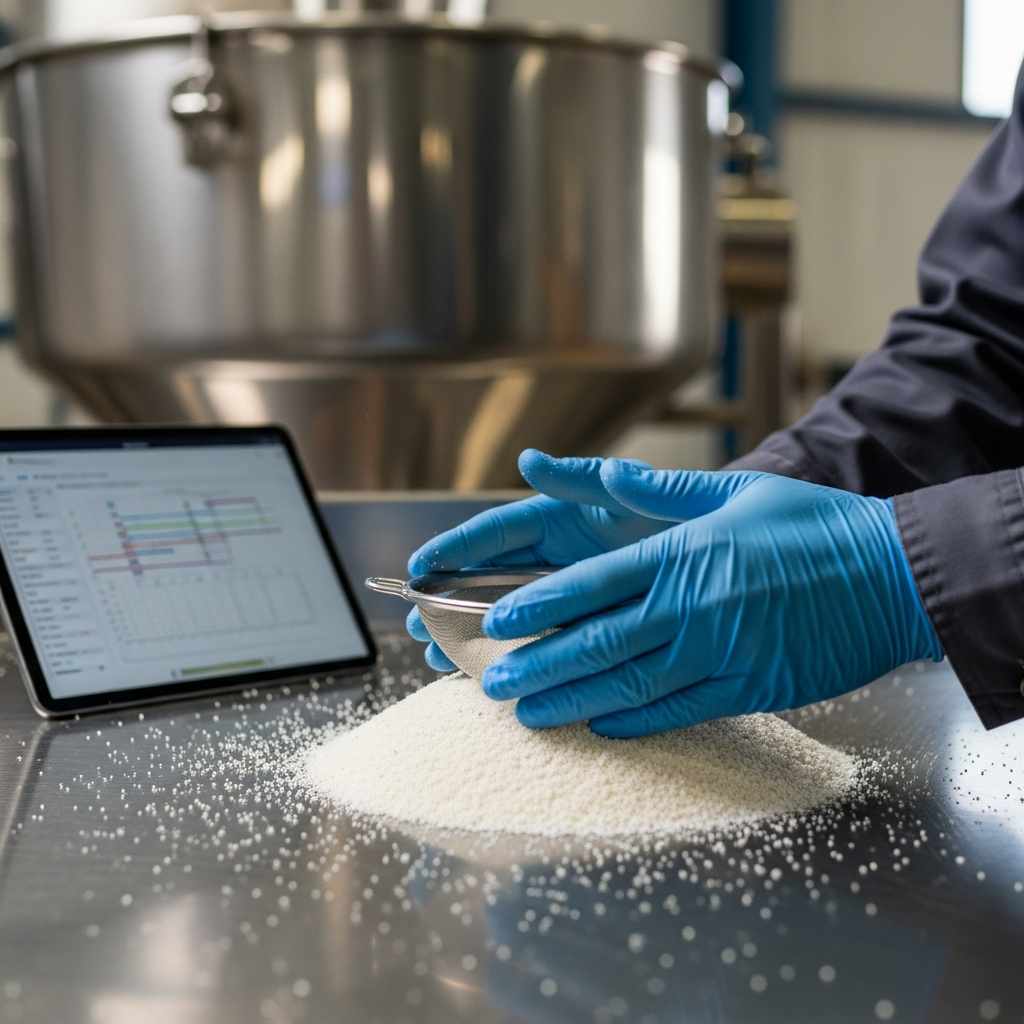
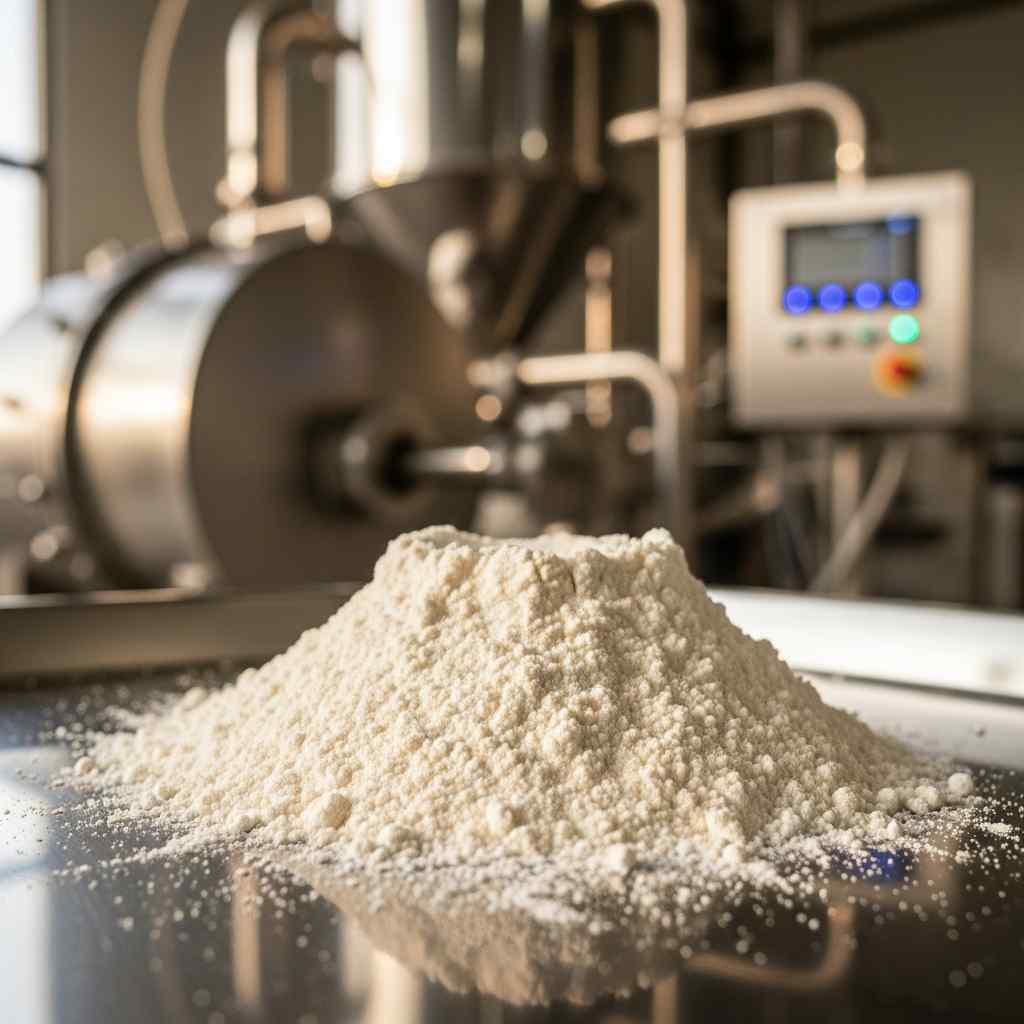
Officials project over 1,200 direct jobs once it runs, a figure from Premium Times in 2026. These range from technicians to admin staff. The indirect effect on farmers and transporters could multiply that number. The logic for food security is straightforward. Processing extends shelf life from days to years. A steady cassava flour supply supports the national push for composite flour in bread, cutting wheat imports.
“This project is a practical step towards reducing our dependency on imported staples. By adding value here, we keep jobs and wealth within our borders.”
Senator Abubakar Kyari, Minister of Agriculture and Food Security, March 2026 statement.
The Infrastructure Reality Check
Every such plan faces the same fundamental tests. First, rural roads. Farmers need passable routes to move bulky tubers. Poor roads mean spoilage. Second, power. An industrial plant needs constant electricity. The national grid is unreliable, forcing a reliance on expensive diesel generators. This raises costs.
The third test is supply consistency. The factory needs a large, steady volume of cassava. That depends on farmers getting quality inputs, credit, and extension services. Any break affects output.
Cassava’s Place in the National Budget
This investment fits a larger commitment. The federal government allocated N362.9 billion to the Ministry of Agriculture and Food Security in the 2026 budget. That is part of a total N24.8 trillion national budget.
But contrast this with the Maputo Declaration target of 10%. Advocates say the allocation still falls short. The $14.2 million for this plant is a single project within that context. Its success or failure will shape future ventures.
What Could Go Wrong
History provides caution. Similar projects have been announced with fanfare, only to stall. Reasons are predictable: funding delays, political interference in management, or no sustainable off-take agreement for the products.
Another risk is farmer engagement. If prices are too low, farmers sell elsewhere. If prices are too high, the factory margins vanish. Striking this balance is a persistent challenge. Wait, it gets more complex. The finished products must compete with established brands and imports. They must meet quality standards at a competitive price. This is a commercial fight separate from agriculture.
“The model works only if the factory is run as a business, not as a political appointment bureau. Efficiency determines survival.”
Dr. Akinwumi Adesina, President of the African Development Bank, in a January 2026 interview with BusinessDay.
The View from the Farm
For cassava farmers in Ekiti, the announcement brings hope mixed with skepticism. They have heard promises before. Their primary concern is the price per tonne. Past experiences with government-backed off-takers have sometimes meant delayed payments.
Farmers also worry about quality standards. Factories often reject tubers that do not meet specific criteria. Without support for better planting materials and techniques, smallholders might struggle. The success of the cassava processing industry depends entirely on parallel support for the farmers at the very beginning.
A Step You Can Take
For citizens, particularly in business, this project presents an opportunity. Look at the by-products of cassava processing. Opportunities exist in packaging, logistics, and marketing. The factory will need a local network of service providers.
Engage with the Ekiti State Ministry of Agriculture or the federal ministry project unit. Seek clarity on the procurement process for services. Early engagement provides an advantage. This is how large projects stimulate broader economic activity.
The Bottom Line
The plan is positive on paper. It targets a real problem: post-harvest loss. It promises jobs and value addition. The public-private model is correct.
The trouble is the gap between announcement and operation. It involves navigating poor infrastructure, managing farmer relations, and competing in a tough market. The project moves beyond a headline when the first tonne of commercial flour leaves the gate. Until then, it remains a plan with potential.
So here we are. Another ambitious project joins the list. Its fate rests on the tedious, unglamorous work of implementation. That work starts now.
Agriculture
Cassava Processing Industry Plan for Ekiti Aims at Food Security
Here is the thing. Ekiti State gets a major push for cassava. A $14.2 million plan is on the table. Federal and private money is involved. So here we are. Will this processing industry make a real difference for food security? The aim is clear. The work begins now.
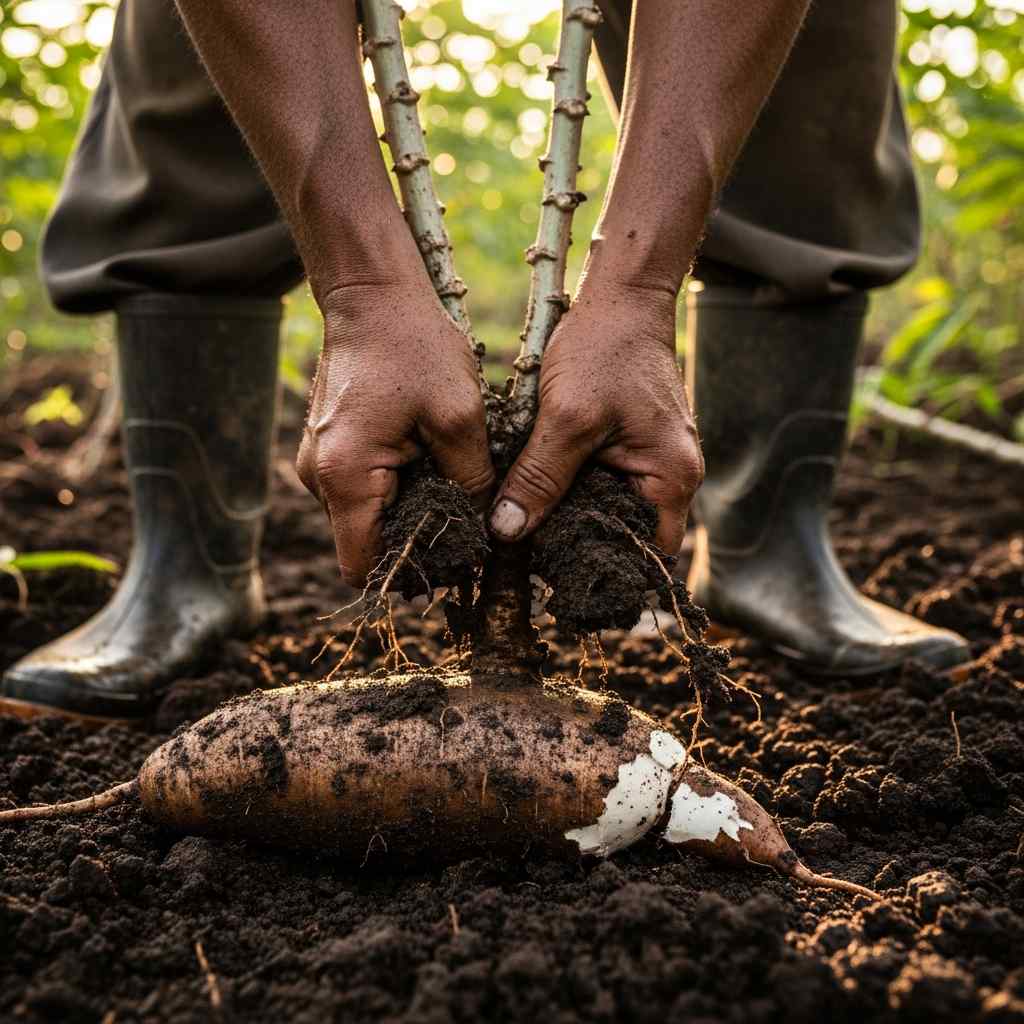
A $14.2 Million Bet on Cassava and Food Security in Ekiti
Published: 21 March, 2026
Can a single factory in Ekiti State fix a national problem? The federal government and a group of private investors are betting $14.2 million that it can. Their plan is a new cassava processing industry, announced by the Federal Ministry of Agriculture and Food Security in early March 2026. The goal is simple: stop waste and add value to the crop we produce more than anyone else.
Here is the thing. Nigeria churns out over 63 million metric tonnes of cassava every year. A huge amount of it rots. This facility aims to turn those perishable tubers into flour, starch, and sweeteners.
This partnership moves beyond rhetoric to tangible investment in our agricultural value chain. Ekiti has the agronomic advantage, and this plant will provide a ready market for thousands of farmers, reducing waste and increasing incomes.
— Senator Abubakar Kyari, Minister of Agriculture and Food Security, statement on March 10, 2026.
Why This Move Makes Sense Right Now
The logic is straightforward. Food inflation is a persistent pressure point. As The National Bureau of Statistics noted in February 2024, food inflation was 31.73%. A sharp rise in the price of cassava tubers helped drive that figure. Localised processing aims to stabilise supply. For millions, cassava is the primary carbohydrate source.
But there is a catch. We’ve long encouraged cultivation without building the infrastructure to handle the harvest. Farmers face gluts and low prices. This plant promises a predictable off-take agreement for at least 5,000 smallholders across Ekiti and nearby states.
The waste is staggering. According to the International Institute of Tropical Agriculture, post-harvest losses for cassava sit between 15% and 30%. The new plant proposes to process 500 metric tonnes of fresh roots every day, directly tackling that loss.
The Mechanics of the Partnership
The $14.2 million splits between public and private capital. The federal government, through its ministry and the Bank of Industry, offers grants and soft loans. Private investors, led by a Nigerian agro-firm, bring the equity and technical know-how.
Ekiti State government provides land, roads, and links to extension services. The idea is to blend private efficiency with public support. About 300 direct jobs are expected.
Our analysis shows a strong internal rate of return based on current demand for industrial starch and flour. The risk is in the supply chain logistics—getting enough quality cassava to the factory gate consistently. That is where the partnership with government is critical.
— Investor representative speaking to BusinessDay on March 15, 2026.
The project includes collection centres and provision of improved stems. It falls under the federal government’s National Cassava Transformation Agenda. This public-private model mirrors the one used for a rice mill in Kebbi State years ago.
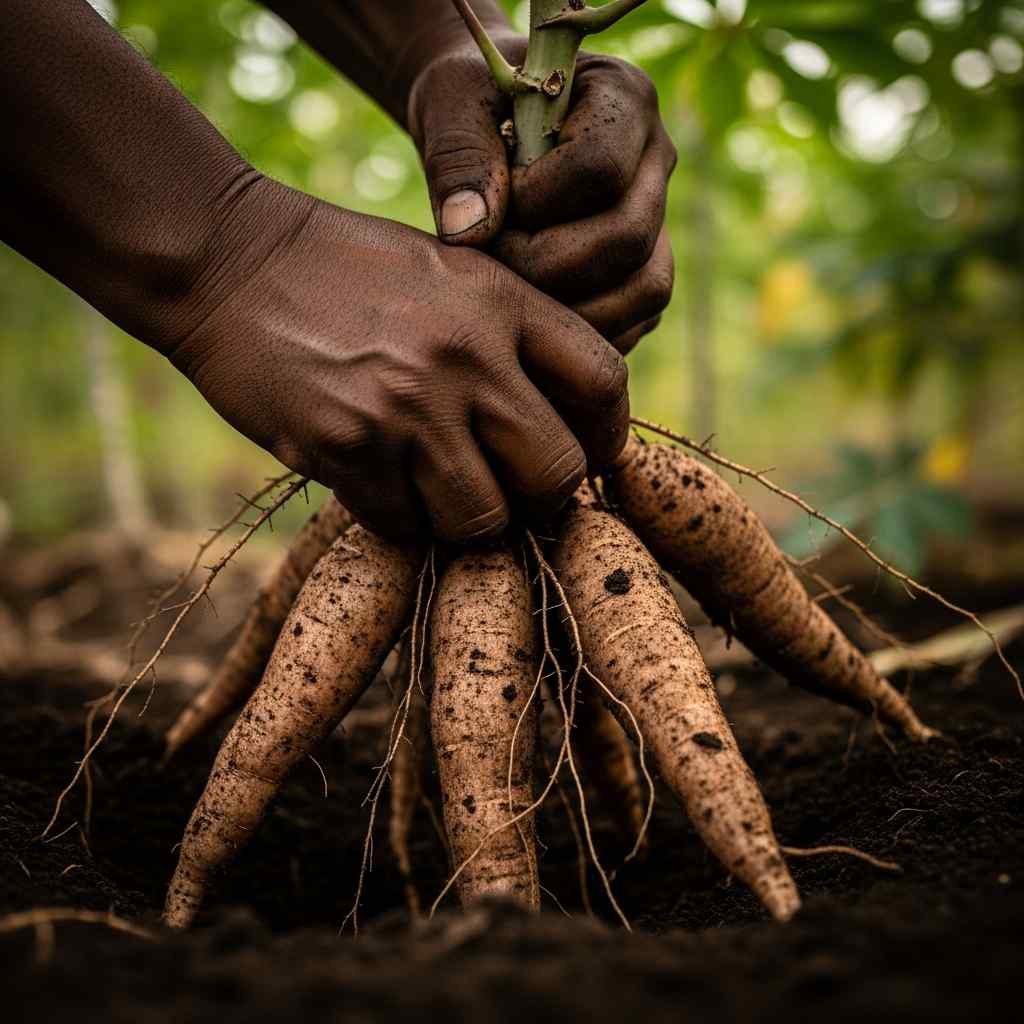
The Infrastructure Reality on the Ground
Plans sound excellent on paper. Execution meets the hard reality of infrastructure. Ekiti State faces challenges with rural roads and stable electricity. The success of this cassava processing industry depends on solving these basics.
The proposal includes building a dedicated power plant. This adds cost but is non-negotiable. The state of federal highways to hubs like Lagos will also influence distribution costs. Farmers must move bulky, perishable tubers on poor roads. The Ministry of Works lists road rehabilitations as ongoing. Their completion timeline is uncertain.
What This Means for Food Security
Food security has three pillars: availability, access, and utilisation. A plant improves availability by making storable products like flour. It improves access by creating a formal market that pays farmers reliably.
Then there’s utilisation. Cassava flour can substitute wheat in bread. Nigeria spends billions on wheat imports. Substitution keeps value inside the domestic economy. The Central Bank of Nigeria has policies pushing for this.
A 2015 study in the African Journal of Agricultural Research estimated that a 20% substitution could save over $300 million yearly on imports. The Ekiti plant will target bakers and food manufacturers across the South-West.
The View from the Farm
For cassava farmers in Ikole-Ekiti or Emure, the announcement brings cautious optimism. They’ve heard promises before. The difference is visible private capital. Cooperatives report early talks on pricing and quality.
The farmgate price for a tonne of fresh roots in Ekiti swings between N40,000 and N70,000. A guaranteed off-take at a stable price allows for better planning. The fear? The factory might later favour large plantations over smallholders.
Agricultural extension services, often underfunded, are crucial. They must train farmers on the specific varieties and techniques the factory needs. The Ekiti State Agricultural Development Programme manages this fragile interface.
The Larger Economic Context
This fits a pattern. We seek import substitution and value addition in agriculture. The $14.2 million for Ekiti is a fraction of the N1.45 trillion allocated to the Federal Ministry of Agriculture in the 2026 budget. Of that, N1.3 trillion is for capital projects like the Special Agro-Industrial Processing Zones.
Job creation is a powerful driver. 300 direct jobs, plus thousands in the supply chain, matter in a state with high youth unemployment. Logistics, maintenance, and security firms will also benefit.
Wait, it gets more complex. Ondo and Oyo States have similar cassava ambitions. Multiple plants in one zone could strain raw material supply. Or spur competition and better terms for farmers.
We welcome this development, but one factory cannot solve the national cassava value chain problem. We need a dozen of these, strategically located across the cassava belt, with a focus on export-grade starch and ethanol. That is the scale required for transformation.
— Professor Lateef Sanni, Project Manager for the Cassava Adding Value for Africa programme, interview with The Guardian, March 18, 2026.
Potential Stumbling Blocks
The risks are familiar. First, supply consistency. Cassava farming is largely rain-fed and seasonal. The factory needs a year-round flow. This means irrigation support or costly stockpiling.
Second, policy continuity. Agro-processing has long payback periods. Changes in tariffs or subsidies can wreck viability overnight. Investors want assurances beyond this administration.
Third, community relations. Host communities expect jobs, projects, and compensation. Managing these expectations requires careful engagement from the start. Land tenure issues often cause delays.
A Template for Other States
If Ekiti works, it offers a template. The mix of federal support, private capital, and state facilitation tackles multiple constraints. Focusing on a single high-demand crop boosts chances of commercial success.
States like Benue for yam or Kano for tomatoes could copy this. The federal ministry seems to be using this as a pilot. The minister talked about scaling the model. The real metric will be the plant operating at capacity within two years of groundbreaking.
Monitoring is key. Transparent reports on farmer engagement, volumes processed, and jobs created will build confidence for future investments. A steering committee with all partners is in place.
Your Role in This Story
For you, success means more stable prices for garri and bread. It means economic activity in rural areas, potentially slowing urban migration. It is a step toward food self-sufficiency.
You can follow the progress. Ask your state assembly representative about Ekiti State government’s specific commitments. Support bakeries that use composite cassava-wheat flour. Consumer demand signals the market.
The path from farm to factory to table is complex. This $14.2 million bet is that Nigeria can shorten it for cassava. The outcome will show if such partnerships can deliver, or remain another plan struggling with execution.
So here we are. The blueprint is drawn. The funds are earmarked. The ground in Ekiti awaits the foundation. Nigeria’s food security depends on turning such blueprints into working industries that add value, create jobs, and put food on tables. The clock starts now.

Church roof collapses mid sermon and every person inside walked out without injury

Tailor Sews Identical Dress from 40-Year-Old Bible Photo in Asaba

Twins Share Single Heartbeat Born Years Apart

Tomi Adeyemi Film Deal Changes Nigerian Storytelling

Lola Shoneyin Builds a Literary Continent at Aké Festival

ADC Leads #OccupyINEC Protest in Abuja Over Party Derecognition

Opay vs Palmpay for International Payments in Nigeria 2026

Tope Awotona Among Wealthiest Tech Founders in the United States

NFF Reforms Segun Odegbami Demands After World Cup Failures

NIDCOM Sets Stage for NIDEC 2026 Economic Conference in Toronto

How to apply for land certificate at state land registry in Nigeria 2026

Kehinde Salami Africa Global Logistics Deputy Director Seaport Operations

Internet Sovereignty: Why Some Countries Want Their Own Separate Internet

The Story Of The Nigerian Who Helped Build Global Internet Systems

Nigerian Hackers: The Global Fraud Story and Its Fallout

Forgotten Satellites Defy Silence, Beaming Signals for Decades

Your Digital Store in Nigeria and the Reality of Domain Expiration

The Phone Stay So Quiet: An Investigation into Nigeria’s Silent Customer Lines

The Business That Died: A Nigerian Case Study in Refusal to Adapt

Hiding Your Business From People With Money

How Nollywood Grew Without Government Support

Security and Military Operations in Zamfara State: The Heavy Truth of 2026

Nigeria Produces 67 Percent Global Yam Output

Comedy Industry in Nigeria and Its Economic Contribution


 Digital Sovereignty2 months ago
Internet Sovereignty: Why Some Countries Want Their Own Separate Internet
- Diaspora2 months ago
The Story Of The Nigerian Who Helped Build Global Internet Systems
- Crime2 months ago
Nigerian Hackers: The Global Fraud Story and Its Fallout
- Space Technology2 months ago
Forgotten Satellites Defy Silence, Beaming Signals for Decades
- E-Commerce2 months ago
Your Digital Store in Nigeria and the Reality of Domain Expiration
- Edutech Portal2 months ago
The Phone Stay So Quiet: An Investigation into Nigeria’s Silent Customer Lines
- Edutech Portal2 months ago
The Business That Died: A Nigerian Case Study in Refusal to Adapt
- Business2 months ago
Hiding Your Business From People With Money