Agric-Innovation
Nigeria Agro-Processing Turns Farm Waste into Paychecks
Here is the thing. Spoiled crops. Rotting fruit. We see it every season. So what if that waste became money? Nigeria agro-processing makes it happen. Jobs appear. Paychecks get printed. The story is simple. Waste turns into wealth.

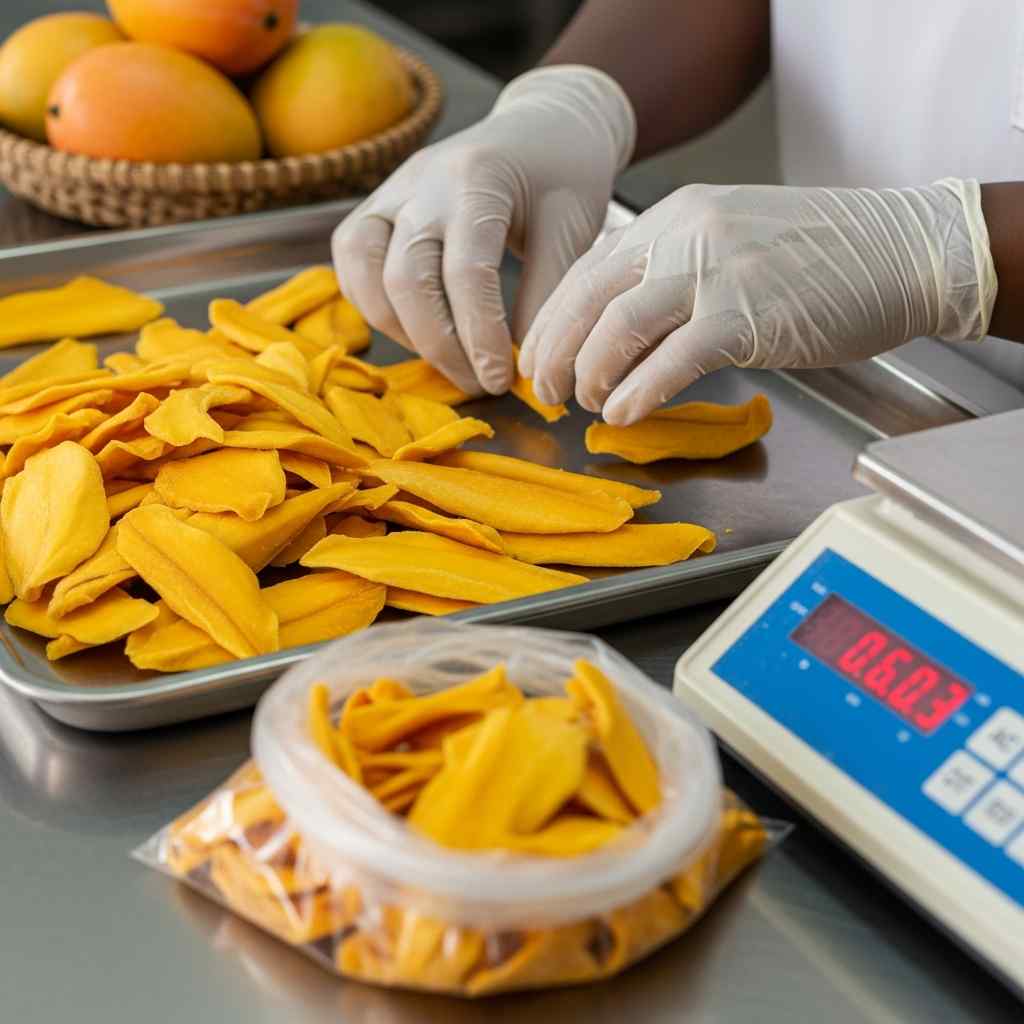
Processing Turns Farm Waste into Paychecks
Published: 25 March, 2026
Every year, a massive amount of food simply vanishes. This is not a mystery. It is tomatoes, maize, and yams rotting on bad roads under a hot sun, a visible, daily economic hemorrhage. The Federal Ministry of Agriculture and Food Security puts the value of this loss for grains and tubers at N5 trillion annually. That figure is a direct subtraction from the income of farmers and the food supply for over 200 million people.
The Math of Turning Tomatoes into Paste
Here is the thing. A farmer in Kadawa, Kano State, sells a basket of fresh tomatoes for a certain price. The same quantity, processed into paste and packaged, fetches significantly more in a Kano market. A field survey by Premium Times in 2026 confirmed this. The difference is the value added by agro-processing. This simple arithmetic drives the current push.
But there is a catch. The National Bureau of Statistics reports the agricultural sector contributed 25.18% to nominal GDP in the fourth quarter of 2025, with real growth at 4.0%. Manufacturing, where agro-processing resides, contributes less. That gap is the potential space for job creation and export revenue. The numbers hint at what could be.
New Factories Are Changing the Rural Map
You see the evidence on the ground. The Dangote Group completed a major tomato processing plant in Kano, a project announced back in January 2025. It provides contracts for thousands of out-grower farmers. In Ibadan, the Flour Mills of Nigeria invested in a wheat milling and pasta facility, sourcing from local cultivation schemes. These investments anchor entire supply chains.
Smaller enterprises are also moving. A startup in Lagos produces packaged garri for the urban diaspora. Another in Abia State packages dried bitter leaf for sale in Port Harcourt and Abuja. They address a specific demand for convenience from city dwellers.
Where the Jobs Are Actually Coming From
The International Institute of Tropical Agriculture notes a direct link between processing and employment density. A cassava farm employs a set number per hectare. A unit turning that cassava into garri or starch employs more. The jobs change from seasonal farm labor to year-round factory work.
This brings us to the numbers. The Nigeria Economic Summit Group estimates the agro-processing sub-sector created hundreds of thousands of new formal and informal jobs between 2023 and 2025. Their Policy Innovation Centre released this finding in 2026. The roles include machine operators, quality assurance staff, and truck drivers. The effect multiplies in local communities.
The Government Says It Is Building Platforms
The administration has launched initiatives. There is the $1.2 billion Nigeria Postharvest Systems Transformation Programme (NiPHaST), co-funded by the African Development Bank, which targets storage and loss. The government is also developing Special Agro-Industrial Processing Zones (SAPZ) across the six geopolitical zones. The Ministry of Agriculture proposed capital expenditure exceeding N200 billion for this, including N126.02 billion specifically for SAPZ.
The Central Bank of Nigeria continues the Anchor Borrowers’ Programme, which now includes a component for aggregation and small-scale processing, as noted in its 2026 communications. The Bank of Industry manages a fund for lending to SMEs in food manufacturing. But access to these funds continues to be a common complaint.
“The gap is not in policy formulation. The gap is in the consistent implementation of these policies and the provision of critical infrastructure like power and water that make factories run profitably.” , Muda Yusuf, Chief Executive Officer of the Centre for the Promotion of Private Enterprise, in an interview with BusinessDay, February 2026.
Why Some Factories Still Struggle to Run
The infrastructure reality bites. Take a tomato paste factory in Katsina. It requires significant electricity but receives limited hours of public supply daily. A 2026 survey by the Manufacturers Association of Nigeria confirms this. The cost of diesel for generators adds substantially to production cost, making the final product less competitive.
The trouble is the road, too. Transporting tomatoes from farms in Benue to a plant in Lagos can spoil a portion of the cargo. A 2025 report by the Nigerian Association of Road Transport Owners highlighted this. The loss erodes the processor’s margin and discourages longer supply chains.
The Continental Trade Window Is Opening
Wait, it gets more complex. The African Continental Free Trade Area presents a major opportunity. Nigeria can export processed garri, fruit juices, and vegetable oils to neighboring West African countries duty-free. The demand for semi-processed ingredients is high in countries like Ghana and Côte d’Ivoire.
The Nigerian Export Promotion Council is training agro-exporters on the standards required by the AfCFTA, focusing on phytosanitary and packaging regulations. A company in Ibadan now exports packaged yam flour to supermarkets in Accra and Lomé weekly.
What You Can Do With a Bag of Cassava
Look closer. A community youth group in Delta State secured a state government grant. They bought a motorized cassava grater, a press, and a frying machine. Now they buy cassava from local farmers, process it into garri, package it, and supply local markets and schools.
The model is replicable. For plantain chips. For soymilk. The capital requirement is lower than for a large-scale refinery. The market is local and understood. The impact on reducing post-harvest loss in that community is immediate.
The Bottom Line for the Economy
Agro-processing converts waste into economic weight. It turns seasonal farming into year-round manufacturing jobs. It replaces imported paste with products made in Kano or Ibadan. The move from farm to factory is the logical next step.
But the path has deep potholes, electricity, logistics, financing. The factories that succeed often solve these problems for themselves. The policy direction is correct. The execution will separate the headlines from the real harvest.
So here we are. The tomatoes rot on the road. The factories need tomatoes to make paste. Connecting these two points is the actual work. Every bag of cassava turned into packaged garri in a rural community is a step on that road.
Agro-Processing, Value-added Non-Oil export key for Nigeria , WebTV Nigeria. (Digital Illustration: GoBeyondLocal)










River Disappears Overnight in Warri Delta State

Market Woman Predicts Deaths in Owerri Through Yam Shapes

Forest healer cures blindness using leaves from a plant found nowhere else

Ancient Wall Repairs Itself in Zaria After Heavy Rains

Confluence refuses to mix after a photographer insulted the local river spirit

Church roof collapses mid sermon and every person inside walked out without injury

Tailor Sews Identical Dress from 40-Year-Old Bible Photo in Asaba

Twins Share Single Heartbeat Born Years Apart

Tomi Adeyemi Film Deal Changes Nigerian Storytelling

Lola Shoneyin Builds a Literary Continent at Aké Festival

ADC Leads #OccupyINEC Protest in Abuja Over Party Derecognition

Opay vs Palmpay for International Payments in Nigeria 2026

Internet Sovereignty: Why Some Countries Want Their Own Separate Internet

The Story Of The Nigerian Who Helped Build Global Internet Systems

Nigerian Hackers: The Global Fraud Story and Its Fallout

Forgotten Satellites Defy Silence, Beaming Signals for Decades

Your Digital Store in Nigeria and the Reality of Domain Expiration

The Phone Stay So Quiet: An Investigation into Nigeria’s Silent Customer Lines

The Business That Died: A Nigerian Case Study in Refusal to Adapt

Hiding Your Business From People With Money

How Nollywood Grew Without Government Support

Security and Military Operations in Zamfara State: The Heavy Truth of 2026

Nigeria Produces 67 Percent Global Yam Output

Comedy Industry in Nigeria and Its Economic Contribution


 Digital Sovereignty2 months ago
Internet Sovereignty: Why Some Countries Want Their Own Separate Internet
- Diaspora2 months ago
The Story Of The Nigerian Who Helped Build Global Internet Systems
- Crime2 months ago
Nigerian Hackers: The Global Fraud Story and Its Fallout
- Space Technology2 months ago
Forgotten Satellites Defy Silence, Beaming Signals for Decades
- E-Commerce2 months ago
Your Digital Store in Nigeria and the Reality of Domain Expiration
- Edutech Portal2 months ago
The Phone Stay So Quiet: An Investigation into Nigeria’s Silent Customer Lines
- Edutech Portal2 months ago
The Business That Died: A Nigerian Case Study in Refusal to Adapt
- Business2 months ago
Hiding Your Business From People With Money