Travel & Tourism
What documents are needed for UK visit visa from Nigeria in 2026?
A 75% approval rate for UK visit visas from Nigeria offers hope, but the real work is in the documents. This guide walks through the mandatory papers, financial proof, and evidence of ties needed to…

What documents are needed for UK visit visa from Nigeria in 2026?
Published: 30 March, 2026
Seventy-five percent is a number that hangs in the air, a statistic from the year ending December 2025 that suggests a certain optimism. It means three out of every four applications for a UK visitor visa from Nigeria were approved. The space between that number and the reality of sitting down to gather your papers, however, is where the real story lives. It is a story told entirely in documents, each one a piece of evidence in a case you are building for yourself.
The Non-Negotiable Core
You begin on a digital platform, GOV.UK, where the process generates a checklist that feels both official and vaguely intimidating. This leads you to book an appointment with TLScontact, the commercial partner that becomes your physical gateway to the whole affair. The foundational items are straightforward but absolute: a current Nigerian passport with a blank page, the printed and signed application form, your appointment confirmation, and proof you have paid the fee. For a standard six-month visit in 2026, that fee is £135, and it is important to remember the Immigration Health Surcharge does not apply here. Two passport photographs that meet the exacting UKVI specifications round out this basic set, though many now provide digital biometrics at the centre.
Your Financial Argument
This is where the scrutiny intensifies, where the concept of sufficient funds is tested against your life as it appears on paper. You need bank statements for the last six months, showing a consistent balance and a transaction history that mirrors your declared income. A sudden, large deposit right before applying tends to raise an eyebrow in Sheffield, where a caseworker will be reviewing it all. If you are employed, a letter on official company letterhead confirming your position, salary, and approved leave is vital. For business owners, the evidence shifts to registration documents from the Corporate Affairs Commission and company bank statements. You can include assets like property or vehicle papers too, as they show deeper roots.
“Applicants must provide evidence that they have sufficient funds to cover all reasonable costs in relation to their visit without working or accessing public funds.”
– UK Visas and Immigration Visitor Visa Guidance, 2026.
Proof of a Life Here
This evidence is your counter-argument, the proof of ties to Nigeria that convinces someone you have a compelling reason to return. Property documents like a Certificate of Occupancy or utility bills in your name build that picture over months. If you have children, evidence of their school enrollment is a powerful anchor. Copies of old visas from previous travels show a history of respecting immigration rules, which works quietly in your favour. Some people include a cover letter to weave the narrative together, explaining the purpose of the trip and how all these documents connect, which is not mandatory but can provide helpful context.
The Specifics of the Trip
Your travel plans must align perfectly with your financial evidence, because a vague itinerary creates doubt where you need clarity. If visiting family or friends, you need their invitation letter with their full address and passport details, plus proof of their own status in the UK. For tourism, a day-by-day plan with hotel bookings and a flight reservation is useful. The reservation can be a hold booking, as they explicitly advise against buying tickets before a decision. If it is for an event like a wedding or conference, the official invitation or proof of registration gives your dates a concrete purpose.
Where It All Happens
Lagos, Abuja, Ibadan, Enugu, and Port Harcourt host the TLScontact centres where you take your original documents for biometrics and scanning. They forward the digital package to UKVI, and the standard wait begins. The stated processing time is 15 working days, though it can stretch during busy periods. Some opt for priority services for a faster decision at an extra cost, but you have to check for current availability when you book. The key is to bring every original with you to the appointment, as they will scan and return them to you on the spot.
Common Reasons for a No
Refusal letters often cite a generic rule about the decision-maker not being satisfied you will leave. That usually points to a failure in the document package. Inconsistent information is a major culprit, like a salary on an employer letter that does not match the credits in your bank statement. Inadequate financial evidence is another, where a low average balance contradicts a high salary claim. There is also a growing skill, as noted in reports, for identifying fabricated documents, which makes genuineness the only sustainable strategy.
“The decision-maker must be satisfied that the applicant is a genuine visitor who will leave the UK at the end of their visit.”
– Paragraph V 4.2 of the UK Immigration Rules, Home Office, 2026.
Building Your Case
Think of it like building a legal case where you are both client and attorney, and the UKVI caseworker is the judge. Organize your documents in the order of the checklist, using dividers to present a professional, easy-to-follow file. Translate any document not in English through a certified translator, and make copies of everything for your own records. This thoroughness is what the system demands, because a missing or weak document can delay or derail the whole application.
The Final Checklist
Before you seal your envelope, run through this consolidated audit. The mandatory items: passport, application form, appointment confirmation, fee proof, photos. Financial evidence: six months of bank statements, employer letter, pay slips. Proof of ties: property deeds, utility bills, school letters, previous visas. Trip specifics: invitation letter, host’s passport copy, itinerary, hotel and flight holds. The effort you put into gathering and presenting these papers directly influences which side of that 75% you land on.
After You Submit
You can track the status online, moving from received to decision made. Do not inquire before the standard processing time elapses, as you will just get a standard response to wait. If approved, collect your passport and check the vignette sticker details immediately. If refused, read the letter carefully to understand the specific reasons. An administrative review is an option, but addressing the gaps and submitting a stronger, fresh application is the more common path forward. The process is document-intensive and logical, with public rules and a clear requirement: to prove a temporary intention. Thousands succeed each year by assembling the evidence that tells that story convincingly, one paper at a time.






Travel & Tourism
How to apply for Canada visa from Nigeria step by step in 2026
Over 23,000 Nigerians applied for Canadian study permits last year. The 2026 visa process is a precise test of patience. Here is the step-by-step guide from documents to biometrics to the final stamp.

How to apply for Canada visa from Nigeria step by step in 2026
Published: 30 March, 2026
Twenty-three thousand study permit applications arrived from Nigeria in a single year, a number that keeps climbing as more people look north. The process for getting a Canadian visa is a test of patience and precision, a careful dance with official rules that leaves no room for shortcuts. You need to get every step right.
The single source of truth
Every journey begins at the official Immigration, Refugees and Citizenship Canada digital platform, a portal that is your only reliable guide. Relying on third-party blogs or over-eager agents for core information is a quick way to get lost because the rules from 2024 might not apply in 2026. You create an account on their secure portal, which becomes the hub for your entire application, guiding you to the correct forms based on whether you are visiting, studying, or working.
Building your paper fortress
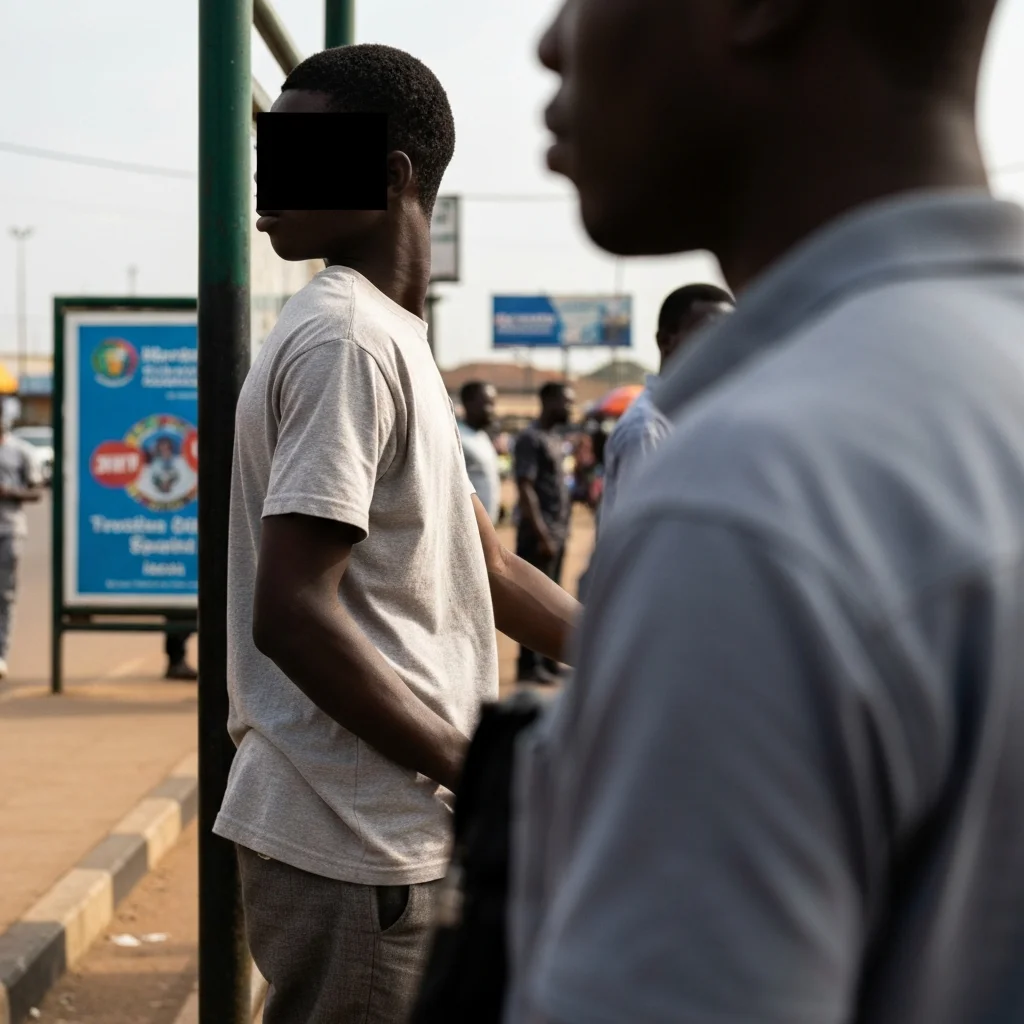
This is where applications are won or lost, in the quiet gathering of documents that tell your story. You need a valid passport with at least six months of validity left, proof of funds that shows consistent financial history, and a clear travel plan. For students, the game changed when the Student Direct Stream ended in late 2024, so everyone now needs to prove they have the first year of tuition paid plus living expenses of at least CAD $22,895.
“Applicants must demonstrate they have sufficient funds to cover all expenses without working in Canada. Unexplained financial history is a common reason for refusal.”
– IRCC Program Delivery Instructions, January 2026.
Every scan must be crystal clear, and you wait for a biometrics instruction letter after paying your fees online, which is your ticket to the next step.
The fingerprint pilgrimage
In Nigeria, this means a trip to a VFS Global centre in Lagos or Abuja, where you book an appointment and pay another CAD $85. They take your fingerprints and a photograph, linking that information to your file for a decade, and then you go home to wait. You track everything through your online account, not the VFS site, watching for any change in status.
The art of waiting
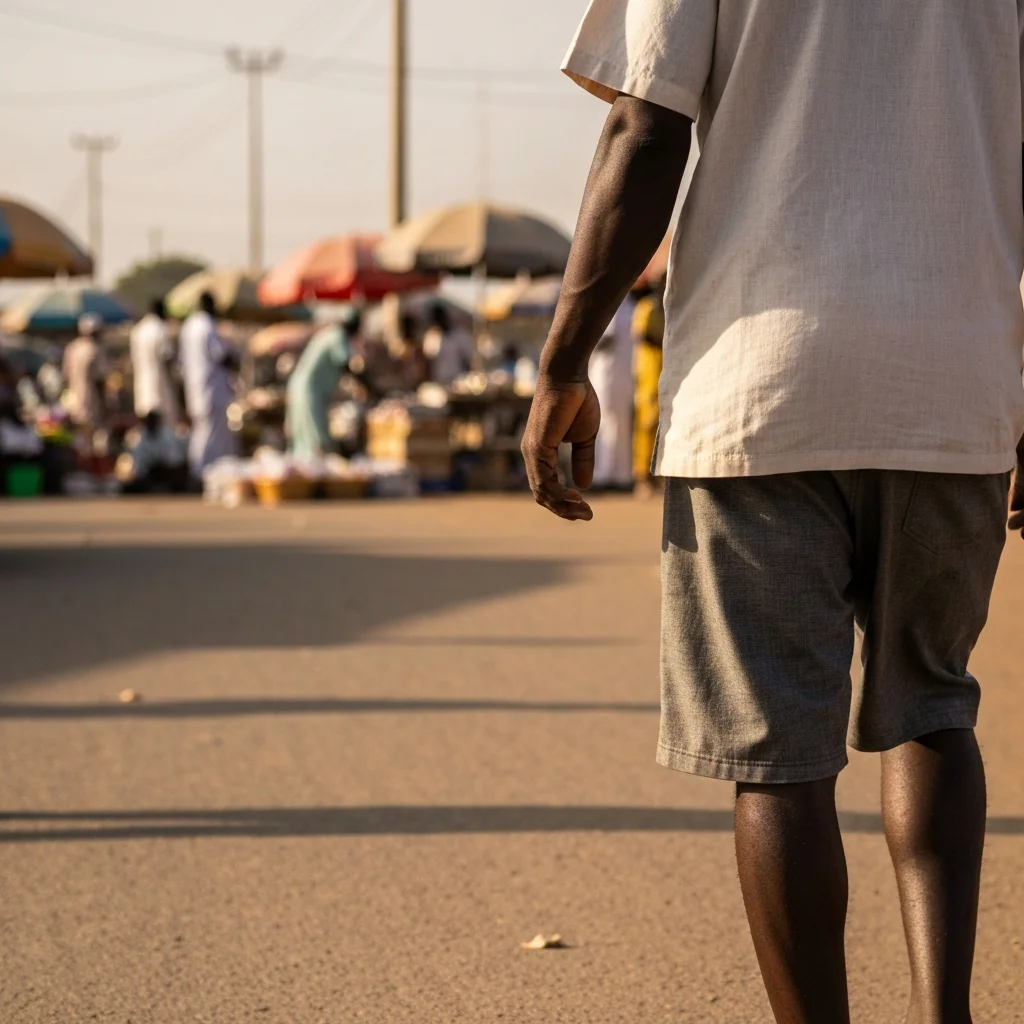
As of March 2026, a visitor visa takes about 52 days, a study permit around 8 weeks, and a work permit closer to 13 weeks. An officer is reviewing your ties to Nigeria, your reasons for travel, and your financial standing, looking for assurance you will leave when you are supposed to. They might ask for more documents, and you must respond quickly through your account.
“Processing times are updated weekly. They are based on data from the past 8 to 16 weeks. They are a guide, not a guarantee.”
– Immigration, Refugees and Citizenship Canada, March 2026.
The final decision appears as a message in your account, and if it is good news, you get a passport request letter.
The final stamp
This letter means you have succeeded, so you submit your physical passport to the Visa Application Centre for stamping, a process that takes another 10 to 15 business days. It comes back with a visa sticker inside, and for students or workers, you also get a letter to present at the border where the final permit is issued. You have crossed the finish line.
Where people stumble
Many refusals happen for simple reasons, like using an outdated form downloaded last year or submitting bank statements that tell a confusing story. Providing generic, templated letters that officers have seen a thousand times does not help your case. The worst mistake is misrepresentation, which can lead to a five-year ban, so if your situation is complex, explain it honestly from the start.
For students and workers
The path diverges here. Students need that letter of acceptance and proof of the full financial requirement, while workers typically need a job offer supported by a Labour Market Impact Assessment. The requirements are highly specific, and your employer often starts the process for you under programs like the International Mobility Program.
Counting the cost
You must budget for all of it. A visitor visa costs CAD $100, a study permit is CAD $150, and a work permit is CAD $155, plus the CAD $85 biometrics fee and any charges for a medical exam. VFS Global adds a service fee, so the total for one person often exceeds CAD $200, money you do not get back even if the answer is no.
Your digital lifeline
Your IRCC secure account is where everything happens. All messages and requests arrive there, and the status ticks from “Submitted” to “In Progress” and finally to “Approved” or “Refused.” Keep your login details safe, and if you hire a licensed consultant, they must use their own portal with your permission.
After the decision
An approval means checking the visa details carefully and planning your travel within its validity. A refusal is not the end, just a request for a stronger story next time, addressing the reasons in the letter you receive. The process rewards diligence and genuine, well-documented cases, a door that is open if you know how to walk through it correctly.

Ancient Rock Art Traditions Endure in Igbara Oke Caves

Palm Wine Tapper Climbs Same Tree That Killed His Father in Ozoro

Hunter Hears Dead Brother Whistle in Ganye Forest Mystery

Farmer Plants Yam That Grows Downward to Water Table in Drought

She Kept Asking and They Kept Moving Her in Nigeria

Global Food Prices Rose 2.4% in March 2026

Chigozie Obioma International Booker Prize 2026

Jidenna Pan African Sounds Latest Musical Project 2026

Hakeem Oluseyi Brings Astrophysics to Classrooms Worldwide

NANS Diaspora Nigerian Students Eastern Europe

Nnamdi Asomugha From NFL Cornerback to Hollywood Producer

Folake Olowofoyeku Stars in American Sitcom on Nigerian Family Life

Internet Sovereignty: Why Some Countries Want Their Own Separate Internet

The Story Of The Nigerian Who Helped Build Global Internet Systems

Nigerian Hackers: The Global Fraud Story and Its Fallout

Forgotten Satellites Defy Silence, Beaming Signals for Decades

The Phone Stay So Quiet: An Investigation into Nigeria’s Silent Customer Lines

Your Digital Store in Nigeria and the Reality of Domain Expiration

The Business That Died: A Nigerian Case Study in Refusal to Adapt

Hiding Your Business From People With Money

How Nollywood Grew Without Government Support

Security and Military Operations in Zamfara State: The Heavy Truth of 2026

Moniepoint Business Account Requirements Nigeria for SMEs 2026

Comedy Industry in Nigeria and Its Economic Contribution

 Digital Sovereignty8 months ago
Internet Sovereignty: Why Some Countries Want Their Own Separate Internet
- Technology & Innovation8 months ago
The Story Of The Nigerian Who Helped Build Global Internet Systems
- Crime8 months ago
Nigerian Hackers: The Global Fraud Story and Its Fallout
- Space Technology8 months ago
Forgotten Satellites Defy Silence, Beaming Signals for Decades
- Maritime8 months ago
The Phone Stay So Quiet: An Investigation into Nigeria’s Silent Customer Lines
- Business8 months ago
Your Digital Store in Nigeria and the Reality of Domain Expiration
- Business8 months ago
The Business That Died: A Nigerian Case Study in Refusal to Adapt
- Business8 months ago
Hiding Your Business From People With Money