Insecurity
The Unseen Frontline: How Humanitarian Crises Breed Security Threats
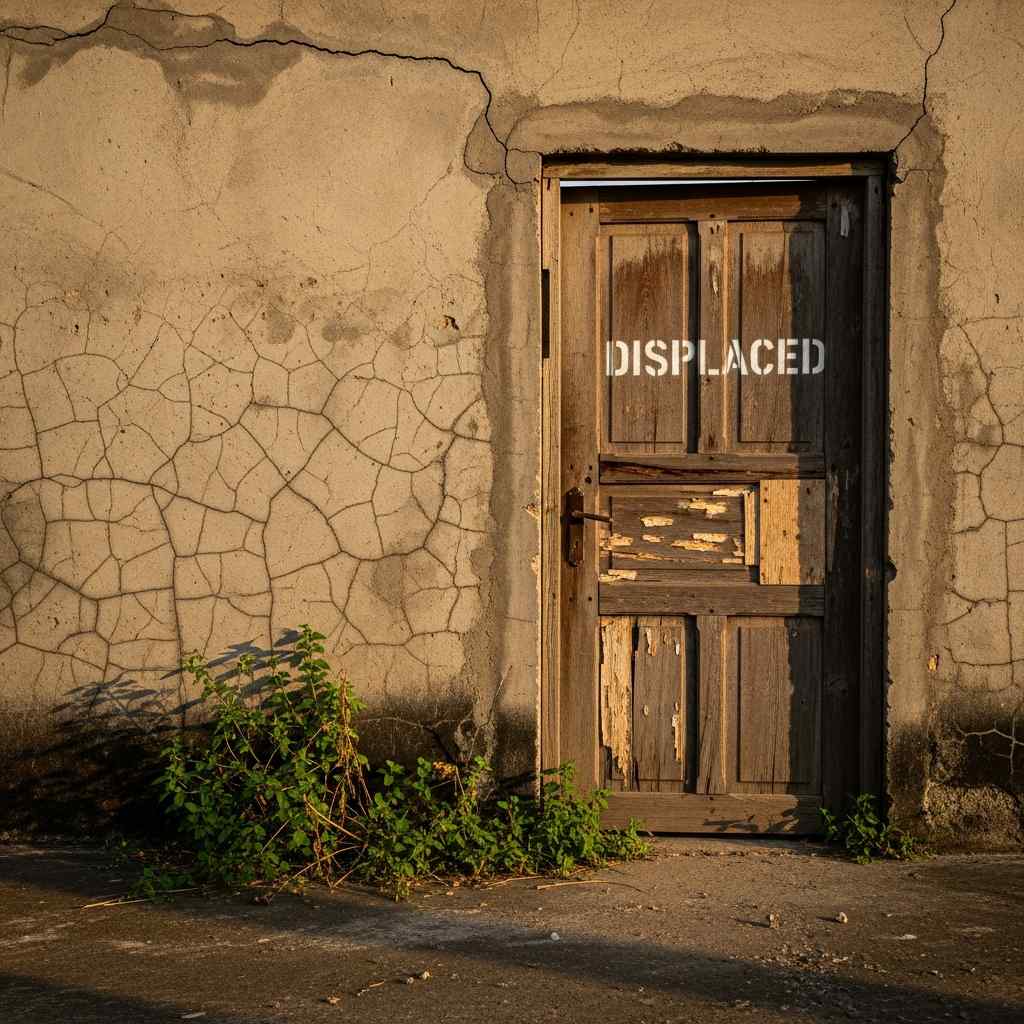
3.6 million displaced people form a nation within Nigeria, a mobile population creating security vacuums. From conflict to climate change, this crisis fuels instability, straining the state and…

The Unseen Frontline: How Humanitarian Crises Breed Security Threats
Published: 17 March, 2026
3.6 million people is not just a number. It is a nation within a nation, a permanent mobile population that moves across the map of Nigeria, according to the International Organization for Migration. This parallel geography of vulnerability intersects with the fragile security architecture of the state in ways that are both obvious and deeply hidden. You can see the camps, but you cannot always see the pressure they exert on everything around them.
The Trouble Has Many Drivers
Conflict remains the primary engine, especially in the North East where the fourteen-year insurgency continues to uproot communities. Attacks cause flight, and flight creates security vacuums that enable further attacks, trapping people in a cycle with no clear exit. The UN reported that a staggering 2.4 million people remained displaced across Borno, Adamawa, and Yobe states alone by the end of last year. Meanwhile, in the North West and North Central zones, armed banditry and farmer-herder conflicts generate waves of displacement without the centralized camp structures, scattering families and placing immense, often invisible pressure on local infrastructure. Then there is climate change, a threat multiplier that degrades farmland and pasture, forcing farmers and herders to move and sparking conflicts that trigger even more displacement. It is a self-perpetuating cycle that feeds on itself.
Spaces Without Authority
Large-scale displacement creates spaces with weak state authority, and where formal law enforcement retreats, other actors are always ready to fill the void. For insurgent groups, these ungoverned spaces offer sanctuary to regroup and plan, but there is a catch. The camps themselves become targets, concentrating trauma and poverty into fertile ground for infiltration and recruitment. Armed groups find purpose-seeking young men there and may use the camps as logistical nodes, so places designed for protection slowly morph into security liabilities. The strain on host communities breeds a different instability altogether, where a town absorbing thousands of newcomers buckles under the weight, jobs vanish, rents soar, and resentment builds until the social fabric begins to fray.
“The lines between humanitarian response and security stabilization have blurred completely. You cannot address one without the other. A hungry, displaced population is a population vulnerable to exploitation by any armed actor promising food or protection.”
– A senior analyst with the Institute for Security Studies, Abuja, February 2026.
Economic desperation then fuels criminal economies, as people stripped of livelihoods turn to illegal logging or unsafe artisanal mining, activities often controlled by syndicates that expand the informal economy and create new opportunities for corruption.
Two Tracks, One Problem
Nigeria operates a dual-track system where the military and police focus on kinetic operations while agencies like NEMA and international partners focus on aid, but coordination between these worlds is a persistent challenge. A military operation can displace thousands without a humanitarian corridor being established, and aid convoys get attacked on vast, insecure roads. The budgetary reality constrains everything, with funds that compete with countless priorities and often fall short of the staggering need. This brings us to a fundamental mismatch where most humanitarian funding cycles last only twelve months for food and temporary shelters, but displacement here is protracted, with many families in camps for five, seven, or ten years. The response remains emergency relief, while investment in durable solutions like permanent housing or sustainable livelihoods is limited.
Ripples Across the Map
The security implications do not stay contained in the conflict zones. They ripple outward along migration routes to Abuja, Lagos, Port Harcourt, changing urban demographics and straining infrastructure as the security challenge migrates with the people. It gets more complex when you consider food security, because the breadbasket Middle Belt experiences significant displacement from farmer-herder conflict. When farmers flee, planting seasons are missed, output falls, and this contributes to food price inflation that affects everyone. The World Food Programme warned that over 25 million people in Nigeria could face acute hunger by mid-year, with conflict and displacement as key drivers. Hungry populations are unstable populations, and the legitimacy of the state suffers when citizens flee and the government cannot protect them or provide a dignified return, eroding trust and creating space for non-state actors to pose as alternative providers.
“We are treating a chronic condition with emergency medicine. You give paracetamol for a headache that comes from a brain tumor. The tumor is the failure to resolve the conflicts and create economic opportunity that would allow people to stay home or return home with dignity.”
– A program director for a Nigerian peacebuilding CSO, Kaduna, January 2026.
The Data Tells a Story
The numbers are a map of pressure points. The IOM Displacement Tracking Matrix recorded displacements across 2,133 locations, with Borno State hosting the most, followed by Yobe, Zamfara, Sokoto, and Katsina. These are not just statistics but 2,133 potential flashpoints where resources are stretched and criminal groups find opportunity. The demographic breakdown matters too, showing that 52 percent of the displaced are children. A childhood spent in a camp, without consistent education or safety, shapes a worldview and creates a cohort with limited attachment to the state, and the security implications of this lost generation will manifest for decades. Protection metrics reveal specific failures, with reports consistently highlighting elevated risks for women and girls, which are profound human security failures that question the fundamental authority of the state when it cannot protect the most vulnerable within its borders.
What Can Be Done
The first step is to stop treating displacement as purely humanitarian. A whole-of-government approach is necessary, with the office of the National Security Adviser analyzing displacement data as a primary security indicator. There must be investment in durable solutions, funding permanent housing in secure locations and creating vocational training and micro-credit schemes in camps and host communities while ensuring displaced children get certified education. Strengthening local governance is also key, because town councils and Local Government Authorities are on the front lines and need direct budget support and capacity building to manage the influx, mediate tensions, and deliver services. Every state government should mandate a live, public dashboard to track new arrivals, health facility capacity, and staple food prices in each LGA, feeding it with data from local authorities and market unions. This transparency tool would help target resources, give early warning of pressures before they boil over, and create a shared set of facts. The technology exists, the need is acute, and the action is doable.
The management of internal displacement is now a core national security function. The 3.6 million displaced Nigerians are not just victims but a population in motion whose trajectory will shape the stability of the federation for years. The camps are pressure cookers within the body politic, and a security strategy that overlooks the humanitarian crises unfolding within the borders of the country is built on sand. The truth is heavy, visible on the roads out of conflict zones, in overcrowded classrooms, and in the eyes of a generation growing up without a home.



Insecurity
Plateau Security Cameras Tinubu Deploys 5000 Digital Units
5000 new cameras are coming to Plateau State. We look past the big number to the real challenges of power, connectivity, and cost, and listen to what people in places like Barkin Ladi actually think…
Plateau Security Cameras Tinubu Deploys 5000 Digital Units
Published: 04 April, 2026
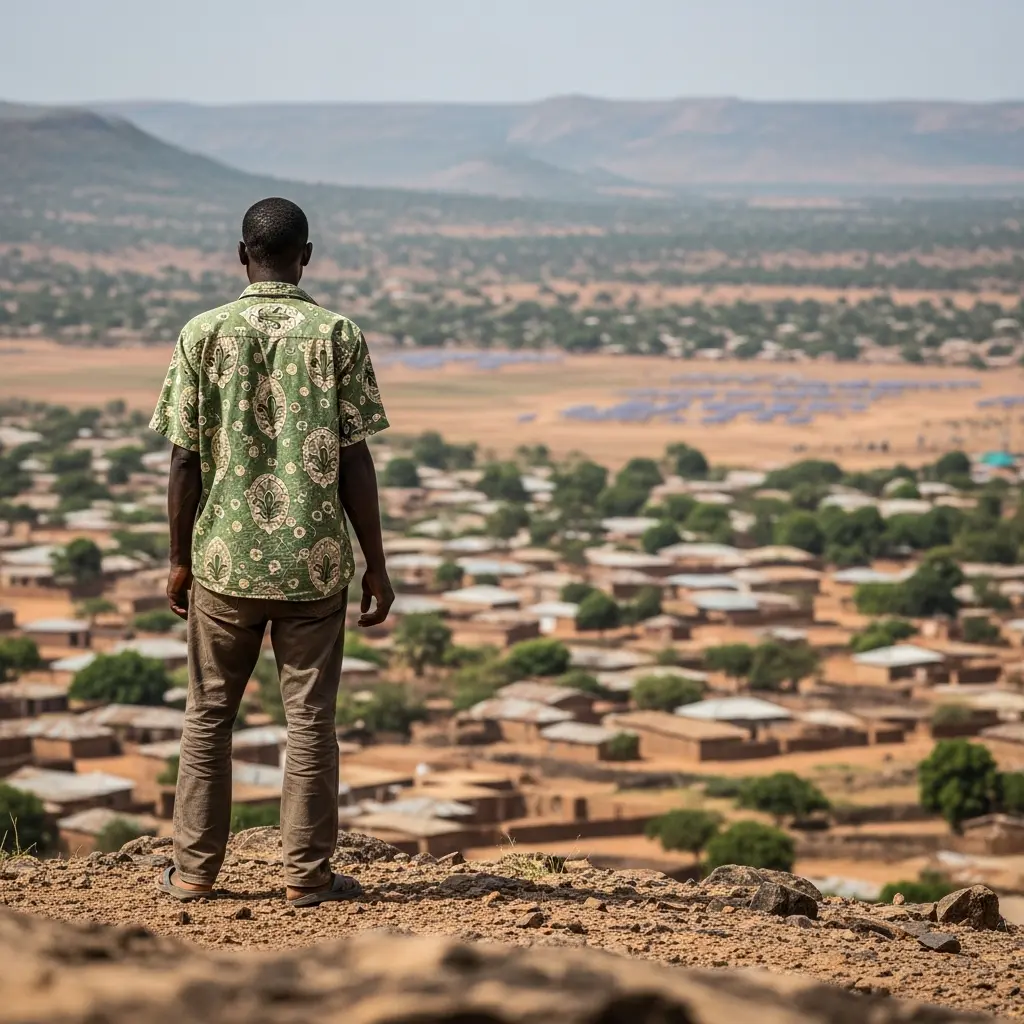
John Bako from Barkin Ladi has seen soldiers and police and curfews come and go, and now they are bringing cameras. You have to understand that the announcement about 5000 digital surveillance cameras for Plateau State came from the office of the National Security Adviser at the end of March, which means it is part of that Safe City Initiative you have heard about before. The logic feels straightforward enough when you consider that the state recorded over 200 security-related deaths in just the first three months of this year, so the promise is that more electronic eyes in the sky will mean quicker responses and maybe even stop attackers before they start. It is a big number, 5000, and it carries the weight of a simple hope that technology can fix what everything else has not.
The Map of 5000 Eyes
Those 5000 units are supposed to spread across 17 local government areas, with places like Barkin Ladi, Mangu, Riyom, and Bokkos getting priority because that is where the clashes happen most often. Each one of those cameras needs power and a data connection to send what it sees back to a command center in Jos, which is why the plan talks about solar panels and deals with telecom companies. You look at the numbers though, like the fact that Plateau State has a 4G coverage rate of about 65 percent, and you start to wonder about all the remote valleys and hilltops where the signal might not reach. The cameras have fancy features like license plate recognition and motion sensors, but a camera that cannot call home is just a piece of plastic on a pole.
The Price of a Picture
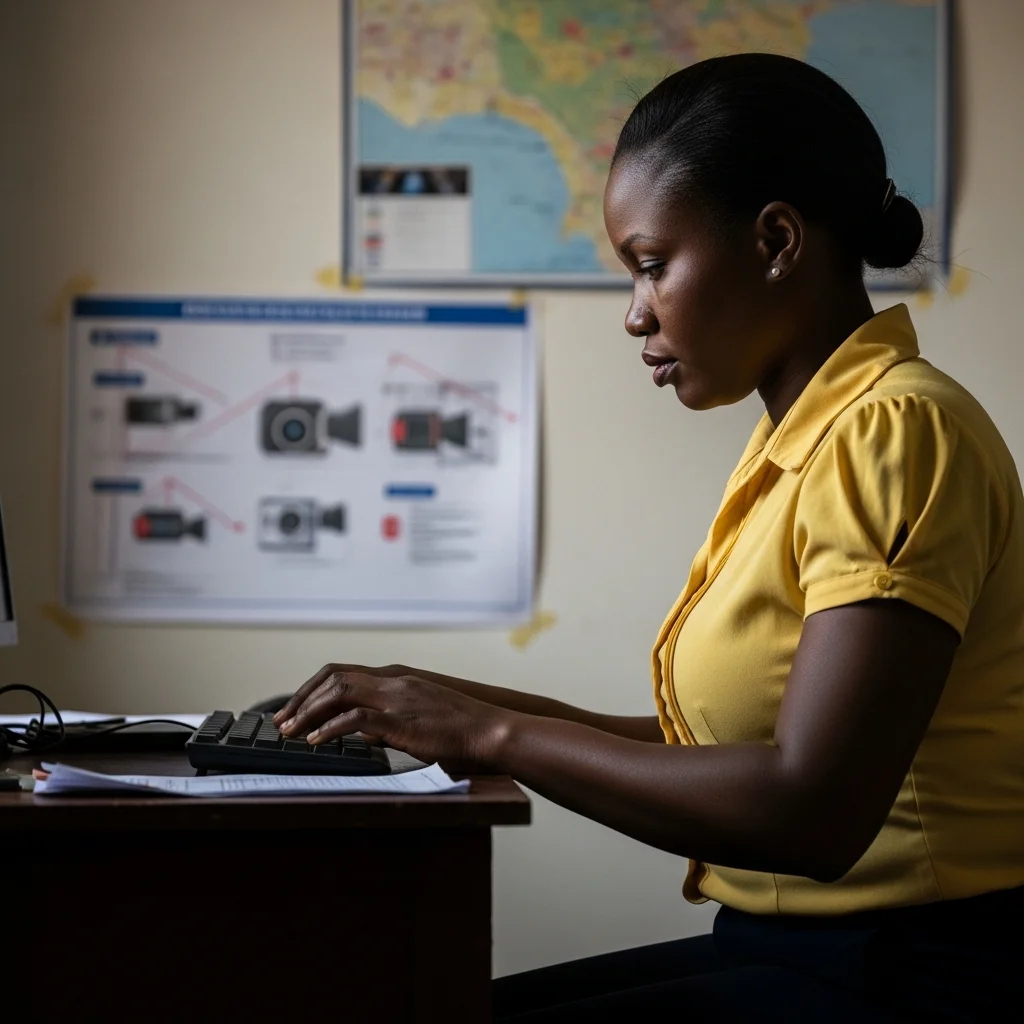
So they have set aside N25 billion for this whole operation, which covers the hardware and the software and the installation and training for 200 personnel. Now, N25 billion sounds like a lot of money, and it is, but then you hold it up against the total national budget of N21.8 trillion for 2026 and it becomes about 0.12 percent of that enormous figure. The entire Ministry of Defence is getting N3.25 trillion, so you can see how some people might look at this camera money and ask why the police on the ground are still waiting for basic equipment. It is the old story, where shiny new things get funding while the dull, essential things do not.
“Technology is a force multiplier, but it cannot replace boots on the ground and community trust.”
– Major General Christopher Musa (rtd), former Defence Chief, Vanguard, April 1, 2026.
When the Lights Go Out
The real problem with these Plateau security cameras is that they are machines, and machines in this part of the world have a complicated relationship with reality. The national grid supplies power for an average of 12 hours a day in many parts of the state, which means the solar backup plan is not just a nice idea but an absolute necessity for anything to work at all. Then you have the data transmission, because real-time video feeds eat up bandwidth like nobody’s business, and a 2025 report showed that fiber optic coverage is still pretty thin on the ground in rural Plateau. You can promise to upgrade the infrastructure, but promises and working internet are two very different things.
The Day After Installation
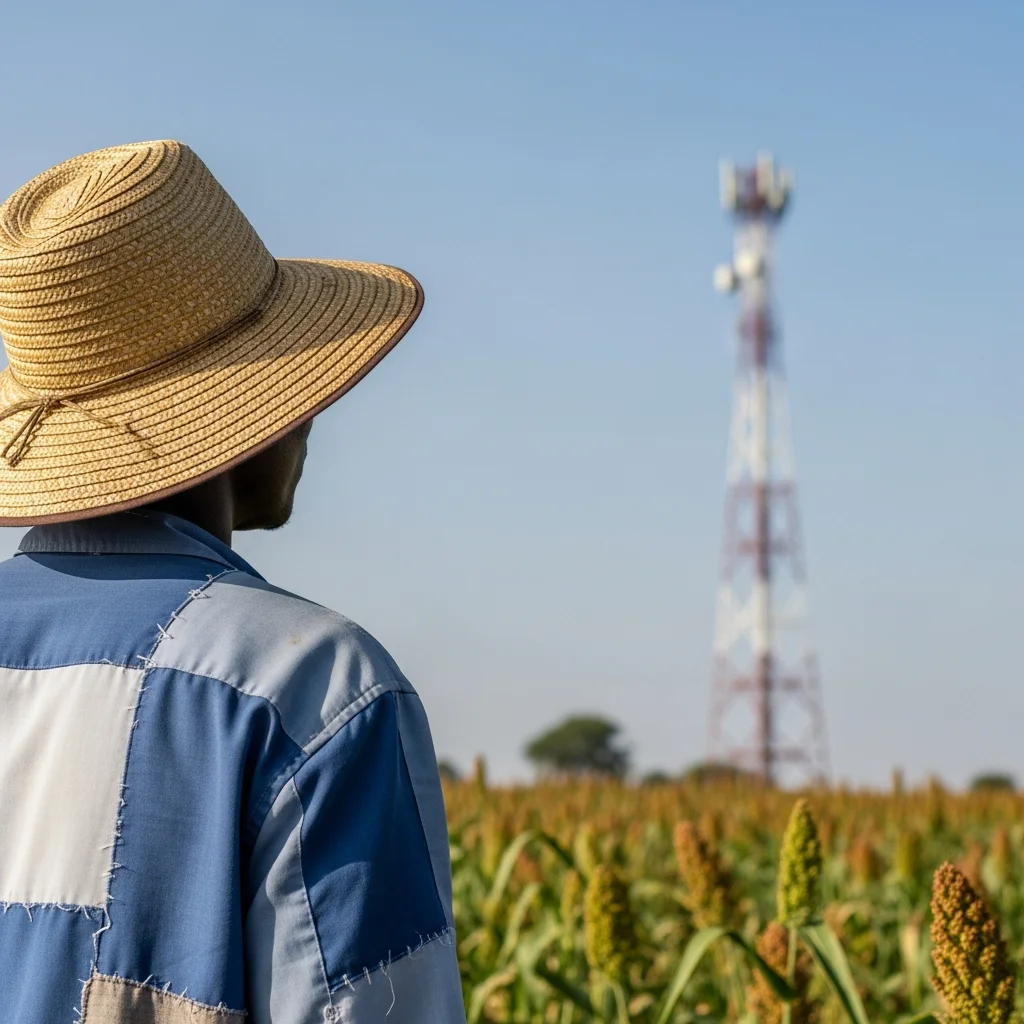
Let us say you successfully install all 5000 cameras. What happens on the morning after the last technician packs up his tools and drives away? The command center in Jos needs people to watch all those feeds constantly, so the plan is to hire and train 150 civilian staff to help the security agents, which sounds good on paper. There is a maintenance contract with the manufacturers for three years, costing N2.5 billion annually, and then after that the whole responsibility for keeping these eyes open falls to the state government. History tells you that is the moment when many well-intentioned projects quietly begin to gather dust.
A Question From Barkin Ladi
Back to John Bako. His skepticism is not born out of ignorance but out of experience, and it echoes in many conversations happening under trees and in market squares. Some residents welcome anything that might stop the midnight attacks, clinging to any thread of hope, while others just see another temporary measure that will not address the real pain.
“We have seen soldiers, we have seen police, we have seen curfews. Now they bring cameras. Will these cameras arrest anyone? Will they stop bullets? We need peace, not just pictures of violence.”
– John Bako, Community Leader, Barkin Ladi, Plateau State. March 30, 2026.
That is the heart of it, really. The technology feels distant and cold when what is needed is warm, difficult, human dialogue and reconciliation. Past initiatives often started with fanfare and press conferences, then faded away without leaving much behind except a memory of another thing that was supposed to work.
Learning From Lagos
This is not the first time someone has tried this. Lagos State launched its own camera network more than ten years ago, and it now has over 15,000 cameras watching the city. That system helps with investigations, people say, but it also needs constant power and people to watch the screens, which is a full-time job in itself. Abuja has a network too, and performance audits found that plenty of those cameras were not working because of maintenance problems. The lesson is clear for anyone who wants to listen: you can buy all the cameras in the world, but if you do not buy the commitment to keep them working, you are just building a very expensive museum.
What Success Looks Like
The deployment is supposed to happen in phases over eighteen months, with the first 1000 cameras blinking to life by the end of June 2026. Success will not be measured by the number of cameras on poles but by whether the intelligence they gather actually gets to the police and army units on the ground in time to make a difference. If that chain breaks, the technology is useless. Maybe the best thing that could come from all this is regular, honest reports about what the cameras are seeing and what is being done about it, because accountability is a kind of light too. For now, in towns like Mangu, people will watch the technicians work and wait to see if this story has a different ending.
Insecurity
Terrorists Kill in Nigeria as 2,266 Die in Six Months
A report tallied 2,266 fatalities from armed groups in six months. The violence has spread and adapted, outpacing a costly official response, leaving communities to calculate daily risks in a changed…

Terrorists Kill in Nigeria as 2,266 Die in Six Months
Published: 27 March, 2026
January to June 2025 was a period measured in reports and tallies, a quiet accounting of violence that left a specific number behind. The Armed Conflict Location & Event Data Project, which goes by the acronym ACLED, compiled incident reports from across the country and arrived at the figure of 2,266 fatalities caused by armed groups. It is a number that suggests consolidation rather than escalation, a grim plateau reached after years of conflict that has quietly changed its clothes and learned to walk in new regions.
The Geography of Fear
That number tells a story of shifting ground, where the traditional epicenters of violence in the northeast are no longer the sole theaters. A report from the Council on Foreign Relations in October 2025 noted this geographic spread, with attacks now frequent in the northwest and north-central regions. The official narrative might focus on territorial gains, but the reality for people in Katsina, Zamfara, and Niger states involves a daily calculation of risk for a journey to a farm or a market. The Nigeria Security Tracker recorded over 4,000 fatalities in 2024, and the first half of 2025 suggested we were on a similar path, a line on a graph that refuses to bend downward no matter how you look at it.
A Conflict in New Clothes
The phrase terrorists kill now covers a complex and adaptable ecosystem. The faction of Boko Haram led by Abubakar Shekau is largely gone, replaced by the group calling itself the Islamic State West Africa Province, which operates with different tactics focused on economic targets and administering territory. In the northwest, the violence is primarily attributed to armed bandits who engage in mass kidnappings for ransom, and a study in the Journal of Modern African Studies argued these groups are morphing, showing signs of ideological alignment with jihadist elements. This adaptation is strategic, exploiting governance gaps and local grievances while funding itself through kidnapping, cattle rustling, and illegal taxation, which makes the whole enterprise remarkably resilient to military pressure.
The Official Response
The government of Nigeria maintains a large security deployment, with a budget for the Ministry of Defence set at N3.25 trillion in the 2025 appropriation act, which is roughly 13% of the total federal budget. Military spokespersons regularly announce the neutralization of terrorists and the rescue of kidnap victims, and in a statement in February 2026, the Defence Headquarters reported successes in operations across the north.
“Our troops remain committed and have continued to record significant achievements across all theatres of operation.”
– Major General Edward Buba, Director of Defence Media Operations, February 20, 2026.
Yet the persistence of attacks raises quiet questions about a reactive posture, where the military responds to incidents but struggles to prevent them in a vast terrain with porous borders that defy any simple containment strategy.
Where the Money Goes
Funding is a constant debate, and that N3.25 trillion defence budget is primarily consumed by recurrent expenditure like salaries and overheads, leaving less for the capital projects that might bring advanced surveillance technology. Reports of inefficiencies and inflated contracts for equipment, like one published by the Premium Times in December 2025, erode confidence further. The police force and local vigilante groups tasked with holding cleared territories are chronically underfunded and lack equipment, which creates a vacuum that armed groups simply fill again after military operations conclude, making the whole effort feel like pressing on a balloon that bulges out somewhere else.
The View from the Ground
For residents, the statistics are not abstract. Each number is a neighbor, a relative, a lost future that collapses the economy of local communities as farmers abandon fields and markets close. Community leaders often express a sense of abandonment, negotiating directly with bandits for the release of loved ones because official channels seem slow or ineffective, a practice that unfortunately further empowers the very groups they fear.
“We are left to our fate. When we call for help, it sometimes comes too late. We have started defending ourselves because we have to.”
– A community leader from Birnin Gwari, Kaduna State, The Guardian Nigeria, January 2026.
The human cost extends far beyond the fatalities. The International Organization for Migration estimated over 3.5 million people were internally displaced in the north of Nigeria as of late 2025, a humanitarian crisis that strains resources and, in a cruel twist, creates fertile ground for recruitment by the armed groups.
A Different Path
Some argue for a holistic review, noting that military action alone is like treating a symptom while the disease of poverty, unemployment, and climate change continues to spread. A 2025 report by the United Nations Development Programme emphasized that without addressing these drivers, the cycle of violence would continue, recommending investment in alternative livelihoods and climate-resilient agriculture. Intelligence sharing and regional cooperation need improvement too, as these groups move freely across borders with Niger, Chad, and Cameroon, where joint patrols are announced but their effectiveness is often limited by logistical and political hurdles that are as persistent as the violence itself.
So the number 2,266 stands as a midpoint in a long and terrible tally. The adaptation of armed groups continues to outpace the adaptation of the response, and the war becomes a series of battles, some won and many stalemated. The real definition of losing might not be territorial. It is the slow normalization of fear and the quiet acceptance of a degraded quality of life for millions, which is the current reality as we wait to see which direction the line on the graph will move when the data for the first half of 2026 is finally compiled.
Insecurity
The New Highway Terror: How Urban Kidnapping is Strangling the South-West
The Lagos-Ibadan Expressway is now a hunting ground. Urban kidnapping syndicates have moved to the asphalt, turning travel into a calculation of ransom odds and strangling movement across South-West…

The New Highway Terror: How Urban Kidnapping is Strangling the South-West
Published: 25 March, 2026
127.6 kilometres of asphalt now serve as a primary hunting ground, which is a strange thing to say about a road that was meant to connect people and commerce. You no longer calculate a trip from Lagos to Ibadan in hours because you now calculate it in ransom odds, and that is a funny way to plan a journey when you think about it. The syndicates have moved from bush paths to the expressway, turning the entire stretch into something else entirely.
Why the highways became the new battlefield
Improved security in some cities pushed criminals toward softer targets like the long, poorly lit stretches of the Lagos-Ibadan and Ibadan-Ife expressways. Those roads offer limited police visibility and multiple escape routes, which is convenient if you are in that line of work. Economic desperation feeds the recruitment because unemployed youths see a single ransom share as more lucrative than years of legitimate work. The National Bureau of Statistics (NBS) Q3 2025 Labour Force Survey recorded youth unemployment in the South-West at 37.2%, and that is a lot of idle hands.
The numbers tell a grim story
Official figures are just the surface because families negotiate privately and fear police delays. Security analysts at Beacon Consulting and SBM Intelligence frequently estimate that reported cases represent only about 40% of actual incidents, so the underreporting is very real. Commerce feels it directly when logistics firms add 25-30% risk surcharges on the Lagos-Ibadan route, and a survey by the Manufacturers Association of Nigeria found 65% of members reported increased transport costs linked to security in their 2023 report. That cost, of course, gets passed on to you.
“We are fighting an enemy that understands the road network better than our own patrol units. They have spotters, they have informants in communities, and they move with a precision that suggests military training.”
– A commander with the Western Nigeria Security Network (Amotekun), speaking anonymously in February 2026.
The security response has gaps
The South-West Governors Forum launched Amotekun, but it lacks cross-border jurisdiction which kidnappers exploit with a crime in Ogun, the victim held in Ondo, and ransom negotiated from Lagos. This multi-state dimension cripples single-agency response. The Nigeria Police Force is stretched because a division covering 50 kilometres of highway might have two vehicles, and the 2026 Appropriation Act allocates only 2.4% of the federal budget to them. Security experts call this inadequate for the scale of the challenge, but there is a catch where intelligence sharing between federal agencies and Amotekun is poor, suffering from rivalry and technical barriers.
This problem will spread
Success inspires replication, and briefings warn of similar tactics emerging on the Abuja-Kaduna and Port Harcourt-Enugu corridors because networks share expertise. A pattern that starts on the Lagos-Ibadan road can appear anywhere within months. The psychological damage may outweigh the economic when travel becomes a life-or-death gamble and trust erodes so people fear helping stranded motorists, and the social fabric simply frays.
“The calculus for a young man with no job is simple: risk death as a kidnapper for a potential N10 million share, or face starvation in a legitimate economy that offers him nothing. We must change that calculus.”
– Dr. Abiodun Olaitan, sociologist at the University of Ibadan, in a March 2026 lecture on youth inclusion.
A practical step
The governors of Lagos, Ogun, and Oyo must mandate a unified, real-time communication channel for all highway security units including police, Amotekun, FRSC, and licensed private convoys. One radio frequency or encrypted chat for the Lagos-Ibadan Expressway corridor would use technology that is there and cheap. An incident triggers an immediate alert to every asset within 20 kilometres with location, vehicle description, and escape routes, so response time drops from hours to minutes. It denies kidnappers their critical window, and this requires one meeting between three governors to sign a joint order with no new laws and no budget debates, just administrative will.
Where we go from here
Urban kidnapping on highways is a sophisticated evolution that exploits weak cooperation and vast geography, so the costs pile up daily in ransom, surcharges, and deep anxiety. Solutions need practical, coordinated action because the pieces exist with technology, personnel, and legal frameworks. The task is to assemble them into a coherent defence of the right of the public to travel safely, and that task falls to leaders who must collaborate across artificial state lines. For the ordinary Nigerian planning a trip, the calculation remains grim when you check the time, your car, the passenger count, and the latest alerts. You say a prayer before turning onto the expressway, and that is the reality of movement in the South-West today. A solution that removes that fear from a simple journey would be genuine progress.

Ancient Rock Art Traditions Endure in Igbara Oke Caves

Palm Wine Tapper Climbs Same Tree That Killed His Father in Ozoro

Hunter Hears Dead Brother Whistle in Ganye Forest Mystery

Farmer Plants Yam That Grows Downward to Water Table in Drought

She Kept Asking and They Kept Moving Her in Nigeria

Global Food Prices Rose 2.4% in March 2026

Chigozie Obioma International Booker Prize 2026

Jidenna Pan African Sounds Latest Musical Project 2026

Hakeem Oluseyi Brings Astrophysics to Classrooms Worldwide

NANS Diaspora Nigerian Students Eastern Europe

Nnamdi Asomugha From NFL Cornerback to Hollywood Producer

Folake Olowofoyeku Stars in American Sitcom on Nigerian Family Life

Internet Sovereignty: Why Some Countries Want Their Own Separate Internet

The Story Of The Nigerian Who Helped Build Global Internet Systems

Nigerian Hackers: The Global Fraud Story and Its Fallout

Forgotten Satellites Defy Silence, Beaming Signals for Decades

The Phone Stay So Quiet: An Investigation into Nigeria’s Silent Customer Lines

Your Digital Store in Nigeria and the Reality of Domain Expiration

The Business That Died: A Nigerian Case Study in Refusal to Adapt

Hiding Your Business From People With Money

How Nollywood Grew Without Government Support

Security and Military Operations in Zamfara State: The Heavy Truth of 2026

Moniepoint Business Account Requirements Nigeria for SMEs 2026

Comedy Industry in Nigeria and Its Economic Contribution

 Digital Sovereignty8 months ago
Internet Sovereignty: Why Some Countries Want Their Own Separate Internet
- Technology & Innovation8 months ago
The Story Of The Nigerian Who Helped Build Global Internet Systems
- Crime8 months ago
Nigerian Hackers: The Global Fraud Story and Its Fallout
- Space Technology8 months ago
Forgotten Satellites Defy Silence, Beaming Signals for Decades
- Maritime8 months ago
The Phone Stay So Quiet: An Investigation into Nigeria’s Silent Customer Lines
- Business8 months ago
Your Digital Store in Nigeria and the Reality of Domain Expiration
- Business8 months ago
The Business That Died: A Nigerian Case Study in Refusal to Adapt
- Business8 months ago
Hiding Your Business From People With Money