Edutech Portal
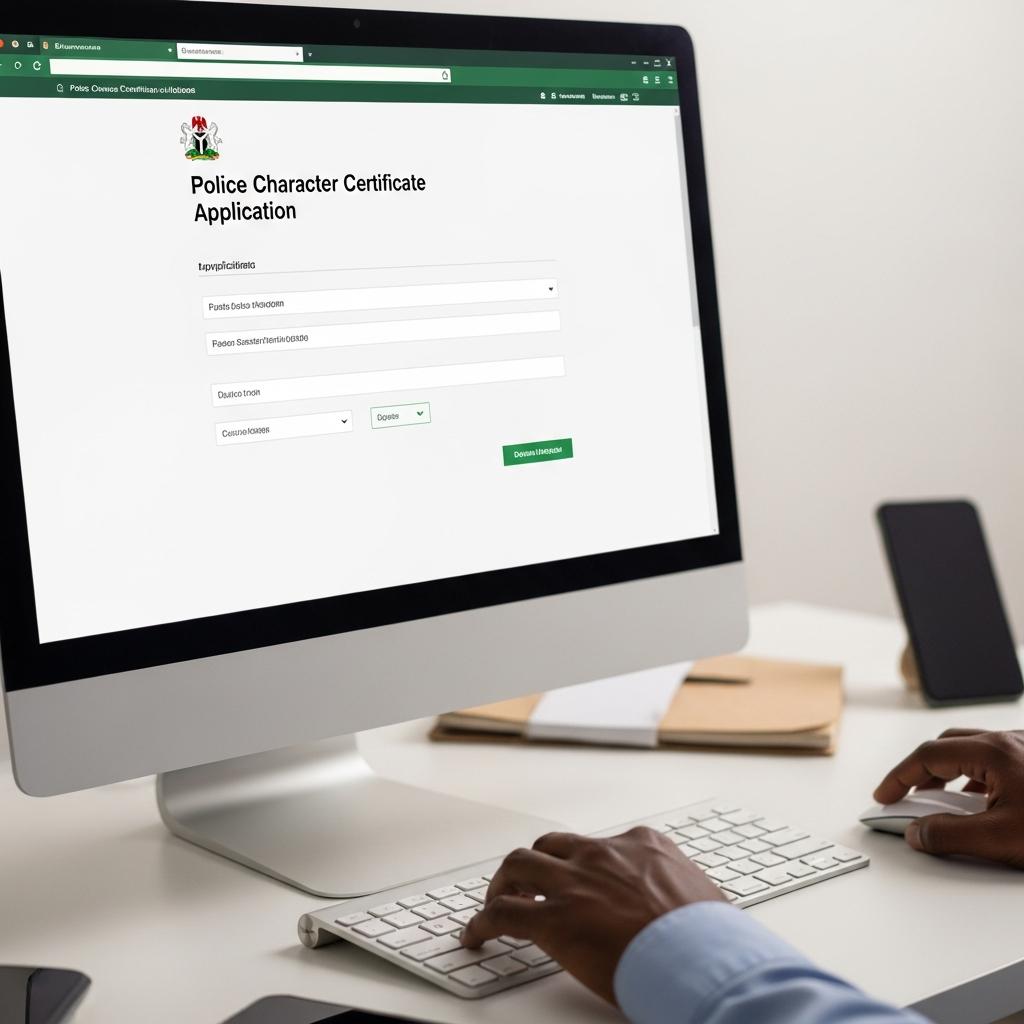
How to get police character certificate online 2026
How to get police character certificate online 2026. The complete guide to applying for a PCC through the official portal, required documents, fees, and collection points across Nigeria.


The Nigeria Police Force processed over 1.2 million requests for the Police Character Certificate in 2025. The figure is drawn from the official data portal, as reported by the Nigeria Police Force in 2026. The certificate remains a mandatory document for visa applications, job placements, and academic admissions abroad. The shift to a digital application system started years ago, but the process still generates questions.
What this certificate is and why you need it
Published: 02 April, 2026
A Police Character Certificate, or PCC, is an official document issued by the Nigeria Police Force. It states that the holder has no criminal record within the country. Foreign embassies, potential employers overseas, and educational institutions require it as proof of good conduct. According to a 2025 report by Premium Times, the certificate is valid for six months from its issue date for most international purposes. You apply for it when you have a specific need, like a visa application. The process moved online to centralize applications and reduce physical visits to police stations.
The official digital platform is your starting point
All applications originate from a single portal. The official digital platform is https://certificate.npf.gov.ng. This platform is operated by the Nigeria Police Force. Any other digital platform claiming to offer the service is fraudulent.
You create an account on this portal using a valid email address and phone number. The system sends a verification code to complete the registration. The portal guides you through the entire application process, from form filling to payment.
Gather these documents before you click apply
Preparation prevents delays. You need digital copies of several documents ready for upload. The first is a recent passport photograph with a white background. The second is a scan of the data page of your international passport.
For Nigerian applicants without a passport, the platform accepts the National Identity Number slip or a driver’s license. You also need a utility bill or bank statement as proof of address. As Vanguard reported in 2025, the document must show your name and a Nigerian address dated within the last three months.
Filling the online form demands accuracy
The application form on the portal asks for personal details. You must provide your full name exactly as it appears on your passport or ID. The system cross-checks this information with the document you upload. Any mismatch causes the application to fail.
You enter your date of birth, place of birth, and residential address in Nigeria. The form requires details of your parents, including their full names and hometowns. You list all addresses where you have lived in Nigeria for the past five years. Accuracy here is critical for the police verification process.
Payment happens on the portal with a bank card
The application fee is fixed. As of March 2026, the cost for the standard processing of a Police Character Certificate is N15,000. You make this payment online using a debit or credit card. The portal integrates with a secure payment gateway.
Receipt of payment is generated automatically on the platform. You print this receipt for your records. The payment covers the cost of processing, verification, and issuance of the certificate. There are no additional official fees at the point of collection.
Your application triggers a background check
After submission and payment, your application enters the verification queue. Officers from the Force Criminal Investigation Department (FCID) review the details. They conduct a background check against police databases across the states you listed.
This stage takes time. According to the Nigeria Police Force in 2026, the official service standard for standard processing is 14 working days. The timeline assumes all submitted information is correct and verifiable. Applications with errors or missing data face longer delays.
You get a notification when the certificate is ready
The portal updates the status of your application. You log into your account to check progress. Statuses move from ‘Application Received’ to ‘Under Review’ to ‘Approved for Collection‘. When approved, the system sends an email and SMS notification.
The notification includes a unique reference number and the designated collection center. You cannot collect the certificate without this approval alert. The collection center is usually the police command in the state matching your primary residential address.
Collection points are in every state command
You collect the physical certificate from a specific police formation. For most applicants, this is the Criminal Records Office at the State Police Command headquarters. In Lagos, collection is at the Force Criminal Investigation Department (FCID) annex in Alagbon Close, Ikoyi.
In the Federal Capital Territory, collection is at the FCID headquarters in Area 10, Abuja. The notification you receive specifies the exact address. You must go in person with original identification. A representative can collect on your behalf with a signed letter of authorization and their own valid ID.
Take these items with you for collection
Walk into the collection center with the right documents. Carry the original passport or ID you used for the application. Bring a printed copy of the application payment receipt. Have the printed notification of approval with the reference number.
For collection by a representative, add the signed letter of authorization and the representative’s original photo ID. The officer at the desk will verify these documents before handing over the certificate. You check the details on the certificate for any errors before leaving the premises.
What happens if your application gets delayed
Some applications take longer than the stated 14 working days. Common reasons include incomplete address history, a name mismatch with official records, or a high volume of applications. The first step is to check the application status on the portal.
If the status remains ‘Under Review’ beyond the timeline, you use the help desk function on the portal. You quote your application reference number. According to a 2025 report in The Guardian, the police advise against visiting collection centers to inquire about pending applications, as the processing is centralized.

Expedited processing exists for a higher fee
The portal offers an expedited service for urgent needs. This fast-track option guarantees processing within 72 hours of application submission. The fee for expedited processing was N30,000 as of the first quarter of 2026.
You select this option at the point of payment on the portal. The same verification checks apply, but the application receives priority in the queue. This service is useful for applicants with imminent travel deadlines or job offer expirations.
The system has improved but faces pressure
The online portal represents a significant upgrade from the old manual system. It brings transparency to payment and tracking. The volume of applications, however, tests the system’s capacity. According to BusinessDay in 2025, over 100,000 applications are submitted each month.
Network downtime on the portal occurs occasionally, usually during peak application periods. Applicants sometimes report difficulties uploading documents due to file size limits. The police IT unit advises using compressed file formats and stable internet connections during submission.
A simple step to avoid the biggest headache
Double-check every single detail on the form before you hit submit. The most common cause of rejection is a simple typo. A letter ‘O’ typed instead of a number ‘0’ in a passport number. A middle name omitted.
Compare the information on your screen with the physical documents in your hand. Do this twice. A five-minute review saves weeks of delay from a rejected application. This step costs nothing but attention.
The certificate is just one part of your
Receiving the Police Character Certificate means you have cleared a major hurdle. You have a document that proves your clean record in Nigeria. Frame it within the broader context of your visa or application process.
Embassies and institutions require other documents alongside the PCC. These include academic transcripts, employment letters, and financial statements. The PCC is a critical component, but it functions as part of a complete package. Its acquisition moves you closer to your goal.
The digitization of this service is a work in progress. It delivers efficiency while wrestling with the scale of demand. The applicant who is meticulous with details, patient with timelines, and vigilant against fraud navigates the process successfully. Simon Kolawole, April 2026
How to Obtain Your Nigerian Police Character Certificate Online (New Updates for the Diaspora)





Edutech Portal
How to apply for Nigerian visa from other countries in 2026
How to apply for Nigerian visa from other countries 2026. A guide for the diaspora on entry and residency options, with current fees, required documents, and the realities of the process.
According to World Bank data from 2021, more than 17 million Nigerians live outside the country. Many of these citizens, along with foreign nationals, require a valid visa to enter the country. The process for obtaining one has a digital front door, but the reality of the system requires some patience.
The digital gateway exists, but you need the right key
Published: 02 April, 2026
You start your application online. The official platform is the Nigeria Immigration Service e-Visa portal. This portal handles applications for various visa types, from tourism to business. The system asks for personal details, travel plans, and digital copies of supporting documents.
You upload a passport photograph with a white background. The system requires a scanned copy of the data page of your passport. The passport must have at least six months of validity from your intended date of entry into Nigeria. These are standard global requirements.
According to a statement from the Nigeria Immigration Service in January 2026, all visa applicants must use this portal. The statement emphasized a move toward full digitization of the process. During a 2026 press briefing, the Comptroller General of Immigration, Kemi Nandap, reiterated this directive, as reported by *Premium Times*.
Your application lives or dies by the supporting documents
The specific documents depend on the visa category. For a business visa, you need an invitation letter from a company in Nigeria. The letter must be on the company’s official letterhead and include the registration number from the Corporate Affairs Commission. A copy of the host’s passport data page or national ID card is also necessary.
For a tourism visa, you must show proof of hotel reservation and a return flight ticket. Some applicants receive requests for a bank statement showing sufficient funds for the trip. The definition of ‘sufficient’ often depends on the discretion of the immigration officer reviewing the file.
A report by BusinessDay in 2025 analyzed common reasons for visa rejections. Incomplete invitation letters and unclear travel itineraries accounted for a majority of the delays. The report quoted an immigration official who said applicants often treat the document upload as a trivial step.
The money part is very , and you pay online
Visa fees are non-negotiable and paid electronically on the portal. As of the first quarter of 2026, the fee for a single-entry visa is $253. The fee for a multiple-entry visa is $453. These figures are listed on the official NIS e-Visa digital platform and are subject to change with official notice.
You pay with an international debit or credit card. The portal provides a payment receipt upon successful transaction. You must print this receipt and include it with your other documents. The receipt contains a unique reference number for tracking the application.
The 2026 appropriation act allocated N40.5 billion to the Nigeria Immigration Service. A portion of this budget funds the maintenance and upgrade of the e-visa platform. The transparency of online payments reduces, but does not eliminate, certain informal practices that existed with manual applications.

After you apply, the waiting game begins
The standard processing time is officially five working days. Many applicants report longer waits, sometimes extending to two or three weeks. The portal has a status tracker where you can check if your application is pending, requires more documents, or is approved.
If approved, you receive an Approval Letter via email. This letter is not the visa. You present this letter at the point of entry, where an immigration officer stamps the actual visa into your passport. The visa-on-arrival process is essentially this: pre-approval online, issuance at the airport.
A 2025 audit of the platform by the Ministry of Interior noted occasional system downtimes. These technical issues contribute to processing delays. The audit recommended increased server capacity to handle the volume of applications, which, according to a 2025 report in *The Guardian*, averages 5,000 per week.
For the diaspora, there are special paths to consider
Nigerians by birth who have acquired foreign citizenship face a specific rule. They are ineligible for a standard visa. The law requires them to apply for a Subject to Regularization visa. This STR visa is the first step toward regaining Nigerian citizenship or obtaining permanent residency.
The application for an STR visa follows the same online process. The supporting documents differ. You must provide proof of Nigerian birth, such as an old passport or birth certificate. You also submit your certificate of naturalization from your current country of citizenship.
The STR visa is a bridge for Nigerians abroad who wish to reconnect with their roots in a formal, legal manner. Kemi Nandap, Comptroller General of Immigration, in a January 2026 stakeholder meeting.
Upon entry with an STR visa, you have 90 days to regularize your status. This process involves applying for a residence permit or citizenship. The paperwork for this second phase is extensive and typically requires legal assistance within Nigeria.
Thinking about staying longer? Look at residence permits
The Nigeria Immigration Service offers several types of residence permits. The common ones are the Temporary Work Permit (TWP) and the Combined Expatriate Residence Permit and Aliens Card (CERPAC). The TWP is for short-term engagements, valid for three months and non-renewable.
The CERPAC is the standard permit for foreigners employed in Nigeria. It is a combined identity and residence card. The application starts with the employer obtaining a quota approval and an expatriate position from the Ministry of Interior. The process is known for its bureaucratic layers.
The fee for a new CERPAC card in 2026 is $2,000 for the primary applicant. Dependent cards cost $1,000 each. These are annual fees. The high cost is a frequent point of discussion among the business community. The government views it as a revenue stream and a control mechanism for foreign labor.
Permanent residence is possible, but the door is narrow
Permanent residence in Nigeria is granted under specific conditions. One common path is for foreigners who have lived in the country continuously for fifteen years. Another path is for investors who bring a minimum capital as defined by the Nigeria Investment Promotion Commission.
The application for permanent residence is entirely paper-based and submitted directly to the headquarters of the Nigeria Immigration Service in Abuja. Decision times are lengthy, often taking more than eighteen months. Approval rates are low, with the government granting only a few hundred such permits each year.
Data from the NIS annual report for 2024 shows that 347 permanent residence permits were issued. The majority went to investors under the capital importation scheme. The 2024 NIS Annual Report confirmed that the nationalities of the recipients were not broken down.

What about other Africans? The ECOWAS protocol applies
Citizens of member states of the Economic Community of West African States enjoy a special privilege. They do not require a visa to enter Nigeria for visits up to 90 days. They must possess a valid ECOWAS Travel Certificate or a national passport.
The intent of the protocol is to foster free movement within the region. The reality at land borders sometimes differs. Officials may request other documents or facilitation payments. For air travel, the protocol is generally respected at international airports like Murtala Muhammed in Lagos and Nnamdi Azikiwe in Abuja.
A 2025 study by the ECOWAS Commission noted that Nigeria remains the largest destination for intra-regional migrants. The ease of entry under the protocol supports informal trade and labor movement across borders. The study estimated over 1. According to the ECOWAS Commission Report in 2025, Nigeria is home to 5 million ECOWAS citizens.
Here is a simple action you can take today
Bookmark the official Nigeria Immigration Service e-Visa digital platform. Visit the site and use the ‘Visa Wizard’ tool. This tool asks a few questions about your nationality and purpose of travel. It then tells you the exact visa type you need and lists the required documents.
Do this exercise even before you start your actual application. It gives you a complete checklist. Having every document ready before you open the application form saves time and reduces errors. The wizard is one of the more functional parts of the digital system.
The platform operated by the ministry is the single source of truth for fees and requirements. Relying on third-party blogs or agents for basic information introduces risk. Agents have a role in complex cases like STR or CERPAC, but for a standard visa, you can manage the first steps yourself.
The system works, with a dose of patience
The digitization of the visa process is a positive step. It brings transparency to fees and provides a application trail. The convenience of applying from any country is real. You complete the entire process from your laptop without visiting an embassy.
The human element remains. An officer still reviews your documents. Incomplete files get delayed. System glitches happen. Planning your application with a buffer of a few extra weeks is the wise . Do not apply for a visa one week before a critical business meeting.
For the Nigerian diaspora, the pathways for return and residency are defined in law. The STR visa and residence permit processes are bureaucratic but navigable. The key is understanding that the online application is just the first chapter. The subsequent chapters involve engagement with the system within Nigeria itself. The process has a logic, once you learn its rhythm.
Canada vs UK Migration: Which Is Better for Nigerians in 2026?
Edutech Portal
How to get birth certificate for child in Nigeria 2026
How to get birth certificate for child in Nigeria 2026 with the National Population Commission. Learn the official process, required documents, fees, and timelines for 2026 registration.
How to get birth certificate for child in Nigeria 2026
Published: 02 April, 2026
The National Population Commission registers about three million births each year. According to a 2025 report by Premium Times, this number leaves millions of children without a legal identity. A birth certificate remains the first right of a child.
Why a birth certificate matters more than you think
You need this document for school enrollment. You need it for a passport application. The National Identity Management Commission requires it for the National Identification Number. According to a 2025 report from Vanguard, a 2025 report by the United Nations Children’s Fund showed that 57% of children under five in Nigeria lack birth registration. According to the UNICEF Nigeria Country Office in 2025, this creates a population of invisible citizens.
The process for how to get birth certificate for child in Nigeria 2026 involves one primary agency. The National Population Commission operates as the sole legal body for birth registration. The commission maintains offices in all 774 local government areas. According to the National Population Commission in 2026,
The official body in charge of your child’s identity
The National Population Commission holds the mandate. The commission operates under the Births, Deaths etc. (Compulsory Registration) Act of 1992. This law makes registration compulsory within 60 days of a birth. The 1992 Federal Republic of Nigeria Official Gazette details these provisions. Registration after this window becomes a ‘late registration’.
The commission launched a digital registration platform in 2023. The platform allows for electronic data capture at registration centers. According to the National Population Commission in 2023, some local government offices still use manual registers. The digital system aims to phase out paper-based records.
“The birth certificate is the first legal acknowledgment of a child’s existence. It is the foundation upon which all other rights are built.”
, Dr. Nasir Isa Kwarra, Chairman, National Population Commission, in a January 2026 statement.
Where you must go to register a birth
You visit the National Population Commission office in your local government area. Each local government area hosts at least one registration center. Major hospitals and primary health centers often have designated registration points. The commission lists these centers on its digital platform.
You can locate your nearest center using the commission’s online directory. According to the National Population Commission Portal in 2026, urban centers like Lagos and Abuja have more offices. Rural areas may have one center serving multiple communities.
The documents you need to gather
You present a proof of birth notification from the hospital or a sworn affidavit. You provide a valid identification document for the parent or informant. The National Population Commission accepts a driver’s license, an international passport, or a national ID card. You need the marriage certificate of the parents if available.
The commission requests the immunization card for the child. Two passport photographs of the child are required for late registration. For children born outside a hospital, a letter from the village head or a religious leader serves as proof. According to the 2025 National Population Commission Guidelines,
What happens if you lost the hospital notification
You obtain a sworn affidavit from a court of law. The affidavit declares the fact, date, and place of birth. You present this affidavit with the other required documents. The registration officer will process the application as a late registration.
The step by step process at the registration center
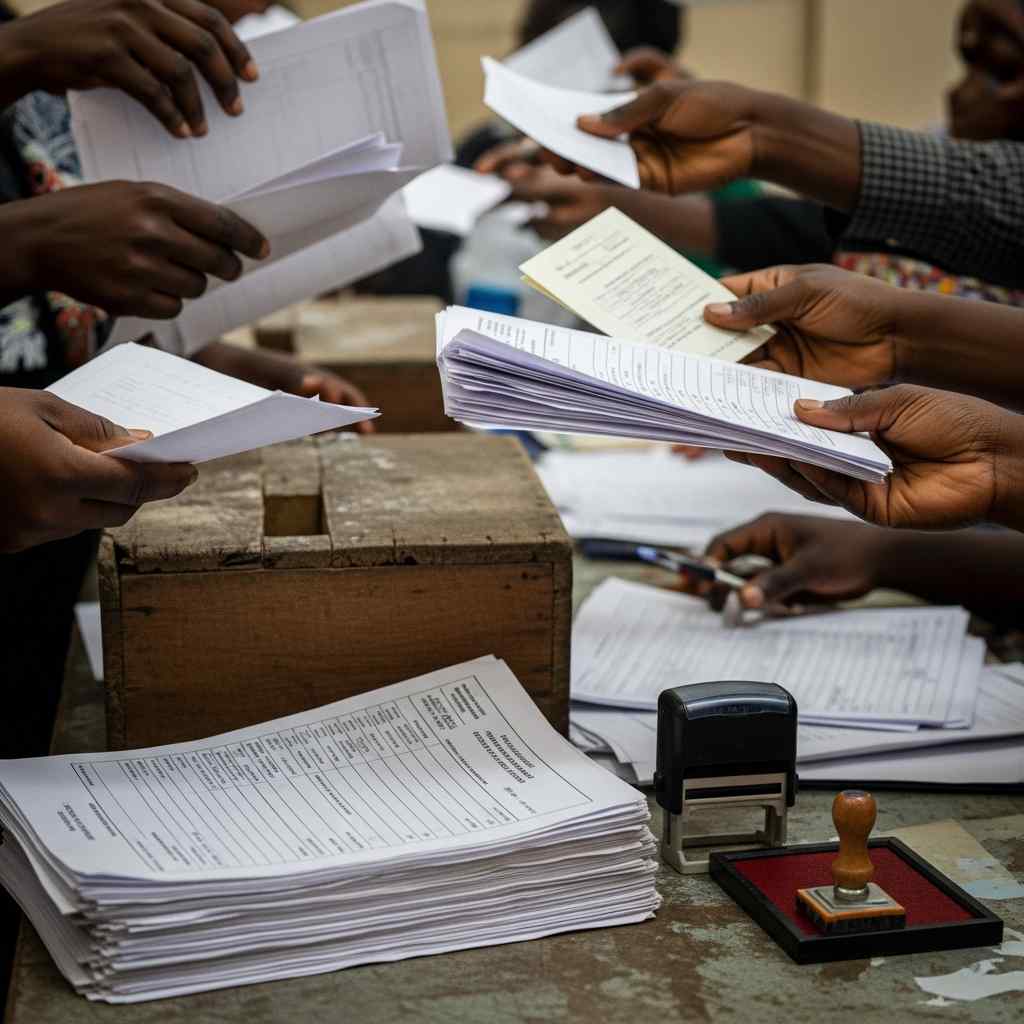
You submit all documents to the registration officer. The officer verifies the documents and enters the details into the system. The officer captures biometric data for the child if the system is available. You receive an acknowledgment slip with a tracking number.
The officer issues a temporary birth certificate immediately in some centers. The standard waiting period for the laminated certificate is two weeks. As BusinessDay reported in 2025, you return to the center to collect the certificate. Some state offices offer courier services for a fee.
How much money you should prepare
Birth registration within the first 60 days is free by law. Late registration attracts a statutory fee. The official fee for late registration is N2,000. According to the National Population Commission in 2025, some centers charge additional fees for affidavit processing or photography.
The fee for a replacement of a lost certificate is N5,000. Expedited processing services may cost extra. You receive an official receipt for any payment made. Always request this receipt.
“We have eliminated all illegal fees for birth registration. Any parent asked to pay for a standard registration within the legal window should report to our headquarters.”
, Mr. Bimbola Salu-Hundeyin, former NPC Director of Vital Registration, speaking to The Guardian in November 2025.
When you register a birth after the deadline
Late registration follows a different procedure. The law defines late registration as after 60 days but before the child turns 18. Registration after age 18 requires a court order. The process involves more stringent verification.
You provide additional documents like school records or baptismal cards. The registration officer may interview the parents or guardians. The commission cross-checks the information with local records. The entire process takes longer than standard registration.
The new digital options available in 2026
The National Population Commission operates a web portal for status checks. You enter the tracking number from your acknowledgment slip. The portal shows the stage of your certificate production. Some state offices send SMS notifications upon completion.
The commission piloted a mobile registration app in 2024. The app allows community registrars to capture data in remote areas. According to a 2024 report by Nairametrics, full national rollout faces infrastructure challenges. Internet connectivity in rural areas remains a barrier.
The reality of technology on the ground
Digital systems work in state capitals and urban LGAs. Many rural registration centers rely on paper forms. Data from paper forms undergo manual entry at zonal offices. This creates delays and potential for errors.
Correcting a mistake on the certificate
You apply for an amendment at the same registration center. You provide documentary evidence for the correct information. A court affidavit often supports the correction request. The commission charges a fee for amendments.
The process for a name change requires a newspaper publication. You publish a change of name notice in a national daily. You submit the publication with a sworn affidavit to the commission. The commission issues a new certificate with the correct details.
What to do if the certificate gets lost
You apply for a replacement at the original registration center. You provide the child’s details and the original registration number if available. You present an affidavit of loss from a court. You pay the prescribed replacement fee.
The commission retrieves the original record from its database. The process for issuing a replacement takes about four weeks. The new certificate carries a ‘Replacement’ watermark. It holds the same legal validity as the original.
Why some parents still avoid registration
Distance to registration centers poses a problem. A 2025 survey by Punch found that 30% of rural respondents cited distance as a barrier. Awareness levels low in some communities. Cultural practices sometimes delay naming ceremonies beyond the registration window.
Perceived complexity of the process discourages others. Stories of unofficial fees create hesitation. The commission runs periodic mass registration campaigns to address these gaps. These campaigns often partner with local governments and NGOs.
A simple action you take today
Visit the National Population Commission digital platform. Use the ‘Locate a Center’ tool. Find the address and contact for your local government office. Call ahead to confirm their operating hours and document requirements.
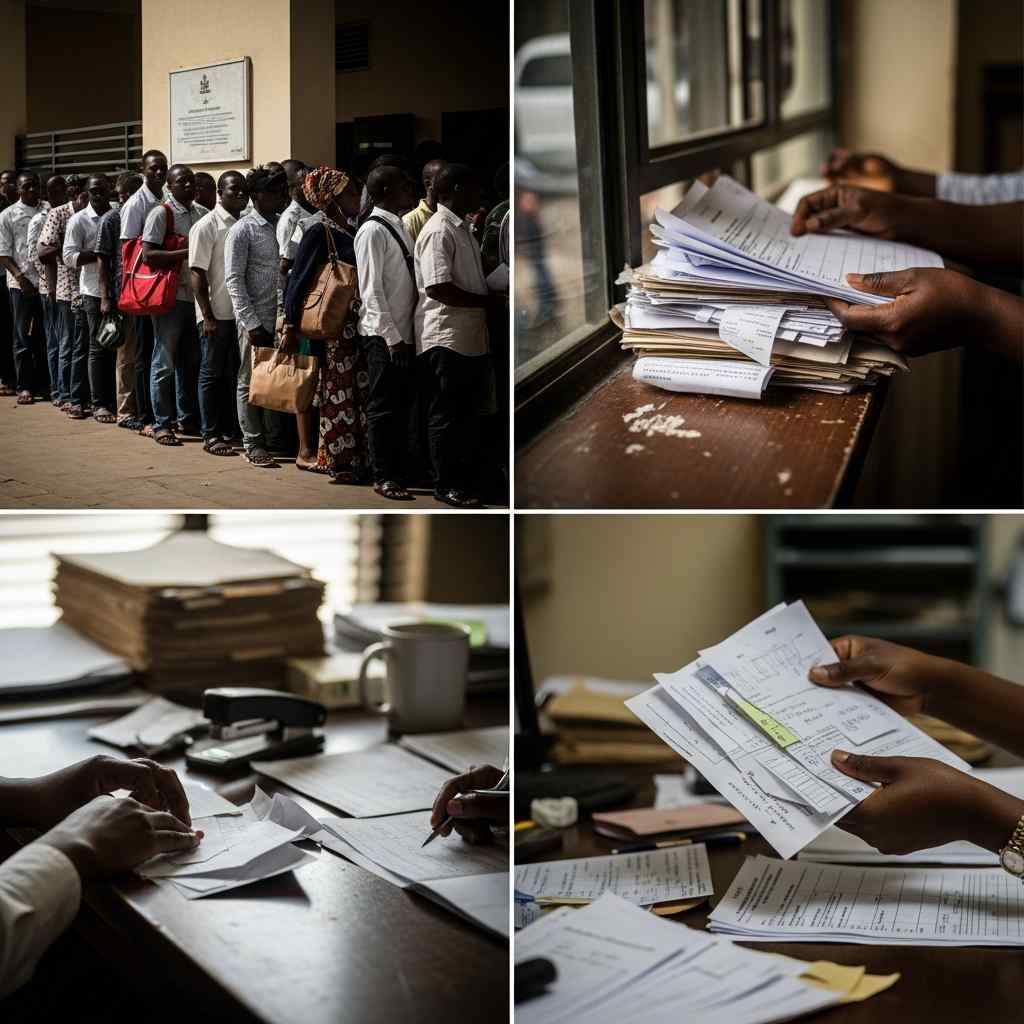
Gather every required document in a file. Include original copies and photocopies. Plan your visit for a weekday morning. Arriving early helps you avoid long queues.
The long term value of this small booklet
A birth certificate secures a child’s future. It unlocks education and healthcare services. It provides protection against child marriage and trafficking. It establishes citizenship and nationality.
The process for how to get birth certificate for child in Nigeria 2026 is straightforward on paper. The experience on the ground varies with location and resources. Persistence yields that green booklet. That booklet opens doors for a lifetime.
Registration numbers improve each year. The digital transition continues slowly. The goal remains universal registration. Every child counts.
How to obtain a birth certificate in Nigeria (national population commission) NPC
Edutech Portal
How to apply for driver’s license renewal online Nigeria FRSC portal
How to apply for driver’s license renewal online Nigeria. A guide to the FRSC portal, test requirements, fees, and the reality of the process in 2026.

According to the FRSC Annual Report, the year 2024 saw approximately 2 million driver license applications. A significant portion of these were renewals. The official position states that driver license renewal online in Nigeria involves a digital portal. The reality on the ground includes visits to government offices and capture centers.
You need a digital foundation first
Published: 02 April, 2026
The entire renewal process depends on two numbers. You require a valid Bank Verification Number and a National Identification Number. The FRSC integrated these systems in 2022 to create a central database.
Without these numbers, the online portal remains inaccessible. The FRSC states this integration prevents multiple license issuance to one individual (Official FRSC Bulletin, January 2026).
Check your license expiry date early
Driver licenses in Nigeria expire after three years for private vehicles and one year for commercial vehicles. The FRSC recommends starting the renewal process three months before the expiry date.
This early start accounts for system delays and appointment scheduling. A license with a lapsed validity attracts extra penalties during renewal.
The online portal is your starting point
Visit the official digital platform of the Federal Road Safety Corps. Navigate to the license renewal section. This portal is the same platform used for fresh applications.
You will select the ‘Renewal’ option and enter your existing driver license number. The system pulls your data from the central database using your BVN and NIN.
Payment happens on the portal
The portal generates a fee invoice for you. As of April 2026, the standard renewal fee for a private driver license is N10,450. This figure includes all statutory charges according to the FRSC fee schedule.
You make payment electronically on the platform. Accepted methods include debit cards and bank transfers. The system issues a transaction receipt and a temporary license slip upon successful payment.
“The digital payment integration has reduced cash handling at our centers. It brings accountability to the process,” stated the FRSC Corps Marshal in an official bulletin released in February 2026.
Then you go offline to a capture center
Here is the thing. The online application only completes the first half. You must visit a physical Driver License Centre or an accredited state licensing office. You book an appointment for this visit on the same FRSC portal.
At the center, officials will capture your biometric data. This includes a fresh photograph, fingerprints, and a digital signature. You present the printout of your temporary license slip and your payment receipt.
What you carry to the capture center
Bring the original copy of your expired driver license. Carry a printout of the temporary license slip from the portal. Have your payment transaction receipt ready.
You also need a valid form of identification. A national ID card, an international passport, or a voter card suffices. The officials will verify these documents against the data on the portal.

The test requirement is a point of discussion
The official FRSC guideline mentions a potential retest for drivers renewing licenses. According to an FRSC circular issued in February 2026, a retest is mandatory if your license has been expired for more than one year. For licenses expired less than one year, the retest requirement is at the discretion of the state licensing authority.
The FRSC headquarters issued this circular to standardize the practice across all states. Prior to 2026, enforcement varied significantly between Lagos, Kano, and Rivers states.
A report by Premium Times in December 2025 noted inconsistencies in test application. The FRSC has since moved to address these variations.
The test format for those who take it
The test is usually a computer-based theory examination. It covers the Highway Code, road signs, and basic vehicle maintenance knowledge. The test happens at the same licensing center after biometric capture.
You receive your result immediately. A pass mark allows the production process for your new card to proceed. A failure requires a retake after a stipulated period.
Your new card arrives later
After successful data capture and any required test, the center submits your application for production. The FRSC produces the physical cards at a central printing facility.
The collection process is not instantaneous. The official timeline for card production and delivery to the state center is six to eight weeks. Many applicants experience longer waits.
“We are working with the Nigerian Security Printing and Minting Company to reduce the production backlog. The target is a four-week turnaround by the end of 2026,” a director at the FRSC licensing department told The Guardian in January 2026.
You track your card online
Use the application tracking feature on the FRSC portal. Enter your application reference number to check the status. The status moves from ‘Processing’ to ‘Produced’ to ‘Dispatched’ to ‘Ready for Collection’.
You receive an SMS notification when your card arrives at the state center where you did your capture. You return to that center with your temporary license slip and ID to collect the plastic card.
The system has friction points
Network failures can disrupt the online payment process. Server downtime on the FRSC portal is a common complaint from applicants. These glitches cause delays and frustration.
The appointment scheduling system at capture centers sometimes shows no available slots for weeks. This bottleneck forces applicants to visit centers without appointments, leading to long queues.
A 2025 survey by Nairametrics found that 65% of respondents cited portal instability as a major hurdle in the renewal process.
State variations add complexity
While the FRSC sets the national policy, state motor licensing authorities operate the capture centers. This division creates variations in service delivery and additional fees.
Some state authorities charge a separate processing fee on top of the FRSC fee. The level of organization at capture centers differs from Lagos to Kano to Rivers State.

Your temporary license is valid
The temporary license slip you print from the portal is a legal document. It serves as proof of a valid application while you wait for the plastic card. Law enforcement agencies accept it during routine checks.
This temporary license has a validity period, usually 60 days. If your plastic card does not arrive within this period, you can request an extension at the FRSC office.
What if you lost your old license
The process for renewal with a lost license is similar. You start on the online portal but select the ‘Replacement’ option. You will need to provide a police report or a sworn affidavit confirming the loss.
The system still retrieves your data using your BVN and NIN. The fee for a replacement is higher than a standard renewal. Applicants should check the FRSC portal for the current replacement fee, as rates are subject to review.
Start with a personal audit
Open the FRSC portal on a day you have patience. Have your BVN, NIN, and expired license number written down. Check the expiry date on your current license to know your timeline.
Allocate a budget for the official fee and potential incidental expenses. Understand that the process blends online convenience with physical verification. This hybrid model defines many government digital services in Nigeria.
The move towards full digital licensing continues. The FRSC proposed a fully digital driver license accessible via a mobile app in its 2026-2030 strategy document. For now, the plastic card and the online portal work together.
DMV Written Test Questions and Answers | Driving Test Questions and Answers

Mini Importation Tips for Nigeria Duty-Free China Goods in 2026

POS Business Setup with N100k in Nigeria 2026

1kVA Solar Inverter for Your Flat Screen TV and Fan in 2026

How to apply for Nigerian visa from other countries in 2026

How to get birth certificate for child in Nigeria 2026

How to get police character certificate online 2026

How to apply for driver’s license renewal online Nigeria FRSC portal

How to apply for land certificate at state land registry in Nigeria 2026

How to Register for NHIS health insurance using NIN Nigeria

How to verify legitimate overseas job offers in Nigeria in 2026

Cheapest Building Materials in Nigeria for 2026 House Projects

Difference Between a C of O and a Governor’s Consent in Nigeria

Internet Sovereignty: Why Some Countries Want Their Own Separate Internet

The Story Of The Nigerian Who Helped Build Global Internet Systems

Nigerian Hackers: The Global Fraud Story and Its Fallout

Forgotten Satellites Defy Silence, Beaming Signals for Decades

Your Digital Store in Nigeria and the Reality of Domain Expiration

The Phone Stay So Quiet: An Investigation into Nigeria’s Silent Customer Lines

The Business That Died: A Nigerian Case Study in Refusal to Adapt

Hiding Your Business From People With Money

How Nollywood Grew Without Government Support

Comedy Industry in Nigeria and Its Economic Contribution

Nigeria Produces 67 Percent Global Yam Output

Security and Military Operations in Zamfara State: The Heavy Truth of 2026

 Edutech Portal2 months ago
Internet Sovereignty: Why Some Countries Want Their Own Separate Internet
- Edutech Portal2 months ago
The Story Of The Nigerian Who Helped Build Global Internet Systems
- Edutech Portal2 months ago
Nigerian Hackers: The Global Fraud Story and Its Fallout
- Edutech Portal2 months ago
Forgotten Satellites Defy Silence, Beaming Signals for Decades
- Edutech Portal2 months ago
Your Digital Store in Nigeria and the Reality of Domain Expiration
- Edutech Portal2 months ago
The Phone Stay So Quiet: An Investigation into Nigeria’s Silent Customer Lines
- Edutech Portal2 months ago
The Business That Died: A Nigerian Case Study in Refusal to Adapt
- Edutech Portal2 months ago
Hiding Your Business From People With Money