Delta State
Delta State University Builds a New Home for Its Leadership
Delta State University in Abraka is undergoing major infrastructure upgrades with new Senate and Administrative buildings, reshaping the campus in 2026.

Delta State University Builds a New Home for Its Leadership
Published: 19 March, 2026
Cranes and scaffolding now dominate a section of the main campus at Delta State University in Abraka. The reason? A new Senate Building and Administrative Block are rising from the ground, funded by the Tertiary Education Trust Fund. This is the most significant capital injection into the university’s core infrastructure in years. It aims to solve a simple, stubborn problem: the need for modern, consolidated office space for the university’s governing body and senior management, which are currently scattered.
Governor Sheriff Oborevwori inspected the ongoing construction in late 2025. He called the projects critical. His visit, covered by Vanguard in November 2025, was meant to signal the state government’s commitment to completion.
The completion of these projects will enhance the administrative workflow and provide a conducive environment for the university’s leadership. – Governor Sheriff Oborevwori, during a project inspection, November 2025 (Vanguard, 2025)
For staff and students, the construction sites are a visible sign of change. The centralization promises to cut the bureaucratic delays born from physical distance between key offices.
Why New Buildings Matter for a Nigerian University
University administration in Nigeria often operates from buildings constructed decades ago. They struggle with maintenance, space, and modern utilities. A new complex signals an attempt to move beyond those constraints. It creates a foundation for digital record-keeping and more efficient service delivery.
But there is a catch. The primary financier, TETFund, allocates money for many things at once. For the 2024 fiscal year, TETFund allocated N2.3 billion to Delta State University for various interventions, including infrastructure. This comes from the agency’s official budget breakdown. The new buildings are a direct outcome of this funding, yet they must compete for a slice of that total pie.
This brings us to a national reputation. Infrastructure projects in the Nigerian public sector are synonymous with delays and cost overruns. The timeline for the Delta State University projects remains a point of observation. Contractors face material cost inflation and foreign exchange volatility. The university community watches with a blend of hope and seasoned patience.
Following the Money and the Plan
The exact contract value for the twin projects is not detailed in public procurement records online. Project costs for TETFund are typically buried within the annual allocation to the institution. That N2.3 billion allocation to DELSU for 2024 covered multiple projects across its three campuses at Abraka, Anwai, and Asaba.
Professor Andy Egwunyenga, the Vice-Chancellor, has consistently linked infrastructure to academic quality. In a 2025 address reported by The Punch, he argued a functional administrative hub is a prerequisite for . He stated that efficient administration supports research, teaching, and student welfare.
You cannot talk about academic without a solid administrative foundation. These new buildings are part of building that necessary foundation for the future. – Professor Andy Egwunyenga, Vice-Chancellor of Delta State University (The Punch, 2025)
The architectural design emphasizes open-plan offices. This moves away from the isolated, corridor-heavy layouts of old. The goal is to foster better communication and faster decision-making.
Where things stand today
Any major construction faces the economic realities of Nigeria in 2026. The cost of building materials has fluctuated wildly. A report by Nairametrics in January 2026 noted that cement prices had increased by over 40% in the preceding 12 months. Such volatility impacts everything.
The contractor must manage these supply chain pressures. Delays in the release of funds from the Treasury can also cause work to stall. These are routine challenges.
Wait, it gets more complex. A new building requires reliable electricity, water, and internet. The university will need to invest in complementary infrastructure like dedicated power backup. The building is merely a shell without these enabling utilities.
What This Means for Students and Staff
For students, the direct impact of a new Senate Building may seem minimal. Their daily interaction with the registry, bursary, and academic affairs offices, however, will change. Centralizing these services in one modern complex could reduce the time spent moving between offices for clearance and documents.
Administrative staff will gain an improved working environment. Better lighting, ventilation, and space. The move from dilapidated offices carries a psychological effect for university employees.
The project also injects money into the local economy in Abraka. Construction generates temporary employment. The long-term presence of a major administrative center supports ancillary businesses like printing shops and transportation.
The Bigger Picture of University Development
The construction at Delta State University is part of a wider pattern. Many Nigerian universities are using TETFund to upgrade core infrastructure. The University of Lagos commissioned a new Senate Building in 2022. The University of Ibadan has ongoing major projects. This trend reflects a catch-up effort after years of underinvestment.
Contrast this with the ultimate metrics. Infrastructure alone does not make a great university. The quality of teaching, research output, and graduate employability matter more. But functional infrastructure provides the platform. It is difficult to attract and retain top faculty without decent laboratories and libraries.
The Delta State Government, under the M.O.R.E. agenda of Governor Oborevwori, lists education as a priority. The government’s support for the project aligns with this focus. The continuity of support beyond construction will be crucial for maintenance.
What stands in the way?
Every new public building in Nigeria faces the test of sustainability. The maintenance culture presents a persistent challenge. A pristine building can deteriorate within a few years without a dedicated plan. The university management will need a rigorous facility management protocol from day one.
There is also the risk of overcrowding. As the university grows, pressure for office space will increase. Poor planning could see the new facility become inadequate quickly.
The digital transition is another critical factor. A new building offers the chance to implement paper-light systems and online portals. The physical infrastructure must be matched with investment in software and training. Otherwise, the university will have a modern shell housing old, inefficient processes.
The road ahead
Completion will be a milestone. A tangible symbol of progress. The real work begins after the commissioning ceremony, when the buildings must function as engines of efficient administration.
The university can leverage this to redesign its service delivery. This involves mapping out processes and eliminating unnecessary steps. The new physical space should catalyze a review of administrative procedures.
For stakeholders, the project offers a case study. It shows how targeted investment can address a specific need. The lessons learned can inform future projects at DELSU and elsewhere.
The management can initiate a transparent communication channel. A simple dedicated page on the official DELSU digital platform, updated monthly with photos, would keep the community informed. This builds ownership. It manages expectations.
This action costs little. It requires only the commitment to share information regularly. For students, staff, and alumni watching the cranes, this transparency turns observers into stakeholders. It is a small step that builds trust.
The story of the new buildings is still being written. The foundations are poured. The walls are rising. The final chapters will detail how these structures are used to build a more effective university. That outcome depends on the people who will occupy the offices and the systems they choose to implement.




Delta State
The Delta State Police Command Rescued Three People. The Gun Battle Lasted Hours.
Delta State Police Command rescued three kidnapped victims after a fierce gun battle with armed men in Issele-Uku. The operation highlights ongoing security challenges in the state.
Gunfire in Issele-Uku: How a Hours-Long Battle Freed Three Kidnap Victims
Published: 19 March, 2026
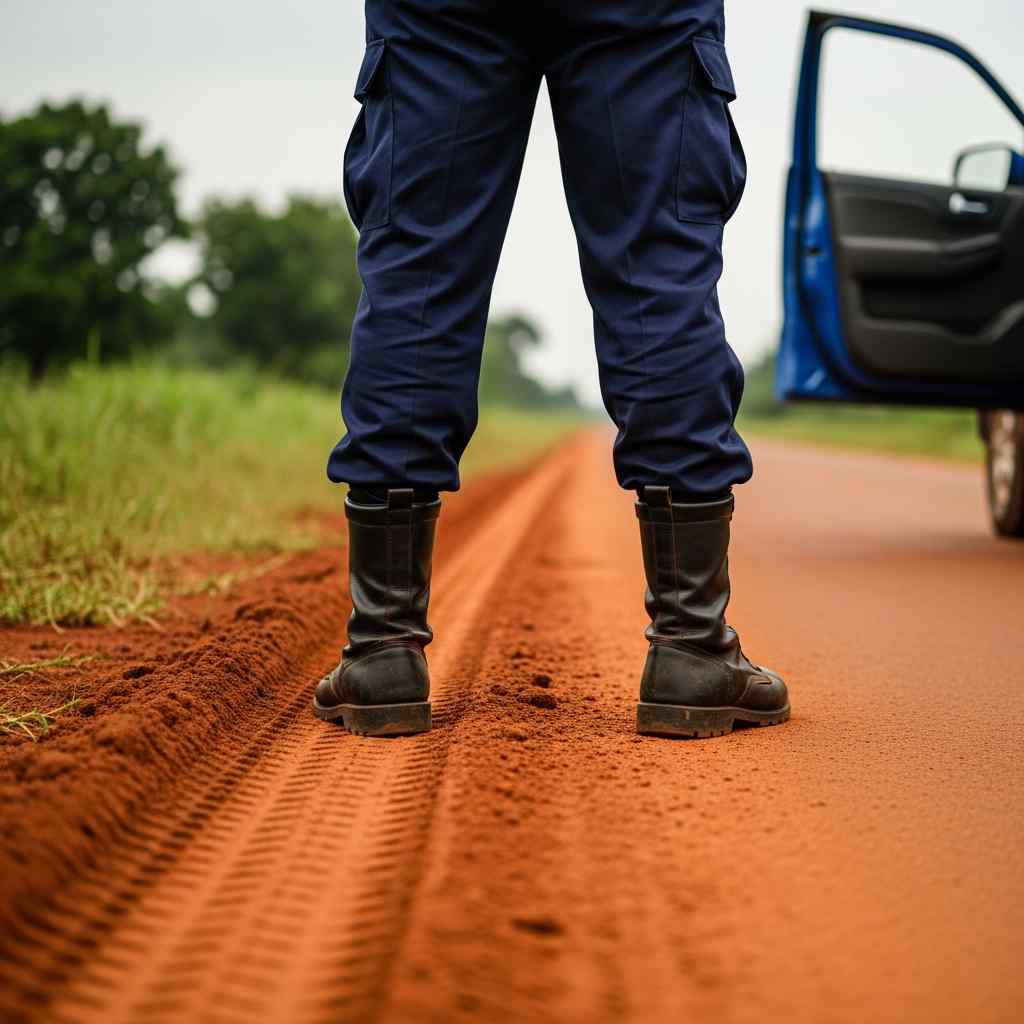
The gunfight started in the forest and lasted for hours. When it was over, operatives from the Delta State Police Command had secured the release of three kidnapped victims. This was in Issele-Uku, Aniocha North Local Government Area, on March 18, 2026. Police spokesman DSP Bright Edafe confirmed the operation the same day, as reported by Vanguard.
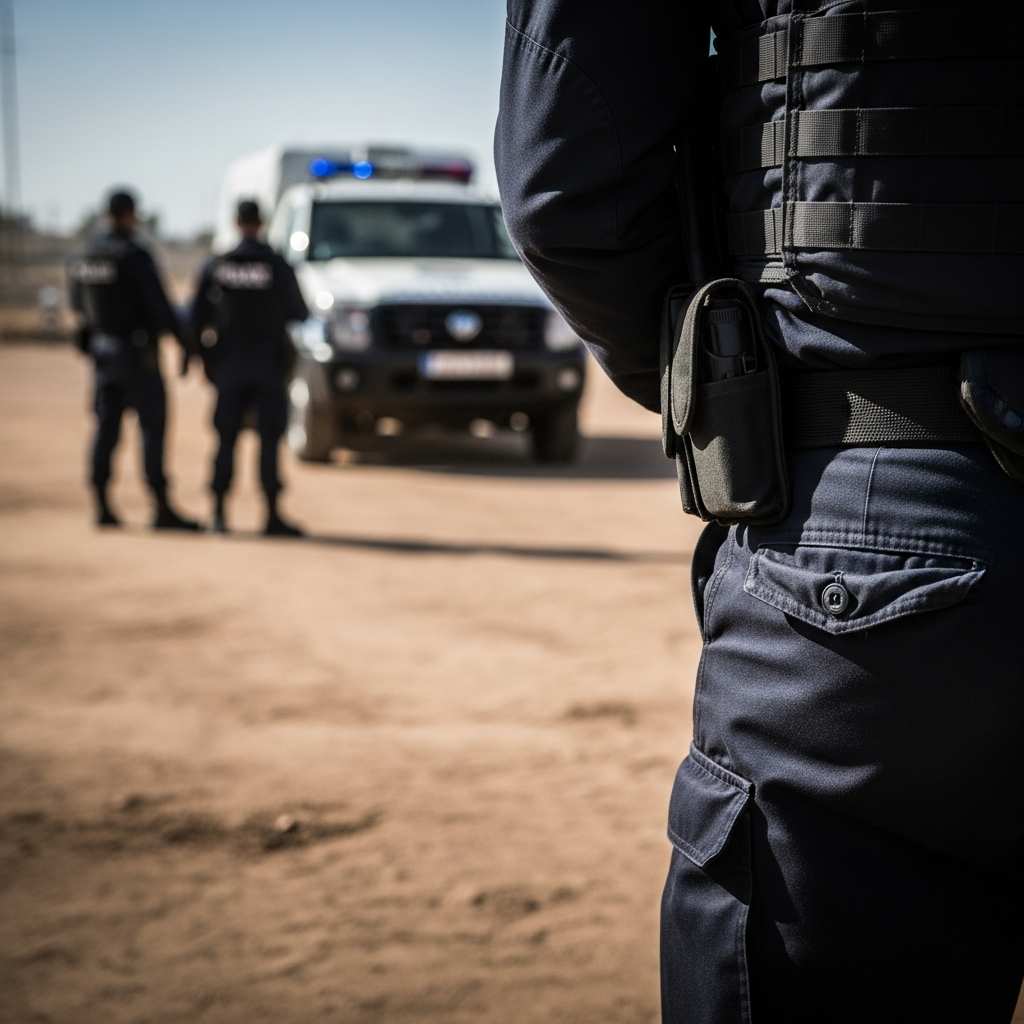
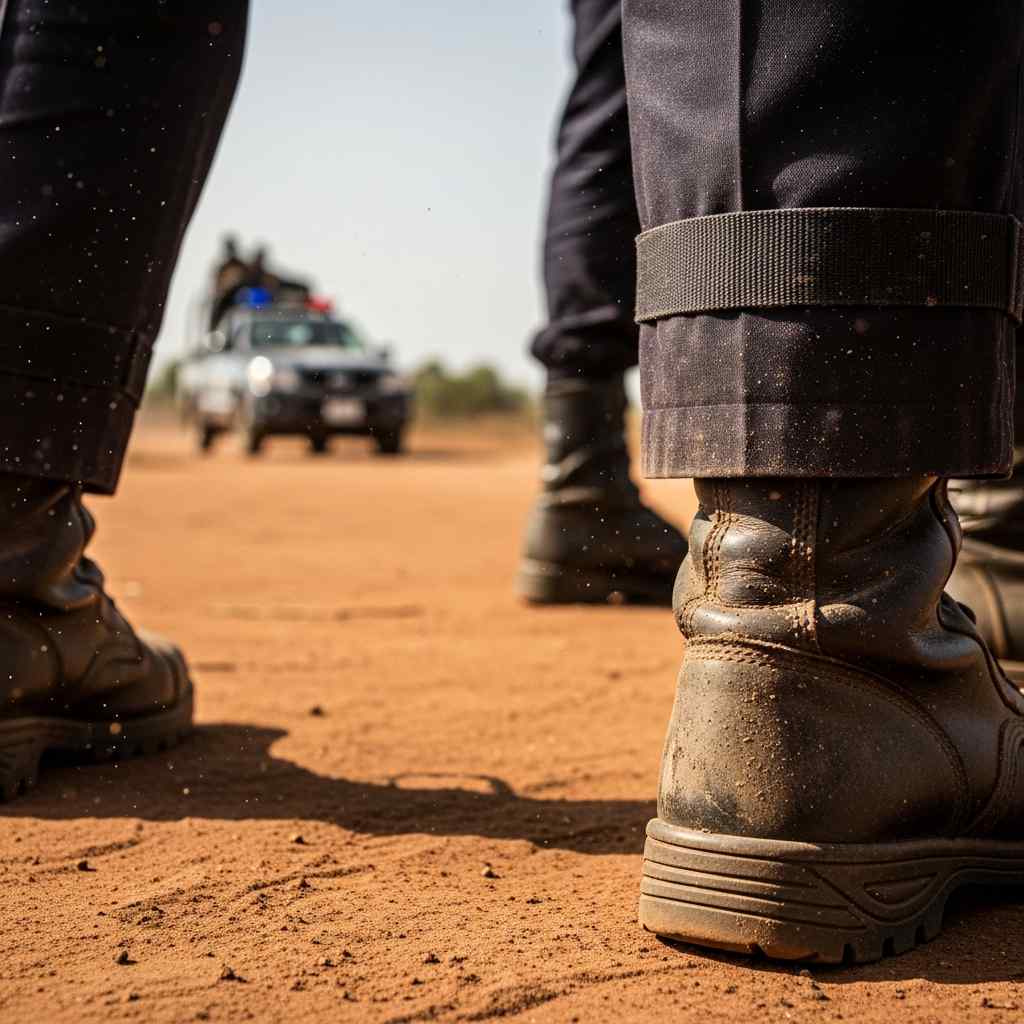
So what happened? It began with a distress call about an abduction along the Issele-Uku axis. A patrol team tracked the kidnappers to a forested enclave. The armed men opened fire first. This brings us to the prolonged exchange that followed. The police team, led by the Divisional Police Officer for the area, held their ground. The intensity forced the kidnappers to abandon their captives and flee, likely with gunshot wounds. The three victims got immediate medical attention, Premium Times noted.
“The command remains resolute in the fight against crime and criminality. We urge the public to continue their support by providing timely and useful information.” – DSP Bright Edafe, Delta State Police Public Relations Officer, March 18, 2026.
This rescue provides relief, but the context is persistent fear. Kidnapping for ransom is a lucrative enterprise in Delta State. The terrain—creeks and forests—offers perfect cover. Communities in Aniocha North and elsewhere live with intermittent threats. A successful police operation is a temporary fix. For many Nigerians, travel is a daily security calculation.
The weapons left behind tell a story. Recovered exhibits included one AK-47 rifle, one locally made cut-to-size gun, and four live cartridges. An AK-47 is military-grade. Its presence points to the sophistication of these criminal groups. Wait, it gets more complex. The proliferation of such weapons is a national crisis. Security analysts at ThisDay in 2025 linked the flow to porous borders and regional instability.
Here is the thing about police operations. The Delta State Police Command under CP Olufemi Abaniwonda has pushed proactive patrols. This incident shows that strategy in action. A rapid response to a distress call remains critical. But there is a catch. Effectiveness often hinges on public intelligence. Edafe’s statement made a direct appeal for cooperation. Building that trust is a continuous task.
Contrast this single event with the national picture. Kidnapping is a major humanitarian issue. The Armed Conflict Location & Event Data Project (ACLED) recorded 4,777 incidents across Nigeria in 2025. The economic impact is profound. It disrupts everything—agriculture, travel, investment. Families bear a heavy financial and psychological burden.
“The data indicates a shifting geography of risk, with criminal kidnapping networks becoming more diffuse and adaptable to security force pressures.” – Excerpt from a 2025 Nigeria Security Report by SBM Intelligence.
Where does this leave Delta State? The government under Governor Sheriff Oborevwori lists security as a top priority. It runs a security trust fund. After the Issele-Uku incident, it commended the police. But the trouble is fiscal. State governments now bear direct costs for federal security agencies, buying vehicles and equipment. It’s a complex relationship.
The hurdles for the police are real. Manpower shortages. Mobility constraints. Intelligence gaps. Policing a state with geography ranging from urban Warri to riverine communities demands versatility. Criminal elements exploit the gaps between divisions. Continuous coordination isn’t optional; it’s essential.
In Issele-Uku, local leaders are grateful but anxious. They want sustained police visibility to deter future attacks. Community vigilance groups often fill the gaps, though their legal scope is limited. For residents, relief is immediate. The long-term need is for consistent security that allows normal life.
How does this fit into national efforts? The federal government oversees the Nigeria Police Force. Reforms and recruitment drives are constant. The performance of state commands like Delta tests these policies. National strategy now leans on a multi-agency approach—police, military, DSS, NSCDC. Coordination between them dictates outcomes on the ground.
“The operational success of the Delta Police is commendable. It must be replicated through systemic capacity building, not just acts of individual bravery.” – Security Analyst, Patrick Agbobu, in The Guardian, March 2026.
Where do we go from here? The three rescued individuals begin a tough recovery. Kidnapping trauma requires support that is often scarce. For the police, the work shifts to investigation. Apprehending the fleeing suspects is the next test. The success of the rescue now hinges on the follow-up.
Here is something you can do. Save the emergency numbers for the Delta State Police Command control room. Share them. A timely call makes the police’s work faster. You can find the numbers on their official pages. This simple act builds a direct link between community safety and police capacity.
So here we are. Another day, another confrontation. The Delta State Police Command won this round in Issele-Uku. The victory is real for the three people back with their families. The broader fight continues, round after round. The public watches, hopes, and sometimes, makes that critical call.

Staged Kidnapping Case Reveals Family Extortion Trend in Nigeria

Fani-Kayode Says Opposition Has Collapsed – A 2026 Reality Check

Broda Shaggi Recuperating After Sango-Ota Shooting Incident

Terrorists Kill in Nigeria as 2,266 Die in Six Months

Multinational Exodus in Nigeria Deepens with N94 Trillion Loss

Food Crisis Looms in Nigeria as Climate Change Devours Farm Yields

Dangote Refinery Helpless as Fuel Price Hikes Defy Local Production

Deadly Diseases in Nigeria Meningitis Diphtheria Cholera Outbreaks

Lassa Fever Spreads in Nigeria to 18 States as Response Gaps Emerge

Ibadan Tanker Explosion in Nigeria Leaves Two Dead After Horror Crash

Petrol Hits N1,400/Litre in Nigeria as Global Conflict Disrupts Supply

Horror in Kano Sand Pit Collapse Buries People Alive

Internet Sovereignty: Why Some Countries Want Their Own Separate Internet

The Story Of The Nigerian Who Helped Build Global Internet Systems

Nigerian Hackers: The Global Fraud Story and Its Fallout

Forgotten Satellites Defy Silence, Beaming Signals for Decades

Your Digital Store in Nigeria and the Reality of Domain Expiration

The Phone Stay So Quiet: An Investigation into Nigeria’s Silent Customer Lines

The Business That Died: A Nigerian Case Study in Refusal to Adapt

Hiding Your Business From People With Money

Comedy Industry in Nigeria and Its Economic Contribution

How Nollywood Grew Without Government Support

Nigeria Produces 67 Percent Global Yam Output

Nigeria’s Economic Shift: From Oil to the Creative Economy
 Edutech Portal1 month ago
Internet Sovereignty: Why Some Countries Want Their Own Separate Internet
- Edutech Portal1 month ago
The Story Of The Nigerian Who Helped Build Global Internet Systems
- Edutech Portal1 month ago
Nigerian Hackers: The Global Fraud Story and Its Fallout
- Edutech Portal1 month ago
Forgotten Satellites Defy Silence, Beaming Signals for Decades
- Edutech Portal1 month ago
Your Digital Store in Nigeria and the Reality of Domain Expiration
- Edutech Portal1 month ago
The Phone Stay So Quiet: An Investigation into Nigeria’s Silent Customer Lines
- Edutech Portal1 month ago
The Business That Died: A Nigerian Case Study in Refusal to Adapt
- Edutech Portal1 month ago
Hiding Your Business From People With Money