Culture
Owo Igogo Festival: A 600-Year-Old Tradition Enters Global Spotlight
Owo Igogo festival in Ondo State transforms from a local rite into a global cultural event, balancing tradition with modern tourism demands in 2026.

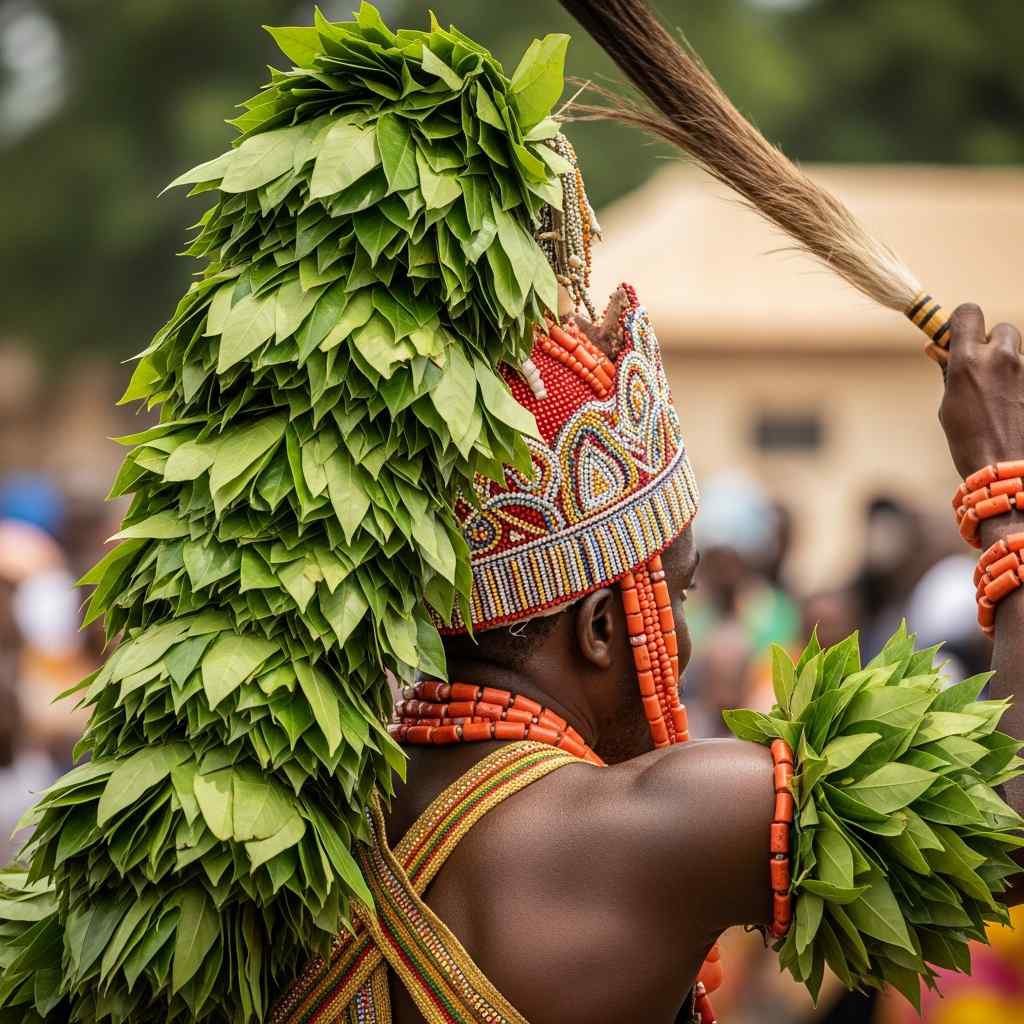
The Owo Igogo festival enters a global conversation with six centuries of history and a new set of economic expectations.
Published: 24 March, 2026
The drums have been beating for 600 years. Now, they must compete with a digital algorithm. In Owo, Ondo State, the annual Igogo festival is a seventeen-day ritual commemorating the deification of Queen Oronsen. Its history stretches to the 15th century, as Vanguard noted in 2025. For generations, it was a deeply local affair. The ambition now is to make it an engine for tourism. An international spectacle. This brings us to the central tension: how does a spiritual commemoration prepare for a global spotlight?
A Calendar Marked by Taboos
Preparations involve the entire community. The Olowo of Owo, Oba Ajibade Gbadegesin Ogunoye III, leads the spiritual and ceremonial aspects. But there is a catch. The period is governed by specific taboos. Participants and residents avoid using mortars. The sound of pestles pounding is forbidden. No one may wear shoes within the palace grounds, Premium Times reported in 2025. These prohibitions honour Queen Oronsen. Her transformation from mortal queen to deity is the festival’s core. The public ceremonies are packed into the final week, according to a 2025 report by The Nation.
The Economics of a Global Stage
The government of Ondo State allocated N750 million for tourism and cultural development in its 2024 budget. Festivals like Igogo get a slice. Organizers are targeting a 30% increase in international visitors for the 2026 edition. This goal relies on digital campaigns, BusinessDay stated in 2025. The local impact is immediate and stark. Hotel occupancy in Owo and nearby Akure hits 95% during the festival week. Artisans report a 200% surge in sales, Nairametrics found in 2025. The festival creates temporary jobs for hundreds. This is the model: monetising heritage.
The Owo Igogo festival is our living history. It is a spiritual that now also carries the weight of economic aspiration for our people. – Oba Ajibade Gbadegesin Ogunoye III, the Olowo of Owo, speaking in December 2025.
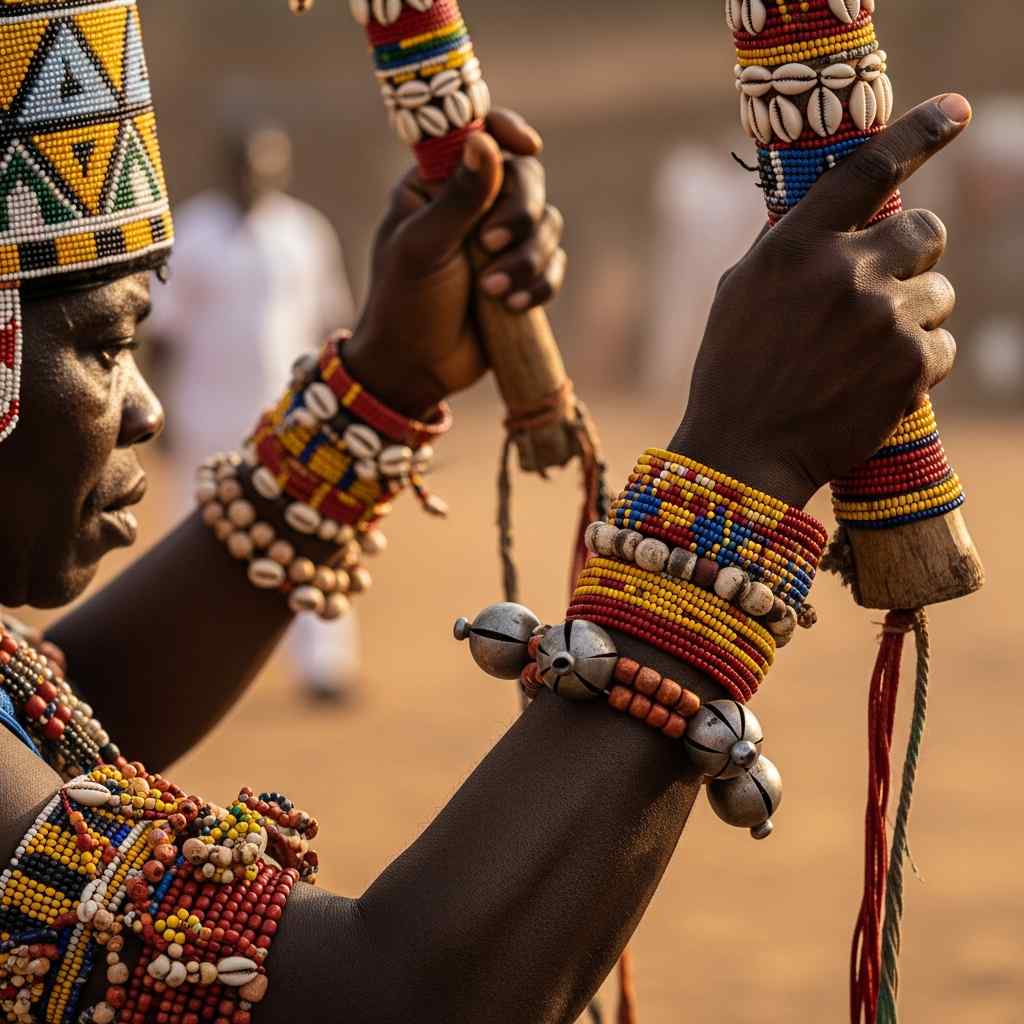
Logistics Meet Tradition
Hosting thousands strains local infrastructure. The single major road into Owo from the Benin-Akure expressway seizes up. The trouble is managing it. The state government deploys extra LASTMA officials. A park-and-ride system runs from the town’s outskirts, as The Guardian detailed in 2025. Security is a joint task force. Personnel from the Nigeria Police Force, the Nigerian Security and Civil Defence Corps, and local vigilantes provide coverage. This is coordinated from the Olowo’s palace, per Leadership in 2025. It is a significant annual investment. The return depends on visitor satisfaction.
The Digital Amplification
Promotion for the 2026 festival generated over 7 million impressions online. The official hashtag trended for two days in Nigeria. Live streams of key events, like the Iloro ceremony, pulled in viewers from Europe and North America. This digital layer lets the global diaspora engage. Content creators get accreditation. Their videos introduce Igogo to audiences with no prior knowledge of Yoruba culture. Wait, it gets more complex. It creates a permanent archive. It also raises hard questions about the commodification of sacred rituals.
Cultural Integrity in a Commercial Spotlight
Elders and traditional chiefs are cautious. The primary purpose is spiritual commemoration, not entertainment. Cameras during certain rites require careful negotiation. Contrast this with the competition. Other states aggressively market their own events. The Osun-Osogbo festival and the Argungu fishing festival have longer histories with international tourists. There is a push for a potential UNESCO intangible cultural heritage nomination. That would bring prestige and possible grants. But the application process is lengthy and complex, Daily Trust reported in 2025.
We welcome the world, but the world must understand what it is witnessing. This is not a performance. It is our identity. – Chief Jamiu Ekungba, the Sawe of Owo, in an interview with ThisDay, March 2026.
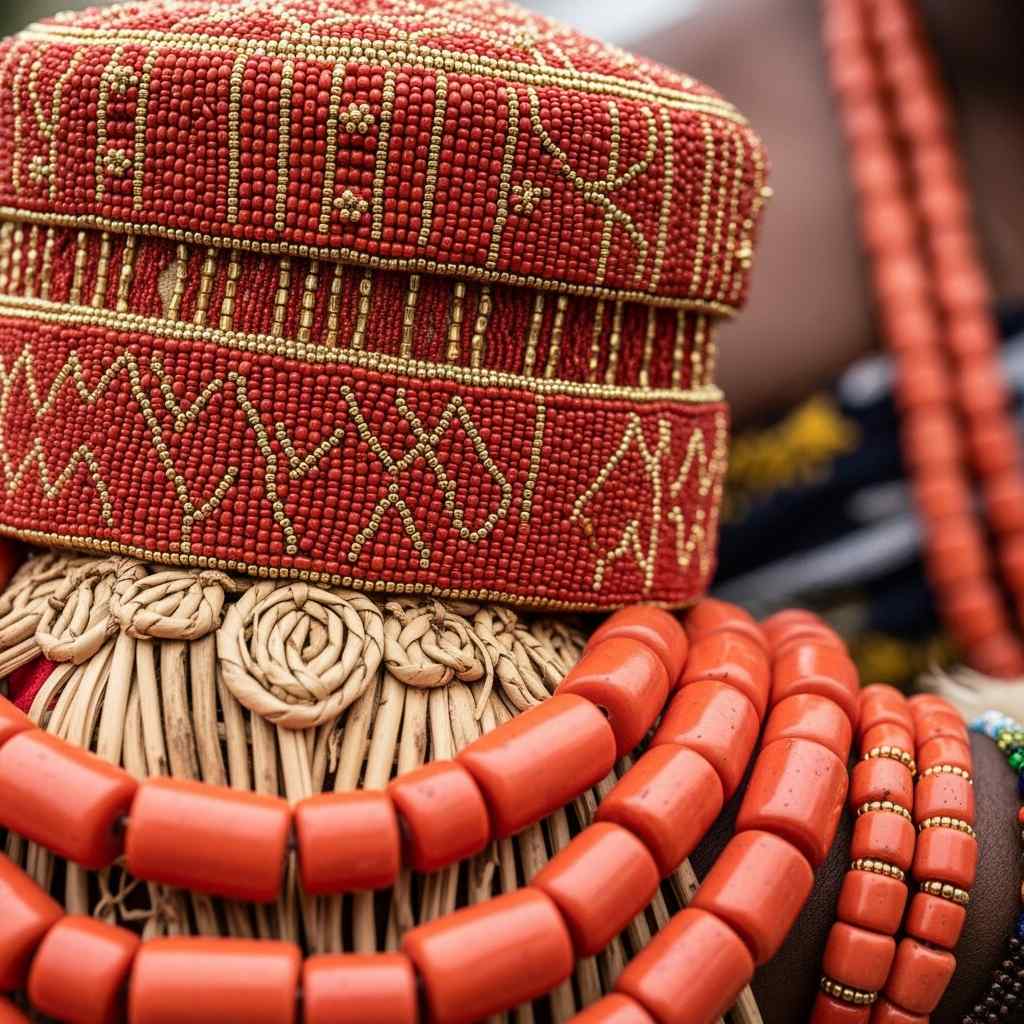
The View from the Community
Residents of Owo display a mix of pride and pragmatism. The festival brings prestige and income. It also brings disruption. Inflated prices for basic goods. Young people see opportunities beyond the festival week. They want sustained investment—museums, better roads. This debate reflects a national tension. Communities across Nigeria are weighing the benefits of exposing their traditions against the risks of dilution.
What Comes After the Drums Fade
The real success metric is simple. How many visitors return to Owo outside the festival season? That indicates deeper engagement. There are plans for a dedicated cultural centre in Owo. Funding, however, remains uncertain. The festival demonstrates a path. It shows how deep cultural roots can support new economic branches. The balance is delicate.
For the Curious Traveler
Research the festival dates early. They follow the lunar calendar. The 2026 edition is scheduled for late September. Book accommodation months in advance. Options range from guesthouses in Owo to hotels in Akure, about an hour’s drive away. Engage a registered local guide. A good guide provides context. Learn a few phrases of the Owo dialect. A simple greeting goes a long way.
The Owo Igogo festival stands at a familiar crossroads. It embraces a wider audience while guarding its soul. The drums that have echoed for 600 years now resonate on digital platforms worldwide. The challenge for Owo is to control the echo.







Staged Kidnapping Case Reveals Family Extortion Trend in Nigeria

Fani-Kayode Says Opposition Has Collapsed – A 2026 Reality Check

Broda Shaggi Recuperating After Sango-Ota Shooting Incident

Terrorists Kill in Nigeria as 2,266 Die in Six Months

Multinational Exodus in Nigeria Deepens with N94 Trillion Loss

Food Crisis Looms in Nigeria as Climate Change Devours Farm Yields

Dangote Refinery Helpless as Fuel Price Hikes Defy Local Production

Deadly Diseases in Nigeria Meningitis Diphtheria Cholera Outbreaks

Lassa Fever Spreads in Nigeria to 18 States as Response Gaps Emerge

Ibadan Tanker Explosion in Nigeria Leaves Two Dead After Horror Crash

Petrol Hits N1,400/Litre in Nigeria as Global Conflict Disrupts Supply

Horror in Kano Sand Pit Collapse Buries People Alive

Internet Sovereignty: Why Some Countries Want Their Own Separate Internet

The Story Of The Nigerian Who Helped Build Global Internet Systems

Nigerian Hackers: The Global Fraud Story and Its Fallout

Forgotten Satellites Defy Silence, Beaming Signals for Decades

Your Digital Store in Nigeria and the Reality of Domain Expiration

The Phone Stay So Quiet: An Investigation into Nigeria’s Silent Customer Lines

The Business That Died: A Nigerian Case Study in Refusal to Adapt

Hiding Your Business From People With Money

Comedy Industry in Nigeria and Its Economic Contribution

How Nollywood Grew Without Government Support

Nigeria Produces 67 Percent Global Yam Output

Nigeria’s Economic Shift: From Oil to the Creative Economy

 Edutech Portal1 month ago
Internet Sovereignty: Why Some Countries Want Their Own Separate Internet
- Edutech Portal1 month ago
The Story Of The Nigerian Who Helped Build Global Internet Systems
- Edutech Portal1 month ago
Nigerian Hackers: The Global Fraud Story and Its Fallout
- Edutech Portal1 month ago
Forgotten Satellites Defy Silence, Beaming Signals for Decades
- Edutech Portal1 month ago
Your Digital Store in Nigeria and the Reality of Domain Expiration
- Edutech Portal1 month ago
The Phone Stay So Quiet: An Investigation into Nigeria’s Silent Customer Lines
- Edutech Portal1 month ago
The Business That Died: A Nigerian Case Study in Refusal to Adapt
- Edutech Portal1 month ago
Hiding Your Business From People With Money