Crime
Traditional Institutions Define the Role of Traditional Rulers in Local Intelligence Gathering
Here is the thing. Traditional rulers see everything. They hear everything. So why are they often left out of the official security conversation? This analysis looks at that gap. The policy framework. The reality on the ground.


Traditional Institutions Define the Role of Traditional Rulers in Local Intelligence Gathering
Published: 17 March, 2026
A police officer posted to a new local government area visits the palace first. A director from the State Security Service keeps a direct line to the traditional council. This is the primary, granular intelligence layer of Nigeria, operating outside any official gazette. It is a social contract centuries older than the state itself.
The National Security Adviser, Nuhu Ribadu, acknowledged this dynamic in 2024. He stated that security agencies “routinely leverage the access and influence” of royal fathers. As Premium Times reported that year, the admission was stark.
The system works because the palace sees everything. The district head knows which young man returned from the city with sudden wealth. The village head counts strangers. The market leader hears grievances before they boil over.
This intelligence flows upward, from village head to district head to the emir or oba. A Nigeria Police Force report in 2024 noted that over 60% of actionable tips on kidnapping syndicates in the North-West came from these networks. The intelligence is human, relational, and pre-emptive. It contrasts with the signal intelligence prized by modern agencies. The United Nations Development Programme called it a “socio-cultural radar” in a 2025 assessment. It is built on trust. The palace understands the difference between the hardship of a farmer and the grievance of a militant. That nuance is often lost in formal security briefings.
Here’s the thing about policy and the palace

Formal policy grapples with this informal power. The National Security Strategy 2024 document mentions “collaboration with community structures” but avoids explicit mention of traditional rulers. This reflects a constitutional ambiguity, as the Office of the National Security Adviser noted in 2023. The constitution designates them as ceremonial figures. Yet, the Police Act 2020 provides for “community policing committees” that naturally include these rulers as de facto members.
State governments move faster. Kaduna, Kano, and Oyo states have all established formal frameworks since 2023 to integrate traditional rulers into security council meetings. In March 2026, the Governor of Kaduna State, Uba Sani, signed a directive mandating weekly security reports from all emirate and chiefdom councils. This creates a dual reporting line: to the state governor and to federal security agencies.
“The palace is not a police station, but when the police come for information, we give them what the community has given us in trust. We are the bridge, and sometimes that bridge feels the weight from both sides.”
, His Royal Highness, Alhaji Aminu Ado Bayero, the Emir of Kano, in an interview with Daily Trust on February 10, 2026.
But there is a catch. The financial aspect remains opaque. No specific budget line in the N49.74 trillion 2026 Appropriation Act allocates funds for intelligence gathering by traditional institutions. Resources come through informal means. Security agencies provide logistical support like communication equipment. State governments disburse security votes that chiefs can access. A 2025 study by the Centre for Democracy and Development found that over 70% of traditional rulers surveyed received some form of operational support from security agencies, though rarely in cash.
Why the system has cracks
Reliance on this system carries inherent risks. The first is politicization. A traditional ruler depends on the state government for recognition and often for financial support. This dependence can colour intelligence. Rulers may hesitate to report crimes involving political patrons. The second risk is vendetta. Rulers who provide intelligence that leads to arrests make enemies. As The Guardian noted in 2024, the killing of the Sarkin Baka of Gidan Baka village in Niger State was widely attributed to his cooperation with security forces against bandits.
The third risk is competency. Intelligence requires sifting fact from rumour, a skill that receives no formal training. A ruler may mistake a personal feud for a security threat. The fourth, and most significant, is accountability. Intelligence flows without a paper trail. A tip that leads to a wrongful arrest has no official provenance. The palace provided information, but the security agency executed the operation. This gap protects both parties while sometimes leaving citizens without recourse.
 A traditional carved stool and ledger symbolize the institutional role of traditional rulers in local knowledge collection. The empty chamber represents the formal, structured environment where community intelligence is documented and preserved. (Digital Illustration: GoBeyondLocal)
The digital transition meets the ancient system
New initiatives attempt to modernize the channel. The Nigeria Police Force launched a pilot program in 2025, providing encrypted tablet devices to selected district heads in Borno and Plateau states for direct incident reporting. The National Intelligence Agency has held closed-door workshops for senior traditional rulers on basic intelligence handling. These steps aim to add speed and security.
Wait, it gets more complex. These tools face infrastructure realities. Network coverage in rural areas is unreliable. Power supply for charging devices is inconsistent. The human element persists. A 2026 survey by NOIPolls found that 82% of residents in conflict-prone states would still report a security concern to a traditional leader before calling a police hotline. Trust in the institution outweighs trust in the technology.
“Formalizing this relationship requires giving them a defined role, training, and resources without making them agents of the state. They lose their community trust the moment they put on a uniform.”
, Dr. Kole Shettima, Director of the MacArthur Foundation Africa Office, speaking at a security policy roundtable in Abuja, January 2026.
The view from the community
For the average citizen, the traditional ruler remains the most accessible authority figure. The police station may be hours away. The local government chairman may be unseen. The palace is always present. This accessibility makes the ruler the default receptacle for information. A farmer who loses cattle goes to the village head. A mother whose son joins a cult group may confide in the wife of the ruler.
This role extends beyond crime. Traditional institutions gather intelligence on economic hardship, youth unemployment, and inter-communal tensions. A report from the Sultanate Council of Sokoto in 2025 warned state officials about rising grain prices and their potential to trigger unrest months before protests occurred. This is strategic intelligence, yet it often lacks a formal channel into national planning committees.
Where the policy debate stands now
The debate in 2026 centers on legislation. A bill in the Senate seeks to establish a “National Council of Traditional Rulers on Security” as an advisory body. Critics argue this merely sanctifies an existing practice. Proponents say it provides legal cover. The bill remains in committee, facing questions about federalism.
Contrast this with a model from the sub-national level. Ekiti State has implemented a Peace and Security Corps that employs local youths nominated by traditional councils. This creates a formalized link between community intelligence and community policing. It keeps intelligence localized and actionable.
The trouble is the money. Training thousands of traditional rulers, securing communication lines, and establishing a fusion center would require a dedicated budget. In the context of the N26.02 trillion national budget, even a N50 billion allocation would be a minor line item. The political will to create that line remains absent.
The most immediate step is transparency. State governments can mandate that traditional rulers receiving any security support file a quarterly, confidential activity report. This report would not detail specific intelligence. It would outline general activities: meetings attended, grievances documented, support received. This creates a minimal paper trail. It transforms an informal arrangement into a documented partnership with baseline accountability.
The role of traditional institutions in intelligence gathering fills gaps the formal state cannot reach. It operates on trust, a currency more valuable in many communities than the naira. Formalizing it without breaking it is the central policy challenge. For now, the palace keeps its watch. The intelligence flows, and the state, sometimes reluctantly, listens.
Traditional Institutions and Governance Module 10 The Future of Traditional Institutions and Govern , EarthTab Business School. (Digital Illustration: GoBeyondLocal)









Crime
Jos Massacre Update Governor Mutfwang Reveals NDLEA Impersonation
Here is the thing. Attackers mimicked NDLEA operatives. They wore the uniform. They carried the authority. So here we are. How did this happen? What does it say about our security? The governor has spoken. The facts are grim.
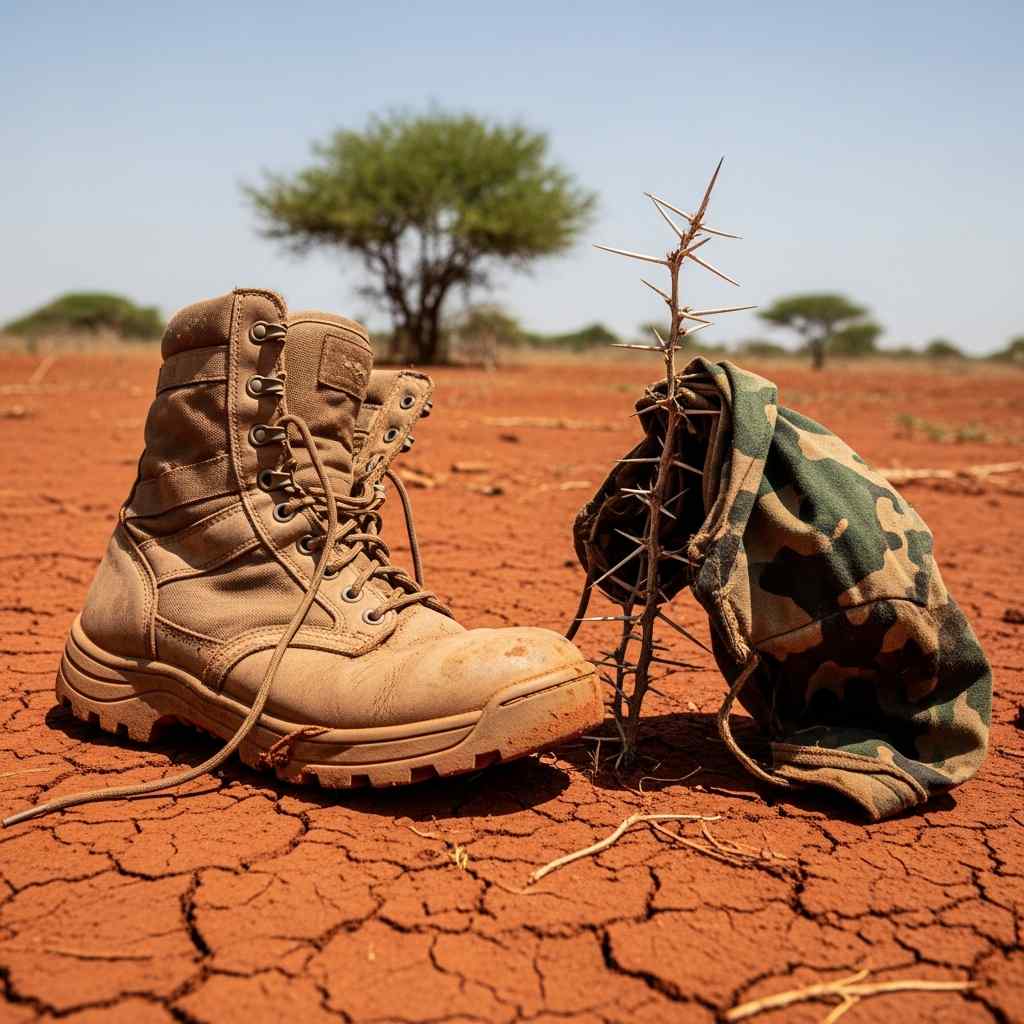
Governor Mutfwang Reveals Attackers in Jos Massacre Update Mimicked NDLEA Operatives
Published 04 April, 2026
Governor Caleb Mutfwang of Plateau State stated attackers in the recent violence wore uniforms resembling those of the National Drug Law Enforcement Agency. The governor made this declaration during a security briefing in Jos on April 2, 2026. This detail adds a complex layer to the investigation into coordinated assaults on communities in Mangu Local Government Area.
The Official Account from Government House
Governor Mutfwang provided specific information about the attackers’ methods. He described a pattern where assailants gained access to villages by posing as security personnel. The impersonation of NDLEA officers created initial confusion and delayed community response.
“The attackers came dressed in uniforms that looked exactly like those of NDLEA officials. This deception allowed them to move without immediate suspicion in the early stages of the assault.”
Caleb Mutfwang, Governor of Plateau State, April 2, 2026 security briefing.
The Plateau State Government communicated these findings after receiving preliminary reports from security agencies and local authorities.According to a 2026 report in *high grade Times*, the governor’s office issued a statement citing eyewitness accounts collected by military and police investigators. The state government has called for a full audit of security protocols to prevent future exploitation of official uniforms.
What the Security Agencies Are Saying
The Nigeria Police Force and Operation Safe Haven, the military task force in Plateau, confirmed they are investigating the impersonation angle. The police spokesperson in Plateau, Alabo Alfred, acknowledged the governor’s statement as part of the ongoing inquiry. He urged the public to continue to be vigilant and report any suspicious movement of persons in security attire.
The leadership of Operation Safe Haven issued a separate update on its operational response. The task force commander, Major General AE Abubakar, reported the deployment of additional troops to flashpoints in Mangu.According to a 2026 report in *The Nation*, the military has established more checkpoints and increased patrols in the affected general area.
Breaking Down the Timeline of Violence
The attacks referenced by the governor occurred across a series of villages between March 25 and March 28, 2026. Communities in the Mangu region suffered the most significant impact. Initial casualty figures from the Plateau State Emergency Management Agency were provisional.
The agency director, Sunday Abdu, later provided a more detailed assessment. He reported the displacement of over 15,000 individuals from 12 communities.According to the *Daily Trust* in 2026, these displaced persons have sought refuge in primary schools and local government buildings in Mangu town. Humanitarian groups are mobilizing to provide food and medical supplies.
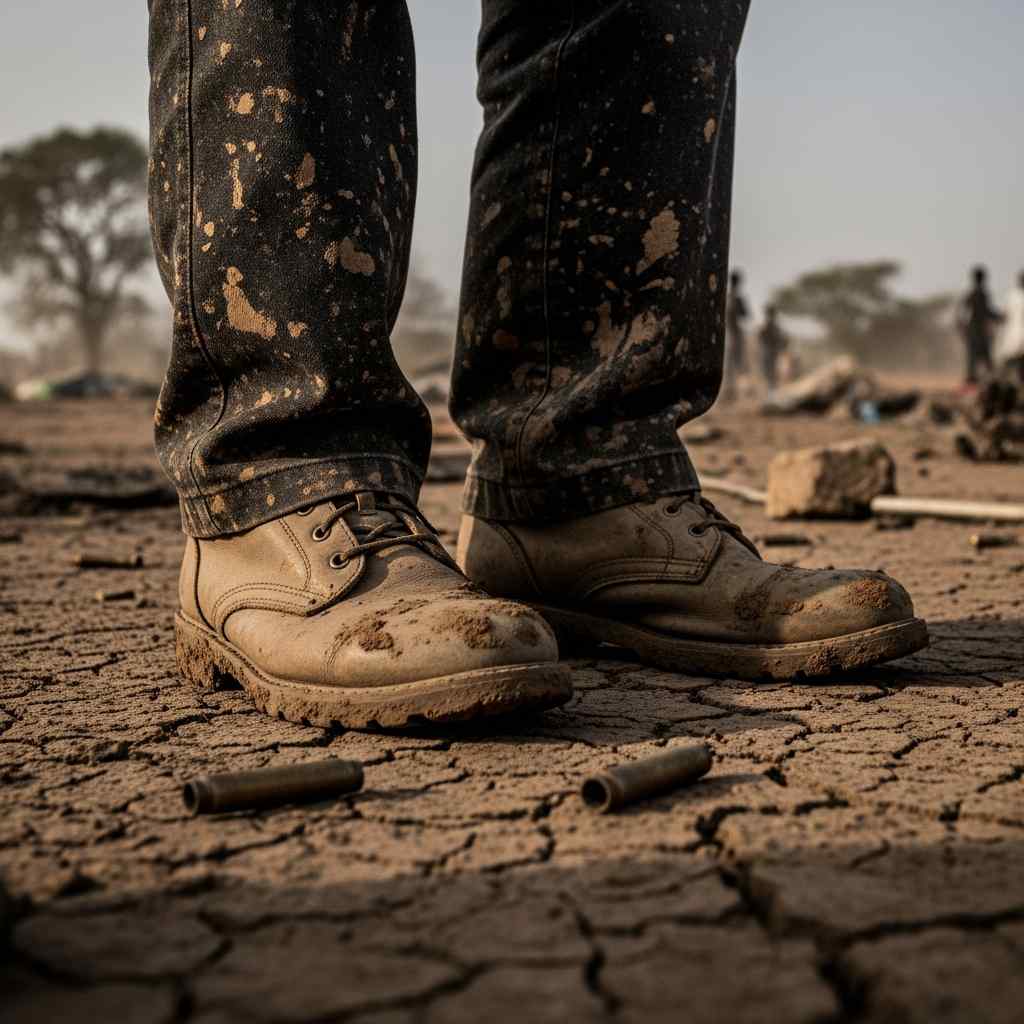
The National Drug Law Enforcement Agency Responds
The NDLEA issued a strong condemnation of the impersonation. The agency spokesperson, Femi Babafemi, clarified that no NDLEA personnel were involved in the attacks. He described the act as a criminal violation of the agency’s uniform and a grave security breach.
“This is a despicable act by criminals seeking to undermine state authority. The NDLEA uniform symbolizes the fight against drug trafficking and abuse. We are working with the police and military to apprehend those responsible for this impersonation.”
Femi Babafemi, NDLEA Director of Media & Advocacy, April 3, 2026 press release.
The agency announced it would review its uniform control and issuance procedures. The NDLEA also advised communities to request proper identification from anyone claiming to be an officer, especially in volatile regions.
A Look at the Broader Security Context in Plateau
Plateau State has experienced recurring episodes of communal violence for decades. The conflict often involves disputes over land, resources, and political representation. The state sits in the Middle Belt region of Nigeria, a zone with a complex mix of ethnic and religious groups.
Data from the Nextier SPD Violent Conflict Database indicates a rise in fatal incidents in Plateau during the first quarter of 2026.According to Nextier SPD’s 2026 data, the state recorded over 200 conflict-related deaths between January and March. This figure represents a significant increase from the same period in 2025. Security analysts link the surge to political tensions and the proliferation of small arms.
How Impersonation Complicates the Security Landscape
The tactic of impersonating security forces presents a severe challenge. It erodes public trust in legitimate state institutions like the NDLEA, the police, and the army. When communities cannot distinguish between real officers and attackers, cooperation with security agencies declines.
This situation creates a cycle of fear and isolation. Villages become more hesitant to provide intelligence or welcome patrols. The attackers gain a tactical advantage by exploiting this distrust. Security experts warn that such methods could spread to other conflict zones across the country.
The Human Cost Beyond the Headlines
Behind the official statements and security briefings are thousands of affected lives. Displaced families in Mangu describe scenes of panic and confusion. Many residents reported hearing attackers announce themselves as NDLEA officers conducting a raid, which initially caused compliance.
Local farmers have lost their homes and ready-to-harvest crops. The violence disrupts the planting season, threatening food security in the state. Community leaders plead for a permanent security solution that allows people to return to their farms and rebuild.
What the Federal Government Has Said
The Federal Government, through the Ministry of Defence, expressed concern over the Plateau situation. The Minister of Defence, Mohammed Badaru Abubakar, reiterated the commitment of the armed forces to restore order. He promised that the impersonation of security personnel would be treated as a top-priority investigation.
President Bola Tinubu also received a briefing from the National Security Adviser, Nuhu Ribadu. The presidency issued a statement condemning the violence and promising support for the state government. The statement directed security chiefs to submit a complete report on the incident and their response plan.
Where the Investigation Stands Today
As of April 4, 2026, no arrests have been publicly announced in connection with the impersonation. The joint investigation group comprising the police, military intelligence, and the Department of State Services continues its work. Sources within the security apparatus indicate the focus is on tracing the source of the counterfeit uniforms.
The investigation also explores possible links between the attackers and local criminal networks involved in arms smuggling. The complexity of the case means answers will take time. The public awaits tangible results from the security promises made by federal and state authorities.
A Path Forward for Plateau Communities
Governor Mutfwang has proposed a multi-faceted response beyond military deployment. He advocates for a revival of the state’s peacebuilding architecture, including community dialogue platforms and early warning systems. The governor emphasized the need for economic interventions to address the root causes of conflict among youth.
The state government plans to collaborate with the Nigeria Security and Civil Defence Corps to train local vigilante groups in proper identification procedures. This measure aims to build community-level resilience against deception by armed groups. The success of these initiatives depends on sustained funding and political will.
Verifying Information in a Tense Climate
In the aftermath of such attacks, misinformation often spreads quickly on social media. Official channels like the Plateau State Government digital platform and verified security agency accounts provide the most reliable updates. Citizens are encouraged to cross-check alarming reports with these primary sources before sharing.
Media organizations have a responsibility to report with care, avoiding sensationalism that could incite further violence. The Jos Massacre Update from the governor’s office serves as a primary document for understanding the official perspective. Journalists continue to seek independent verification of all claims from the field.
Your Role in Promoting Security Awareness
Residents in conflict-prone areas can adopt straightforward verification steps. When individuals in uniform method, ask for official identification and a mission statement. Contact local police or military outposts to confirm any ongoing operation in your area. Share credible information with neighbors to build collective awareness.
Support local humanitarian efforts by donating to respected organizations aiding the displaced. Engage with community leaders working on peace initiatives. A collective effort toward vigilance and support makes a difference in stabilizing the security environment.
The Jos massacre update revealing NDLEA impersonation marks a dangerous escalation in the tactics of violence in Plateau State. It underscores a crisis of trust that requires urgent and thoughtful action from all levels of government. The coming weeks will test the resolve of security agencies to solve this case and restore a sense of safety for the people.
Crime
Nasarawa Communal Attack Leaves Eleven Dead in Udege
So here we are again. Eleven dead in Nasarawa. A fight over land in Udege Mbeki. The sun rises on burnt houses and a lone bicycle. What does it take for this to stop?
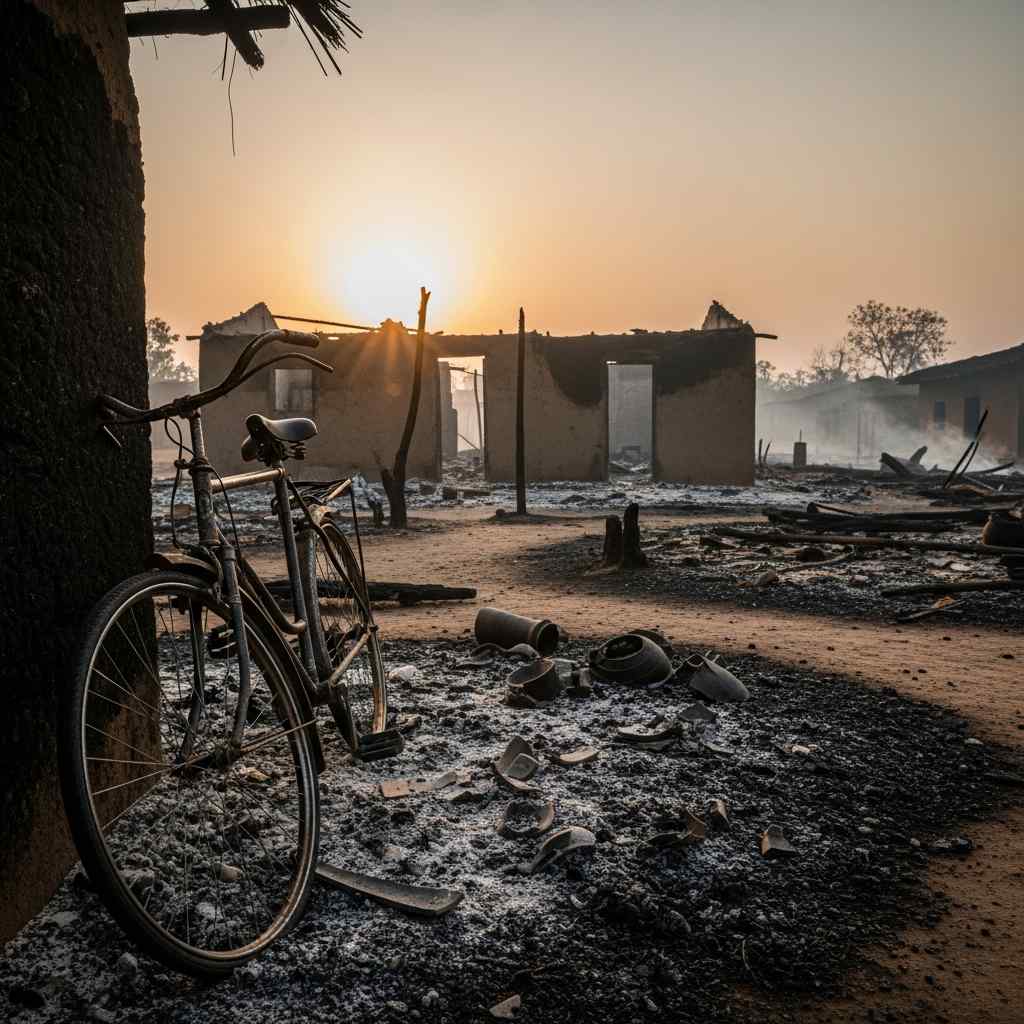
A Village Burns Again
Published 04 April, 2026
Gunmen attacked the community of Udege Mbeki in the Nasarawa Local Government Area of Nasarawa State, leaving eleven people dead and a trail of burnt homes. The violence erupted in the early hours of Tuesday, April 1, 2026, marking another bloody chapter in the state’s long history of communal strife.
The Thing About Tuesday Morning
Residents reported hearing sporadic gunshots around 4:00 a.m. The attackers, arriving in large numbers, targeted specific houses. A community leader, who requested anonymity for safety, described a scene of panic and fire.
“They came with guns and petrol. They shot people and set houses on fire. We lost everything.”
– Anonymous community leader in Udege Mbeki, speaking to Premium Times on April 2, 2026.
The Nasarawa State Police Command confirmed the incident. The Police Public Relations Officer, DSP Ramhan Nansel, stated that officers deployed to the area recovered eleven bodies. The police also noted the destruction of residential buildings and food barns.
So Here We Are With The Land Question
Preliminary reports from security sources and local media point to a land dispute as the trigger. Udege Mbeki sits in a region where tensions between farmers and herders over land and water resources have simmered for years.
This specific attack appears linked to a lingering conflict between the Bassa and Egbira ethnic groups. The issue of ancestral land ownership and access to fertile areas for farming continues to be unresolved. A 2025 report by the International Crisis Group cited land competition as a primary driver of violence in Nigeria’s Middle Belt.
The state government has initiated peace dialogues in the past. The effectiveness of these talks faces constant pressure from population expansion and climate variability, which shrink available resources.
What The Numbers Say About Nasarawa
This attack fits a grim pattern. Data from the Armed Conflict Location and Event Data Project (ACLED) shows Nasarawa State recorded over 80 incidents of political violence in 2024. Many of these incidents involved communal clashes.
The National Emergency Management Agency (NEMA) has repeatedly responded to displacement crises in the state. In its 2025 first-quarter report, NEMA listed Nasarawa among states with a high number of internally displaced persons due to farmer-herder conflicts.
Security force deployments exist, but the vast, rural terrain makes complete coverage a challenge. Communities often feel isolated and vulnerable to reprisal attacks.
The Human Cost Beyond The Headline
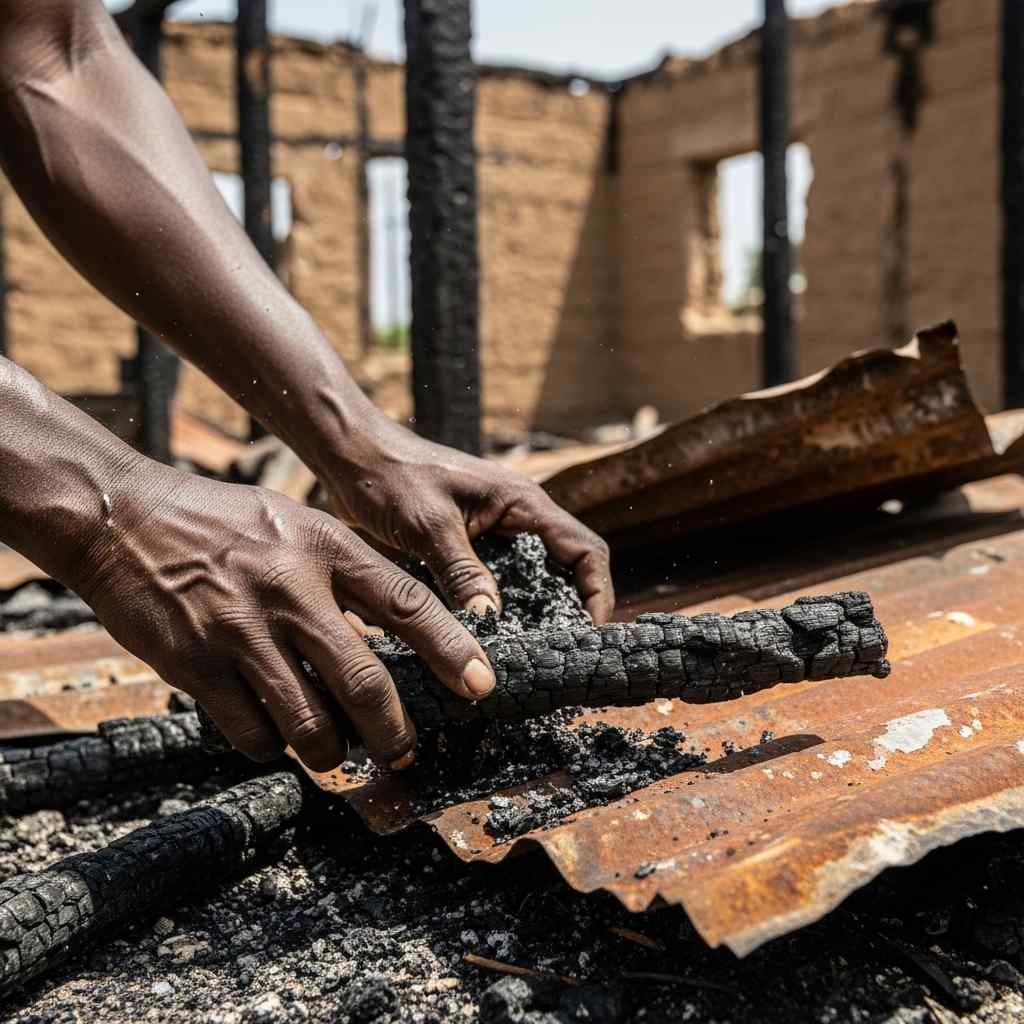
Beyond the eleven confirmed deaths, the attack creates immediate humanitarian needs. Survivors lost their homes, food supplies, and personal belongings. The visual evidence from the scene shows complete structures reduced to ashes.
Local officials estimate that hundreds of people now require shelter, food, and medical care. The psychological trauma for survivors, especially children, represents a longer-term burden the community must carry.
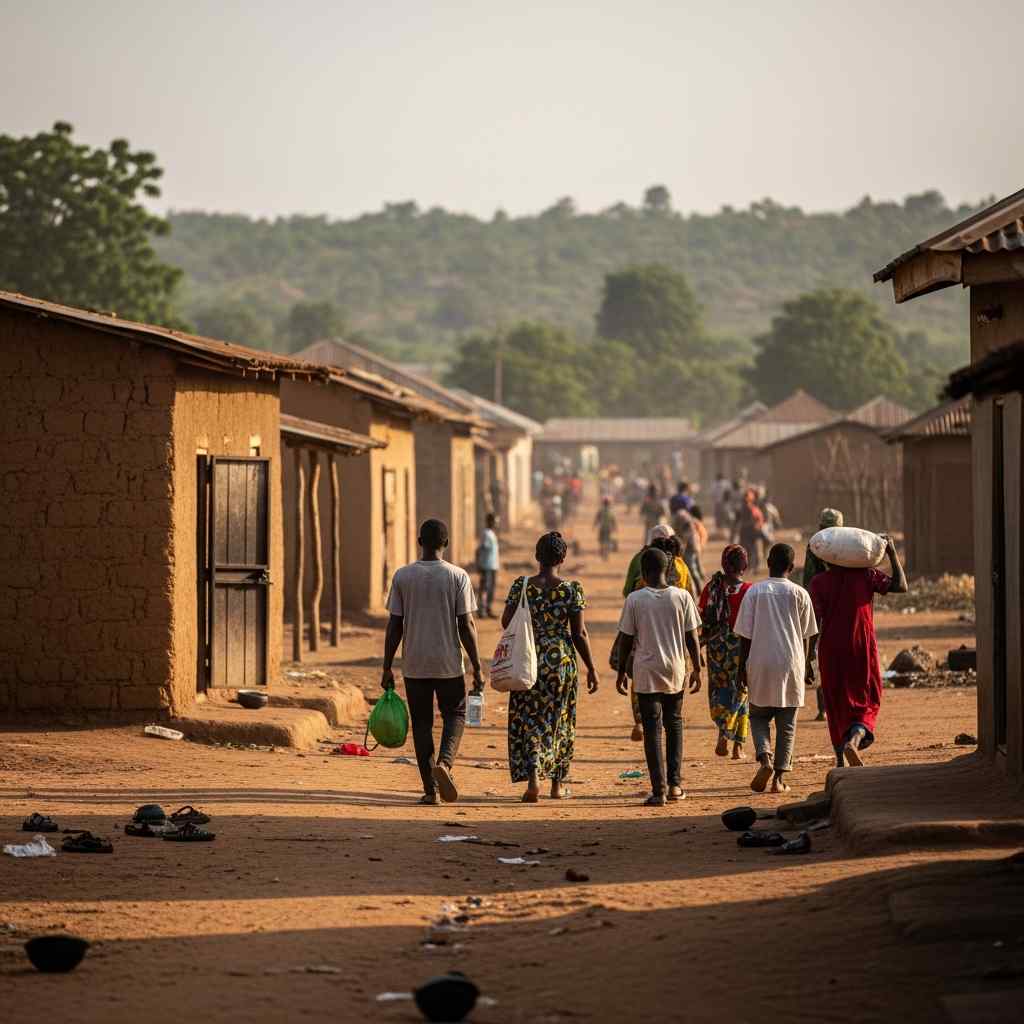
Displacement from such attacks often pushes people into informal camps or to live with relatives in urban centers, straining local economies and social structures.
A Governor’s Promise And The Ground Reality
Governor Abdullahi Sule condemned the attack. He promised that security agencies would apprehend the perpetrators. The governor also appealed for calm and warned against retaliatory violence.
“This act of barbarism will receive the full weight of the law. We are committed to finding the people behind this and ensuring they face justice.”
– Governor Abdullahi Sule of Nasarawa State, official statement, April 2, 2026.
Residents express a mix of hope and skepticism. Past attacks have seen arrests, but prosecutions that lead to convictions continue to be less visible. The cycle of impunity fuels perceptions that violence carries little consequence.
Why Peace Committees Sometimes Fail
Nasarawa State, like many in the Middle Belt, operates local peace committees. These committees bring together traditional rulers, community elders, and youth leaders from conflicting groups.
The committees achieve temporary calm. Underlying grievances about land ownership and compensation for destroyed crops often resurface. A member of a state-level peace body, speaking off the record, said agreements collapse without a definitive, legal resolution to land tenure.
Young people, facing economic hardship, become uncomplicated recruits for militia groups promising protection or a means of retaliation. This dynamic actively undermines the authority of elders who sign peace accords.
The Federal Dimension People Miss
Communal conflicts in states like Nasarawa have national implications. They strain the national security architecture, diverting military and police resources. They also contribute to food insecurity, as farmers abandon fertile lands for fear of attacks.
The Federal Ministry of Agriculture and Rural Development has cited insecurity as a major constraint to achieving food sufficiency. Attacks in the food-producing Middle Belt have a direct impact on commodity prices in markets in Lagos and Abuja.
Persistent displacement creates a pool of disaffected citizens, which political actors can exploit during elections, framing conflicts along ethnic or religious lines for electoral gain.
One Thing You Can Do Today
Pressure for openness in the judicial process matters. Citizens can demand that the police and the office of the Attorney-General of Nasarawa State provide public updates on the prosecution of suspects from this attack.
Visible and timely legal action establishes a precedent. It signals that the state possesses the will to enforce its monopoly on violence. This action requires writing to the state assembly member representing the constituency or engaging with the Ministry of Justice through formal channels.
Sustained public interest moves a case from a newspaper headline to a court docket. It reminds everyone that eleven lives demand more than a press release.
The Road From Udege Mbeki
The ashes in Udege Mbeki will cool. The funerals will take place. The immediate news cycle will move on. The structural issues of land, justice, and economic opportunity will continue to exist.
Addressing these issues requires moving beyond ad-hoc peace talks. It demands a courageous, state-driven initiative to survey and document land ownership, supported by a special tribunal to handle historical disputes. The cost of such a project would be significant, but the cost of recurring violence is far greater.
Until then, communities across Nasarawa will go to sleep with one ear open, wondering if the next attack will come at 4:00 a.m.
Sources for this report include official statements from the Nasarawa State Police Command (April 2026), reporting by Premium Times (April 2026), Daily Trust (April 2026), data from the Armed Conflict Location and Event Data Project (ACLED 2024), and reports from the National Emergency Management Agency (NEMA 2025).
Crime
Staged Kidnapping Case Reveals Family Extortion Trend in Nigeria
Here is the thing. A daughter disappears. Her parents panic. Then the ransom demands start. But this was no kidnapping. It was a staged kidnapping. A two-month-long charade for money. So here we are. What does this say about us?
A Girl, Her Boyfriend, and a Two-Month Lie
Published: 27 March, 2026
An 18-year-old girl vanished from her Lagos home. For two months, her parents lived in terror, paying ransom to armed kidnappers who existed only in text messages. The Lagos State Police Command has now confirmed the arrest of the couple. The entire kidnapping was a lie, staged by the girl and her boyfriend. This was the official statement from the Police Public Relations Officer in March 2026.
The Mechanics of a Family Fraud
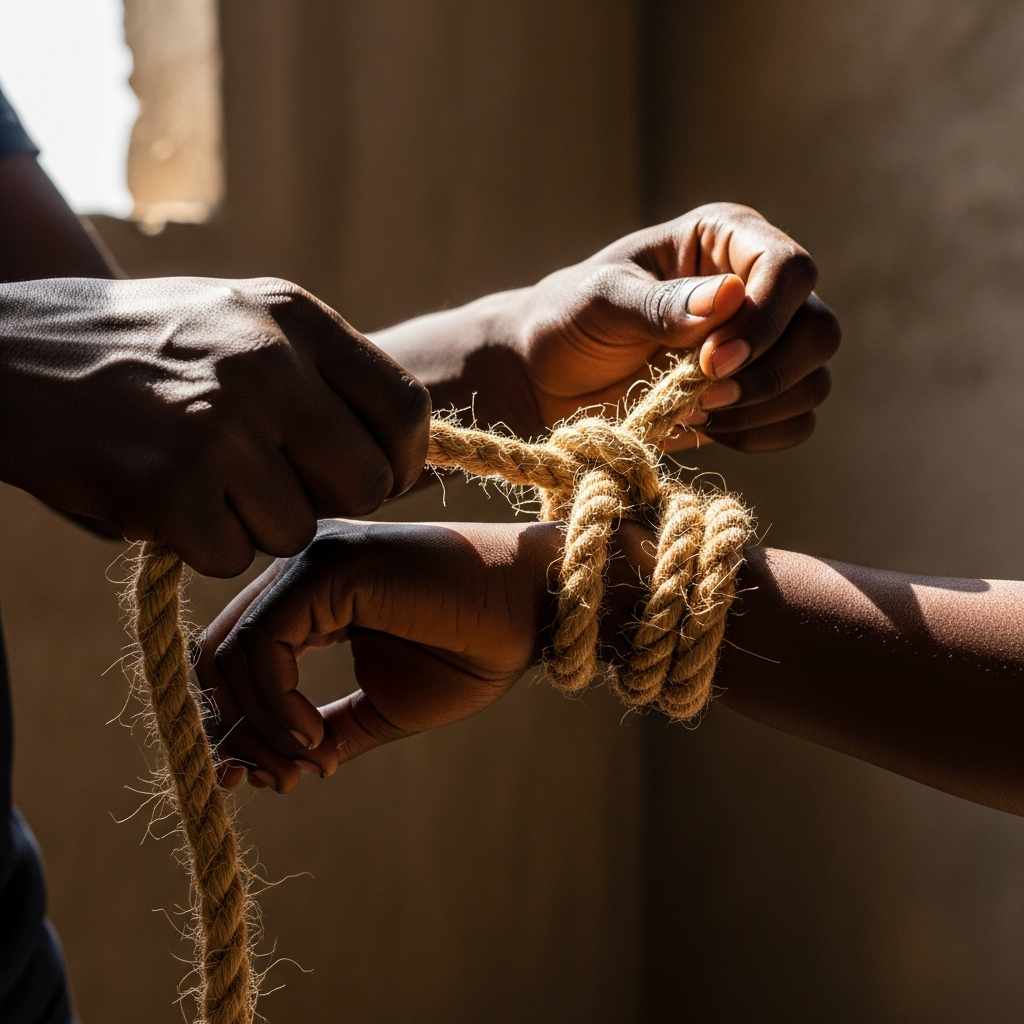
It was a scheme built on fear. The young woman left in February. All communication after that was digital—pleas and threats from supposed captors. Her boyfriend played the intermediary, relaying demands. The parents paid. They paid again. The total extracted is still being tallied, according to police.
But there was a catch. Investigators saw the pattern lacked the brutal urgency of a real abduction. No proof of life. Just endless negotiation. A coordinated operation followed digital trails to another state. There, they found her. She was living freely with him. In a March 18, 2026 interview with *Channels TV*, Police PRO Benjamin Hundeyin stated both confessed. They fabricated the story to fund their lifestyle.
This Is Not an Isolated Story
Contrast this with Abuja, January 2026. A man faked his own kidnapping, sending his wife messages demanding N5 million for his release. Premium Times reported on January 15 that police traced the number back to the man himself.
Or Ogun State, late 2025. A man colluded with friends to stage his abduction, aiming to force his family to sell property. The Guardian Nigeria noted in November 2025 that police foiled it after a relative spotted inconsistencies. These are not isolated events. They are a disturbing subset of the kidnapping reports flooding the country.
“We are seeing more cases where the so-called victim is the architect of the crime. It complicates real response efforts and wastes police resources.”
– Aderemi Adeoye, Commissioner of Police, Anambra State, in an interview with Arise News, February 2026.
The Real Kidnapping Crisis Provides a Cover
This fraud exploits a genuine national emergency. Wait, it gets more complex. The Council on Foreign Relations’ Nigeria Security Tracker data for 2026 shows over 3,600 people were abducted in 2025. This reality creates instant panic. Families pay first, ask questions later.
Official national stats are fragmented. The National Bureau of Statistics data lags by years. But commands in states like Kaduna, Zamfara, and Niger regularly report abductions. The Niger State Police Command‘s Q4 2025 security report illustrates the atmosphere. Any claim triggers dread and a willingness to pay.
Why Someone Would Fake Their Own Abduction
The motive is almost always money. They see the news and find a template. They target their own families, calculating that love and fear will open wallets. A phone call from a “kidnapper” is enough.
Some do it for debt. Others for business capital or travel. The emotional manipulation is core to the scheme. It preys on the deepest fears. The perpetrators often believe they can return with a story of escape once the cash is secure.
“The emotional and financial toll on families is immense, even when the kidnapping is fake. The trust is broken forever.”
– Dr. Fatima Akilu, psychologist and director of the Neem Foundation, speaking on TVC News, March 2026.
The Legal Reckoning for False Alarms
The Lagos couple faces serious charges. Police have invoked laws on conspiracy, obtaining money under false pretenses, and causing public alarm. The Criminal Code Act provides the framework. Sentences can be long.
Courts show little leniency. In 2025, an Edo State High Court sentenced a man to seven years for faking his kidnapping to defraud his brother. Vanguard reported in August that the judge cited wasted security resources and psychological trauma. This is not a prank. It is a major crime.
The Ripple Effect on Policing
Every false report diverts manpower. Teams that should track violent gangs spend days on a family drama. It erodes public trust. Skepticism towards genuine reports grows, delaying crucial responses.
This brings us to new protocols. The Nigeria Police Force issued a public safety advisory in January 2026. They tell families to insist on proof of life—a direct video call. Report to police before any payment. These steps filter out fraud quickly.
A Society on Edge Breeds New Crimes
The trouble is, staged kidnapping is a symptom. High youth unemployment creates desperation. The normalization of abduction in media provides a blueprint. Digital payments make transfer easy.
Families now live in heightened anxiety. A missed call triggers panic. This environment is fertile ground. It is exploited by gangs and by individuals within family circles. The social contract frays when children see parents as targets.
What Families Can Do
Verify first. Demand immediate proof. A real-time video call is a basic requirement. Contact the person’s friends. Confirm their whereabouts. The initial moments are critical.
Involve the police immediately. They have tools. They track phones and transactions. Paying a ransom without them, even in a fake case, only enriches the criminals. Transparency with law enforcement is the strongest defense.
The Bottom Line
The Lagos case closes with two young people in custody and a family dealing with betrayal. It opens a conversation about the strange new crimes born from a nation’s security troubles. The line between victim and perpetrator blurs.
Kidnapping is real and rampant. That grim reality now has a sinister echo in domestic deceit. The solution needs vigilant policing, public awareness, and a tackle on the economic desperation that fuels such fraud. For now, the advice is simple: trust, but verify.
Stop Rape case in INDIA😭🙏🏻|#justiceformanisha #ytshorts #shorts #stoprape #sad #sister #emotions. (Digital Illustration: GoBeyondLocal)

River Disappears Overnight in Warri Delta State

Market Woman Predicts Deaths in Owerri Through Yam Shapes

Forest healer cures blindness using leaves from a plant found nowhere else

Ancient Wall Repairs Itself in Zaria After Heavy Rains

Confluence refuses to mix after a photographer insulted the local river spirit

Church roof collapses mid sermon and every person inside walked out without injury

Tailor Sews Identical Dress from 40-Year-Old Bible Photo in Asaba

Twins Share Single Heartbeat Born Years Apart

Tomi Adeyemi Film Deal Changes Nigerian Storytelling

Lola Shoneyin Builds a Literary Continent at Aké Festival

ADC Leads #OccupyINEC Protest in Abuja Over Party Derecognition

Opay vs Palmpay for International Payments in Nigeria 2026

Internet Sovereignty: Why Some Countries Want Their Own Separate Internet

The Story Of The Nigerian Who Helped Build Global Internet Systems

Nigerian Hackers: The Global Fraud Story and Its Fallout

Forgotten Satellites Defy Silence, Beaming Signals for Decades

Your Digital Store in Nigeria and the Reality of Domain Expiration

The Phone Stay So Quiet: An Investigation into Nigeria’s Silent Customer Lines

The Business That Died: A Nigerian Case Study in Refusal to Adapt

Hiding Your Business From People With Money

How Nollywood Grew Without Government Support

Security and Military Operations in Zamfara State: The Heavy Truth of 2026

Nigeria Produces 67 Percent Global Yam Output

Comedy Industry in Nigeria and Its Economic Contribution


 Digital Sovereignty2 months ago
Internet Sovereignty: Why Some Countries Want Their Own Separate Internet
- Diaspora2 months ago
The Story Of The Nigerian Who Helped Build Global Internet Systems
- Crime2 months ago
Nigerian Hackers: The Global Fraud Story and Its Fallout
- Space Technology2 months ago
Forgotten Satellites Defy Silence, Beaming Signals for Decades
- E-Commerce2 months ago
Your Digital Store in Nigeria and the Reality of Domain Expiration
- Edutech Portal2 months ago
The Phone Stay So Quiet: An Investigation into Nigeria’s Silent Customer Lines
- Edutech Portal2 months ago
The Business That Died: A Nigerian Case Study in Refusal to Adapt
- Business2 months ago
Hiding Your Business From People With Money