Crime
Horror in Kano Sand Pit Collapse Buries People Alive
Here is the thing. A sand pit collapses. People are buried alive. So here we are. Another tragedy. Another horror in Kano. When will it stop?


“`html
Horror in Kano: Tragedy Strikes Sand Pit in Ridawa Village
Published: 26 March, 2026
A deep, illegal sand mining pit collapsed in Ridawa Village, Ghari Local Government Area of Kano State on the morning of March 25, 2026, trapping an estimated 10 workers. The victims, local artisanal miners digging for construction sand, had no warning before the walls of earth swallowed them. The lawmaker representing the area, Sani Bala, confirmed the ongoing rescue efforts with many feared dead.
The Ground Gave Way Without a Sound
Rescue operations began immediately, driven largely by local villagers and residents using rudimentary tools. The Kano State Fire Service spokesperson, Saminu Abdullahi, stated on March 25 that the agency had not yet received an official report from the Ghari office and was waiting for details. Heavy earth-moving equipment had not arrived at the scene.
Witnesses described a scene of chaos and desperation. Family members and fellow diggers used bare hands and shovels in a frantic attempt to reach those trapped. The pit, excavated to a depth exceeding 50 feet in some sections, had unstable, vertical walls. This geometry violates every basic principle of safe excavation.
“We heard a loud rumble like thunder, then the whole side of the pit came down. There was dust everywhere, and then silence. Just silence.” , Muhammad Sani, a survivor, speaking to Vanguard on March 25, 2026.
By nightfall on March 25, the official estimate remained at 10 workers believed trapped. Local lawmaker Sani Bala called for urgent government intervention and professional equipment, as the current effort was largely local and under-resourced. The search continued into a second day with diminishing hope.

Rescuers and volunteers use their bare hands and basic tools to shift tons following the fatal collapse. (Digital Illustration: GoBeyondLocal)
. (Digital Illustration: GoBeyondLocal)<. (Digital Illustration: GoBeyondLocal)f. (Digital Illustration: GoBeyondLocal)i. (Digital Illustration: GoBeyondLocal)g. (Digital Illustration: GoBeyondLocal)c. (Digital Illustration: GoBeyondLocal)a. (Digital Illustration: GoBeyondLocal)p. (Digital Illustration: GoBeyondLocal)t. (Digital Illustration: GoBeyondLocal)i. (Digital Illustration: GoBeyondLocal)o. (Digital Illustration: GoBeyondLocal)n. (Digital Illustration: GoBeyondLocal) . (Digital Illustration: GoBeyondLocal)c. (Digital Illustration: GoBeyondLocal)l. (Digital Illustration: GoBeyondLocal)a. (Digital Illustration: GoBeyondLocal)s. (Digital Illustration: GoBeyondLocal)s. (Digital Illustration: GoBeyondLocal)=. (Digital Illustration: GoBeyondLocal)". (Digital Illustration: GoBeyondLocal)w. (Digital Illustration: GoBeyondLocal)p. (Digital Illustration: GoBeyondLocal)-. (Digital Illustration: GoBeyondLocal)e. (Digital Illustration: GoBeyondLocal)l. (Digital Illustration: GoBeyondLocal)e. (Digital Illustration: GoBeyondLocal)m. (Digital Illustration: GoBeyondLocal)e. (Digital Illustration: GoBeyondLocal)n. (Digital Illustration: GoBeyondLocal)t. (Digital Illustration: GoBeyondLocal)-. (Digital Illustration: GoBeyondLocal)c. (Digital Illustration: GoBeyondLocal)a. (Digital Illustration: GoBeyondLocal)p. (Digital Illustration: GoBeyondLocal)t. (Digital Illustration: GoBeyondLocal)i. (Digital Illustration: GoBeyondLocal)o. (Digital Illustration: GoBeyondLocal)n. (Digital Illustration: GoBeyondLocal)". (Digital Illustration: GoBeyondLocal)>. (Digital Illustration: GoBeyondLocal)<. (Digital Illustration: GoBeyondLocal)/. (Digital Illustration: GoBeyondLocal)f. (Digital Illustration: GoBeyondLocal)i. (Digital Illustration: GoBeyondLocal)g. (Digital Illustration: GoBeyondLocal)c. (Digital Illustration: GoBeyondLocal)a. (Digital Illustration: GoBeyondLocal)p. (Digital Illustration: GoBeyondLocal)t. (Digital Illustration: GoBeyondLocal)i. (Digital Illustration: GoBeyondLocal)o. (Digital Illustration: GoBeyondLocal)n. (Digital Illustration: GoBeyondLocal)>. (Digital Illustration: GoBeyondLocal)
This Was an Accident Waiting to Happen
The tragedy in Ghari LGA reflects a national pattern. Artisanal sand mining operates with minimal oversight across Nigeria. These pits supply the booming construction industry in cities like Kano, Abuja, and Lagos.
Operators dig pits far deeper than recommended, often close to residential areas and roads. They ignore basic safety measures like sloped walls or benching. The workers, usually young men from economically distressed communities, receive no training and use rudimentary tools.
A 2025 report by the Nigeria Extractive Industries Transparency Initiative highlighted the sector’s dangers. It noted a complete absence of formal safety protocols at most artisanal mining sites (NEITI, 2025). The report documented 127 fatalities in similar small-scale mining incidents across 15 states between 2022 and 2024.
“These are not regulated mines. They are death traps. The economic pressure for cheap building materials and the desperation for daily wages create a perfect storm for disaster.” , Dr. Zainab Ahmed, a resource governance analyst, in BusinessDay, March 25, 2026.
The financial incentive is immense. A single trip of sand from an illegal pit can sell for between N25,000 and N40,000 (Nairametrics, 2025). For landowners and local operators, this cash flow outweighs perceived risks. For the digger earning N2,500 per day, the immediate need supersedes any thought of a collapsing pit.
The Regulatory Void is a Chasm You Can Fall Into
Jurisdiction over mining activity in Nigeria is fragmented and often contested. The Federal Ministry of Mines and Steel Development holds the constitutional mandate for mining regulation. State and local governments, however, control land use and often issue informal permits.
This division creates a vacuum. Federal inspectors lack the personnel to monitor thousands of scattered, small-scale sites. State authorities frequently view the activity as a local revenue source or a political patronage tool, not a safety hazard.
The Minerals and Mining Act of 2007 provides a framework for licensing and safety. Its implementation for the artisanal sector remains theoretical. The budget for mine safety inspection across the entire federation was a mere N850 million in the 2024 fiscal year (Federal Budget Office, 2024). This amount represents less than 0.02% of the total national budget for that year.
State governments have their own responsibilities. The Kano State Government, in its 2025 budget, allocated N5.1 billion to the Ministry of Environment (Kano State Budget, 2025). The allocation for specific environmental monitoring and enforcement of quarrying activities remains unclear from public documents.
You Have Seen This Story Before, Just with a Different Setting
The tragedy in Ridawa Village echoes other industrial tragedies rooted in informality and neglect. The building collapse in Lagos, the boat capsizing in Niger State, the fire at an illegal refinery in Rivers State, each follows a familiar script.
High demand for a basic commodity meets a vast population in need of work. A regulatory system exists on paper but fails in practice. Local officials may be complicit or indifferent. The result is predictable, preventable loss of life.
After each event, there are expressions of grief, promises of investigation, and vows to prevent a recurrence. The memory fades, the economic pressures continue, and digging resumes until the next pit collapses. The National Security and Defence Corps reported intercepting 312 trucks carrying illegally mined sand in the North-West zone in 2025 alone (NSDC, 2025). This figure suggests the scale of the activity.
“We will investigate this tragedy and bring anyone found negligent to book. We must ensure such a thing does not happen again in our state.” , Governor Abba Kabir Yusuf of Kano State, during a visit to the site, March 25, 2026 (Official Statement).
The challenge extends beyond enforcement. Formalizing the sector requires creating alternative livelihoods and integrating artisanal miners into a legal, safer framework. The Presidential Artisanal Gold Mining Development Initiative, launched in 2019, attempted this for gold. No equivalent national program exists for sand, clay, or limestone, the materials fueling urban expansion.

Coarse sand and rusted mining equipment rema the site fatal collapse. (Digital Illustration: GoBeyondLocal)
. (Digital Illustration: GoBeyondLocal)<. (Digital Illustration: GoBeyondLocal)f. (Digital Illustration: GoBeyondLocal)i. (Digital Illustration: GoBeyondLocal)g. (Digital Illustration: GoBeyondLocal)c. (Digital Illustration: GoBeyondLocal)a. (Digital Illustration: GoBeyondLocal)p. (Digital Illustration: GoBeyondLocal)t. (Digital Illustration: GoBeyondLocal)i. (Digital Illustration: GoBeyondLocal)o. (Digital Illustration: GoBeyondLocal)n. (Digital Illustration: GoBeyondLocal) . (Digital Illustration: GoBeyondLocal)c. (Digital Illustration: GoBeyondLocal)l. (Digital Illustration: GoBeyondLocal)a. (Digital Illustration: GoBeyondLocal)s. (Digital Illustration: GoBeyondLocal)s. (Digital Illustration: GoBeyondLocal)=. (Digital Illustration: GoBeyondLocal)". (Digital Illustration: GoBeyondLocal)w. (Digital Illustration: GoBeyondLocal)p. (Digital Illustration: GoBeyondLocal)-. (Digital Illustration: GoBeyondLocal)e. (Digital Illustration: GoBeyondLocal)l. (Digital Illustration: GoBeyondLocal)e. (Digital Illustration: GoBeyondLocal)m. (Digital Illustration: GoBeyondLocal)e. (Digital Illustration: GoBeyondLocal)n. (Digital Illustration: GoBeyondLocal)t. (Digital Illustration: GoBeyondLocal)-. (Digital Illustration: GoBeyondLocal)c. (Digital Illustration: GoBeyondLocal)a. (Digital Illustration: GoBeyondLocal)p. (Digital Illustration: GoBeyondLocal)t. (Digital Illustration: GoBeyondLocal)i. (Digital Illustration: GoBeyondLocal)o. (Digital Illustration: GoBeyondLocal)n. (Digital Illustration: GoBeyondLocal)". (Digital Illustration: GoBeyondLocal)>. (Digital Illustration: GoBeyondLocal)<. (Digital Illustration: GoBeyondLocal)/. (Digital Illustration: GoBeyondLocal)f. (Digital Illustration: GoBeyondLocal)i. (Digital Illustration: GoBeyondLocal)g. (Digital Illustration: GoBeyondLocal)c. (Digital Illustration: GoBeyondLocal)a. (Digital Illustration: GoBeyondLocal)p. (Digital Illustration: GoBeyondLocal)t. (Digital Illustration: GoBeyondLocal)i. (Digital Illustration: GoBeyondLocal)o. (Digital Illustration: GoBeyondLocal)n. (Digital Illustration: GoBeyondLocal)>. (Digital Illustration: GoBeyondLocal)
What Happens After the Last Body is Recovered?
The immediate focus in Kano is on recovery and providing for bereaved families. The state government announced a compensation package for families of victims. The long-term response will define whether this tragedy becomes a turning point.
One path involves a coordinated federal-state task force to identify and close hazardous pits. Another path requires developing and enforcing basic safety standards for artisanal mining, including mandatory sloping of pit walls and banning of certain depths.
A third, more difficult path involves economic intervention. Creating registered sand mining cooperatives with access to safer equipment and micro-insurance could formalize the trade. The Central Bank of Nigeria development finance windows could theoretically support such a scheme.
The Solid Minerals Development Fund, established by the Ministry of Mines and Steel Development, has a mandate to develop the mining sector. Its 2024 annual report showed most of its activities focused on geological data and attracting large-scale foreign investment, not artisanal miner safety (SMDF, 2024).
A Small, Concrete Step Forward
Grand policy announcements after a disaster rarely translate to change on the ground. A single, actionable measure would have more impact than a dozen committees.
Every local government authority in Nigeria should be mandated to conduct a physical audit of all mining, quarrying, and excavation sites within its jurisdiction within the next 90 days. This audit must classify each site as low-risk, high-risk, or illegal. The findings should be published in a simple, public register.
The template for this exists. The Lagos State Material Testing Laboratory registers and monitors concrete block manufacturers. A similar framework, adapted for excavation sites, would create the first-ever baseline of risk. It would assign responsibility to the local government chairman, the official closest to the activity.
This audit would not stop mining. It would make the invisible, visible. It would give communities a document to point to. It would force a conversation about which pits should be closed, which can be made safer, and where alternative sites might be. The cost would be minimal, mainly the time of town planning officers.
Without such a basic inventory, regulators are fighting ghosts. Another pit will collapse in another state. Another set of families will mourn. The cycle of tragedy in Kano will repeat, with only the location name changing in the headlines.
The sand dug from that pit in Ridawa Village, Ghari LGA was destined to become part of a house, a school, or a shop. The labor of those who died was building the physical future of Nigeria. Their deaths expose the brutal cost of building that future on a foundation of informality and neglect. The earth that buried them also holds a mirror to a system that knows the rules but has forgotten the people.
“`







Crime
Jos Massacre Update Governor Mutfwang Reveals NDLEA Impersonation
Here is the thing. Attackers mimicked NDLEA operatives. They wore the uniform. They carried the authority. So here we are. How did this happen? What does it say about our security? The governor has spoken. The facts are grim.
Governor Mutfwang Reveals Attackers in Jos Massacre Update Mimicked NDLEA Operatives
Published 04 April, 2026
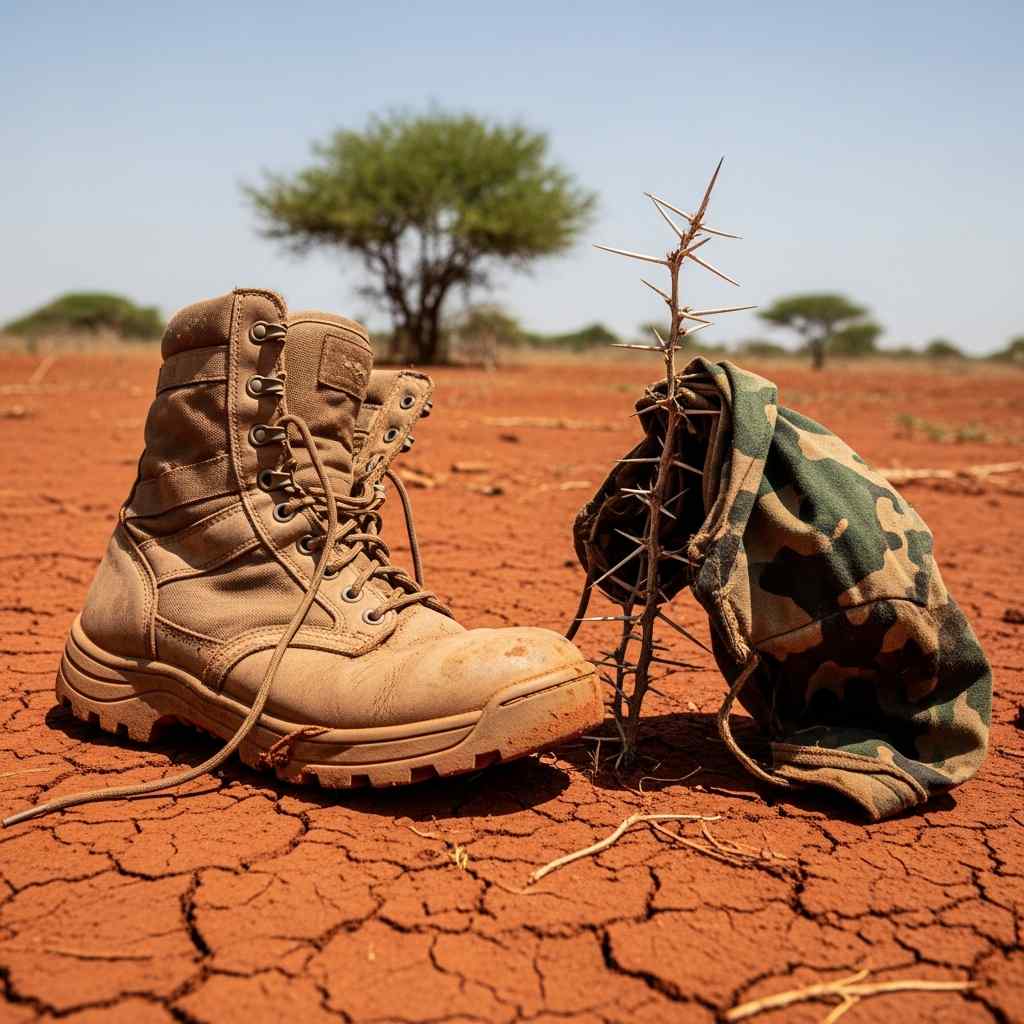
Governor Caleb Mutfwang of Plateau State stated attackers in the recent violence wore uniforms resembling those of the National Drug Law Enforcement Agency. The governor made this declaration during a security briefing in Jos on April 2, 2026. This detail adds a complex layer to the investigation into coordinated assaults on communities in Mangu Local Government Area.
The Official Account from Government House
Governor Mutfwang provided specific information about the attackers’ methods. He described a pattern where assailants gained access to villages by posing as security personnel. The impersonation of NDLEA officers created initial confusion and delayed community response.
“The attackers came dressed in uniforms that looked exactly like those of NDLEA officials. This deception allowed them to move without immediate suspicion in the early stages of the assault.”
Caleb Mutfwang, Governor of Plateau State, April 2, 2026 security briefing.
The Plateau State Government communicated these findings after receiving preliminary reports from security agencies and local authorities.According to a 2026 report in *high grade Times*, the governor’s office issued a statement citing eyewitness accounts collected by military and police investigators. The state government has called for a full audit of security protocols to prevent future exploitation of official uniforms.
What the Security Agencies Are Saying
The Nigeria Police Force and Operation Safe Haven, the military task force in Plateau, confirmed they are investigating the impersonation angle. The police spokesperson in Plateau, Alabo Alfred, acknowledged the governor’s statement as part of the ongoing inquiry. He urged the public to continue to be vigilant and report any suspicious movement of persons in security attire.
The leadership of Operation Safe Haven issued a separate update on its operational response. The task force commander, Major General AE Abubakar, reported the deployment of additional troops to flashpoints in Mangu.According to a 2026 report in *The Nation*, the military has established more checkpoints and increased patrols in the affected general area.
Breaking Down the Timeline of Violence
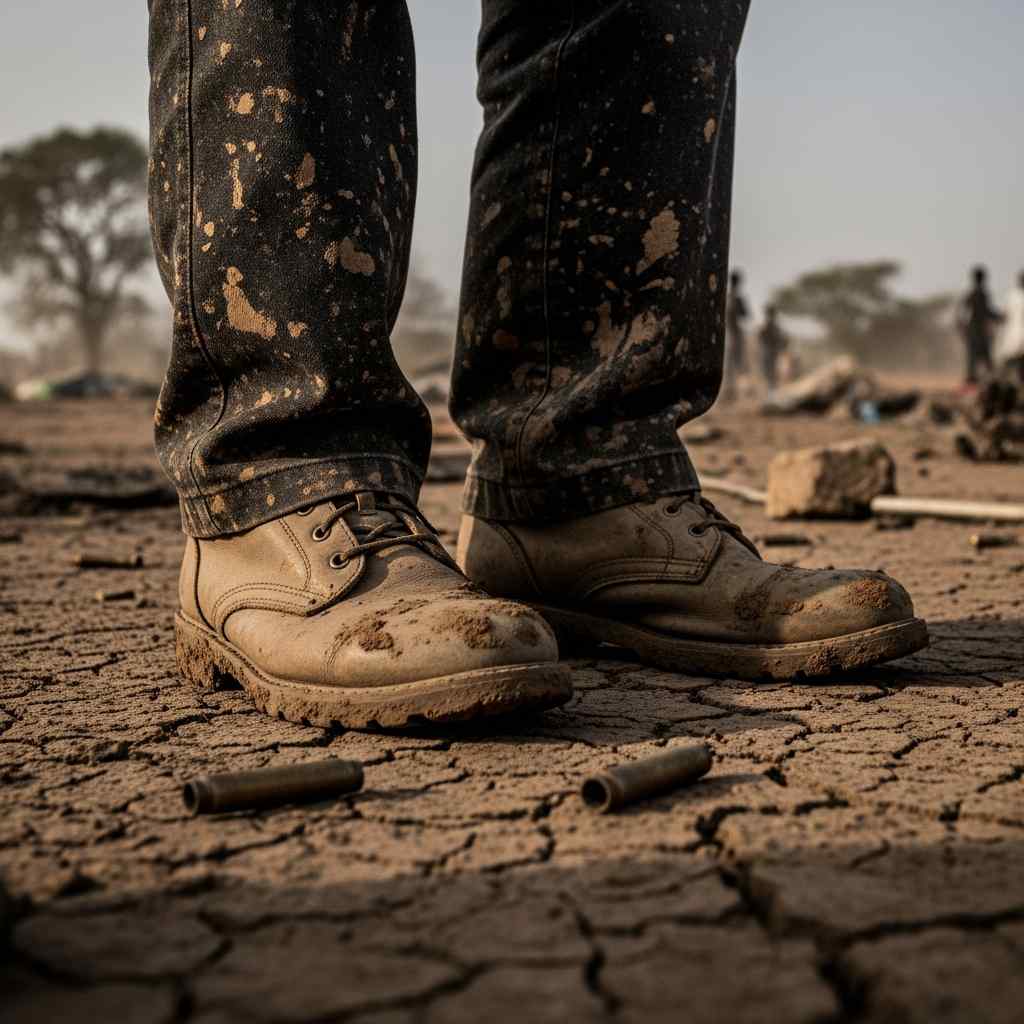
The attacks referenced by the governor occurred across a series of villages between March 25 and March 28, 2026. Communities in the Mangu region suffered the most significant impact. Initial casualty figures from the Plateau State Emergency Management Agency were provisional.
The agency director, Sunday Abdu, later provided a more detailed assessment. He reported the displacement of over 15,000 individuals from 12 communities.According to the *Daily Trust* in 2026, these displaced persons have sought refuge in primary schools and local government buildings in Mangu town. Humanitarian groups are mobilizing to provide food and medical supplies.
The National Drug Law Enforcement Agency Responds
The NDLEA issued a strong condemnation of the impersonation. The agency spokesperson, Femi Babafemi, clarified that no NDLEA personnel were involved in the attacks. He described the act as a criminal violation of the agency’s uniform and a grave security breach.
“This is a despicable act by criminals seeking to undermine state authority. The NDLEA uniform symbolizes the fight against drug trafficking and abuse. We are working with the police and military to apprehend those responsible for this impersonation.”
Femi Babafemi, NDLEA Director of Media & Advocacy, April 3, 2026 press release.
The agency announced it would review its uniform control and issuance procedures. The NDLEA also advised communities to request proper identification from anyone claiming to be an officer, especially in volatile regions.
A Look at the Broader Security Context in Plateau
Plateau State has experienced recurring episodes of communal violence for decades. The conflict often involves disputes over land, resources, and political representation. The state sits in the Middle Belt region of Nigeria, a zone with a complex mix of ethnic and religious groups.
Data from the Nextier SPD Violent Conflict Database indicates a rise in fatal incidents in Plateau during the first quarter of 2026.According to Nextier SPD’s 2026 data, the state recorded over 200 conflict-related deaths between January and March. This figure represents a significant increase from the same period in 2025. Security analysts link the surge to political tensions and the proliferation of small arms.
How Impersonation Complicates the Security Landscape
The tactic of impersonating security forces presents a severe challenge. It erodes public trust in legitimate state institutions like the NDLEA, the police, and the army. When communities cannot distinguish between real officers and attackers, cooperation with security agencies declines.
This situation creates a cycle of fear and isolation. Villages become more hesitant to provide intelligence or welcome patrols. The attackers gain a tactical advantage by exploiting this distrust. Security experts warn that such methods could spread to other conflict zones across the country.
The Human Cost Beyond the Headlines
Behind the official statements and security briefings are thousands of affected lives. Displaced families in Mangu describe scenes of panic and confusion. Many residents reported hearing attackers announce themselves as NDLEA officers conducting a raid, which initially caused compliance.
Local farmers have lost their homes and ready-to-harvest crops. The violence disrupts the planting season, threatening food security in the state. Community leaders plead for a permanent security solution that allows people to return to their farms and rebuild.
What the Federal Government Has Said
The Federal Government, through the Ministry of Defence, expressed concern over the Plateau situation. The Minister of Defence, Mohammed Badaru Abubakar, reiterated the commitment of the armed forces to restore order. He promised that the impersonation of security personnel would be treated as a top-priority investigation.
President Bola Tinubu also received a briefing from the National Security Adviser, Nuhu Ribadu. The presidency issued a statement condemning the violence and promising support for the state government. The statement directed security chiefs to submit a complete report on the incident and their response plan.
Where the Investigation Stands Today
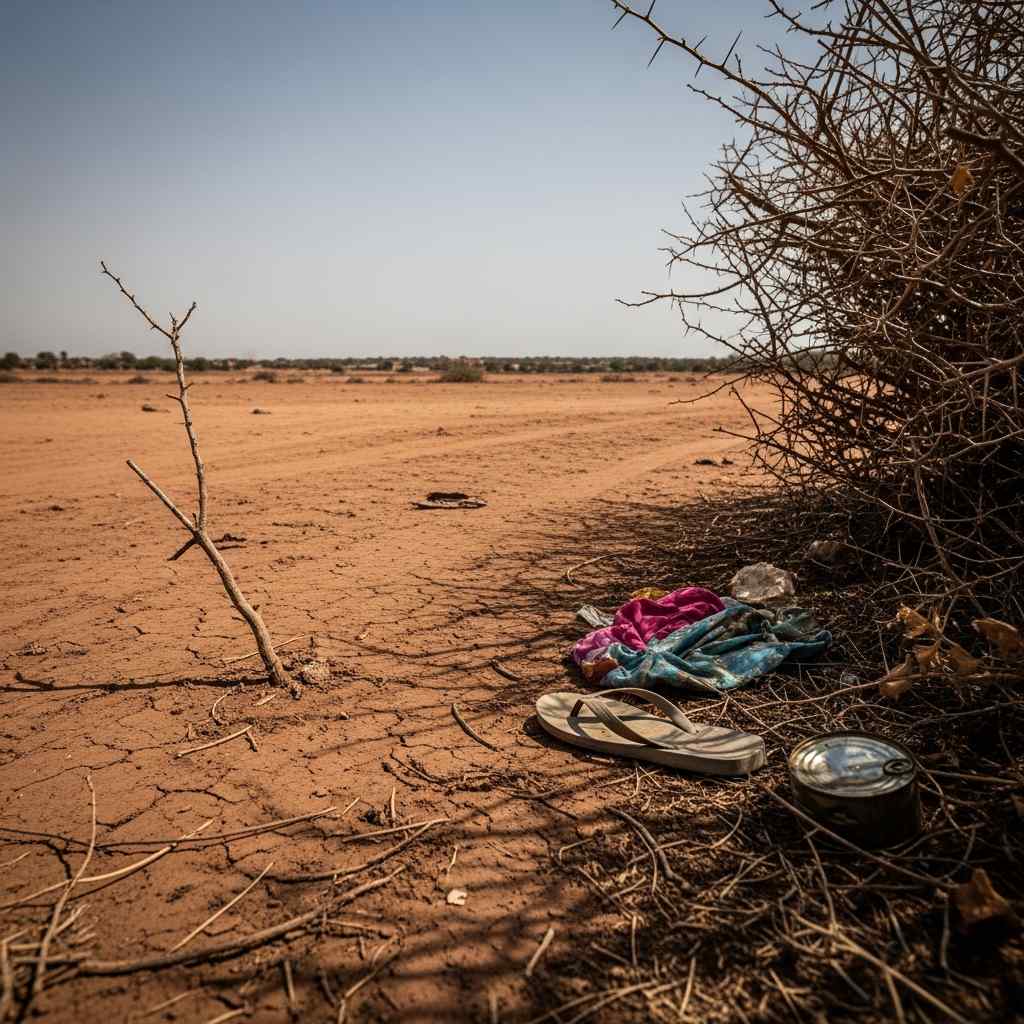
As of April 4, 2026, no arrests have been publicly announced in connection with the impersonation. The joint investigation group comprising the police, military intelligence, and the Department of State Services continues its work. Sources within the security apparatus indicate the focus is on tracing the source of the counterfeit uniforms.
The investigation also explores possible links between the attackers and local criminal networks involved in arms smuggling. The complexity of the case means answers will take time. The public awaits tangible results from the security promises made by federal and state authorities.
A Path Forward for Plateau Communities
Governor Mutfwang has proposed a multi-faceted response beyond military deployment. He advocates for a revival of the state’s peacebuilding architecture, including community dialogue platforms and early warning systems. The governor emphasized the need for economic interventions to address the root causes of conflict among youth.
The state government plans to collaborate with the Nigeria Security and Civil Defence Corps to train local vigilante groups in proper identification procedures. This measure aims to build community-level resilience against deception by armed groups. The success of these initiatives depends on sustained funding and political will.
Verifying Information in a Tense Climate
In the aftermath of such attacks, misinformation often spreads quickly on social media. Official channels like the Plateau State Government digital platform and verified security agency accounts provide the most reliable updates. Citizens are encouraged to cross-check alarming reports with these primary sources before sharing.
Media organizations have a responsibility to report with care, avoiding sensationalism that could incite further violence. The Jos Massacre Update from the governor’s office serves as a primary document for understanding the official perspective. Journalists continue to seek independent verification of all claims from the field.
Your Role in Promoting Security Awareness
Residents in conflict-prone areas can adopt straightforward verification steps. When individuals in uniform method, ask for official identification and a mission statement. Contact local police or military outposts to confirm any ongoing operation in your area. Share credible information with neighbors to build collective awareness.
Support local humanitarian efforts by donating to respected organizations aiding the displaced. Engage with community leaders working on peace initiatives. A collective effort toward vigilance and support makes a difference in stabilizing the security environment.
The Jos massacre update revealing NDLEA impersonation marks a dangerous escalation in the tactics of violence in Plateau State. It underscores a crisis of trust that requires urgent and thoughtful action from all levels of government. The coming weeks will test the resolve of security agencies to solve this case and restore a sense of safety for the people.
Crime
Nasarawa Communal Attack Leaves Eleven Dead in Udege
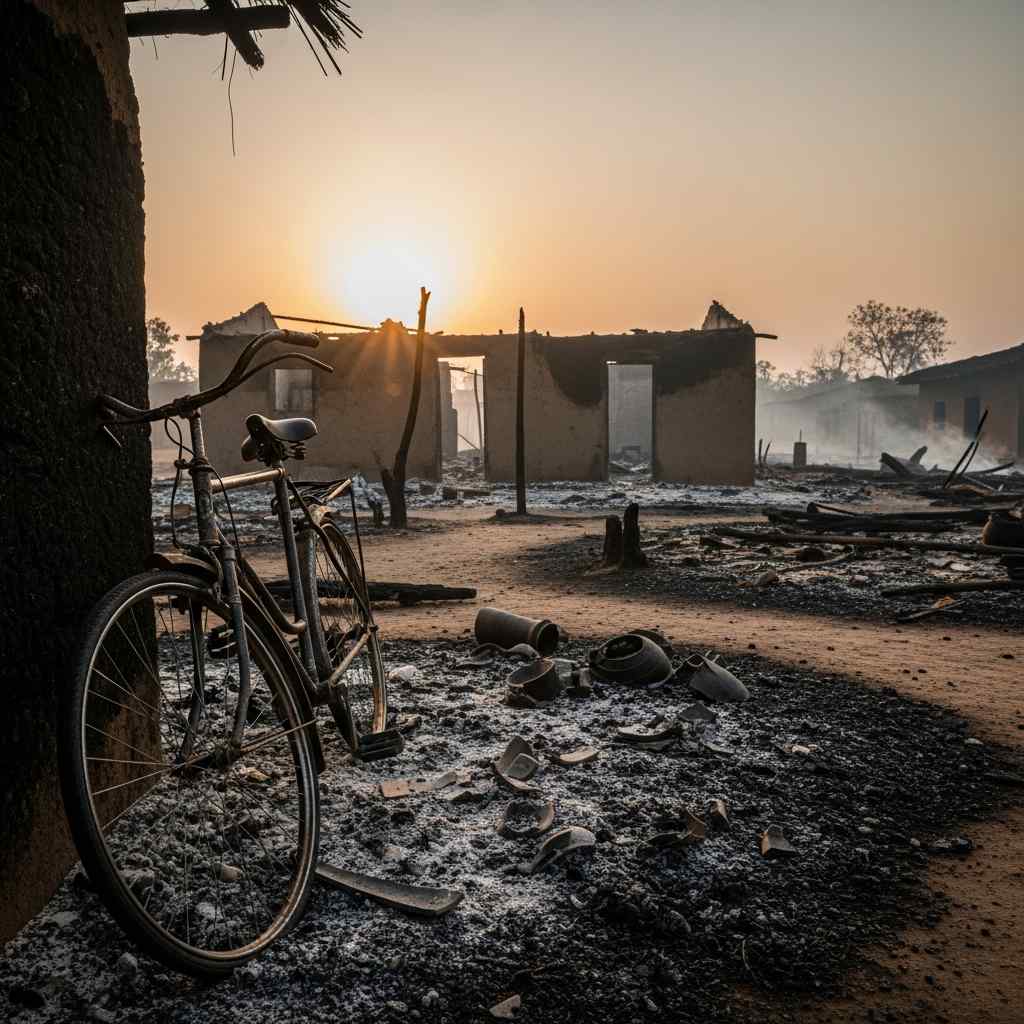
So here we are again. Eleven dead in Nasarawa. A fight over land in Udege Mbeki. The sun rises on burnt houses and a lone bicycle. What does it take for this to stop?
A Village Burns Again
Published 04 April, 2026
Gunmen attacked the community of Udege Mbeki in the Nasarawa Local Government Area of Nasarawa State, leaving eleven people dead and a trail of burnt homes. The violence erupted in the early hours of Tuesday, April 1, 2026, marking another bloody chapter in the state’s long history of communal strife.
The Thing About Tuesday Morning
Residents reported hearing sporadic gunshots around 4:00 a.m. The attackers, arriving in large numbers, targeted specific houses. A community leader, who requested anonymity for safety, described a scene of panic and fire.
“They came with guns and petrol. They shot people and set houses on fire. We lost everything.”
– Anonymous community leader in Udege Mbeki, speaking to Premium Times on April 2, 2026.
The Nasarawa State Police Command confirmed the incident. The Police Public Relations Officer, DSP Ramhan Nansel, stated that officers deployed to the area recovered eleven bodies. The police also noted the destruction of residential buildings and food barns.
So Here We Are With The Land Question
Preliminary reports from security sources and local media point to a land dispute as the trigger. Udege Mbeki sits in a region where tensions between farmers and herders over land and water resources have simmered for years.
This specific attack appears linked to a lingering conflict between the Bassa and Egbira ethnic groups. The issue of ancestral land ownership and access to fertile areas for farming continues to be unresolved. A 2025 report by the International Crisis Group cited land competition as a primary driver of violence in Nigeria’s Middle Belt.
The state government has initiated peace dialogues in the past. The effectiveness of these talks faces constant pressure from population expansion and climate variability, which shrink available resources.
What The Numbers Say About Nasarawa
This attack fits a grim pattern. Data from the Armed Conflict Location and Event Data Project (ACLED) shows Nasarawa State recorded over 80 incidents of political violence in 2024. Many of these incidents involved communal clashes.
The National Emergency Management Agency (NEMA) has repeatedly responded to displacement crises in the state. In its 2025 first-quarter report, NEMA listed Nasarawa among states with a high number of internally displaced persons due to farmer-herder conflicts.
Security force deployments exist, but the vast, rural terrain makes complete coverage a challenge. Communities often feel isolated and vulnerable to reprisal attacks.
The Human Cost Beyond The Headline
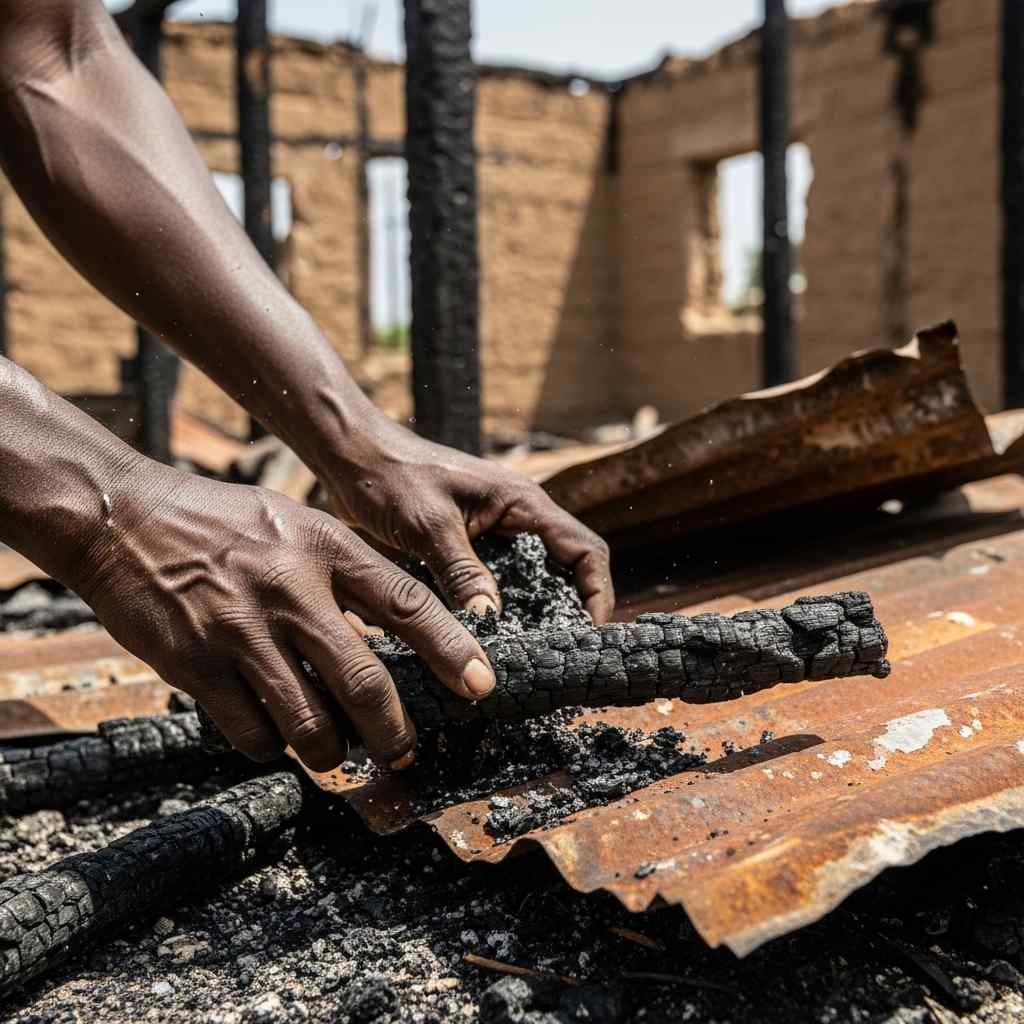
Beyond the eleven confirmed deaths, the attack creates immediate humanitarian needs. Survivors lost their homes, food supplies, and personal belongings. The visual evidence from the scene shows complete structures reduced to ashes.
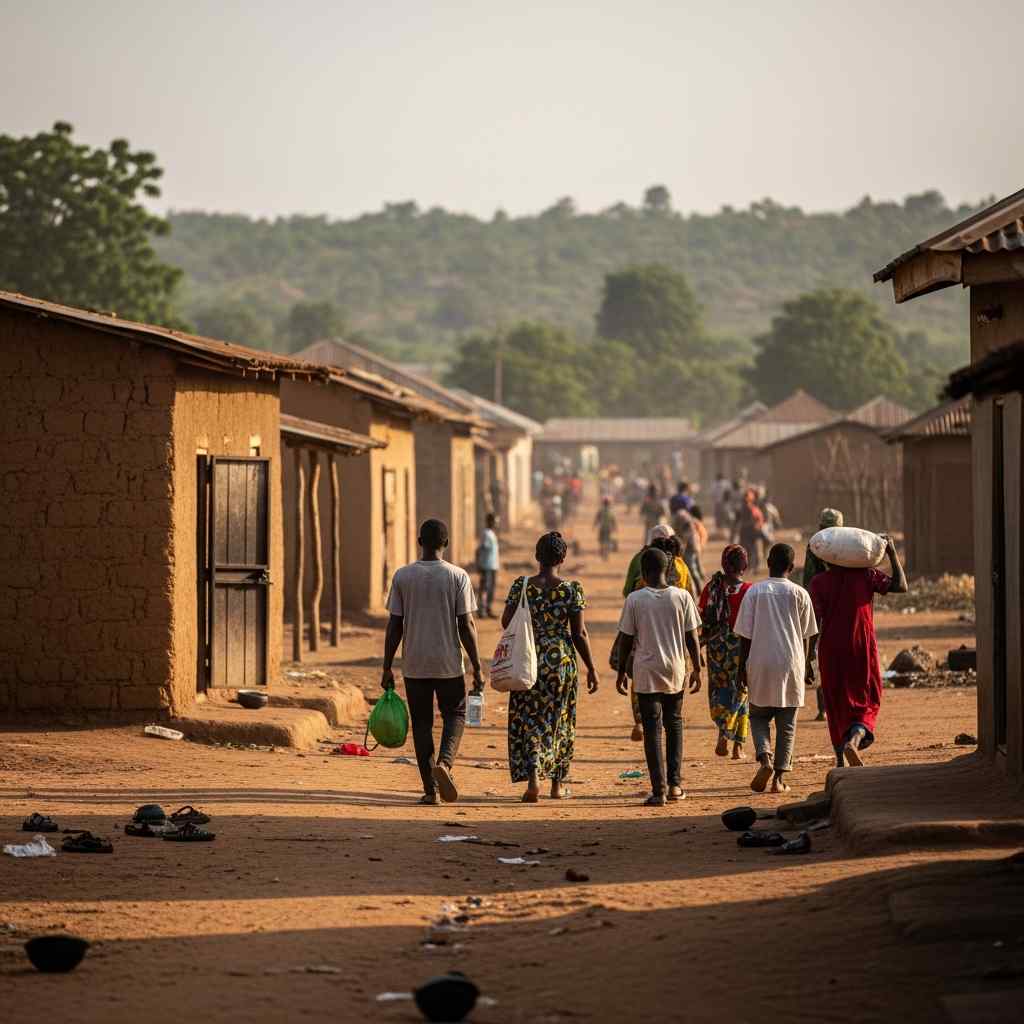
Local officials estimate that hundreds of people now require shelter, food, and medical care. The psychological trauma for survivors, especially children, represents a longer-term burden the community must carry.
Displacement from such attacks often pushes people into informal camps or to live with relatives in urban centers, straining local economies and social structures.
A Governor’s Promise And The Ground Reality
Governor Abdullahi Sule condemned the attack. He promised that security agencies would apprehend the perpetrators. The governor also appealed for calm and warned against retaliatory violence.
“This act of barbarism will receive the full weight of the law. We are committed to finding the people behind this and ensuring they face justice.”
– Governor Abdullahi Sule of Nasarawa State, official statement, April 2, 2026.
Residents express a mix of hope and skepticism. Past attacks have seen arrests, but prosecutions that lead to convictions continue to be less visible. The cycle of impunity fuels perceptions that violence carries little consequence.
Why Peace Committees Sometimes Fail
Nasarawa State, like many in the Middle Belt, operates local peace committees. These committees bring together traditional rulers, community elders, and youth leaders from conflicting groups.
The committees achieve temporary calm. Underlying grievances about land ownership and compensation for destroyed crops often resurface. A member of a state-level peace body, speaking off the record, said agreements collapse without a definitive, legal resolution to land tenure.
Young people, facing economic hardship, become uncomplicated recruits for militia groups promising protection or a means of retaliation. This dynamic actively undermines the authority of elders who sign peace accords.
The Federal Dimension People Miss
Communal conflicts in states like Nasarawa have national implications. They strain the national security architecture, diverting military and police resources. They also contribute to food insecurity, as farmers abandon fertile lands for fear of attacks.
The Federal Ministry of Agriculture and Rural Development has cited insecurity as a major constraint to achieving food sufficiency. Attacks in the food-producing Middle Belt have a direct impact on commodity prices in markets in Lagos and Abuja.
Persistent displacement creates a pool of disaffected citizens, which political actors can exploit during elections, framing conflicts along ethnic or religious lines for electoral gain.
One Thing You Can Do Today
Pressure for openness in the judicial process matters. Citizens can demand that the police and the office of the Attorney-General of Nasarawa State provide public updates on the prosecution of suspects from this attack.
Visible and timely legal action establishes a precedent. It signals that the state possesses the will to enforce its monopoly on violence. This action requires writing to the state assembly member representing the constituency or engaging with the Ministry of Justice through formal channels.
Sustained public interest moves a case from a newspaper headline to a court docket. It reminds everyone that eleven lives demand more than a press release.
The Road From Udege Mbeki
The ashes in Udege Mbeki will cool. The funerals will take place. The immediate news cycle will move on. The structural issues of land, justice, and economic opportunity will continue to exist.
Addressing these issues requires moving beyond ad-hoc peace talks. It demands a courageous, state-driven initiative to survey and document land ownership, supported by a special tribunal to handle historical disputes. The cost of such a project would be significant, but the cost of recurring violence is far greater.
Until then, communities across Nasarawa will go to sleep with one ear open, wondering if the next attack will come at 4:00 a.m.
Sources for this report include official statements from the Nasarawa State Police Command (April 2026), reporting by Premium Times (April 2026), Daily Trust (April 2026), data from the Armed Conflict Location and Event Data Project (ACLED 2024), and reports from the National Emergency Management Agency (NEMA 2025).
Crime
Staged Kidnapping Case Reveals Family Extortion Trend in Nigeria
Here is the thing. A daughter disappears. Her parents panic. Then the ransom demands start. But this was no kidnapping. It was a staged kidnapping. A two-month-long charade for money. So here we are. What does this say about us?
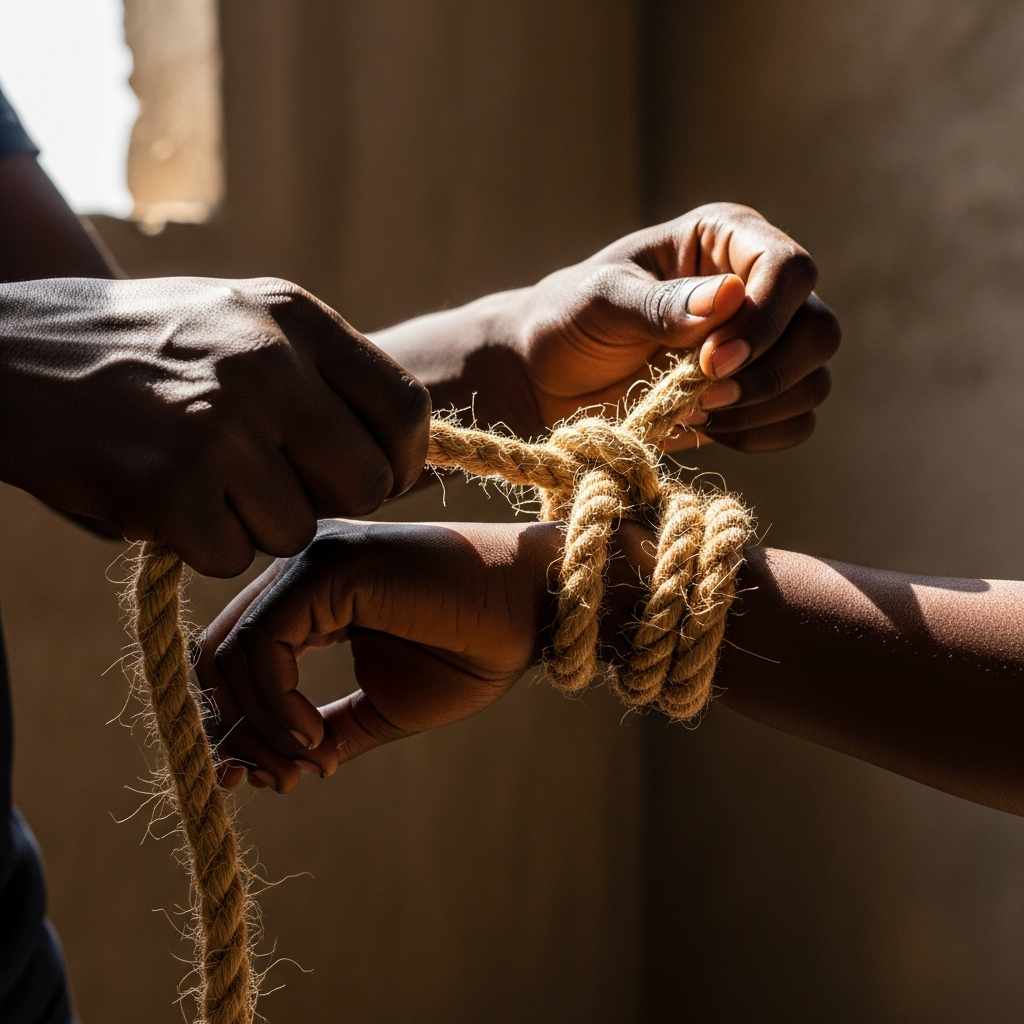
A Girl, Her Boyfriend, and a Two-Month Lie
Published: 27 March, 2026
An 18-year-old girl vanished from her Lagos home. For two months, her parents lived in terror, paying ransom to armed kidnappers who existed only in text messages. The Lagos State Police Command has now confirmed the arrest of the couple. The entire kidnapping was a lie, staged by the girl and her boyfriend. This was the official statement from the Police Public Relations Officer in March 2026.
The Mechanics of a Family Fraud
It was a scheme built on fear. The young woman left in February. All communication after that was digital—pleas and threats from supposed captors. Her boyfriend played the intermediary, relaying demands. The parents paid. They paid again. The total extracted is still being tallied, according to police.
But there was a catch. Investigators saw the pattern lacked the brutal urgency of a real abduction. No proof of life. Just endless negotiation. A coordinated operation followed digital trails to another state. There, they found her. She was living freely with him. In a March 18, 2026 interview with *Channels TV*, Police PRO Benjamin Hundeyin stated both confessed. They fabricated the story to fund their lifestyle.
This Is Not an Isolated Story
Contrast this with Abuja, January 2026. A man faked his own kidnapping, sending his wife messages demanding N5 million for his release. Premium Times reported on January 15 that police traced the number back to the man himself.
Or Ogun State, late 2025. A man colluded with friends to stage his abduction, aiming to force his family to sell property. The Guardian Nigeria noted in November 2025 that police foiled it after a relative spotted inconsistencies. These are not isolated events. They are a disturbing subset of the kidnapping reports flooding the country.
“We are seeing more cases where the so-called victim is the architect of the crime. It complicates real response efforts and wastes police resources.”
– Aderemi Adeoye, Commissioner of Police, Anambra State, in an interview with Arise News, February 2026.
The Real Kidnapping Crisis Provides a Cover
This fraud exploits a genuine national emergency. Wait, it gets more complex. The Council on Foreign Relations’ Nigeria Security Tracker data for 2026 shows over 3,600 people were abducted in 2025. This reality creates instant panic. Families pay first, ask questions later.
Official national stats are fragmented. The National Bureau of Statistics data lags by years. But commands in states like Kaduna, Zamfara, and Niger regularly report abductions. The Niger State Police Command‘s Q4 2025 security report illustrates the atmosphere. Any claim triggers dread and a willingness to pay.
Why Someone Would Fake Their Own Abduction
The motive is almost always money. They see the news and find a template. They target their own families, calculating that love and fear will open wallets. A phone call from a “kidnapper” is enough.
Some do it for debt. Others for business capital or travel. The emotional manipulation is core to the scheme. It preys on the deepest fears. The perpetrators often believe they can return with a story of escape once the cash is secure.
“The emotional and financial toll on families is immense, even when the kidnapping is fake. The trust is broken forever.”
– Dr. Fatima Akilu, psychologist and director of the Neem Foundation, speaking on TVC News, March 2026.
The Legal Reckoning for False Alarms
The Lagos couple faces serious charges. Police have invoked laws on conspiracy, obtaining money under false pretenses, and causing public alarm. The Criminal Code Act provides the framework. Sentences can be long.
Courts show little leniency. In 2025, an Edo State High Court sentenced a man to seven years for faking his kidnapping to defraud his brother. Vanguard reported in August that the judge cited wasted security resources and psychological trauma. This is not a prank. It is a major crime.
The Ripple Effect on Policing
Every false report diverts manpower. Teams that should track violent gangs spend days on a family drama. It erodes public trust. Skepticism towards genuine reports grows, delaying crucial responses.
This brings us to new protocols. The Nigeria Police Force issued a public safety advisory in January 2026. They tell families to insist on proof of life—a direct video call. Report to police before any payment. These steps filter out fraud quickly.
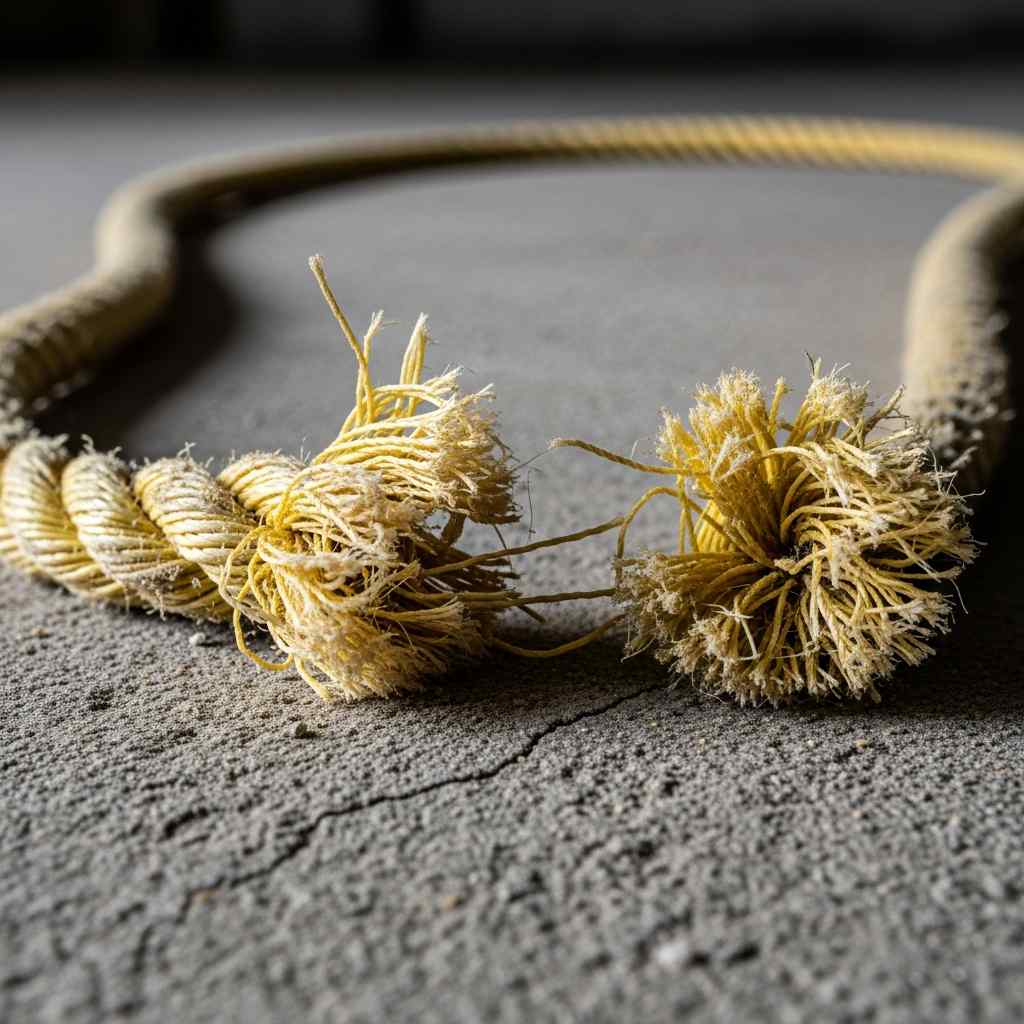
A Society on Edge Breeds New Crimes
The trouble is, staged kidnapping is a symptom. High youth unemployment creates desperation. The normalization of abduction in media provides a blueprint. Digital payments make transfer easy.
Families now live in heightened anxiety. A missed call triggers panic. This environment is fertile ground. It is exploited by gangs and by individuals within family circles. The social contract frays when children see parents as targets.
What Families Can Do
Verify first. Demand immediate proof. A real-time video call is a basic requirement. Contact the person’s friends. Confirm their whereabouts. The initial moments are critical.
Involve the police immediately. They have tools. They track phones and transactions. Paying a ransom without them, even in a fake case, only enriches the criminals. Transparency with law enforcement is the strongest defense.
The Bottom Line
The Lagos case closes with two young people in custody and a family dealing with betrayal. It opens a conversation about the strange new crimes born from a nation’s security troubles. The line between victim and perpetrator blurs.
Kidnapping is real and rampant. That grim reality now has a sinister echo in domestic deceit. The solution needs vigilant policing, public awareness, and a tackle on the economic desperation that fuels such fraud. For now, the advice is simple: trust, but verify.
Stop Rape case in INDIA😭🙏🏻|#justiceformanisha #ytshorts #shorts #stoprape #sad #sister #emotions. (Digital Illustration: GoBeyondLocal)

Thunder speaks sentences that elderly women in one village understand clearly

River Disappears Overnight in Warri Delta State

Market Woman Predicts Deaths in Owerri Through Yam Shapes

Forest healer cures blindness using leaves from a plant found nowhere else

Ancient Wall Repairs Itself in Zaria After Heavy Rains

Confluence refuses to mix after a photographer insulted the local river spirit

Church roof collapses mid sermon and every person inside walked out without injury

Tailor Sews Identical Dress from 40-Year-Old Bible Photo in Asaba

Twins Share Single Heartbeat Born Years Apart

Tomi Adeyemi Film Deal Changes Nigerian Storytelling

Lola Shoneyin Builds a Literary Continent at Aké Festival

ADC Leads #OccupyINEC Protest in Abuja Over Party Derecognition

Internet Sovereignty: Why Some Countries Want Their Own Separate Internet

The Story Of The Nigerian Who Helped Build Global Internet Systems

Nigerian Hackers: The Global Fraud Story and Its Fallout

Forgotten Satellites Defy Silence, Beaming Signals for Decades

Your Digital Store in Nigeria and the Reality of Domain Expiration

The Phone Stay So Quiet: An Investigation into Nigeria’s Silent Customer Lines

The Business That Died: A Nigerian Case Study in Refusal to Adapt

Hiding Your Business From People With Money

How Nollywood Grew Without Government Support

Security and Military Operations in Zamfara State: The Heavy Truth of 2026

Nigeria Produces 67 Percent Global Yam Output

Comedy Industry in Nigeria and Its Economic Contribution

 Digital Sovereignty2 months ago
Internet Sovereignty: Why Some Countries Want Their Own Separate Internet
- Diaspora2 months ago
The Story Of The Nigerian Who Helped Build Global Internet Systems
- Crime2 months ago
Nigerian Hackers: The Global Fraud Story and Its Fallout
- Space Technology2 months ago
Forgotten Satellites Defy Silence, Beaming Signals for Decades
- E-Commerce2 months ago
Your Digital Store in Nigeria and the Reality of Domain Expiration
- Edutech Portal2 months ago
The Phone Stay So Quiet: An Investigation into Nigeria’s Silent Customer Lines
- Edutech Portal2 months ago
The Business That Died: A Nigerian Case Study in Refusal to Adapt
- Business2 months ago
Hiding Your Business From People With Money