Agriculture
Cassava Processing Industry Plan for Ekiti Aims at Food Security
Cassava processing industry gets a $14.2m boost in Ekiti State through a federal and private sector partnership to address national food security challenges.

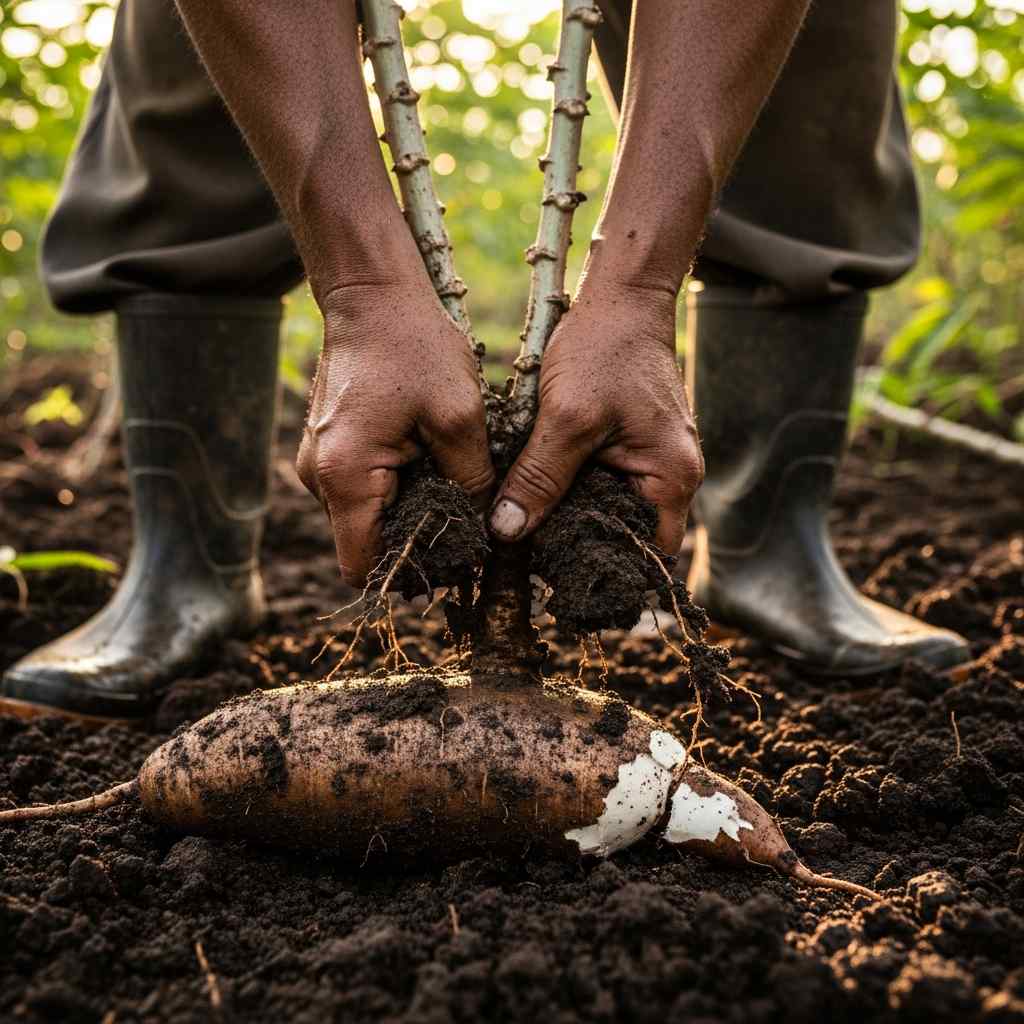
A $14.2 Million Bet on Cassava and Food Security in Ekiti
Published: 21 March, 2026
Can a single factory in Ekiti State fix a national problem? The federal government and a group of private investors are betting $14.2 million that it can. Their plan is a new cassava processing industry, announced by the Federal Ministry of Agriculture and Food Security in early March 2026. The goal is simple: stop waste and add value to the crop we produce more than anyone else.
Here is the thing. Nigeria churns out over 63 million metric tonnes of cassava every year. A huge amount of it rots. This facility aims to turn those perishable tubers into flour, starch, and sweeteners.
This partnership moves beyond rhetoric to tangible investment in our agricultural value chain. Ekiti has the agronomic advantage, and this plant will provide a ready market for thousands of farmers, reducing waste and increasing incomes.
— Senator Abubakar Kyari, Minister of Agriculture and Food Security, statement on March 10, 2026.
Why This Move Makes Sense Right Now
The logic is straightforward. Food inflation is a persistent pressure point. As The National Bureau of Statistics noted in February 2024, food inflation was 31.73%. A sharp rise in the price of cassava tubers helped drive that figure. Localised processing aims to stabilise supply. For millions, cassava is the primary carbohydrate source.
But there is a catch. We’ve long encouraged cultivation without building the infrastructure to handle the harvest. Farmers face gluts and low prices. This plant promises a predictable off-take agreement for at least 5,000 smallholders across Ekiti and nearby states.
The waste is staggering. According to the International Institute of Tropical Agriculture, post-harvest losses for cassava sit between 15% and 30%. The new plant proposes to process 500 metric tonnes of fresh roots every day, directly tackling that loss.
The Mechanics of the Partnership
The $14.2 million splits between public and private capital. The federal government, through its ministry and the Bank of Industry, offers grants and soft loans. Private investors, led by a Nigerian agro-firm, bring the equity and technical know-how.
Ekiti State government provides land, roads, and links to extension services. The idea is to blend private efficiency with public support. About 300 direct jobs are expected.
Our analysis shows a strong internal rate of return based on current demand for industrial starch and flour. The risk is in the supply chain logistics—getting enough quality cassava to the factory gate consistently. That is where the partnership with government is critical.
— Investor representative speaking to BusinessDay on March 15, 2026.
The project includes collection centres and provision of improved stems. It falls under the federal government’s National Cassava Transformation Agenda. This public-private model mirrors the one used for a rice mill in Kebbi State years ago.
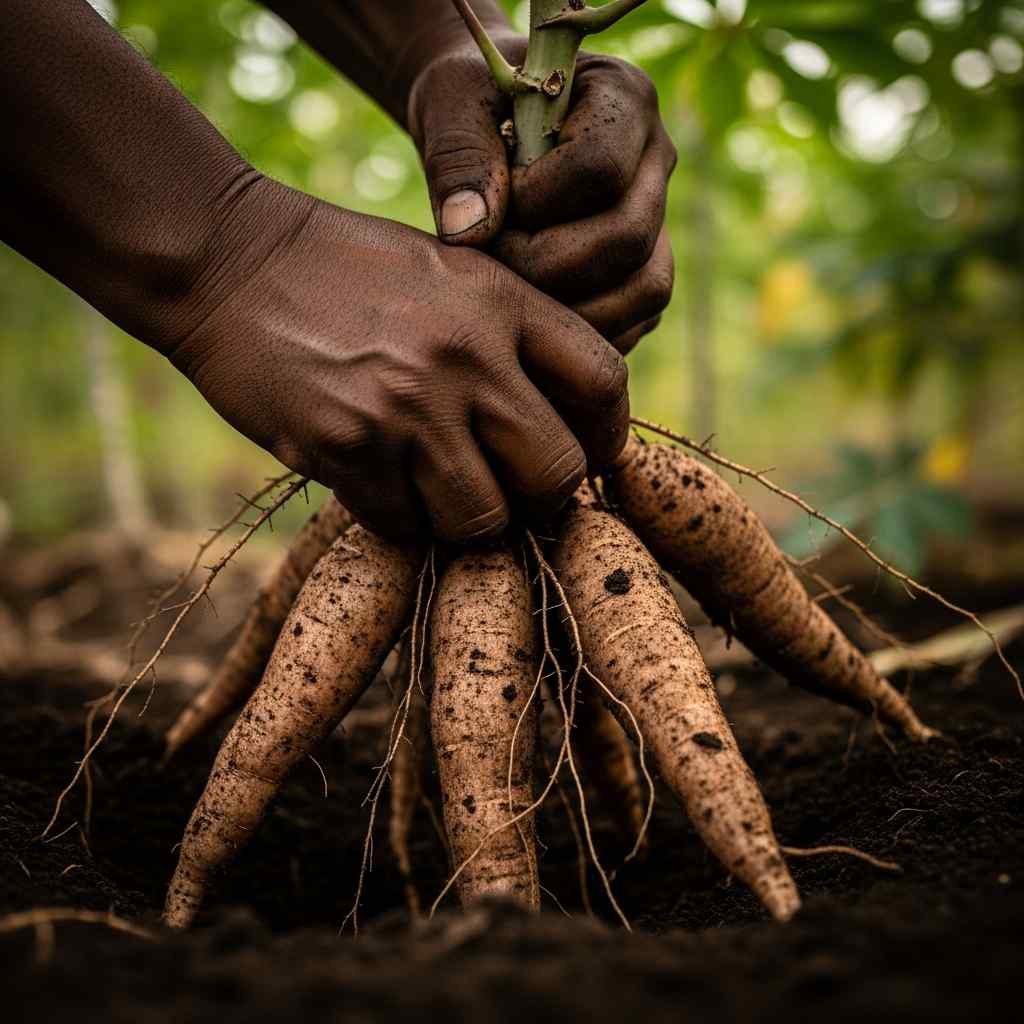
The Infrastructure Reality on the Ground
Plans sound excellent on paper. Execution meets the hard reality of infrastructure. Ekiti State faces challenges with rural roads and stable electricity. The success of this cassava processing industry depends on solving these basics.
The proposal includes building a dedicated power plant. This adds cost but is non-negotiable. The state of federal highways to hubs like Lagos will also influence distribution costs. Farmers must move bulky, perishable tubers on poor roads. The Ministry of Works lists road rehabilitations as ongoing. Their completion timeline is uncertain.
What This Means for Food Security
Food security has three pillars: availability, access, and utilisation. A plant improves availability by making storable products like flour. It improves access by creating a formal market that pays farmers reliably.
Then there’s utilisation. Cassava flour can substitute wheat in bread. Nigeria spends billions on wheat imports. Substitution keeps value inside the domestic economy. The Central Bank of Nigeria has policies pushing for this.
A 2015 study in the African Journal of Agricultural Research estimated that a 20% substitution could save over $300 million yearly on imports. The Ekiti plant will target bakers and food manufacturers across the South-West.
The View from the Farm
For cassava farmers in Ikole-Ekiti or Emure, the announcement brings cautious optimism. They’ve heard promises before. The difference is visible private capital. Cooperatives report early talks on pricing and quality.
The farmgate price for a tonne of fresh roots in Ekiti swings between N40,000 and N70,000. A guaranteed off-take at a stable price allows for better planning. The fear? The factory might later favour large plantations over smallholders.
Agricultural extension services, often underfunded, are crucial. They must train farmers on the specific varieties and techniques the factory needs. The Ekiti State Agricultural Development Programme manages this fragile interface.
The Larger Economic Context
This fits a pattern. We seek import substitution and value addition in agriculture. The $14.2 million for Ekiti is a fraction of the N1.45 trillion allocated to the Federal Ministry of Agriculture in the 2026 budget. Of that, N1.3 trillion is for capital projects like the Special Agro-Industrial Processing Zones.
Job creation is a powerful driver. 300 direct jobs, plus thousands in the supply chain, matter in a state with high youth unemployment. Logistics, maintenance, and security firms will also benefit.
Wait, it gets more complex. Ondo and Oyo States have similar cassava ambitions. Multiple plants in one zone could strain raw material supply. Or spur competition and better terms for farmers.
We welcome this development, but one factory cannot solve the national cassava value chain problem. We need a dozen of these, strategically located across the cassava belt, with a focus on export-grade starch and ethanol. That is the scale required for transformation.
— Professor Lateef Sanni, Project Manager for the Cassava Adding Value for Africa programme, interview with The Guardian, March 18, 2026.
Potential Stumbling Blocks
The risks are familiar. First, supply consistency. Cassava farming is largely rain-fed and seasonal. The factory needs a year-round flow. This means irrigation support or costly stockpiling.
Second, policy continuity. Agro-processing has long payback periods. Changes in tariffs or subsidies can wreck viability overnight. Investors want assurances beyond this administration.
Third, community relations. Host communities expect jobs, projects, and compensation. Managing these expectations requires careful engagement from the start. Land tenure issues often cause delays.
A Template for Other States
If Ekiti works, it offers a template. The mix of federal support, private capital, and state facilitation tackles multiple constraints. Focusing on a single high-demand crop boosts chances of commercial success.
States like Benue for yam or Kano for tomatoes could copy this. The federal ministry seems to be using this as a pilot. The minister talked about scaling the model. The real metric will be the plant operating at capacity within two years of groundbreaking.
Monitoring is key. Transparent reports on farmer engagement, volumes processed, and jobs created will build confidence for future investments. A steering committee with all partners is in place.
Your Role in This Story
For you, success means more stable prices for garri and bread. It means economic activity in rural areas, potentially slowing urban migration. It is a step toward food self-sufficiency.
You can follow the progress. Ask your state assembly representative about Ekiti State government’s specific commitments. Support bakeries that use composite cassava-wheat flour. Consumer demand signals the market.
The path from farm to factory to table is complex. This $14.2 million bet is that Nigeria can shorten it for cassava. The outcome will show if such partnerships can deliver, or remain another plan struggling with execution.
So here we are. The blueprint is drawn. The funds are earmarked. The ground in Ekiti awaits the foundation. Nigeria’s food security depends on turning such blueprints into working industries that add value, create jobs, and put food on tables. The clock starts now.





Agriculture
Nigeria Agro-Processing Turns Farm Waste into Paychecks
Nigeria agro-processing is cutting food waste and creating jobs by turning raw crops into packaged goods. New factories and policies aim to transform the rural economy.
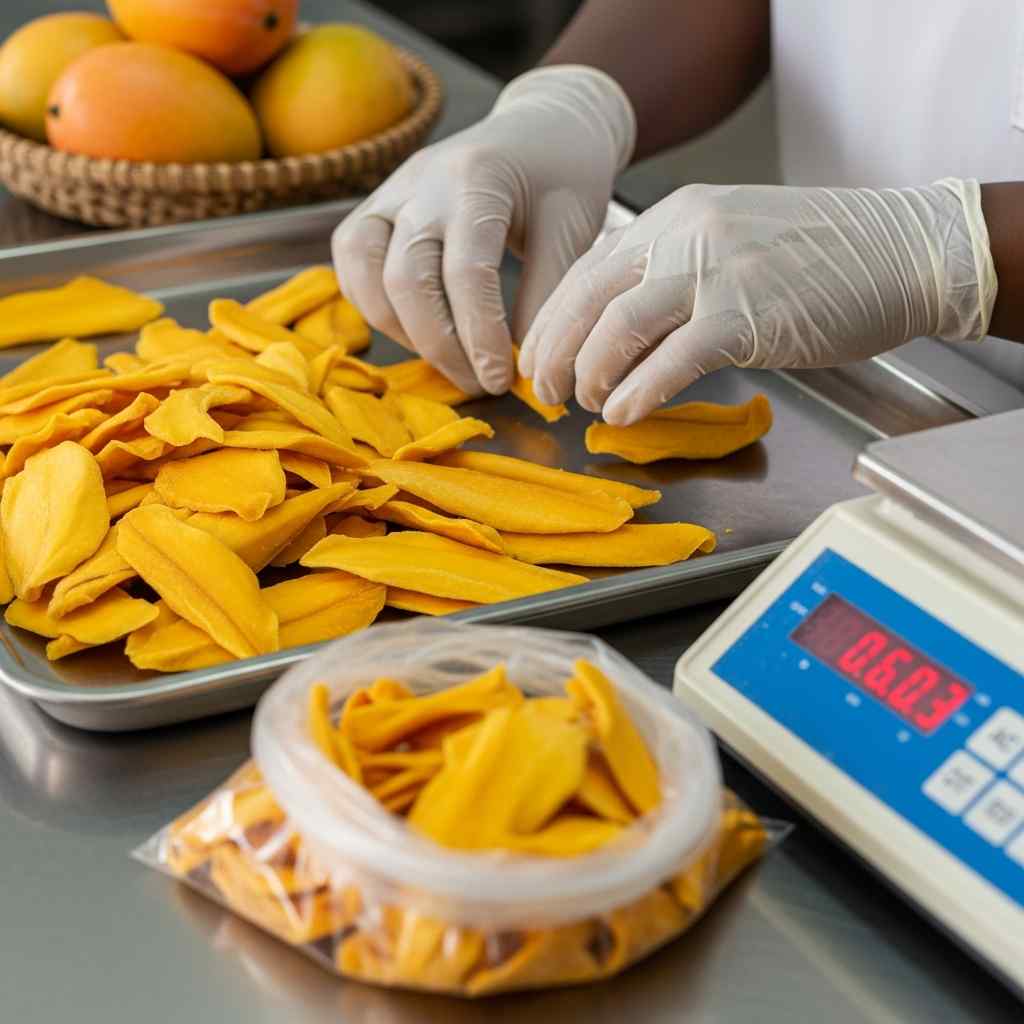
Processing Turns Farm Waste into Paychecks
Published: 25 March, 2026
Every year, a massive amount of food simply vanishes. This is not a mystery. It is tomatoes, maize, and yams rotting on bad roads under a hot sun, a visible, daily economic hemorrhage. The Federal Ministry of Agriculture and Food Security puts the value of this loss for grains and tubers at N5 trillion annually. That figure is a direct subtraction from the income of farmers and the food supply for over 200 million people.
The Math of Turning Tomatoes into Paste
Here is the thing. A farmer in Kadawa, Kano State, sells a basket of fresh tomatoes for a certain price. The same quantity, processed into paste and packaged, fetches significantly more in a Kano market. A field survey by Premium Times in 2026 confirmed this. The difference is the value added by agro-processing. This simple arithmetic drives the current push.
But there is a catch. The National Bureau of Statistics reports the agricultural sector contributed 25.67% to nominal GDP in the fourth quarter of 2025, with real increase at 4.0%. Manufacturing, where agro-processing resides, contributes less. That gap is the potential space for job creation and export revenue. The numbers hint at what could be.
New Factories Are Changing the Rural Map
You see the evidence on the ground. The Dangote Group completed a major tomato processing plant in Kano, a project announced back in January 2025. It provides contracts for thousands of out-grower farmers. In Ibadan, the Flour Mills of Nigeria invested in a wheat milling and pasta facility, sourcing from local cultivation schemes. These investments anchor entire supply chains.
Smaller enterprises are also moving. A startup in Lagos produces packaged garri for the urban diaspora. Another in Abia State packages dried bitter leaf for sale in Port Harcourt and Abuja. They address a specific demand for convenience from city dwellers.
Where the Jobs Are Actually Coming From
The International Institute of Tropical Agriculture notes a direct link between processing and employment density. A cassava farm employs a set number per hectare. A unit turning that cassava into garri or starch employs more. The jobs change from seasonal farm labor to year-round factory work.
This brings us to the numbers. The Nigeria Economic Summit Group estimates the agro-processing sub-sector created hundreds of thousands of new formal and informal jobs between 2023 and 2025. Their Policy Innovation Centre released this finding in 2026. The roles include machine operators, quality assurance staff, and truck drivers. The effect multiplies in local communities.
The Government Says It Is Building Platforms
The administration has launched initiatives. There is the $1.2 billion Nigeria Postharvest Systems Transformation Programme (NiPHaST), co-funded by the African Development Bank, which targets storage and loss. The government is also developing Special Agro-Industrial Processing Zones (SAPZ) across the six geopolitical zones. The Ministry of Agriculture proposed capital expenditure exceeding N200 billion for this, including N126.02 billion specifically for SAPZ.
The Central Bank of Nigeria continues the Anchor Borrowers’ Programme, which now includes a component for aggregation and small-scale processing, as noted in their 2026 communications. The Bank of Industry manages a fund for lending to SMEs in food manufacturing. But access to these funds continues to be a common complaint.
“The gap is not in policy formulation. The gap is in the consistent implementation of these policies and the provision of critical infrastructure like power and water that make factories run profitably.” – Muda Yusuf, Chief Executive Officer of the Centre for the Promotion of Private Enterprise, in an interview with BusinessDay, February 2026.
Why Some Factories Still Struggle to Run
The infrastructure reality bites. Take a tomato paste factory in Katsina. It requires significant electricity but receives limited hours of public supply daily. A 2026 survey by the Manufacturers Association of Nigeria confirms this. The cost of diesel for generators adds substantially to production cost, making the final product less competitive.
The trouble is the road, too. Transporting tomatoes from farms in Benue to a plant in Lagos can spoil a portion of the cargo. A 2025 report by the Nigerian Association of Road Transport Owners highlighted this. The loss erodes the processor’s margin and discourages longer supply chains.
The Continental Trade Window Is Opening
Wait, it gets more complex. The African Continental Free Trade Area presents a major opportunity. Nigeria can export processed garri, fruit juices, and vegetable oils to neighboring West African countries duty-free. The demand for semi-processed ingredients is high in countries like Ghana and Côte d’Ivoire.
The Nigerian Export Promotion Council is training agro-exporters on the standards required by the AfCFTA, focusing on phytosanitary and packaging regulations. A company in Ibadan now exports packaged yam flour to supermarkets in Accra and Lomé weekly.
What You Can Do With a Bag of Cassava
Look closer. A community youth group in Delta State secured a state government grant. They bought a motorized cassava grater, a press, and a frying machine. Now they buy cassava from local farmers, process it into garri, package it, and supply local markets and schools.
The model is replicable. For plantain chips. For soymilk. The capital requirement is lower than for a large-scale refinery. The market is local and understood. The impact on reducing post-harvest loss in that community is immediate.
The Bottom Line for the Economy
Agro-processing converts waste into economic weight. It turns seasonal farming into year-round manufacturing jobs. It replaces imported paste with products made in Kano or Ibadan. The move from farm to factory is the logical next step.
But the path has deep potholes—electricity, logistics, financing. The factories that succeed often solve these problems for themselves. The policy direction is correct. The execution will separate the headlines from the real harvest.
So here we are. The tomatoes rot on the road. The factories need tomatoes to make paste. Connecting these two points is the actual work. Every bag of cassava turned into packaged garri in a rural community is a step on that road.
Agro-Processing, Value-added Non-Oil export key for Nigeria – WebTV Nigeria
Agriculture
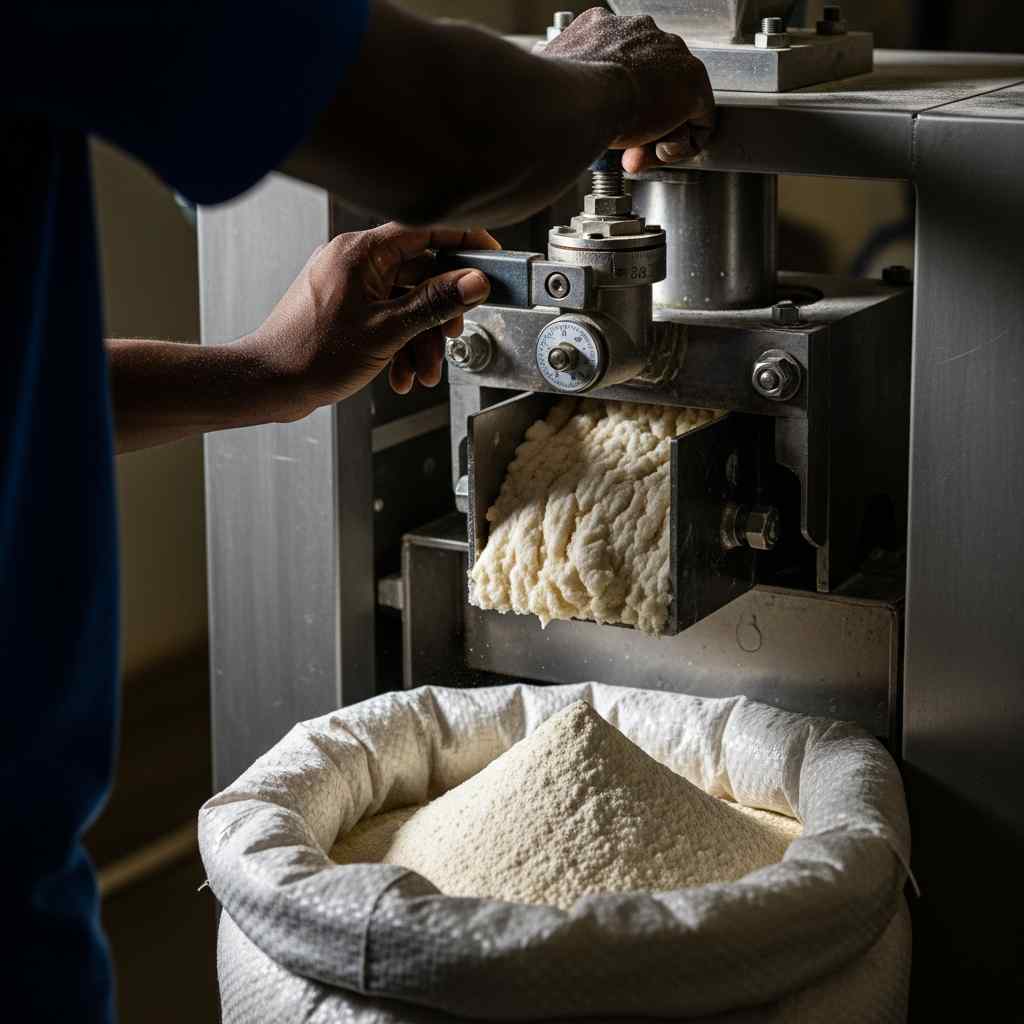
The Ekiti cassava processing industry just received a major financial commitment from the federal government.
Ekiti cassava processing industry gains a $14.2m federal partnership to strengthen food security. Analysis of the investment, challenges, and potential impact.
Published: 23 March, 2026
In February 2026, the headline landed. The Federal Ministry of Agriculture and Food Security (FMAFS), under Senator Abubakar Kyari, announced a $14.2 million partnership for Ekiti State. The target?
To build and upgrade facilities that turn raw cassava into flour, starch, and sweeteners. This was reported by Premium Times in the same month.
But this cash is just one piece. Earlier in 2026, Ekiti was picked for the Nigeria Special Agro-Industrial Processing Zones (SAPZ) Phase Two. That programme is backed by a $200 million AfDB/Federal Government facility.
The goal is industrialization and cutting imports.
The reason is simple: volume. Ekiti State produced over 1.8 million metric tonnes of cassava in 2025. The National Bureau of Statistics confirmed this in 2026. Thousands of smallholder farmers depend on it.
This brings us to the national plan. The federal ministry has a clear priority: reduce waste and add value. As BusinessDay noted in 2025, cassava is a prime target.
It spoils fast. The Food and Agriculture Organization says Nigeria loses up to 40% of its roots and tubers after harvest.
Processing is the logical fix.
The agreement is specific. A central, industrial-scale plant will be the anchor. Smaller satellite units will go to major producing areas like Irepodun/Ifelodun and Ikole LGAs.
The idea is to cut down how far farmers haul their bulky harvest.
Modern equipment is part of the package. The ministry wants products that meet industrial standards. Their aim, stated in 2026, is to find substitutes for expensive wheat imports used by bakeries.
There’s a training component too. Farmers and processors will learn better practices. The Guardian reported in February 2026 that the International Institute of Tropical Agriculture will provide the technical support.
Here is the paradox. Ekiti farmers grow a crop in high demand, yet profits are thin. The trouble is processing—or the lack of it.
Fresh cassava roots start to rot within 48 hours. This forces a distressed, quick sale.
The existing Ekiti cassava processing industry is weak. Many centres use manual, labour-intensive methods. Quality suffers.
This new investment bets on mechanization to change that.
But there is a catch. Market access. Processors fight for buyers against imports and bigger factories elsewhere.
The partnership mentions market linkages, but the details are fuzzy.
“The real test is not building the factory, but ensuring it runs at full capacity every day. That requires a constant supply of raw material and a guaranteed offtake for the finished product. We have seen beautiful factories become white elephants.”
Prof.
Kolawole Adebayo, Agricultural Economist, Federal University of Agriculture, Abeokuta, March 2026
Nigeria’s import bill is a constant drain. Take wheat. The Central Bank of Nigeria reported a wheat import bill exceeding $2 billion in 2024.
High-quality cassava flour can replace some of that, saving foreign exchange.
Processing also tackles the staggering waste. Remember that FAO estimate: up to 40% of roots and tubers lost. Turning perishable tubers into storable commodities bulwarks the food reserve.
Focusing on Ekiti has a geographic logic. It spreads economic activity beyond Lagos and Kano. It keeps value in rural communities.
This aligns with federal agricultural objectives.
Modern machines need constant power. The national grid is unreliable. Ekiti faces outages.
Any plant will need a dedicated, expensive power solution—likely diesel generators. This cost must be absorbed.
Water is critical for washing and processing. Many rural areas lack consistent, clean supply. Independent water sourcing is a must.
These ancillary needs often get overlooked at the announcement stage.
Then there are the roads. Moving fresh cassava requires passable routes, especially in the rains. The state of rural roads in Ekiti’s farming belts is mixed.
Poor infrastructure hikes costs and damages the crop before it arrives.
“Our experience shows that for every naira spent on the main factory, you need another fifty kobo ready for power, water, and access roads. If that complementary investment is missing, the entire project struggles from day one.”
Engr. Femi Okediran, Director of Projects, Nigerian Agribusiness Group, February 2026
Large federal allocations exist in a political context. The announcement comes a year before another general election cycle. Observers see a pattern of increased project announcements in such periods.
The real insight will come from the disbursement and completion timeline, not the headline.
Management structure is key. Will federal contractors get the money directly? What role will the Ekiti State government play?
Past partnerships have been strangled by federal-state bureaucracy.
Wait, it gets more complex. Sustainability. Who pays for maintenance, spares, and replacement?
Successful models need a clear public-private partnership with a private operator. The announcement was quiet on this.
Before this injection, the Ekiti cassava processing industry was mostly informal. Think women’s groups making garri and lafun. Their challenges are finance and scale.
A few medium-scale enterprises exist, backed by state programs. The impact has been limited. This federal cash could provide the missing scale.
The involvement of the International Institute of Tropical Agriculture matters. IITA has high-yielding, better-quality cassava varieties. Getting Ekiti farmers to adopt these will be crucial for any plant’s efficiency.
For farmers, it means a reliable market. Better prices. Training to improve yields.
Jobs will spread beyond the factory floor. Logistics, maintenance, quality control, administration. Surrounding communities will see more economic activity.
The Ekiti State government could gain more internally generated revenue. Taxes and levies. Less dependence on federal allocations.
It could position the state as an agribusiness destination.
History offers warnings. Other states have seen cassava projects fail. Pitfalls are common.
Poor feasibility studies overestimated supply. Farmers weren’t offered competitive prices.
Technical mismatches happen. Equipment breaks down, spare parts are missing, local expertise isn’t built.
Contrast this with the engineering focus. Market analysis is often an afterthought. Building a plant that makes 20 tonnes of starch daily is pointless without guaranteed buyers.
Off-take agreements come too late.
“We must learn from Ogun, from Ondo, from Benue. The blueprint for failure is already written: fantastic launch, slow implementation, equipment installation, then silence because the market was an afterthought. Ekiti has a chance to write a different story.”
Mazi Sam Ohuabunwa, President of the Nigerian Association of Chambers of Commerce, Industry, Mines and Agriculture (NACCIMA), January 2026
First step: detailed design and contractor selection. Transparency here builds confidence. The state government and civil society must watch closely.
Engaging farmers from the start is non-negotiable. Cooperatives should help plan collection centres and pricing. Their buy-in secures supply.
Training programs must run alongside construction.
Simultaneously, the marketing work begins. Engage bakeries, pharmaceutical firms, adhesive makers. Test pilot batches now.
Don’t wait for the plant to open.
Track the public disclosure of the project’s timeline. The Federal Ministry of Agriculture and Food Security and the Ekiti State government must publish a detailed roadmap with quarterly milestones. Groundbreaking, equipment delivery, test-runs, launch.
Civil society and media in Ekiti have a role. They must request and report on these stages. This creates accountability and spots bottlenecks early.
The $14.2 million partnership for the Ekiti cassava processing industry is an opportunity. Its success hinges on execution, not announcement. It requires learning from past mistakes.
For farmers waiting for a breakthrough, it offers hope. The work to convert that hope into daily income starts now.
Agriculture
Nigeria Sustainable Home Garden: Six Practical Tips for Thriving in the Current Food Economy
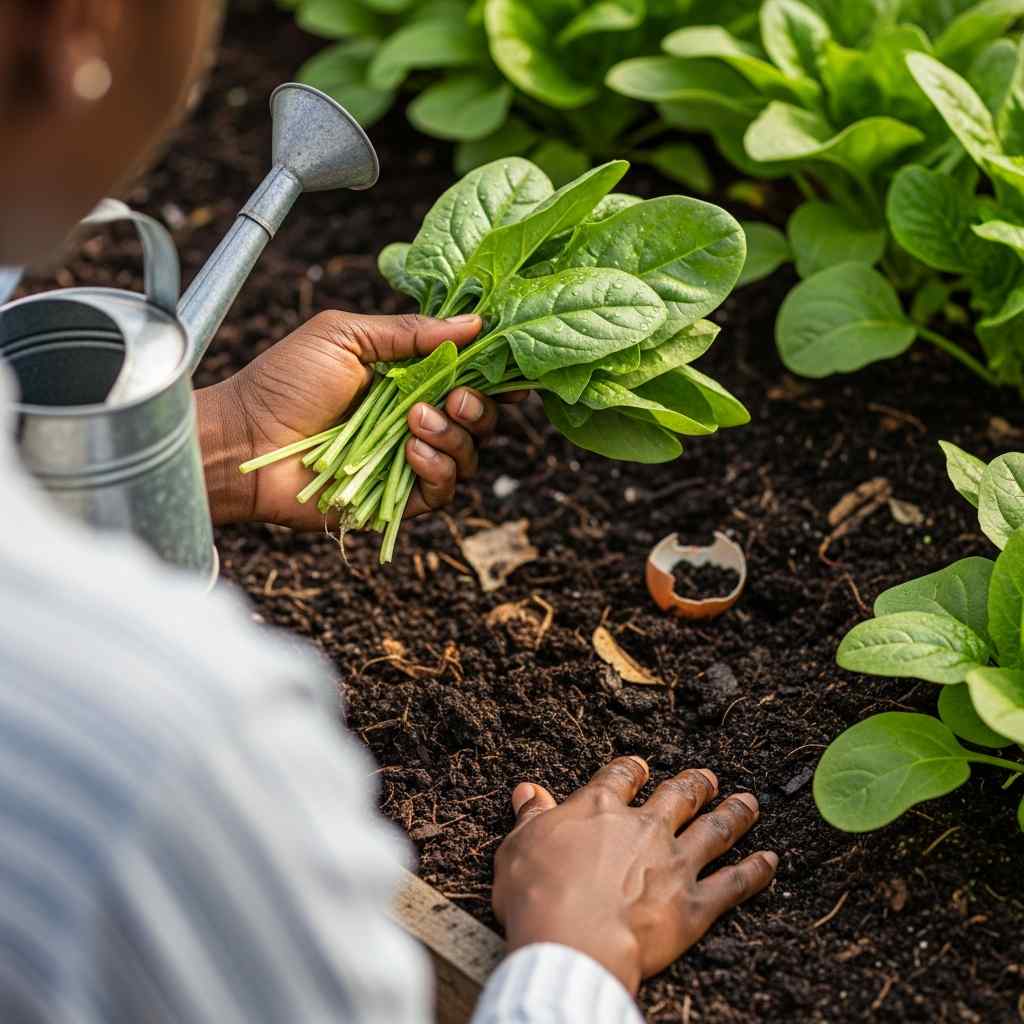
Nigeria sustainable home garden strategies for food security. Six practical tips using local resources to thrive amid rising costs and supply issues in 2026.
Published: 23 March, 2026
How do you feed a family when the numbers keep climbing? The price of a 50kg bag of rice has increased significantly in major Lagos markets during the first quarter of 2026 (NBS Price Watch, March 2026). This represents a substantial increase from prices recorded in the same period two years prior.
Headline inflation in Nigeria stood at 33.20% year-on-year as of February 2026, according to the National Bureau of Statistics. The pressure is absolute.
A Nigeria sustainable home garden is now a critical economic buffer, not a hobby.
Many people abandon gardening after dreaming of expansive plots. The reality is a balcony. A small concrete backyard.
A windowsill. The Federal Ministry of Agriculture and Food Security launched the “Green Imperative” program back in 2020, with a focus on broader food security and mechanization (FMARD Policy Document, 2020). Your garden begins with an honest assessment of available sunlight, space, and water access.
That is the only foundation that works.
Container gardening is the direct solution. Old paint buckets, sacks, discarded basins become viable planters with adequate drainage holes. Research from the International Institute of Tropical Agriculture (IITA) has shown yield improvements of up to 30% for vegetables like ugu and soko when grown in controlled container media versus poor native soil (IITA Research Bulletin, 2025).
This method controls soil quality. It maximizes every inch.
Commercial fertilizer is expensive and often scarce. The average price for a 50kg bag of NPK fertilizer has increased significantly in the North Central region as of January 2026 (Premium Times, 2026). But there is a catch.
Your kitchen holds the answer. Creating compost from scraps provides a free, continuous nutrient source.
A simple pile can convert vegetable peels, eggshells, and dry leaves into rich humus within two to three months.
Want something faster? Try “manure tea.” Soaking well-rotted animal droppings in water for several days creates a nutrient-rich solution. The Lagos State Ministry of Agriculture promotes this in its urban farming guides to cut reliance on synthetic inputs (Lagos State Agric Digest, Q4 2025).
You close the nutrient loop right at home.
Your crop selection determines the economic impact. Prioritize vegetables with high market value, short harvest cycles, and consistent culinary use. Data from the National Bureau of Statistics shows that the price of fresh tomatoes increased significantly between February 2025 and February 2026 (NBS, 2026).
Crops like tomatoes, peppers, onions, and leafy greens (ugwu, waterleaf, spinach) offer quick returns. They directly substitute for grocery purchases.
But don’t stop there. Incorporate perennial crops for long-term security. Plants like Moringa oleifera, citrus seedlings, and pineapple suckers require initial patience but yield food for years.
The World Bank’s 2025 Nigeria Development Update highlighted the role of diversified, drought-tolerant perennials in stabilizing household nutrition during price shocks (World Bank Report, 2025). Mix quick-yield and long-term plants.
That is how you build resilience.
“The most powerful tool against food price volatility is a seed. When you save and plant your own, you opt out of a broken chain.” – Dr. Nnaemeka Ikegwuonu, Founder, ColdHubs Limited, speaking at a past Feed Nigeria Summit.
Water scarcity defines the dry season. Relying on municipal taps or expensive borehole pumping is unsustainable. This brings us to rainwater harvesting.
A single 1,000-litre plastic tank connected to a roof gutter can capture enough for a small garden through a week of moderate rainfall. The practice reduces pressure on supplies and slashes utility bills.
Technique matters as much as source. Drip irrigation systems using recycled plastic bottles deliver water directly to plant roots, minimizing evaporation loss compared to overhead watering (FAO Water Conservation Study, 2025). Mulching with dry grass or wood chips further conserves soil moisture.
These methods make a garden viable through the harmattan.
Purchasing seeds every season is a recurring cost. Learning basic seed saving creates a self-reliant system. For crops like beans, okra, and peppers, allow some fruits to fully mature and dry on the plant.
The seeds are for the next cycle. Properly dried and stored in a cool place, they stay viable.
This practice preserves local, adapted varieties that perform well in your specific area.
Community seed exchange networks are expanding. As The Guardian Nigeria noted in 2025, groups in cities across Nigeria organize swaps where gardeners trade surplus seeds. This biodiversity strengthens collective food security.
The National Agricultural Seeds Council has begun recognizing and certifying some community-saved seed varieties to encourage the practice (NASC Annual Report, 2025). Seed sovereignty starts at home.
Social media groups for urban farming in Nigeria provide advice and support. Platforms like WhatsApp and Facebook host communities sharing pest control remedies and planting calendars. A gardener in Kano can learn a technique from someone in Calabar.
The digital space offers access to knowledge that was previously locked away.
But the physical community holds greater weight. Sharing excess harvest with a neighbor, bartering herbs for eggs, or jointly purchasing bulk mulch builds tangible, localized security networks. The Food and Agriculture Organization notes that community gardening initiatives in urban Nigeria have improved dietary diversity for participating households by an average of 22% (FAO Assessment, 2025).
Your garden’s surplus has value beyond naira.
“A garden fails with isolation and thrives with conversation. The best fertilizer is the gardener’s shadow, and the second-best is the advice from the gardener next door.” – Professor James G. B.
Odey, Former Commissioner for Agriculture, Cross River State, interview with BusinessDay, December 2025.
The scale is irrelevant. Planting a single pepper seed in a container or propagating a sweet potato vine in a jar initiates the process. Action generates learning.
It builds momentum. The cumulative effect of millions of households taking small, productive steps alters the national equation on food availability.
A Nigeria sustainable home garden is a personal declaration of agency in a complex economy.
The economic indicators for 2026 suggest continued strain. Government policy evolves on a different timeline. The household food garden operates on a human scale, with immediate rewards.
It turns scarcity into abundance, one harvest at a time. This practice builds a skill set that outlasts any market cycle.
Start now.

Staged Kidnapping Case Reveals Family Extortion Trend in Nigeria

Fani-Kayode Says Opposition Has Collapsed – A 2026 Reality Check

Broda Shaggi Recuperating After Sango-Ota Shooting Incident

Terrorists Kill in Nigeria as 2,266 Die in Six Months

Multinational Exodus in Nigeria Deepens with N94 Trillion Loss

Food Crisis Looms in Nigeria as Climate Change Devours Farm Yields

Dangote Refinery Helpless as Fuel Price Hikes Defy Local Production

Deadly Diseases in Nigeria Meningitis Diphtheria Cholera Outbreaks

Lassa Fever Spreads in Nigeria to 18 States as Response Gaps Emerge

Ibadan Tanker Explosion in Nigeria Leaves Two Dead After Horror Crash

Petrol Hits N1,400/Litre in Nigeria as Global Conflict Disrupts Supply

Horror in Kano Sand Pit Collapse Buries People Alive

Internet Sovereignty: Why Some Countries Want Their Own Separate Internet

The Story Of The Nigerian Who Helped Build Global Internet Systems

Nigerian Hackers: The Global Fraud Story and Its Fallout

Forgotten Satellites Defy Silence, Beaming Signals for Decades

Your Digital Store in Nigeria and the Reality of Domain Expiration

The Phone Stay So Quiet: An Investigation into Nigeria’s Silent Customer Lines

The Business That Died: A Nigerian Case Study in Refusal to Adapt

Hiding Your Business From People With Money

Comedy Industry in Nigeria and Its Economic Contribution

How Nollywood Grew Without Government Support

Nigeria Produces 67 Percent Global Yam Output

Nigeria’s Economic Shift: From Oil to the Creative Economy

 Edutech Portal1 month ago
Internet Sovereignty: Why Some Countries Want Their Own Separate Internet
- Edutech Portal1 month ago
The Story Of The Nigerian Who Helped Build Global Internet Systems
- Edutech Portal1 month ago
Nigerian Hackers: The Global Fraud Story and Its Fallout
- Edutech Portal1 month ago
Forgotten Satellites Defy Silence, Beaming Signals for Decades
- Edutech Portal1 month ago
Your Digital Store in Nigeria and the Reality of Domain Expiration
- Edutech Portal1 month ago
The Phone Stay So Quiet: An Investigation into Nigeria’s Silent Customer Lines
- Edutech Portal1 month ago
The Business That Died: A Nigerian Case Study in Refusal to Adapt
- Edutech Portal1 month ago
Hiding Your Business From People With Money