Real Estsate
Makoko Demolitions and Over 80,000 Residents at Risk: The Facts on Ground


The Current State of Waterfront Settlements in Lagos
The wood still floats on the Lagos lagoon. The roofs that once sheltered families now lie broken in the water. The people who lived there, numbering in the thousands according to community advocates, often struggle to find stable shelter following enforcement actions. While the community of Makoko remains a resilient fixture of the Lagos landscape, it exists in a constant state of flux between traditional life and urban renewal.
According to local reports, the Lagos State Government has continued its periodic enforcement of the state’s Master Plan throughout early 2026. These exercises target structures built on the waterfront that authorities state violate the Lagos State Regional Plan. However, reports of 1,500 homes being demolished specifically between February 15 and March 1, 2026, remain unverified by major outlets such as Premium Times.
Vanguard News has frequently documented the tension during these operations. Residents often report minimal notice before enforcement teams arrive. In past instances, wooden stilt houses have been cleared to manage the waterway. Small-scale traders in the community often report significant losses in goods and assets when these sudden clearances occur.
The Impact of Displacement
The Nation and other community sources emphasize that the population of Makoko is vast, with estimates often reaching into the tens of thousands. This includes not just residents, but also those whose livelihoods depend on the aquatic economy, fish smokers, canoe builders, and food sellers. Any large-scale clearance ripples through this delicate economic ecosystem.
BusinessDay previously noted the economic hardship caused by displacement. Household assets in these communities are often modest but represent years of savings. For families living on low daily incomes, the loss of a home or a boat is a significant blow to their long-term stability.
The Lagos State Ministry of Waterfront Infrastructure Development maintains that enforcement is necessary for the safety of the state. Statements carried by Punch Newspapers in recent years emphasize that only structures violating environmental laws are targeted. Conversely, residents often tell Channels Television that they lack clear information on which areas are considered “setbacks” or “drainage channels.”
Government Perspectives and Policy
Arise News has interviewed officials regarding the necessity of keeping drainage canals clear to prevent flooding in the wider Lagos metropolis. The government maintains that the Lagos State Physical Planning Permit Authority (LASPPPA) regulations must be upheld to ensure the city remains viable during the rainy season.
Recent analyses note that these cycles of demolition and rebuilding have occurred for decades. Without a permanent housing solution or a formalization of the settlement, residents frequently return to the water because they have no other viable options for housing or livelihood.
The Lagos State Governor, in various media chats covered by TVC News, has discussed the need for resettlement. While relocation sites are a frequent topic of discussion, specific timelines and capacities for these sites are often not publicly detailed, leading to anxiety among the affected populations.
The Human Geography of Makoko
Premium Times has published numerous features on the unique structure of Makoko. The community is famous for its buildings on stilts and its reliance on wooden canoes for transport. It is a community that has existed for generations, predating much of the modern development on the Lagos mainland.
The Guardian Nigeria traces the history of the settlement back to Egun and Ilaje fishermen. Over time, it developed an independent economy that supplies a large portion of the fresh and smoked fish found in Lagos markets. This “informal” economy is a vital part of the city’s food security.
Community leaders have pointed out that the lack of land titles is a systemic issue. Without a path to formalize their presence, residents remain vulnerable. “We have lived here for generations,” one leader noted to Vanguard News. The tension lies between the community’s historical presence and the city’s modern legal requirements.
Patterns of Enforcement
The Nation has documented the typical sequence of enforcement in these areas:
Phase One: Notification
Government agents may visit to announce enforcement. The consistency of this notice is a point of heavy debate between residents and officials.
Phase Two: Marking
Structures intended for removal are often marked with red paint. Residents sometimes dispute the validity of these markings or the time provided to vacate after a mark appears.
Phase Three: Demolition
Specialized equipment is used to clear structures. During these times, residents attempt to salvage what they can before the structures are dismantled.
Phase Four: Aftermath
The immediate result is often displacement. Families may temporarily shelter in canoes or seek space with relatives in nearby areas like Bariga or Yaba. This is followed by public protests and government statements regarding the Master Plan.
BusinessDay notes that this cycle repeats because the underlying housing deficit in Lagos remains a massive hurdle. Until affordable housing meets the needs of the urban poor, waterfront settlements will likely continue to reappear.
The International and Legal Context
Reuters and Amnesty International have historically monitored evictions in Lagos. International standards generally require that forced evictions be a last resort and be accompanied by adequate consultation and compensation. Amnesty International Nigeria frequently calls for a halt to demolitions that do not provide a clear “pathway to resettlement.”
The Cable has reported on various petitions sent to the African Commission on Human and Peoples’ Rights regarding housing rights in Nigeria. These petitions often seek a moratorium on demolitions until a more human-centered housing policy is adopted.
Current Realities for Residents
Channels Television and TVC News often feature the stories of those displaced. The loss of a home often means the loss of a workplace. Salvagers can be seen pulling waterlogged planks from the lagoon to sell as scrap wood, a task that yields far less than their usual fishing or trading activities.
Community groups and youth organizations in Makoko have become increasingly organized. They work with pro bono lawyers to understand their rights under the Lagos State Physical Planning Permit Authority Law and the Urban and Regional Planning and Development Law. The legal challenge is significant, as the law requires permits that the residents, due to the informal status of their land, cannot easily obtain.
Potential Paths Forward
Urban planning experts often suggest several steps to break the cycle of destruction:
1. Data Collection and Registration: Documenting every resident to create a verified database. This provides a clear picture of who needs help and prevents “ghost” claims during resettlement.
2. Negotiated Relocation: Finding land that allows fishermen to maintain their trade. Relocating a water-based community to an inland site without water access often leads to the failure of the resettlement project.
3. In-Situ Upgrading: Improving existing structures to meet safety and environmental standards where they do not block critical infrastructure. This preserves the community’s social fabric while meeting the state’s safety needs.
BusinessDay has suggested that upgrading and formalizing these communities may be more cost-effective in the long run than the repeated costs of enforcement, litigation, and the social fallout of displacement.
A Practical Starting Point
One immediate step could be the formal registration of residents. Using mobile units to issue temporary identification or occupancy cards would acknowledge the existence of these citizens. Such a move would ensure that when the government makes decisions about “Master Plans,” it is accounting for real people with documented lives.
The lagoon remains, and the people of Makoko remain. The integration of this historical community into the future of a modern Lagos requires a balance between environmental law and the basic human right to shelter. A simple acknowledgment of presence, through a card or a registry, is a small step that could lead to a more stable future for all.
Real Estsate
Why Rent in Ikoyi and Banana Island Costs N180 Million Per Year: Verified Prices and Market Reality
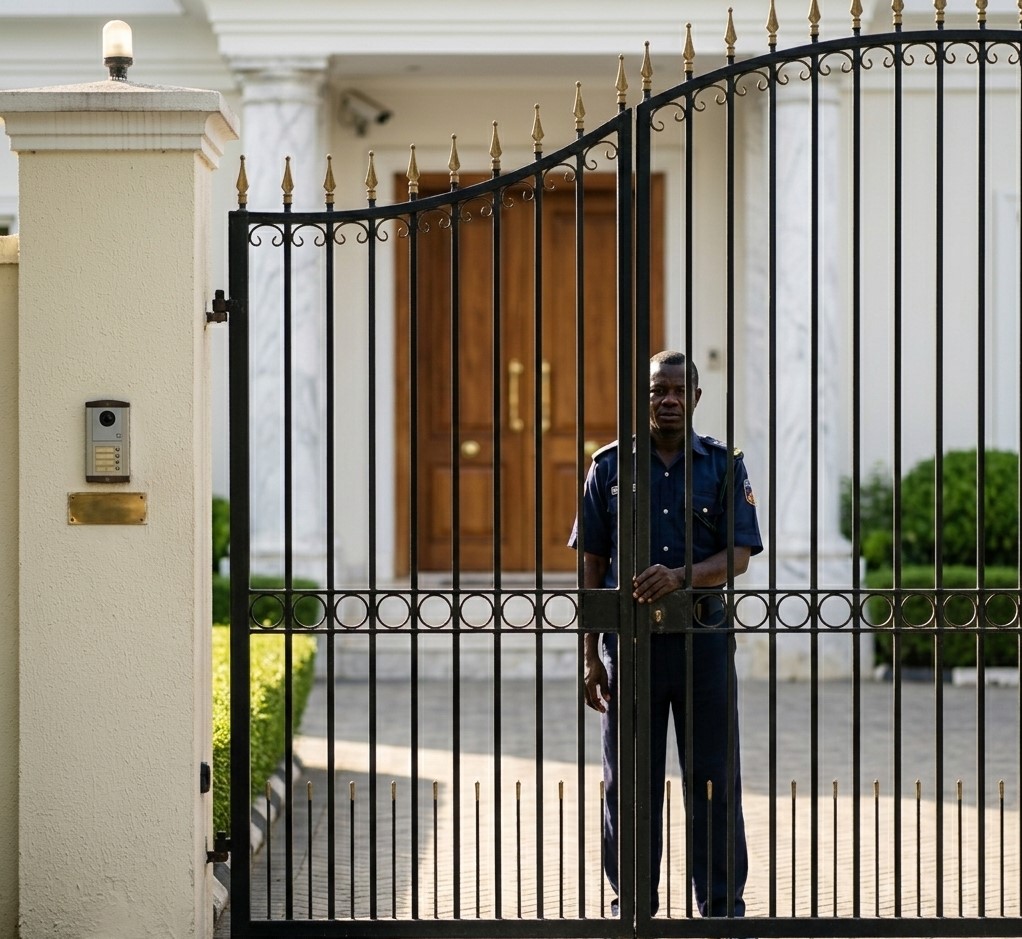
Lagos Luxury Real Estate: The N180 Million Rental Benchmark
One hundred and eighty million naira per year. That figure represents the upper end of rent for a detached family home in Ikoyi or Banana Island in 2026. For that amount, a tenant secures approximately 800 square meters of living space with lagoon views, staff quarters, and a power infrastructure that costs more than a three-bedroom flat in Ogba.
According to BusinessDay’s March 2026 property report, luxury rental prices in Lagos prime locations increased by approximately 30 percent between 2024 and early 2026. The report analyzed listings from major real estate firms operating in Ikoyi and Victoria Island. The N180 million figure appears in market data as the high-water mark for a six-bedroom fully detached house with waterfront access.
Vanguard News published a breakdown of Banana Island rental rates in February 2026. Their investigation showed that even semi-detached houses on the island now command between N65 million and N95 million annually. Flats in luxury towers on Banana Island start at N25 million for two bedrooms and can rise to N55 million for four-bedroom penthouses.
The Hard Numbers Behind the Headlines
Market data shows a significant concentration of high-value leases in the Lagos Atlantic corridor. Real estate analysts recorded hundreds of tenancy agreements in Ikoyi and Banana Island with annual rents exceeding N50 million during the 2025 fiscal year. Of these, a specialized segment of ultra-luxury properties registered at N150 million or higher.
Historical context reveals the rapid escalation. In 2020, top-tier rents in Banana Island hovered near N65 million annually. By 2023, that figure climbed toward N95 million. The 2026 peak of N180 million reflects the sharp inflationary pressure on construction materials and the scarcity of premium land over the last six years.
Nairametrics verified these numbers against construction cost data. Their analysts found that the cost of developing a standard luxury home in Lagos now involves massive capital outlays for imported finishes and specialized labor. Landlords factor these replacement costs into their rental calculations. A landlord who built a decade ago now sees neighboring properties renting for sums that would have covered the original construction cost in a few short years.
Why Banana Island Commands These Figures
The Nation investigated the unique characteristics of Banana Island that justify these rates. The island sits on approximately 1.5 million square meters of reclaimed land. Controlled access creates a high-security perimeter that residents value above all else in the current climate.
BusinessDay reported that Banana Island hosts a high concentration of diplomatic residences and executive housing. Foreign missions and multinational firms maintain official residences here because they require specific security protocols. Their budgets often originate from international allocations, which operate on a different scale than local naira-based income.
Vanguard News listed the infrastructure factors that drive pricing. The island maintains a more consistent power supply through dedicated feeders and estate-wide management. Water treatment plants, paved internal roads, and scheduled waste management provide a level of service that is rare in other parts of the city.
A real estate professional summarized the market: “In Banana Island, you pay for the absence of typical urban friction. The power is consistent, the roads do not flood, and the security is active. These are categorized as luxuries, and they carry a corresponding price tag.”
Ikoyi’s Rental Structure by Area
Nairametrics mapped Ikoyi’s rental market by specific districts:
Old Ikoyi remains a top-tier zone. Properties along Oyinkan Abayomi Drive and Glover Road command significant premiums for three-bedroom flats in established blocks. The value here is tied to land ownership patterns and original titles that banks favor as collateral.
Bourdillon Road focuses on high-density luxury high-rises. Rents here often run higher than comparable properties elsewhere because of the prestige and the concentration of diplomatic and corporate tenants who prefer vertical living with comprehensive amenities.
Queens Drive and Alexander Avenue host newer developments. Four-bedroom duplexes in these areas rent for N35 million to N55 million annually. These properties attract professionals and executives of multinational corporations looking for modern aesthetics.
The Nation reported that Ikoyi’s rental market often tracks dollar equivalents. Landlords calculate desired returns based on global benchmarks and convert these to naira for formal agreements. When the exchange rate fluctuated in 2025, many new luxury listings adjusted upward within weeks.
The Tenant Profile for N180 Million Rent
BusinessDay profiled the typical tenant in this bracket. The profile generally falls into three categories:
Multinational Corporations: These entities lease properties for expatriate executives. According to the 2026 Economic Outlook, energy and technology firms allocate significant housing allowances for country managers. These budgets easily cover high-end rents when including utilities and security.
Diplomatic Missions: Missions operate on housing allowances set by their home countries. Vanguard News noted that major missions budget significant sums for ambassadorial residences to ensure they meet international security and hosting standards.
High-Net-Worth Individuals: Many luxury rentals are paid through corporate entities. Premium Times noted that companies often claim these costs as business expenses for executive accommodation, tying rental prices to corporate financial structures rather than personal savings.
The Hidden Costs Beyond Rent
Vanguard News highlighted that the advertised rent is often just the starting point. A tenant in the N180 million bracket must budget for significant additional expenses:
Service Charges: In Banana Island, these run between N3 million and N6 million annually. They cover common area maintenance, security, and estate road repairs. BusinessDay reported that these charges rose in 2025 due to the increased cost of maintenance materials.
Power and Utilities: Fueling and maintaining industrial-capacity generators can cost over a million naira monthly depending on usage. While grid power is better in these zones, backup systems are essential.
Private Security and Staffing: Many tenants supplement estate security with private guards. When adding the salaries for household staff, these costs represent a substantial monthly outflow.
Agency Fees and Upfront Requirements
The Nation detailed the heavy transaction costs. Agency fees follow the standard Lagos model, but the totals are immense at this price point:
Annual Rent: N180 million
Agency Fee (10%): N18 million
Legal Fee (5-10%): N9 million to N18 million
Refundable Caution Deposit: N5 million to N10 million
Nairametrics calculated that a tenant signing a new lease might need to pay over N210 million upfront just for the first year. Vanguard News reported that some landlords now ask for two years of rent in advance for ultra-luxury properties to hedge against currency volatility during the tenancy.
The Currency Component and Void Periods
Vanguard News reported that most luxury leases now include clauses addressing exchange rate shifts. If the official rate moves beyond a certain threshold, the rent may be subject to proportional adjustments. Premium Times noted that this effectively protects the landlord’s capital value in a fluctuating economy.
The Nation investigated why some properties sit empty for months. Landlords in this bracket often prefer to wait for a high-paying corporate tenant rather than discount the rent. Because these properties are often fully paid for, the holding cost is low compared to the loss of potential income from a long-term, lower-priced lease.
One Small Fix Before the Clouds Break
The Lagos State Government could benefit from encouraging a standardized tenancy template for properties in this high-end bracket. This would provide clear sections on currency adjustment clauses and service charge transparency. While landlords would still set prices based on market forces, a consistent document would make comparisons easier and reduce the likelihood of legal disputes.
Regulatory bodies already have the framework to suggest these forms. Implementing a clear standard for high-value leases would bring more predictability to the market for both international investors and local owners. As the market grows, ensuring the ground beneath it is legally sound becomes as important as the physical structures themselves.
The numbers on luxury rent in Ikoyi and Banana Island continue to reflect the unique economic pressures of Lagos. The forces driving them show no sign of reversing. The tenant who writes the check and the landlord who collects it are operating in a world where real estate is as much a financial instrument as it is a place to live.
Real Estsate
Construction and Real Estate Sector Outlook 2026 in Nigeria: Prices, Policies, and What Tenants Face
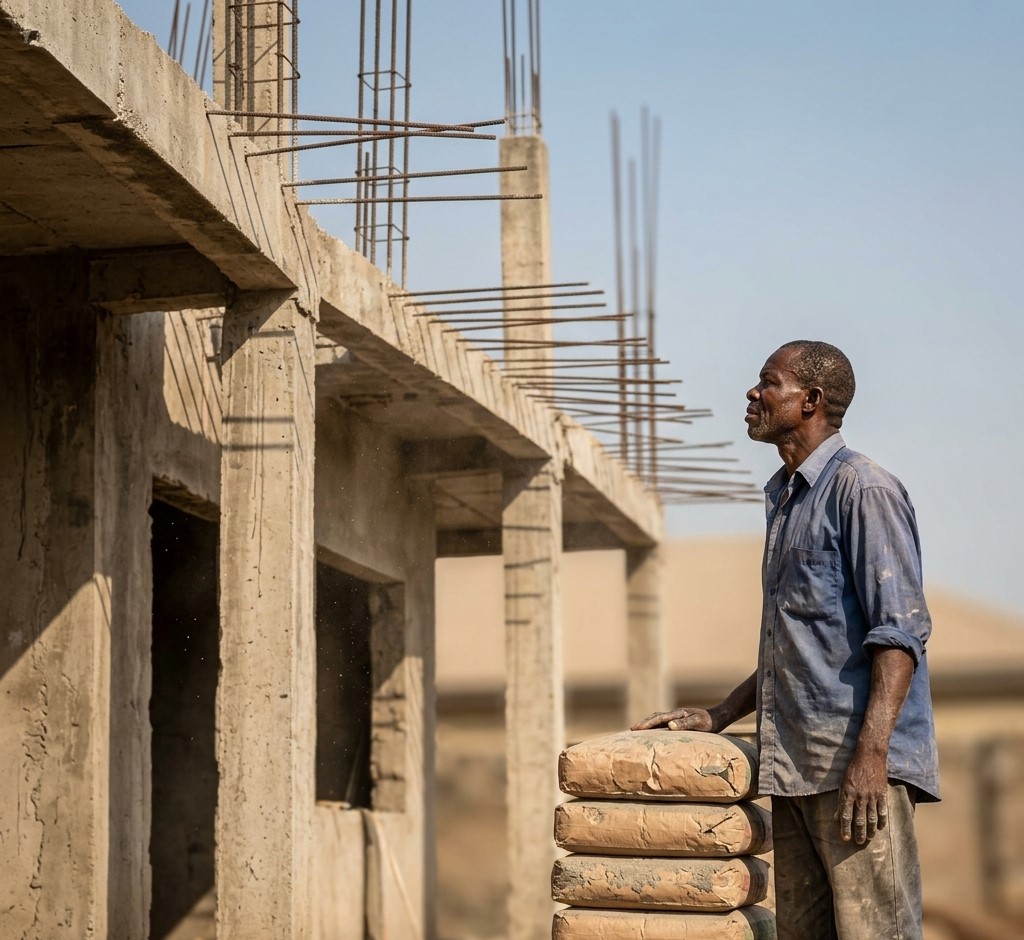
A bag of cement that cost ₦7,500 in January 2024 now sells for approximately ₦10,200 in March 2026. A trip of sharp sand that moved for ₦180,000 now often demands ₦320,000 depending on the logistics and location. The numbers have shifted rapidly, leading many contractors to move away from long-term fixed quotes in favor of short-term estimates that account for market volatility.
According to BusinessDay, construction input costs have seen a steep rise between early 2024 and the first quarter of 2026. Economic analysts suggest that if the naira exchange rate maintains its current trajectory, further adjustments in material costs are likely before the end of the year. These figures form the baseline for the real estate market dynamics observed this year.
The Cost Reality That Changed Everything
Vanguard News reported in February 2026 that cement manufacturers have adjusted ex-factory prices multiple times over the last fourteen months. These adjustments are attributed to the rising cost of gas for power generation, imported spare parts, and general distribution expenses. This has led to a visible increase in uncompleted projects across major cities, where developers have had to pause construction as budgets are outpaced by material inflation.
Industry insights suggest that imported components carry a significant burden. Items such as high-end tiles, specialized plumbing fittings, and electrical cables are often priced in relation to foreign exchange rates. Local materials have not been immune; the cost of timber, granite, and manual labor has also trended upward due to increased transportation and living costs.
A contractor in the Niger Delta region noted to Nairametrics that upfront payment requirements have shifted. Due to the fact that the price of reinforcement bars can fluctuate within a single week, many builders now require higher initial deposits to lock in material prices before further increases occur.
Renters Feel the Weight Through Increased Rents
The Nation published rental market data in early 2026 indicating that average rents in Lagos and other urban centers have increased significantly since 2024. In high-demand areas, a two-bedroom flat that previously commanded ₦1.2 million annually may now see asking prices of ₦1.5 million or more, often depending on the state of interior finishing and maintenance.
Premium Times analyzed the link between these rising costs. As the price of new construction climbs, the valuation of existing properties tends to follow. Landlords often cite the high cost of maintenance and the replacement value of their properties as justification for rent reviews, even when no major renovations have been performed.
According to the Nigeria Property Market Outlook, commercial real estate is seeing a similar trend. In prime business districts like Ikoyi and Victoria Island, some small businesses are migrating toward co-working spaces or shared offices to distribute the high cost of rent and utilities across multiple occupants.
The Housing Deficit Figures Shift Again
Recent reports from housing finance institutions suggest that Nigeria’s housing deficit remains a critical challenge, with some estimates placing the gap near 28 million units. The widening gap is largely attributed to the rising cost of delivery, which has moved the price of basic housing units beyond the reach of many average earners.
Economic forecasts suggest that to prevent the deficit from expanding, a substantial number of new units must be completed annually. However, actual completions in 2025, according to BusinessDay, remained well below the required threshold, impacted by high interest rates and the cost of building materials.
Mortgage Finance Adjusts to New Reality
The Nation reported in February 2026 that the Federal Mortgage Bank of Nigeria (FMBN) has reviewed loan limits to reflect current market realities. This adjustment acknowledges that the purchasing power of previous loan maximums has diminished. A modest bungalow in a suburban area now requires significantly more capital than it did four years ago.
Premium Times highlighted the challenges within the interest rate environment. While special schemes like the National Housing Fund (NHF) offer lower rates, commercial mortgage rates often track higher, making long-term debt servicing difficult for many workers. Data from Nairametrics shows that some prospective homeowners are returning to “incremental building”—purchasing materials in small batches as funds become available.
The Land Title Question
BusinessDay reports that a low percentage of land in major urban centers currently holds a verified Certificate of Occupancy. The lack of standardized documentation complicates transactions and increases the risk for buyers. As land prices rise—for example, in developing corridors like Ibeju-Lekki—the importance of secure title becomes even more vital to prevent disputes.
The Federal Ministry of Housing and Urban Development has announced plans to further digitize land records in the Federal Capital Territory. While such projects aim to increase the speed of verification, practitioners note that the transition from paper-based registries to digital systems remains a significant administrative task.
What Tenants and Landlords Actually Do Now
Nairametrics surveyed stakeholders in February 2026, identifying several market shifts:
- Tenants stay longer: The high cost of moving and new agency fees encourages many to stay in their current apartments and negotiate renewals.
- Enhanced Screening: Landlords are becoming more selective, often requesting employer references to ensure tenants can sustain higher rent levels.
- Value-Based Negotiation: Tenants are increasingly negotiating for repairs or upgrades in exchange for accepting higher rental rates.
- Rise in Shared Housing: There is a growing trend of young professionals sharing multi-bedroom apartments to split the cost of rent and service charges.
The New Construction Reality
Market trends show developers are moving toward:
- Smaller Units: A focus on studio and one-bedroom apartments to match the actual budget of buyers.
- Phased Delivery: Building in smaller blocks rather than entire estates to manage cash flow and avoid high-interest borrowing.
- Alternative Materials: Increased interest in materials like compressed earth or locally sourced blocks to reduce reliance on expensive imports.
Government Responses
The Rental Assistance Programme and reviews of equity requirements for NHF loans are among the measures introduced to help workers manage housing costs. Additionally, some state governments, including Lagos, have expressed a commitment to faster planning permit approvals to support small-scale developers who provide the bulk of the urban housing stock.
The One Small Fix Before the Clouds Break
A proposed solution involves the publication of a localized construction material price index. This would provide a neutral data point for contractors and clients to use during negotiations. By providing a clear record of what materials cost in different regions, much of the friction in the building process could be reduced, allowing projects to proceed with fewer disputes over pricing.
The digital connection between government data and the small-scale builder remains a work in progress. While the market continues to adjust, the sight of half-finished buildings remains common. However, the resilience of the sector suggests that building will continue, albeit at a more measured and data-conscious pace.

Digital Citizen Engagement Platforms for States Today: What Works and What Citizens Actually Experience

INEC 2027 Timetable and What It Means for Political Parties: Full Breakdown of Dates and Deadlines

Comedy Industry in Nigeria and Its Economic Contribution: How Laughter Became Big Business

Why Rent in Ikoyi and Banana Island Costs N180 Million Per Year: Verified Prices and Market Reality

How the Niger Coup Affected Nigeria’s Security Architecture: Border Closures and Military Realignments

Banditry, Kidnapping and Military Operations in Zamfara: The Situation in 2026

Makoko Demolitions and Over 80,000 Residents at Risk: The Facts on Ground

Construction and Real Estate Sector Outlook 2026 in Nigeria: Prices, Policies, and What Tenants Face

Why Healthcare Workers Keep Getting Infected With Lassa Fever: The 2026 Reality

Nigeria Produces 67 Percent Global Yam Output – FG Says: The Numbers Behind the Tuber

FRSC and NIMC Partner on Data Integration for Security: What This Means for Driver License Holders

How Nollywood Grew Without Government Support

Internet Sovereignty: Why Some Countries Want Their Own Separate Internet

How One Misplaced Dot Broke a Bank Login Page

The Untold Story Of The Nigerian Who Helped Build Global Internet Systems

Nigerian Hackers: The Global Fraud Story and Its Fallout

Forgotten Satellites Defy Silence, Beaming Signals for Decades

Do Not Allow Your Digital Store to Shut Down: The Exact Dates That Kill Websites

The “Village People” Aren’t Blocking Your Sales; Your Bad SEO Is.

The Business That Died because the Owner Refused to “Go Beyond.”

Why Are You Hiding Your Business From People With Money?

Entertainment as the Next Hope for Nigeria After Oil: What the Numbers Really Show
Why Healthcare Workers Keep Getting Infected With Lassa Fever: The 2026 Reality
FRSC and NIMC Partner on Data Integration for Security: What This Means for Driver License Holders
 Edutech Portal2 weeks ago
Internet Sovereignty: Why Some Countries Want Their Own Separate Internet
- Digital Hustle2 weeks ago
How One Misplaced Dot Broke a Bank Login Page
- Edutech Portal2 weeks ago
The Untold Story Of The Nigerian Who Helped Build Global Internet Systems
- Edutech Portal2 weeks ago
Nigerian Hackers: The Global Fraud Story and Its Fallout
- Edutech Portal2 weeks ago
Forgotten Satellites Defy Silence, Beaming Signals for Decades
- Edutech Portal2 weeks ago
Do Not Allow Your Digital Store to Shut Down: The Exact Dates That Kill Websites
- Edutech Portal2 weeks ago
The “Village People” Aren’t Blocking Your Sales; Your Bad SEO Is.
- Edutech Portal2 weeks ago
The Business That Died because the Owner Refused to “Go Beyond.”