Edutech Portal
Internet Sovereignty: Why Some Countries Want Their Own Separate Internet
Want your own national internet? It’s not just about blocking spies. Internet sovereignty also keeps billions in local revenue from flowing overseas.


Independent Networks: The New Geopolitical Infrastructure
Published: 12 February, 2026
What happens when the road you depend on can be closed by someone else? The world runs on networks it did not build. For decades, a handful of nations controlled the valves on the internet, global finance, and satellite navigation. That era is ending.
Countries are now constructing their own independent networks. Parallel systems for communication, finance, and data. The goal is control. The method is complex, expensive, and it is reshaping alliances overnight.
The Heavy Truth About Control
In February 2026, the United States Treasury Department sanctioned a Russian bank using the SWIFT system. Transactions froze. The move was a stark reminder: SWIFT, based in Belgium, remains a tool of Western foreign policy.
This event accelerated existing plans. The BRICS bloc had already launched a pilot for its own financial messaging system. According to a statement from the Russian Finance Ministry, 159 banks from 13 countries were participating in the trial. The system offers an alternative for nations seeking insulation.
The logic is inescapable. If your economy depends on a payment highway another country can block, you lack sovereignty. Building a separate road becomes a strategic necessity.
Why Your Internet Might Come From Space
Look at the map of undersea internet cables. They cluster around Europe and North America. This creates a physical vulnerability for a country like Nigeria. A cut cable off the coast of Côte d’Ivoire in 2024 caused internet outages across West Africa for days.
This reality fuels the demand for non-terrestrial networks. Starlink, operated by SpaceX, was licensed by the Nigerian Communications Commission in 2022. By January 2026, estimates suggested the company had over 150,000 active terminals in the country, as BusinessDay noted that year.
For remote communities, it means connectivity. For the government, it means an option that bypasses terrestrial infrastructure owned by foreign telecom giants. The price is higher, but the redundancy has value.
“Diversification is not a luxury, it is a core component of national security strategy. Reliance on a single point of failure is a risk no nation should accept.”
Prof. Umar Danbatta, Executive Vice Chairman, Nigerian Communications Commission, speaking at the International Telecommunication Union forum, Geneva, February 2026
Other nations are going further. China launched the Guowang satellite constellation. India approved its BharatNet satellite initiative. These are sovereign independent networks in low Earth orbit.
The Data Must Live Here
A different kind of network is being built with laws, not rockets. Data localization laws mandate that certain types of citizen data within national borders. The Data Protection Act of 2023 of Nigeria includes provisions for cross-border data transfer restrictions.
The National Information Technology Development Agency is the regulator. In its 2025 compliance report, the agency noted that 42% of major data controllers had established local data servers, up from 18% in 2022.
The argument centers on privacy and security. Data stored abroad falls under that country’s laws. A European court order or an American subpoena can access it. Local storage creates a legal moat.
But there is a catch. Economists point to the cost. Building local data centers requires massive capital investment. It increases operational expenses for businesses. The trade-off is control versus convenience.
Where things stand today
The theory of independent networks meets the practice of daily life in Lagos. A trader in Alaba Market uses Paystack, a Nigerian fintech, for online sales. The transaction is processed locally. The data in Lagos. This is a micro-scale independent financial network.
Contrast this with a manufacturer importing machinery. The letter of credit travels through SWIFT, routed through correspondent banks in New York or London. The manufacturer pays fees in dollars and faces the full exposure of the global financial weather.
The Central Bank of Nigeria has promoted the Pan-African Payment and Settlement System. PAPSS allows direct currency settlement between African nations. Adoption is growing but slow. Old networks have inertia. New networks need critical mass.
“We are not seeking to dismantle the existing system. We are building bridges and alternative routes. In traffic, you always want a detour option.”
Dr. Olayemi Cardoso, Governor, Central Bank of Nigeria, interview with The Guardian Nigeria, March 10, 2026
The cost of independence is real. Maintaining a sovereign satellite system demands a national space agency with a serious budget. Running a financial messaging network requires global trust and technical resilience. Many nations lack the capacity.
The Security Argument That Resonates Everywhere
Cyber attacks are a constant threat. In 2025, a ransomware attack disrupted the digital platform and payment portals of a major federal ministry in Abuja for 72 hours. Premium Times reported that forensic suggested the attack originated from servers in Eastern Europe.
This incident strengthened the argument for national cyber shields. An independent network, proponents say, is easier to defend. You control the entry points. You set the security protocols. You monitor the traffic without foreign oversight.
Wait, it gets more complex. The counter-argument is technical isolation. A closed network might be safer from some attacks, but it also cuts off the rapid sharing of global threat intelligence. Security through obscurity has limits.
For military and government communications, the shift is absolute. Nations are deploying dedicated, encrypted satellite channels and private fiber-optic lines. These are the ultimate independent networks, invisible to the public internet.
The Economic Calculus of Digital Sovereignty
Building these networks is a multi-billion-dollar decision. The government of Nigeria allocated N35 billion in the 2026 budget for the expansion of the National Information and Communication Technology Infrastructure Backbone. This is about 0.2% of the total national budget.
The return on investment is measured in jobs, retained capital, and strategic leverage. Local data centers create employment for engineers and technicians. Local payment systems keep transaction fees within the economy.
But there is a risk of building white elephants. A national satellite system with poor coverage or high costs will fail. A financial network with few users is a museum piece. The technology must be competitive, not just patriotic.
The most successful models involve public-private partnerships. The government provides the regulatory framework and strategic investment. Private companies bring innovation and operational efficiency. The licensing by Nigeria of private satellite internet providers follows this path.
What You Can Do Tomorrow
For the average citizen or business owner, the grand geopolitics of independent networks feels distant. The practical implications are not.
Audit your digital dependencies. Where is the primary data of your company hosted? Which payment gateways do you use, and where are they based? Understanding your own exposure to foreign-controlled networks is the first step.
Consider diversifying your tools. If you rely on a single cloud provider based overseas, explore a local backup option. If all your payments go through one international platform, test a domestic alternative.
This is not about a full-scale switch. It is about building resilience through optionality. When the main road is blocked, you want to know the side streets.
The Inevitable Fragmentation
The push for independent networks will fragment the global digital situation. The vision of a single, open, worldwide internet is receding. In its place, we see a patchwork of regional and national blocs.
This fragmentation carries costs. Interoperability becomes a technical and diplomatic challenge. A payment from Nigeria to India might need to pass through two different sovereign systems, adding complexity.
Yet, for many nations, the cost of dependence appears higher. The ability of a foreign power to disconnect a country from the global financial system is an existential concern.
So here we are. Nations are digging their own digital trenches. They are launching satellites and writing data laws. The age of universal networks is giving way to the age of strategic, sovereign, and independent networks. The infrastructure of power is being rebuilt, one cable, one satellite, and one server at a time.
Nigeria, Independence And Nation Building Pt.6 | The Core | Channels Television. (Digital Illustration: GoBeyondLocal)
Edutech Portal
How to Block a Stolen Phone in Nigeria Using the IMEI Number
How to block a stolen phone in Nigeria. A step-by-step guide to using the IMEI number to protect your data and stop thieves. Learn the official process from the NCC and what to do first.


How to Block a Stolen Phone in Nigeria Using the IMEI Number
Published: 31 March, 2026
Your phone disappears. The feeling is immediate. It is a violation. In a country where a single device holds bank apps, family photos, and private messages, the loss extends beyond the hardware. The real target is your data, your money, your life. Here is the thing. You have a powerful tool to fight back. That tool is a 15-digit number.
The First Thing You Do After a Phone Theft
Panic is natural. Action is better. The first step is not about blocking the phone. It is about protecting your money. Contact your bank immediately. Use another phone or a computer to log into your mobile banking app. Disable any card linked to payment apps on the stolen device.
Financial fraud often follows physical theft. Criminals move fast. According to a report by Nairametrics in 2025, digital fraud attempts in the economy of Nigeria increased by 25% year-on-year, with many linked to stolen devices. Your bank can deactivate card tokens for services like Apple Pay or Google Pay.
Next, change passwords for your email and major social media accounts. This prevents thieves from resetting passwords for other services. These two actions take less than 10 minutes. They create a critical barrier between the thief and your finances.
Finding Your IMEI Number: The Digital Fingerprint
Every mobile phone has a unique identifier. This is the International Mobile Equipment Identity number. Think of it as a digital fingerprint for your device. No two phones in the world share the same IMEI.
You can find this number in several ways. The simplest method is to dial *#06# on the phone’s keypad. The 15-digit code appears on the screen. Write it down and keep it in a safe place separate from the phone. You should have done this yesterday.
Another method is to check the original box the phone came in. The IMEI is printed on a label. You can also find it in the phone’s settings menu, usually under “About Phone” or “General”. If you registered the device with your network provider, they have the IMEI on file. The Nigeria Communications Commission maintains that this number is the primary key for tracking and blocking devices across all networks.
The Official Channel: Reporting to the Nigeria Communications Commission
This is the core of how to block a stolen phone in Nigeria. The regulator for telecommunications in the country is the Nigeria Communications Commission. The NCC operates a system called the Central Equipment Identity Register.
The CEIR is a database of IMEI numbers. When you report a stolen phone, the NCC adds that IMEI to a blacklist. The blacklist is shared with all mobile network operators in Nigeria. Once blacklisted, the phone cannot connect to any cellular network in the country. It becomes a brick for making calls or using mobile data.
To file a report, you need a police report. Visit the nearest police station to obtain an official extract. The police report serves as legal proof of the theft. You then submit this document, along with proof of ownership and the IMEI number, to the NCC. The process is outlined on the official NCC digital platform.

A Visit to Your Network Provider
While the NCC handles the national blacklist, you should also inform your specific mobile network. Providers like MTN, Airtel, Glo, and 9mobile can block the SIM card associated with the stolen phone. This stops the thief from using your phone number.
The network will deactivate your SIM and issue a replacement with the same number. This step protects your contacts from being harassed and prevents misuse of your line for two-factor authentication codes.
Network providers have their own fraud monitoring systems. Reporting the theft helps them flag suspicious activity on your account. According to a consumer advisory from MTN Nigeria in 2025, immediate SIM blocking remains the most effective way to prevent account takeover in the first 24 hours after a theft.
What Blocking the IMEI Actually Does
People hope that blocking a phone makes it completely useless. The reality has more layers. When the NCC blacklists an IMEI, the primary effect is network exclusion. The phone loses its ability to make calls, send SMS, or use mobile internet on any Nigerian network.
The phone can still connect to Wi-Fi. A thief could use it on a home or public Wi-Fi network. They could access any apps or data already on the device if you did not have a screen lock. This is why the initial steps of securing your accounts are so important.
A blocked phone also loses significant resale value within Nigeria. Phone vendors and informal repair shops sometimes check IMEI numbers against the blacklist. A phone that cannot make calls is worth only a fraction of its price for parts. The system creates a major disincentive for the local market in stolen devices.
The Limits of the System and Nigerian Realities
No system is perfect. The CEIR system faces challenges. One issue is cross-border movement. A phone blocked in Nigeria may still work in a neighboring country if that nation does not share blacklist data. Thieves sometimes traffic stolen devices across borders.
Another reality is IMEI cloning or tampering. Sophisticated criminals can alter the IMEI number of a stolen phone, giving it a new identity that is not on the blacklist. This requires technical skill and is less common for random street theft. The NCC continues to work with device manufacturers to make IMEI numbers more secure.
Enforcement is another layer. While the NCC can blacklist a phone, ensuring all network operators consistently enforce the block across their entire infrastructure requires continuous monitoring. The effectiveness of the system depends on this technical coordination.
Prevention is Always Better: Guard Your IMEI
The best time to record your IMEI is before your phone is stolen. Write it down on a piece of paper and keep it in your wallet. Save it in a secure note on a cloud service you can access from another device. Email it to yourself.
Enable strong security on the phone itself. Use a 6-digit PIN or a complex pattern. Biometric locks like fingerprint or face recognition add another layer. Set the phone to auto-lock after 30 seconds of inactivity. These measures slow down a thief who gains physical access.
Be aware of your surroundings, especially in crowded areas like markets, bus stops, and traffic jams. Phone snatching is often a crime of opportunity. Using expensive phones conspicuously in vulnerable situations increases risk. A little discretion goes a long way.
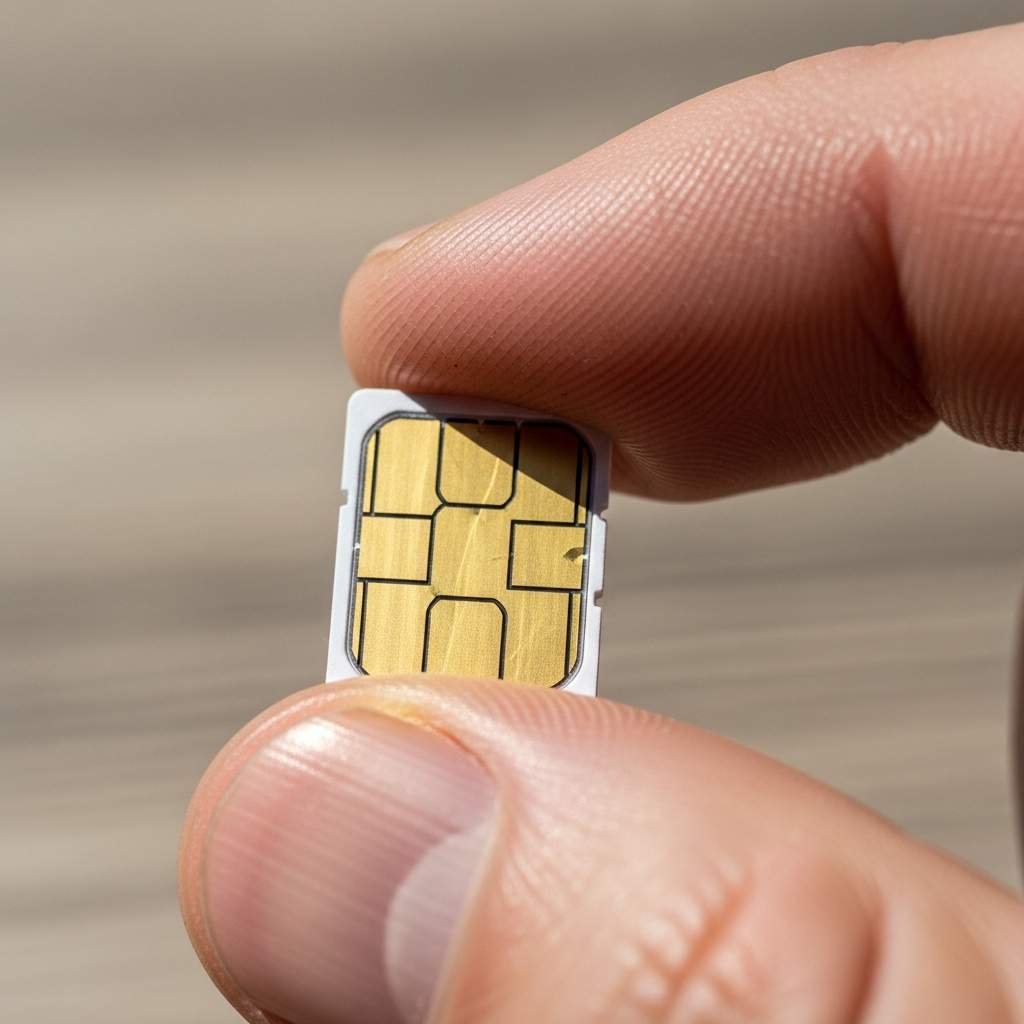
If You Buy a Second-Hand Phone
The IMEI block system affects buyers too. Before you purchase a used phone, check the IMEI. You can use the NCC’s own verification service or third-party digital platforms that check against global blacklists. Dial *#06# on the device to get the number.
A clean IMEI check does not guarantee the phone is not stolen, but a blacklisted IMEI is a definite red flag. Buying a blacklisted phone means you will never be able to use it on Nigerian networks. You waste your money. Responsible checking protects you from becoming an unwitting market for stolen goods.
Ask the seller for proof of purchase, like a receipt or box. While not always available in the informal market, it adds legitimacy. This simple check saves you from future headaches and supports the broader effort to reduce phone theft.
The Role of Law Enforcement
The police report is the gateway to the official blocking process. Cooperation between the police and the NCC is vital. When you report the theft, provide the IMEI number to the police officer. Some police formations have dedicated units for cyber and electronic crime.
The Nigeria Police Force National Cyber Crime Centre can, in some cases, track a phone if it connects to the internet. This requires coordination with service providers and is more likely in cases of organized theft rings reported promptly to specialized units. The police report itself is a statistical tool. It helps law enforcement identify crime hotspots and patterns.
Persist in getting the report. Sometimes, officers may downplay the loss of a phone. Insist on filing the report. It is your right and your primary document for the next steps. Keep a copy for your records.
Looking Forward: Technology and Policy
The future of device security evolves. Manufacturers are building more anti-theft features directly into phone operating systems. Services like Find My Device for Android and Find My for iPhone allow remote locking and data wiping. These require the phone to be turned on and connected to the internet.
Policy in Nigeria is also adapting. The NCC continues to refine the CEIR. Discussions about tighter integration with the customs service to block the import of phones with bad IMEI numbers are ongoing. The goal is a more comprehensive ecosystem that makes theft unprofitable.
Public awareness remains the weakest link. Many people still do not know their IMEI number or the official process for blocking a stolen phone. Articles like this, and word-of-mouth sharing of information, are part of the defense. An informed citizen is a harder target.
Write Down That Number Today
Here is a small, doable action. Pick up your phone. Dial *#06#. Write the 15-digit number that appears on a piece of paper. Put that paper in a drawer at home. Do it for every phone in your household.
This simple act, taking less than 60 seconds, places a powerful tool in your hands. If the worst happens, you are prepared. You bypass the frantic search for the box you threw away last year. You have the key to locking your phone out of the national network.
Phone theft in Nigeria is a common crime. The response does not have to be helplessness. You have a process. You have an identifier. You have a path to reclaim control and protect what is yours. Start with the number.
“The IMEI number is the most critical piece of information for recovering or blocking a stolen mobile device. Consumers must treat it with the same importance as a bank account number.”
– Prof. Umar Danbatta, Executive Vice Chairman, Nigeria Communications Commission, speaking at a consumer forum in October 2025.
The system for how to block a stolen phone in Nigeria exists. It works within its limits. Its power depends on you knowing your IMEI and following the steps. Secure your finances first. Report to the police. Then use that 15-digit code with the NCC. Layer your defense. In a difficult situation, it is the best shot you have.
🔍 How To Track A Lost or Stolen Phone Using IMEI (Best IMEI Tracking Procedure)
Edutech Portal
Moniepoint Business Account Requirements Nigeria for SMEs 2026
Need a business account in Nigeria for your SME? Get the simple 2026 Moniepoint business account requirements to start fast.

“`html
Moniepoint Business Account Requirements Nigeria: The 2026 List for SMEs
Published: 31 March, 2026
Every small business owner in Nigeria needs a bank account that works. For millions of entrepreneurs, the choice is Moniepoint. According to a 2026 report from BusinessDay, this fintech platform processed over N20 trillion in transactions for businesses in 2025. It is a primary channel for commerce. The agent network of the platform reaches every local government area. Business owners in remote locations can access banking services without traveling to a traditional bank branch. Here is the complete guide to opening an account and meeting the requirements in 2026.
What Documents You Must Gather First
The foundation of your application is your company registration with the Corporate Affairs Commission. Moniepoint requires proof that your business exists in law. You need the Certificate of Incorporation from the CAC. This serves as the primary evidence of your business registration. It confirms your entity type. A current copy of the CAC Form 2.3 or CAC 2.5 is also mandatory. According to Moniepoint records for 2026, this form lists the directors and shareholders of the company with specific details required for verification.
Prepare a valid means of identification for every director and significant shareholder. Names must match exactly across all paperwork. The accepted forms are a National Identity Number slip, International Passport, Driver’s License, or Voter’s Card. According to a 2025 directive from the Central Bank of Nigeria, financial institutions must verify these identities against government databases. A recent utility bill serves as proof of the business address. Documents dated within the last three months receive the fastest processing times.
The Specifics for Different Business Types
Sole proprietorships and partnerships face different documentation requirements. This reflects the simpler legal structure of these business forms. A business name registration certificate from the CAC is sufficient for these entities. It eliminates the need for more complex incorporation documents. The proprietor or partners provide their personal identification and proof of address. According to Moniepoint in 2026, a formal partnership deed is necessary for partnerships. It clarifies ownership percentages and signing authorities.
Limited liability companies require more extensive paperwork. This is due to their corporate structure and additional compliance obligations. The company seal, a memorandum and articles of association, and the particulars of directors are standard requirements. These establish the governance framework of the company. A company secretary may complete the account opening process on behalf of the directors. They must have proper authorization documented in board resolutions.
How the Account Opening Process Works
You start the process online through the Moniepoint digital platform or mobile application. It features a dedicated section for business account registration. You fill a digital form with details matching your CAC documents precisely. Any discrepancy will trigger a review delay. According to a 2025 report in Premium Times, an agent may visit your business location to assist with the process. This agent network covers every local government area in Nigeria. It provides hands-on support for business owners who prefer in-person assistance.
Verification happens within a few hours. The Moniepoint team cross-checks your submission with the CAC database and identity verification systems. The Central Bank of Nigeria maintains a database for identity validation. Moniepoint accesses this during the process. According to Nairametrics in 2026, a successful check leads to account activation. You receive your account details instantly through SMS and email. This allows you to begin transacting immediately.
The Reality of Physical Verification
Some applications trigger a physical visit from a Moniepoint agent. This happens when high-value transactions are anticipated or discrepancies appear in submitted documents. An agent confirms the operational address of the business. They verify that the business actually operates where the documents claim. According to Moniepoint in 2026, the agent takes a photograph of the business premises. This measure reduces fraud. It with central bank guidelines requiring financial institutions to know the physical operations of their customers.
The entire process from application to funding takes less than 48 hours for standard cases. This is significantly faster than traditional bank account opening procedures. Delays occur when submitted documents have errors. A mismatch between the name on a director ID and the CAC record is a common issue. It requires correction before approval. Business owners who verify all documents for consistency before submission experience the smoothest and fastest application experiences.
Understanding the Fees and Transaction Limits
Account maintenance has zero cost for the basic Moniepoint business account. This policy benefits small enterprises with thin profit margins. Moniepoint charges no monthly fee. Business owners can maintain their accounts without worrying about recurring expenses. According to a Moniepoint report for 2026, transaction fees apply for certain services. These are clearly disclosed and typically lower than comparable fees at commercial banks.
Deposits attract no charge regardless of the amount or method used. This encourages business owners to keep their funds within the banking system. Withdrawals at Moniepoint agent locations cost a small fee. It varies based on the amount withdrawn and the location of the agent. Transfers to other banks cost a fee regulated by the Central Bank of Nigeria. The fee for intra-bank transfers is lower than inter-bank transfers. This rewards customers who keep their transactions within the Moniepoint ecosystem.
Your Daily and Monthly Thresholds
New accounts have initial transaction limits. These protect both the business owner and the platform from potential fraud. A tier one business account may have a daily transfer limit of N500,000. This increases with account tenure and transaction volume. According to a 2025 report in The Guardian, higher tiers permit daily transactions worth millions of naira. This allows growing businesses to scale their banking capacity without switching providers.
These limits exist for security reasons. They prevent large fraudulent transfers from newly opened accounts. Consistent business activity builds trust with the platform. It demonstrates that your business is legitimate. You can request a limit increase through the app after a period of operation. This is typically after three to six months of consistent transaction history.
Why This Account Fits the Nigerian SME
Accessibility defines the Moniepoint platform. Over 1.5 million businesses use it as their primary banking channel according to a 2026 BusinessDay report. The agents function as human ATMs in areas with few traditional bank branches. Business owners can deposit and withdraw cash without traveling long distances. A business in rural Nasarawa or Bayelsa can access the same financial services available to businesses in Lagos or Abuja.
The integration with daily business tools is deep and practical. The account connects to payment gateways for online stores. Customers can pay directly into your business account through your digital platform. It generates payment links for invoices. You can send these to clients via WhatsApp or email. POS terminals for physical stores draw funds directly from the account. This creates a unified view of all your sales channels.
“The agent network bridges the financial inclusion gap. A business owner in Sokoto has the same account capabilities as one in Lagos.”
, Tosin Eniolorunda, CEO of Moniepoint, speaking at a fintech conference in February 2026.
The Digital Tools That Come With the Account
You manage everything from a smartphone. This eliminates the need for branch visits. The business dashboard shows real-time sales from all channels. It consolidates money from your POS terminals, payment links, and direct transfers. According to Moniepoint in 2026, the platform generates financial reports for accounting purposes. This helps you track revenue trends and prepare tax documentation.
Bulk payments simplify payroll and vendor management. They save hours of administrative work each week. You upload a spreadsheet to pay multiple staff at once. Scheduled payments ensure bills are settled automatically. These features transform banking from a time-consuming task into a process.
Common Hurdles and How to Avoid Them
Document mismatch is the biggest cause of processing delays. It occurs when information on one document does not precisely match the same information on another. The name on a director BVN must match the name on the CAC form exactly. A middle name spelled out on one document and abbreviated on another causes rejection. According to Punch in 2025, it is essential to verify all names are identical across every document. Pay attention to spelling, order of names, and any titles.
Blurry photographs of documents extend processing time significantly. Verification systems cannot read unclear text or images. Agents sometimes upload unclear images. Take , well-lit pictures of every page. Ensure all four corners of each document are visible in the image.
When the CAC Portal Has Issues
The Corporate Affairs Commission digital platform experiences downtime periodically. This prevents instant verification of your incorporation details. It means Moniepoint cannot confirm your business registration immediately. The best practice is to attempt registration on a day when the portal is functional. According to a 2026 report in Leadership, traffic on the government portal is typically lightest during the early hours on weekdays.
Have digital and physical copies of every document ready before starting your application. This preparation speeds the process. Digital copies allow you to upload immediately. Physical copies are useful if an agent visits and needs to verify original documents.
How This Account Compares to Traditional Bank Offers
Speed is the primary difference. Moniepoint completes in hours what legacy banks take days or weeks to accomplish. A business account with a legacy bank typically requires physical branch visits and multiple meetings. According to a 2026 report by Nairametrics, Moniepoint completes the process in hours through digital channels. Business owners can start transacting on the same day they apply.
Cost structure is another significant advantage. Many commercial banks charge monthly maintenance fees for corporate accounts. These fees range from N1,000 to N5,000 per month. According to Vanguard data from 2025, transaction fees are also generally higher at traditional banks.
“SMEs want efficiency at low cost. The legacy banking model, with its heavy physical infrastructure, struggles to provide this. Digital-first platforms are eating their lunch.”
, A financial analyst quoted in ThisDay in January 2026.
The Trade-Offs to Consider
Traditional banks offer complex credit products. Overdraft facilities, import financing, and large business loans more accessible through commercial banks. According to a 2026 report in The Nation, the strategy of Moniepoint centers on transactional banking and smaller loans. These are assessed through cash flow rather than collateral.
Some large corporations prefer the brand prestige of an international bank. For the vast majority of SMEs operating within Nigeria, transactional efficiency matters more than prestige. The ability to receive payments and access working capital quickly outweighs traditional status symbols.
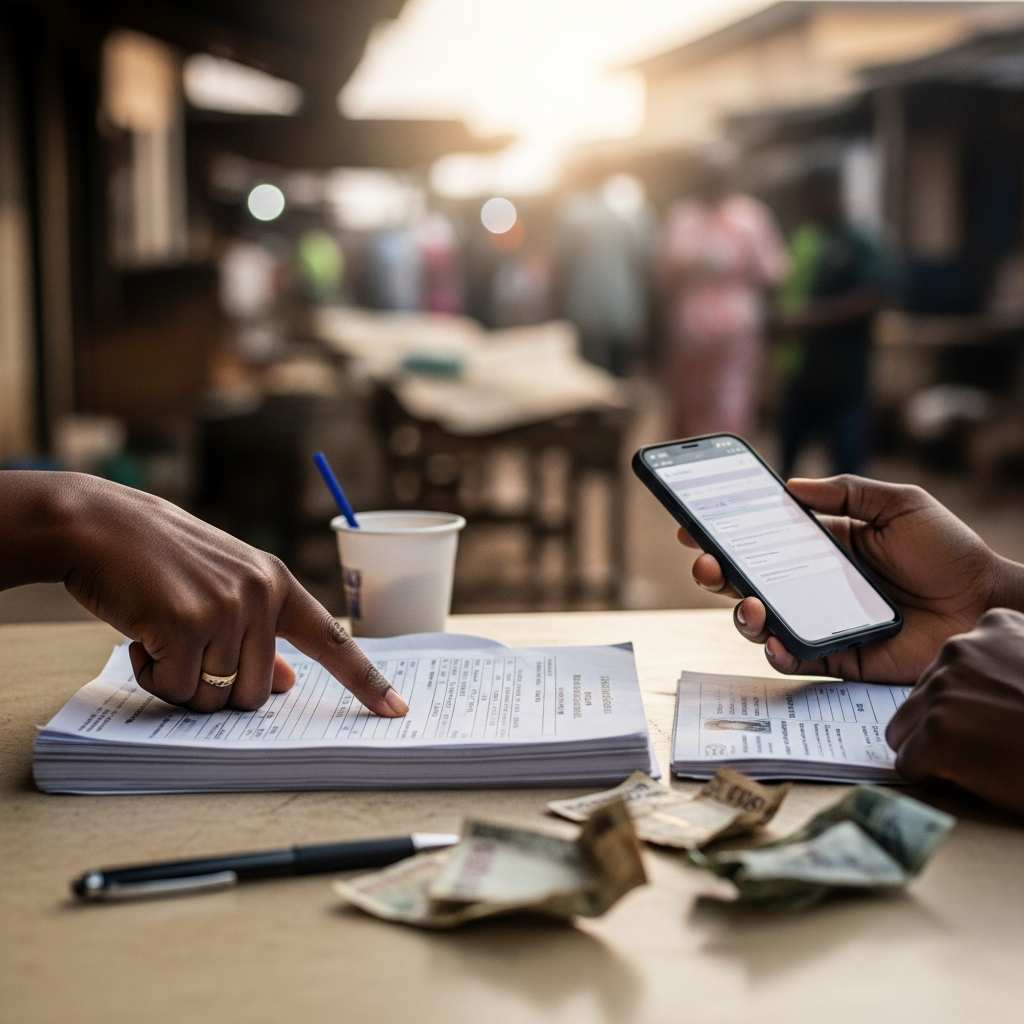
Your First Steps After Account Activation
Fund the account immediately after receiving your account details. Do this even with a small amount. A small deposit of a few thousand naira verifies that you can receive funds without issues. Using the account for a daily transaction establishes your activity pattern. This early activity establishes a financial history.
Explore the business dashboard thoroughly. Many business owners use only basic features. Set up payment links for your services. Download the merchant app for your smartphone. Order a POS terminal if you have a physical store. Integrating these tools creates a payment experience.
Integrate Your Sales Channels
Connect the account to your online store. Platforms like Shopify and WooCommerce have plugins for Moniepoint. This connection automates sales reconciliation. Your accounting becomes simpler with all revenue flowing into one account.
Inform your customers and suppliers about the new account details as soon as the account is active. Update your invoice templates with the new account information. The consistency of using one account for all business transactions improves your professional appearance.
The Regulatory Framework for Fintech Business Accounts
The Central Bank of Nigeria oversees all financial services providers. Moniepoint operates with a license from the central bank. It must comply with all banking regulations. The platform complies with all anti-money laundering regulations. According to the Central Bank of Nigeria in 2025, transaction monitoring is both continuous and automated.
Your funds are secure in a licensed institution. The Nigeria Deposit Insurance Corporation covers deposits in licensed financial institutions. According to the NDIC report for 2026, the coverage limit is N500,000 per depositor per bank. This guarantee applies to monies held with Moniepoint.
What Ongoing Compliance Means for You
You must update your KYC information periodically. Financial institutions are required to maintain current information. The platform may request fresh utility bills or identity documents at intervals. Prompt submission avoids restrictions on your account.
Report any change in directorship to the CAC and your bank immediately. Outdated signatory information creates legal and operational risks. A change in company structure requires an update of your account signatories. Completing this promptly prevents situations where former directors retain access.
Where to Get Help During the Process
The Moniepoint support system operates through multiple channels. You can call a dedicated business support line. According to Moniepoint in 2026, live chat is available within the mobile application.
Email support handles complex queries. Document submission issues are best resolved via email. The support team identifies specific errors for correction. This gives you precise guidance.
Using the Agent Network for Assistance
Agents are trained to help with account opening. An agent can guide you through the document preparation stage. The agent uses a tablet to capture your documents correctly.
You find agents in most marketplaces and commercial streets across Nigeria. These agents earn a commission for successful account openings. Building a relationship with a local agent can be valuable for ongoing support.
The Moniepoint business account requirements Nigeria are designed for speed and accessibility. Digital verification and a vast agent network remove traditional barriers. The platform serves as the financial engine for a large segment of the economy of Nigeria. It processes trillions of naira annually. Your business gains a tool built for the realities of commerce in 2026.
Gather your CAC certificate and director IDs. Ensure all names match and documents are and current. Start the application on the Moniepoint digital platform today. Join the millions of Nigerian business owners who have already made the switch.
Understanding Nigeria’s 2025 Tax Act: What Every Individual Needs to Know
Edutech Portal
Cheapest Way to Send Money from Nigeria to Ghana 2026
Want the cheapest way to send money from Nigeria to Ghana in 2026? I found the top services to save you the most on fees.
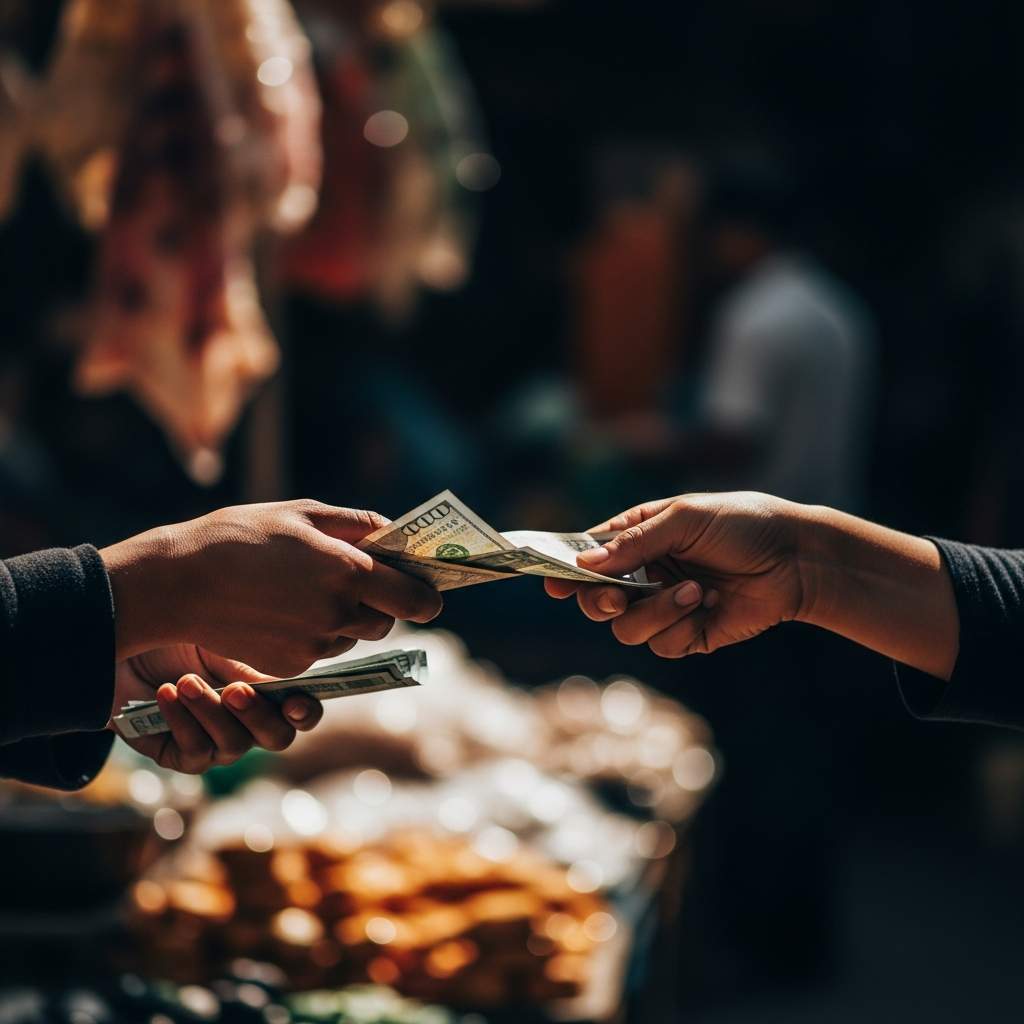
The Cheapest Way to Send Money from Nigeria to Ghana
Published: 30 March, 2026
Sending money from Nigeria to Ghana costs less today than it did five years ago. The reason is simple. New companies have entered the market. They have cut the price of moving money across the border. A report from the World Bank in 2025 showed the average cost to send money within Africa fell to 7.4%. This is a drop from over 8.9% in 2020. The cheapest way to send money from Nigeria to Ghana now involves a mobile phone, not a bank branch.
Here is the thing. You have options. You can use a bank. You can use a money transfer operator. You can use a fintech app. The fees differ. The speed differs. The experience differs. Let me break it down for you.
Forget the Traditional Banks for Small Amounts
Nigerian commercial banks charge high fees for international transfers. They also use an exchange rate that adds a hidden cost. Sending N100,000 to Ghana through a typical Nigerian bank could attract a fee of N5,000 or more. The recipient in Ghana might receive less cedis than expected. This is because of the margin of the bank on the currency conversion.
Data from Nairametrics in February 2026 compared transfer costs. According to that report, a transfer of $200 from a major Nigerian bank to Ghana incurred a total cost of about 12%, including the exchange rate margin. For a student sending upkeep or a trader paying a supplier, that amount is significant. It eats into the money that finally arrives.
The process itself takes time. It requires visiting a branch with documentation. For many Nigerians, this is the old way. It is reliable for very large amounts where security is the primary concern. For everyday transfers, better alternatives exist.
The Rise of Mobile Money and Fintech Bridges
The change happened with mobile money interoperability. Ghana has a mature mobile money ecosystem. Companies like MTN MoMo and Vodafone Cash are everywhere. In Nigeria, fintech companies have built bridges to these networks. They act as digital corridors.
These fintech platforms operate online. They have mobile applications. You fund your account with naira from your Nigerian bank account or card. You specify the mobile money number of the recipient in Ghana. The platform converts your naira to cedis at a rate they display. They charge a single, transparent fee. The money lands in the Ghanaian mobile wallet in minutes.
A study by TechCabal in 2025 highlighted this shift. According to that report, fintech-driven transfers between Nigeria and Ghana grew by over 300% between 2023 and 2025. The convenience drives this growth. So does the cost.
Comparing the Real Costs in 2026
So, what are the actual numbers? I looked at three popular methods for a transfer of N50,000. The results show a winner for low-cost transfers.
First, a traditional money transfer operator like Western Union or MoneyGram. These services have wide agent networks. Their fees are often a percentage of the amount sent. For N50,000, the fee could range from N3,500 to N4,500. The transfer happens within hours. You receive a reference number to give to the recipient in Ghana for collection.
Second, an international fintech like Wise (formerly TransferWise). Wise uses a peer-to-peer model that often offers a mid-market exchange rate. For a N50,000 transfer to a bank account in Ghana, the fee in March 2026 was approximately N1,850. The transfer time is one to two business days. Wise is efficient for bank-to-bank transfers but requires the recipient to have a bank account.
The Mobile Money Fintech Option
Third, Africa-focused fintech apps like Chipper Cash, Send by Flutterwave, or LemFi. These platforms specialize in African corridors. For a N50,000 transfer directly to a mobile money wallet in Ghana, the fee is often a flat rate or a very small percentage.
As of March 2026, Chipper Cash promoted zero-fee transfers for certain amounts and frequencies. Their business model relies on the exchange rate margin. For an instant transfer, the total cost (fee plus exchange margin) for N50,000 was under N1,000 equivalent. The money arrives in the Ghanaian mobile wallet in seconds.
Send by Flutterwave also quotes fees below 1.5% for transfers to Ghanaian mobile money, with a minimum fee. A test transaction showed a fee of N750 for sending N50,000. The platform operated by Flutterwave provides transaction tracking and receipts.
The data points to mobile money fintech as the cheapest way to send money from Nigeria to Ghana for typical amounts. The cost is low. The speed is high. The process is digital from start to finish.
“The future of intra-Africa remittance is digital, direct, and domiciled on mobile phones. The cost of moving money should be a rounding error, not a barrier.” , Bosun Tijani, Minister of Communications, Innovation and Digital Economy of Nigeria, at the Africa Fintech Summit, October 2025.
You Must Consider the Exchange Rate
The fee is one part of the cost. The exchange rate is the other, sometimes larger, part. Every service buys naira and sells cedis at a rate. This rate includes a spread. This spread is their profit margin on the currency conversion.
A platform with a zero fee might use a less competitive exchange rate. A platform with a small fee might use a rate closer to the official market rate. You have to calculate the total amount of cedis the recipient will get. This is the only figure that matters.
Before you send money, check the rate on the platform. Compare it to the mid-market rate you see on Google or XE.com. Calculate the difference in cedis. Add the stated fee. That total cost gives you a true comparison. Most fintech apps show you the exact amount to be delivered before you confirm. Use that feature.
The Regulatory Hurdles and How to Avoid Them
Nigerians understand that regulations change. The Central Bank of Nigeria issues circulars. Sometimes these affect how you can fund your fintech wallet. In the past, restrictions on crypto and certain transfer modes created temporary disruptions.
The current environment in 2026 is stable for licensed International Money Transfer Operators (IMTOs). Reputable fintech companies operating in Nigeria have those licenses. They work with partner banks and the central bank. They have limits on how much you can send per day and per month. These limits are usually sufficient for personal remittances and small business payments.
To avoid problems, use a licensed provider. Check the digital platform of the fintech company for regulatory information. Fund your transfer using your bank account or a debit card issued in Nigeria. These are the most straightforward methods. They leave a audit trail which the platforms and regulators require.
A Simple Step for Your Next Transfer
Download two apps. Chipper Cash and Send by Flutterwave are two prominent examples. Register with your Nigerian phone number and complete the verification. This involves submitting your Bank Verification Number and a valid ID.
Then, do a test. Input the same amount, say N20,000, into both apps. Input the Ghanaian mobile money number of the recipient. Each app will show you the fee and the exact amount in cedis the recipient will receive. Choose the one that delivers more cedis. Complete that transfer. The entire process, from download to completed transfer, takes about fifteen minutes.
This method gives you real-time, personalized data. It accounts for the exact exchange rate and fees at that moment. It empowers you to select the best deal for that specific transaction. Market conditions change, so having two options helps you adapt.
The Bottom Line for Nigerian Senders
The cheapest way to send money from Nigeria to Ghana in 2026 is through a licensed fintech app that sends directly to mobile money. The cost for sending N50,000 can be below 2% of the transfer value. This is a fraction of what traditional banks charge. The money arrives almost instantly.
This shift benefits millions. It benefits traders in Alaba International Market who import goods from Ghana. It benefits families supporting students at the University of Ghana. It benefits remote workers receiving payments for services. The digital bridge is built. The toll is low.
The infrastructure reality in both countries supports this. Smartphone penetration is high. Mobile money agent networks in Ghana are dense. Nigerian fintech innovation is aggressive. These factors combine to create a efficient, low-cost corridor. The data from 2025 and early 2026 confirms this trend is solid. For now, the money moves faster and cheaper through your phone.
How to send Or receive international payment/western union money transfer /international payments

Cheapest Building Materials in Nigeria for 2026 House Projects

Difference Between a C of O and a Governor’s Consent in Nigeria

How to Avoid Land Disputes in Nigeria Essential Verification Steps

Build a 3-Bedroom Bungalow in Nigeria on a Budget

How to Apply for the Lagos State Mortgage Scheme in 2026

How to Block a Stolen Phone in Nigeria Using the IMEI Number

Moniepoint Business Account Requirements Nigeria for SMEs 2026

Cheapest Way to Send Money from Nigeria to Ghana 2026

How to Get a Domiciliary Account in Nigeria 2026 Process

How to get USD virtual card without BVN for Nigerians in 2026

Best Dollar Card for Netflix Nigeria 2026

Jesus Is Enough Lyrics Tkeyz ft Steve Hills Meaning

Internet Sovereignty: Why Some Countries Want Their Own Separate Internet

The Story Of The Nigerian Who Helped Build Global Internet Systems

Nigerian Hackers: The Global Fraud Story and Its Fallout

Forgotten Satellites Defy Silence, Beaming Signals for Decades

Your Digital Store in Nigeria and the Reality of Domain Expiration

The Phone Stay So Quiet: An Investigation into Nigeria’s Silent Customer Lines

The Business That Died: A Nigerian Case Study in Refusal to Adapt

Hiding Your Business From People With Money

How Nollywood Grew Without Government Support

Comedy Industry in Nigeria and Its Economic Contribution

Nigeria Produces 67 Percent Global Yam Output

Security and Military Operations in Zamfara State: The Heavy Truth of 2026
 Edutech Portal2 months ago
The Story Of The Nigerian Who Helped Build Global Internet Systems
- Edutech Portal2 months ago
Nigerian Hackers: The Global Fraud Story and Its Fallout
- Edutech Portal2 months ago
Forgotten Satellites Defy Silence, Beaming Signals for Decades
- Edutech Portal2 months ago
Your Digital Store in Nigeria and the Reality of Domain Expiration
- Edutech Portal2 months ago
The Phone Stay So Quiet: An Investigation into Nigeria’s Silent Customer Lines
- Edutech Portal2 months ago
The Business That Died: A Nigerian Case Study in Refusal to Adapt
- Edutech Portal2 months ago
Hiding Your Business From People With Money
- Entertainment & Media1 month ago
How Nollywood Grew Without Government Support