Publishing & Production: Formal Document Design & Global Book Distribution | Go Beyond Local


Publishing and Production Services
A scholar in Ibadan completes a manuscript after three years of research. The work is original. The insights are valuable. But the document exists only as a file on a laptop. To reach readers, it must become a book. To become a book, it must be designed, produced, and distributed. These steps are unfamiliar territory.
A government ministry in Abuja produces an annual report. The information is important. Citizens need to read it. But the document is plain text in a Word file. It does not look like an official publication. It does not convey authority. It gets downloaded but not read.
A non-profit organization in Lagos creates a policy brief. The recommendations could influence decision makers. But the document arrives as an email attachment with no formatting, no branding, no visual structure. Busy officials scan it and move on. The work does not land.
These are not failures of content. They are failures of form. Good content deserves good presentation. Important information deserves to be taken seriously. Professional documents command attention in ways that plain files cannot.
Go Beyond Local can provide publishing and production services including formal document design and global book distribution. The company can help turn manuscripts into books, reports into publications, and local content into globally accessible works.
What Publishing and Production Means
Publishing and production encompasses everything that happens between a completed manuscript and a book in a reader’s hands:
- Editorial review: checking for clarity, consistency, and completeness
- Design and layout: creating a professional visual presentation
- Cover design: making a book that people want to pick up
- Format conversion: preparing files for print and digital platforms
- Print production: managing the physical manufacturing of books
- Distribution: getting books to stores and readers worldwide
- Marketing support: helping books find their audience
Each step requires specialized knowledge. Most authors and organizations do not have this knowledge in-house. They need partners who do.
Global publishing trends in 2026 show that the market remains valued at over $100 billion annually. African content represents an increasing share of this market. Professional production and distribution can help Nigerian voices reach international audiences through established digital and physical channels.
The Problem with Unpublished Work
A manuscript that stays on a laptop reaches zero readers. Research that is not published has no impact. Reports that are not distributed change nothing.
But even publication is not enough. A poorly designed book does not sell. An unprofessional report does not convince. A document that looks amateurish undermines the credibility of its content.
Industry analysis suggests that professionally designed publications are significantly more likely to be read thoroughly than plain documents. Decision makers often judge content by its presentation. A document that looks important gets treated as important.
What Go Beyond Local Can Provide
Formal Document Design
Professional design transforms plain text into compelling communication. Go Beyond Local can design:
- Annual reports that stakeholders actually read
- Policy briefs that influence decision makers
- Corporate brochures that build brand credibility
- Academic manuscripts ready for publication
- Government gazettes that convey authority
- Conference proceedings that capture knowledge
Design includes typography, layout, branding, graphics, and visual hierarchy. A well-designed document guides the reader’s eye, emphasizes key points, and makes information accessible.
Book Production
Turning a manuscript into a book requires multiple steps:
Editorial review ensures the text is clear, consistent, and complete. A fresh pair of eyes catches errors the author missed. Structure can be improved. Flow can be enhanced.
Copyediting checks for grammar, spelling, and punctuation. Small errors distract readers and undermine credibility. Professional editing eliminates them.
Typesetting arranges words on pages. Decisions about fonts, margins, spacing, and chapter openings affect readability and aesthetics. A professionally typeset book is a pleasure to read.
Cover design creates the first impression. Readers judge books by their covers because that is all they see before opening. A compelling cover makes people want to look inside.
Interior design includes chapter openings, headers, page numbers, and any illustrations or tables. Consistency and elegance matter.
Proofreading catches any errors that slipped through. A final check before printing ensures quality.
Print Production
Once the book is designed, it must be printed. Go Beyond Local can manage:
- Print-on-demand: books printed only when ordered, no inventory costs
- Short runs: small quantities for specific audiences
- Large print runs: economies of scale for wide distribution
- Hardcover and paperback options: different formats for different markets
- Premium finishes: embossing, foil stamping, special papers
Print quality affects how books are perceived. A well-printed book feels substantial. It lasts. It can be passed down.
Global Book Distribution
A book printed in Nigeria can reach readers anywhere. Go Beyond Local can connect to global distribution channels:
- Online retailers: Amazon, Barnes & Noble, and other platforms
- Bookstore distribution: getting books into physical stores worldwide
- Library suppliers: reaching academic and public libraries
- Institutional sales: selling to organizations, governments, and corporations
- Direct sales: through the author’s own channels
Distribution agreements with global platforms mean that a book published through Go Beyond Local can be ordered from anywhere with internet access. A reader in London can buy a book by a Nigerian author as easily as a book by a British author.
Current publishing data shows that African authors with global distribution reach audiences significantly larger than those limited to local distribution. The infrastructure exists to bridge the gap between local creation and global consumption.
Digital Publishing
Books are not only physical objects. Digital formats reach readers who prefer screens:
- Ebooks for Kindle, Kobo, and other platforms
- PDFs for reports and documents
- Enhanced ebooks with multimedia elements
- Mobile-friendly formats for phone reading
Digital publishing reduces costs and expands reach. A digital book never goes out of stock. It can be updated easily. It reaches readers instantly.
ISBN Registration
Books need International Standard Book Numbers (ISBNs) to be sold in stores and online. Go Beyond Local can manage ISBN registration, ensuring each book has its unique identifier.
Copyright and Legal Support
Protecting intellectual property matters. Go Beyond Local can provide guidance on copyright registration and legal considerations for publishing.
The Journey from Manuscript to Reader
Step One: Manuscript Assessment
The journey begins with a review of the manuscript. What does it need? Editing? Design? Both? How long will it take? What will it cost?
Go Beyond Local provides a clear assessment and proposal. No surprises. No hidden costs.
Step Two: Editorial Work
If editing is needed, it happens now. Developmental editing for structure. Copyediting for language. Proofreading for errors. The manuscript becomes polished.
Step Three: Design
Designers create the interior layout and cover. Authors review options and provide feedback. Revisions are made until everything feels right.
Step Four: Production
Files are prepared for printing. Proof copies are reviewed. Any final adjustments are made. Then printing begins.
Step Five: Distribution
Books are listed with global retailers. Copies are sent to warehouses. The book becomes available for order anywhere in the world.
Step Six: Ongoing Support
Distribution continues. Marketing support can be provided. Additional print runs can be ordered as needed.
Examples in Practice
Academic Publication
A university professor in Zaria completed a decade of research on agricultural economics. The manuscript was strong but needed professional presentation to be taken seriously by international peers.
Go Beyond Local managed the editorial process, designed the interior and cover, arranged for print-on-demand, and distributed the book through global academic channels.
The book reached academic circles outside Nigeria within its first year. Readers in Europe and North America accessed research that would otherwise have been difficult to procure locally.
Government Report
A state ministry needed to publish its five-year development plan. The document was dense with data and needed to be accessible to citizens, investors, and development partners.
Go Beyond Local designed a report with clear information hierarchy, data visualizations, and professional branding. The report was printed for distribution at investment summits and made available digitally on the ministry website.
The professionally designed document received positive feedback from observers who noted its legibility and professional standard.
Memoir
A Nigerian business leader wrote a memoir of his career. The story was compelling, but the manuscript needed editing and the author wanted a book that would be taken seriously in bookstores.
Go Beyond Local provided comprehensive publishing services. The book was distributed globally through online retailers. Within months, it had readers in Nigeria, the UK, the US, and South Africa.
Publishing allows personal and professional stories to reach international audiences, crossing borders through digital and physical distribution networks.
Design Matters
A professionally designed document communicates that its content is important. Readers absorb this message unconsciously. They give more attention to documents that look like they deserve attention.
Elements of professional design include:
Typography: the right fonts make text readable and establish tone. Serif fonts for traditional authority. Sans-serif for modern clarity. Consistent hierarchy for headings and body text.
Layout: white space gives text room to breathe. Margins frame the content. Columns guide the eye. Pages should feel balanced, not crowded.
Color: appropriate use of color highlights key information and reinforces branding. But color should not distract from content.
Imagery: photographs, illustrations, and graphics should enhance understanding, not just decorate. Every image should serve a purpose.
Consistency: recurring elements should appear the same way throughout. Headers at the same level should look identical. Page numbers in the same place. Branding consistent.
When a document looks professional, readers often find the content more credible. Design creates a sense of reliability before a single word is read.
Global Distribution Explained
Global distribution means that a book is available for purchase anywhere in the world. This happens through networks of retailers, distributors, and wholesalers.
When a book is distributed globally:
- Amazon lists it for customers in dozens of countries
- Bookstores can order it through their suppliers
- Libraries can add it to their collections
- International customers can buy it directly
The book does not need to be physically present in every country. Orders are printed and shipped from the nearest location. Print-on-demand technology makes this possible without huge inventory costs.
Reports on Nigerian authorship indicate that global distribution significantly expands the potential buyer base. The audience is international, and distribution makes the work accessible to them.
Print-on-Demand vs Traditional Printing
Traditional printing requires large quantities to be cost-effective. A print run of 1,000 books costs a certain amount per book. A print run of 100 costs much more per book. Authors must estimate how many will sell and invest upfront.
Print-on-demand (POD) changes this. Books are printed only when ordered. One copy at a time if that is what sells. No inventory. No upfront cost for thousands of books. No waste if sales are slow.
POD makes publishing accessible to authors who do not wish to manage large print runs. It also keeps books available indefinitely. A book that sells one copy a month stays in print.
Go Beyond Local uses POD for most titles, with traditional printing available for projects that need larger quantities.
Digital Formats
Not everyone wants a physical book. Digital formats serve readers who prefer screens.
Ebooks work on Kindle, Kobo, Apple Books, and other platforms. They can be delivered instantly. They never go out of stock. They can include features like clickable tables of contents and adjustable text size.
PDFs are ideal for reports, documents, and books with complex layouts. They print exactly as designed, making them suitable for readers who may want hard copies.
Accessible formats can be created for readers with visual impairments, ensuring that content reaches everyone.
What Authors and Organizations Can Expect
Professional Presentation
Content presented professionally is taken seriously. A well-designed book or report commands attention. It builds credibility for the author or organization.
Global Reach
Distribution makes content available anywhere. A book published in Nigeria can reach readers in London, New York, and Tokyo. The audience is not limited by geography.
Quality Control
Professional publishing includes multiple rounds of review. Errors are caught. Design is refined. The final product meets high standards.
Ongoing Availability
Books stay available indefinitely. Print-on-demand means no out-of-print status. Digital formats mean instant access forever.
Revenue
Authors earn royalties on sales. Organizations recover costs and may generate income. Publishing becomes sustainable.
Professionally published books generally see higher engagement and sales volumes compared to works with minimal production or design standards.
The Cost of Not Publishing Properly
A manuscript that is not published reaches no one. A report that is not designed convinces no one. A book that is not distributed sells nowhere.
The cost of proper publishing is real. The cost of not publishing properly is often higher,lost opportunities, unread research, ignored recommendations, and unknown authors.
A scholar whose work is not published has no impact. A ministry whose reports are not read has no influence. A writer whose books are not distributed has no readers.
Professional publishing turns content into impact.
What Go Beyond Local Can Provide
Go Beyond Local can provide publishing and production services for:
- Authors with manuscripts ready for publication
- Organizations with reports and documents needing professional design
- Institutions publishing research or proceedings
- Government agencies producing official publications
- Corporations creating annual reports and brochures
- Academics seeking global distribution for their work
The company offers services tailored to each project’s needs. A simple report needs different treatment than a complex academic book. Go Beyond Local designs for the specific project.
One Action an Author or Organization Can Take
An author with a completed manuscript can take one step toward publication. Not everything at once. One step.
Request a manuscript assessment. Send the file to Go Beyond Local for a professional review. Find out what the manuscript needs—editing, design, both? How much will it cost? How long will it take?
An organization with an important report can request a design consultation. Show the current document. Discuss what it could become. See examples of what professional design can achieve.
When that first step is taken, the path becomes clear. The next step follows. And the next. Until gradually, a manuscript becomes a book, a report becomes a publication, and local content finds a global audience.
Go Beyond Local can help with each step. The company can assess the manuscript, provide editing, design the interior and cover, manage production, arrange distribution, and support ongoing sales. The digital bridge carries words from a laptop in Nigeria to bookshelves anywhere in the world.

Citizen Engagement
Digital Citizen Engagement Platforms for States Today: What Works and What Citizens Actually Experience

Politics
INEC 2027 Timetable and What It Means for Political Parties: Full Breakdown of Dates and Deadlines

INEC and the 2027 Election Timetable
The Independent National Electoral Commission (INEC) runs on a schedule that political parties ignore at their own peril. Missing just one deadline can boot a candidate off the ballot faster than any court ruling. The 2027 calendar sets the pace for everything, from internal primaries and rallies to the final vote on election day.
Based on official updates shared in late February 2026, the commission has shifted the 2027 timeline. This change follows the scrap of the 2022 Act and the signing of the Electoral Act 2026 by President Bola Tinubu. The new dates ensure that voting does not clash with the holy month of Ramadan, answering a major concern from the public.
The Legal Basis for the New Dates
The Electoral Act 2026 grants INEC the power to set these dates. Section 28 of the new law now asks INEC to post the notice of election at least 300 days before the vote, a drop from the 360 days used previously. For 2027, the formal notice went out in February 2026 to stay in line with this updated rule.
National news reports confirmed the shift. Moving away from the usual February window, the Presidential and National Assembly elections are now set for January 16, 2027. State-level contests for Governors and Houses of Assembly will follow on February 6, 2027.
BusinessDay noted that this faster pace gives parties much less time to fix internal issues. Any group that fails to hold its primaries within the new window loses the chance to be on the ballot at all.
Key Dates for Political Parties
INEC Chairman Professor Joash Ojo Amupitan noted in February 2026 that the commission will strictly follow these legal dates. Under the 2026 Act, the commission holds the reins, and every deadline is final.
The 2027 schedule includes several points that cannot be moved:
Notice of Election
This starts the entire process. Under the 2026 law, this must be public 300 days before the vote. It lists the dates, the seats up for grabs, and the legal rules. This was re-issued on February 26, 2026, to match the January election dates.
Primary Election Window
The new plan requires parties to hold their primaries between April 23 and May 30, 2026. This includes fixing any internal fights. Primaries held after this will be blocked by the commission’s digital portal.
Submitting Names
After picking candidates, parties must upload their names. The 2026 Act makes this digital process stricter to stop the “placeholder” candidate trick. These dates are firm, with no swaps allowed later except for death or a legal withdrawal.
Campaign Launch and End
Public campaigning for federal seats starts on August 19, 2026. State-level campaigns begin on September 9, 2026. All public noise must stop 24 hours before the polls open.
Final Candidate List
INEC will post the final list well before the January polls. This ends the window for any last-minute changes due to candidates leaving the race or passing away.
Election Day
Voting for the President and National Assembly happens on January 16, 2027. State elections take place on February 6, 2027. INEC rules state all gear must be at polling units by 8:30 a.m., with party agents watching closely.
The Impact on Political Groups
The move to January makes the lead-up much shorter for everyone. Both big and small parties have to fix their plans to hit these early marks.
For Major Parties
The PwC Nigeria Economic Outlook 2026 pointed out that groups must deal with a more disciplined environment. For parties, this means raising money and spending on primaries earlier. The April 2026 start means internal leadership rows must be settled now.
For Smaller Parties
The pressure is on. Smaller groups need to show a national face and finish primaries by May 2026. While they can pick a single consensus choice, they need written proof from everyone involved that follows the party rules filed with INEC.
For New Parties
Right now, the door for new groups to join the 2027 race has mostly closed. INEC usually stops taking new sign-ups once the formal notice is out and the process is moving.
Technology in the 2027 Race
The Electoral Act 2026 adds new ways to protect digital results. While BVAS and the IReV portal are back, the law now requires instant checks to make sure the total votes don’t go over the number of verified voters.
Voter Updates
INEC has kicked off a drive to clean up the voter list. Registration started in early 2026 and is set to wrap up on August 30, 2026. No new names can be added after that.
Getting Your PVC
The schedule sets specific times for picking up voter cards. INEC has noted that cards not picked up will go to local offices for one last chance before the January vote.
Trial Runs
To prove the system works, INEC will run test runs across every district. These verify that the BVAS tools are ready and the network can handle sending results.
The Reality for Staff and Parties
In local offices, the reality of the January shift is hitting home. Many party reps are worried about the short time for primaries. The word from the commission is simple: the law is our map, and the schedule is there to make sure power is handed over in May 2027.
Fines and Penalties
The Electoral Act 2026 offers no shortcuts. Once the portal shuts, it is over. Breaking the rules leads to:
- Losing a spot on the ballot if names aren’t in on time.
- Primaries held outside the April or May window being tossed out.
- Fines or getting kicked out for campaigning too early or too late.
Next Steps for Parties
Parties should check their member lists now and make sure candidates follow the rules. Training agents and checking party laws should start today, as the vote is less than a year away.
A Push for Ease
To help smaller groups, some have asked INEC to put out a basic calendar alongside the heavy legal papers. Making the January 16 election date and the April 23 primary start easy to see helps keep the race fair for everyone.
The 2027 process is now in motion. With the January dates locked in, the outcome depends on whether politicians can show the discipline to follow the rules.
Entertainment & Media
Comedy Industry in Nigeria and Its Economic Contribution: How Laughter Became Big Business
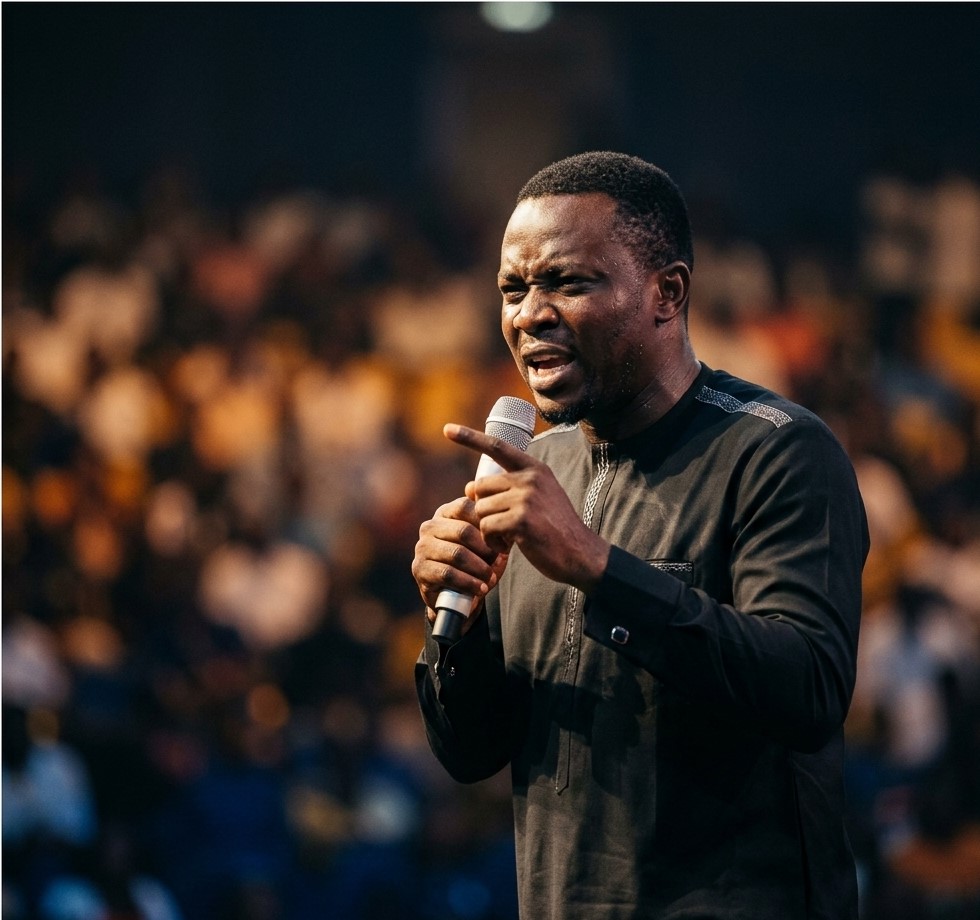
Nigerians do not just laugh for free anymore
The comedy industry now commands ticket prices that rival music concerts, and corporate brands pay comedians more than some bank managers earn in a year. What started as church hall performances and university campus nights has grown into a structured industry with measurable economic output.
According to general industry data, the live comedy segment has become a significant revenue generator in the entertainment sector. While specific 2025 revenue figures are still being tallied by agencies, the sector contributes billions of naira in direct revenue through ticket sales, corporate bookings, and comedy club operations across the country. Growth is projected to continue as digital consumption patterns stabilize.
The Numbers Behind the Laughter
BusinessDay recently analyzed the comedy industry structure, noting that comedy provides employment for thousands of people. This includes comedians, writers, videographers, sound engineers, and event support staff. The industry also creates a secondary economy for vendors and service providers outside event venues.
The revenue streams within the sector are diverse:
Live Shows Generate a Significant Share Major comedy brands like AY Live and Basketmouth’s various concerts continue to fill large indoor arenas. While ticket prices vary based on the venue and city, premium tables and VIP sections remain a high-revenue segment. Recent major shows in Lagos have demonstrated strong ticket demand, highlighting the public’s willingness to pay for premium live entertainment.
Corporate bookings account for another significant portion. Banks, telecommunications companies, and various corporate entities hire comedians for events at competitive rates. Top-tier comedians command millions of naira per private booking, reflecting their value as brand influencers and entertainers.
Digital Content Creates New Opportunities The skit maker explosion has added a new layer to the industry. Analysts estimate that top skit creators earn substantial monthly income through social media advertising, brand integrations, and sponsored content. The digital landscape in Nigeria now supports hundreds of comedy channels with significant subscriber bases.
The Nation reported that brand endorsement deals for comedians have seen steady growth. Telecommunications companies and consumer goods brands lead the spending. A comedian with a large, engaged following on social media can charge significant fees for single sponsored posts or long-term brand partnerships.
The Industry Structure
Channels Television and industry insiders describe the sector as having three distinct layers:
The Headliners This top tier consists of established names who headline their own shows and have national recognition. Names like Ali Baba, AY Makun, Basketmouth, and Bovi represent the foundation of the modern industry. These individuals often reinvest their earnings into production companies and other business ventures.
The Working Class Hundreds of comedians work steadily across Nigeria, earning their primary income from comedy. They perform at weddings, corporate events, and smaller shows. While incomes vary based on location and professional network, those based in commercial hubs like Lagos often see more frequent booking opportunities.
The Digital Content Creators Thousands of young Nigerians create comedy content for social media. While many start with little to no income, a small percentage successfully monetize their work. This segment has democratized the industry, allowing talent from across the country to find an audience without needing an initial platform in Lagos.
The Economic Ripple Effects
The entertainment industry provides indirect economic benefits to related sectors. For every major show, there is increased activity in transportation, food and drink, fashion, and hospitality. A typical large-scale comedy show in an urban center requires a variety of support staff, from security and ushers to technical crews and marketing agencies.
Vanguard News recently noted that major entertainment events create temporary employment for hundreds of people per production. This includes venue staff, logistics providers, and hospitality workers.
Nairametrics analyzed the fiscal contributions of the industry, noting that VAT from ticket sales and income tax from formal entities within the sector add to government revenue. As the industry becomes more formal, these contributions are expected to rise.
The Club and Digital Economy
Arise News investigated the comedy club scene in Lagos, noting that several venues now host regular comedy nights. These clubs employ permanent staff and provide a consistent platform for mid-level and upcoming talent. The club economy also supports local micro-entrepreneurs who operate near these venues.
On the digital side, TechPoint and other tech-focused outlets report significant growth in Nigerian comedy views on platforms like YouTube. This represents a substantial share of Nigerian digital content consumption. Top channels earn through the YouTube Partner Program, supplemented by direct brand payments.
Challenges and Opportunities
BusinessDay identified several structural hurdles:
Intellectual Property: Content creators often struggle with unauthorized reposting of their work.
Payment Cycles: Some performers face delays in receiving payments from clients.
Production Costs: Rising costs for venue rentals and equipment can impact the profitability of live shows.
Talent Development: There is a lack of formal training for aspiring comedians, who must learn through trial and error.
The Export and Film Connection
CNBC Africa reported that Nigerian comedians are a major export, performing regularly for diaspora audiences in the UK, USA, and Canada. These international tours generate significant foreign exchange and promote Nigerian culture globally. Premium Times has documented how top-tier comedians successfully navigate international logistics to reach these markets.
There is also a strong overlap between comedy and Nollywood. Comedians like AY and Funke Akindele have produced some of the highest-grossing films in Nigerian cinema history. This collaboration between the two sectors helps drive box office numbers and introduces talent to broader demographics.
The Road Ahead
The industry continues to thrive because of its low barrier to entry and its ability to reflect the Nigerian experience. To protect this growth, stakeholders have suggested a digital registry for content to help establish intellectual property ownership. This would assist creators in issuing takedown notices and managing their rights more effectively.
The laughter continues across Nigeria. Whether in Lagos clubs or on digital screens, comedians provide a necessary lens for society. The industry is no longer just about jokes; it is a significant economic pillar that supports thousands of livelihoods.

Digital Citizen Engagement Platforms for States Today: What Works and What Citizens Actually Experience

INEC 2027 Timetable and What It Means for Political Parties: Full Breakdown of Dates and Deadlines

Comedy Industry in Nigeria and Its Economic Contribution: How Laughter Became Big Business

Why Rent in Ikoyi and Banana Island Costs N180 Million Per Year: Verified Prices and Market Reality

How the Niger Coup Affected Nigeria’s Security Architecture: Border Closures and Military Realignments

Banditry, Kidnapping and Military Operations in Zamfara: The Situation in 2026

Makoko Demolitions and Over 80,000 Residents at Risk: The Facts on Ground

Construction and Real Estate Sector Outlook 2026 in Nigeria: Prices, Policies, and What Tenants Face

Why Healthcare Workers Keep Getting Infected With Lassa Fever: The 2026 Reality

Nigeria Produces 67 Percent Global Yam Output – FG Says: The Numbers Behind the Tuber

FRSC and NIMC Partner on Data Integration for Security: What This Means for Driver License Holders

How Nollywood Grew Without Government Support

Internet Sovereignty: Why Some Countries Want Their Own Separate Internet

How One Misplaced Dot Broke a Bank Login Page

The Untold Story Of The Nigerian Who Helped Build Global Internet Systems

Nigerian Hackers: The Global Fraud Story and Its Fallout

Forgotten Satellites Defy Silence, Beaming Signals for Decades

Do Not Allow Your Digital Store to Shut Down: The Exact Dates That Kill Websites

The “Village People” Aren’t Blocking Your Sales; Your Bad SEO Is.

The Business That Died because the Owner Refused to “Go Beyond.”

Why Are You Hiding Your Business From People With Money?

How Digital Maps Help Police Find Crime Spots

Entertainment as the Next Hope for Nigeria After Oil: What the Numbers Really Show
Digital Citizen Engagement Platforms for States Today: What Works and What Citizens Actually Experience
 Edutech Portal3 weeks ago
Internet Sovereignty: Why Some Countries Want Their Own Separate Internet
- Digital Hustle3 weeks ago
How One Misplaced Dot Broke a Bank Login Page
- Edutech Portal3 weeks ago
The Untold Story Of The Nigerian Who Helped Build Global Internet Systems
- Edutech Portal3 weeks ago
Nigerian Hackers: The Global Fraud Story and Its Fallout
- Edutech Portal3 weeks ago
Forgotten Satellites Defy Silence, Beaming Signals for Decades
- Edutech Portal3 weeks ago
Do Not Allow Your Digital Store to Shut Down: The Exact Dates That Kill Websites
- Edutech Portal3 weeks ago
The “Village People” Aren’t Blocking Your Sales; Your Bad SEO Is.
- Edutech Portal3 weeks ago
The Business That Died because the Owner Refused to “Go Beyond.”