Platform Development: Custom Web & Mobile Infrastructure Deployment | Go Beyond Local

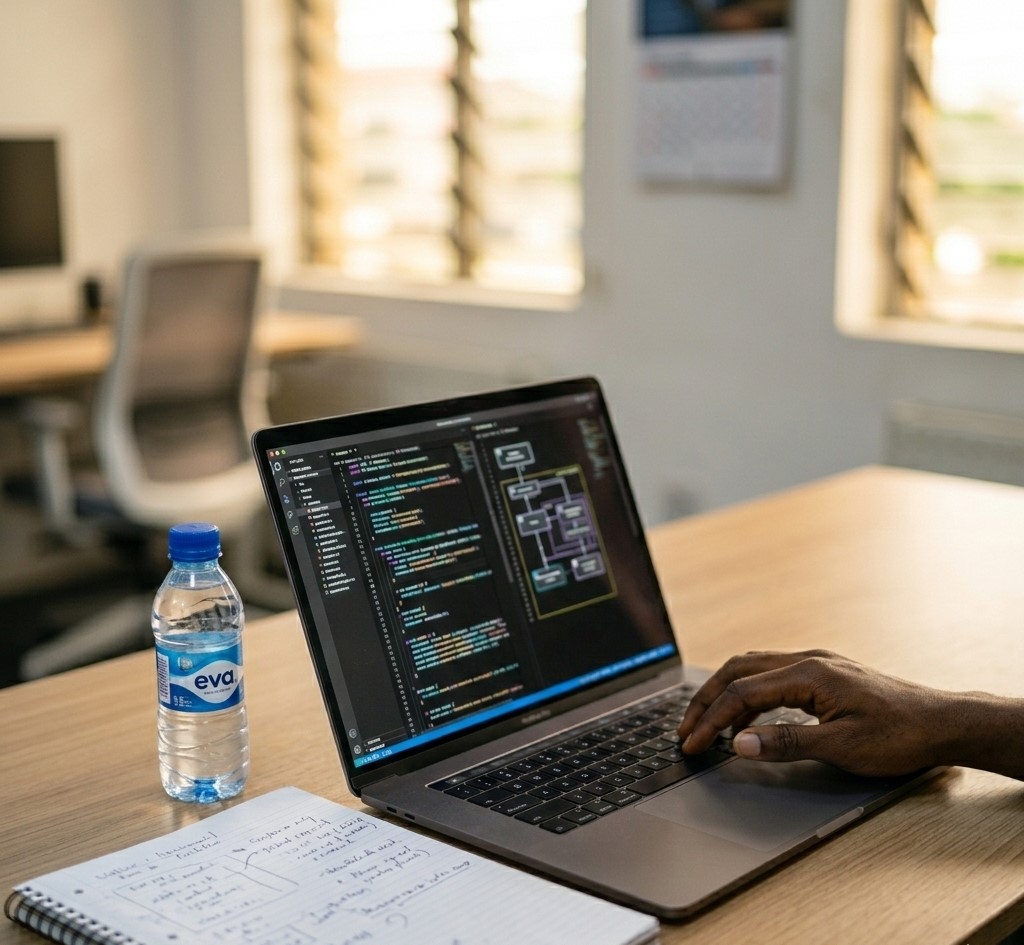
Custom Web and Mobile Infrastructure
A bank in Lagos processes two million transactions daily. Each transaction must be recorded, verified, and confirmed within seconds. The system cannot slow down. It cannot stop. It cannot lose a single naira.
A logistics company in Kano tracks three thousand deliveries daily. Drivers need to know where to go. Customers need to know when goods arrive. The system must work on phones with unreliable networks. It must sync when connection returns. It must never guess wrong.
A government ministry in Abuja manages records for twelve million citizens. Staff need to find any file within seconds. Different departments need different access. The system must scale as records grow. It must stay secure as threats evolve.
These are not software problems. They are infrastructure problems. The code matters, but what matters more is how the code runs: where it lives, how it scales, what happens when demand spikes, how it survives failure.
Go Beyond Local can build and deploy custom web and mobile infrastructure. The company builds platforms that run. Not just today, but next year and the year after. Not just for ten users, but for ten thousand. Not just when the network is strong, but when it fails and recovers.
What Platform Development Means
Platform development is the work of building the foundation on which applications run. It includes:
Server architecture: where the code lives
Database design: how data is stored and retrieved
API construction: how different systems talk to each other
Security layers: who can access what
Scaling mechanisms: what happens when demand grows
Deployment pipelines: how updates reach users
Monitoring systems: how we know when something breaks
A beautiful application on a weak platform will fail. A simple application on a strong platform will work. The platform determines what the user experiences, even though users never see it.
Industry analysis suggests that organizations that invest in infrastructure before features report significantly fewer downtime incidents than those that build features first and fix infrastructure later.
The Infrastructure Reality in Nigeria
Building platforms for Nigeria requires understanding local conditions.
Power is not guaranteed. A server that needs constant electricity must sit in a data centre with backup generators, not in a corner of the office. Applications must handle sudden shutdowns without corrupting data.
Internet is not uniform. A platform serving Lagos and a rural community in Borno must work differently in each place. Urban users may have 4G. Rural users may have 2G when they have anything at all. The platform must adapt.
Mobile dominates. More Nigerians access the internet through phones than computers. A platform designed for desktop first will fail. Mobile first is not optional.
Growth happens fast. A platform that works for one thousand users may break at ten thousand. Infrastructure must scale without requiring complete rebuilds.
Digital trends for 2026 note that Nigerian digital platforms often experience user growth rates higher than global averages after launch. Infrastructure that cannot scale becomes infrastructure that fails.
What Go Beyond Local Can Build
Scalable Web Infrastructure
Go Beyond Local can build web platforms that handle varying loads. When traffic is low, infrastructure uses fewer resources. When traffic spikes, infrastructure adds capacity automatically. Organizations pay for what they use, not for what they might need at peak.
The architecture separates different functions so they can scale independently. The database can grow without slowing the application. The application can grow without breaking the database. New features can be added without rebuilding everything.
Mobile Application Backends
Mobile apps need servers to talk to. A user’s phone sends requests; the backend processes them and sends responses. Go Beyond Local can build backends designed for mobile:
Lightweight responses that work on slow networks
Offline capability that stores data locally and syncs later
Push notifications that reach users even when the app is closed
Efficient data transfer that minimizes mobile data usage
API Construction
Different systems need to talk to each other. A payment platform needs to talk to a bank. A logistics app needs to talk to a mapping service. A government portal needs to talk to multiple ministry databases.
Go Beyond Local can build APIs (Application Programming Interfaces) that enable this communication. The APIs are:
Secure: only authorized systems can connect
Documented: developers can understand how to use them
Versioned: updates don’t break existing connections
Monitored: problems are detected before users notice
Database Design
Data must be stored where it can be found. A poorly designed database becomes slower as it grows. Queries that once took seconds may take minutes. Users notice.
Go Beyond Local can design databases optimized for:
Speed: frequently accessed data retrieves quickly
Integrity: relationships between data remain consistent
Scalability: performance degrades gracefully as data grows
Backup: data can be restored if something goes wrong
Cloud Deployment
Physical servers require space, cooling, power, and maintenance. Cloud infrastructure removes these burdens. Go Beyond Local can deploy platforms on cloud providers that offer:
Automatic scaling: capacity adjusts to demand
Geographic distribution: users connect to nearby servers
Managed services: the cloud provider handles maintenance
Pay-per-use: organizations pay only for what they consume
Nairametrics reports that Nigerian businesses using cloud infrastructure spend significantly less on IT maintenance than those running their own servers.
Security Implementation
Platforms hold valuable data. Customer information. Financial records. Government documents. This data must be protected.
Go Beyond Local can implement security at multiple levels:
Network security: firewalls and access controls
Application security: code that resists attacks
Data security: encryption for stored and transmitted information
Access security: authentication and authorization
Audit security: logs that show who did what
Monitoring and Alerting
Problems happen. Servers fail. Networks drop. Code has bugs. The question is not whether issues occur but how quickly they are detected and fixed.
Go Beyond Local can build monitoring systems that:
Track performance: response times, error rates, resource usage
Detect anomalies: unusual patterns that may indicate problems
Send alerts: notify the right people when something breaks
Provide dashboards: visualize system health in real time
The Development Process
Discovery and Architecture
Before writing code, the team must understand what the platform needs to do. How many users? What features? What growth rate? What budget?
Go Beyond Local works with organizations to answer these questions. The output is an architecture document showing:
How different components will connect
What technologies will be used
How the system will scale
What security measures will protect it
What it will cost to run
Development
With architecture approved, development begins. Code is written in modules that can be tested independently. Each module is built, tested, and reviewed before the next begins.
Development follows modern practices:
Version control: every change is tracked
Code reviews: multiple eyes check for errors
Automated testing: computers verify that code works
Continuous integration: changes are merged and tested frequently
Testing
Before deployment, the platform undergoes testing:
Load testing: what happens under heavy use
Security testing: can it resist attacks
Integration testing: do components work together
User acceptance testing: does it meet the organization’s needs
BusinessDay reports that platforms tested thoroughly before launch experience significantly fewer critical failures in the first year of operation.
Deployment
Deployment moves the platform from development to production. Go Beyond Local uses automated deployment pipelines that:
Reduce human error
Make deployments repeatable
Allow quick rollbacks if problems occur
Document exactly what changed
Ongoing Support
After deployment, the work continues. Go Beyond Local can provide:
Infrastructure monitoring: watching for problems
Performance optimization: making the platform faster
Security updates: patching vulnerabilities
Feature development: adding capabilities over time
Why Infrastructure Matters
A platform is only as strong as its weakest component. A beautiful user interface means nothing if the database crashes. Fast code means nothing if the server is overloaded. Great features mean nothing if security fails.
User behavior reports document that many users who experience platform problems do not complain. They simply stop using the service. They tell others about their experience. The organization never knows why engagement dropped.
Infrastructure problems are invisible until they become catastrophic. A server running at high capacity may work fine for months. Then traffic increases slightly, and everything stops. By then, it is too late to fix.
Go Beyond Local builds infrastructure with headroom: capacity beyond current needs. The platform can grow without breaking. Problems can be fixed before users notice.
Examples in Practice
Financial Services Platform
A Nigerian fintech company needed a platform that could handle rapid growth. They reached high user milestones much faster than projected.
Go Beyond Local built infrastructure that scaled automatically. When user numbers grew faster than projected, the platform added capacity without intervention. The company maintained operations during the growth surge.
According to the company’s technical leadership, as quoted in TechPoint: “The infrastructure handled the growth surge even when it arrived faster than we anticipated.”
Government Records System
A state ministry needed to digitize land records spanning decades. The system would be used by staff daily and accessed by citizens through a portal.
Go Beyond Local designed a database that could handle millions of records with rapid search times. Security controls ensured that only authorized staff could modify records while citizens could view their own.
Channels Television reported that the system processed thousands of searches in its first month with high availability.
Logistics Platform
A delivery company in northern Nigeria needed a platform that worked where internet was unreliable. Drivers needed to receive updates even in areas with poor coverage.
Go Beyond Local built a mobile app that stored data locally and synced when connection returned. Drivers could complete deliveries offline; the system updated automatically when they reached areas with signal.
Vanguard News interviewed a driver who noted that the system allows him to keep working even when signal is lost, catching up once he returns to coverage.
Technical Considerations
Choice of Technology
Different problems require different tools. A simple content website needs different infrastructure than a complex financial application.
Go Beyond Local selects technologies based on:
The problem being solved
The skills available to maintain it
The budget for running it
The growth expected over time
The company does not force every project into the same template. Each platform uses the right tools for its specific needs.
Cloud vs On-Premise
Some organizations prefer to run their own servers. Others prefer cloud infrastructure. Each has tradeoffs.
Cloud advantages:
No hardware to buy
Scales automatically
Pay for what you use
Managed by experts
On-premise advantages:
Full control
Data remains physically within the organization
Predictable costs
No internet dependency for local use
Go Beyond Local can build for either environment. The choice depends on the organization’s needs, not the company’s preference.
Data Sovereignty
Some data must remain in Nigeria. Financial records. Government documents. Personal information covered by privacy regulations.
Go Beyond Local ensures that platforms respect these requirements. Data can be stored in Nigerian data centres when required. International cloud providers with local regions can be used when appropriate.
Disaster Recovery
Things go wrong. Servers fail. Data corrupts. Mistakes happen.
A proper platform includes disaster recovery:
Regular backups stored separately
Procedures for restoring service
Testing to ensure recovery works
Documentation so anyone can follow the steps
Go Beyond Local builds recovery into every platform. When something goes wrong, the organization knows how to fix it.
What Organizations Can Expect
Reliability
A well-built platform works when users need it. It does not crash at peak times. It does not slow down as data grows. It does not lose information.
Reliability is not an accident. It is designed in from the start.
Security
A well-built platform protects its data. Unauthorized users cannot access it. Attacks cannot penetrate it. Breaches, when they happen, are detected quickly.
Security is not a feature added later. It is part of every decision.
Scalability
A well-built platform grows with the organization. When user numbers double, the platform handles it. When new features are added, the platform accommodates them.
Scalability is not about guessing the future. It is about building so that whatever happens, the platform can adapt.
Maintainability
A well-built platform can be changed. New developers can understand it. Updates can be made without breaking existing features. Bugs can be fixed quickly.
Maintainability is not about the first year. It is about the long term, ensuring the system remains viable even after original developers move on.
The Cost of Infrastructure Failure
Building infrastructure involves investment. Not building infrastructure often involves higher hidden costs.
A platform that crashes during peak hours loses revenue. A platform that loses data loses trust. A platform that cannot scale loses opportunities. A platform that gets hacked loses everything.
Business reports estimate that Nigerian businesses face significant financial losses annually due to infrastructure failures: downtime, data loss, security breaches, and performance problems that drive users away.
Most of these losses are preventable. The infrastructure can be built better. The problems can be anticipated. The failures can be avoided.
What Go Beyond Local Can Provide
Go Beyond Local can build custom web and mobile infrastructure for organizations that need platforms that work. The company provides:
Expertise: experience building for Nigerian conditions
Flexibility: solutions tailored to specific needs
Transparency: organizations understand what they are getting
Support: help when things go wrong
Partnership: working together over the long term
The company does not sell software licenses. It builds platforms. The difference is the difference between buying a car and having one built for your roads, your passengers, your destinations.
One Action an Organization Can Take
An organization can start with one platform that matters. Not everything at once. One system that causes the most pain, the most delay, the most risk.
Map what that platform needs to do. How many users? What features? What data? What growth?
Talk with Go Beyond Local about what building it would require. Not a sales pitch. A conversation about the problem and how technology might solve it.
When that one platform works, consider the next one. And the next. Until gradually, platform by platform, the organization’s digital infrastructure becomes something that enables rather than something that limits.
This is how transformation happens. Not through massive projects that take years and cost fortunes. Through one platform, one success, one step at a time. The digital bridge is built span by span. Each span makes the next one possible.

Citizen Engagement
Digital Citizen Engagement Platforms for States Today: What Works and What Citizens Actually Experience

Politics
INEC 2027 Timetable and What It Means for Political Parties: Full Breakdown of Dates and Deadlines

INEC and the 2027 Election Timetable
The Independent National Electoral Commission (INEC) runs on a schedule that political parties ignore at their own peril. Missing just one deadline can boot a candidate off the ballot faster than any court ruling. The 2027 calendar sets the pace for everything, from internal primaries and rallies to the final vote on election day.
Based on official updates shared in late February 2026, the commission has shifted the 2027 timeline. This change follows the scrap of the 2022 Act and the signing of the Electoral Act 2026 by President Bola Tinubu. The new dates ensure that voting does not clash with the holy month of Ramadan, answering a major concern from the public.
The Legal Basis for the New Dates
The Electoral Act 2026 grants INEC the power to set these dates. Section 28 of the new law now asks INEC to post the notice of election at least 300 days before the vote, a drop from the 360 days used previously. For 2027, the formal notice went out in February 2026 to stay in line with this updated rule.
National news reports confirmed the shift. Moving away from the usual February window, the Presidential and National Assembly elections are now set for January 16, 2027. State-level contests for Governors and Houses of Assembly will follow on February 6, 2027.
BusinessDay noted that this faster pace gives parties much less time to fix internal issues. Any group that fails to hold its primaries within the new window loses the chance to be on the ballot at all.
Key Dates for Political Parties
INEC Chairman Professor Joash Ojo Amupitan noted in February 2026 that the commission will strictly follow these legal dates. Under the 2026 Act, the commission holds the reins, and every deadline is final.
The 2027 schedule includes several points that cannot be moved:
Notice of Election
This starts the entire process. Under the 2026 law, this must be public 300 days before the vote. It lists the dates, the seats up for grabs, and the legal rules. This was re-issued on February 26, 2026, to match the January election dates.
Primary Election Window
The new plan requires parties to hold their primaries between April 23 and May 30, 2026. This includes fixing any internal fights. Primaries held after this will be blocked by the commission’s digital portal.
Submitting Names
After picking candidates, parties must upload their names. The 2026 Act makes this digital process stricter to stop the “placeholder” candidate trick. These dates are firm, with no swaps allowed later except for death or a legal withdrawal.
Campaign Launch and End
Public campaigning for federal seats starts on August 19, 2026. State-level campaigns begin on September 9, 2026. All public noise must stop 24 hours before the polls open.
Final Candidate List
INEC will post the final list well before the January polls. This ends the window for any last-minute changes due to candidates leaving the race or passing away.
Election Day
Voting for the President and National Assembly happens on January 16, 2027. State elections take place on February 6, 2027. INEC rules state all gear must be at polling units by 8:30 a.m., with party agents watching closely.
The Impact on Political Groups
The move to January makes the lead-up much shorter for everyone. Both big and small parties have to fix their plans to hit these early marks.
For Major Parties
The PwC Nigeria Economic Outlook 2026 pointed out that groups must deal with a more disciplined environment. For parties, this means raising money and spending on primaries earlier. The April 2026 start means internal leadership rows must be settled now.
For Smaller Parties
The pressure is on. Smaller groups need to show a national face and finish primaries by May 2026. While they can pick a single consensus choice, they need written proof from everyone involved that follows the party rules filed with INEC.
For New Parties
Right now, the door for new groups to join the 2027 race has mostly closed. INEC usually stops taking new sign-ups once the formal notice is out and the process is moving.
Technology in the 2027 Race
The Electoral Act 2026 adds new ways to protect digital results. While BVAS and the IReV portal are back, the law now requires instant checks to make sure the total votes don’t go over the number of verified voters.
Voter Updates
INEC has kicked off a drive to clean up the voter list. Registration started in early 2026 and is set to wrap up on August 30, 2026. No new names can be added after that.
Getting Your PVC
The schedule sets specific times for picking up voter cards. INEC has noted that cards not picked up will go to local offices for one last chance before the January vote.
Trial Runs
To prove the system works, INEC will run test runs across every district. These verify that the BVAS tools are ready and the network can handle sending results.
The Reality for Staff and Parties
In local offices, the reality of the January shift is hitting home. Many party reps are worried about the short time for primaries. The word from the commission is simple: the law is our map, and the schedule is there to make sure power is handed over in May 2027.
Fines and Penalties
The Electoral Act 2026 offers no shortcuts. Once the portal shuts, it is over. Breaking the rules leads to:
- Losing a spot on the ballot if names aren’t in on time.
- Primaries held outside the April or May window being tossed out.
- Fines or getting kicked out for campaigning too early or too late.
Next Steps for Parties
Parties should check their member lists now and make sure candidates follow the rules. Training agents and checking party laws should start today, as the vote is less than a year away.
A Push for Ease
To help smaller groups, some have asked INEC to put out a basic calendar alongside the heavy legal papers. Making the January 16 election date and the April 23 primary start easy to see helps keep the race fair for everyone.
The 2027 process is now in motion. With the January dates locked in, the outcome depends on whether politicians can show the discipline to follow the rules.
Entertainment & Media
Comedy Industry in Nigeria and Its Economic Contribution: How Laughter Became Big Business
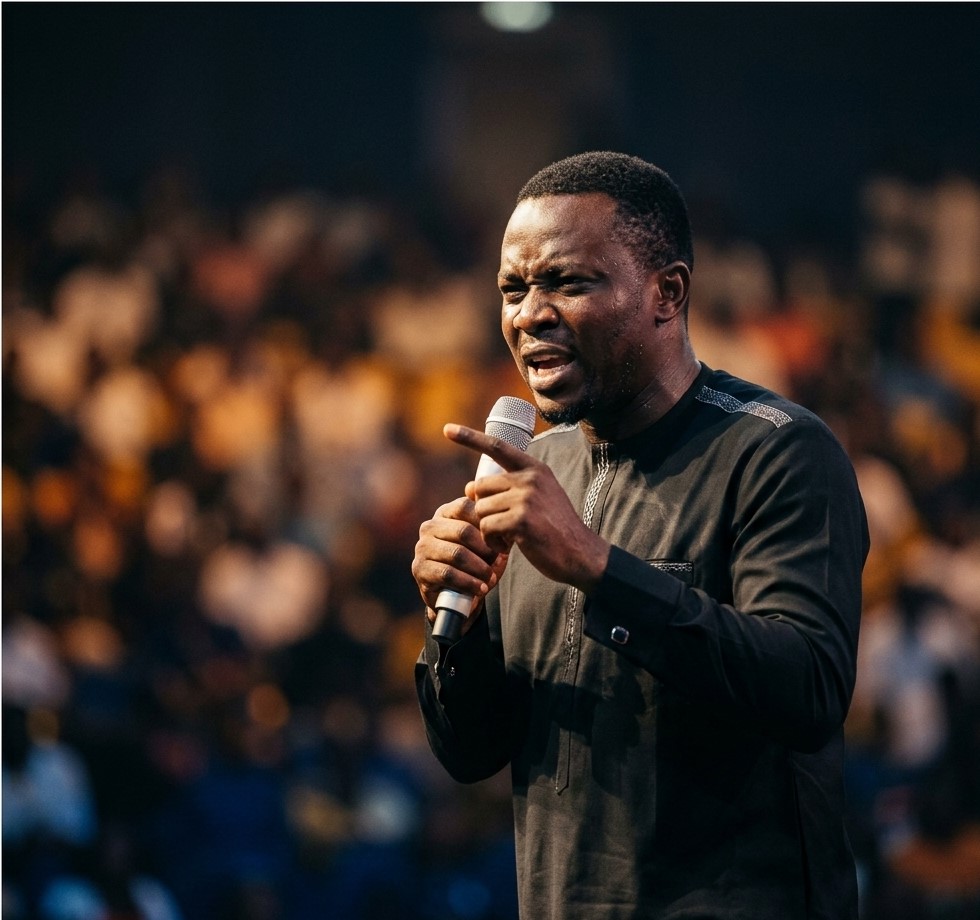
Nigerians do not just laugh for free anymore
The comedy industry now commands ticket prices that rival music concerts, and corporate brands pay comedians more than some bank managers earn in a year. What started as church hall performances and university campus nights has grown into a structured industry with measurable economic output.
According to general industry data, the live comedy segment has become a significant revenue generator in the entertainment sector. While specific 2025 revenue figures are still being tallied by agencies, the sector contributes billions of naira in direct revenue through ticket sales, corporate bookings, and comedy club operations across the country. Growth is projected to continue as digital consumption patterns stabilize.
The Numbers Behind the Laughter
BusinessDay recently analyzed the comedy industry structure, noting that comedy provides employment for thousands of people. This includes comedians, writers, videographers, sound engineers, and event support staff. The industry also creates a secondary economy for vendors and service providers outside event venues.
The revenue streams within the sector are diverse:
Live Shows Generate a Significant Share Major comedy brands like AY Live and Basketmouth’s various concerts continue to fill large indoor arenas. While ticket prices vary based on the venue and city, premium tables and VIP sections remain a high-revenue segment. Recent major shows in Lagos have demonstrated strong ticket demand, highlighting the public’s willingness to pay for premium live entertainment.
Corporate bookings account for another significant portion. Banks, telecommunications companies, and various corporate entities hire comedians for events at competitive rates. Top-tier comedians command millions of naira per private booking, reflecting their value as brand influencers and entertainers.
Digital Content Creates New Opportunities The skit maker explosion has added a new layer to the industry. Analysts estimate that top skit creators earn substantial monthly income through social media advertising, brand integrations, and sponsored content. The digital landscape in Nigeria now supports hundreds of comedy channels with significant subscriber bases.
The Nation reported that brand endorsement deals for comedians have seen steady growth. Telecommunications companies and consumer goods brands lead the spending. A comedian with a large, engaged following on social media can charge significant fees for single sponsored posts or long-term brand partnerships.
The Industry Structure
Channels Television and industry insiders describe the sector as having three distinct layers:
The Headliners This top tier consists of established names who headline their own shows and have national recognition. Names like Ali Baba, AY Makun, Basketmouth, and Bovi represent the foundation of the modern industry. These individuals often reinvest their earnings into production companies and other business ventures.
The Working Class Hundreds of comedians work steadily across Nigeria, earning their primary income from comedy. They perform at weddings, corporate events, and smaller shows. While incomes vary based on location and professional network, those based in commercial hubs like Lagos often see more frequent booking opportunities.
The Digital Content Creators Thousands of young Nigerians create comedy content for social media. While many start with little to no income, a small percentage successfully monetize their work. This segment has democratized the industry, allowing talent from across the country to find an audience without needing an initial platform in Lagos.
The Economic Ripple Effects
The entertainment industry provides indirect economic benefits to related sectors. For every major show, there is increased activity in transportation, food and drink, fashion, and hospitality. A typical large-scale comedy show in an urban center requires a variety of support staff, from security and ushers to technical crews and marketing agencies.
Vanguard News recently noted that major entertainment events create temporary employment for hundreds of people per production. This includes venue staff, logistics providers, and hospitality workers.
Nairametrics analyzed the fiscal contributions of the industry, noting that VAT from ticket sales and income tax from formal entities within the sector add to government revenue. As the industry becomes more formal, these contributions are expected to rise.
The Club and Digital Economy
Arise News investigated the comedy club scene in Lagos, noting that several venues now host regular comedy nights. These clubs employ permanent staff and provide a consistent platform for mid-level and upcoming talent. The club economy also supports local micro-entrepreneurs who operate near these venues.
On the digital side, TechPoint and other tech-focused outlets report significant growth in Nigerian comedy views on platforms like YouTube. This represents a substantial share of Nigerian digital content consumption. Top channels earn through the YouTube Partner Program, supplemented by direct brand payments.
Challenges and Opportunities
BusinessDay identified several structural hurdles:
Intellectual Property: Content creators often struggle with unauthorized reposting of their work.
Payment Cycles: Some performers face delays in receiving payments from clients.
Production Costs: Rising costs for venue rentals and equipment can impact the profitability of live shows.
Talent Development: There is a lack of formal training for aspiring comedians, who must learn through trial and error.
The Export and Film Connection
CNBC Africa reported that Nigerian comedians are a major export, performing regularly for diaspora audiences in the UK, USA, and Canada. These international tours generate significant foreign exchange and promote Nigerian culture globally. Premium Times has documented how top-tier comedians successfully navigate international logistics to reach these markets.
There is also a strong overlap between comedy and Nollywood. Comedians like AY and Funke Akindele have produced some of the highest-grossing films in Nigerian cinema history. This collaboration between the two sectors helps drive box office numbers and introduces talent to broader demographics.
The Road Ahead
The industry continues to thrive because of its low barrier to entry and its ability to reflect the Nigerian experience. To protect this growth, stakeholders have suggested a digital registry for content to help establish intellectual property ownership. This would assist creators in issuing takedown notices and managing their rights more effectively.
The laughter continues across Nigeria. Whether in Lagos clubs or on digital screens, comedians provide a necessary lens for society. The industry is no longer just about jokes; it is a significant economic pillar that supports thousands of livelihoods.

Digital Citizen Engagement Platforms for States Today: What Works and What Citizens Actually Experience

INEC 2027 Timetable and What It Means for Political Parties: Full Breakdown of Dates and Deadlines

Comedy Industry in Nigeria and Its Economic Contribution: How Laughter Became Big Business

Why Rent in Ikoyi and Banana Island Costs N180 Million Per Year: Verified Prices and Market Reality

How the Niger Coup Affected Nigeria’s Security Architecture: Border Closures and Military Realignments

Banditry, Kidnapping and Military Operations in Zamfara: The Situation in 2026

Makoko Demolitions and Over 80,000 Residents at Risk: The Facts on Ground

Construction and Real Estate Sector Outlook 2026 in Nigeria: Prices, Policies, and What Tenants Face

Why Healthcare Workers Keep Getting Infected With Lassa Fever: The 2026 Reality

Nigeria Produces 67 Percent Global Yam Output – FG Says: The Numbers Behind the Tuber

FRSC and NIMC Partner on Data Integration for Security: What This Means for Driver License Holders

How Nollywood Grew Without Government Support

Internet Sovereignty: Why Some Countries Want Their Own Separate Internet

How One Misplaced Dot Broke a Bank Login Page

The Untold Story Of The Nigerian Who Helped Build Global Internet Systems

Nigerian Hackers: The Global Fraud Story and Its Fallout

Forgotten Satellites Defy Silence, Beaming Signals for Decades

Do Not Allow Your Digital Store to Shut Down: The Exact Dates That Kill Websites

The “Village People” Aren’t Blocking Your Sales; Your Bad SEO Is.

The Business That Died because the Owner Refused to “Go Beyond.”

Why Are You Hiding Your Business From People With Money?

How Digital Maps Help Police Find Crime Spots

Entertainment as the Next Hope for Nigeria After Oil: What the Numbers Really Show
Digital Citizen Engagement Platforms for States Today: What Works and What Citizens Actually Experience
 Edutech Portal3 weeks ago
Internet Sovereignty: Why Some Countries Want Their Own Separate Internet
- Digital Hustle3 weeks ago
How One Misplaced Dot Broke a Bank Login Page
- Edutech Portal3 weeks ago
The Untold Story Of The Nigerian Who Helped Build Global Internet Systems
- Edutech Portal3 weeks ago
Nigerian Hackers: The Global Fraud Story and Its Fallout
- Edutech Portal3 weeks ago
Forgotten Satellites Defy Silence, Beaming Signals for Decades
- Edutech Portal3 weeks ago
Do Not Allow Your Digital Store to Shut Down: The Exact Dates That Kill Websites
- Edutech Portal3 weeks ago
The “Village People” Aren’t Blocking Your Sales; Your Bad SEO Is.
- Edutech Portal3 weeks ago
The Business That Died because the Owner Refused to “Go Beyond.”