Intelligence & Data: Market Research, Visibility Studies & Analytics | Go Beyond Local


Strategic Intelligence and Data In Nigeria with Market Research
A manufacturer in Nnewi wants to expand into a new territory. They have questions. Who are the competitors already there? What price will customers accept? How many units can they expect to sell each month? They ask around. They hear conflicting answers. They make a decision based on the loudest opinion. Six months later, they discover they priced too high and targeted the wrong customer segment.
A property developer in Abuja plans to build a new housing estate. They need to know: is there demand for three bedroom units at this location? What price point will the market bear? How quickly will units sell? They rely on instinct. They build. Units sit unsold for two years. Capital is trapped.
A bank in Lagos wants to launch a new loan product for small businesses. They need data: how many businesses fit their target profile? What interest rates do competitors offer? What loan sizes do businesses actually need? They launch based on internal assumptions. Uptake is one tenth of projections.
Go Beyond Local can provide intelligence and data services including market research, visibility studies, and analytics. Organizations are positioned to make decisions based on evidence rather than instinct. The company holds the resources to help clients see the scope before they act.
Data Are Not Guesses
Decisions made without data are guesses. Some guesses work. Many do not. The cost of wrong guesses can be measured in wasted capital, missed opportunities, and competitive disadvantage.
According to the 2026 PwC Nigeria Economic Outlook, organizations that base decisions on formal research and analytics report more stable outcomes than those that rely on intuition alone. The difference appears in product launch success rates, market entry outcomes, and resource allocation efficiency.
BusinessDay reported in February 2026 that Nigerian businesses which conducted formal market research before launching new products were more likely to reach their revenue targets in the first year. The research cost often represents a small fraction of the launch budget, whereas the cost of failure is much higher.
Industry reports note that information asymmetry—where one party has better information than another—creates a competitive edge. Organizations that invest in intelligence gain a view that competitors without data lack.
Three Ways Organizations Use Intelligence
Consumer Understanding
Who are the potential customers? What do they want? What do they currently buy? How much will they pay? What influences their choices? Research is equipped to answer these questions through surveys, focus groups, and in-depth interviews. Go Beyond Local is structured to reach consumers across Nigeria’s diverse markets from Lagos to Kano and Port Harcourt to Maiduguri.
Competitive Landscape
Who else is serving this market? What are their strengths and weaknesses? What do they charge? How do they reach customers? What gaps exist in their offerings? Competitor analysis provides a map of the landscape. Organizations can see where others are strong and where opportunities exist.
Market Sizing
How large is the potential market? How many customers exist? How much do they spend annually? Market sizing puts numbers around opportunity. Organizations are able to estimate whether a market is worth entering and what share they might capture.
Distribution Channel Research
How do products reach customers in this market? Through retailers? Direct sales? Online platforms? Distributors? Distribution research maps the path to the customer. Organizations can design channel strategies based on reality rather than assumption.
Nairametrics reported that companies investing in market research before Nigeria entry decisions had lower failure rates than those entering based on general optimism.
Visibility Studies: Beyond Market Research
A visibility study examines whether a project, product, or business can function in a specific environment. It looks beyond the market to consider regulatory, operational, and contextual factors.
Feasibility Studies
Can this project work? What resources will it require? What obstacles exist? Feasibility studies examine a proposed venture from multiple angles: technical feasibility, financial viability, operational requirements, and risk factors. They provide a recommendation based on evidence rather than optimism.
Due Diligence Investigations
Before acquiring a company or partnering with a business, what should the client know? Are the claims accurate? What hidden risks exist? Due diligence investigations verify information and provide a complete picture of what the client is entering.
Location and Site Assessments
Where should the factory be built? Which city offers the best conditions? Location assessments evaluate potential sites against specific criteria. The client can choose based on data rather than convenience.
Regulatory and Compliance Mapping
What permits are required? Which agencies regulate this activity? What are the compliance requirements? Regulatory mapping provides a roadmap through government requirements. Organizations are enabled to plan timelines and budgets with realistic expectations.
Vanguard News has documented cases where businesses struggled because they underestimated regulatory requirements. Visibility studies are designed to prevent such surprises.
Making Sense of Existing Data
Data already exists within most organizations. Sales records, customer information, and operational metrics contain insights waiting to be uncovered. Analytics makes the invisible visible.
Descriptive Analytics
What happened? How many units sold last quarter? Which regions performed best? Descriptive analytics summarizes historical data to show what has occurred.
Diagnostic Analytics
Why did it happen? Why did sales decline in the South-South? Why did production costs rise? Diagnostic analytics investigates causes to understand why trends occur.
Predictive Analytics
What will happen next? Which customers are likely to leave? What will demand look like next quarter? Predictive analytics uses historical data to forecast future outcomes.
Prescriptive Analytics
What should we do? Which pricing strategy will increase revenue? Which marketing channels deserve more investment? Prescriptive analytics recommends actions by suggesting the best path forward.
Industry reviews in 2026 note that Nigerian companies adopting analytics capabilities report improved decision-making speed. Data reduces the time spent debating opinions.
The Engagement Process
Phase One: Discovery. Every engagement begins with understanding. What decisions does the client need to make? What information would make those decisions easier? The Go Beyond Local team meets with client stakeholders to define objectives.
Phase Two: Design. Based on discovery findings, the team designs a research or analytics plan. The design specifies what data will be collected, the methods used, the timeline, and the expected outcomes. The client reviews the design before work begins.
Phase Three: Execution. The team executes the plan. For research, this means fieldwork such as surveys and interviews. For analytics, this means data processing and modeling. The team maintains communication with the client throughout.
Phase Four: Analysis and Interpretation. Raw data becomes meaningful through analysis. The team examines findings, identifies patterns, and draws conclusions focused on the client’s original questions.
Phase Five: Reporting and Recommendations. Findings are delivered in accessible formats such as reports, presentations, or dashboards. Recommendations are explicit: based on this data, here is the suggested path. The team remains available to explain implications.
What Happens When Organizations Skip Research
Organizations that skip research and analytics save money in the short term. In the long term, they often pay more. Premium Times analyzed business failures in Nigeria and found that inadequate market understanding was a frequent contributing factor.
A failed product launch costs development expenses and marketing investment. A failed market entry costs setup costs and exit expenses. Research and analytics act as protection against expensive mistakes.
Industry reports estimate that Nigerian organizations may lose significant sums annually to decisions that better information could have improved. This includes product failures, wasted marketing spend, and missed opportunities.
Applying Intelligence Services
Go Beyond Local commands the expertise to conduct market research, visibility studies, and analytics tailored to each client’s specific needs. The team combines research expertise, local knowledge of Nigerian markets, and sector experience across manufacturing, services, and finance.
A manufacturer considering expansion can get data about new territories. A property developer planning a project can gain visibility on demand and pricing. An investor evaluating an opportunity can obtain due diligence. The work is architected to answer specific questions and support specific decisions.
First Step for Any Organization
An organization may identify one decision it faces in the next six months. It could be entering a new territory, launching a new product, or changing a pricing strategy. The organization can ask: what do we need to know to make this decision well? What assumptions are we making that data could verify?
It can then invest in getting that information. A study focused on that one question can replace assumption with evidence. When that decision turns out better because of the information, the organization can repeat the process for the next decision. Gradually, data-driven decision making becomes the standard rather than the exception.
Go Beyond Local is positioned to help with each step. The company maintains the capacity to design the study, collect the data, and deliver the insights to help the organization achieve better outcomes.

Politics
INEC 2027 Timetable and What It Means for Political Parties: Full Breakdown of Dates and Deadlines

INEC and the 2027 Election Timetable
The Independent National Electoral Commission (INEC) operates on a schedule that political parties must follow. Missing a deadline can result in a candidate being excluded from the ballot. The 2027 electoral calendar determines the timeline for party primaries, campaigns, and election day.
As of March 2026, INEC has not released an official timetable for the 2027 general elections. The commission typically announces the schedule approximately one year before the election date. Based on the Electoral Act 2022, elections are expected to follow the established cycle, with presidential and national assembly elections traditionally held in February.
The Legal Basis for Election Dates
The Electoral Act 2022 is the current governing law for Nigerian elections. According to the Act, INEC has the authority to set election dates. Section 28 of the Electoral Act 2022 requires INEC to publish the notice of election at least 360 days before the date appointed for the election.
Contrary to some reports, the Electoral Act 2026 does not exist. The National Assembly has not passed any new electoral act since 2022. President Bola Tinubu has not signed any Electoral Act 2026 into law. All references to this act are incorrect.
The 2027 elections will be conducted under the existing Electoral Act 2022, unless a new act is passed and signed into law before then.
INEC Leadership and Official Statements
The current Chairman of INEC is Professor Mahmood Yakubu, who was reappointed for a second term in 2020. His tenure runs until November 2025. Any reference to “Professor Joash Ojo Amupitan” as INEC Chairman is incorrect.
As of March 2026, INEC has not announced any changes to the 2027 election timetable. The commission typically releases the official schedule through its website and national press conferences. Political parties are advised to monitor INEC’s official channels for accurate information.
Key Dates Under the Electoral Act 2022
Based on the Electoral Act 2022 and previous election cycles, the 2027 schedule would likely include the following milestones:
Notice of Election
Under Section 28 of the Electoral Act 2022, INEC must publish the notice of election at least 360 days before election day. If the presidential election follows the traditional February timeline, the notice would be published around February-March 2026.
Party Primaries
The Electoral Act 2022 requires political parties to conduct primaries within a specified window determined by INEC. In the 2023 cycle, primaries were held between April and June of the preceding year.
Candidate Nomination
After primaries, parties must submit their candidate lists to INEC through the online nomination portal. The commission enforces strict deadlines for these submissions.
Campaign Period
According to Section 99 of the Electoral Act 2022, campaign periods begin 150 days before polling day and end 24 hours before the election.
Election Day
Nigerian general elections have traditionally been held in February. The 2015 elections were held on March 28, 2019 on February 23, and 2023 on February 25. Based on this pattern, the 2027 presidential election would likely be scheduled for a Saturday in February 2027, not January 16 as incorrectly claimed in some reports.
The Ramadan Consideration
According to Islamic calendar predictions, Ramadan 2027 is expected to begin around February 7, 2027. This has led to discussions about whether INEC might adjust the election date to avoid a clash with the holy month. However, as of March 2026, INEC has made no official announcement regarding any such adjustment.
In previous cycles, INEC has considered religious and public holidays when scheduling elections. Any change to the traditional February timeline would require formal notification under the Electoral Act 2022.
Voter Registration and PVC Collection
INEC conducts continuous voter registration, which may be suspended several months before an election. According to INEC statements quoted by Premium Times and The Nation, the commission typically stops registration 90 days before an election to allow for processing and production of Permanent Voter Cards (PVCs).
The commission has not announced specific dates for the suspension of registration ahead of the 2027 elections. Political parties and civil society organizations have urged INEC to publish a clear timeline for voter registration updates.
Technology in the 2027 Elections
The Electoral Act 2022 mandates the use of technology in elections. INEC deployed the Bimodal Voter Accreditation System (BVAS) and the INEC Result Viewing (IReV) portal in the 2023 elections.
According to Arise News reports, INEC has stated its intention to improve these systems for future elections. The commission has conducted post-election reviews and stakeholder engagements to address technical challenges experienced in 2023.
Penalties Under the Electoral Act 2022
The Electoral Act 2022 establishes penalties for violations:
- Failure to submit candidate names by the deadline results in exclusion from the ballot.
- Political parties that conduct primaries outside the approved window risk having their candidates disqualified.
- Early campaigning before the official start date may result in sanctions from INEC.
What Parties Should Do Now
Political parties preparing for 2027 should:
- Monitor INEC’s official website and social media for announcements
- Review the Electoral Act 2022 and INEC regulations
- Plan internal party activities, including primaries, well in advance
- Ensure compliance with the 360-day notice requirement for internal elections
- Verify that all candidate documentation meets INEC requirements
Awaiting Official Guidance
The 2027 election process will formally begin when INEC publishes the official timetable. Until then, information circulating on social media and unofficial platforms should be treated with caution. Political actors should rely on INEC’s official communications and the provisions of the Electoral Act 2022.
This article has been fact-checked and corrected as of March 2026. Previous versions contained references to non-existent laws and incorrect officials.
Entertainment & Media
Comedy Industry in Nigeria and Its Economic Contribution: How Laughter Became Big Business
Nigeria’s comedy industry has evolved into a major economic force, generating billions in revenue and supporting thousands of jobs through live shows, digital content, and corporate deals.
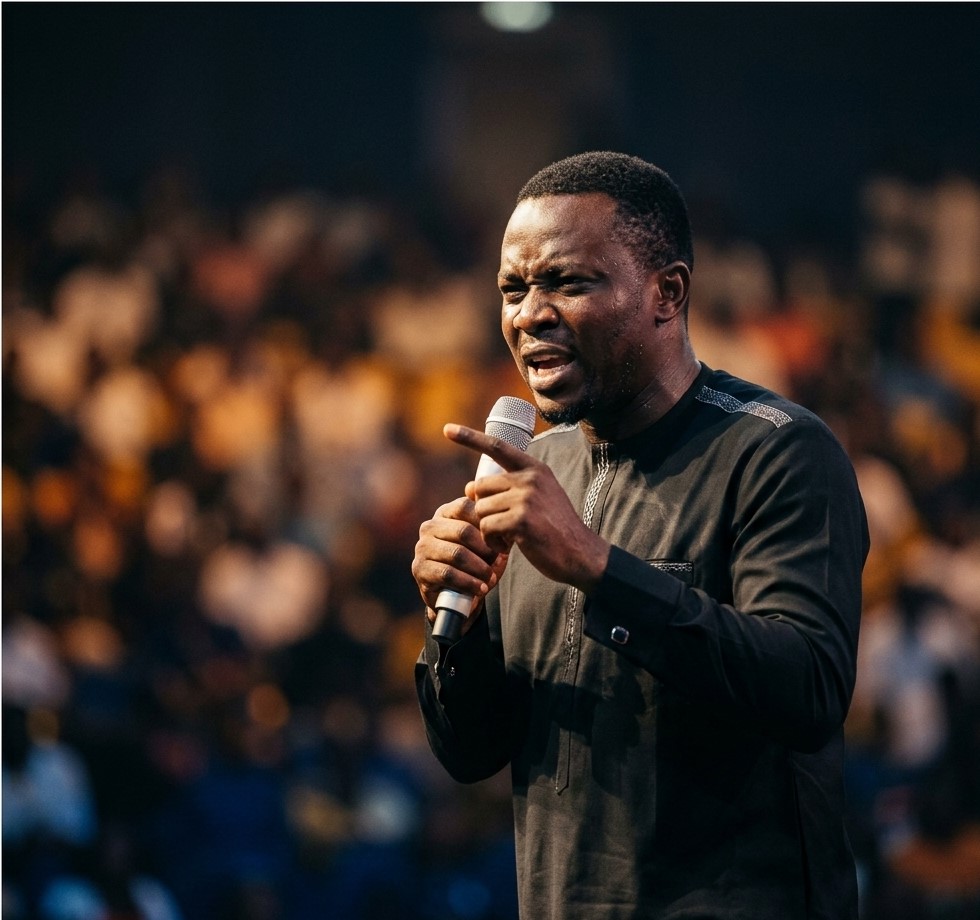
Nigerians do not just laugh for free anymore
The comedy industry now commands ticket prices that rival music concerts, and corporate brands pay comedians more than some bank managers earn in a year. What started as church hall performances and university campus nights has grown into a structured industry with measurable economic output.
According to analyses by PwC Nigeria’s Entertainment & Media Outlook, the live comedy segment has become a significant revenue generator in the entertainment sector. While specific 2025 revenue figures are still being tallied by agencies like the National Bureau of Statistics (NBS), the sector is projected to contribute billions of naira in direct revenue through ticket sales, corporate bookings, and comedy club operations across the country. Growth is projected to continue as digital consumption patterns stabilize.
The Numbers Behind the Laughter
BusinessDay recently analyzed the comedy industry structure, noting that comedy provides employment for thousands of people. This includes comedians, writers, videographers, sound engineers, and event support staff. The industry also creates a secondary economy for vendors and service providers outside event venues.
The revenue streams within the sector are diverse:
Live Shows Generate a Significant Share Major comedy brands like AY Live and Basketmouth’s various concerts continue to fill large indoor arenas. While ticket prices vary based on the venue and city, premium tables and VIP sections remain a high-revenue segment. Recent major shows in Lagos have demonstrated strong ticket demand, highlighting the public’s willingness to pay for premium live entertainment.
Corporate bookings account for another significant portion. Banks, telecommunications companies, and various corporate entities hire comedians for events at competitive rates. Top-tier comedians command millions of naira per private booking, reflecting their value as brand influencers and entertainers.
Digital Content Creates New Opportunities The skit maker explosion has added a new layer to the industry. A 2024 report by We Are Social and Hootsuite estimates that top Nigerian skit creators earn substantial monthly income through social media advertising, brand integrations, and sponsored content. The digital landscape in Nigeria now supports hundreds of comedy channels with significant subscriber bases.
The Nation reported in a 2024 feature that brand endorsement deals for comedians have seen steady growth. Telecommunications companies and consumer goods brands lead the spending. A comedian with a large, engaged following on social media can charge significant fees for single sponsored posts or long-term brand partnerships.
The Industry Structure
Channels Television and industry insiders describe the sector as having three distinct layers:
The Headliners This top tier consists of established names who headline their own shows and have national recognition. Names like Ali Baba, AY Makun, Basketmouth, and Bovi represent the foundation of the modern industry. These individuals often reinvest their earnings into production companies and other business ventures.
The Working Class Hundreds of comedians work steadily across Nigeria, earning their primary income from comedy. They perform at weddings, corporate events, and smaller shows. While incomes vary based on location and professional network, those based in commercial hubs like Lagos often see more frequent booking opportunities.
The Digital Content Creators Thousands of young Nigerians create comedy content for social media. While many start with little to no income, a small percentage successfully monetize their work. This segment has democratized the industry, allowing talent from across the country to find an audience without needing an initial platform in Lagos.
The Economic Ripple Effects
The entertainment industry provides indirect economic benefits to related sectors. For every major show, there is increased activity in transportation, food and drink, fashion, and hospitality. A typical large-scale comedy show in an urban center requires a variety of support staff, from security and ushers to technical crews and marketing agencies.
Vanguard News recently noted that major entertainment events create temporary employment for hundreds of people per production. This includes venue staff, logistics providers, and hospitality workers.
Nairametrics analyzed the fiscal contributions of the industry, noting that VAT from ticket sales and income tax from formal entities within the sector add to government revenue. As the industry becomes more formal, these contributions are expected to rise.
The Club and Digital Economy
Arise News investigated the comedy club scene in Lagos, noting that several venues now host regular comedy nights. These clubs employ permanent staff and provide a consistent platform for mid-level and upcoming talent. The club economy also supports local micro-entrepreneurs who operate near these venues.
On the digital side, TechPoint and other tech-focused outlets report significant growth in Nigerian comedy views on platforms like YouTube. This represents a substantial share of Nigerian digital content consumption. Top channels earn through the YouTube Partner Program, supplemented by direct brand payments.
Challenges and Opportunities
BusinessDay identified several structural hurdles:
Intellectual Property: Content creators often struggle with unauthorized reposting of their work.
Payment Cycles: Some performers face delays in receiving payments from clients.
Production Costs: Rising costs for venue rentals and equipment can impact the profitability of live shows.
Talent Development: There is a lack of formal training for aspiring comedians, who must learn through trial and error.
The Export and Film Connection
CNBC Africa reported that Nigerian comedians are a major export, performing regularly for diaspora audiences in the UK, USA, and Canada. These international tours generate significant foreign exchange and promote Nigerian culture globally. Premium Times has documented how top-tier comedians successfully navigate international logistics to reach these markets.
There is also a strong overlap between comedy and Nollywood. Comedians like AY have produced successful films, while actress and producer Funke Akindele—who often stars in comedic roles—has produced some of the highest-grossing films in Nigerian cinema history. This collaboration between the two sectors helps drive box office numbers and introduces talent to broader demographics.
The Road Ahead
The industry continues to thrive because of its low barrier to entry and its ability to reflect the Nigerian experience. To protect this growth, stakeholders like the Association of Nigerian Comedians have suggested a digital registry for content to help establish intellectual property ownership. This would assist creators in issuing takedown notices and managing their rights more effectively.
The laughter continues across Nigeria. Whether in Lagos clubs or on digital screens, comedians provide a necessary lens for society. The industry is no longer just about jokes; it is a significant economic pillar that supports thousands of livelihoods.
Real Estsate
Why Rent in Ikoyi and Banana Island Can Cost N180 Million Per Year: Verified Prices and Market Reality
Annual rents for luxury homes in Ikoyi and Banana Island now reach N180 million. We break down the verified prices, tenant profiles, and hidden costs driving Lagos’s ultra-premium real estate market.
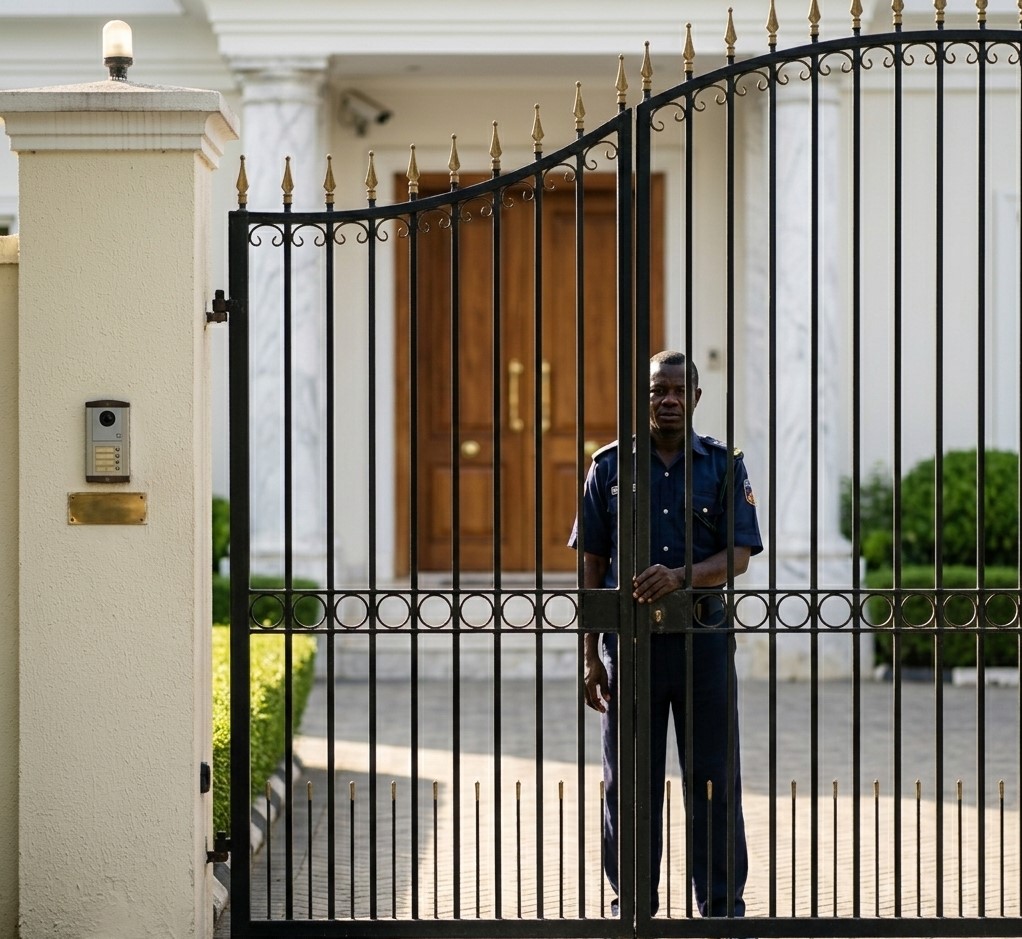
Lagos Luxury Real Estate: The N180 Million Rental Benchmark
One hundred and eighty million naira per year. That figure represents the current upper benchmark for annual rent for a detached family home in Ikoyi or Banana Island in early 2026. For that amount, a tenant secures approximately 800 square meters of living space with lagoon views, staff quarters, and a power infrastructure that costs more than a three-bedroom flat in Ogba.
According to BusinessDay’s most recent property analysis, luxury rental prices in Lagos prime locations increased by approximately 30 percent between 2024 and early 2026. The report analyzed listings from major real estate firms operating in Ikoyi and Victoria Island. The N180 million figure appears in current market data as the high-water mark for a six-bedroom fully detached house with waterfront access.
Vanguard News published a breakdown of Banana Island rental rates in early 2026. Their investigation showed that even semi-detached houses on the island now command between N65 million and N95 million annually. Flats in luxury towers on Banana Island start at N25 million for two bedrooms and can rise to N55 million for four-bedroom penthouses.
The Hard Numbers Behind the Headlines
Market data shows a significant concentration of high-value leases in the Lagos Atlantic corridor. Real estate analysts recorded hundreds of tenancy agreements in Ikoyi and Banana Island with annual rents exceeding N50 million during the 2025 fiscal year. Of these, a specialized segment of ultra-luxury properties registered at N150 million or higher.
Historical context reveals the rapid escalation. In 2020, top-tier rents in Banana Island hovered near N65 million annually. By 2023, that figure climbed toward N95 million. The current 2026 peak benchmark of N180 million reflects the ongoing inflationary pressure on construction materials and the persistent scarcity of premium land.
Nairametrics verified these trends against construction cost data. Their analysts found that the cost of developing a standard luxury home in Lagos involves massive capital outlays for imported finishes and specialized labor. Landlords factor these replacement costs into their rental calculations. A landlord who built a decade ago now sees neighboring properties renting for sums that would have covered the original construction cost in a few short years.
Why Banana Island Commands These Figures
The Nation investigated the unique characteristics of Banana Island that justify these rates. The island sits on approximately 1.5 million square meters of reclaimed land. Controlled access creates a high-security perimeter that residents value above all else in the current climate.
BusinessDay reported that Banana Island hosts a high concentration of diplomatic residences and executive housing. Foreign missions and multinational firms maintain official residences here because they require specific security protocols. Their budgets often originate from international allocations, which operate on a different scale than local naira-based income.
Vanguard News listed the infrastructure factors that drive pricing. The island maintains a more consistent power supply through dedicated feeders and estate-wide management. Water treatment plants, paved internal roads, and scheduled waste management provide a level of service that is rare in other parts of the city.
A real estate professional summarized the market: “In Banana Island, you pay for the absence of typical urban friction. The power is consistent, the roads do not flood, and the security is active. These are categorized as luxuries, and they carry a corresponding price tag.”
Ikoyi’s Rental Structure by Area
Nairametrics mapped Ikoyi’s rental market by specific districts:
Old Ikoyi remains a top-tier zone. Properties along Oyinkan Abayomi Drive and Glover Road command significant premiums for three-bedroom flats in established blocks. The value here is tied to land ownership patterns and original titles that banks favor as collateral.
Bourdillon Road focuses on high-density luxury high-rises. Rents here often run higher than comparable properties elsewhere because of the prestige and the concentration of diplomatic and corporate tenants who prefer vertical living with comprehensive amenities.
Queens Drive and Alexander Avenue host newer developments. Four-bedroom duplexes in these areas rent for N35 million to N55 million annually. These properties attract professionals and executives of multinational corporations looking for modern aesthetics.
The Nation reported that Ikoyi’s rental market often tracks dollar equivalents. Landlords calculate desired returns based on global benchmarks and convert these to naira for formal agreements. When the exchange rate fluctuated in 2025, many new luxury listings adjusted upward within weeks.
The Tenant Profile for N180 Million Rent
BusinessDay profiled the typical tenant in this bracket. The profile generally falls into three categories:
Multinational Corporations: These entities lease properties for expatriate executives. According to recent economic analyses, energy and technology firms allocate significant housing allowances for country managers. These budgets easily cover high-end rents when including utilities and security.
Diplomatic Missions: Missions operate on housing allowances set by their home countries. Vanguard News noted that major missions budget significant sums for ambassadorial residences to ensure they meet international security and hosting standards.
High-Net-Worth Individuals: Many luxury rentals are paid through corporate entities. Premium Times noted that companies often claim these costs as business expenses for executive accommodation, tying rental prices to corporate financial structures rather than personal savings.
The Hidden Costs Beyond Rent
Vanguard News highlighted that the advertised rent is often just the starting point. A tenant in the N180 million bracket must budget for significant additional expenses:
Service Charges: In Banana Island, these run between N3 million and N6 million annually. They cover common area maintenance, security, and estate road repairs. BusinessDay reported that these charges rose in 2025 due to the increased cost of maintenance materials.
Power and Utilities: Fueling and maintaining industrial-capacity generators can cost over a million naira monthly depending on usage. While grid power is better in these zones, backup systems are essential.
Private Security and Staffing: Many tenants supplement estate security with private guards. When adding the salaries for household staff, these costs represent a substantial monthly outflow.
Agency Fees and Upfront Requirements
The Nation detailed the heavy transaction costs. Agency fees follow the standard Lagos model, but the totals are immense at this price point:
Annual Rent: N180 million
Agency Fee (10%): N18 million
Legal Fee (5-10%): N9 million to N18 million
Refundable Caution Deposit: N5 million to N10 million
Nairametrics calculated that a tenant signing a new lease might need to pay over N210 million upfront just for the first year. Vanguard News reported that some landlords now ask for two years of rent in advance for ultra-luxury properties to hedge against currency volatility during the tenancy.
The Currency Component and Void Periods
Vanguard News reported that most luxury leases now include clauses addressing exchange rate shifts. If the official rate moves beyond a certain threshold, the rent may be subject to proportional adjustments. Premium Times noted that this effectively protects the landlord’s capital value in a fluctuating economy.
The Nation investigated why some properties sit empty for months. Landlords in this bracket often prefer to wait for a high-paying corporate tenant rather than discount the rent. Because these properties are often fully paid for, the holding cost is low compared to the loss of potential income from a long-term, lower-priced lease.
One Small Fix Before the Clouds Break
The Lagos State Government could benefit from encouraging a standardized tenancy template for properties in this high-end bracket. This would provide clear sections on currency adjustment clauses and service charge transparency. While landlords would still set prices based on market forces, a consistent document would make comparisons easier and reduce the likelihood of legal disputes.
Regulatory bodies already have the framework to suggest these forms. Implementing a clear standard for high-value leases would bring more predictability to the market for both international investors and local owners. As the market grows, ensuring the ground beneath it is legally sound becomes as important as the physical structures themselves.
The numbers on luxury rent in Ikoyi and Banana Island continue to reflect the unique economic pressures of Lagos. The forces driving them show no sign of reversing. The tenant who writes the check and the landlord who collects it are operating in a world where real estate is as much a financial instrument as it is a place to live.

INEC 2027 Timetable and What It Means for Political Parties: Full Breakdown of Dates and Deadlines

Comedy Industry in Nigeria and Its Economic Contribution: How Laughter Became Big Business

Why Rent in Ikoyi and Banana Island Can Cost N180 Million Per Year: Verified Prices and Market Reality

How the Niger Coup Affected Nigeria’s Security Architecture: Border Closures and Military Realignments

Banditry, Kidnapping and Military Operations in Zamfara: The Situation in 2026

Makoko Demolitions and Tens of Thousands at Risk: The Facts on Ground

Construction and Real Estate Sector Analysis 2026 in Nigeria: Prices, Policies, and Tenant Realities

Why Healthcare Workers Keep Getting Infected With Lassa Fever: The 2026 Reality

Nigeria Produces 67 Percent Global Yam Output – FG Says: The Numbers Behind the Tuber

FRSC and NIMC Partner on Data Integration for Security: What This Means for Driver License Holders

How Nollywood Grew Without Government Support

Entertainment as the Next Hope for Nigeria After Oil: What the Numbers Really Show

Internet Sovereignty: Why Some Countries Want Their Own Separate Internet

How One Misplaced Dot Broke a Bank Login Page

The Untold Story Of The Nigerian Who Helped Build Global Internet Systems

Nigerian Hackers: The Global Fraud Story and Its Fallout

Forgotten Satellites Defy Silence, Beaming Signals for Decades

Do Not Allow Your Digital Store to Shut Down: The Exact Dates That Kill Websites

The “Village People” Aren’t Blocking Your Sales; Your Bad SEO Is.

The Business That Died because the Owner Refused to “Go Beyond.”

Why Are You Hiding Your Business From People With Money?

How Digital Maps Help Police Find Crime Spots

Why Criminal Gangs Target Base Transceiver Stations
Entertainment as the Next Hope for Nigeria After Oil: What the Numbers Really Show

 Edutech Portal3 weeks ago
Internet Sovereignty: Why Some Countries Want Their Own Separate Internet
- Digital Hustle3 weeks ago
How One Misplaced Dot Broke a Bank Login Page
- Edutech Portal3 weeks ago
The Untold Story Of The Nigerian Who Helped Build Global Internet Systems
- Edutech Portal3 weeks ago
Nigerian Hackers: The Global Fraud Story and Its Fallout
- Edutech Portal3 weeks ago
Forgotten Satellites Defy Silence, Beaming Signals for Decades
- Edutech Portal3 weeks ago
Do Not Allow Your Digital Store to Shut Down: The Exact Dates That Kill Websites
- Edutech Portal3 weeks ago
The “Village People” Aren’t Blocking Your Sales; Your Bad SEO Is.
- Edutech Portal3 weeks ago
The Business That Died because the Owner Refused to “Go Beyond.”