ICT and Digital Solutions | Go Beyond Local


A ministry in Asaba needs a citizen portal that works when the network is down. A business in Lagos needs to know what its customers actually want. An author in Ibadan has a manuscript ready for the world. A professional services firm needs to be found when someone searches.
These are different needs. They share one thing: each requires specialized knowledge that most organizations do not carry in-house.
Go Beyond Local provides ICT and digital solutions across six core service areas. The company builds platforms, streamlines administration, delivers intelligence, produces publications, develops brands, and extends reach. Together, these services form a complete foundation for organizations navigating the digital economy.
The domain GoBeyondLocal.com exists to present these solutions. Your presence here indicates a specific need for functional systems and professional outcomes. This page outlines available digital development, publishing, and business documentation solutions for our clients. Government ministries and private organizations alike find the structure they need to move forward.
To run a business, a personal brand, or a government office is serious work. The main task involves moving a plan into a consistent, active system that works and stays active over time. A ministry in Asaba needs the same reliability as a company in Lagos.
You see the opportunities within the digital economy. However, turning a business plan into a reliable website, a secure online platform, or a printed book takes more than a wish: it requires a coordinated arrangement. Go Beyond Local Limited handles that arrangement for you.
We direct our operations to provide you with three critical resources that enable smooth, long-term operation:
Functional Tools. We build the digital assets you need to work. A ministry needs citizen portals. A business needs customer platforms. Both require tools that function without interruption.
Verified Information. We provide professional content so you and your audience know the information is accurate. Policy documents, market research, and published works all demand factual grounding.
Operational Solutions. We offer support that keeps projects running. The launch is only the beginning. The work continues long after.
We arrange and deliver digital assets and publishing work. This ensures your project has solid ground to stand on.
Core Services: Professional Competencies in Tech, Data & Content

Go Beyond Local organizes its work into six professional competencies. Each addresses a specific need. Together, they provide complete coverage for organizations navigating digital transformation.
Platform Development: Custom Web & Mobile Infrastructure Deployment
A digital presence stands as the foundational asset. We start by putting this presence in place for you. We help projects move efficiently from the planning stage to active operation. A strong digital base is an operational need for any modern organization.
Website Design and Deployment
When we complete the work, you gain a functional online presence that performs well on all devices. Go Beyond Local Limited arranges the complete setup: layout planning, content integration, backend systems, and web hosting. The organization establishes a digital voice immediately. A citizen should find ministry information as easily as a customer finds a product.
E-Commerce Platform Solutions
We configure online store systems where you can show, manage, and sell products securely. This includes setup of product catalogs and connection of secure payment gateways. Government agencies managing public payments benefit from the same secure infrastructure.
Custom Web Application Solutions
We arrange web-based applications that perform defined functions. These assets can include secure user portals and management dashboards. These tools bring data to one place and allow automatic handling of repeating tasks. A ministry tracking constituency projects needs the same efficiency as a business monitoring sales.
Mobile Application Solutions
We prepare and deploy applications for both Android and iOS platforms. We ensure the system stands ready for release through official app stores. A citizen with a phone in a remote village should access services as easily as someone in the capital.
Website Maintenance and Support
We provide ongoing technical support and regular updates for active websites. A site that serves citizens cannot afford downtime. A business site must stay secure.
Learn more about Platform Development →
Administrative Systems: Logic-Based Tools for Office Productivity

A ministry receives 500 applications weekly. Each requires checking against multiple criteria. An officer reads each application, consults a printed checklist, and marks pass or fail. The work is repetitive. By Friday, mistakes creep in.
Go Beyond Local can build administrative systems with logic-based tools that handle repetitive work. These systems apply rules consistently. They free officers to do what only humans can do: exercise judgment, handle exceptions, and serve citizens.
Rule-Based Workflow Engines
A workflow engine moves work through defined steps automatically. An application enters the system. The system checks conditions. If condition A is true, it routes to Department X. If condition B is true, it routes to Department Y. The rules live in the system, not in officers’ heads.
Document Processing with Logic
Documents contain information that needs extraction and verification. A logic-based system can extract this information, check it against databases, and flag inconsistencies. An officer reviews only what needs attention.
Approval Matrices
Many decisions require multiple approvals based on thresholds. A logic-based system applies these rules automatically. It routes requests to the right people, tracks signatures, and reminds approvers when action is overdue.
Audit Trails
Every action in a logic-based system leaves a record. Who viewed what. When they viewed it. What decision they made. This trail provides accountability and makes investigations possible when something goes wrong.
Learn more about Administrative Systems →
Intelligence & Data: Market Research, Visibility Studies & Analytics
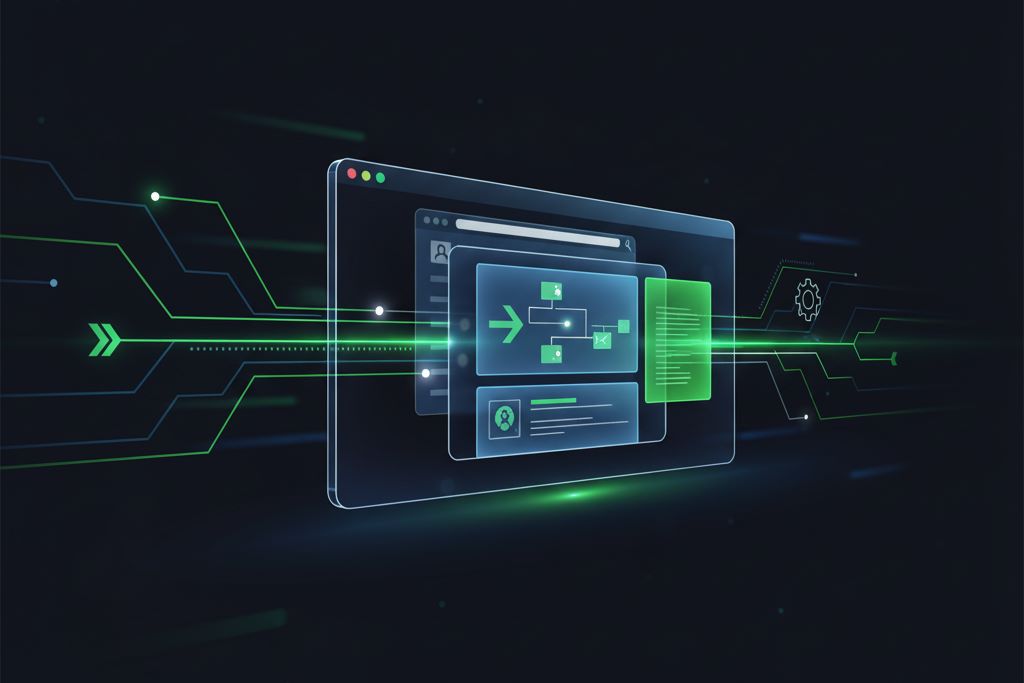
The success of any project relies on verified facts and the proper handling of information. Here Go Beyond Local carries out information service activities for both public and private sectors.
Market Research and Business Intelligence Solutions
We collect and process data about market trends and consumer behavior. For government, this translates to citizen needs, economic indicators, and service delivery metrics. This provides knowledge that helps you make informed decisions.
Data Collection and Analytics Solutions
We conduct organized data gathering and processing. The resulting reports present data in an understandable form. This helps you convert raw information into useful knowledge for policy or commerce.
Visibility Studies
Before entering a new market or launching a new service, organizations need to understand the landscape. Visibility studies examine competition, customer needs, barriers to entry, and opportunities for differentiation. Decisions based on evidence outperform decisions based on guesses.
“Without data, you are just another person with an opinion.” — W. Edwards Deming
Learn more about Intelligence and Data →
Publishing & Production: Formal Document Design & Global Book Distribution
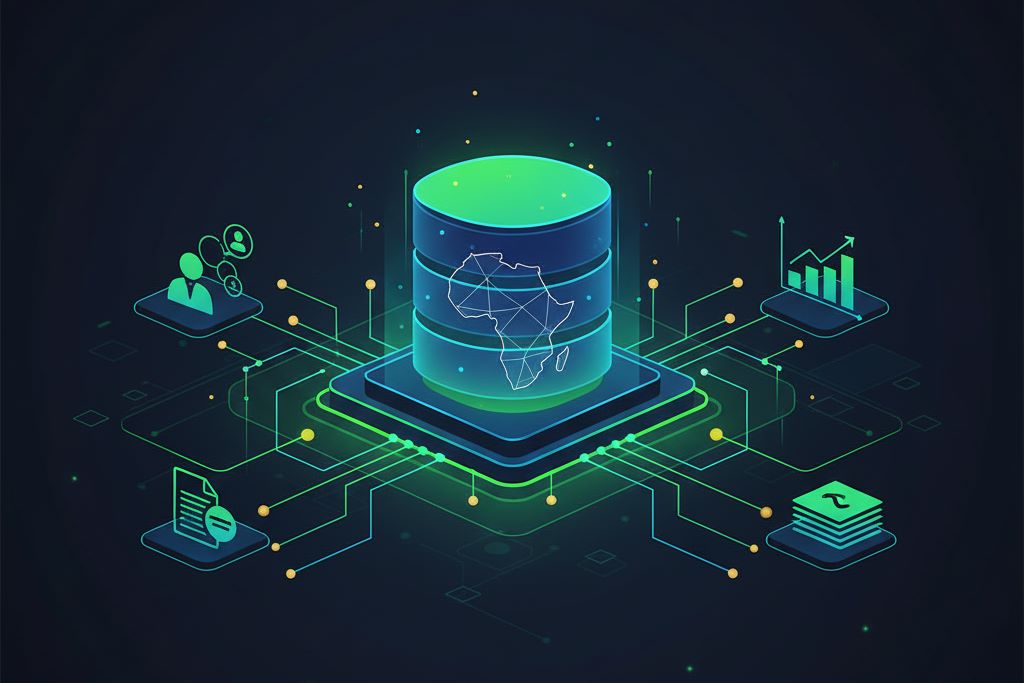
A scholar in Ibadan completes a manuscript after three years of research. The work is original. But to reach readers, it must become a book. To become a book, it must be designed, produced, and distributed.
Go Beyond Local handles the full process of preparing manuscripts: professional editing, formatting, and design for various book types. Government white papers receive the same care as commercial publications.
Book Publishing and Production Solutions
We manage editorial review, copyediting, typesetting, cover design, and proofreading. The result is a professionally produced book ready for readers.
Publishing Solutions for Children
We manage the full production process for children’s books. This covers illustration work and preparing files for print. Ministries creating educational materials for schools benefit from this service.
Corporate Documents and Investor Proposals
We write formal documents such as feasibility studies, business plans, and investor profiles. For government, this includes policy briefs, budget proposals, and development plans. These vital papers organize strategic plans for funding, planning, or organizational review.
Global Book Distribution
A book printed in Nigeria can reach readers anywhere. Go Beyond Local connects to global distribution channels: online retailers, bookstores, libraries, and institutional buyers. A reader in London can buy a book by a Nigerian author as easily as a book by a British author.
Learn more about Publishing and Production →
Brand & Reach: Strategic Identity Design & Search Engine Visibility

A business in Port Harcourt has operated for twelve years. It serves customers well. But when someone searches online for the services it provides, the business does not appear. Competitors show up. Potential customers find them instead.
Go Beyond Local provides brand and reach services including strategic identity design and search engine visibility. The company helps organizations look the part and be found online.
Strategic Identity Design
Identity design is more than a logo. It is a complete visual system that communicates who you are and what you stand for. Logo design, color palette, typography, visual guidelines, stationery, and digital assets all work together to create recognition.
Search Engine Visibility
Being found online requires intentional work. Search engine optimization includes keyword research, content optimization, technical SEO, local SEO, and performance optimization. If your organization is not on page one, it is effectively invisible.
Local Listings
For organizations that serve specific locations, local listings matter. Google Business Profile and other directories help people find nearby businesses. Go Beyond Local can help claim, optimize, and manage these listings.
Content Strategy
Search engines reward useful content. A blog, articles, or resources that answer customer questions can improve visibility. Go Beyond Local can help develop content strategies that serve both customers and search engines.
Learn more about Brand and Reach →
Our Operational Principles

The digital economy in Nigeria is growing. Industry analysis shows the e-commerce sector may reach significant revenue milestones. Government digital transformation proceeds at an equally rapid pace. This highlights the importance of dependable solutions for both sectors. Go Beyond Local envisions a digital economy where organizations of all types can operate effectively.
Practicality. We provide solutions that fit daily operations and deliver measurable results. No theory without application.
Plain Communication. We explain processes simply so you stay informed at each stage. No hidden terms.
Dependability. We handle commitments and timelines responsibly. This shows we value reliable outcomes over quick promises.
Affordability. Our solution packages suit different budgets for startups, established businesses, and government agencies while maintaining consistent quality.
Go Beyond Local Limited is committed to offering functional solutions that enhance the digital, data, and publishing requirements of all our clients.
Start Your Project
Begin the Conversation
Explore what is possible for your organization. Go Beyond Local assists with platform development, administrative systems, data intelligence, publishing, brand strategy, and search visibility. Our service is available to support your work—whether you serve citizens in government or customers in the private sector.
Abuja Office
Plot 76 Ralph Shodeinde Street, Second floor
Owena House, Central Business District
Abuja, FCT, Nigeria

Citizen Engagement
Digital Citizen Engagement Platforms for States Today: What Works and What Citizens Actually Experience

Politics
INEC 2027 Timetable and What It Means for Political Parties: Full Breakdown of Dates and Deadlines

INEC and the 2027 Election Timetable
The Independent National Electoral Commission (INEC) runs on a schedule that political parties ignore at their own peril. Missing just one deadline can boot a candidate off the ballot faster than any court ruling. The 2027 calendar sets the pace for everything, from internal primaries and rallies to the final vote on election day.
Based on official updates shared in late February 2026, the commission has shifted the 2027 timeline. This change follows the scrap of the 2022 Act and the signing of the Electoral Act 2026 by President Bola Tinubu. The new dates ensure that voting does not clash with the holy month of Ramadan, answering a major concern from the public.
The Legal Basis for the New Dates
The Electoral Act 2026 grants INEC the power to set these dates. Section 28 of the new law now asks INEC to post the notice of election at least 300 days before the vote, a drop from the 360 days used previously. For 2027, the formal notice went out in February 2026 to stay in line with this updated rule.
National news reports confirmed the shift. Moving away from the usual February window, the Presidential and National Assembly elections are now set for January 16, 2027. State-level contests for Governors and Houses of Assembly will follow on February 6, 2027.
BusinessDay noted that this faster pace gives parties much less time to fix internal issues. Any group that fails to hold its primaries within the new window loses the chance to be on the ballot at all.
Key Dates for Political Parties
INEC Chairman Professor Joash Ojo Amupitan noted in February 2026 that the commission will strictly follow these legal dates. Under the 2026 Act, the commission holds the reins, and every deadline is final.
The 2027 schedule includes several points that cannot be moved:
Notice of Election
This starts the entire process. Under the 2026 law, this must be public 300 days before the vote. It lists the dates, the seats up for grabs, and the legal rules. This was re-issued on February 26, 2026, to match the January election dates.
Primary Election Window
The new plan requires parties to hold their primaries between April 23 and May 30, 2026. This includes fixing any internal fights. Primaries held after this will be blocked by the commission digital portal.
Submitting Names
After picking candidates, parties must upload their names. The 2026 Act makes this digital process stricter to stop the placeholder candidate trick. These dates are firm, with no swaps allowed later except for death or a legal withdrawal.
Campaign Launch and End
Public campaigning for federal seats starts on August 19, 2026. State-level campaigns begin on September 9, 2026. All public noise must stop 24 hours before the polls open.
Final Candidate List
INEC will post the final list well before the January polls. This ends the window for any last-minute changes due to candidates leaving the race or passing away.
Election Day
Voting for the President and National Assembly happens on January 16, 2027. State elections take place on February 6, 2027. INEC rules state all gear must be at polling units by 8:30 a.m., with party agents watching closely.
+2
The Impact on Political Groups
The move to January makes the lead-up much shorter for everyone. Both big and small parties have to fix their plans to hit these early marks.
For Major Parties
The PwC Nigeria Economic Outlook 2026 pointed out that groups must deal with a more disciplined environment. For parties, this means raising money and spending on primaries earlier. The April 2026 start means internal leadership rows must be settled now.
For Smaller Parties
The pressure is on. Smaller groups need to show a national face and finish primaries by May 2026. While they can pick a single consensus choice, they need written proof from everyone involved that follows the party rules filed with INEC.
For New Parties
Right now, the door for new groups to join the 2027 race has mostly closed. INEC usually stops taking new sign-ups once the formal notice is out and the process is moving.
Technology in the 2027 Race
The Electoral Act 2026 adds new ways to protect digital results. While BVAS and the IReV portal are back, the law now requires instant checks to make sure the total votes don’t go over the number of verified voters.
Voter Updates
INEC has kicked off a drive to clean up the voter list. Registration started in early 2026 and is set to wrap up on August 30, 2026. No new names can be added after that.
Getting Your PVC
The schedule sets specific times for picking up voter cards. INEC has noted that cards not picked up will go to local offices for one last chance before the January vote.
Trial Runs
To prove the system works, INEC will run test runs across every district. These verify that the BVAS tools are ready and the network can handle sending results.
The Reality for Staff and Parties
In local offices, the reality of the January shift is hitting home. Many party reps are worried about the short time for primaries. The word from the commission is simple: the law is our map, and the schedule is there to make sure power is handed over in May 2027.
Fines and Penalties
The Electoral Act 2026 offers no shortcuts. Once the portal shuts, it is over. Breaking the rules leads to:
- Losing a spot on the ballot if names aren’t in on time.
- Primaries held outside the April or May window being tossed out.
- Fines or getting kicked out for campaigning too early or too late.
Next Steps for Parties
Parties should check their member lists now and make sure candidates follow the rules. Training agents and checking party laws should start today, as the vote is less than a year away.
A Push for Ease
To help smaller groups, some have asked INEC to put out a basic calendar alongside the heavy legal papers. Making the January 16 election date and the April 23 primary start easy to see helps keep the race fair for everyone.
The 2027 process is now in motion. With the January dates locked in, the outcome depends on whether politicians can show the discipline to follow the rules.
Entertainment & Media
Comedy Industry in Nigeria and Its Economic Contribution: How Laughter Became Big Business
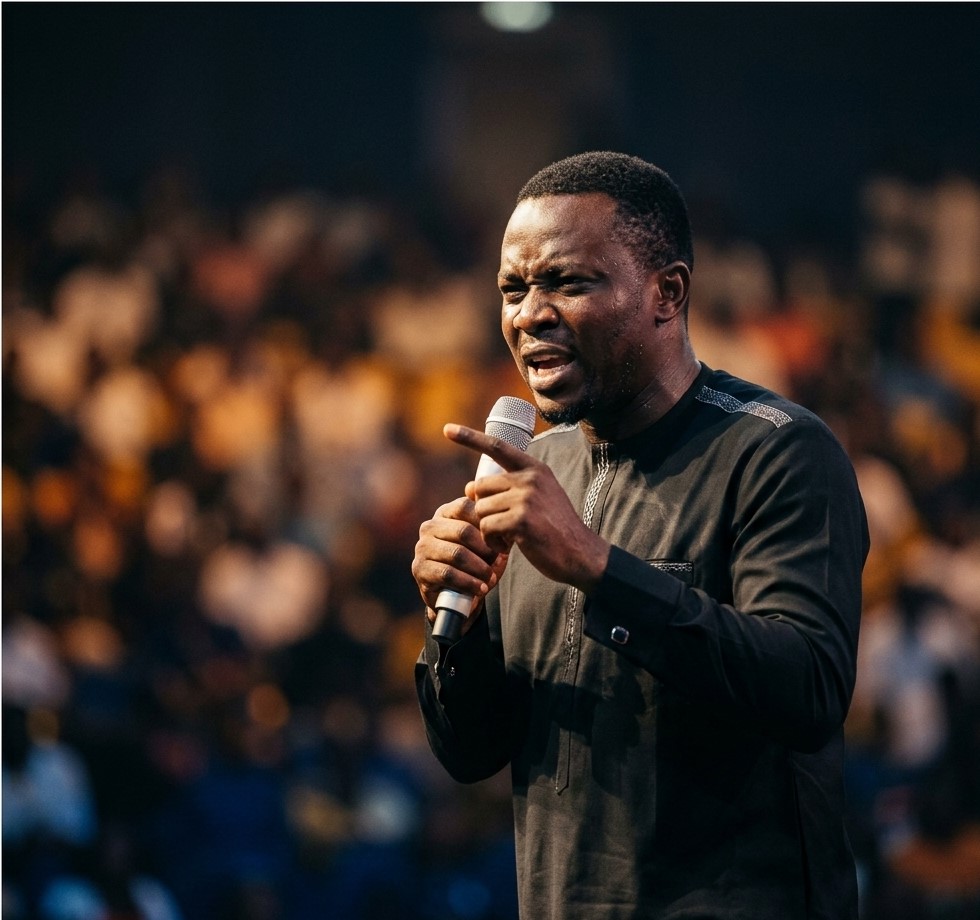
Nigerians do not just laugh for free anymore
The comedy industry now commands ticket prices that rival music concerts, and corporate brands pay comedians more than some bank managers earn in a year. What started as church hall performances and university campus nights has grown into a structured industry with measurable economic output.
According to general industry data, the live comedy segment has become a significant revenue generator in the entertainment sector. While specific 2025 revenue figures are still being tallied by agencies, the sector contributes billions of naira in direct revenue through ticket sales, corporate bookings, and comedy club operations across the country. Growth is projected to continue as digital consumption patterns stabilize.
The Numbers Behind the Laughter
BusinessDay recently analyzed the comedy industry structure, noting that comedy provides employment for thousands of people. This includes comedians, writers, videographers, sound engineers, and event support staff. The industry also creates a secondary economy for vendors and service providers outside event venues.
The revenue streams within the sector are diverse:
Live Shows Generate a Significant Share Major comedy brands like AY Live and Basketmouth’s various concerts continue to fill large indoor arenas. While ticket prices vary based on the venue and city, premium tables and VIP sections remain a high-revenue segment. Recent major shows in Lagos have demonstrated strong ticket demand, highlighting the public’s willingness to pay for premium live entertainment.
Corporate bookings account for another significant portion. Banks, telecommunications companies, and various corporate entities hire comedians for events at competitive rates. Top-tier comedians command millions of naira per private booking, reflecting their value as brand influencers and entertainers.
Digital Content Creates New Opportunities The skit maker explosion has added a new layer to the industry. Analysts estimate that top skit creators earn substantial monthly income through social media advertising, brand integrations, and sponsored content. The digital landscape in Nigeria now supports hundreds of comedy channels with significant subscriber bases.
The Nation reported that brand endorsement deals for comedians have seen steady growth. Telecommunications companies and consumer goods brands lead the spending. A comedian with a large, engaged following on social media can charge significant fees for single sponsored posts or long-term brand partnerships.
The Industry Structure
Channels Television and industry insiders describe the sector as having three distinct layers:
The Headliners This top tier consists of established names who headline their own shows and have national recognition. Names like Ali Baba, AY Makun, Basketmouth, and Bovi represent the foundation of the modern industry. These individuals often reinvest their earnings into production companies and other business ventures.
The Working Class Hundreds of comedians work steadily across Nigeria, earning their primary income from comedy. They perform at weddings, corporate events, and smaller shows. While incomes vary based on location and professional network, those based in commercial hubs like Lagos often see more frequent booking opportunities.
The Digital Content Creators Thousands of young Nigerians create comedy content for social media. While many start with little to no income, a small percentage successfully monetize their work. This segment has democratized the industry, allowing talent from across the country to find an audience without needing an initial platform in Lagos.
The Economic Ripple Effects
The entertainment industry provides indirect economic benefits to related sectors. For every major show, there is increased activity in transportation, food and drink, fashion, and hospitality. A typical large-scale comedy show in an urban center requires a variety of support staff, from security and ushers to technical crews and marketing agencies.
Vanguard News recently noted that major entertainment events create temporary employment for hundreds of people per production. This includes venue staff, logistics providers, and hospitality workers.
Nairametrics analyzed the fiscal contributions of the industry, noting that VAT from ticket sales and income tax from formal entities within the sector add to government revenue. As the industry becomes more formal, these contributions are expected to rise.
The Club and Digital Economy
Arise News investigated the comedy club scene in Lagos, noting that several venues now host regular comedy nights. These clubs employ permanent staff and provide a consistent platform for mid-level and upcoming talent. The club economy also supports local micro-entrepreneurs who operate near these venues.
On the digital side, TechPoint and other tech-focused outlets report significant growth in Nigerian comedy views on platforms like YouTube. This represents a substantial share of Nigerian digital content consumption. Top channels earn through the YouTube Partner Program, supplemented by direct brand payments.
Challenges and Opportunities
BusinessDay identified several structural hurdles:
Intellectual Property: Content creators often struggle with unauthorized reposting of their work.
Payment Cycles: Some performers face delays in receiving payments from clients.
Production Costs: Rising costs for venue rentals and equipment can impact the profitability of live shows.
Talent Development: There is a lack of formal training for aspiring comedians, who must learn through trial and error.
The Export and Film Connection
CNBC Africa reported that Nigerian comedians are a major export, performing regularly for diaspora audiences in the UK, USA, and Canada. These international tours generate significant foreign exchange and promote Nigerian culture globally. Premium Times has documented how top-tier comedians successfully navigate international logistics to reach these markets.
There is also a strong overlap between comedy and Nollywood. Comedians like AY and Funke Akindele have produced some of the highest-grossing films in Nigerian cinema history. This collaboration between the two sectors helps drive box office numbers and introduces talent to broader demographics.
The Road Ahead
The industry continues to thrive because of its low barrier to entry and its ability to reflect the Nigerian experience. To protect this growth, stakeholders have suggested a digital registry for content to help establish intellectual property ownership. This would assist creators in issuing takedown notices and managing their rights more effectively.
The laughter continues across Nigeria. Whether in Lagos clubs or on digital screens, comedians provide a necessary lens for society. The industry is no longer just about jokes; it is a significant economic pillar that supports thousands of livelihoods.

Digital Citizen Engagement Platforms for States Today: What Works and What Citizens Actually Experience

INEC 2027 Timetable and What It Means for Political Parties: Full Breakdown of Dates and Deadlines

Comedy Industry in Nigeria and Its Economic Contribution: How Laughter Became Big Business

Why Rent in Ikoyi and Banana Island Costs N180 Million Per Year: Verified Prices and Market Reality

How the Niger Coup Affected Nigeria’s Security Architecture: Border Closures and Military Realignments

Banditry, Kidnapping and Military Operations in Zamfara: The Situation in 2026

Makoko Demolitions and Over 80,000 Residents at Risk: The Facts on Ground

Construction and Real Estate Sector Outlook 2026 in Nigeria: Prices, Policies, and What Tenants Face

Why Healthcare Workers Keep Getting Infected With Lassa Fever: The 2026 Reality

Nigeria Produces 67 Percent Global Yam Output – FG Says: The Numbers Behind the Tuber

FRSC and NIMC Partner on Data Integration for Security: What This Means for Driver License Holders

How Nollywood Grew Without Government Support

Internet Sovereignty: Why Some Countries Want Their Own Separate Internet

How One Misplaced Dot Broke a Bank Login Page

The Untold Story Of The Nigerian Who Helped Build Global Internet Systems

Nigerian Hackers: The Global Fraud Story and Its Fallout

Forgotten Satellites Defy Silence, Beaming Signals for Decades

Do Not Allow Your Digital Store to Shut Down: The Exact Dates That Kill Websites

The “Village People” Aren’t Blocking Your Sales; Your Bad SEO Is.

The Business That Died because the Owner Refused to “Go Beyond.”

Why Are You Hiding Your Business From People With Money?

How Digital Maps Help Police Find Crime Spots

Entertainment as the Next Hope for Nigeria After Oil: What the Numbers Really Show
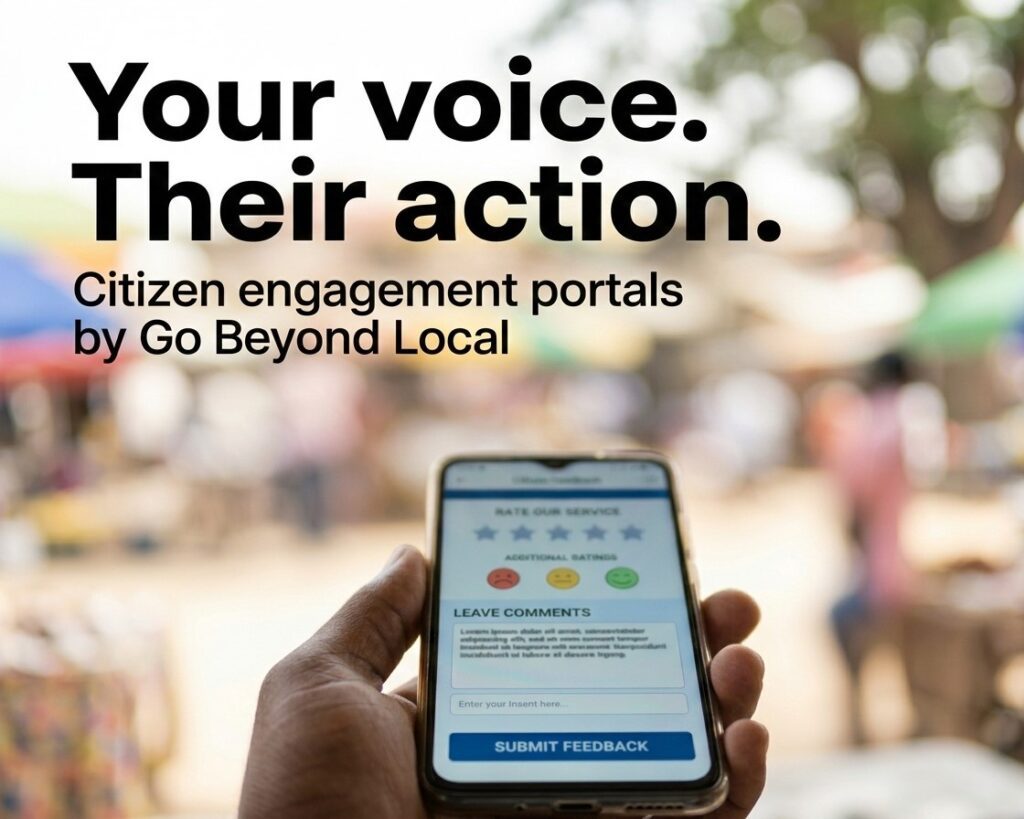
Digital Citizen Engagement Platforms for States Today: What Works and What Citizens Actually Experience
 Edutech Portal3 weeks ago
Internet Sovereignty: Why Some Countries Want Their Own Separate Internet
- Digital Hustle3 weeks ago
How One Misplaced Dot Broke a Bank Login Page
- Edutech Portal3 weeks ago
The Untold Story Of The Nigerian Who Helped Build Global Internet Systems
- Edutech Portal3 weeks ago
Nigerian Hackers: The Global Fraud Story and Its Fallout
- Edutech Portal3 weeks ago
Forgotten Satellites Defy Silence, Beaming Signals for Decades
- Edutech Portal3 weeks ago
Do Not Allow Your Digital Store to Shut Down: The Exact Dates That Kill Websites
- Edutech Portal3 weeks ago
The “Village People” Aren’t Blocking Your Sales; Your Bad SEO Is.
- Edutech Portal3 weeks ago
The Business That Died because the Owner Refused to “Go Beyond.”