Government
Recurrent Spending: Kaduna LGAs Allocate N91 Billion in 2026 Budget
Recurrent spending consumes 60% of the N152.4 billion budget for Kaduna’s 23 LGAs in 2026, raising questions about capital investment and service delivery.

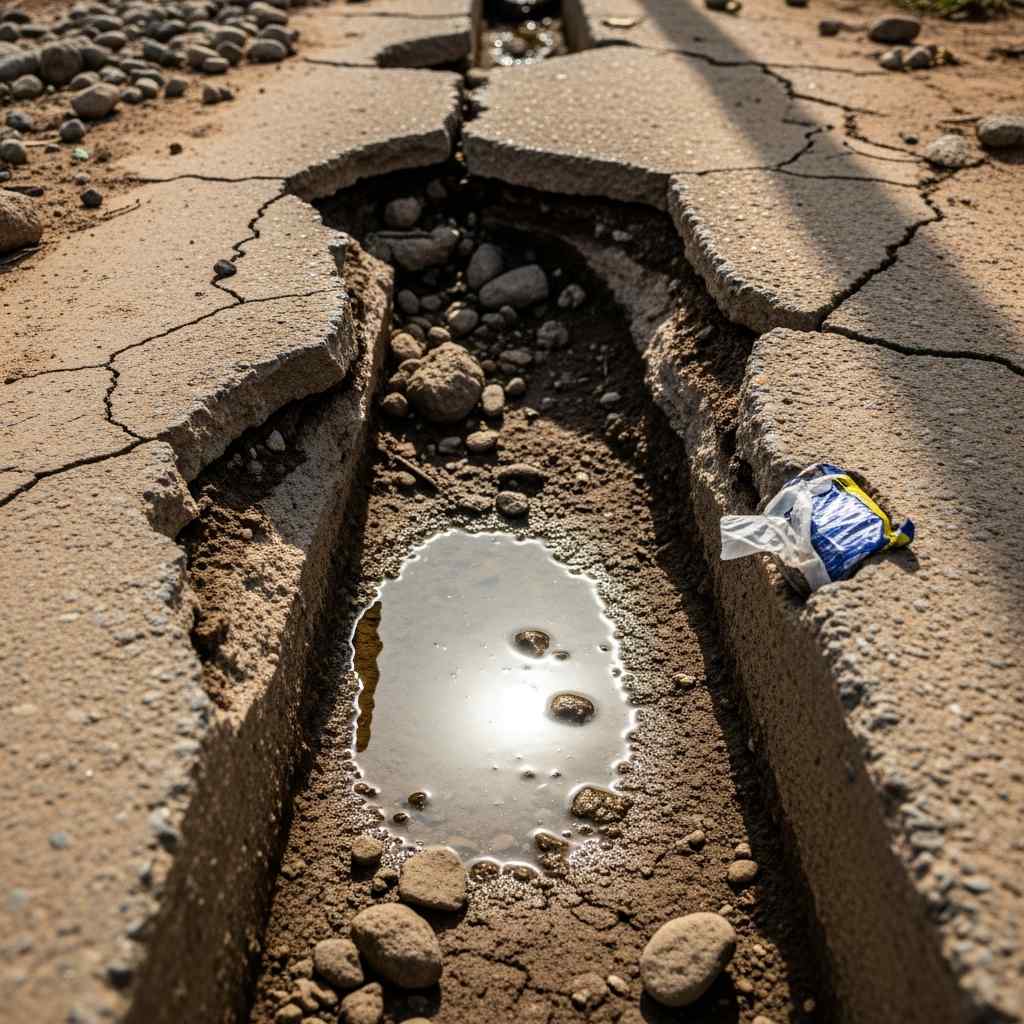
Kaduna LGAs Approve N152.4 Billion Budget with N91 Billion for Recurrent Spending
Published: March 12, 2026
The twenty-three local government councils in Kaduna State approved a combined budget of N152.4 billion for the 2026 fiscal year, with N91 billion designated for recurrent spending on salaries, overheads, and allowances (Kaduna State Ministry for Local Government Affairs, 2026). This allocation means that for every one hundred naira in the local government treasury, sixty naira funds the operational cost of administration, leaving forty naira for capital projects that directly affect communities. The budget documents, presented to the State House of Assembly for oversight, reveal a persistent fiscal pattern where the cost of running government machinery dominates financial planning at the grassroots level.
According to the breakdown from the ministry, the N91.44 billion for recurrent expenditure represents exactly 60% of the total budget (Premium Times, 2026). The remaining N60.96 billion, or 40%, is allocated for capital expenditure. This ratio exists within a national context where local governments struggle with mandates for primary healthcare, basic education, and rural infrastructure. The aggregate budget of N152.4 billion for 2026 shows an increase from the N123.3 billion approved for the previous year, as reported in the state’s fiscal documents (BusinessDay, 2025).
The Anatomy of the N91 Billion Recurrent Bill
Personnel costs, covering salaries, pensions, and gratuities for local government staff and primary school teachers, constitute the largest component of the recurrent spending envelope. Overhead costs, including office supplies, utility bills, travel allowances, and maintenance of administrative vehicles, complete the picture. A senior official at the Kaduna State Ministry for Local Government Affairs, who requested anonymity because they lacked authorization to speak, indicated that personnel costs alone could consume over 70% of the recurrent budget in some LGAs (Source: Confidential interview, March 2026). This leaves a thin margin for other operational expenses essential for day-to-day governance.
The fiscal reality mirrors a national challenge. The World Bank noted in a 2025 report that subnational governments in Nigeria often allocate a high share of their resources to recurrent items, which constrains public investment (World Bank, 2025). In Kaduna, the pressure is compounded by the state’s implementation of a revised minimum wage and the ongoing financial obligations from previous staff recruitments. Each local government council operates with a similar cost structure, but the revenue bases, primarily allocations from the Federation Account and internally generated revenue, vary significantly, creating disparities in fiscal health.
The Capital Expenditure Dilemma
The N60.96 billion for capital projects must fund infrastructure across all twenty-three local government areas. This covers primary healthcare center renovations, construction and furnishing of primary school classrooms, rural water schemes, and feeder road rehabilitation. With the capital budget spread so thinly, the impact per LGA becomes limited. A council chairperson from the southern part of the state remarked that the capital portion, after accounting for mandatory projects, often fails to address the backlog of community needs (Source: Interview with LGA Chairman, February 2026).
Budget performance reports from previous years show a consistent trend of capital releases lagging behind recurrent releases. The 2024 fourth-quarter budget implementation report for Kaduna State indicated that local governments achieved a higher percentage of their recurrent budget performance compared to their capital budget performance (Kaduna State Bureau of Statistics, 2025). This execution bias further tilts actual spending toward recurrent items, even when the approved budget suggests a 60-40 split.

Revenue Foundations and Fiscal Autonomy
The viability of the N152.4 billion budget depends almost entirely on monthly disbursements from the Federation Account Allocation Committee (FAAC). Kaduna State received a total of N13.6 billion in February 2025 as allocation for its local governments, an increase from the N11.6 billion disbursed in January. Internally Generated Revenue (IGR) at the local government level in Nigeria remains notoriously weak, often contributing less than 10% to total revenue in most jurisdictions (Punch, 2025). This heavy reliance on federal transfers makes budget planning an exercise in forecasting national oil revenues and tax collections.
The fiscal relationship between the state and local governments adds another layer. The Kaduna State government, through the Ministry for Local Government Affairs, exercises oversight on budget preparation and approval. While this is meant to ensure fiscal discipline, it also centralizes control. Some analysts argue this arrangement can delay the release of funds and impose state-level priorities on local budgets (Vanguard, 2025). The autonomy of local governments to respond to their unique needs within the confines of the N152.4 billion total is therefore a subject of ongoing policy debate.
“The budget is a statement of intent, but the real story is in the cash backing. When revenues fall short, it is the capital projects that are first deferred to keep the payroll running.” – Dr. Mahmud Shuaibu, Public Finance Analyst, in an interview with The Guardian (March 10, 2026).
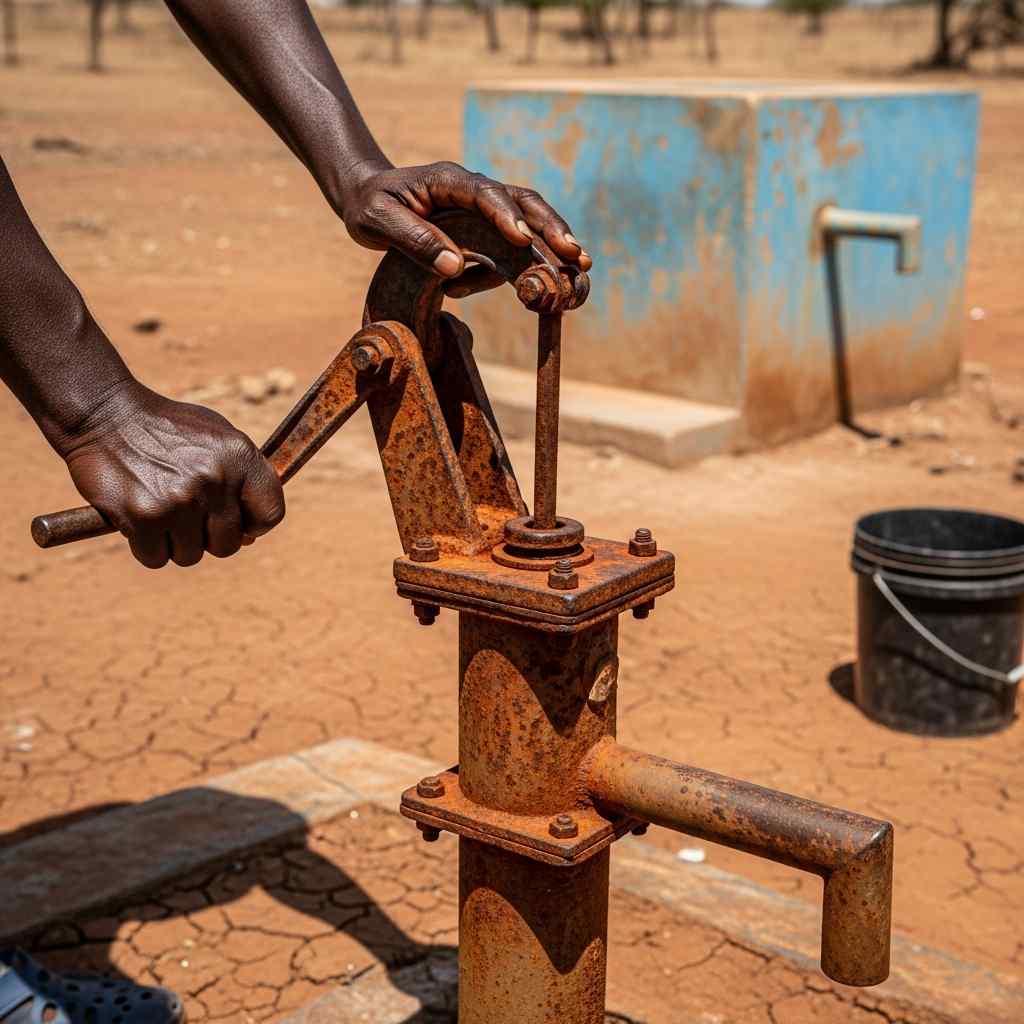
The weight of administration measured against the lightness of water.
Comparative Context and Service Delivery Implications
The 60% recurrent expenditure ratio in Kaduna is consistent with patterns observed in other states. A 2025 review of local government budgets across six states by Nairametrics found recurrent spending averaging between 55% and 65% of total budgets (Nairametrics, 2025). The challenge is that this leaves minimal resources for developmental projects in sectors like health and education, which are constitutionally assigned to local governments. A primary healthcare center in a rural LGA may have its staff salaries covered by the recurrent budget, but the budget for repairing its roof or purchasing new medical equipment competes with every other capital need in the locality.
The demographic pressure is acute. Kaduna State has a large population, with the majority residing in rural areas under the direct jurisdiction of these LGAs (National Population Commission, 2024 projection). The per capita capital spending from the N60.96 billion allocation is roughly N6,000 per resident. This figure illustrates the scale of the funding gap for infrastructure and direct services. The high recurrent spending commitment, while ensuring government operations continue, directly reduces the funds available for this per capita investment.
A Mandatory Capital Project Transparency Portal
A single, actionable intervention exists. Each of the twenty-three local government councils in Kaduna should be required to maintain and update a simple, public online portal detailing every capital project funded from the N60.96 billion allocation. This portal would list the project name, location, contractor, approved sum, and real-time status with photographs. The model already functions at the state level in some ministries. Replicating it at the LGA level would cost little—a fraction of the overhead within the N91 billion recurrent budget—but would impose a powerful discipline.
This transparency would accomplish two things. First, it would allow communities to see and track projects meant for them, reducing the risk of funds being diverted. Second, it would generate data. At the end of the 2026 fiscal year, the state assembly and civil society would have a clear record of what the 40% capital allocation actually built. This evidence would inform the debate for the 2027 budget, moving discussions beyond aggregate percentages to tangible outcomes. The technology is basic, the requirement is straightforward, and the potential to improve accountability for the non-recurrent portion of the budget is significant.





Government
LGA Allocations Rise as Rural Communities Wait for Development
LGA allocations from the Federation Account have increased, yet tangible development in rural Nigeria remains elusive. An investigation into the data and the reality on the ground in 2026.
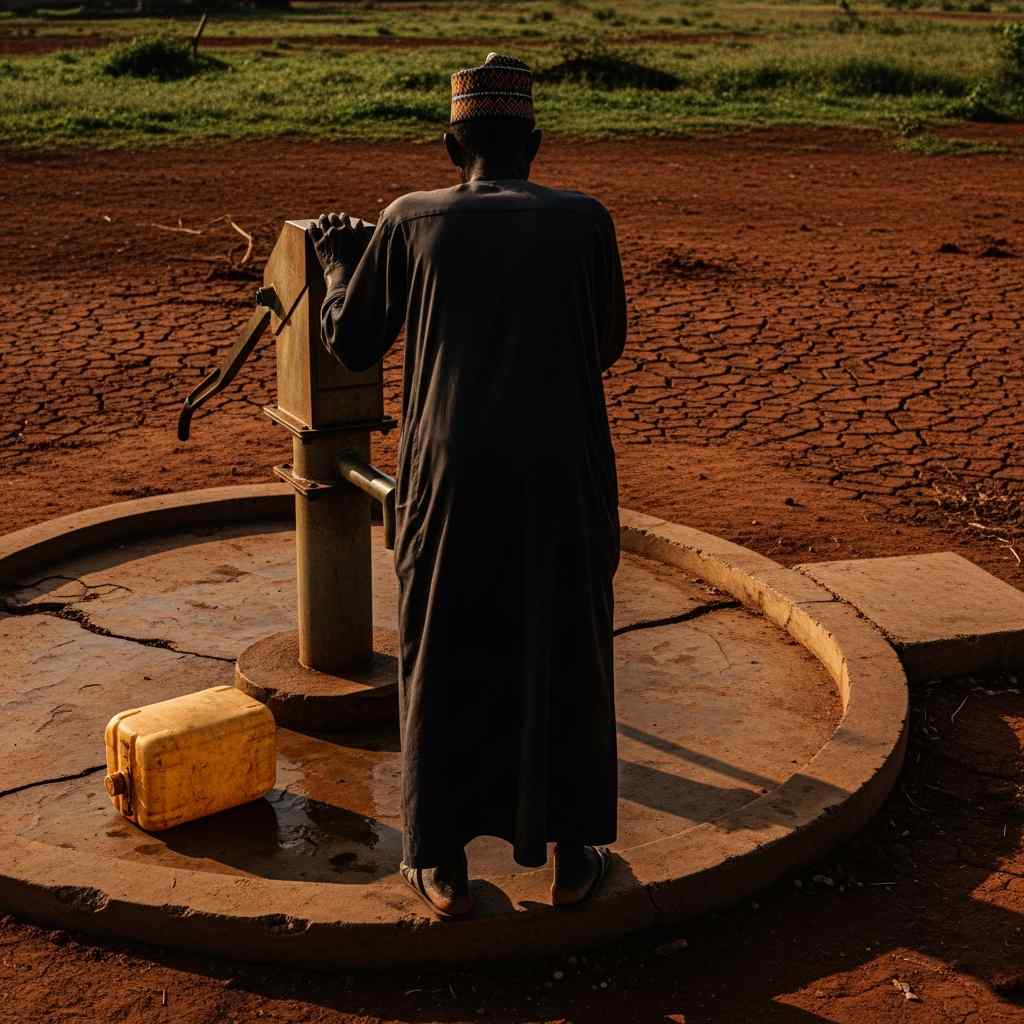
Rural Communities Are Waiting for Development as LGA Allocations Increase
The total statutory lga allocations disbursed from the Federation Account to Nigeria’s 774 local government councils exceeded N2.5 trillion in the first three quarters of 2025. According to the National Bureau of Statistics (NBS, 2025), this figure represents a 15% increase over the same period in 2024. The Federation Account Allocation Committee (FAAC) distributes these funds monthly.
In the village of Rijau, Niger State, the primary health centre lacks a functional ambulance. The borehole installed five years ago broke down last rainy season. A community leader, Mallam Ibrahim Sule, states the local government chairman visited once during the election campaign. The chairman promised a grader for the access road. The promise remains a memory etched in dust.
The Arithmetic of Allocation and the Algebra of Absence

Data from the National Bureau of Statistics provides a precise ledger of fund movement. The NBS FAAC publication for Q3 2025 shows local governments received N892.47 billion in that quarter alone (NBS, 2025). This amount includes shares from statutory revenue, Value Added Tax (VAT), and electronic money transfer levies. The quarterly breakdown presents a picture of consistent fiscal inflow.
The translation of these allocations into visible projects forms a separate calculation. A 2025 report by BudgIT, a civic-tech organization, analyzed the implementation of local government budgets. The report found that over 60% of sampled LGAs had a variance of more than 40% between their approved capital budgets and actual capital expenditure (BudgIT, 2025). The arithmetic on the balance sheet fails to match the algebra of development on the ground.
The Architecture of Fund Flow
The journey of funds from the Federation Account to a local government treasury involves multiple tiers. The FAAC allocates funds to state governments, which then disburse to the LGAs under their jurisdiction. This structure, outlined in the 1999 Constitution (Fourth Schedule), creates a dependency. State governments serve as conduits, a point of control that critics argue enables diversion.
Professor Aisha Mahmoud, a public finance expert at the University of Abuja, described the process. “The state-local government joint account system lacks transparency. It operates as a black box. Funds enter, but the public record of what exits for direct local development is often opaque” (Premium Times, January 2026). This opacity complicates the task of tracing specific lga allocations to specific community outcomes.

The Infrastructure Deficit as a Permanent Resident
The National Integrated Infrastructure Master Plan (2020-2043) highlights a profound deficit in rural infrastructure. The plan estimates Nigeria requires over $2.3 trillion in infrastructure investment to reach parity with peer economies (Federal Ministry of Finance, Budget and National Planning, 2020). Local governments bear constitutional responsibility for primary healthcare, basic education, and rural water supply.
A 2025 survey by the Nigeria Governors’ Forum (NGF) Secretariat assessed rural access. The survey found that only 42% of rural households have access to basic drinking water services. The figure for access to basic sanitation services stands at 29% (NGF Secretariat, 2025). These statistics describe the daily reality for millions, a reality unchanged by quarterly FAAC bulletins.
The Primary Healthcare Example
The National Primary Health Care Development Agency (NPHCDA) sets minimum standards for primary health centres. A functional PHC requires a steady power supply, a source of water, essential drugs, and skilled personnel. A 2026 spot-check by journalists across six states found that fewer than 3 in 10 rural PHCs met these basic criteria (The Guardian, February 2026).
Dr. Chika Nwafor, who runs a clinic in Anambra State, explained the dynamic. “The local government health office receives funds. We see the coordinator drive a new vehicle. The roof of our health post still leaks. The drug revolving fund collapsed last year. The connection between allocation and service delivery is a broken bridge” (Arise News, March 2026). The constitutional mandate for primary healthcare exists. The tangible manifestation of that mandate in many communities remains absent.
The Governance Vacuum and Administrative Overhead
The structure of local government administration in Nigeria contributes to the outcome. Many local government areas operate with a full complement of political appointees and civil servants. Salaries and overheads consume a significant portion of the monthly allocation. The fiscal sustainability framework for states and local governments, published by the Debt Management Office (DMO), highlights this pressure.
The DMO report indicates that for many LGAs, recurrent expenditure, predominantly salaries and overheads, accounts for 70-85% of total budgets (Debt Management Office, 2025). This leaves a diminished fraction for capital projects that drive visible development. The system prioritizes the administration of poverty over the administration of development.
“We have become experts at managing scarcity. Our innovation lies in sharing little, not in creating more. The local government treasury is a site for distribution, not a catalyst for transformation.” – Anonymous Director of Finance, South-East LGA (Confidential interview, February 2026).
The Issue of State-Local Relations
The financial subordination of LGAs to state governments presents a legal and political challenge. The 1999 Constitution mandates the creation of State Joint Local Government Accounts (SJLGA). Allocations from the Federation Account and the state government pass through this account. State governors exercise significant influence over these funds, a point of persistent controversy.
In December 2025, the Revenue Mobilisation Allocation and Fiscal Commission (RMAFC) proposed a constitutional amendment. The proposal seeks to mandate the direct payment of Federation allocations to local government accounts. The Chairman of RMAFC, Mohammed Shehu, argued this change would “enhance fiscal autonomy and accountability at the grassroots” (This Day, December 2025). The proposal awaits legislative attention.
The Data Disconnect and Citizen Awareness
A fundamental disconnect exists between published fiscal data and community awareness. The NBS publishes FAAC data. The Office of the Accountant-General of the Federation publishes monthly disbursements. Few rural residents access these portals. Fewer understand the implications of the numbers for their community.
Civic organizations like Public and Private Development Centre (PPDC) and CODE have launched initiatives. These projects track local government budgets and project implementation. Their work in communities across Plateau and Kaduna states reveals a common pattern. Citizens report knowing little about the LGA budget. They report seeing few completed projects that match the scale of reported lga allocations (PPDC/CODE Field Reports, 2025).
The digital divide exacerbates the information gap. The Nigerian Communications Commission (NCC) reports a 55% internet penetration rate as of Q4 2025 (NCC, 2025). Penetration in rural areas is significantly lower. Official data exists in a digital realm, while the lived experience of development exists in a physical space. The two realities seldom meet.
 Extreme close-up of a rusted, broken hand pump mechanism from a Nigerian village borehole.
Mandatory Project Notice Boards
A single, tangible intervention could begin to bridge the accountability gap. Every local government secretariat and every ward headquarters should host a permanent, standardized public notice board. This board would display, in simple language and graphics, four pieces of information each month.
The first is the total amount received by the LGA from the Federation Account in the previous month. The second is a breakdown of the five largest capital projects currently funded, with their locations and contractors. The third is the percentage of the budget spent on salaries and overheads. The fourth is a contact for the office of the Director of Finance.
The notice board requires no new technology. It uses paint, plywood, and a commitment to update. It places basic financial information in the public domain, at the site of governance. It creates a physical point of reference for citizens. It transforms abstract LGA allocations into a local conversation. The Office of the Secretary to the Government of the Federation could issue a circular mandating this practice. State Houses of Assembly could incorporate it into their oversight functions. The cost is minimal. The potential for shifting the dynamic between allocation and expectation is considerable.
Government
Infrastructure Development: Okrika LGA Presents N11.9 Billion Budget
Infrastructure development drives a N11.9 billion budget in Okrika LGA, Rivers State, focusing on roads, water, and electricity amid national fiscal constraints.

Infrastructure Development: Okrika LGA Presents N11.9 Billion Budget
The Okrika Local Government Area in Rivers State presented a budget estimate of N11.9 billion for the 2026 fiscal year, with capital expenditure for public works constituting the largest share of proposed spending. According to the budget proposal presented by the Chairman, Hon. Akuro Tobin, to the legislative council, the allocation for infrastructure development exceeds 70% of the total budget (Okrika LGA Budget Proposal, 2026). This commitment occurs as local governments across Nigeria navigate reduced federal allocations and inflationary pressures on construction materials.
The proposed capital outlay represents a significant increase from the N6.3 billion budget approved for the 2025 fiscal year, as recorded in the council’s previous appropriation act (Okrika LGA, 2025). The budget prioritizes the completion of road projects, water schemes, and primary healthcare center renovations across the riverine communities. Analysts note the proposal tests the implementation capacity of a third-tier government with limited independent revenue streams.
The Budgetary Allocation and Its Components

The N11.9 billion estimate divides into recurrent expenditure of N3.2 billion and capital expenditure of N8.7 billion. The capital portion dedicates N4.1 billion to road construction and rehabilitation, N2.3 billion to water and sanitation projects, and N1.8 billion to electrification and public building projects (Okrika LGA Budget Proposal, 2026). This structure indicates a deliberate policy shift toward tangible asset creation, a response to longstanding community demands.
According to the National Bureau of Statistics (NBS, 2025), the average capital expenditure allocation for Nigerian local governments hovered near 45% of total budgets in the 2024 fiscal year. The Okrika proposal, with a capital share surpassing 70%, places it among the most capital-intensive local government budgets in the Niger Delta region. The feasibility of this allocation depends entirely on the timely receipt of monthly Federation Account Allocation Committee (FAAC) disbursements.

The Revenue Foundation and Fiscal Realities
Local Government Areas in Nigeria derive over 80% of their revenue from statutory FAAC allocations, with internally generated revenue (IGR) contributing a minor fraction (National Bureau of Statistics, 2025). The Okrika LGA budget proposal anticipates N10.5 billion from FAAC, N1.1 billion from IGR, and N300 million from other sources. This revenue projection assumes stability in national oil production and crude oil prices, variables outside local control.
The proposed IGR target of N1.1 billion requires a collection efficiency improvement of over 40% from the N785 million recorded in the 2024 fiscal year (Rivers State Ministry of Local Government Affairs, 2025). Revenue streams include levies from markets, waterfronts, and sand dredging activities. Economists question the realism of such a sharp increase in IGR without substantial reforms to the local tax administration system.
“The budget is a statement of intent. Its success rests on our ability to harness local resources and ensure every kobo translates to visible projects for our people.” – Hon. Akuro Tobin, Chairman of Okrika LGA, during the budget presentation on March 10, 2026 (The Guardian, 2026).
Projected Impact on Key Sectors
Transportation and Road Networks
The N4.1 billion road sector allocation targets the construction of 15 kilometers of concrete-paved roads and the rehabilitation of 22 kilometers of existing earth roads. Priority roads connect major markets to the Okrika mainland and improve access to the National Integrated Power Project (NIPP) site. Contract awards for these projects face scrutiny under the state’s public procurement law.
Previous road projects in the LGA experienced delays due to terrain challenges and contractor mobilization issues. The 2026 proposal includes a N650 million provision for geotechnical studies and swamp sand filling, a technical acknowledgment of past obstacles. Community leaders emphasize that road infrastructure development directly influences commerce and security in the area.
Water Supply and Sanitation
A N2.3 billion allocation aims to construct five new water schemes and rehabilitate eight existing ones. The projects intend to provide potable water to an additional 50,000 residents, reducing dependence on boreholes and river water. The design includes solar-powered pumping systems to counter erratic electricity supply.
The Rivers State Water and Sanitation Agency (RUWASA) reports that less than 35% of rural and peri-urban populations in the state have access to pipe-borne water (RUWASA, 2025). The Okrika initiative aligns with state-wide efforts, though sustainability depends on establishing a community-based management model for the facilities after construction.
Electrification and Public Buildings
Electrification projects receive N1.2 billion for the extension of the national grid to three riverine communities and the installation of solar street lights in five others. A separate N600 million is earmarked for renovating the council secretariat, a primary healthcare center, and three primary school blocks. These buildings suffered damage from weather and age.
The Port Harcourt Electricity Distribution Company (PHED) has a franchise agreement covering Okrika, but coverage remains patchy. The budget’s focus on off-grid solar solutions reflects a pragmatic adaptation to the limitations of the centralized grid. The renovation of public buildings seeks to improve service delivery points for education and health.
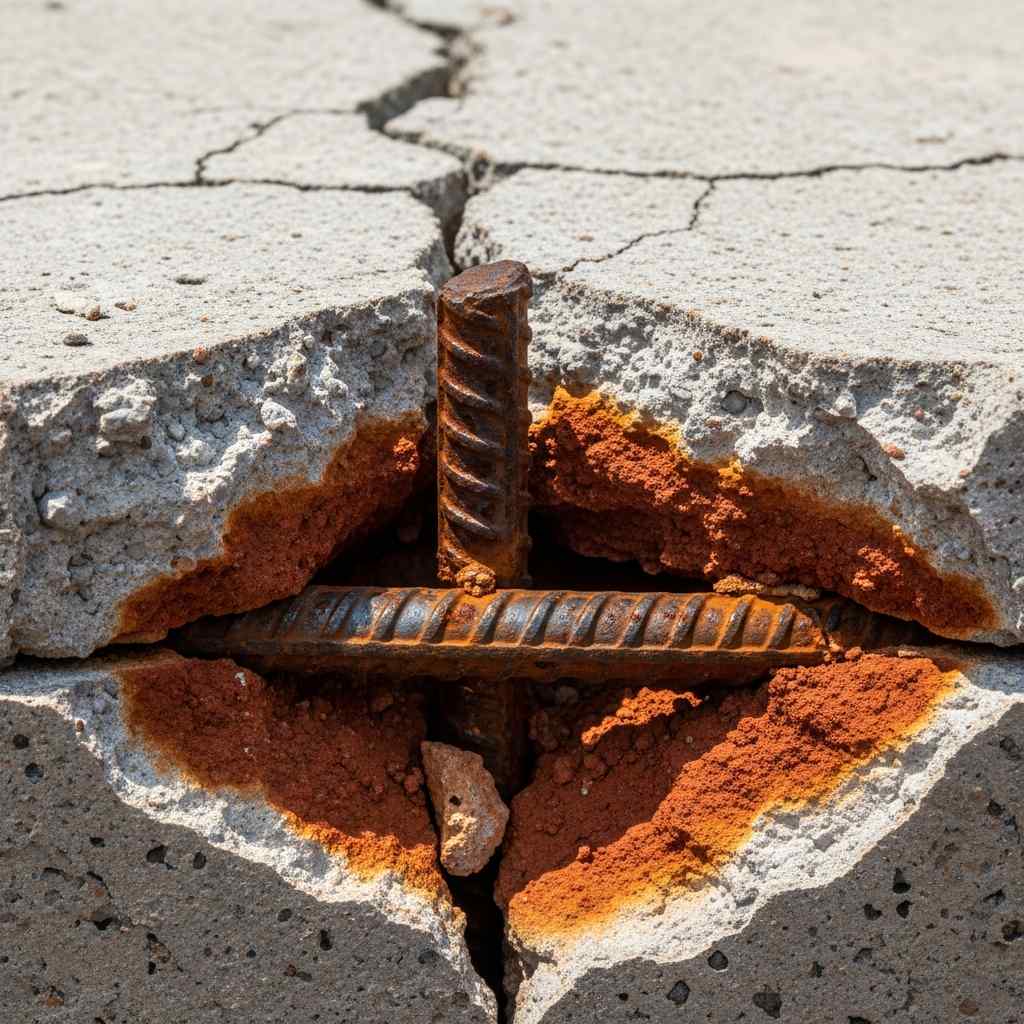 Close-up of rusted steel rebar protruding from cracked concrete with red soil visible in fractures.
The Context of National Fiscal Constraints
The ambitious local budget exists within a national framework of fiscal consolidation. The Federal Government’s 2026 budget allocates N26.08 trillion for capital expenditure, representing about 24% of the total N58.18 trillion budget (Budget Office of the Federation, 2026). The Okrika LGA’s 70% capital share demonstrates a different set of priorities at the subnational level, focused on immediate physical deficits.
However, the FAAC allocation to states and LGAs remains vulnerable to fluctuations in crude oil revenue. In January 2026, the total VAT collections were N1.08 trillion, with the federal government receiving N100.32 billion (10 per of net VAT), states N551.77 billion (55 per cent), and local governments N351.13 billion. Any sustained drop in these monthly shares would immediately jeopardize the implementation of the Okrika capital plan. The budget contains no contingency provision for revenue shortfalls.
Implementation Challenges and Oversight Mechanisms
The history of infrastructure development projects in Nigerian local governments includes challenges with project abandonment, cost inflation, and quality defects. The Okrika legislative council asserts it will activate its oversight functions through the Committee on Works and Projects. The council plans quarterly budget performance reviews and public presentation of audit reports.
The state’s Local Government Service Commission mandates the use of the state’s e-procurement portal for contracts, a measure designed to enhance transparency (Rivers State Government, 2025). Furthermore, the Bureau of Public Procurement (BPP) at the state level retains the right to review large-value contracts. These layers of oversight may improve accountability but also risk creating bureaucratic delays.
“Oversight is our constitutional duty. We will track every project from award to completion to ensure value for money.” – Hon. Promise Tariah, Leader of the Okrika Legislative Council, in an interview on March 11, 2026 (Premium Times, 2026).
Comparative Analysis with Peer LGAs
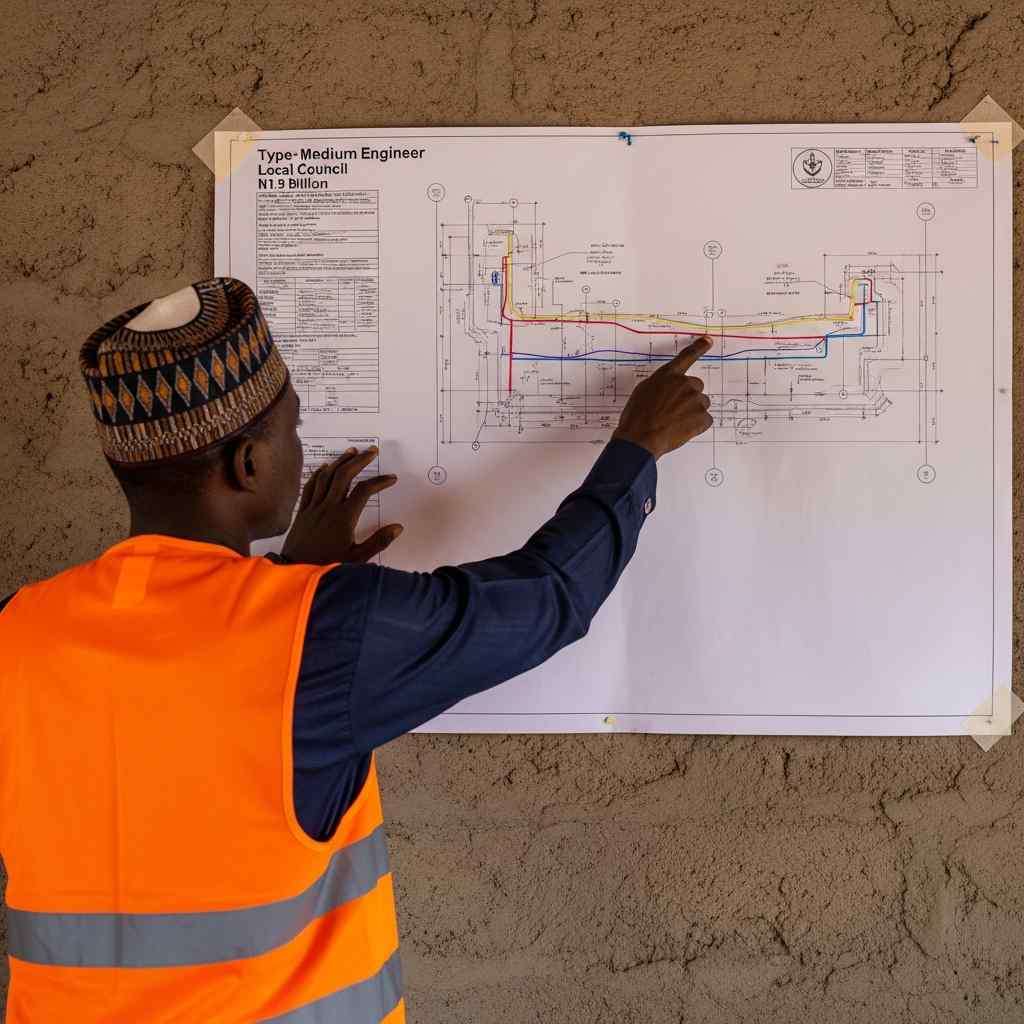
A review of recent budgets from other riverine LGAs in Rivers State reveals varied approaches. The Degema LGA approved a N9.8 billion budget for 2026 with a 60% capital share, while the Akuku-Toru LGA passed a N10.5 billion budget with a 55% capital allocation (BusinessDay, 2026). Okrika’s higher capital proportion suggests a more aggressive posture on infrastructure delivery, possibly influenced by its proximity to Port Harcourt and higher population density.
The National Bureau of Statistics estimates the population of Okrika LGA at over 379,000 people (NBS, 2024 projection). This demographic pressure on existing infrastructure justifies the heavy capital focus. The per capita capital expenditure in the Okrika proposal approximates N29,000, a figure that exceeds the average for the state if fully implemented.
A Public Project Dashboard
The Okrika Legislative Council can mandate the creation of a simple, public-facing project dashboard on the LGA’s official digital platform. This dashboard would list every capital project in the budget, the awarded contractor, the contract value, the completion timeline, and monthly updated photos of the site. The technology requirement is minimal—a basic webpage updated by a dedicated officer.
This action addresses the core issue of transparency without major cost. It empowers citizens, journalists, and civil society to monitor progress directly. It creates a permanent, accessible record that deters phantom projects and builds public trust in the infrastructure development agenda. The dashboard becomes a tool for the council’s own oversight, providing clear data for performance review sessions.

Education Funding Fails 8.3 Million Nigerian Children Out of School

Federal Allocations Rise, Yet 10 States Plan N4.28 Trillion Borrowing Spree

Displaced Persons: Security Agencies Guard Aid Distribution in Nigeria

Rescue Boats Arrive in Yobe After River Tragedy Kills 30

Multiple Taxation and Decay Strangle Lagos Trade Fair

Water Safety: NEDC Warns Against Night Sailing in Northeast Nigeria

Recurrent Spending: Kaduna LGAs Allocate N91 Billion in 2026 Budget

LGA Allocations Rise as Rural Communities Wait for Development

Infrastructure Development: Okrika LGA Presents N11.9 Billion Budget

Landing Jetty Opens in Okrika with Passenger Hall, 2026

The Night Bandits Came: How One Nigerian Community Fought Back

Real Estate Tax in Nigeria: The 2026 Clarity Imperative

Internet Sovereignty: Why Some Countries Want Their Own Separate Internet

How One Misplaced Dot Broke a Bank Login Page

The Untold Story Of The Nigerian Who Helped Build Global Internet Systems

Nigerian Hackers: The Global Fraud Story and Its Fallout

Forgotten Satellites Defy Silence, Beaming Signals for Decades

Do Not Allow Your Digital Store to Shut Down: The Exact Dates That Kill Websites

The “Village People” Aren’t Blocking Your Sales; Your Bad SEO Is.

The Business That Died because the Owner Refused to “Go Beyond.”

Why Are You Hiding Your Business From People With Money?

How Digital Maps Help Police Find Crime Spots

How Nollywood Grew Without Government Support

Why Criminal Gangs Target Base Transceiver Stations
 Edutech Portal4 weeks ago
Internet Sovereignty: Why Some Countries Want Their Own Separate Internet
- Digital Hustle4 weeks ago
How One Misplaced Dot Broke a Bank Login Page
- Edutech Portal4 weeks ago
The Untold Story Of The Nigerian Who Helped Build Global Internet Systems
- Edutech Portal4 weeks ago
Nigerian Hackers: The Global Fraud Story and Its Fallout
- Edutech Portal4 weeks ago
Forgotten Satellites Defy Silence, Beaming Signals for Decades
- Edutech Portal4 weeks ago
Do Not Allow Your Digital Store to Shut Down: The Exact Dates That Kill Websites
- Edutech Portal4 weeks ago
The “Village People” Aren’t Blocking Your Sales; Your Bad SEO Is.
- Edutech Portal4 weeks ago
The Business That Died because the Owner Refused to “Go Beyond.”