Entertainment & Media
Nnamdi Asomugha From NFL Cornerback to Hollywood Producer
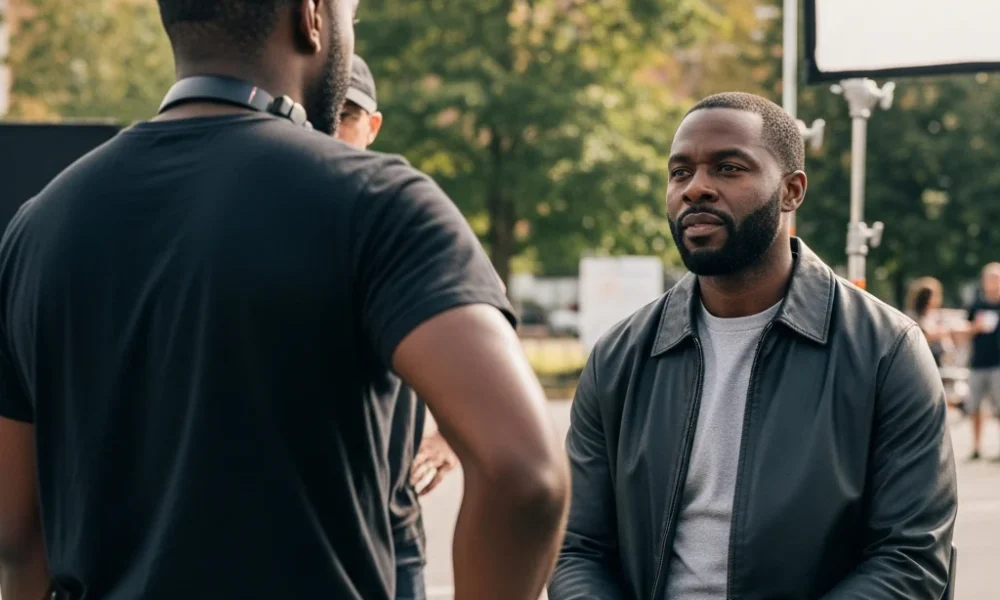
Nnamdi Asomugha left the bright lights of the NFL for a producer’s chair, finding stories that need telling with a quiet plan and the discipline of a different game.

Nnamdi Asomugha From NFL Cornerback to Hollywood Producer
Published: 08 April, 2026
The morning after the game
When a man spends 11 years chasing wide receivers across a field and makes something like $53 million in the process, you think you have all his story. Nnamdi Asomugha played for the Oakland Raiders and the Philadelphia Eagles and he was very good, but then he stopped. He didn’t fade away. He started a film company that Variety wrote about in 2024, and his company made a movie about Shirley Chisholm with Regina King directing. A strange pivot. A beautiful one.
The quiet plan
Most athletes don’t know what to do when the cheering stops and the structure vanishes because the adrenaline fades and it’s a hard thing. Nnamdi Asomugha was thinking about it while he was still playing, studying business at the University of California, Berkeley and building a foundation. His wife, Kerry Washington, acts, and The Hollywood Reporter mentioned that in 2025. It helps to have someone who knows the terrain, of course.
What a producer does
His company, Asomugha Productions, doesn’t act but finds stories that need to be told and then finds the money to tell them, putting the right people in a room for a different kind of game. The stories have weight, like Shirley about the 1972 presidential run or Crown Heights about a wrongful imprisonment, which Deadline covered in 2023.
“We look for stories that need to be told, stories that have impact and resonance.”
– Nnamdi Asomugha, to The Hollywood Reporter, 2025.
Finding the money is its own quiet drama where you need millions, and for Shirley it was about $20 million according to IndieWire in 2024. You talk to studios and investors and make deals, which is a very long conversation that requires a particular kind of patience.
A Nigerian story
His parents came from Nigeria, and this matters because in many Nigerian families success has a short and familiar list with doctor, lawyer, and engineer. This story isn’t on that list. It’s a different kind of win that the diaspora watches, and they see Nnamdi Asomugha and filmmaker Andrew Dosunmu with pride in it. Back home, Nollywood makes over 2,500 films a year, as the National Film and Video Censors Board said in 2025, but their problems are about money and distribution. The scale in Hollywood is different. The game is the same.

Most ideas die
This is the quiet truth of it because most films never get made and scripts sit in drawers while money never appears, which is why it’s called development hell. Nnamdi Asomugha worked on the Shirley film for years, getting permission from the family and finding a writer before he needed a director. Regina King said yes after reading the script, as Entertainment Weekly wrote in 2024, and the film went to Netflix in March 2024. People liked it. That’s the win, and it means you chose right.
The team builder
A good producer builds a team with a director, cinematographer, and cast who all need to want the same film while you also watch the money and the clock. Trust is everything. People work with you because they believe you can finish the job, and his reputation from football helps because discipline travels.
“He runs his set like a team. There is a clarity of purpose and a respect for everyone’s role.”
– A crew member from the set of Shirley, to Variety, 2024.
Then you have to find an audience by partnering with Netflix or a theater chain, which is the last play and the final pass.
Hollywood money
Hollywood is a project economy where you get fees and maybe a piece of the profits if there are any, but the accounting is creative. Big studios like Warner Bros. fund the huge films while independents patch money together from investors and tax breaks. Now streaming companies change everything, and Netflix, Amazon, and Apple pay big money upfront, as Bloomberg talked about in 2025. It makes the risk smaller. Slightly.
Same game, different field
Think about it because a football game and a film premiere are both judged by millions in one night where preparation matters but teamwork matters more. Leading a locker room and leading a film set aren’t so different when you have talented people you must point in one direction. The career span is short, too, and the average NFL career is about 3 years, as the NFL Players Association confirmed in 2025. In film, you’re only as good as your last project, so you’re always looking for the next job. Building a company is how you stay in the game.
What comes next
Asomugha Productions has more stories in the drawer because you have to keep a pipeline, and one film isn’t a career. People say the company likes stories from Africa and the African-American experience, which makes sense. After Black Panther, the world remembered there was an audience, and television is next with limited series for streamers. A crowded space. A good reputation gets you in the door.
He is not the only one
Other athletes have done it, like LeBron James with his company and former NFL player Matthew Cherry who won an Oscar, because they use their fame and their discipline. They hire people who know the business. The trick is to be more than a name on the door, and Nnamdi Asomugha goes to the meetings and looks at the budgets. He learned that in school. He uses it.
The long game
So here is a man who planned his exit before the game was over and built a company that tells important stories, which is how Shirley made it to Netflix. That’s a touchdown in that league. In Nigeria, people nod because they know this story where preparation meets opportunity. The children of the diaspora are writing new lists from the field to the studio. A quiet pivot. A good story.



Entertainment & Media
Broda Shaggi Recuperating After Sango-Ota Shooting Incident
Broda Shaggi is recovering after a prop gun fired on set. It happened under a bridge in Sango-Ota. Now everyone is talking about safety in Nollywood again. The numbers tell a story of their own.

Nollywood Star Broda Shaggi Recuperating After On-Set Shooting Incident
Published: 27 March, 2026
You know how it goes when you hear a story like this one about Samuel Perry, the man everyone calls Broda Shaggi, who is now resting in a hospital bed in Ikeja after a gun went off while he was working.
Under the Bridge
It happened on Sunday, March 8, 2026 under the Sango-Ota bridge in Ogun State where they were filming a comedy skit and a prop firearm that was not supposed to fire did exactly that, hitting Perry in the thigh.
The crew rushed him to a clinic in the Alakuko area for emergency first aid before he was moved to Duchess Hospital for more specialized care, which The Punch wrote about a few days later.
People are still asking questions about how it happened.
The police from the Lagos State Police Command got a call from the hospital about a man with a gunshot wound, so detectives went to see for themselves and confirm who it was.
A Video from the Bed
Broda Shaggi has been sending messages to his fans from his hospital room to say he is stable, calling the whole thing a sad accident and thanking people for the quick medical help he received.
“I am fine and the doctors are taking good care of me. I thank everyone for the love and prayers. This was a sad accident, but I am getting better.” – Samuel Perry (Broda Shaggi), March 2026 statement.

The Usual Conversation
Now everyone is talking again about safety on film sets in Nigeria, a conversation that happens every time something like this occurs.
The Actors Guild of Nigeria has rules about using certified armorers for weapon scenes, but many independent skit makers and smaller producers work without them because a proper pyrotechnician can ask for more than ₦500,000 in a single day.
That is a lot of money.
What the Guild Says
Emeka Rollas, who is the President of the Actors Guild of Nigeria, says the guild is looking into what happened under that bridge because the safety of actors should come first and everyone should follow the rules.
The tricky part is that thousands of small productions operate outside the formal guild system where rules are just suggestions you can ignore.
“The safety of our members is paramount. We will engage all stakeholders to ensure standard operating procedures are established and enforced. No actor should fear for their life while telling a story.” – Emeka Rollas, President of the Actors Guild of Nigeria, confirmed in a March 26, 2026 press release on the AGN Official Website.
Guns for Hire
If you want to use a real gun in a Nigerian film, you need a permit from the Nigerian Police Force for a decommissioned weapon and you buy blank ammunition from licensed dealers, which sounds straightforward until you try it.
The process involves many offices and takes time, so some productions use replicas or unregulated props to avoid the hassle.
A prop master told Vanguard last year that training is not consistent and many people learn the job as they go without any formal safety lessons.
The Cost of Being Careful
Think about the numbers for a minute.
A certified safety specialist can cost over ₦500,000 per day, but the average budget for a direct-to-streaming Nollywood film is between ₦20 million and ₦50 million.
Adding that specialist eats a big chunk of the money.
Producers work with very thin margins and rarely buy insurance for mid-budget projects, so they make a calculation between being safe and being able to finish the film at all.
It is a funny kind of math where trying to save money can end up costing you more if someone gets hurt.
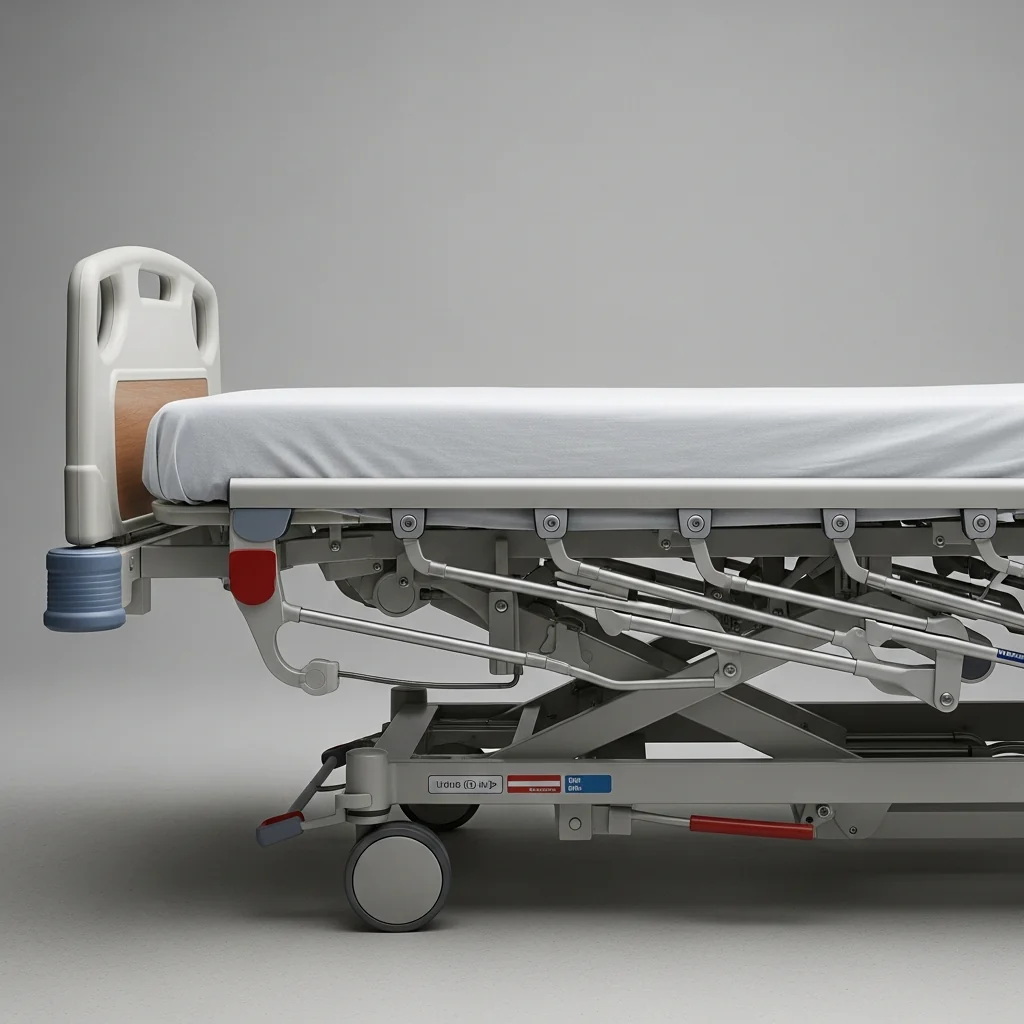
Recovery Time
The doctors say Broda Shaggi will need several weeks to rest before he can go back to his busy life, so his team has postponed all his upcoming work.
This whole incident reminds everyone that filming in public spaces like under a bridge comes with its own set of risks that need proper planning.
Right now people are just happy he is getting better.
The bigger talk about making sets safer and regulating prop weapons is still happening on social media where everyone has an opinion.
Looking in the Mirror
Social media blew up with concern for the actor and calls for the government to step in and regulate the film industry more, which is a conversation you hear about many workplaces in the creative sector of Nigeria.
The National Film and Video Censors Board checks what you see on screen but not how you make it, and changing that would need new laws.
The board did put out a statement wishing Broda Shaggi a quick recovery.
They did not say anything about new rules.
A Simple First Step
Here is one thing a producer can do today without spending extra money.
You can hold a safety briefing for everyone on the crew before any scene with weapons or stunts and make each person sign a paper to say they understand the hazards and how to avoid them.
That piece of paper creates a record that you tried.
It makes everyone aware of the dangers and it builds a culture where people look out for each other, which is the first and cheapest layer of protection you can get against accidents that do not need to happen.
So Broda Shaggi is in a hospital bed and the whole industry is having another talk it has had before.
The film business in Nigeria is growing bigger every year and people expect higher standards now.
The health of the people who tell the stories is the foundation everything else is built on.
The choice is between keeping things as they are or deciding that safety is not a luxury you can skip.
We will see what happens.
Entertainment & Media
Comedy Industry in Nigeria and Its Economic Contribution
Here is the thing. Laughter has become big business. Nigerian comedy fills stadiums. It dominates timelines. So where does the money flow? Let us follow it. This is the economy of a punchline.

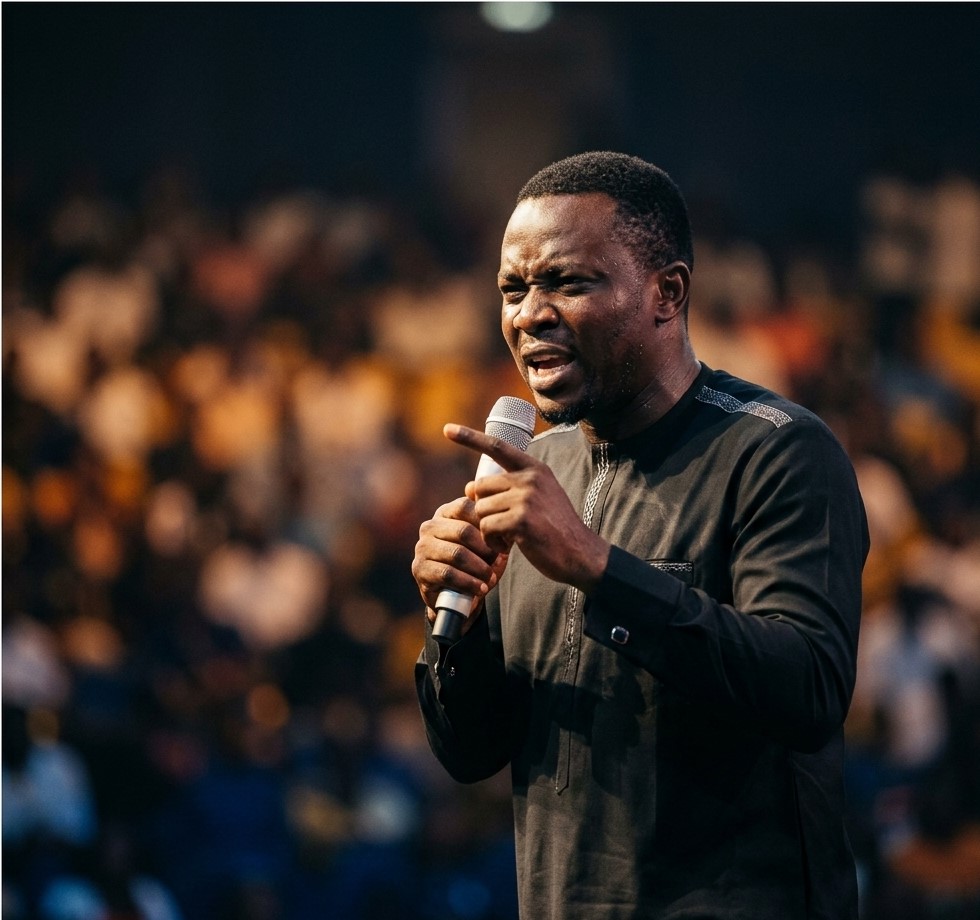
Nigerians do not just laugh for free anymore
Published: 01 March, 2026
Church hall performances and campus nights are a distant memory. Today, a comedy show ticket can cost as much as a concert seat. A top comedian fee for a single corporate gig dwarfs a bank manager annual salary. This is a structured industry now, with measurable economic output.
According to analyses by PwC Nigeria Entertainment & Media Outlook, the live comedy segment has become a significant revenue generator. The numbers are in. While specific 2025 revenue figures have not been tallied by agencies like the National Bureau of Statistics, the sector contributed billions of naira in direct revenue. This came from ticket sales, corporate bookings, and comedy club operations across the country. Growth is projected to continue.
The Numbers Behind the Laughter
BusinessDay recently analyzed the structure. Comedy provides employment for thousands: comedians, writers, videographers, sound engineers, event staff. It also creates a secondary economy for vendors outside event venues.
The revenue streams are diverse. Live shows generate a significant share. Major brands like AY Live and Basketmouth concerts fill large arenas. Premium tables and VIP sections are a high-revenue segment. Recent major shows in Lagos demonstrated strong demand.
Corporate bookings account for another significant portion. Banks and telecommunications companies hire comedians at competitive rates. Top-tier comedians command millions of naira per private booking.
But there is a catch. The skit maker explosion has added a new layer. A 2026 report by We Are Social and Hootsuite estimates that top Nigerian skit creators earn substantial monthly income through social media advertising and brand integrations. The digital space now supports hundreds of comedy channels. As The Nation noted in a 2024 feature, brand endorsement deals for comedians have seen steady growth. A comedian with a large, engaged following can charge significant fees for a single sponsored post.
The Industry Structure
Channels Television and industry insiders describe three distinct layers.
The Headliners. This top tier has national recognition. Names like Ali Baba, AY Makun, Basketmouth, and Bovi represent the foundation. They often reinvest earnings into production companies.
The Working Class. Hundreds of comedians earn their primary income from comedy. They perform at weddings, corporate events, and smaller shows. Those based in commercial hubs like Lagos see more frequent booking opportunities.
The Digital Content Creators. Thousands of young Nigerians create comedy for social media. A small percentage successfully monetize their work. This segment has democratized the industry. It allows talent from across the country to find an audience without needing an initial platform in Lagos.
The consequences
The entertainment industry provides indirect economic benefits. For every major show, there is increased activity in transportation, food and drink, fashion, and hospitality. A typical large-scale comedy show requires a variety of support staff.
Vanguard News recently noted that major events create temporary employment for hundreds of people per production. Nairametrics analyzed the fiscal contributions. VAT from ticket sales and income tax from formal entities add to government revenue. As the industry becomes more formal, these contributions are expected to rise.
The Club and Digital Economy
Arise News investigated the comedy club scene in Lagos. Several venues now host regular comedy nights. These clubs employ permanent staff and provide a consistent platform for mid-level talent. The club economy also supports local micro-entrepreneurs.
On the digital side, TechPoint reports significant growth in Nigerian comedy views on platforms like YouTube. This represents a substantial share of Nigerian digital content consumption. Top channels earn through the YouTube Partner Program, supplemented by direct brand payments.
The hurdles that
BusinessDay identified several structural hurdles. Intellectual property is one. Content creators often struggle with unauthorized reposting of their work. Payment cycles are another. Some performers face delays in receiving payments from clients. Production costs are rising. Venue rentals and equipment can impact the profitability of live shows. Then there is talent development. There is a lack of formal training for aspiring comedians, who must learn through trial and error.
The Export and Film Connection
CNBC Africa reported that Nigerian comedians are a major export, performing regularly for diaspora audiences in the UK, USA, and Canada. These international tours generate foreign exchange. Premium Times has documented how top-tier comedians navigate international logistics.
Wait, it gets more complex. There is a strong overlap with Nollywood. Comedians like AY have produced successful films. Actress and producer Funke Akindele, who often stars in comedic roles, has produced some of the highest-grossing films in Nigerian cinema history. This collaboration drives box office numbers.
What happens next?
The industry thrives because of its low barrier to entry and its ability to reflect the Nigerian experience. To protect this growth, stakeholders like the Association of Nigerian Comedians have suggested a digital registry for content to help establish intellectual property ownership.
The laughter continues. In Lagos clubs or on digital screens, comedians provide a necessary lens for society. The industry is no longer just about jokes. It is a significant economic pillar that supports thousands of livelihoods.
Entertainment & Media
How Nollywood Grew Without Government Support
Here is the thing. Government support was a ghost story. Nollywood grew on its own. Private money. Street distribution. So here we are. A global giant built without official help.

How Nollywood Grew Without Government Support
Published: 01 March, 2026
Where was the government when Living in Bondage hit the streets in 1992? According to The Sun Nigeria, the film that started it all was made on a shoestring budget of roughly $12,000. Not a single kobo came from the state. This established the precedent. Filmmakers turned to the private “Alaba Market” distribution system, a grassroots network that reached millions of homes across Africa without a single government-funded cinema screen.
In 2026, while the government is formalizing support through the ₦1.5 billion creative fund, the foundation of Nollywood remains rooted in a “self-made” philosophy. The industry propelled itself to become the world’s second-largest film producer by volume through pure grit.
The Private Sector as the Main Engine
For decades, there was no official “Film Fund.” The private sector had to step in. BusinessDay reported that the shift to “New Nollywood” was financed by Nigerian banks and private equity. The Bank of Industry (BOI) launched a ₦1 billion “Nolly Fund,” which was a commercial loan rather than a grant. This forced filmmakers to prioritize what audiences actually wanted to see. They had to ensure they could repay the debt.
Contrast this with the cultural subsidies often seen in Europe. The Nation highlighted that the “Billion Naira Club,” featuring stars like Funke Akindele, was built through partnerships with private cinema chains like FilmOne. By 2025, Nollywood films hit a record ₦15.6 billion in box office revenue. This success was driven by “bankable titles” and private marketing strategies, not government mandates.
Global Streaming: The Modern Independence Tool
The digital revolution has only solidified this independence. Scientia Nigeria noted that global giants like Netflix and Amazon Prime Video bypass government bureaucracy to deal directly with local creators. Between 2016 and 2023, Netflix alone invested over $25 million in original Nigerian titles. This provided the liquidity that state agencies historically could not.
But there is a catch. This direct-to-creator model has forced a shift. Premium Times reported that without a safety net, producers have had to compete on a global stage. At the 2026 Berlin International Film Festival, Nigerian filmmakers were praised for their “commercial literacy.” It is a survival skill honed by decades of operating in a high-risk, “sink or swim” environment. That reality turned Nollywood into a lean, market-responsive machine.
The Cost of Independence: Infrastructure and Piracy
The trouble is, this massive feat has come at a high cost. Vanguard News pointed out in February 2026 that the lack of government protection led to a piracy crisis. It drained billions. Stakeholders at the Lagos Business of Film Summit emphasized that while the industry grew “in spite” of the government, it now needs specific policies to protect intellectual property. Digital theft costs the sector an estimated ₦300 billion annually.
This brings us to the next stage. As The Cable noted, evolution from “volume to value” requires a new model. Creators are calling for infrastructure like the proposed Lagos Film City to reduce production costs. Wait, it gets more complex. The spirit remains fiercely independent. Veterans often remind the public: Nollywood was born in the streets and fed by the people. That was long, long before the government took notice.

Hakeem Oluseyi Brings Astrophysics to Classrooms Worldwide

NANS Diaspora Nigerian Students Eastern Europe

Nnamdi Asomugha From NFL Cornerback to Hollywood Producer

Folake Olowofoyeku Stars in American Sitcom on Nigerian Family Life

Pearlena Igbokwe Leads NBC Universal Content Strategy

Bayo Ogunlesi and the Global Airport Deal

Skepta Opens Creative Hub for Young People in North London

Bronze Head Returned Home to Benin City After a Century in Britain

Abike Dabiri Erewa Calls for Diaspora Women in Nigerian Politics

NUSA Nigerian Culture Parade Takes Over New York City Streets

Midnight Market Appears in Okija Forest Each December

Dye pits whisper names and multiple visitors have reported hearing the same ones

Internet Sovereignty: Why Some Countries Want Their Own Separate Internet

The Story Of The Nigerian Who Helped Build Global Internet Systems

Nigerian Hackers: The Global Fraud Story and Its Fallout

Forgotten Satellites Defy Silence, Beaming Signals for Decades

Your Digital Store in Nigeria and the Reality of Domain Expiration

The Phone Stay So Quiet: An Investigation into Nigeria’s Silent Customer Lines

The Business That Died: A Nigerian Case Study in Refusal to Adapt

Hiding Your Business From People With Money

How Nollywood Grew Without Government Support

Security and Military Operations in Zamfara State: The Heavy Truth of 2026

Comedy Industry in Nigeria and Its Economic Contribution

Nigeria Produces 67 Percent Global Yam Output
 Digital Sovereignty2 months ago
Internet Sovereignty: Why Some Countries Want Their Own Separate Internet
- Diaspora2 months ago
The Story Of The Nigerian Who Helped Build Global Internet Systems
- Crime2 months ago
Nigerian Hackers: The Global Fraud Story and Its Fallout
- Space Technology2 months ago
Forgotten Satellites Defy Silence, Beaming Signals for Decades
- E-Commerce2 months ago
Your Digital Store in Nigeria and the Reality of Domain Expiration
- Edutech Portal2 months ago
The Phone Stay So Quiet: An Investigation into Nigeria’s Silent Customer Lines
- Edutech Portal2 months ago
The Business That Died: A Nigerian Case Study in Refusal to Adapt
- Business2 months ago
Hiding Your Business From People With Money