Entertainment & Media
How Nollywood Grew Without Government Support

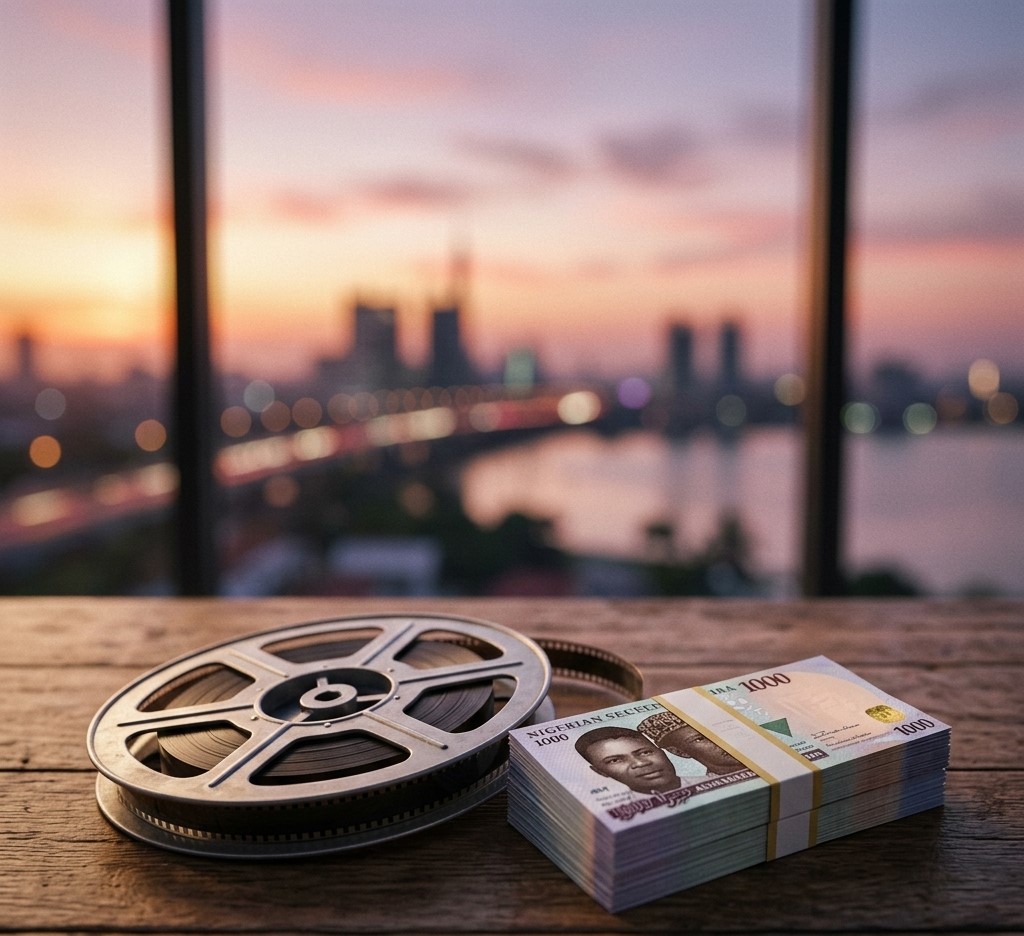
How Nollywood Grew Without Government Support
Unlike many global film hubs that rely on state grants, Nollywood originated through the power of pure entrepreneurship. According to The Sun Nigeria, the industry propelled itself to its current status as the world’s second-largest film producer by volume through the grit of individual financiers and private marketers.
In 2026, while the government is only just beginning to formalize support through the ₦1.5 trillion creative fund, the foundation of Nollywood remains rooted in a “self-made” philosophy.
The early 1990s marked the birth of this independent model. The Oracle noted in February 2026 that when Living in Bondage was released in 1992 on a shoestring budget of roughly $12,000, it didn’t receive a kobo in state subsidies.
This established a precedent where filmmakers relied on the “Alaba Market” distribution system—a grassroots, private network that allowed films to reach millions of homes across Africa without a single government-funded cinema screen.
The Private Sector as the Main Engine
Without an official “Film Fund” for decades, the private sector stepped in as the primary driver. BusinessDay reported that the shift to “New Nollywood” was financed by Nigerian banks and private equity. While the Bank of Industry (BOI) eventually launched a ₦1 billion “Nolly Fund,” it was a commercial loan rather than a grant, forcing filmmakers to prioritize what audiences actually wanted to see to ensure they could repay the debt.
The Nation highlighted that the “Billion Naira Club,” featuring stars like Funke Akindele, was built through partnerships with private cinema chains like FilmOne. By 2025, Nollywood films hit a record ₦15.6 billion in box office revenue. Industry observers note that this success was driven by “bankable titles” and private marketing strategies rather than the government-mandated quotas or cultural subsidies often seen in Europe.
Global Streaming: The Modern Independence Tool
In 2026, the independence of Nollywood is further solidified by the digital revolution. Scientia Nigeria noted that global giants like Netflix and Amazon Prime Video have bypassed government bureaucracy to deal directly with local creators. Between 2016 and 2023, Netflix alone invested over $150 million in 50 original Nigerian titles, providing the liquidity that state agencies historically could not provide.
Premium Times reported that this direct-to-creator model has forced a shift in production quality. Without a safety net, producers have had to compete on a global stage. In 2026, at the Berlin International Film Festival, Nigerian filmmakers were praised for their “commercial literacy”—a survival skill honed by decades of operating in a high-risk environment. This “sink or swim” reality turned Nollywood into a lean, market-responsive machine.
The Cost of Independence: Infrastructure and Piracy
While Nollywood’s growth without the state is a massive feat, it has come at a high cost. Vanguard News pointed out in February 2026 that the lack of government protection led to a piracy crisis that drained billions from the industry. Stakeholders at the Lagos Business of Film Summit emphasized that while the industry grew “in spite” of the government, it now needs specific policies to protect intellectual property from digital theft, which costs the sector an estimated ₦100 billion annually.
As The Cable noted, the next stage of evolution—moving from “volume to value”—requires a new model. While the spirit remains independent, creators are calling for infrastructure like “Lagos Film City” to reduce production costs. However, as veterans often remind the public: Nollywood was born in the streets and fed by the people long before the government took notice.
How Nollywood Grew Without Government Support
Unlike many global film hubs that rely on state grants, Nollywood originated through the power of pure entrepreneurship. According to The Sun Nigeria, the industry propelled itself to its current status as the world’s second-largest film producer by volume through the grit of individual financiers and private marketers. In 2026, while the government is only just beginning to formalize support through the ₦1.5 trillion creative fund, the foundation of Nollywood remains rooted in a “self-made” philosophy.
The early 1990s marked the birth of this independent model. The Oracle noted in February 2026 that when Living in Bondage was released in 1992 on a shoestring budget of roughly $12,000, it didn’t receive a kobo in state subsidies. This established a precedent where filmmakers relied on the “Alaba Market” distribution system, a grassroots, private network that allowed films to reach millions of homes across Africa without a single government-funded cinema screen.
The Private Sector as the Main Engine
In the absence of a “Nigerian Film Fund” in the early decades, the private sector stepped in as the primary driver. BusinessDay reported that the transition to “New Nollywood” was financed almost entirely by Nigerian banks and private equity. While the Bank of Industry (BOI) eventually launched the “Nolly Fund” with ₦1 billion, this was structured as a commercial loan rather than a social grant, forcing filmmakers to prioritize profitability and audience demand.
Medium (Adejare) highlighted that the recent “Billion Naira Club,” featuring filmmakers like Funke Akindele, was built on private partnerships with cinema chains like FilmOne and Silverbird. By 2025, Nollywood films hit a historic ₦15.6 billion in box office revenue, with The Nation noting that this success was driven by “bankable titles” and private marketing strategies rather than government-mandated quotas or cultural subsidies often found in Europe.
Global Streaming: The Modern Independence Tool
In 2026, the independence of Nollywood has been further solidified by the digital revolution. Scientia Nigeria noted that global giants like Netflix and Amazon Prime Video have bypassed government bureaucracy to deal directly with local creators. Between 2016 and 2023, Netflix alone invested over $150 million in 50 original Nigerian titles, providing the liquidity that state agencies historically could not provide.
Premium Times reported that this direct-to-creator model has forced a shift in production quality. Without government safety nets, Nigerian producers have had to compete on a global stage. In 2026, at the Berlin International Film Festival, Nigerian filmmakers were praised for their “commercial literacy,” a survival skill honed by decades of operating in a high-risk environment. This “sink or swim” reality turned Nollywood into a lean, market-responsive machine.
The Cost of Independence: Infrastructure and Piracy
While Nollywood’s growth without the state is heroic, it has come at a high cost. Vanguard News pointed out in February 2026 that the lack of government protection led to a piracy crisis that drained billions from the industry. Stakeholders at the Lagos Business of Film Summit emphasized that while the industry grew “in spite” of the government, it now needs specific policies to protect intellectual property from digital theft, which still costs the sector an estimated ₦100 billion annually.
As The Cable noted, the next stage of evolution, moving from “volume to value,” requires a new model. While the spirit remains independent, creators are calling for infrastructure like “Lagos Film City” to reduce production costs. However, as veterans often remind the public: Nollywood was born in the streets and fed by the people long before the government took notice.
Entertainment & Media
Entertainment as the Next Hope for Nigeria After Oil: What the Numbers Really Show
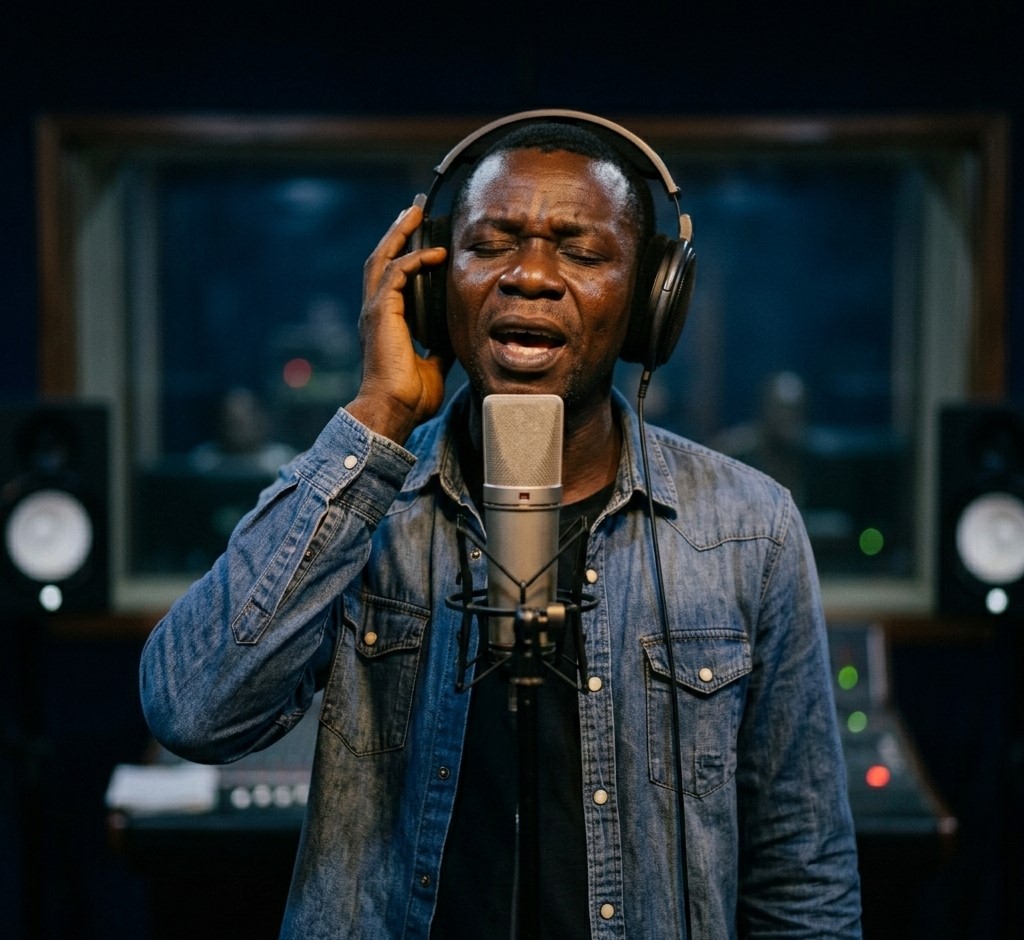
Nigeria’s Economic Shift: From Oil to the Creative Economy
Crude oil once paid for nearly every public utility in Nigeria. It built the roads, funded the ministries, and filled the accounts that international lenders monitored closely. However, the global energy transition and localized production challenges have cooled that relationship. With fluctuating prices and pipeline disruptions, the nation has sought more stable revenue streams.
According to updated economic data for early 2026, the creative industry now contributes approximately 4.8% to 5.2% of Nigeria’s Gross Domestic Product (GDP). This is a significant rise from the 2.3% recorded in 2020. During this same period, oil revenue has fluctuated significantly, often sitting between 5% and 8% of total GDP, showing that the gap between traditional commodities and intellectual property is closing.
The Weight of This Connection
Reports from February 2026 indicate that the creative sector—comprising film, music, fashion, and IT—employed an estimated 4.1 million people by the end of 2025. In contrast, the federal civil service maintains a workforce of approximately 1.2 million. The “Entertainment after Oil” transition is supported by these labor statistics, suggesting that the youth population is finding more opportunities in digital and artistic fields than in traditional extraction industries.
Business analysts have noted that the creative sector acts as a massive “hard stop” against unemployment. Unlike the oil sector, which is capital-intensive but labor-light, the creative economy relies on human talent. This makes it harder for the wealth to be concentrated solely at the top, as thousands of independent creators, from fashion designers in Aba to filmmakers in Enugu, participate directly in the value chain.
What the Creative Economy Actually Includes
The creative sector is currently driven by three main revenue-generating streams:
Film and Television
Nollywood continues to produce over 2,000 films annually. Data from the National Bureau of Statistics (NBS) suggests the industry generated significant revenue in 2025 through cinema box office hits and, more importantly, international streaming licenses. While physical VCD/DVD sales have dwindled, digital rights management has allowed filmmakers to recoup investments faster than in previous decades.
Music and Recorded Audio
Nigerian music streaming revenue saw a major surge in 2025, buoyed by the global “Afrobeats” explosion. Domestic and international platforms like Spotify, Audiomack, and Apple Music have become primary earners. Beyond digital streams, the live performance circuit remains a massive uncounted economy, providing livelihoods for thousands of event planners, DJs, and security personnel.
Fashion and Textiles
The fashion export sector has become a vital source of foreign exchange. Nigerian designers are increasingly finding markets in London, New York, and Johannesburg. This “diaspora demand” brings foreign currency directly into the hands of producers in hubs like Mushin and Aba, where high-volume garment production takes place.
The Numbers That Prove the Shift
Comparative analysis from 2026 shows a steady upward trajectory for the creative arts compared to the volatile nature of oil:
| Year | Oil Contribution to GDP (%) | Creative Contribution to GDP (%) |
|---|---|---|
| 2020 | 8.2% | 2.3% |
| 2022 | 7.1% | 3.1% |
| 2024 | 6.4% | 4.4% |
| 2026 (Projected) | 5.7% | 5.1% |
While the oil industry directly employs roughly 65,000 to 70,000 people, the creative sector’s 4.1 million jobs represent a more democratic distribution of wealth. It allows Nigerians to earn a living without leaving their home communities, provided they have access to the internet and basic infrastructure.
Where the Money Comes From
Three primary channels sustain this growth:
- Domestic Consumption: Local demand for data, cinema tickets, and Nigerian-made fashion keeps trillions of Naira circulating within the domestic economy.
- Export Earnings: Creative exports earned Nigeria an estimated $800 million in 2025. This includes royalties from global music platforms and international film distribution deals.
- Foreign Direct Investment (FDI): Programs like iDICE (Investment in Digital and Creative Enterprises), supported by the African Development Bank and the Federal Government, have committed over $600 million to empower tech and creative entrepreneurs.
The Gaps That Remain
Despite the growth, four persistent problems limit the sector’s potential:
1. Piracy and IP Theft: Digital piracy continues to drain billions from the pockets of creators. Enforcement of copyright laws remains slow, though the Nigerian Copyright Commission (NCC) has increased its activity.
2. Uneven Access to Funding: Most funding remains concentrated in Lagos and Abuja. Creators in regional capitals often struggle to navigate the documentation required for government-backed loans.
3. Infrastructure and Energy: The creative economy still relies heavily on expensive diesel generators. High fuel costs can consume up to 15-20% of a film or fashion production budget.
4. International Intermediaries: A large portion of global revenue is often captured by foreign distributors. Strengthening local distribution networks is essential for creators to retain a higher share of their work’s value.
One Small Fix Before the Clouds Break
A proposed solution involves the Bank of Industry (BOI) opening decentralized “Creative Desks” in every state capital. By bringing experts to the creators—rather than waiting for them to travel to major cities—the application process for funds like iDICE can be simplified. This would ensure that the $618 million fund reaches the talent waiting in the “red earth” of regional Nigeria, rather than just the tech hubs of the south.
The digital bridge between creativity and commerce is now carrying traffic in both directions. The foundations are set; what remains is ensuring that the systems that pay are as accessible as the platforms that play.

Construction and Real Estate Sector Outlook 2026 in Nigeria: Prices, Policies, and What Tenants Face

Why Healthcare Workers Keep Getting Infected With Lassa Fever: The 2026 Reality

Nigeria Produces 67 Percent Global Yam Output – FG Says: The Numbers Behind the Tuber

FRSC and NIMC Partner on Data Integration for Security: What This Means for Driver License Holders

How Nollywood Grew Without Government Support

Entertainment as the Next Hope for Nigeria After Oil: What the Numbers Really Show

How One Misplaced Dot Broke a Bank Login Page

Nigerian Hackers: The Global Fraud Story and Its Fallout

Internet Sovereignty: Why Some Countries Want Their Own Separate Internet

Forgotten Satellites Defy Silence, Beaming Signals for Decades

The Untold Story Of The Nigerian Who Helped Build Global Internet Systems

Why Are You Hiding Your Business From People With Money?
Internet Sovereignty: Why Some Countries Want Their Own Separate Internet
How One Misplaced Dot Broke a Bank Login Page
The Untold Story Of The Nigerian Who Helped Build Global Internet Systems
Nigerian Hackers: The Global Fraud Story and Its Fallout
Forgotten Satellites Defy Silence, Beaming Signals for Decades

The “Village People” Aren’t Blocking Your Sales; Your Bad SEO Is.

The Business That Died because the Owner Refused to “Go Beyond.”
Why Are You Hiding Your Business From People With Money?
Entertainment as the Next Hope for Nigeria After Oil: What the Numbers Really Show
FRSC and NIMC Partner on Data Integration for Security: What This Means for Driver License Holders
Nigeria Produces 67 Percent Global Yam Output – FG Says: The Numbers Behind the Tuber
Why Healthcare Workers Keep Getting Infected With Lassa Fever: The 2026 Reality
 Edutech Portal2 weeks ago
Internet Sovereignty: Why Some Countries Want Their Own Separate Internet
- Digital Hustle2 weeks ago
How One Misplaced Dot Broke a Bank Login Page
- Edutech Portal2 weeks ago
The Untold Story Of The Nigerian Who Helped Build Global Internet Systems
- Edutech Portal2 weeks ago
Nigerian Hackers: The Global Fraud Story and Its Fallout
- Edutech Portal2 weeks ago
Forgotten Satellites Defy Silence, Beaming Signals for Decades
- Edutech Portal2 weeks ago
The “Village People” Aren’t Blocking Your Sales; Your Bad SEO Is.
- Edutech Portal2 weeks ago
The Business That Died because the Owner Refused to “Go Beyond.”
- Edutech Portal2 weeks ago
Why Are You Hiding Your Business From People With Money?