Edutech Portal
How to get USD virtual card without BVN for Nigerians in 2026
Need a USD card for online payments but have no BVN? Here’s exactly how to get a USD virtual card without BVN as a Nigerian in 2026.

“`html
How to get USD virtual card without BVN: The 2026 Reality for Nigerians
Published: 30 March, 2026
Millions of Nigerians require a method for international online payments that functions outside the formal banking system of the country. The demand for how to get USD virtual card without BVN originates from a specific gap in financial access. A report from the National Bureau of Statistics in 2025 indicated that over 40% of Nigerian adults outside the formal banking sector, with many lacking a Bank Verification Number. This creates a direct need for alternative payment rails.
Why the BVN Question Matters for Dollar Cards
Here is the thing. The Bank Verification Number is the central identity pillar for finance in Nigeria. The Central Bank of Nigeria made it mandatory for all bank accounts. Without a BVN, opening a naira account with a traditional bank becomes impossible. This rule extends to domiciliary accounts and the cards linked to them.
International card networks like Visa and Mastercard require stringent Know Your Customer checks. Nigerian banks use the BVN to fulfill this requirement. So if you lack a BVN, the conventional path to a Visa or Mastercard debit card, in dollars or naira, is closed at the local bank level.
The search for how to get USD virtual card without BVN is a search for a platform that uses a different method to verify identity. These platforms operate with licenses from foreign jurisdictions. They rely on passports, national ID cards, or proof of address from other countries to build a customer profile.
Platforms That Offer a Path Forward
Let me break it down. A few financial technology companies have designed products for this market. They are not Nigerian banks. They are global fintechs with services that reach Nigeria. Their registration happens online, and their compliance standards are international.
Payday and Its Virtual Card Service
Payday, a fintech with operations in Nigeria and Rwanda, provides a virtual dollar card. The company confirmed in 2026 that users can fund this card from their Payday wallet. The initial registration for a Payday wallet requires a phone number and an email address. For higher transaction limits and card issuance, the platform requests a government-issued ID and a selfie. The BVN is not part of this initial list.
Payday currently serves as a major payment processor for Starlink subscriptions in Nigeria and Rwanda. This real-world application adds significant value for users seeking to pay for high-demand services. TechCabal covered this service in 2025, noting its use for subscriptions like Netflix and Adobe. The card generates for online transactions immediately after account approval. Funding the card involves converting naira from a Nigerian bank account or receiving dollar payments into the Payday wallet.
Chipper Cash and Cross-Border Functionality
Chipper Cash is another major player. The platform allows users in Nigeria to create a virtual dollar card for online spending. The Chipper card links directly to the user Chipper balance. Registration on Chipper Cash uses a phone number. To increase limits and activate the card feature, users submit a photo ID.
However, as of 2026, Chipper Cash has strictly aligned with Central Bank of Nigeria guidelines. Nigerian users must now provide both a BVN and NIN for the initial account verification before they can even access the USD card feature. This differs from some pure global offshore platforms that operate with different compliance frameworks. According to a company update in January 2026, the Chipper card works with international merchants like Amazon and Spotify.
The Critical Step of Alternative Verification
So here we are. The core of how to get USD virtual card without BVN is alternative verification. These fintechs must still obey anti-money laundering laws. They simply use different documents. A valid international passport is the most universally accepted. The Nigerian Immigration Service reported issuing over 1.5 million passports in 2025.
The National Identity Number and its associated ID card are gaining acceptance. The National Identity Management Commission had enrolled over 107 million Nigerians as of late 2025. Some fintech platforms now accept the NIN slip or the physical ID card as a primary document. A driver license from any state can also serve this purpose.
Proof of address remains a hurdle for many. These platforms often request a utility bill or a bank statement. For Nigerians without a formal bank account, a utility bill in their name becomes the key document. Preparing these documents before starting the application saves time.
How You Actually Fund These Dollar Cards
You have the card. Now you need dollars in it. The funding mechanics are important. These platforms typically offer two routes. The first is a direct naira deposit from your local Nigerian bank account. You transfer naira to a provided account number. The platform converts the naira to dollars at its own exchange rate and credits your virtual card.
The second method is receiving dollar payments from abroad. If you work as a freelancer for international clients, they can send dollars to your account on these platforms. Services like Payday and Chipper provide US dollar account details. You give those details to your client. The dollars arrive, and you spend them using the virtual card.
The exchange rates and fees define the real cost. Nairametrics in March 2026 compared rates across five fintechs offering virtual dollar cards. The spread between the official Central Bank rate and the fintech rate varied from 5% to 15%. Transaction fees for loading the card also differed. Checking these costs before committing to a platform is wise.
A Reality Check on Limits and Reliability
The thing is, these solutions have boundaries. They are not replacements for a full domiciliary account. Transaction limits exist. A virtual card from these fintechs might have a daily spending limit of $1,000 and a monthly limit of $5,000. For larger transactions like paying for university tuition or buying software licenses, these limits are sufficient.
Reliability depends on the platform financial health and licensing. The fintech sector has seen volatility. In 2024, the Central Bank of Nigeria suspended the license of a fintech for regulatory breaches. Choosing a platform with a regulatory status in a stable jurisdiction matters. Look for companies registered with financial authorities in the United States, United Kingdom, or Lithuania.
Customer support is another factor. When a transaction declines or funds appear delayed, you need responsive help. Reading user reviews on platforms like Trustpilot or Nigerian tech forums gives insight into support quality. A platform with only chatbot support might frustrate you during urgent problems.
What the Traditional Banks Are Doing Now
Traditional banks see this demand. In response, some have launched digital-only subsidiaries or products with lighter requirements. GTBank Habari and Sterling Bank OneBank are examples. These digital platforms sometimes offer virtual cards. However, they still require a BVN for full operation because they under the Central Bank of Nigeria regulatory umbrella.
The innovation is happening at the edges. Opay and Palmpay, major mobile money platforms, have introduced virtual cards for naira transactions. Their foray into dollar cards is anticipated but not fully realized as of March 2026. Their massive user bases, built with phone number registration, could change the if they partner with international card issuers.
The future of finance is inclusion. Our task is building bridges for those the traditional system leaves behind.
A fintech CEO speaking at the Lagos Tech Festival, February 2026, as reported by BusinessDay.
Your Move Today
Start with one platform. Download the Payday or Chipper Cash app from the official Google Play Store or Apple App Store. Begin the sign-up process with your phone number. Have your international passport or national ID card ready for the verification stage. Do not proceed to submit documents until you understand the fee structure for currency conversion.
Test the system with a small amount. Fund your wallet with 5,000 naira. Request the virtual dollar card within the app. Try a small purchase, like a $1 donation to a verified international charity. This test confirms the card works before you commit significant funds.
The world for digital finance moves fast. The solution you use today may evolve tomorrow. Staying informed through trusted Nigerian tech news sources helps you adapt. The need for global participation is permanent. The tools to achieve it are improving.
The quest for how to get USD virtual card without BVN highlights a fundamental shift. Financial identity is expanding beyond a single number. For the Nigerian freelancer, the online merchant, or the student paying for exams, these platforms provide a critical link to the global economy. They are bridges over a regulatory gap. Their longevity will depend on sustainable models and value. For now, they offer a functional path where the traditional system presents a wall.
4 WEBSITES TO MAKE MONEY ONLINE BY WATCHING VIDEOS
“`





Edutech Portal
Best Dollar Card for Netflix Nigeria 2026
Need a dollar card for Netflix in Nigeria? Here’s how to choose the best dollar card for Netflix Nigeria 2026 and start streaming.
“`html
Which Dollar Card Works for Netflix in Nigeria?
Published: 30 March, 2026
Netflix charges a subscription in dollars. The Central Bank of Nigeria restricts international transactions on many local cards. This reality creates a specific problem for millions of Nigerian subscribers.
Here is the thing. You need a payment method that Netflix accepts and that works from Nigeria. The solution involves a virtual dollar card issued by a fintech platform. These platforms operate within regulatory frameworks while providing access to foreign currency for digital services.
Let me break it down. A good card for this purpose loads easily with naira, converts at a competitive rate, and processes payments without constant declines. Reliability matters more than minor differences in exchange rates.
How Netflix Billing Works for Nigerian Accounts
Netflix now bills in naira for Nigerian accounts. Following multiple price hikes in 2024 and 2025, Netflix standardized local pricing in Naira to competitive. According to a statement from Netflix, this move simplified billing for local subscribers (TechCabal, 2024).
The basic plan starts at ₦4,000 monthly. The standard plan costs ₦6,500. The premium plan is ₦8,500. These are the amounts your payment method must cover.
Netflix Nigeria introduced fixed Naira pricing tiers in 2024 to combat currency volatility. Most users now see these Naira amounts on their dashboard.
Why Your Regular Bank Card Fails
Most Nigerian debit cards issued by traditional banks face restrictions on recurring international subscriptions. The Central Bank of Nigeria implemented these limits to manage foreign exchange demand. According to a 2024 report in Premium Times, the Central Bank of Nigeria clarified its restrictions on international automated clearing house transactions through a circular.
Your card might work for a single transaction on an international e-commerce site. The same card often declines for a monthly Netflix charge. The systems flag recurring digital service payments as a specific category of transaction.
This situation pushed the growth of fintech companies offering virtual dollar cards. These companies secure licenses for international money transfer services. They provide a legal channel for obtaining foreign currency for permissible transactions like streaming.
What Makes a Dollar Card Good for Netflix
You want a card that works every month without drama. The first requirement is acceptance by the Netflix payment gateway. Major card networks like Visa and Mastercard have global acceptance.
The second requirement is funding simplicity. You should fund the card with naira from your local bank account. The platform handles the currency conversion. A transparent fee structure helps you understand the total cost.
The third requirement is reliability. The card must process the payment on the billing date. Declined payments lead to account suspension. Netflix allows a short grace period before suspending service.
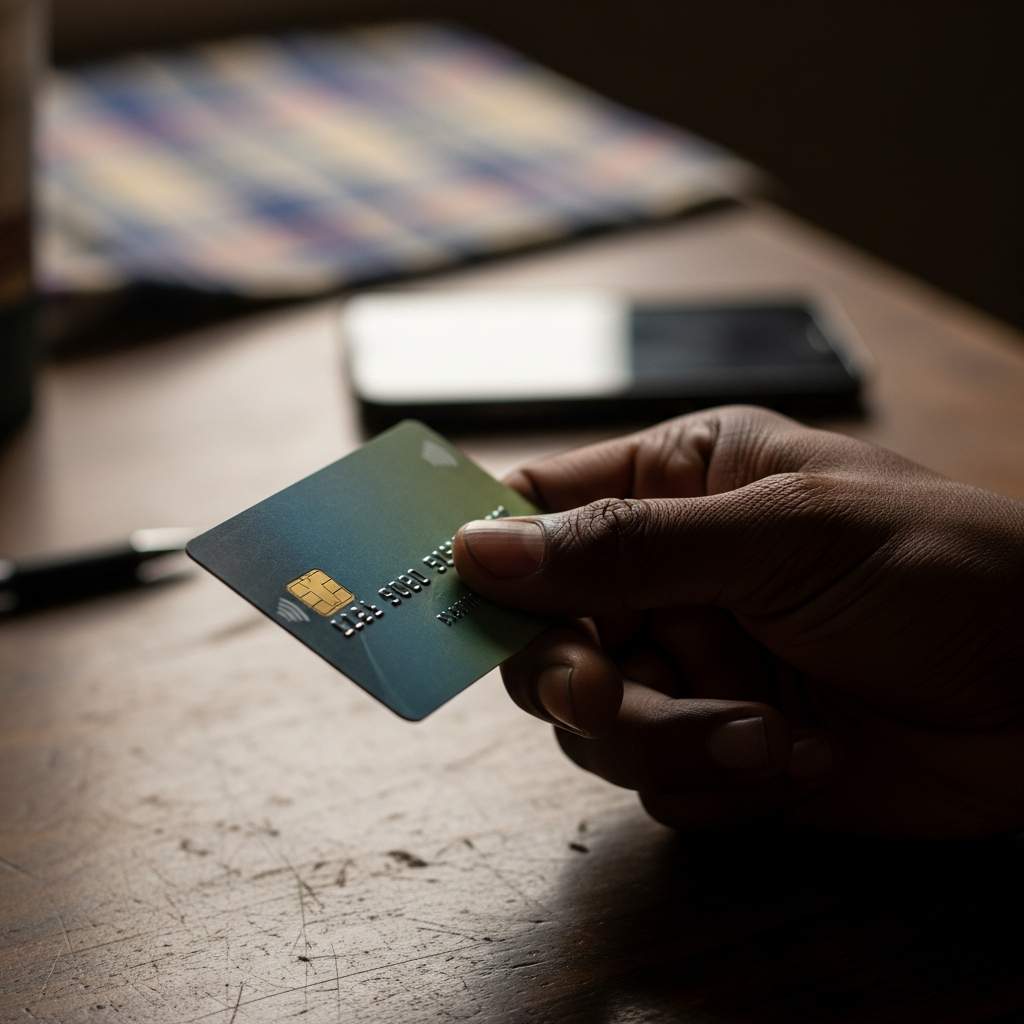
Comparing the Top Virtual Card Options in 2026
Several platforms offer virtual dollar cards in Nigeria. Their services evolve with regulatory changes. The in 2026 includes both dedicated fintechs and offerings from neo-banks.
Platform A: Geegpay (The Specialist in Digital Subscriptions)
Geegpay has emerged as a leading platform for virtual dollar cards in 2026. It offers virtual Visa cards specifically for international subscriptions. Users load the card with naira, and the platform converts the funds at a displayed rate.
A review of user experiences on Nairametrics in 2025 noted high success rates for Netflix payments. The platform charges a conversion fee plus a small card maintenance fee. The total cost becomes before you confirm a transaction.
The card links directly to your Netflix account through the payment settings page. Registration requires both BVN and NIN for legal compliance in Nigeria.
Platform B: Chipper Cash (The Multi-Purpose Finance App)
Chipper Cash remains a top choice for virtual cards in 2026. It provides a dollar card alongside other features like bill payments and airtime purchase. The card works for Netflix and other international merchants.
According to a product update from the company in January 2026, the card uses the Visa network. Funding the card involves a direct naira transfer from any Nigerian bank. The exchange rate updates in real-time within the app.
Users should note there is now a ₦250 fee for every transaction that fails due to insufficient funds. This makes maintaining adequate balance critical to avoid extra charges. Registration requires both BVN and NIN for verification.
Platform C: Raenest (The Bank-Linked Virtual Card Provider)
Raenest offers virtual cards designed for freelancers and remote workers. The service provides dollar accounts and virtual cards for international transactions. The card works seamlessly with Netflix and other subscription services.
A report by BusinessDay in 2025 highlighted the growing adoption of this platform among Nigerian professionals. The card details exist within a secure environment. Users can fund the card via bank transfer or direct deposit.
This option appeals to users who receive international payments and need a reliable way to spend those funds. The platform also accepts BVN and NIN for verification as required by Nigerian regulations.
The Real Cost: Exchange Rates and Fees
The advertised exchange rate is only part of the story. Every platform adds a margin or a separate fee. You must calculate the total naira amount required to pay a subscription.
Platform A might show a rate of ₦1,450 per dollar. A 1.5% conversion fee applies. For a premium plan of ₦8,500, the platform converts this to the dollar equivalent at its rate.
Platform B could use a rate of ₦1,460 with a flat fee of ₦100. Platform C might offer a rate closer to the official Central Bank rate but charge higher transaction fees.
These differences seem small monthly. Over a year, the variation accumulates. Checking the final naira debit from your account gives you the true cost.
Setting Up Your Card on Netflix
The process is straightforward. First, create an account and fund your virtual card with enough naira to cover the subscription and fees. Most platforms show your balance after conversion.
Second, log into your Netflix account online. Go to the Account page and select ‘Manage payment info’. Delete any old, declined payment methods. Enter the new virtual card number, expiry date, and CVV.
Netflix will attempt a small authorization charge to validate the card. This charge reverses immediately. Once successful, your payment method updates. The next billing cycle uses the new card.
“The authorization test is standard for new payment methods. It ensures the card is valid and has a positive balance. Users should see a temporary hold that disappears within a day.” – A fintech customer service manager explained in a Techpoint Africa article (2025).
When Payments Still Decline: Troubleshooting
Sometimes, a card with sufficient funds still declines. The first check is the billing address. Netflix may request a billing address for the card. Use the address you registered with the virtual card provider.
The second check involves ensuring your card has enough balance to cover the full subscription amount. For Chipper Cash users, remember the ₦250 fee applies if a transaction fails due to insufficient funds.
The third possibility is a temporary network issue. Retry the payment after a few hours. Ensure your virtual card app has no pending maintenance notifications. Fintech platforms occasionally pause services for system upgrades.
Keeping Your Subscription Active Without Stress
Automation is your friend. Many virtual card platforms offer an auto-funding feature. You set a rule to top up the card with a specific naira amount a few days before your Netflix billing date.
Monitor your email for notifications from both Netflix and your card provider. Netflix sends a ‘Your payment method will be charged soon’ reminder. Your card app should send a ‘Low balance’ alert if funds are insufficient.
Consider funding the card for multiple months. If your card holds enough for two months, this buffer protects against temporary funding delays from your bank.
The Regulatory Backdrop for Virtual Cards
The Central Bank of Nigeria licenses companies for International Money Transfer Operator services. Fintechs offering virtual dollar cards operate under these licenses or partner with licensed entities. According to the 2025 guidelines from the CBN, these services must conduct customer due diligence and report transactions (The Guardian Nigeria, 2025).
This regulatory oversight provides a level of security for users. Your funds reside with a licensed entity. The operations undergo periodic audits by the central bank.
In 2026, every major fintech now strictly requires both BVN and NIN for legal compliance in Nigeria. The guidelines also define the allowable purposes for these transactions. Subscriptions for educational and professional services, including streaming, fall within the permitted uses.
A Simple Step to Try Today
Pick one of the major platforms discussed: Geegpay, Chipper Cash, or Raenest. Download the official application from the Google Play Store or Apple App Store. Complete the registration, which requires your Bank Verification Number and National Identification Number for verification.
Fund your new virtual card with enough for one month of Netflix plus estimated fees. Attempt to update your Netflix payment method. The process takes less than thirty minutes from start to finish.
Successful payment means you solved the problem. You now have a working method for your Netflix subscription and potentially other international digital services. The small time investment saves monthly frustration.
The best dollar card for Netflix in Nigeria is the one that works consistently from your location. The differences between top platforms are minor in terms of cost. Reliability in processing the monthly payment is the primary metric.
These fintech solutions emerged in response to a specific market gap. They provide a legal, regulated path for Nigerians to participate in the global digital economy. The service works for Netflix, Disney+, Spotify, and other subscription-based platforms.
You can enjoy your shows without payment anxiety. The technology and regulatory approval exist. The remaining step is choosing a provider and setting up the card.
Top 5 Best Tablets of 2025[watch full video link in Description] #tablet #smartphone #tech
“`
Edutech Portal
Nigerian Hackers: The Global Fraud Story and Its Fallout
How did Nigerian hackers steal millions and get caught? Follow the global fraud story that changed cybersecurity forever.

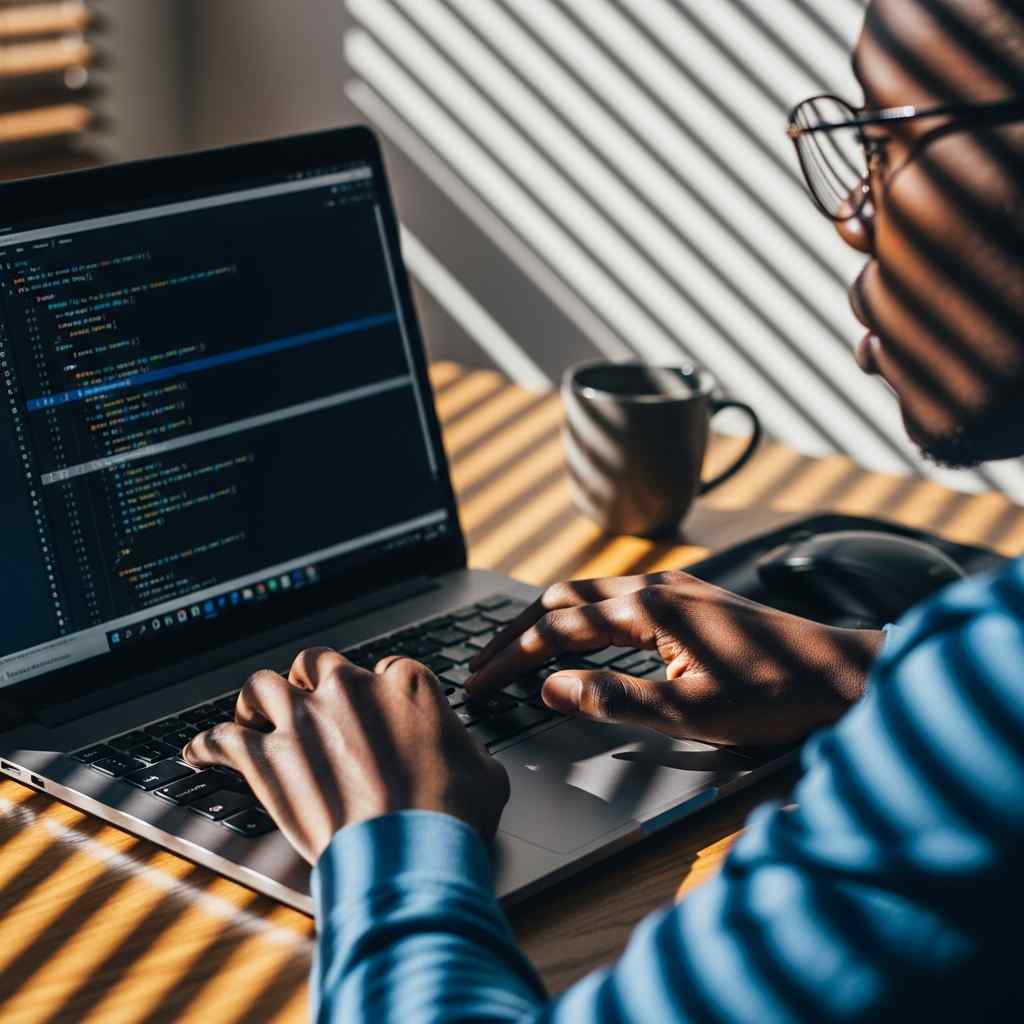
The Story of Nigerian Hackers That Shook the World
Published: 12 February, 2026
How did a criminal enterprise born from fax machines and postage stamps become a global digital siege? The FBI calls them one of the most formidable cybercrime syndicates on earth. Their evolution tracks the evolution of a nation into the digital age, for better and for worse.
From 419 Letters to Zero-Click Exploits
The term Nigerian hackers conjures images of the 1980s advance-fee fraud letter. Operators mailed thousands of letters promising fortunes from a dead general’s account. The Nigerian Advance Fee Fraud statute, Section 419 of the Criminal Code, gave the scam its name. This scheme required patience, a good printer, and a list of foreign addresses.
The internet changed everything. Email turned a labor-intensive postal operation into a digital blitz. A report by Chainalysis in 2023 found that Nigeria ranked among the top countries for cryptocurrency-based crime. The scale shifted from thousands of dollars to millions per successful operation.
Local slang evolved with the technology. Yahoo-Yahoo became the catch-all term for internet fraud. The perception of a quick, victimless path to wealth took root in a situation with youth unemployment above 40%.
The Business Email Compromise Factory
Here is the thing. The modern Nigerian hacker operates a corporate-style business. The FBI Internet Crime Complaint Center (IC3) reported $2.9 billion in losses globally from Business Email Compromise (BEC) schemes in 2023. Actors based in Nigeria were responsible for a dominant share.
These operations have departments. Investigations based on Economic and Financial Crimes Commission (EFCC) arrest records outline the framework. Phishers gather email credentials. Scriptwriters craft convincing narratives for CFOs or vendors. Money mules in multiple countries receive and launder the funds.
The technical skill increased. These groups moved beyond simple password spraying. They use sophisticated social engineering, vendor impersonation, and real-time conversation hijacking. A report by Proofpoint identified Nigerian groups as pioneers in using deepfake audio to authorize fraudulent wire transfers during video calls.
These are not kids in a cybercafe. They are organized criminal enterprises with HR departments, performance bonuses, and quarterly targets. , Wilson Uwujaren, spokesperson for the Economic and Financial Crimes Commission, in an interview with The Cable, February 2026.
The Current Picture
International law enforcement response intensified. The United States Department of Justice unsealed indictments against 80 individuals, many of whom were Nigerian nationals, for cybercrime in 2021. The United Kingdom National Crime Agency established a permanent liaison office in Abuja. Extradition requests from the US, UK, and South Africa filled dockets at the Federal High Court of Nigeria.
But there is a catch. Global agencies demand swift extradition. Local courts grapple with overburdened systems and arguments about jurisdictional sovereignty. A suspect arrested in Lekki faces the possibility of trial in Lagos or in New York. The difference in potential sentence length is measured in decades.
Beyond Fraud: The Rise of Ransomware and Hacktivism
The narrative of the greedy Nigerian hacker chasing wire transfers is incomplete. A newer, more dangerous specialization has emerged. Ransomware-as-a-Service (RaaS) affiliates based in Nigeria have grown prominent. The Cybersecurity and Infrastructure Security Agency (CISA) in the US issued an advisory in January 2026 about a group tracked as Silver Ransom with strong ties to Nigerian actors.
These groups target mid-sized businesses in North America and Europe. The 2024 Chainalysis Crypto Crime Report noted a significant increase in ransomware payments going to wallets associated with Nigerian exchanges.
Another dimension is hacktivism. During the EndSARS protests in 2020, Nigerian hackers defaced government digital platforms. In subsequent years, groups aligned with political causes launched distributed denial-of-service (DDoS) attacks against media houses and electoral commission portals. The skill set developed for crime found political expression.
The tool is neutral. The same knowledge that can compromise a bank’s server can expose a government’s corruption. The motivation dictates the target. , A cybersecurity researcher who requested anonymity, speaking to BusinessDay in December 2025.
The Infrastructure of Crime: Data, SIM Cards, and Cryptocurrency
So here we are. The ecosystem supporting Nigerian hackers is a shadow economy. It starts with data. The National Identity Management Commission (NIMC) database has suffered multiple breach allegations. Investigations have found databases containing NIN numbers and bank verification numbers (BVN) for sale on the dark web.
Telecom infrastructure is critical. Pre-registered SIM cards, banned by the Nigerian Communications Commission (NCC), available. They provide anonymity for account creation and phishing calls. The NCC has directed the linking of SIMs to NINs, but the black market persists.
Cryptocurrency is the final pillar. Peer-to-peer (P2P) trading platforms like Binance and Bybit facilitate the conversion of stolen funds to naira. The Central Bank of Nigeria (CBN) restrictive policies on crypto, revised in 2024, pushed more trading underground. This made forensic tracing more difficult for the EFCC cybercrime units.
The Other Side: White Hats and Cybersecurity Export
Contrast this with another chapter. For every individual exploiting vulnerabilities, another builds a career fixing them. Nigeria has a growing community of ethical hackers and cybersecurity professionals. The National Information Technology Development Agency (NITDA) reports that 12,000 Nigerians obtained international cybersecurity certifications in 2025.
Companies like Interswitch and Flutterwave run security units staffed largely by Nigerian talent. These professionals detect and thwart the same attacks their counterparts launch.
Bug bounty platforms tell a revealing story. On HackerOne, a global platform where companies pay for vulnerability reports, Nigerian researchers are among the top earners in Africa. In 2025, the top-ranked Nigerian researcher on the platform earned over $250,000 in bounties. The skill is identical. The application is legal.
What Happens Next Depends on This
The global siege by Nigerian hackers will continue. The economic incentives are too strong, the attack surface too large. International law enforcement cooperation will increase. More indictments and extraditions will follow.
The solution within Nigeria is multifaceted. It involves economic opportunity, digital literacy, and legal certainty. The EFCC requires more specialized training and technology. The judiciary requires faster cybercrime trial tracks. The National Assembly must update the Cybercrimes Act of 2015 to address ransomware and crypto-laundering.
Parents in Ajegunle and Gbagada have a role. They can recognize the signs of sudden, unexplained wealth in a young person with no job. Community leaders and religious figures can challenge the normalization of Yahoo-Yahoo. The glorification of fraud in some music and social media circles requires a cultural counter-narrative.
Check Your Email Filters Today
The story of Nigerian hackers is a global one. It is a story of technology, inequality, and human ingenuity directed toward destructive ends. It is also a story of redemption.
For the international CFO, the lesson is vigilance. For the Nigerian policymaker, the task is channeling a generation’s skill toward creation. For the young person learning to code in a Lagos hotspot, the choice continues to be.
The keyboard is the same. The destination is a decision.
The Fall of the World’s Flashiest Scammer , Bloomberg Originals. (Digital Illustration: GoBeyondLocal)
Edutech Portal
Internet Sovereignty: Why Some Countries Want Their Own Separate Internet
Want your own national internet? It’s not just about blocking spies. Internet sovereignty also keeps billions in local revenue from flowing overseas.
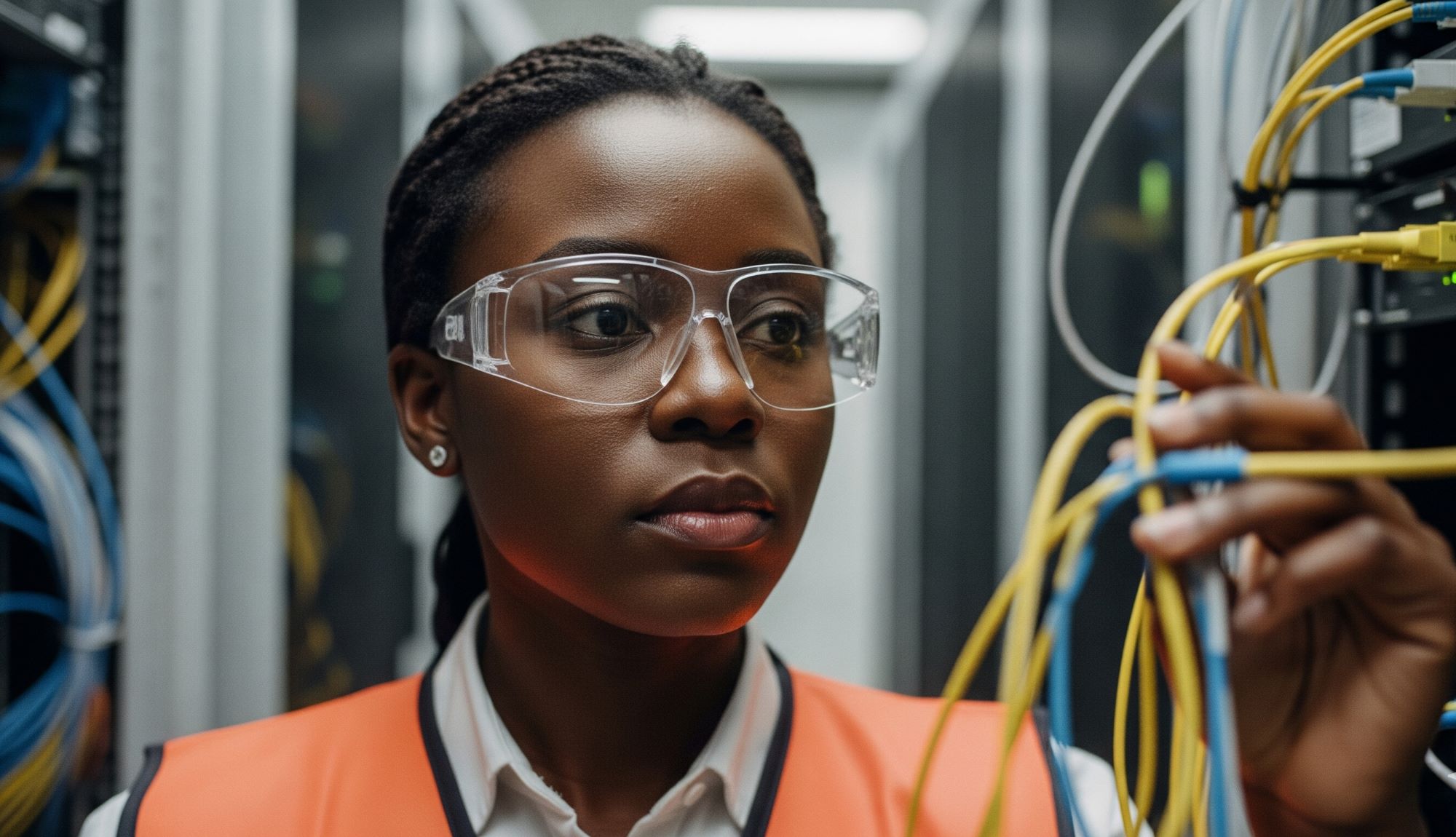
Independent Networks: The New Geopolitical Infrastructure
Published: 12 February, 2026
What happens when the road you depend on can be closed by someone else? The world runs on networks it did not build. For decades, a handful of nations controlled the valves on the internet, global finance, and satellite navigation. That era is ending.
Countries are now constructing their own independent networks. Parallel systems for communication, finance, and data. The goal is control. The method is complex, expensive, and it is reshaping alliances overnight.
The Heavy Truth About Control
In February 2026, the United States Treasury Department sanctioned a Russian bank using the SWIFT system. Transactions froze. The move was a stark reminder: SWIFT, based in Belgium, remains a tool of Western foreign policy.
This event accelerated existing plans. The BRICS bloc had already launched a pilot for its own financial messaging system. According to a statement from the Russian Finance Ministry, 159 banks from 13 countries were participating in the trial. The system offers an alternative for nations seeking insulation.
The logic is inescapable. If your economy depends on a payment highway another country can block, you lack sovereignty. Building a separate road becomes a strategic necessity.
Why Your Internet Might Come From Space
Look at the map of undersea internet cables. They cluster around Europe and North America. This creates a physical vulnerability for a country like Nigeria. A cut cable off the coast of Côte d’Ivoire in 2024 caused internet outages across West Africa for days.
This reality fuels the demand for non-terrestrial networks. Starlink, operated by SpaceX, was licensed by the Nigerian Communications Commission in 2022. By January 2026, estimates suggested the company had over 150,000 active terminals in the country, as BusinessDay noted that year.
For remote communities, it means connectivity. For the government, it means an option that bypasses terrestrial infrastructure owned by foreign telecom giants. The price is higher, but the redundancy has value.
“Diversification is not a luxury, it is a core component of national security strategy. Reliance on a single point of failure is a risk no nation should accept.”
Prof. Umar Danbatta, Executive Vice Chairman, Nigerian Communications Commission, speaking at the International Telecommunication Union forum, Geneva, February 2026
Other nations are going further. China launched the Guowang satellite constellation. India approved its BharatNet satellite initiative. These are sovereign independent networks in low Earth orbit.
The Data Must Live Here
A different kind of network is being built with laws, not rockets. Data localization laws mandate that certain types of citizen data within national borders. The Data Protection Act of 2023 of Nigeria includes provisions for cross-border data transfer restrictions.
The National Information Technology Development Agency is the regulator. In its 2025 compliance report, the agency noted that 42% of major data controllers had established local data servers, up from 18% in 2022.
The argument centers on privacy and security. Data stored abroad falls under that country’s laws. A European court order or an American subpoena can access it. Local storage creates a legal moat.
But there is a catch. Economists point to the cost. Building local data centers requires massive capital investment. It increases operational expenses for businesses. The trade-off is control versus convenience.
Where things stand today
The theory of independent networks meets the practice of daily life in Lagos. A trader in Alaba Market uses Paystack, a Nigerian fintech, for online sales. The transaction is processed locally. The data in Lagos. This is a micro-scale independent financial network.
Contrast this with a manufacturer importing machinery. The letter of credit travels through SWIFT, routed through correspondent banks in New York or London. The manufacturer pays fees in dollars and faces the full exposure of the global financial weather.
The Central Bank of Nigeria has promoted the Pan-African Payment and Settlement System. PAPSS allows direct currency settlement between African nations. Adoption is growing but slow. Old networks have inertia. New networks need critical mass.
“We are not seeking to dismantle the existing system. We are building bridges and alternative routes. In traffic, you always want a detour option.”
Dr. Olayemi Cardoso, Governor, Central Bank of Nigeria, interview with The Guardian Nigeria, March 10, 2026
The cost of independence is real. Maintaining a sovereign satellite system demands a national space agency with a serious budget. Running a financial messaging network requires global trust and technical resilience. Many nations lack the capacity.
The Security Argument That Resonates Everywhere
Cyber attacks are a constant threat. In 2025, a ransomware attack disrupted the digital platform and payment portals of a major federal ministry in Abuja for 72 hours. Premium Times reported that forensic suggested the attack originated from servers in Eastern Europe.
This incident strengthened the argument for national cyber shields. An independent network, proponents say, is easier to defend. You control the entry points. You set the security protocols. You monitor the traffic without foreign oversight.
Wait, it gets more complex. The counter-argument is technical isolation. A closed network might be safer from some attacks, but it also cuts off the rapid sharing of global threat intelligence. Security through obscurity has limits.
For military and government communications, the shift is absolute. Nations are deploying dedicated, encrypted satellite channels and private fiber-optic lines. These are the ultimate independent networks, invisible to the public internet.
The Economic Calculus of Digital Sovereignty
Building these networks is a multi-billion-dollar decision. The government of Nigeria allocated N35 billion in the 2026 budget for the expansion of the National Information and Communication Technology Infrastructure Backbone. This is about 0.2% of the total national budget.
The return on investment is measured in jobs, retained capital, and strategic leverage. Local data centers create employment for engineers and technicians. Local payment systems keep transaction fees within the economy.
But there is a risk of building white elephants. A national satellite system with poor coverage or high costs will fail. A financial network with few users is a museum piece. The technology must be competitive, not just patriotic.
The most successful models involve public-private partnerships. The government provides the regulatory framework and strategic investment. Private companies bring innovation and operational efficiency. The licensing by Nigeria of private satellite internet providers follows this path.
What You Can Do Tomorrow
For the average citizen or business owner, the grand geopolitics of independent networks feels distant. The practical implications are not.
Audit your digital dependencies. Where is the primary data of your company hosted? Which payment gateways do you use, and where are they based? Understanding your own exposure to foreign-controlled networks is the first step.
Consider diversifying your tools. If you rely on a single cloud provider based overseas, explore a local backup option. If all your payments go through one international platform, test a domestic alternative.
This is not about a full-scale switch. It is about building resilience through optionality. When the main road is blocked, you want to know the side streets.
The Inevitable Fragmentation
The push for independent networks will fragment the global digital situation. The vision of a single, open, worldwide internet is receding. In its place, we see a patchwork of regional and national blocs.
This fragmentation carries costs. Interoperability becomes a technical and diplomatic challenge. A payment from Nigeria to India might need to pass through two different sovereign systems, adding complexity.
Yet, for many nations, the cost of dependence appears higher. The ability of a foreign power to disconnect a country from the global financial system is an existential concern.
So here we are. Nations are digging their own digital trenches. They are launching satellites and writing data laws. The age of universal networks is giving way to the age of strategic, sovereign, and independent networks. The infrastructure of power is being rebuilt, one cable, one satellite, and one server at a time.
Nigeria, Independence And Nation Building Pt.6 | The Core | Channels Television. (Digital Illustration: GoBeyondLocal)

How to get USD virtual card without BVN for Nigerians in 2026

Best Dollar Card for Netflix Nigeria 2026

Jesus Is Enough Lyrics Tkeyz ft Steve Hills Meaning

What documents are needed for UK visit visa from Nigeria in 2026?

How to apply for Canada visa from Nigeria step by step in 2026

Warri as Delta’s Potential Capital Gains Akpabio Backing for Anioma State

Staged Kidnapping Case Reveals Family Extortion Trend in Nigeria

Fani-Kayode Says Opposition Has Collapsed – A 2026 Reality Check

Broda Shaggi Recuperating After Sango-Ota Shooting Incident

Terrorists Kill in Nigeria as 2,266 Die in Six Months

Multinational Exodus in Nigeria Deepens with N94 Trillion Loss

Food Crisis Looms in Nigeria as Climate Change Devours Farm Yields

Internet Sovereignty: Why Some Countries Want Their Own Separate Internet

The Story Of The Nigerian Who Helped Build Global Internet Systems

Nigerian Hackers: The Global Fraud Story and Its Fallout

Forgotten Satellites Defy Silence, Beaming Signals for Decades

Your Digital Store in Nigeria and the Reality of Domain Expiration

The Phone Stay So Quiet: An Investigation into Nigeria’s Silent Customer Lines

The Business That Died: A Nigerian Case Study in Refusal to Adapt

Hiding Your Business From People With Money

How Nollywood Grew Without Government Support

Comedy Industry in Nigeria and Its Economic Contribution

Nigeria Produces 67 Percent Global Yam Output

Security and Military Operations in Zamfara State: The Heavy Truth of 2026
 Edutech Portal2 months ago
Internet Sovereignty: Why Some Countries Want Their Own Separate Internet
- Edutech Portal2 months ago
The Story Of The Nigerian Who Helped Build Global Internet Systems
- Edutech Portal2 months ago
Nigerian Hackers: The Global Fraud Story and Its Fallout
- Edutech Portal2 months ago
Forgotten Satellites Defy Silence, Beaming Signals for Decades
- Edutech Portal2 months ago
Your Digital Store in Nigeria and the Reality of Domain Expiration
- Edutech Portal2 months ago
The Phone Stay So Quiet: An Investigation into Nigeria’s Silent Customer Lines
- Edutech Portal2 months ago
The Business That Died: A Nigerian Case Study in Refusal to Adapt
- Edutech Portal2 months ago
Hiding Your Business From People With Money