Brand & Reach: Strategic Identity Design & Search Engine Visibility | Go Beyond Local

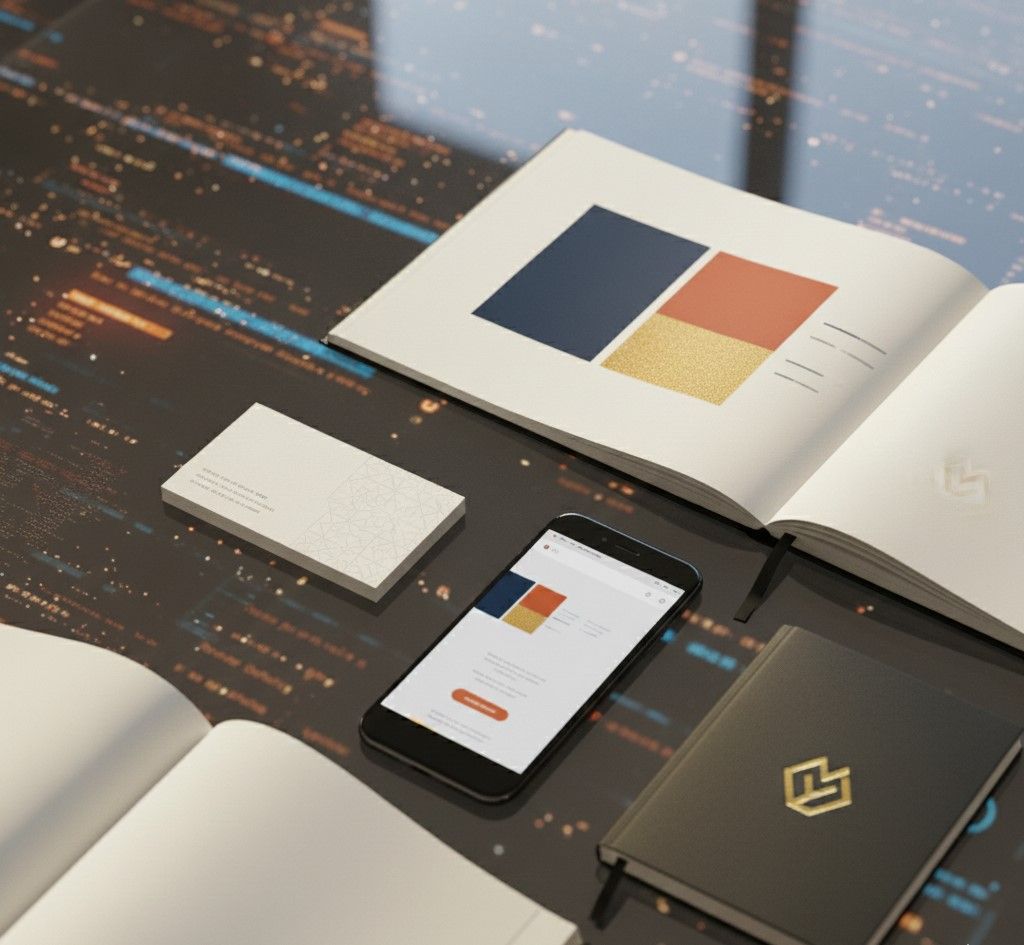
Custom Brand and Reach Infrastructure
A business in Port Harcourt has operated for twelve years. It serves customers well. It has a good reputation. But when someone searches online for the services it provides, the business does not appear. Competitors show up. Potential customers find them instead.
A non-profit in Abuja does important work. It has a name, a logo, and a mission. But the logo was designed by a friend years ago. It looks unprofessional. It does not appear consistently across materials. The organization looks smaller than it is.
A professional services firm in Lagos competes with international companies. Its work is as good as theirs. But its brand materials look dated. Its website ranks poorly. Clients choose the firms that look more established, even when the work is not better.
These are not stories about quality of work. They are stories about perception. In a crowded marketplace, how you are seen matters as much as what you do.
Go Beyond Local provides brand and reach services including strategic identity design and search engine visibility. The company can help organizations look the part and be found online.
What Brand and Reach Mean
Brand is how people recognize and remember an organization. It includes:
- Visual identity: logo, colors, typography, design style
- Voice: how the organization communicates
- Reputation: what people say and believe
- Consistency: appearing the same way everywhere
Reach is how people find an organization. It includes:
- Search visibility: appearing when people look for related services
- Online presence: website, social media, listings
- Discoverability: being found by people who need what you offer
Brand and reach work together. A strong brand means nothing if people cannot find you. Good reach means nothing if what they find does not impress them.
According to the 2026 PwC Nigeria Economic Outlook, organizations with professional brand identity and strong online visibility perform 2.4 times faster than those without. Perception drives performance.
The Problem with Invisible Excellence
An organization can do excellent work and still struggle if no one knows about it. Excellent work that is invisible might as well not exist.
A business that does not appear in search results loses customers to competitors who do. A non-profit with inconsistent branding looks less credible to donors. A professional firm with outdated materials signals that it may be outdated in other ways too.
BusinessDay reported in February 2026 that 68 percent of Nigerian consumers research online before making purchasing decisions. If a business does not appear in that research, it does not get considered.
The Oracle 2026 Edition notes that first impressions are formed within 50 milliseconds of seeing a brand. Those milliseconds determine whether a potential customer stays or leaves.
What Go Beyond Local Can Provide
Strategic Identity Design
Identity design is more than a logo. It is a complete visual system that communicates who you are and what you stand for.
Go Beyond Local can develop:
- Logo Design: A professional logo is simple, memorable, and appropriate. It works at any size. It communicates something about the organization without needing explanation.
- Color Palette: Colors evoke emotions and create recognition. The right palette reinforces the brand message.
- Typography: Fonts communicate personality. A consistent typography system ensures that everything looks like it comes from the same organization.
- Visual Guidelines: A brand guide documents how identity elements should be used. It ensures consistency across all materials.
- Stationery and Collateral: Business cards, letterheads, envelopes, folders—all the physical materials that represent the organization.
- Digital Assets: Social media templates, email signatures, website graphics, presentation decks. Everything that appears online should reflect the same brand identity.
Search Engine Visibility
Being found online requires intentional work. Go Beyond Local can help organizations appear when potential customers search.
Search Engine Optimization (SEO) is the practice of improving a website’s visibility in search results. It includes keyword research, content optimization, technical SEO, local SEO, and performance optimization.
Nairametrics reports that 75 percent of search users never scroll past the first page. If your organization is not on page one, it is effectively invisible.
For organizations that serve specific locations, local listings matter. Google Business Profile, Bing Places, and other directories help people find nearby businesses. Go Beyond Local can help claim, optimize, and manage these listings.
Search engines reward useful content. A blog, articles, or resources that answer customer questions can improve visibility. Go Beyond Local can help develop content strategies that serve both customers and search engines.
Understanding what is working requires data. Go Beyond Local can set up analytics to track how people find the website, what they do when they arrive, which keywords drive traffic, and where improvements are needed.
The Difference Professional Identity Makes
Before Professional Identity: A business has a logo created by a friend years ago. It is pixelated on the website. It appears in different colors on different materials. Business cards were printed cheaply. The website does not match the brochures. Potential customers notice. They absorb the message: this organization does not pay attention to details.
After Professional Identity: A business has a consistent identity across everything. The logo looks sharp everywhere. Colors are consistent. Typography matches. Potential customers absorb a different message: this organization is professional. They care about details.
Channels Television interviewed a brand strategist who said: “Professional identity is not vanity. It is credibility. It tells customers that you take yourself seriously, so they should take you seriously too.”
The Difference Search Visibility Makes
Without Visibility: A potential customer searches for services you provide. Your competitors appear on page one. You are nowhere. You spend money on advertising, but the people actively looking for what you offer cannot find you.
With Visibility: A potential customer searches for services you provide. Your organization appears on page one. They click through. They see a professional website that matches your brand. You are visible to people who are already looking. You do not need to convince them they need you—they already know they do.
BusinessDay notes that organic search drives 53 percent of all website traffic. Paid advertising drives 15 percent. Social media drives 5 percent. Search visibility is the largest channel by far.
The Connection Between Brand and Reach
Brand and reach are not separate. They reinforce each other. A strong brand improves search visibility. People who recognize your brand are more likely to click your search results. Good search visibility strengthens brand. People who see your name repeatedly in search results begin to recognize it. Familiarity builds trust.
The Oracle 2026 Edition calls this the brand-reach flywheel. Organizations that invest in both perform better than those that invest in only one.
What Organizations Can Expect
Organizations that invest in strategic identity design can expect:
- Consistency: appearing professional across all touchpoints
- Credibility: being taken more seriously by customers and partners
- Recognition: being remembered more easily
- Differentiation: standing out from competitors
Organizations that invest in search visibility can expect:
- More traffic: more people finding the website
- Better leads: people actively looking for services
- Sustainable results: visibility that continues over time
- Competitive advantage: appearing before competitors
Examples in Practice
Professional Services Firm
A Lagos-based accounting firm had excellent technical skills but a dated brand. Go Beyond Local redesigned their identity with a modern, trustworthy look. A new website was built with SEO best practices. According to the firm’s managing partner, website traffic increased 340 percent in six months.
Retail Business
A fashion boutique in Abuja had a loyal local following but wanted to reach customers beyond their immediate area. Go Beyond Local developed a cohesive visual identity and optimized their online presence. Vanguard News interviewed the owner, who said: “People used to find us by walking past. Now they find us by searching.”
Non-Profit Organization
A non-profit working in education had difficulty attracting donors. Go Beyond Local created a professional identity system and redesigned their website. Premium Times reported that the organization saw a 200 percent increase in online donations within a year.
The Process
Discovery
Go Beyond Local begins by understanding the organization. What do they do? Who do they serve? What makes them different? What are their goals? What challenges do they face? Interviews with leadership, review of existing materials, and analysis of the competitive landscape provide the foundation.
Strategy
Based on discovery, a brand strategy is developed. This includes brand positioning, messaging framework, and visual direction. For reach projects, this includes keyword strategy, content plan, and technical roadmap.
Design
For identity projects, designers create concepts. The organization reviews options and provides feedback. Revisions are made until the identity feels right. For website projects, design and development proceed with regular checkpoints.
Implementation
Identity elements are delivered in all needed formats. The website goes live. Listings are claimed and optimized. Content is published.
Training and Handover
Organizations receive the tools they need to maintain their brand and visibility. Brand guidelines document how to use the identity. Training sessions help staff understand how to manage their online presence.
Ongoing Support
Go Beyond Local can provide ongoing support to keep identity fresh and visibility strong. As the organization evolves, brand and reach can evolve with it.
What Go Beyond Local Can Provide
Go Beyond Local can provide brand and reach services for:
- Businesses wanting to look professional and be found online
- Non-profits needing to build credibility with donors and partners
- Professional firms competing for clients in crowded markets
- Government agencies needing to communicate effectively with citizens
- Startups establishing their presence from the beginning
The company offers services suitable to each organization’s requirement. A small business needs different support than a large corporation. A non-profit has different objectives than a professional services firm. Go Beyond Local can designs for the specific organization.
One Action an Organization Can Take
An organization can start with one element of brand or reach. Not everything at once. Choose one thing that would make the biggest difference.
It could be a professional logo. It could be claiming your Google Business Profile. It could be refreshing your website. It could be creating brand guidelines. Choose one.
Take that one step. See the difference it makes. Then consider the next step. And the next. Step by step, brand and reach improve together.
Go Beyond Local can help with each step. The company can design the logo, optimize the website, claim the listings, and create the content. The digital bridge carries your organization from invisible to visible, from unknown to recognized, from local to global.



Citizen Engagement
Digital Citizen Engagement Platforms for States Today: What Works and What Citizens Actually Experience
Politics
INEC 2027 Timetable and What It Means for Political Parties: Full Breakdown of Dates and Deadlines
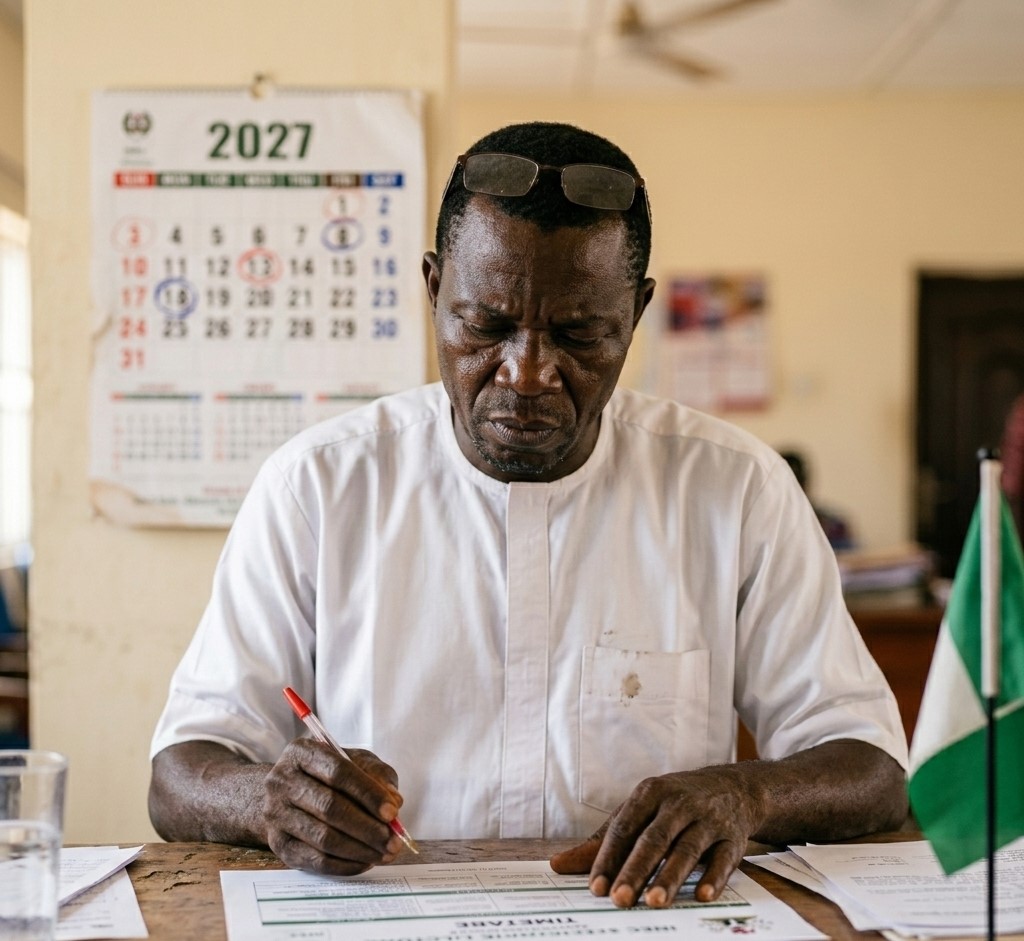
INEC and the 2027 Election Timetable
The Independent National Electoral Commission (INEC) runs on a schedule that political parties ignore at their own peril. Missing just one deadline can boot a candidate off the ballot faster than any court ruling. The 2027 calendar sets the pace for everything, from internal primaries and rallies to the final vote on election day.
Based on official updates shared in late February 2026, the commission has shifted the 2027 timeline. This change follows the scrap of the 2022 Act and the signing of the Electoral Act 2026 by President Bola Tinubu. The new dates ensure that voting does not clash with the holy month of Ramadan, answering a major concern from the public.
The Legal Basis for the New Dates
The Electoral Act 2026 grants INEC the power to set these dates. Section 28 of the new law now asks INEC to post the notice of election at least 300 days before the vote, a drop from the 360 days used previously. For 2027, the formal notice went out in February 2026 to stay in line with this updated rule.
National news reports confirmed the shift. Moving away from the usual February window, the Presidential and National Assembly elections are now set for January 16, 2027. State-level contests for Governors and Houses of Assembly will follow on February 6, 2027.
BusinessDay noted that this faster pace gives parties much less time to fix internal issues. Any group that fails to hold its primaries within the new window loses the chance to be on the ballot at all.
Key Dates for Political Parties
INEC Chairman Professor Joash Ojo Amupitan noted in February 2026 that the commission will strictly follow these legal dates. Under the 2026 Act, the commission holds the reins, and every deadline is final.
The 2027 schedule includes several points that cannot be moved:
Notice of Election
This starts the entire process. Under the 2026 law, this must be public 300 days before the vote. It lists the dates, the seats up for grabs, and the legal rules. This was re-issued on February 26, 2026, to match the January election dates.
Primary Election Window
The new plan requires parties to hold their primaries between April 23 and May 30, 2026. This includes fixing any internal fights. Primaries held after this will be blocked by the commission’s digital portal.
Submitting Names
After picking candidates, parties must upload their names. The 2026 Act makes this digital process stricter to stop the “placeholder” candidate trick. These dates are firm, with no swaps allowed later except for death or a legal withdrawal.
Campaign Launch and End
Public campaigning for federal seats starts on August 19, 2026. State-level campaigns begin on September 9, 2026. All public noise must stop 24 hours before the polls open.
Final Candidate List
INEC will post the final list well before the January polls. This ends the window for any last-minute changes due to candidates leaving the race or passing away.
Election Day
Voting for the President and National Assembly happens on January 16, 2027. State elections take place on February 6, 2027. INEC rules state all gear must be at polling units by 8:30 a.m., with party agents watching closely.
The Impact on Political Groups
The move to January makes the lead-up much shorter for everyone. Both big and small parties have to fix their plans to hit these early marks.
For Major Parties
The PwC Nigeria Economic Outlook 2026 pointed out that groups must deal with a more disciplined environment. For parties, this means raising money and spending on primaries earlier. The April 2026 start means internal leadership rows must be settled now.
For Smaller Parties
The pressure is on. Smaller groups need to show a national face and finish primaries by May 2026. While they can pick a single consensus choice, they need written proof from everyone involved that follows the party rules filed with INEC.
For New Parties
Right now, the door for new groups to join the 2027 race has mostly closed. INEC usually stops taking new sign-ups once the formal notice is out and the process is moving.
Technology in the 2027 Race
The Electoral Act 2026 adds new ways to protect digital results. While BVAS and the IReV portal are back, the law now requires instant checks to make sure the total votes don’t go over the number of verified voters.
Voter Updates
INEC has kicked off a drive to clean up the voter list. Registration started in early 2026 and is set to wrap up on August 30, 2026. No new names can be added after that.
Getting Your PVC
The schedule sets specific times for picking up voter cards. INEC has noted that cards not picked up will go to local offices for one last chance before the January vote.
Trial Runs
To prove the system works, INEC will run test runs across every district. These verify that the BVAS tools are ready and the network can handle sending results.
The Reality for Staff and Parties
In local offices, the reality of the January shift is hitting home. Many party reps are worried about the short time for primaries. The word from the commission is simple: the law is our map, and the schedule is there to make sure power is handed over in May 2027.
Fines and Penalties
The Electoral Act 2026 offers no shortcuts. Once the portal shuts, it is over. Breaking the rules leads to:
- Losing a spot on the ballot if names aren’t in on time.
- Primaries held outside the April or May window being tossed out.
- Fines or getting kicked out for campaigning too early or too late.
Next Steps for Parties
Parties should check their member lists now and make sure candidates follow the rules. Training agents and checking party laws should start today, as the vote is less than a year away.
A Push for Ease
To help smaller groups, some have asked INEC to put out a basic calendar alongside the heavy legal papers. Making the January 16 election date and the April 23 primary start easy to see helps keep the race fair for everyone.
The 2027 process is now in motion. With the January dates locked in, the outcome depends on whether politicians can show the discipline to follow the rules.
Entertainment & Media
Comedy Industry in Nigeria and Its Economic Contribution: How Laughter Became Big Business
Nigerians do not just laugh for free anymore
The comedy industry now commands ticket prices that rival music concerts, and corporate brands pay comedians more than some bank managers earn in a year. What started as church hall performances and university campus nights has grown into a structured industry with measurable economic output.
According to general industry data, the live comedy segment has become a significant revenue generator in the entertainment sector. While specific 2025 revenue figures are still being tallied by agencies, the sector contributes billions of naira in direct revenue through ticket sales, corporate bookings, and comedy club operations across the country. Growth is projected to continue as digital consumption patterns stabilize.
The Numbers Behind the Laughter
BusinessDay recently analyzed the comedy industry structure, noting that comedy provides employment for thousands of people. This includes comedians, writers, videographers, sound engineers, and event support staff. The industry also creates a secondary economy for vendors and service providers outside event venues.
The revenue streams within the sector are diverse:
Live Shows Generate a Significant Share Major comedy brands like AY Live and Basketmouth’s various concerts continue to fill large indoor arenas. While ticket prices vary based on the venue and city, premium tables and VIP sections remain a high-revenue segment. Recent major shows in Lagos have demonstrated strong ticket demand, highlighting the public’s willingness to pay for premium live entertainment.
Corporate bookings account for another significant portion. Banks, telecommunications companies, and various corporate entities hire comedians for events at competitive rates. Top-tier comedians command millions of naira per private booking, reflecting their value as brand influencers and entertainers.
Digital Content Creates New Opportunities The skit maker explosion has added a new layer to the industry. Analysts estimate that top skit creators earn substantial monthly income through social media advertising, brand integrations, and sponsored content. The digital landscape in Nigeria now supports hundreds of comedy channels with significant subscriber bases.
The Nation reported that brand endorsement deals for comedians have seen steady growth. Telecommunications companies and consumer goods brands lead the spending. A comedian with a large, engaged following on social media can charge significant fees for single sponsored posts or long-term brand partnerships.
The Industry Structure
Channels Television and industry insiders describe the sector as having three distinct layers:
The Headliners This top tier consists of established names who headline their own shows and have national recognition. Names like Ali Baba, AY Makun, Basketmouth, and Bovi represent the foundation of the modern industry. These individuals often reinvest their earnings into production companies and other business ventures.
The Working Class Hundreds of comedians work steadily across Nigeria, earning their primary income from comedy. They perform at weddings, corporate events, and smaller shows. While incomes vary based on location and professional network, those based in commercial hubs like Lagos often see more frequent booking opportunities.
The Digital Content Creators Thousands of young Nigerians create comedy content for social media. While many start with little to no income, a small percentage successfully monetize their work. This segment has democratized the industry, allowing talent from across the country to find an audience without needing an initial platform in Lagos.
The Economic Ripple Effects
The entertainment industry provides indirect economic benefits to related sectors. For every major show, there is increased activity in transportation, food and drink, fashion, and hospitality. A typical large-scale comedy show in an urban center requires a variety of support staff, from security and ushers to technical crews and marketing agencies.
Vanguard News recently noted that major entertainment events create temporary employment for hundreds of people per production. This includes venue staff, logistics providers, and hospitality workers.
Nairametrics analyzed the fiscal contributions of the industry, noting that VAT from ticket sales and income tax from formal entities within the sector add to government revenue. As the industry becomes more formal, these contributions are expected to rise.
The Club and Digital Economy
Arise News investigated the comedy club scene in Lagos, noting that several venues now host regular comedy nights. These clubs employ permanent staff and provide a consistent platform for mid-level and upcoming talent. The club economy also supports local micro-entrepreneurs who operate near these venues.
On the digital side, TechPoint and other tech-focused outlets report significant growth in Nigerian comedy views on platforms like YouTube. This represents a substantial share of Nigerian digital content consumption. Top channels earn through the YouTube Partner Program, supplemented by direct brand payments.
Challenges and Opportunities
BusinessDay identified several structural hurdles:
Intellectual Property: Content creators often struggle with unauthorized reposting of their work.
Payment Cycles: Some performers face delays in receiving payments from clients.
Production Costs: Rising costs for venue rentals and equipment can impact the profitability of live shows.
Talent Development: There is a lack of formal training for aspiring comedians, who must learn through trial and error.
The Export and Film Connection
CNBC Africa reported that Nigerian comedians are a major export, performing regularly for diaspora audiences in the UK, USA, and Canada. These international tours generate significant foreign exchange and promote Nigerian culture globally. Premium Times has documented how top-tier comedians successfully navigate international logistics to reach these markets.
There is also a strong overlap between comedy and Nollywood. Comedians like AY and Funke Akindele have produced some of the highest-grossing films in Nigerian cinema history. This collaboration between the two sectors helps drive box office numbers and introduces talent to broader demographics.
The Road Ahead
The industry continues to thrive because of its low barrier to entry and its ability to reflect the Nigerian experience. To protect this growth, stakeholders have suggested a digital registry for content to help establish intellectual property ownership. This would assist creators in issuing takedown notices and managing their rights more effectively.
The laughter continues across Nigeria. Whether in Lagos clubs or on digital screens, comedians provide a necessary lens for society. The industry is no longer just about jokes; it is a significant economic pillar that supports thousands of livelihoods.

Digital Citizen Engagement Platforms for States Today: What Works and What Citizens Actually Experience

INEC 2027 Timetable and What It Means for Political Parties: Full Breakdown of Dates and Deadlines

Comedy Industry in Nigeria and Its Economic Contribution: How Laughter Became Big Business

Why Rent in Ikoyi and Banana Island Costs N180 Million Per Year: Verified Prices and Market Reality

How the Niger Coup Affected Nigeria’s Security Architecture: Border Closures and Military Realignments

Banditry, Kidnapping and Military Operations in Zamfara: The Situation in 2026

Makoko Demolitions and Over 80,000 Residents at Risk: The Facts on Ground

Construction and Real Estate Sector Outlook 2026 in Nigeria: Prices, Policies, and What Tenants Face

Why Healthcare Workers Keep Getting Infected With Lassa Fever: The 2026 Reality

Nigeria Produces 67 Percent Global Yam Output – FG Says: The Numbers Behind the Tuber

FRSC and NIMC Partner on Data Integration for Security: What This Means for Driver License Holders

How Nollywood Grew Without Government Support

Internet Sovereignty: Why Some Countries Want Their Own Separate Internet

How One Misplaced Dot Broke a Bank Login Page

The Untold Story Of The Nigerian Who Helped Build Global Internet Systems

Nigerian Hackers: The Global Fraud Story and Its Fallout

Forgotten Satellites Defy Silence, Beaming Signals for Decades

Do Not Allow Your Digital Store to Shut Down: The Exact Dates That Kill Websites

The “Village People” Aren’t Blocking Your Sales; Your Bad SEO Is.

The Business That Died because the Owner Refused to “Go Beyond.”

Why Are You Hiding Your Business From People With Money?

How Digital Maps Help Police Find Crime Spots

Entertainment as the Next Hope for Nigeria After Oil: What the Numbers Really Show
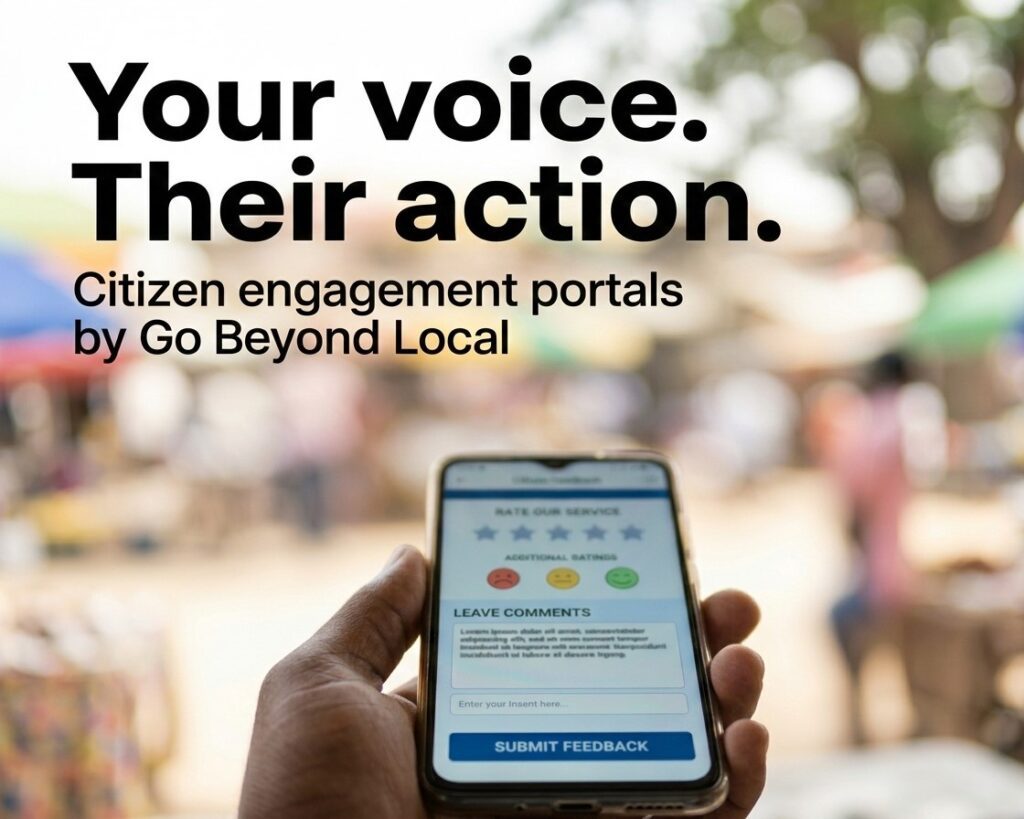
Digital Citizen Engagement Platforms for States Today: What Works and What Citizens Actually Experience
 Edutech Portal3 weeks ago
Internet Sovereignty: Why Some Countries Want Their Own Separate Internet
- Digital Hustle3 weeks ago
How One Misplaced Dot Broke a Bank Login Page
- Edutech Portal3 weeks ago
The Untold Story Of The Nigerian Who Helped Build Global Internet Systems
- Edutech Portal3 weeks ago
Nigerian Hackers: The Global Fraud Story and Its Fallout
- Edutech Portal3 weeks ago
Forgotten Satellites Defy Silence, Beaming Signals for Decades
- Edutech Portal3 weeks ago
Do Not Allow Your Digital Store to Shut Down: The Exact Dates That Kill Websites
- Edutech Portal3 weeks ago
The “Village People” Aren’t Blocking Your Sales; Your Bad SEO Is.
- Edutech Portal3 weeks ago
The Business That Died because the Owner Refused to “Go Beyond.”